

Basal body temperature, or BTT, is your lowest body temperature at rest on any given day. For people who have periods, fluctuations in hormone levels – particularly the hormone progesterone – causes BTT to increase slightly. BTT tracking is a way of gauging your fertility window, letting you know what days of the month you’re most likely to get pregnant if you have sex. Other than family planning, tracking your BTT can help you more accurately link each stage of your cycle to how you’re feeling, confirm the timing of ovulation, and provide a more comprehensive view of your body’s natural rhythms. How Does Your Cycle Affect Basal Body Temperature? Your BTT changes through each stage of your cycle, increasing after ovulation and decreasing right before ovulation. Follicular phase: During the pre-ovulation (follicular) phase of the menstrual cycle, the average adult female basal body temperature typically falls around 97.0 – 97.5°F (36.1°C to 36.4°C). This is the beginning of your cycle, when estrogen dominates. Ovulation: In the 1-2 days leading up to ovulation, there’s a small “dip” of about 0.5°F (0.2°C). This is the lowest BTT in your cycle. Luteal phase: Progesterone levels rise as your body prepares itself for potential pregnancy, increasing resting body temperature by 0.4°F to 1.0°F (0.2°C–0.5°C) to a higher range of roughly 97.6°F to 98.6°F (36.4°C–37°C). End of cycle: If pregnancy doesn’t occur, progesterone levels drop and BTT goes down. Your body sheds the unfertilized egg and uterine lining through what we call the “period.” If pregnancy does occur, BTT remains elevated. Ovulation Fever vs. Illness Do you ever feel like you’re coming down with the flu in the days leading up to your period? If you consistently feel achy, tired, and a little feverish during that time of the month, it may not just be an (in)conveniently timed cold – you may be experiencing “ovulation fever.” During the luteal phase, your body releases chemical messengers called prostaglandins. Prostaglandins are the same chemical messengers your body produces when you’re sick to combat bacteria and viruses. When you start your period, prostaglandin released in the uterus lining raises your body temperature, causing a low-grade fever. Prostaglandin combined with low estrogen levels and the rise in BBT due to ovulation may mimic flu-like symptoms such as fatigue and pain. PMS symptoms vary widely from person to person, and researchers are still finding out new things about “ovulation fever.” Keeping track of your hormonal cycle can help you figure out what times of month you’re most likely to feel tired, and whether or not you’re really sick. Remember: Cyclical body temperature changes are generally subtle, and if your body temperature spikes significantly or remains high past your period, it’s time to see a doctor. Why Should I Track My BTT? You may be thinking: I’m super careful about using condoms, and I’m not trying to get pregnant. Why should I track my BTT? Cycle tracking is a way of gauging your hormonal health, providing real-time data on hormonal fluctuations, which may be responsible for a range of symptoms, from irregular menstrual cycles and fatigue to weight changes and irritability. The average person experiences their period in a 21 to 35-day cycle, but this range (which is already quite broad) can vary. BTT offers a more specific way to measure your bleeding patterns; If your periods have never been very regular, tracking your BTT helps you figure out when your next period will be and plan accordingly (you may want to reschedule a swimming outing on days after the “dip,” for example). BTT patterns may also be a predictor of hormonal health. For example, research shows that consistently low BTT readings correlate to an underactive thyroid. If your BTT patterns are all over the place, it could indicate hormonal conditions such as polycystic ovary syndrome (PCOS), stress-induced fluctuations, or perimenopause. Understanding your hormonal patterns can key you into potential problems and when to seek medical intervention. How To Track BTT: A Step-by-Step Morning Routine Tracking your BTT requires consistency and a solid sleep schedule. Keep in mind that your basal body temperature can be affected by various factors, such as: Stress Illness or fever Not sleeping well, or sleeping more than usual Substances like alcohol Certain medications Travel, especially across time zones Gynecologic disorders You’ll need a thermometer specifically designed to measure basal body temperature and measures to two decimal places for accuracy. Most BTT thermometers can be inserted under the tongue, though there are also vaginal or rectal options. Here’s how to track BTT: 1. Take your temperature at the same time each day, when you first wake up. Our body temperature is the lowest right when we wake up in the morning, and increases with activity. Make sure to take your BTT immediately upon waking, before you sit up, drink water, or go to the bathroom. Always take your temperature using the same methods as close to the same time every day as possible. 2. Track the numbers. Use a chart or tracking app to record your daily basal body temperature. There are several apps designed for this purpose which can provide useful visual aids. 3. Look for a pattern. You should see a clear pattern emerge over a few months; ovulation should be occurring on the days your BTT rises slightly. Be patient – self-measuring is prone to human error, and it may take some time before you get a regular pattern. Hormones Should Be Cyclical, Not Exact We’re not robots, and sometimes a night out or stress can confuse your readings. However, if you’re fairly consistent in your habits, and spot clear changes in your BTT over months of tracking, it may be a sign of hormonal disturbance. Knowing how your hormones impact the way you feel can help you understand your body and provide valuable insight to your doctor in case of concern. Source link

Amazon Prime Day: Hair Loss Products and More
The popular Amazon Prime Day runs from June 23-June 26, 2026 this year. You will need an Amazon Prime membership to take advantage of the event. If you’re not a member, sign up for a free 30-day trial in order to participate in the sale. You can cancel your trial before the 30 days are up to avoid being charged. If you have Prime membership, shipping is free. Below, I will list the early deals as they come. Hair Loss Product Deals Other Big Deals Source link

NICE approves atogepant for acute treatment of migraine on the NHS in England
According to the latest NICE guidance, atogepant can be prescribed as an option for the acute treatment of migraine with or without aura in adults only if, for previous migraine attacks, at least two triptans were tried and they did not work well enough or were not tolerated and nonsteroidal anti-inflammatory drugs (NSAIDs) and paracetamol were tried but did not work well enough. Whether atogepant can be prescribed for the acute treatment of migraine in both primary and secondary care settings will be subject to local commissioning through Integrated Care Boards. This means that GPs may be able to prescribe atogepant as an acute treatment or they may need to refer to a specialist for a patient to gain access, depending on where they are based. While the availability of atogepant for acute treatment is a positive step forward in improving migraine care, we are also aware of the difficulties that people experience in accessing these much-needed medications. Research for The Migraine Trust’s 2023 report, Heading in the Wrong Direction, found that among people who reported themselves to have met the eligibility criteria for CGRP mAbs, only 52% had been offered access to this treatment. Those unable to access it reported being told that their GP, neurologist or the local NHS does not prescribe it, that there was a lack of funds available to prescribe it, or that waiting lists are too long so clinicians were opting not to prescribe. Alice, who lives with chronic migraine, welcomes today’s announcement. She also believes that access to medications such as atogepant at an earlier stage would make a considerable difference for people living with migraine. Alice said: “I lost years of my life waiting to be taken seriously by medical professionals and waiting to access migraine-specific treatments. If a wider range of migraine-specific treatments, such as atogepant, were available earlier in the patient journey, I believe many people could reach effective treatment sooner, avoid years of unnecessary suffering, reduce their exposure to ineffective medications and side effects, and maintain a better quality of life. “ Similarly, Lisa, who has struggled to access migraine treatment, is clear that access to migraine-specific medications as acute treatment options is a step forward: “You must try so many different treatments and face the side effects, then at times the waiting list for neurology has been nine months long. I do understand you can’t give out treatments to everyone straight away, but it’s a lot to deal with.” Source link

Nominations open for Healio’s Disruptive Innovators in GI
Add topic to email alerts Receive an email when new articles are posted on Please provide your email address to receive an email when new articles are posted on . “ data-action=”subscribe”> Subscribe We were unable to process your request. Please try again later. If you continue to have this issue please contact customerservice@slackinc.com. Back to Healio Healio’s ninth annual Disruptive Innovators Awards for gastroenterology and hepatology will be presented this fall, honoring the pioneers whose groundbreaking work and bold ideas have redefined the field. Awardees will be recognized during a prestigious awards ceremony at the ACG Annual Meeting, scheduled for October 9-14 in Nashville. Healio Gastroenterology and its collaborators unveiled its 2025 class of Disruptive Innovators Award recipients during the ACG Annual Meeting in Phoenix. Credit: Erin T. Walsh, MA The event will be hosted by Healio Chief Medical Editor Edward V. Loftus Jr., MD, and Ugo Iroku, MD, MHS, a co-founder of the Association for Black Gastroenterologists and Hepatologists. Healio is now accepting nominations in nine categories: Lifetime Disruptor, presented to a physician who consistently pushed the field forward through innovative treatments, practice management, patient care or research; Rising Disruptor, which recognizes an up-and-coming physician who is disrupting the status quo in the field through new techniques, new thoughts, questioning methods or breakthrough research; Clinical Innovation, presented to a physician or institution that changed the face of gastroenterology practice, providing an example of how patient care can be bettered through changes in administration, technique or delivery of value-based care; Woman Disruptor of the Year, presented to a woman in the field who has emerged as a leader and example to younger women of how a successful career can unfold; Social Media Influencer, which recognizes a health care professional who has made a positive impact on social media, become a trusted resource for his or her peers, and led the tidal change in health care provider use within gastroenterology; Healio Patient Voice, presented to a patient advocate or advocacy group that moved the needle with regard to discussion in the public sphere, better communication between patients and providers, and/or advocacy for legislative or regulatory action; Health Equity Award, which recognizes a physician who has made meaningful changes to overcome the social determinants of health in gastroenterology; The Partner in Practice Award, presented to an allied health provider — dietitian, gastropsychologist, nutritionist, nurse practitioner or physician assistant — whose innovative approaches improve patient outcomes or quality of care; and Industry Breakthrough, presented to a product that stands out as a major disruption to the practice of gastroenterology. Would you like to nominate a mover, shaker or industry name-maker who has spurred innovation or disrupted the practice of medicine to improve patient health or improve quality of care? Email nominations to Editorial Director Robert Stott at rstott@healio.com. Please include the nominee’s name and institution, along with the award category for which you believe the nominee is most deserving. Published by: Ask a clinical question and tap into Healio AI’s knowledge base. PubMed, enrolling/recruiting trials, guidelines Clinical Guidance, Healio CME, FDA news Healio’s exclusive daily news coverage of clinical data Learn more Add topic to email alerts Receive an email when new articles are posted on Please provide your email address to receive an email when new articles are posted on . “ data-action=”subscribe”> Subscribe We were unable to process your request. Please try again later. If you continue to have this issue please contact customerservice@slackinc.com. Back to Healio Source link
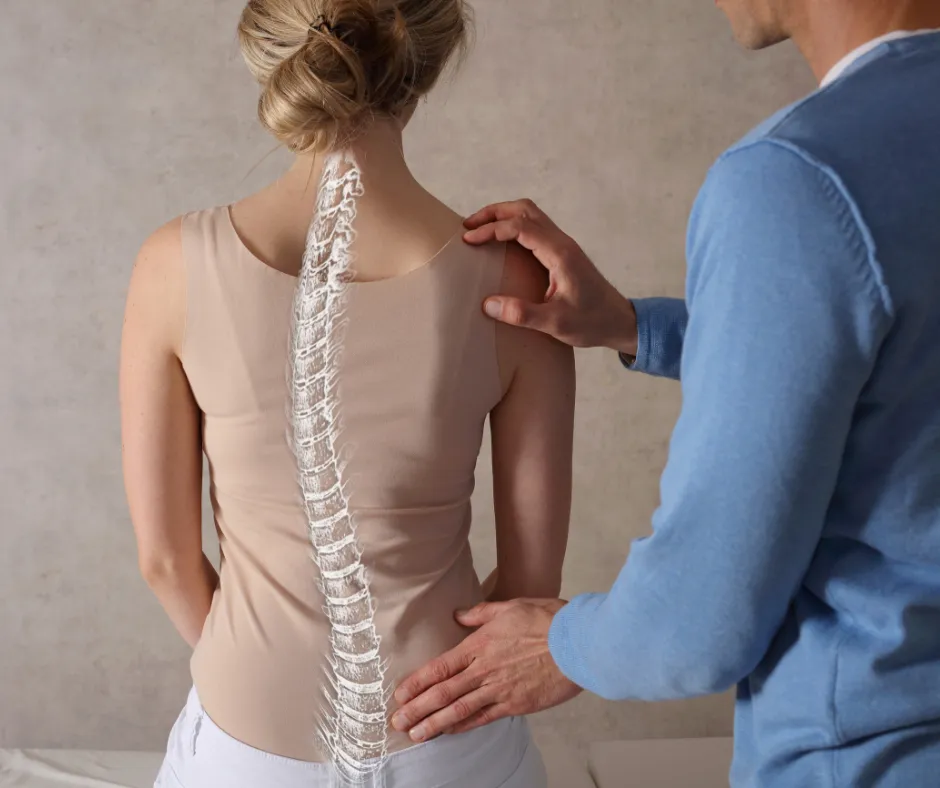
Interlaminar Spinal Fixation Systems
If you suffer from chronic back pain or have a spinal injury, you know firsthand how debilitating it can be. Fortunately, advances in medical technology have led to a range of treatments that can alleviate pain and restore function to the affected area. Interlaminar Spinal Fixation Systems are medical devices composed of two interbody spacers and a linking rod made of titanium. They helps reduce pain, prevent further damage, and promote spinal fusion. Furthermore, they are minimally invasive and have been shown to be effective in clinical studies. Join us as we take a closer look at the interlaminar spinal fixation system and how it can help improve outcomes for those with spinal instability or degenerative disc disease. What is an Interlaminar Spinal Fixation System, And What Are Its Components? Interlaminar Spinal Fixation Systems are spinal stabilization systems designed to promote spinal fusion and provide stability to the lumbar spine. The system consists of two interbody spacers and a linking rod made of titanium, which are implanted through a minimally invasive procedure. The interbody spacers are placed between two adjacent vertebrae to restore the natural spacing and alignment of the spine, while the linking rod connects the two spacers to stabilize the spine. The system’s design allows for controlled movement while the spine heals and promotes the growth of new bone tissue. These devices aim to reduce pain, prevent further damage, and improve spinal stability, leading to better outcomes for patients with spinal instability or degenerative disc disease. It’s also an effective alternative to traditional spinal fusion surgery, with fewer complications and faster recovery times. What are the Benefits of Interlaminar Spinal Fixation Systems? This system offers several benefits for patients with spinal instability or degenerative disc disease. Stabilization of the Spine: The first and most significant benefit is the stabilization of the spine, which can reduce pain and prevent further damage. The device does this by attaching itself to vertebrae and not allowing them to move, thereby reducing instances of further spinal damage, pain, or even inconvenience. Promotion of Spinal Fusion: Additionally, the system promotes spinal fusion, which is the natural process of two adjacent vertebrae fusing together. The interbody spacers used create the optimal environment for new bone tissue growth, leading to a more stable spine over time. Minimally Invasive Procedure Another significant benefit of spinal fixation systems is that it is a minimally invasive procedure. Unlike traditional spinal fusion surgery, which requires larger incisions and longer recovery times, This procedure can be performed through a smaller incision. This means that patients experience less pain, have shorter hospital stays, and can return to normal activities faster. Overall, spinal fixation systems offer a safer, more effective alternative to traditional spinal fusion surgery, providing patients with long-lasting relief from spinal instability, chronic spinal pain, and degenerative disc disease. Additional benefits include the utilization of local anesthesia, conservation of bone and soft tissue, decreased likelihood of epidural scarring and leakage of cerebrospinal fluid, a shorter hospitalization and rehabilitation duration, and the possibility of reversing the surgical procedure without impeding future surgical alternatives. Types of Spinal Fixation Systems The most popular system is StabiLink. It is an innovation by Southern Spine, a celebrated global manufacturer of spinal and thoracic inserts. Their innovations include the following: StabiLink® MIS Interlaminar Spinal Fixation System This implant is placed away from the neural and other elements of the spinal cord. The StabiLink® MIS Interlaminar Spinal Fixation System boasts several design features that enhance its performance and effectiveness. The implant has a small diameter with a wide-spike design, containing 16 spikes per implant, which spreads the load over a larger area. This feature increases the implant’s load-sharing capacity during both static and fatigue testing. The Laminar Lock Design is another notable feature that limits movement in all three planes, including lateral bending, axial rotation, and flexion/extension. It offers a wide range of implant designs and sizes for optimal anatomical fit. The low profile of the implant also enables access to facet joints and other surrounding anatomy. The torque-controlled locking mechanism results in secure fixation of the implant. Overall, StabiLink’s design features ensure greater stability, accuracy, and long-term effectiveness for patients undergoing spinal stabilization surgery. How Are Interlaminar Spinal Fixation Systems Inserted? During the procedure, a small incision measuring 2–4 cm is made using a precision guided inserter/compressor. This instrument is designed to streamline the implant placement process, making it more straightforward and accurate for surgeons. The precision guided inserter/compressor is an all-in-one instrument that eliminates the need for multiple instruments, including bulky compressors. It allows for the implant to be safely placed with or without the removal of the interspinous ligaments. As a result, the overall procedure time is reduced, and the implant insertion and compression are achieved with greater ease and accuracy. The Risks Involved As with any procedure, Interlaminar Spinal Fixation Systems come with their own risks. Risks may include wound infection, post-surgical CSF leak, blood clots, etc. It is important to note that these instances are rare, and, have a far lower probability of occurrence when compared to traditional spinal decompression surgeries. If you or a loved one suffers from degenerative disc disease or chronic back pain, we recommend visiting Pain Treatment Centers of America at one of our many locations. Our medical and ambulatory surgical expertise has helped thousands of patients, and we would be delighted to help you determine the best option for you. For more information, call us at (844) 215-0731 today! Source link

WomenTalk: Matters of the Heart
This episode is all about heart health — and why it’s something women can’t afford to ignore. Heart disease is the number one killer of women, yet so many of us don’t realize our risk or know what to look for. We’re joined by Martha Gulati, M.D., a leading expert in preventive cardiology and women’s heart health. She’s the director of the Women’s Heart Center at Houston Methodist and a nationally recognized voice in helping women better understand and protect their heart health. This episode was produced with support from Amarin. Watch more WomenTalk episodes >> Source link

The Truth About Sunscreen and Hair Loss
Is SPF Hurting Your Hairline? When we think about hair loss, most of us jump straight to genetics, hormones, or stress. But one factor people rarely consider is sun exposure and how it affects the scalp and hairline, especially when hair is thinning. So, let’s break down what we actually know about sun, sunscreen, and hair loss in simple terms. How the Sun Can Affect Hair and the Scalp Hair does give the scalp some natural protection, but it’s not perfect, especially if you’re experiencing thinning or a receding hairline. Here’s what research shows: UV rays can damage hair, making it drier, weaker, and more likely to break Sun exposure can also impact the scalp, causing inflammation or irritation In some studies, UV exposure has been linked to changes in the hair follicle that may affect growth over time Think of UV damage like “aging” for both hair and the scalp. If hair is already fragile or sparse, the sun can make things worse. So is there a link between Sunscreen and Hair Loss? You may have seen headlines or TikToks warning that sunscreen causes hair loss – especially around the hairline. Here’s the truth: Some studies have found that people with a condition called frontal fibrosing alopecia (FFA) were more likely to report using sunscreen or skincare products on the face This led to the theory that sunscreen or certain ingredients might trigger irritation or inflammation in some people But, and this is important, researchers are not sure if sunscreen is actually the cause. Many of these studies show a “connection” but not clear proof. There are also other explanations, such as: People who use sunscreen more often tend to take care of their skin, so they may just notice changes sooner Some sunscreens may be irritating to sensitive skin, especially sprays and fragranced products used near the hairline So far, there isn’t strong evidence that sunscreen directly causes hair loss. Should You Put SPF on Your Scalp? If you have full, dense hair, your scalp is naturally protected most of the time. If you’re thinning or have a receding hairline, your scalp is more exposed, which means more risk of sun damage. What we recommend: Use hats or physical protection when you’re in direct sunlight for long periods If you use sunscreen, choose formulas made for scalp or sensitive skin, ideally mineral-based and non-irritating Avoid heavy sprays and thick creams directly on the hairline if they cause redness, itching, or flaking Bottom line: protecting your scalp from UV is helpful, just be mindful of what products you use. What About Prevention and Hair Growth? If someone is dealing with thinning, early hairline recession, or ongoing hair loss, sun protection can be part of a bigger prevention strategy, along with: UV damage won’t be the main cause of hair loss, but reducing irritation and inflammation can support healthier growth. Our Hair Restoration Approach at NHLMA We help clients build long-term, personalized hair growth plans to support and protect the scalp. That means looking at: Genetics Hormones Inflammation Lifestyle Environmental exposure And overall scalp health Because hair loss is never just one thing and neither is recovery. If you’re noticing thinning, increased shedding, or changes to your hairline, we can help you figure out what’s going on and create a treatment plan that makes sense for your body and goals. Final Takeaway The sun can harm hair and the scalp, especially when hair is thinning. Sunscreen isn’t clearly proven to cause hair loss, but some formulas may irritate sensitive skin. Protect your scalp, pay attention to products that cause irritation, and think of hair health as an inside-out process. If you want support in understanding what’s causing your hair changes, or you’re curious about treatments that work – we’re here to help so book a free hair loss consultation below. Source link

FDA approves Hepcludex, first treatment for chronic hepatitis D
Add topic to email alerts Receive an email when new articles are posted on Please provide your email address to receive an email when new articles are posted on . “ data-action=”subscribe”> Subscribe We were unable to process your request. Please try again later. If you continue to have this issue please contact customerservice@slackinc.com. Back to Healio Key takeaways: Hepcludex injection was approved for chronic hepatitis D without cirrhosis or with compensated cirrhosis. It is the first FDA-approved treatment for the disease. Editor’s note: This is a developing news story. Please check back soon for updates. The FDA approved Hepcludex injection for the treatment of chronic hepatitis D infection in adults without cirrhosis or with compensated cirrhosis, according to a press release. The FDA approved Hepcludex injection for the treatment of chronic hepatitis D. Hepcludex (bulevirtide-gmod, Gilead Sciences) is the first FDA-approved treatment for the condition. “Today’s approval fills a critical gap in care for patients with chronic HDV infection, who until now have had no FDA-approved therapies available,” Wendy Carter, DO, acting director of the Office of Infectious Diseases at FDA’s Center for Drug Evaluation and Research, said in the release. “For individuals living with this chronic viral infection, this new treatment option offers hope in managing a disease that can rapidly progress to serious liver complications.” The approval was based on data from the phase 3 MYR301 trial, which tested once-daily Hepcludex 8.5 mg. At 48 weeks, 48% of patients given Hepcludex met the primary efficacy endpoint of combined response vs. 2% of those who underwent a 48-week treatment delay. The drug comes with possible side effects including anaphylaxis, injection site reactions, headaches, abdominal pain, fatigue and itching. There is a boxed warning that discontinuing the drug can severely, acutely exacerbate HDV and hepatitis B virus infection. The FDA previously granted Hepcludex breakthrough therapy designation and orphan drug designation. Published by: Ask a clinical question and tap into Healio AI’s knowledge base. PubMed, enrolling/recruiting trials, guidelines Clinical Guidance, Healio CME, FDA news Healio’s exclusive daily news coverage of clinical data Learn more Add topic to email alerts Receive an email when new articles are posted on Please provide your email address to receive an email when new articles are posted on . “ data-action=”subscribe”> Subscribe We were unable to process your request. Please try again later. If you continue to have this issue please contact customerservice@slackinc.com. Back to Healio Source link

What Is Lumbar Radiculopathy?
Have you ever experienced shooting pain in your lower back or legs that seems to come out of nowhere? If so, you may be suffering from lumbar radiculopathy. This common condition affects many people and can cause a range of symptoms, from mild discomfort to severe pain and immobility. In this article, we’ll explore what lumbar radiculopathy is, what causes it, and how you can manage your symptoms to regain your mobility and improve your quality of life. What Is Lumbar Radiculopathy? Lumbar radiculopathy, also known as sciatica or neurogenic sciatica, is a condition that results from compression or irritation of one or more of the nerve roots in the lower back. These nerve roots exit the spine and travel down the legs, and when they become irritated or compressed, they can cause pain, numbness, tingling, and weakness in the lower back, buttocks, and legs. It is a common condition, affecting millions of people worldwide, and can significantly impact a person’s quality of life if left untreated. What Are the Causes of Lumbar Radiculopathy? Lumbar radiculopathy is typically caused by compression or irritation of the nerve roots in the lower back, although the underlying causes can vary. Some of the most common causes of lumbar radiculopathy include the following: Herniated disc: A herniated disc occurs when the soft center of the spinal disc bulges or ruptures, putting pressure on the nearby nerve roots. Spinal stenosis: Spinal stenosis is a narrowing of the spinal canal, which can put pressure on the spinal cord and nerve roots. Degenerative disc disease: This condition occurs when the discs between the vertebrae in the spine begin to deteriorate, causing them to lose their cushioning ability and putting pressure on the nerve roots. Spondylolisthesis: Spondylolisthesis is a condition where one vertebra in the spine slips out of place, putting pressure on the nearby nerve roots. Trauma or injury: Trauma or injury to the lower back can cause lumbar radiculopathy, especially if it results in a herniated disc or other spinal damage. Tumors or infections: Rarely, tumors or infections can cause compression or irritation of the nerve roots in the lower back, leading to lumbar radiculopathy. It’s important to note that lumbar radiculopathy can also be caused by lifestyle factors such as poor posture, lack of exercise, or obesity, which can put excess strain on the lower back and contribute to the development of the condition. What Are the Symptoms of Lumbar Radiculopathy? Lumbar radiculopathy can cause a range of symptoms, which can vary depending on the location and severity of the nerve root compression or irritation. Some of the most common symptoms of lumbar radiculopathy include (but are not limited to) pain, numbness or tingling, weakness, loss of reflexes, or difficulty with bowel or bladder function in rare cases. It’s important to note that the symptoms of lumbar radiculopathy can come and go, and may be aggravated by certain activities or positions, such as sitting or standing for long periods of time. If you’re experiencing any of these symptoms, it’s important to see a doctor for a proper diagnosis and treatment. What Are the Treatments for Lumbar Radiculopathy? Lumbar radiculopathy can cause significant pain and discomfort in the lower back, and it’s important to seek treatment in order to manage the symptoms and prevent further damage. There are many different treatment options available for lumbar radiculopathy; read on for a few of the more common treatments: Physical Therapy Physical therapy is a common treatment for lumbar radiculopathy, as it can help to reduce pain and improve mobility in the affected area. Physical therapy for lumbar radiculopathy may involve a variety of techniques, including: Exercises: Specific exercises may be prescribed to help stretch and strengthen the muscles in the lower back and legs. These exercises can help to improve range of motion, reduce pain, and improve overall function. Manual therapy: This technique involves hands-on manipulation of the muscles and joints in the affected area. This can help to reduce pain and improve flexibility. Modalities: Various modalities such as ice, heat, ultrasound, and electrical stimulation may be used to help reduce inflammation and pain. Education: Education on proper body mechanics, postures, and ergonomics is an important component of physical therapy. The goal of physical therapy is to help improve function and reduce pain in the affected area, which can improve the quality of life of people with lumbar radiculopathy. A physical therapist will work with the patient to develop an individualized treatment plan that takes into account their specific needs and goals. Drug Therapy Drug therapy is a common treatment for lumbar radiculopathy, which involves the use of medications to relieve pain, reduce inflammation and improve overall function. The medications used in drug therapy can be prescription or over-the-counter (OTC) and can include the following: Non-steroidal anti-inflammatory drugs (NSAIDs): These medications, such as ibuprofen and naproxen, can help to reduce inflammation and relieve pain. Muscle relaxants: These medications can help to reduce muscle spasms and improve mobility in the affected area. Opioids: In severe cases, opioids may be prescribed for short-term pain relief. However, due to the risk of addiction and other side effects, opioids are generally not the first line of treatment. Antidepressants: Some antidepressant medications, such as tricyclic antidepressants and duloxetine, can help to relieve chronic pain. Anti-seizure medications: Medications such as gabapentin and pregabalin can help to relieve nerve pain associated with lumbar radiculopathy. It’s important to note that while drug therapy can be effective in relieving pain and inflammation, it may not be a long-term solution. Injection-Based Treatment Injection-based treatments are often used to treat lumbar radiculopathy when conservative measures such as physical therapy and medication do not provide adequate relief. The injections may contain anti-inflammatory medications, such as corticosteroids, which are injected directly into the affected area to help reduce inflammation and pain. Other types of injections may be used to help block the pain signals from the affected nerve. Living with lumbar radiculopathy can be challenging, but it doesn’t have to

Nonsmoker Finding Lung Cancer Early
As told to Erica Rimlinger At age 43, I had very few risks for lung cancer, if any. I ran regularly, ate well and had never puffed a cigarette. I’d also never been exposed to secondhand smoke or dangerous levels of air pollution. In fact, my dad was a lung doctor who warned me since early childhood about the dangers of smoking and all the other potential threats to my lung health. So imagine my surprise when, after a quick run, I arrived for a CT scan that was sure to be routine and walked away with a diagnosis of stage 1 lung cancer. Just one hour before, I’d been running my usual route, with no airway problems at all. I wasn’t breathing heavily. I felt great. I had no symptoms. My path to diagnosis started with a family-plus-business trip to New York City, where my husband encouraged me to get a full-body MRI for a baseline picture of my health. He’d done it several months before, and the scan had uncovered a minor medical problem that would have gotten worse if he hadn’t known it was there to fix. I wanted to spend the afternoon in the city with the kids but finally gave in and made the appointment. Insurance didn’t cover it, so I paid out of pocket. The radiologist identified a small mass in my right lung but recommended I not follow up on it. It was a “minor finding,” the radiologist told me. It was like finding a freckle on a skin check: It’s good to chart it and know it’s there, but it’s no cause to worry. When I returned from my appointment I told my husband, “See? I’m just as beautiful on the inside as I am on the outside.” I mostly forgot about the MRI finding, but my family and friends didn’t. I’d been told by the doctors in my circle of family and friends that an MRI was great for diagnosing dense tissue and organs but not so great at looking at the lungs. They recommended I follow up with a CT scan. I didn’t think it was necessary, but I did it anyway. That’s how I ended up sitting in the radiologist’s office, learning that the mass in my lungs — the freckle — had grown 4.1 centimeters in the months since my MRI, and that mass was likely stage 1 lung cancer. I refused to believe the diagnosis. I’d just come from a run, and I had no problems breathing. I didn’t have a cough, so I couldn’t possibly have cancer. I felt great, so I was well. Defiantly, I sent the video of the CT to my dad, the lung doctor. I also gave a copy of it to a radiologist friend’s husband I saw in the carpool line. I knew they’d read the scan and have a better answer than cancer. That was a Friday. On Saturday, my phone rang and I was surprised to see my friend’s name pop up on the caller ID. Why was she calling instead of texting? She told me I needed to see an oncologist immediately. My husband was deployed, but fortunately he returned just in time for my oncologist appointment, where he learned the diagnosis alongside me. I had a quickly growing adenocarcinoma that required surgery. When we got home, we gathered our four kids, who ranged in age from 8 to 14. They sensed the atmosphere quickly and one of them asked, “Are you getting divorced or does Mom have cancer?” I told them I had cancer. The kids laughed at what they thought was a joke. Then we all cried. I had a bronchoscopy the next day, a procedure that requires a ventilator. A few days later, I hosted a fast breaking for Yom Kippur, where I told our loved ones the news. That week, my husband made countless phone calls to get me onto the surgery schedule. I’d have surgery a week after learning of my diagnosis. The surgery removed half my lung and confirmed the cancer hadn’t spread to my lymph nodes. Although I felt physically terrible after the surgery, I also felt lucky we’d discovered the cancer at such an early stage. During my recovery I learned lung cancer kills more women than breast, ovarian and cervical cancers combined. It’s so deadly because it’s rarely discovered early, when the survival rate can be high. When lung cancer has spread throughout the body, the stage when lung cancer is most often found, the chances of surviving it drop dramatically. And yet, we don’t regularly scan for lung cancer the way we routinely screen for other cancers. Five weeks after my surgery, I was running again. Six months after my surgery, my tests and scans confirmed I was clear of cancer. Although I was happy to have lung cancer in my rearview mirror, I realized what a miracle I’d been given, and how my miracle could help others. Until we can all get our cancers caught early, I’ll never stop advocating for early screening. Currently, to get screened for lung cancer, you need to fall within certain guidelines, which are based on outdated notions. These include assumptions that lung cancer happens after age 50 and only to smokers. In fact, women who never smoked are now getting lung cancer at a faster rate than men who smoke, and the average age of diagnosis is dropping too. Current guidelines are so antiquated they don’t even address vaping. I advocate for early detection now, knowing it saved my life. I’ve also created the foundation Cancer Doesn’t Care, which helps people with the cost of preventive low-dose chest CT scans. I’ve written a book, “One Scan Saved My Life,” about my experience to raise awareness, with all profits going to Cancer Doesn’t Care. Lung cancer is often thought to be the result of lifestyle choices. But lung cancer isn’t a choice, and nobody deserves it. Right now, I’m lung cancer’s