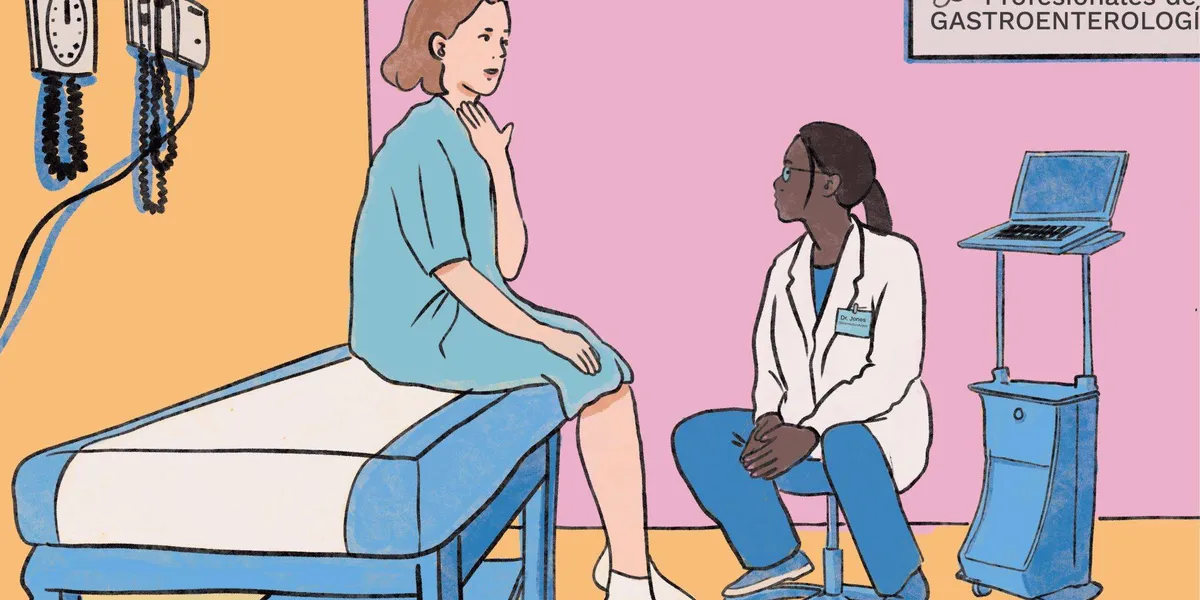

Neuropathy, a condition resulting from nerve damage, presents a complex array of symptoms that can significantly impact an individual’s quality of life. Recognizing and understanding these symptoms can lead to early diagnosis and effective treatment. Come with us as we explore the various symptoms of neuropathy, the associated pain types, and the importance of early diagnosis. Those experiencing symptoms of numbness, tingling, or pain in their extremities, individuals with a family history of neuropathy or diabetes, and caregivers of those who might be affected should find this information particularly useful. What Is Neuropathy? Neuropathy, or peripheral neuropathy, refers to a condition where the peripheral nerves are damaged. This damage disrupts normal nerve function, leading to symptoms ranging from mild discomfort to debilitating pain. Neuropathy can result from several causes, including diabetes, traumatic injuries, infections, metabolic problems, inherited causes, and exposure to toxins. Peripheral neuropathy involves damage to the peripheral nervous system, which consists of the nerves that transmit signals between the central nervous system (the brain and spinal cord) and the rest of the body. When these nerves are damaged, they can send faulty signals, leading to various symptoms depending on the nerves affected: sensory, motor, or autonomic nerves. A Breakdown of Neuropathy Symptoms Understanding the symptoms of neuropathy involves recognizing the diverse ways in which nerve damage can manifest. Symptoms vary depending on the type and extent of nerve damage and can affect sensory, motor, and autonomic nerves. Here, are the most common symptoms associated with neuropathy: Numbness and Tingling One of the earliest and most common symptoms of neuropathy is numbness and tingling, often described as a “pins and needles” sensation. This typically begins in the hands and feet and can gradually spread up the arms and legs. The sensation results from disrupting normal nerve signals, leading to abnormal sensations. Numbness and tingling can significantly impact daily activities. For example, individuals may find it difficult to perform tasks that require fine motor skills, such as typing or buttoning a shirt. This symptom can also lead to a lack of awareness of injuries, as numb areas may not feel pain, increasing the risk of unnoticed wounds and infections. Burning Pain Neuropathy can cause persistent and severe burning pain. This pain is often worse at night and can interfere with sleep. The burning sensation is due to damaged nerves misfiring and sending pain signals to the brain even without injury. Burning pain, also known as neuropathic pain, can be particularly challenging to manage. Traditional painkillers are often less effective, and the pain can be exacerbated by temperature changes or even light touches. This type of pain can lead to significant discomfort and distress, affecting the individual’s well-being. Muscle Weakness and Loss of Coordination Muscle weakness is another common symptom of motor nerve damage. This can lead to decreased coordination and difficulties with tasks that require fine motor skills, such as buttoning a shirt or writing. Muscle atrophy can occur in severe cases due to the lack of nerve stimulation. The loss of muscle strength can also impact mobility, making walking or performing everyday activities difficult. Muscle weakness can cause instability and increase the risk of falls, leading to further injuries. Rehabilitation and physical therapy can help improve muscle strength and coordination, but the process can be slow and requires consistent effort. Sensitivity to Touch Increased sensitivity to touch, known as allodynia, can make even light touches feel painful. This can make everyday activities uncomfortable, like wearing clothes or feeling bed sheets. This heightened sensitivity is due to damaged sensory nerves overreacting to stimuli. Allodynia can be particularly distressing, as it turns non-painful stimuli into painful experiences. This condition can severely limit physical contact, making it difficult for individuals to engage in normal social interactions or enjoy simple pleasures like a hug or a handshake. Balance Problems and Dizziness Neuropathy can also affect balance and cause dizziness. Damage to the nerves in the legs can make maintaining balance difficult, making falls more likely. Autonomic neuropathy can also affect blood pressure regulation, leading to dizziness or fainting when standing up quickly. Balance problems can be particularly dangerous, especially for older adults, as they increase the risk of falls and fractures. Dizziness and balance issues may also contribute to a fear of falling, leading to reduced physical activity and a decline in overall health. Difficulty Sleeping The pain and discomfort associated with neuropathy often worsen at night, making it difficult for sufferers to get a good night’s sleep. A lack of sleep can exacerbate other symptoms, leading to a vicious cycle of pain and fatigue. Getting an uninterrupted night’s sleep is needed for our overall health and well-being. Chronic sleep deprivation can weaken the immune system, impair cognitive function, and contribute to mood disorders such as anxiety and depression. Individuals with neuropathy must find ways to manage pain and improve sleep quality to maintain their health and quality of life. When to See a Doctor Recognizing the symptoms of neuropathy early helps lead to more effective treatment. If you experience persistent numbness, tingling, burning pain, muscle weakness, or sensitivity to touch, it’s crucial to consult a healthcare provider. Early diagnosis can help manage symptoms, prevent further nerve damage, and improve the quality of life. Living with Neuropathy It is challenging, but there are strategies to manage the symptoms and maintain a good quality of life. Some ways to help manage symptoms include exercising, having a healthy diet, as well as avoiding smoking and alcohol. Physical therapy can improve muscle strength and coordination, while medications can manage pain. Remember that support groups and counseling are great ways to find emotional support and get practical advice for dealing with the condition. If you or a loved one are experiencing symptoms of neuropathy, it is best to consult a healthcare professional for an accurate diagnosis and an appropriate treatment plan. At Pain Treatment Centers of America, we specialize in diagnosing and treating neuropathy. Book an appointment to learn more and to schedule a consultation with

PureGym Partners with Girls Gone Strong to Expand Women-Centered Coaching in Europe
A Shared Vision for Coaching Women Across Europe After PureGym’s initial outreach, Girls Gone Strong co-founder Molly Galbraith connected directly with their leadership team to discuss their goals. The message was clear: PureGym wanted their fitness professionals to have access to world-class education in coaching women—so they could meet the needs of a diverse, growing female member base. From Vision to Action: Certifying PureGym Professionals Following the alignment of values and vision, Girls Gone Strong launched a private VIP enrollment exclusively for PureGym professionals. Trainers enrolled in Girls Gone Strong’s Certification programs, including: These Certifications help PureGym coaches deepen their skills in supporting women across key life phases—with a blend of physiology, psychology, and behavior change strategies grounded in science and compassion. Creating Welcoming, Inclusive Gyms for Women As a result of this partnership, many PureGym professionals are now GGS certified. That means more women walking into PureGym locations across Europe will work with coaches who truly understand them—whether they’re returning to exercise after childbirth, training through menopause, or simply looking for a gym where they feel seen and supported. What’s Next for PureGym x GGS This partnership lays the foundation for continued growth and impact. PureGym and Girls Gone Strong are exploring additional opportunities to expand Certification access and deepen education initiatives for their team. Together, we’re helping redefine what fitness can look like for women in Europe—and raising the standard for coaches everywhere. Source link

Burn with Pleasure with the Vintage Bubblegum Range
INTIMINA, in collaboration with Bijoux Secrets, presents the Bubblegum range. This collection features a perfume, an intimate massage gel, and a heat-effect massage oil. You can purchase each product separately. All three products feature an original strawberry bubblegum fragrance created in 1928. They are 100% vegan, cruelty-free, and contain no alcohol or parabens. They are designed to cover every inch of your body. Enjoy them with a partner or solo to indulge the eroticism of the senses. Taste, smell, and touch combine to ignite passion and surrender to limitless pleasure. Relive the Roaring 20s with the Bubblegum Range The Roaring 20s were an era of wild abandonment, sensuality, modernity, and freedom. Nights were endless to the rhythm of Charleston and jazz. In this setting, flappers emerged as a revolutionary icon of the New Woman. These women challenged established limits. They reclaimed their right to express themselves and be who they wanted to be. They were bold and rebellious. They defied norms that demanded submission. These women rejected stereotypes about what it meant to be a woman: a “lady” with manners who didn’t laugh loudly, didn’t dance, and didn’t speak openly about sex—let alone enjoy it. They possessed indomitable spirits. They were independent, joyful, and sensual. They personified modern female independence with short dresses, red lips, and intense floral perfumes. We have brought back that original strawberry bubblegum fragrance for you—fresh, sparkling, and sweet. Bubblegum Body Mist: A Sensual and Sparkling Fragrance Smell is one of the most important and erotic senses for enjoying pleasure and creating unique memories. According to scientific research from Rockefeller University, humans remember only 5% of what they see, 2% of what they hear, and 1% of what they touch. However, we remember 35% of what we smell! A specific aroma creates a memory associated with an emotion and a person. So, why not create new memories with Bubblegum Body Mist? It is an intense, sparkling, and sweet fragrance with an aroma that evokes strawberry bubblegum. Its alcohol-free and paraben-free formula makes it compatible with all external body parts, including the most intimate and delicate areas. Additionally, Bubblegum Body Mist comes in a rounded gold bottle with a retro-style atomizer. It is inspired by the perfume bottles used by flappers. The design matches their flamboyant and coquettish fashion, reflecting the feminine spirit of an entire era. It is a piece that captures the luxury and sophistication of the Roaring 20s. Bubblegum Heat-Effect Massage Oil The Bubblegum heat-effect massage oil enhances the body’s sensory response. It stimulates the senses and awakens desire. Enjoy a more sensual experience when your lover blows gently on your skin, alternating between heat and coolness. Although intended for external use, it is free of perfumes and parabens. Therefore, you can use it in your most intimate areas, either alone or with a partner. Create unforgettable memories thanks to its strawberry bubblegum scent. Strokes or be stroked with smooth, sensual movements. Stimulate every nerve ending and ignite desire. Believe me, this heat-effect oil is called “Light my Fire” because it truly sets you ablaze. Bubblegum 2-in-1 Gel The Bubblegum 2-in-1 Gel is perfect for erotic games involving massage, caresses, and endless masturbation. Its silicone texture extends pleasure to the point of madness. It even works underwater. Its composition is free of perfumes and parabens. This allows you to apply it to the most intimate and erogenous zones. Use it to give or receive massages, or as an intimate lubricant. It is compatible with latex condoms, such as LELO HEX. Furthermore, its classic strawberry bubblegum scent—sweet, intense, and sparkling—will liven up your erotic play. It will create a memory that lingers. Surrender to its smooth, velvety texture that leaves a silky sensation on the skin. Masturbate, be masturbated, or ask for it. Yield to desire, feel, break free, and reach orgasm. Be a 21st-century flapper. Ignite your fire. Source link

Black patients, women with UC less likely to undergo colectomy
Add topic to email alerts Receive an email when new articles are posted on Please provide your email address to receive an email when new articles are posted on . “ data-action=”subscribe”> Subscribe We were unable to process your request. Please try again later. If you continue to have this issue please contact customerservice@slackinc.com. Back to Healio Key takeaways: Black, Hispanic and female patients with ulcerative colitis were significantly less likely to undergo colectomy. Colectomy rates were significantly higher for higher-income and privately insured patients. CHICAGO — Black, Hispanic and female patients with ulcerative colitis were significantly less likely to undergo colectomy compared with white patients and men, according to data presented at Digestive Disease Week. Residents from higher-income areas and those with private insurance were also more likely to undergo colectomy, hinting at systemic inequities in care pathways. “Over the past 2 decades, the treatment landscape for ulcerative colitis has expanded significantly, but colectomy remains the definitive therapy for patients with medically refractory disease,” Vraj P. Shah, MD, an internal medicine resident at Rutgers New Jersey Medical School, told Healio. “Despite this, prior studies have suggested that not all patients are equally likely to undergo surgery.” He added: “In clinical practice, we often encounter variability in how and when patients are referred for surgical evaluation. This raised an important question: Are there systematic disparities in who ultimately receives colectomy?” Shah and Amanda A. Rupert, MD, director of motility disorders at Rutgers, conducted a retrospective population-based study using the 2016-2020 National Inpatient Sample to identify adults with ulcerative colitis (n = 727,515) — excluding those with concurrent Crohn’s disease — and using ICD-10 codes to flag those who underwent colectomy (n = 43,700). The researchers then used bivariable analyses to compare patient demographics of those who had surgery with those who did not and applied multivariable logistic regression to determine which factors independently predicted colectomy. “We observed that Black patients were approximately 50% less likely to undergo colectomy compared to white patients, and female patients were over 20% less likely than male patients, even after adjustment for multiple factors,” Shah told Healio. Shah and colleagues observed that patients who underwent colectomy were younger on average than those who did not (48.25 years vs. 57.47 years, P < .001). Men were more likely than women to undergo the surgery (7% vs. 5.2%, P < .001), and white patients underwent colectomy at higher rates (6.3%) than either Black (3.3%) or Hispanic (5.7%) patients (P < .001). In their multivariable analysis, the researchers noted that women were more than 20% less likely to undergo colectomy than men (OR = 0.79, P < .001). Black patients were nearly half as likely to receive colectomy as white patients, and Hispanic patients were 17% less likely than white patients to undergo surgery. Colectomy rates were higher among patients living in higher-income areas (OR = 1.13, P < .001) and nearly doubled among those with private insurance vs. Medicare (OR = 1.97, P < .001). “When we stratified by admission type, we found that disparities varied by clinical context,” Shah said. “Racial disparities were more pronounced in emergent settings, whereas gender, income and insurance-related differences were more prominent in elective settings. This suggests that disparities are not uniform but instead may arise at different points along the care pathway.” Shah noted that “access to care plays a major role” in these disparities, as patients with private insurance or higher income may have improved access to specialty inflammatory bowel disease care and colorectal surgeons, as well as shorter wait times for evaluation and surgery. “There may also be differences in referral patterns, where clinicians have a lower threshold to refer patients with greater resources for surgical consultation,” he said. “Additionally, socioeconomic barriers, such as time off work, caregiving responsibilities and transportation, may limit access to elective surgery for lower-income patients.” Shah stressed that these results should not be interpreted as favoring higher or lower colectomy rates for patients, but rather as a call to ensure all patients receive “equitable access to appropriate care” for their clinical needs. “Disparities in the surgical management of ulcerative colitis persist at a national level and vary depending on the clinical setting,” Shah told Healio. “Gastroenterologists play a central role in shaping these pathways. Ensuring equitable care requires awareness of these disparities, timely and consistent referral for surgical evaluation, and commitment to shared, patient-centered decision-making. Ultimately, the goal is to ensure that all patients have access to the full spectrum of appropriate therapies, including surgery when indicated.” For more information: Vraj P. Shah, MD, can be reached at gastroenterology@healio.com. Published by: Sources/Disclosures Source: Shah VP, et al. Racial and gender disparities in rates of colectomy in ulcerative colitis patients: A retrospective national cohort study. Presented at: Digestive Disease Week; May 2-5, 2026; Chicago. Disclosures: Shah reports no relevant financial disclosures. Please see the study for all other authors’ relevant financial disclosures. Ask a clinical question and tap into Healio AI’s knowledge base. PubMed, enrolling/recruiting trials, guidelines Clinical Guidance, Healio CME, FDA news Healio’s exclusive daily news coverage of clinical data Learn more Add topic to email alerts Receive an email when new articles are posted on Please provide your email address to receive an email when new articles are posted on . “ data-action=”subscribe”> Subscribe We were unable to process your request. Please try again later. If you continue to have this issue please contact customerservice@slackinc.com. Back to Healio Source link

Can Stress Cause Lower Back Pain?
Stress is an unavoidable part of life, affecting us in various ways. One of the less discussed but significant impacts of stress is its potential to cause lower back pain. This connection is rooted in the body’s physiological response to stress, particularly through the secretion of hormones like cortisol. Understanding how stress contributes to back pain can help us find effective ways to alleviate this discomfort. As such, let’s take a closer look at the intersection between stress and lower back pain. The Physiological Response to Stress When the body encounters a stressful situation, it triggers a series of responses to prepare for immediate action. One crucial hormone released during this process is cortisol. Cortisol’s primary function is to increase muscle tension, preparing the body to respond quickly and effectively to perceived threats. Our body’s response to a threat, called the “fight or flight” response, is essential for survival. For instance, if you encounter a dangerous animal, heightened muscle tension would enable you to react swiftly. This can mean either putting up a stronger fight against it or giving you a bigger boost to how fast you can run away. These days, stress frequently stems from non-life-threatening sources, including work deadlines, traffic jams, or family responsibilities. Unlike the short-lived spikes of cortisol experienced in ancient stress scenarios, today’s stressors often result in prolonged cortisol secretion. Consequently, muscle tension remains high for extended periods, causing several physical ailments, including lower back pain. Chronic Stress and Muscle Tension Continuous stress means that the body remains in a heightened state of alertness. This perpetual state of stress results in consistently spiked cortisol levels, which in turn maintain increased muscle tension. Over time, this abnormal muscle tension can lead to chronic pain conditions. The muscles in the back, which play an important role in supporting the spine and facilitating movement, are particularly susceptible to this tension. Individuals living with chronic stress may find that their back muscles are constantly tight and painful. This prolonged tension can cause discomfort, restrict movement, and significantly reduce the quality of life. It’s not just about the immediate pain; chronic stress can transform acute pain episodes into long-term issues, making it important to address stress effectively. The Role of Cortisol Cortisol is often labeled as the stress hormone due to its integral role in the body’s response to stress. While it serves essential functions, including regulating metabolism and immune responses, its role in muscle tension is particularly relevant when discussing stress-induced back pain. Raised cortisol levels are beneficial in short bursts, but prolonged exposure can be detrimental. Studies have shown that high cortisol levels over extended periods can lead to various health issues beyond muscle tension and pain. These include increased risks of heart disease, disrupted sleep patterns, and weight gain. Understanding the broader implications of high cortisol underscores the importance of managing stress effectively. Transition from Acute to Chronic Pain Several studies indicate that stress not only contributes to immediate muscle tension but also plays a role in the development of chronic pain conditions. An acute episode of back pain, when combined with high stress levels, is more likely to evolve into a chronic issue. This transition occurs because continuous stress prevents the muscles from relaxing, leading to persistent discomfort. Addressing stress early on can help with preventing the escalation from acute to chronic pain. Recognizing the signs of stress and taking proactive steps to manage it can make a significant difference in maintaining back health. Techniques for Reducing Stress and Relieving Back Pain Finding effective stress-reduction techniques is important because of the clear connection between stress and lower back pain. Various methods can help manage stress and, in turn, reduce muscle tension and pain. Here are a few helpful techniques for reducing both stress and back pain: Meditation: Regular meditation will help calm the mind and reduce stress. By focusing on the present moment and controlling your breathing, you can lower cortisol levels and relax your muscles. Yoga: The practice of yoga combines physical postures, breathing exercises, and meditation to promote relaxation and flexibility. It is particularly beneficial for relieving muscle tension in the back. Therapy: Talking to a therapist can help you understand and manage the sources of your stress. Cognitive-behavioral therapy (CBT) is especially effective in changing stress-inducing thought patterns. Breathing Techniques: Simple breathing exercises, such as deep breathing or progressive muscle relaxation, can quickly reduce stress and alleviate muscle tension. Physical Activity: Regular exercise, whether walking, swimming, or other forms of physical activity, helps lower stress levels and releases endorphins, which are natural painkillers. Mindfulness Practices: Mindfulness entails being fully present in the moment without passing judgment. It can be practiced through meditation, mindful eating, or even mindful walking. Recognizing and Addressing Stress The first step in managing stress-induced lower back pain is recognizing when you are stressed. Awareness is important because it allows you to take proactive measures to address the stress before it exacerbates your pain. Keep an eye out for signs such as persistent muscle tension, irritability, trouble sleeping, or feeling overwhelmed. Once you recognize that stress is affecting you, implement one or more of the stress-reduction techniques mentioned above. It’s important to find what works best for you, as each person responds differently to various methods. Consistency is key; regularly practicing stress-reduction techniques can help maintain lower cortisol levels and reduce muscle tension over time. Broader Implications of Stress Management Managing stress is not just about alleviating back pain; it has broader health implications. Reducing stress can improve overall well-being, enhance sleep quality, lower the risk of heart disease, and promote a healthier lifestyle. By managing stress, you can improve your physical and mental health, leading to a more balanced and fulfilling life. Stress seriously contributes to lower back pain due to its impact on muscle tension and cortisol levels. If you find that stress management techniques are insufficient or your pain persists, professional assistance may be necessary. For those seeking professional help managing pain, our team at Pain

Target Features Strong Women Lift Each Other Up by GGS Co-Founder Molly Galbraith
A Shared Mission: Supporting and Advancing Women By featuring Strong Women Lift Each Other Up on shelves nationwide, Target amplified a message centered on supporting and uplifting women. The book explores the mindset and behaviors that foster empowerment, while Girls Gone Strong’s education programs translate those values into practical coaching skills for professionals working with women. The book shares the why and how of empowering women, while the GGS Academy provides the Certifications that turn that mission into action—educating coaches, trainers, and professionals to serve women in real, transformative ways. From Book to Certification: The GGS Impact Today, many of the students and grads who enroll in a Girls Gone Strong Certification also buy a copy of Strong Women Lift Each Other Up to help deepen their impact on the women they serve. Across health, fitness, and coaching contexts, GGS certified professionals carry these principles into their work by: Coaching women through pregnancy and postpartum Supporting clients in perimenopause or menopause Helping women feel strong, confident, and empowered in every stage of life GGS certified professionals carry forward the message and mission of the book in their daily work. Target’s National Feature and Its Impact on the GGS Mission In 2021, when Target chose to feature Strong Women Lift Each Other Up—it represented a national retail feature rooted in shared values around women’s empowerment. The book equips readers with the mindset, strategies, and stories to actively support and uplift women—in life, leadership, and fitness—aligning closely with the principles that guide Girls Gone Strong’s education and coaching philosophy. What You Can Do Next If you haven’t read the book, it’s available through major retailers like Audible, Amazon, and Target. For those interested in applying these principles professionally, Girls Gone Strong Certifications provide structured, evidence-based education for coaching and supporting women across life stages. Source link
How Protect Teens From Meningitis Risk, According to Doctors
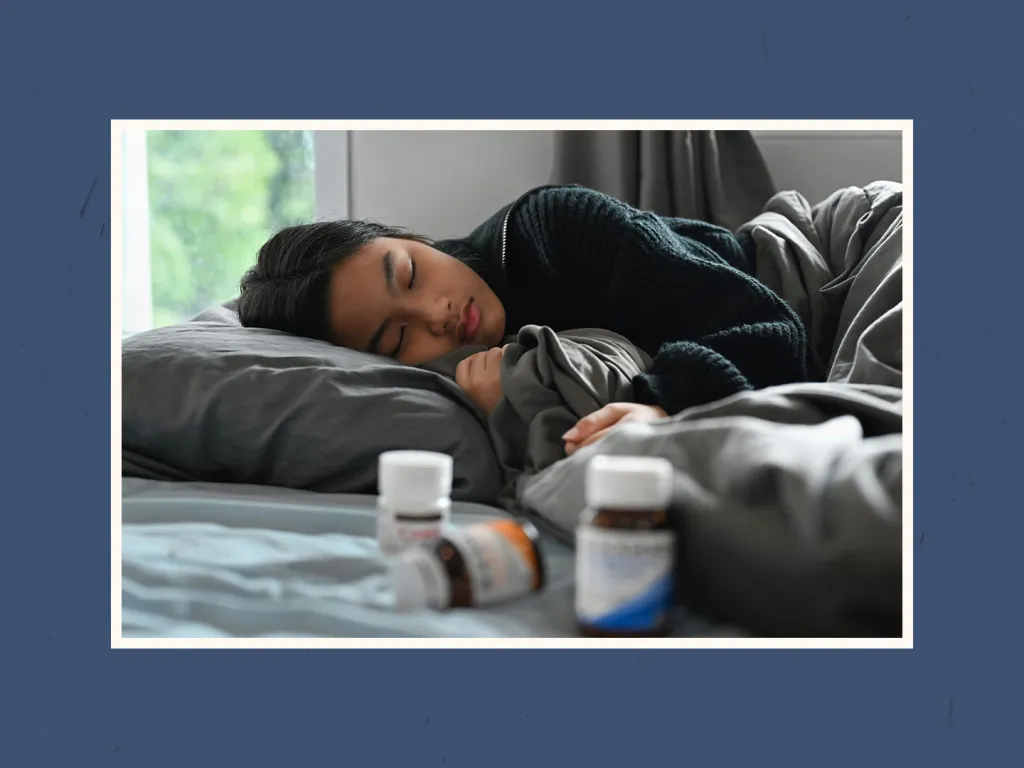
When people think about meningitis, they often think about infants. But while newborns and toddlers are at highest risk for the disease, what many may not realize is that teenagers are also especially vulnerable to bacterial meningitis in particular (also called meningococcal disease), making up 21% of the total cases, per the National Meningitis Association. And while the condition is rare, it can also be life-threatening. That’s a devastating fact that Patti Wukovits, BSN, RN, AMB-BC, the co-executive director of the American Society for Meningitis Prevention and Executive Director of the Kimberly Coffey Foundation, knows too well. Her daughter, Kimberly, died from bacterial meningitis at just 17 years old. “I am a registered nurse. I knew about meningitis. I knew the symptoms, the progression, the urgency. And it still happened to me and my daughter Kimberly,” she says. “This is a deadly, unpredictable disease and it’s so important that parents know about it and how they can help prevent it.” Related story 13 Symptoms of Meningitis You Need to Know If You’re Parenting Teens Here’s what to know about meningitis and teens, including why they’re so at risk and how to best protect them from developing the devastating disease. What Is Meningitis? “Meningitis refers to an inflammation infection of the membranes that cover the brain and the spinal cord,” says William Schaffner, M.D., a professor of infectious diseases at the Vanderbilt University Medical Center. It happens when a disease-causing microorganism somehow gets into the brain and spinal cord, which can happen through the bloodstream or via an ear or sinus infection. What Causes Meningitis? Many different things can cause meningitis, but most infections fall into two groups: viral or bacterial. Viral meningitis is the most common, and also tends to be milder and often resolves without hospital treatment, Dr. Schaffner says. Bacterial meningitis, on the other hand, is often severe and even life-threatening. And teens are one of the age groups that’s most at risk for the disease — though their vulnerability is often overlooked by parents and healthcare providers alike, according to research in Infectious Diseases and Therapy. Who Is Most At Risk For Meningitis? While anyone can get meningitis, age, certain medical conditions or medications, and exposure all increase risk. There are three age groups that are particularly vulnerable to bacterial meningitis: babies under 1 year old, teenagers, and young adults ages 16 to 23, and older adults, according to the Centers for Disease Control and Prevention. “If you look at the entire age spectrum, [the risk of bacterial meningitis is highest in [infants]. Then the risk goes very low, then increases in teen years and young adult years, then goes very low again, and then it picks up again when you’re in the 70s and 80s,” Dr. Schaffner says. Additionally, American Indian or Alaska Native and Black people are more likely to develop meningitis than other races, a 2025 study in the journal The Lancet Regional Health found. It’s possible that these groups might be more likely to have certain health conditions that could make them more vulnerable to meningitis, according to the Journal of Adolescent Health. All age groups can contract viral meningitis, which is much more common and less dangerous than bacterial meningitis. But Dr. Schaffner says that teens may be more likely to develop this type, although children under age 5 and people with weakened immune systems are most at risk, per the CDC. What Makes Teens So Vulnerable? Experts still don’t fully understand why teenagers and young adults may be at increased risk of bacterial meningitis, also called meningococcal meningitis, Dr. Schaffner says. But lifestyle factors are likely at least partially to blame. Put simply, teens tend to spend a lot of time together in close quarters. The long answer: The bacteria that causes meningococcal meningitis is transmitted through respiratory droplets and close contact. “Teenagers are at heightened risk for a few reasons that are just part of being a teenager. They congregate in close, crowded settings: classrooms, concerts, locker rooms, sports teams. They share drinks, water bottles, food, lip balm, and vapes,” says Wukovits. “The social nature of teen life is also what creates an opportunity for this bacteria to spread.” New evidence in Molecular Microbiology also indicates that teens’ bodies may be primed to produce more of a short-chain fatty acid that encourages meningococcal bacteria to grow. Teens’ microbiomes tend to contain higher levels of a certain type of bacteria that produce the fatty acid, called propionic acid. That said, not everyone who’s exposed to meningococcal bacteria develop meningitis. “What happens is that [the bacteria] lodge in what’s called the nasopharynx — in the upper throat, way back there behind the nose. They can live there quietly, not causing any illness. But sometimes they escape that location, invade the tissue, and get into the central nervous system space [where they can] cause meningitis,” Dr. Schaffner says. But experts don’t know why some people develop meningitis and so many others don’t, he says. How to Protect Teens from Meningitis Since meningitis can be fatal, experts urge parents and young adults to focus on prevention and awareness. Here’s what to know. Get Vaccinated. The best way to prevent meningitis is to stay up to date with vaccines. Between 1998 and 2007, cases of bacterial meningitis dropped by about 31%, largely due to the development of vaccines that protected against certain strains of meningitis-causing bacteria, The Lancet Regional Health reports. Cases have increased again since 2021, but people ages 30 to 60 are being disproportionately affected rather than teens. And many of the adults who contracted the disease weren’t up to date with the meningitis vaccinations, further underscoring the importance of immunizations. Infants are given the pneumococcal vaccine, which protects against a certain strain of meningitis-causing bacteria, says Sharon Nachman, M.D., chief of pediatric infectious diseases at Stony Brook Children’s Hospital. But there are also meningitis vaccines recommended for preteens and teens that protect against the types of bacteria most likely to affect them. Right

Combined DP and DSC Cell Expansion Hair Multiplication Procedure
Dermal papilla and dermal sheath cup cell expansion lab at Medeze Group (Thailand). In the photo, the person on the left is hair loss patient Alvaro (a long-time reader of HLC2020). Dermal Papilla Cell and Dermal Sheath Cup Cell Expansion and Implantation The two biggest newly available hair loss treatments that I have covered on this blog during the past few years are as follows: Prior to its arrival, I followed Shiseido’s progress for well over a decade, including its ex-partner RepliCel (Canada)’s original work. Of most significance, Shiseido’s DSC cell multiplication technology went through all three phases of clinical trials with no reported major side effects. So I have no hesitation in recommending it to those with the wherewithal. Unfortunately, for the time being, it remains almost exclusively limited to Japanese citizens. I have also followed HairClone’s DP cell expansion work for over a decade (even longer when including past work from Intercytex). In contrast to Shiseido’s procedure, HairClone’s procedure should be available to most people from around the world before the end of 2027. Patients can already get their hair follicles extracted and banked at various HairClone partner clinics around the world. However, they will ultimately need to travel to Guatemala to get the cultured and expanded DP cells injected into their scalps. Combination DP Cell and DSC Cell Hair Multiplication Over the years, I have read a few studies in which they mention that a combination of multiplying and transplanting both DP cells and DSC cells to regrow hair is more effective than doing each procedure separately. So I was quite excited to see both the Shiseido and HairClone technologies becoming available. Sooner or later, someone will surely manage to get both treatments. However, out of the blue, a few months ago I read about and wrote about Medeze Group (Thailand). They started to offer Asia’s first hair follicle banking and cultivation service in 2025. Moreover, they were planning to culture both DP cells and DSC cells for subsequent injections into patient scalps. And they were partnering with Shibuya Company of Japan to implement the world’s first robotic culture system. Although Medeze Group’s CEO has presented at reputable conferences and given a number of interviews to western publications, I was still skeptical about their progress. I felt like this was yet another hair multiplication related over-promise (in terms of speed of delivery) from an Asian company. Just like we have seen with South Korea’s Epibiotech and Han Bio. So I did not expect to cover Medeze Group again for several years, if ever. And of course the biggest drawback is that they have never conducted any clinical trials. Alvaro gets his own Expanded DP Cells and DSC Cells Injected into his Scalp at Medeze Since this blog’s inception in 2013, I have written just a handful of posts that were entirely driven by a reader’s personal experiences. For obvious reasons, I want to avoid anecdotal content. But there are always exceptions to the rule. Over the last few months, long-time blog reader “Alvaro” went to Switzerland and Thailand to get his hair follicles banked and his loss treated. He made his decision based on the posts I have written about HairClone and Medeze Group. I would urge readers to never make such important decisions based solely on my content! In any event, I am very excited to see Alvaro’s results in the coming year. Alvaro sent me all the details of his treatment (see below) as well as a bunch of photos, three of which I have added in this post. On January 26, 2026, Alvaro got his hair follicles banked at HairClone’s Switzerland-based partner Clinique de la Croix d’Or in Geneva. They extracted 100 of his scalp hair follicles and sent them to HairClone’s cryopreservation bank in Guatemala (at their partner Schambach Hair Clinic). This cost him 4,000 Euros. Thereafter, on February 9, 2026, Alvaro had a video call appointment with Dr. Schambach who was at her clinic in Guatemala. He begged her to let him participate in their “clinical trial”. However, they told him that because he previously received a hair transplant, he wouldn’t be selected as a candidate. So it seems like HairClone’s DP cell hair multiplication procedure is still only available via participation in a trial. In any event, the persistent Alvaro then contacted the Medeze Clinic in Thailand after reading about it in my blog post. Originally, he was hoping to get his banked cryopreserved hair follicles in Guatemala transferred to Thailand. However, after he contacted HairClone (or the Schambach Clinic) and told them his new plans, they told him that they could now treat him for 9,000 Euros. Please note that I have not verified all of this with the company, and am just posting what Alvaro is claiming. At this point, Alvaro just decided that it would be cheaper and more logical to get his hair follicles extracted and banked again in Thailand. And then multiplied and injected back into his scalp in Thailand at the same Medeze Clinic. Quote from Alvaro: “I think it’s the best thing I’ve ever done (I’ll always be grateful to you, administrator). At this clinic, the price is adjusted to the number of cells the patient needs, and they also multiply both DP and DSC cells. When I traveled there, I didn’t know anything about Bangkok, and Anya, the patient relations manager, arranged for cars to take me to the clinic, personally invited me to lunch, and picked me up herself in her car several times. They showed me the laboratory and the cryopreservation bank, and introduced me to all the people who work there. It’s a 100% safe and effective clinic. The medical team, the doctors, have always explained the process to me from the very beginning, and finally, yesterday, I traveled to Thailand for the second time and received the injections. I’d be happy to share photos of my progress throughout the process with the administrator.” Medeze DP and DSC cell hair
Experts question US response to hantavirus outbreak
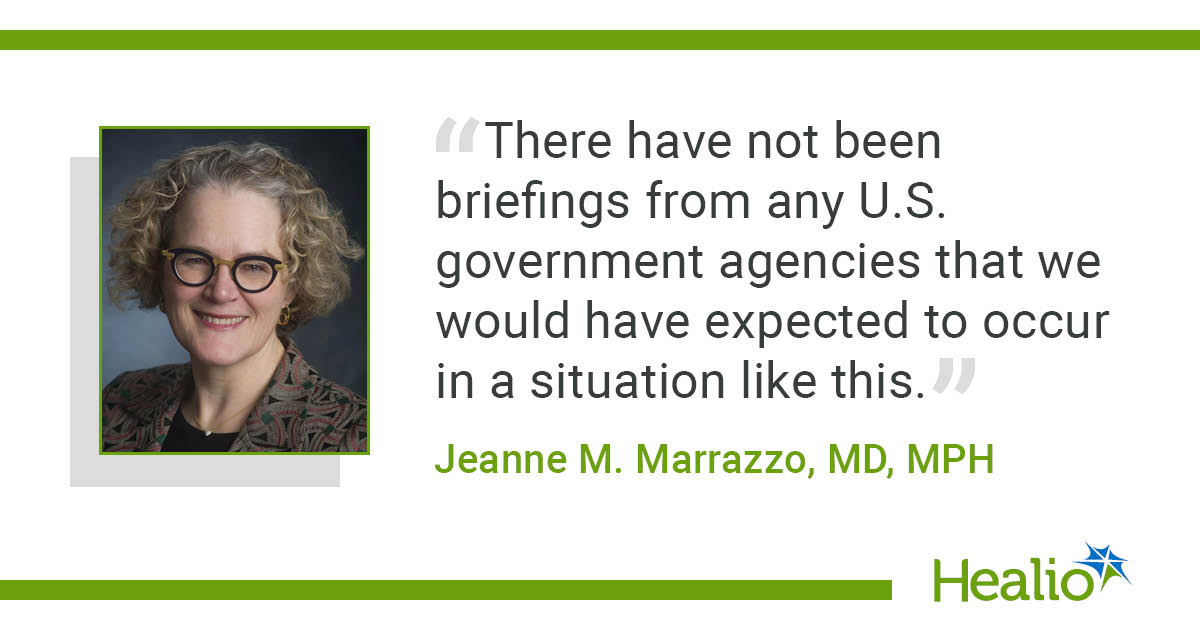
Add topic to email alerts Receive an email when new articles are posted on Please provide your email address to receive an email when new articles are posted on . “ data-action=”subscribe”> Subscribe We were unable to process your request. Please try again later. If you continue to have this issue please contact customerservice@slackinc.com. Back to Healio Key takeaways: A hantavirus outbreak killed three passengers on a cruise ship and sickened several others. The CDC released a statement saying its “top priority” is the safety of U.S. passengers. Infectious disease experts on Thursday criticized U.S. health officials’ response to the hantavirus outbreak that killed three passengers on a cruise ship. “I’m not overstating this, it is a travesty,” Infectious Diseases Society of America CEO Jeanne M. Marrazzo, MD, MPH, said in an IDSA press briefing. According to WHO, three people aboard the MV Hondius have died and at least eight have been sickened by Andes virus, a type of hantavirus found in South America that can be transmitted person to person, but usually only through close contact, the CDC notes. There were 17 Americans onboard among the 147 passengers. WHO Director-General Tedros Adhanom Ghebreyesus, PhD, MSc, said Thursday that the ship was on its way to the Canary Islands after being anchored off the coast of Cape Verde, an island nation in West Africa. “We’re confident in the capacity of Spain to manage this risk and we’re supporting them to do so,” Tedros told reporters. On the IDSA call, Marazzo and Healio | Infectious Disease News Editorial Board Member Carlos del Rio, MD, discussed what they have gleaned from reports on the outbreak while also expressing concern about what they characterized as a lack of communication from U.S. health officials. The first report of the outbreak aboard the ship came from WHO, which issued an outbreak alert on Monday and has posted frequent updates on social media, including the confirmation by scientists in South Africa and Switzerland that the illnesses were being cause by Andes virus. The first public acknowledgement of the outbreak by the CDC appeared to come late Wednesday in a statement posted online and sent to the media that said the agency was “closely monitoring the situation with U.S. travelers onboard” the ship. The CDC classified the risk to the U.S. public as “extremely low.” WHO also classifies the global risk to be low. “Our top priority remains the health and safety of all U.S. passengers. The Department of State is leading a coordinated, whole-of-government response including direct contact with passengers, diplomatic coordination, and engagement with domestic and international health authorities,” the CDC said. The CDC also posted a statement on X from NIH Director Jay Bhattacharya, MD, PhD, who remains temporarily in charge of the agency. Bhattacharya said the CDC “began coordinating with domestic and international partners as soon as we were notified of a hantavirus situation” and “provided clear, written health guidance to the American passengers through the State Department.” A CDC official told Healio that the agency “is providing technical input and guidance as requested.” But Marrazzo and de Rio questioned the response. “There have not been briefings from any U.S. government agencies that we would have expected to occur in a situation like this, including the CDC or NIH,” Marrazzo said. Del Rio, distinguished professor of medicine and professor of global health and epidemiology at Emory University, said it is “not uncommon” for the CDC to deploy to an outbreak site to provide technical assistance, perform epidemiological tracing and conduct interviews. “Outbreak investigation is what CDC does and what they do very effectively. So, I would have envisioned that many days ago we would have seen a team from the CDC deployed to the area and we haven’t seen that,” he said. “We also would have had a press briefing from the CDC. The CDC typically would put out something called HAN, the Health Alert Notice, and we haven’t seen a HAN related to this.” Del Rio continued, “So, a lot of the things that you would like to see, we haven’t seen. And to me, that’s very concerning. The silence that we’re seeing from our premier public health institution is really concerning to me.” Contacted by Healio, HHS spokesman Andrew Nixon did not respond to Marrazzo and del Rio’s claims that the CDC has been unresponsive to the hantavirus outbreak. Hantavirus spreads to humans through exposure to mouse or rat urine, droppings and saliva, according to the CDC. A bite or scratch from a rodent can also spread the disease, but this is a rare occurrence, the agency noted. Nearly 40% of people who develop respiratory symptoms related to hantavirus may die from the disease, according to the CDC. In the United States, more than 90% of cases occur west of the Mississippi. The primary cause of hantavirus illness in the U.S. is the Sin Nombre virus, which, unlike the Andes virus at the center of the current outbreak, is not known to be transmissible between people. “The risk to the general public is small, but I think the outbreak is an opportunity for us to learn a lot more about the transmission of the virus,” del Rio said. Meanwhile, Marrazzo said, because of the “huge void right now” in public health communication, the IDSA and other professional societies “will urgently fill that gap.” Published by: Sources/Disclosures Source: Press Conference References: CDC. (@CDCgov) May 6, 2026. X. CDC: Statement on the M/V Hondius cruise ship. https://www.cdc.gov/media/releases/2026-hantavirus-confirmed-cruise-ship.html. Updated May 7, 2026. Accessed May 7, 2026. Hantavirus. https://www.who.int/news-room/fact-sheets/detail/hantavirus. Published May 6, 2026. Accessed May 7, 2026. Hantavirus cluster linked to cruise ship travel, multi-country. https://www.who.int/emergencies/disease-outbreak-news/item/2026-DON599. Published May 4, 2026. Accessed May 7, 2026. Tedros Adhanom Ghebreyesus. (@DrTedros) May 6, 2026. X. World Health Organization. (@WHO) May 7, 2026. X. Ask a clinical question and tap into Healio AI’s knowledge base. PubMed, enrolling/recruiting trials, guidelines Clinical Guidance, Healio

How Is Pelvic Pain Diagnosed and Treated?
Pelvic pain can be a frustrating and disruptive experience, affecting many aspects of daily life. It’s a condition that can arise from various causes, which makes it especially tricky to pinpoint the exact source. Whether it’s a sharp, stabbing pain or a dull, aching discomfort, pelvic pain is something that shouldn’t be ignored. What Is Pelvic Pain? Pelvic pain refers to pain that occurs in the lower abdomen, below the belly button. It can be chronic, meaning it lasts for six months or more, or acute, which is sudden and strong. Both men and women can experience pelvic pain, though it’s more commonly reported by women. Pelvic pain can stem from various sources, including the reproductive organs, urinary system, digestive tract, muscles, or even the bones and joints of the pelvis. Because of the many potential causes, the process of diagnosing and treating pelvic pain requires a thorough and careful approach. Diagnosing Pelvic Pain When you visit your healthcare provider with complaints of pelvic pain, they will start by gathering a comprehensive medical history. Your healthcare provider will ask detailed questions about your pain. These questions help the doctor start narrowing down the potential causes of your pelvic pain. They may inquire about the following: Location: Where exactly is the pain located? Does it radiate to other areas? Type of Pain: Is the pain sharp, dull, constant, or intermittent? Duration: Around when did the pain start? Is the pain constant, or does it come and go? Triggers: Do certain activities, foods, or body positions make the pain worse? Associated Symptoms: Are there other symptoms like nausea, fever, or abnormal bleeding? Physical Examination After discussing your symptoms, your healthcare provider will likely conduct a physical examination. For women, this may include a pelvic exam to check for tenderness, abnormalities, or signs of infection. The doctor may also palpate the abdomen to identify any areas of discomfort or swelling. During the physical exam, your provider might also evaluate your posture, gait, and muscle strength, especially if there’s a possibility that musculoskeletal issues are contributing to your pelvic pain. Diagnostic Tests To further pinpoint the cause of your pelvic pain, your doctor may order various diagnostic tests. These tests help provide a clearer picture of what’s happening inside your body. Ultrasound An ultrasound creates images of your internal organs by using sound waves. This can help identify issues like ovarian cysts, fibroids, or other abnormalities in the pelvic organs. Blood Tests Blood tests can help detect infections, inflammation, or hormonal imbalances that might be contributing to your pain. Urinalysis If a urinary tract issue is suspected, a urinalysis can check for signs of infection or other urinary problems. Pelvic MRI An MRI provides detailed images of the pelvic area, helping to identify problems with soft tissues that might not be visible on an ultrasound. Laparoscopy In some cases, particularly if endometriosis or other gynecological conditions are suspected, your doctor may recommend a laparoscopy. This minimally invasive surgery involves inserting a thin tube with a camera into the abdomen to visually inspect the pelvic organs. Common Causes of Pelvic Pain These are some of the most common causes of pelvic pain: Endometriosis: A condition where the tissue that normally lines the inside of the uterus grows outside it, causing pain and sometimes infertility. Pelvic Inflammatory Disease (PID): An infection of the reproductive organs, often caused by sexually transmitted infections, which can lead to chronic pelvic pain if untreated. Ovarian Cysts: Fluid-filled sacs on the ovaries that can cause sharp pain, especially if they rupture. Irritable Bowel Syndrome (IBS): A digestive disorder that causes abdominal pain, bloating, and changes in bowel habits, which can also lead to pelvic pain. Urinary Tract Infections (UTIs): Infections of the bladder or kidneys can cause pain in the lower abdomen and pelvis. Musculoskeletal Issues: Problems with the muscles, ligaments, or joints in the pelvic area can lead to chronic pain. Treatment Options for Pelvic Pain Depending on the underlying cause of pelvic pain, treatment will vary. Once your doctor has diagnosed the source of your pain, they can recommend an appropriate treatment plan. Here are some common treatment options: Medications Over-the-counter pain relievers are often the first line of treatment for managing pelvic pain, with ibuprofen or acetaminophen being the first worth trying. If your pelvic pain is caused by an infection, such as PID or a UTI, antibiotics may be prescribed to clear the infection and alleviate the pain. For conditions like endometriosis or fibroids, hormonal treatments such as birth control pills, hormone therapy, or gonadotropin-releasing hormone (GnRH) agonists can help regulate your menstrual cycle and reduce pain. Physical Therapy For pain related to musculoskeletal issues, physical therapy can be highly effective. A physical therapist will work with you to strengthen the pelvic muscles, improve posture, and increase flexibility. Techniques such as pelvic floor exercises, stretching, and manual therapy can help relieve pain and improve function. Lifestyle Changes Making certain lifestyle changes can also play a significant role in managing pelvic pain. These might include: Diet Modifications: For those with IBS or other digestive issues, changing your diet to avoid trigger foods can reduce pelvic pain. Stress Management: Chronic stress can exacerbate pain, so learning stress management techniques can be beneficial. Some easier ones to pick up include yoga, meditation, and even mindfulness. Exercise: Regular physical activity can help improve circulation, reduce inflammation, and strengthen muscles, all of which can help alleviate pain. Surgical Options Surgery may be necessary to help treat the underlying cause of pelvic pain, in some cases. This might include laparoscopy, which is used to remove endometriosis tissue, ovarian cysts, or scar tissue. In severe cases, particularly when other treatments have failed, a hysterectomy (removal of the uterus) may be considered. Alternative Therapies Some patients find relief from pelvic pain through alternative therapies such as acupuncture, chiropractic care, or herbal supplements. While these methods may not work for everyone, they can be worth exploring, especially when used alongside conventional treatments. When to Seek