
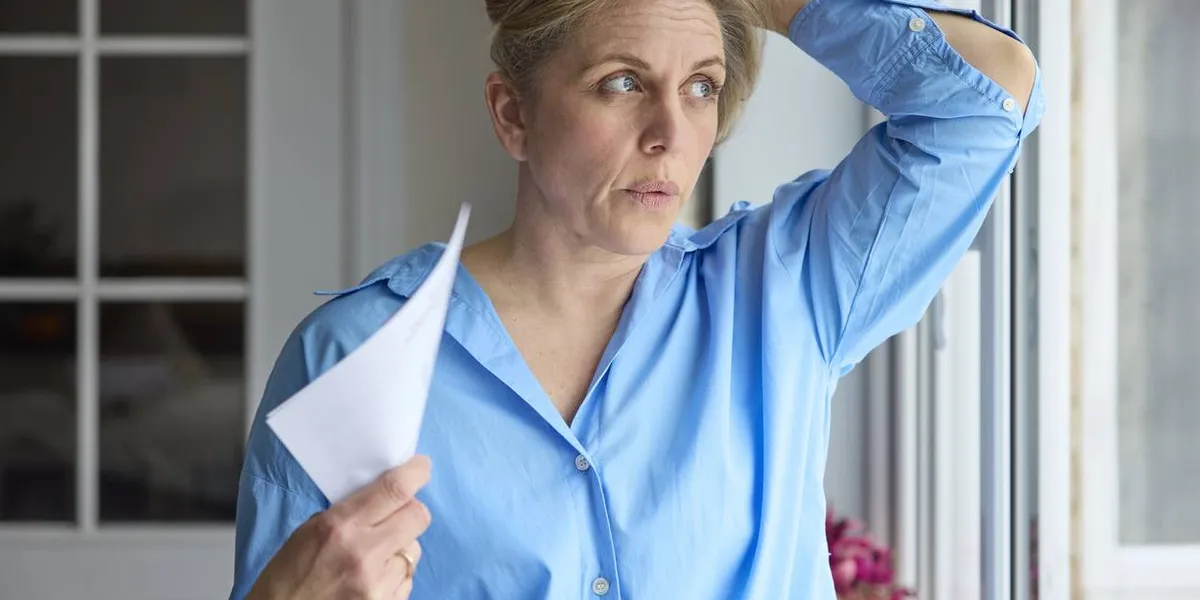
You’re having dinner with friends when all of a sudden heat rises up in your body. You begin sweating. Your face turns red, and you may even have heart palpitations. You ask, “Is it hot in here, or is it just me?” It’s just you — but it’s definitely not just you. Hot flashes and night sweats, also known as the vasomotor symptoms (VMS) of menopause, are associated with perimenopause and menopause. VMS affects 8 out of 10 of women over 40 and can last, on average, 7 years, sometimes even up to a decade. About 1 in 3 women report having up to 10 hot flashes a day. And each menopausal hot flash can last from one to five minutes. Symptoms can last longer and severity can be worse for Native American and Black women. VMS can influence your mood, cause anxiety and interfere with your sleep. This may impact your ability to focus, work or be present in relationships. Luckily, menopause symptoms are starting to get more attention. Read: 7 Menopause Tips from the Pros >> What happens to your body during a hot flash As you enter perimenopause and menopause, your estrogen levels begin to decline. This decrease in estrogen can affect the thermoregulatory center of your brain that helps regulate body temperature, said Robin Noble, M.D., gynecologist and chief medical advisor of the nonprofit Let’s Talk Menopause. Before perimenopause, if we’re rushing up the stairs or we’re stressed about something, our body temperature might vary. But we can accommodate that without having a hot flash. “When our estrogen declines, our thermoregulatory zone narrows. There’s less leeway, and changes in body temperature are less tolerated,” Noble said. Hot flashes from menopause can happen anytime, anywhere, day or night, and they can range from feeling slightly warm to incredibly disruptive, drenching you in sweat. Your skin might feel clammy, and you might have chills and anxiety after the flash. Hormonal therapy for hot flashes Hormonal therapy (HT) is widely considered the gold standard for the treatment of menopause and VMS. HT treats the symptoms of menopause by replacing estrogen and progesterone in your body. The two main types of HT are: Estrogen therapy: This hormone treatment replaces estrogen that the body no longer makes during menopause. Estrogen therapy by itself can increase the risk for uterine cancer, so people who no longer have a uterus can take estrogen-only therapy. Combination therapy: Combination therapy is a mix of both estrogen and progestin. This is recommended for women who still have a uterus. The progestin in combination therapy protects the uterine lining from the negative effects of estrogen. The safest way to get estrogen therapy is through the skin, using patches, gels, mucosal rings or creams. Estrogen pills are also available, but they slightly increase the risk of stroke. Progestin is often given orally or vaginally. Along with helping to ease hot flash symptoms, hormone therapy can also protect other areas of the body. HT can be beneficial for bone health, cardiovascular disease, diabetes, joint pain, and skin and hair changes. Since HT can also help regulate your mood, it may also be helpful in alleviating symptoms of anxiety and depression. Hormone therapy does come with some risks, though, and it isn’t for everybody. If you’ve had certain types of cancers, are at a high risk for blood clots, or have a history of stroke and other cardiovascular diseases, you might need to think about other options. Nonhormonal medications for hot flashes Some women are unable to take HT, while others may prefer not to. Now, there are two types of FDA-approved, nonhormonal medications on the market that target moderate to severe menopausal hot flashes. Both nonhormonal medications work by blocking pathways in the brain’s temperature control center. Elinzanetant (brand name Lynkuet) is a dual NK1 and NK3 receptor antagonist. Fezolinetant (brand name Veozah) is an NK3 receptor antagonist. Both medications have been shown to reduce moderate to severe menopausal hot flashes and improve sleep quality. Note: Both elinzanetant and fezolinetant are processed through the liver, so you’ll need blood work to check your liver enzymes before starting treatment and again at different points during treatment. The liver monitoring schedule is different for each drug. Talk to your healthcare provider about hot flashes When you’re struggling with hot flashes, it might feel like there’s no end in sight. That’s why it’s important to find a healthcare provider (HCP) who will listen to your concerns and help you make an informed decision. Here are some ways to prepare for your appointment: Track your symptoms for a few weeks before your appointment Write down your questions so you don’t forget them Share your preferences for hormonal or nonhormonal medications If your HCP dismisses your symptoms or won’t listen to you, it might be time to find a new one. To find a menopause-certified HCP near you, search The Menopause Society directory by ZIP code. Or look for a telehealth professional. With more choices available, there’s no reason for anyone to have to struggle with hot flashes. This educational resource was created with support from Bayer, a HealthyWomen Corporate Advisory Council member. From Your Site Articles Related Articles Around the Web Source link
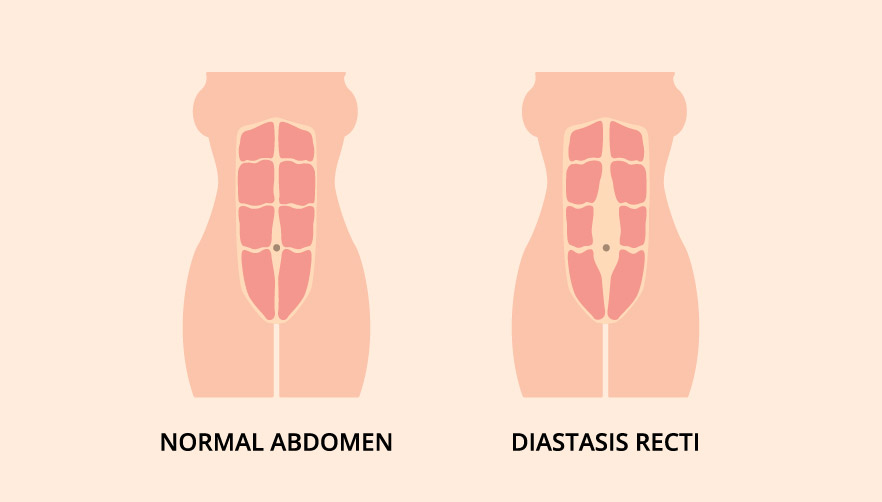
Diastasis Recti: Prevention, Symptoms & Recovery Exercises
Abdominal diastasis (diastasis recti) occurs when the front abdominal muscles separate to make room for the baby’s growth. This happens because the connective tissue stretches as the uterus expands during pregnancy. While it affects the majority of pregnant women and often improves after birth, it can persist and cause discomfort in many cases. Understanding the symptoms, prevention, and available treatments is essential for protecting your health before and after delivery. Symptoms of Abdominal Diastasis Diastasis recti causes a range of symptoms that often continue postpartum, including: Physical changes: A flaccid or sagging belly, or visible bulges (hernias). Pain: Constant discomfort in the lower back and pelvic area. Pelvic floor issues: Incontinence (leakage of urine or feces), pain during intercourse, and the sensation of internal organs dropping (prolapse). Mobility difficulties: Lack of balance, poor posture, and stiffness when twisting the torso. Digestive problems: Gas, constipation, and heavy digestion. Emotional impact: Low self-esteem, anxiety, or depression. Risk Factors Some common risk factors for developing diastasis recti during pregnancy include: Weight and Build: Obesity or excessive weight gain during gestation. Muscle Condition: Having an abdominal wall or pelvic floor that is either too weak or excessively tense (hypertonia). Activity Level: Sedentary lifestyles are detrimental, but so are high-impact exercises (like running or tennis) and lifting heavy objects. History and Age: Being over 35, having multiple pregnancies, or undergoing prolonged labors (including C-sections). Prevention and Treatment Experts suggest a multi-angled approach. The most effective methods for prevention and recovery include Kegel exercises, hypopressive abdominals, physical therapy, and yoga. It is vital to avoid traditional sit-ups/crunches and always seek professional guidance. Kegel Exercises Kegels are the best tool for strengthening the pelvic floor. They help prevent diastasis and issues like incontinence. Biofeedback-based trainers (like KegelSmart) are highly recommended as they recognize your specific muscle strength and guide you through a routine tailored to your level. Research shows that training the abdomen and pelvic floor during pregnancy can reduce diastasis risk by up to 35%. Core Exercises Combine Kegels with “core” routines. Hypopressive exercises and those that activate the transverse abdominal muscle are the most effective. Ensure you have a personalized plan supervised by a professional. Physical Therapy and Postural Education Physical therapy that strengthens the transverse and rectus abdominis reduces risk. Similarly, “postural hygiene”—maintaining proper posture during daily activities like lifting weights, working at a computer, or sleeping—is crucial. Diaphragmatic Breathing This deep, conscious breathing using the diaphragm is beneficial throughout pregnancy and postpartum. Pre-delivery: It activates the pelvic floor, relaxes the abdominal wall (reducing back pain), and improves core control. It also increases oxygen for the baby and reduces stress. Postpartum: It promotes gentle activation of the transverse muscle, helping to restore abdominal function and reduce separation. Proprioceptive Exercises This training focuses on body awareness, balance, and stability. By combining diaphragmatic breathing with balance exercises, it effectively rehabilitates the abdominal wall and pelvic floor. Prenatal Yoga Prenatal yoga increases strength and flexibility in essential muscles while preventing excessive pressure on the abdomen. It also aids postpartum recovery by stabilizing the core. Note: Always consult a doctor before starting, and ensure the class is specifically for pregnant women and taught by specialists. Kinesiotaping Neuromuscular taping, when combined with abdominal exercises, has proven more effective at reducing diastasis and activating muscles than exercise alone. Postpartum Abdominal Binders (Belly Wraps) Wraps can provide support, improve posture, and stabilize the core. However, they have downsides: They may cause circulatory or digestive issues if used incorrectly. Some experts argue they can weaken muscles further because the body “relies” on the external support rather than working itself. Consult your doctor to see if a binder is right for you. Final Tip: Avoid risk factors like excessive weight gain, heavy lifting during pregnancy, and a sedentary lifestyle. Happy pregnancy! Source link

Does Rosemary Oil Actually Grow Hair? A Hair Specialist’s Honest Answer
Here’s something that surprised even us: in a head-to-head clinical trial, rosemary oil performed comparably to minoxidil — one of the most widely used hair loss treatments on the market, for certain types of hair thinning. That’s a big claim, and it deserves more than a TikTok trend to back it up. So we’re breaking it down, what the research actually says, how rosemary oil works, who it’s most likely to help, and how to use it correctly. As hair loss specialists, we’ve been working with rosemary oil formulations for years. Here’s our honest take. What Is Rosemary Oil? Rosemary is a herb you’ve probably used in cooking, but it’s been used in medicine and skincare for centuries too. When it’s pressed into an essential oil, it becomes highly concentrated and contains compounds that have real, documented effects on the body. In recent years, research has shown that these compounds can have meaningful benefits for scalp health: reducing inflammation, improving circulation, and supporting the environment your hair follicles need to grow. What Does the Science Actually Say? Let’s start with the study people keep referencing because it’s legitimate. A clinical trial published in SKINmed Journal compared rosemary oil directly to 2% minoxidil, one of the most common over-the-counter hair loss treatments, in people with pattern hair loss (the most common type, affecting both men and women). After six months of consistent use, both groups showed similar increases in hair count. The rosemary oil group also reported significantly less scalp itching compared to the minoxidil group, a common complaint with minoxidil. THE BOTTOM LINE FROM RESEARCH After 6 months, rosemary oil produced hair count results comparable to 2% minoxidil for pattern hair loss, with fewer scalp side effects. That’s a meaningful finding. It’s worth being upfront about what this research doesn’t show: it compared rosemary oil to 2% minoxidil, not the stronger 5% version, and it focused on pattern hair loss specifically. It’s not a cure-all, and it won’t work the same way for every type of hair loss. But for what it studied, the results are genuinely encouraging. Why Does Rosemary Oil Help Hair Grow? Here’s the simple version of what’s happening when you apply rosemary oil to your scalp: 1. It Improves Blood Flow to Your Scalp Rosemary oil helps open up the tiny blood vessels in your scalp, which means more blood, and with it, more oxygen and nutrients, reaches your hair follicles. Think of your follicles like plants: they need to be fed to grow. Poor scalp circulation is a real contributing factor in hair thinning, and this is one of the ways rosemary directly addresses it. 2. It Calms Scalp Inflammation A lot of people dealing with hair loss also have an irritated or inflamed scalp, sometimes visibly, sometimes not. Inflammation around the follicle disrupts the hair growth cycle and can speed up shedding. Rosemary oil has strong anti-inflammatory properties that help calm this down and create a healthier environment for your hair to grow. 3. It Supports Follicle Recovery Beyond circulation and inflammation, research suggests rosemary may help revive follicles that have slowed down, not dead follicles, but ones that have become sluggish or are producing thinner, weaker hairs. This is where most people notice the most visible change over time. Source link
GLP-1s sustain weight loss in IBD, obesity without worse symptoms
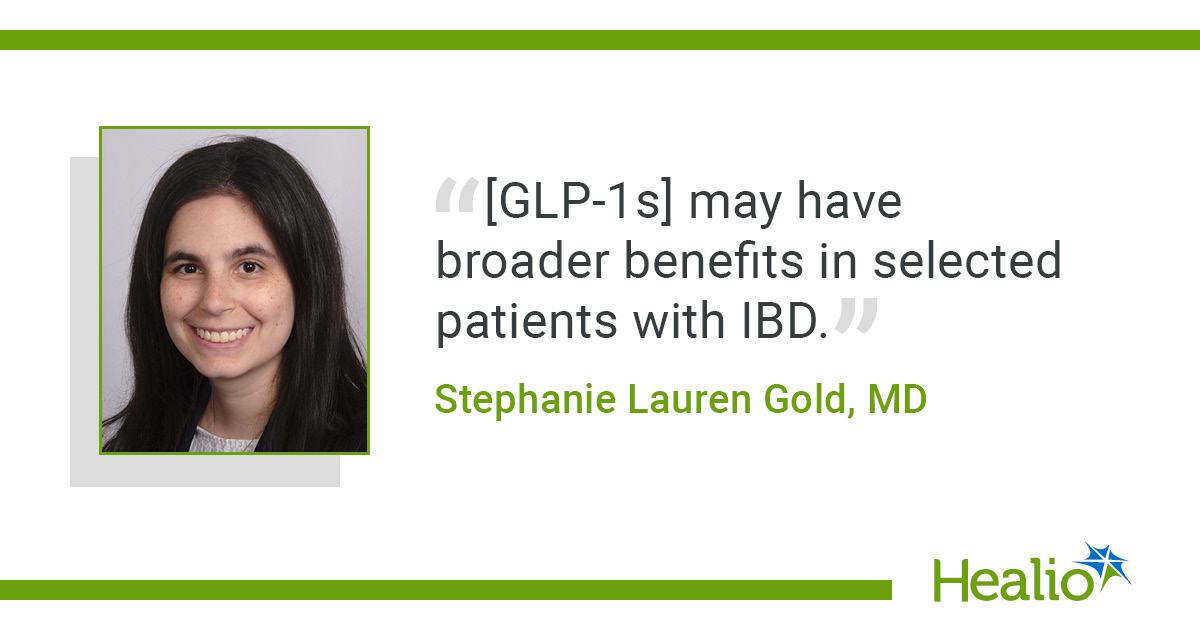
Add topic to email alerts Receive an email when new articles are posted on Please provide your email address to receive an email when new articles are posted on . “ data-action=”subscribe”> Subscribe We were unable to process your request. Please try again later. If you continue to have this issue please contact customerservice@slackinc.com. Back to Healio Key takeaways: GLP-1s plus lifestyle counseling sustained weight loss and improved bowel symptoms in patients with IBD with obesity. Fatigue also improved without IBD-related hospitalizations or changes in therapy. CHICAGO — Patients with obesity and inflammatory bowel disease showed improved bowel function while receiving GLP-1 receptor agonists and lifestyle counseling, in contrast to the gastrointestinal issues typically associated with GLP-1s. “Given that gastrointestinal side effects are often a concern with GLP-1 therapy, it was notable that patients reported improvement rather than worsening of bowel symptoms, suggesting these therapies may have broader benefits in selected patients with IBD,” Stephanie Lauren Gold, MD, assistant professor of gastroenterology at Icahn School of Medicine at Mount Sinai, told Healio. Gold and colleagues presented their research at Digestive Disease Week. “These findings highlight the importance of integrating metabolic and weight management interventions into routine IBD care,” Gold continued. The treatment combination also was associated with clinically significant weight loss and reduced patient-reported fatigue. Obesity may be a modifiable risk factor in patients with IBD, the researchers wrote. “In the general population, GLP-1s are well-established therapeutic options to treat obesity,” Gold said. “However, prospective and real-world data on the safety and efficacy of GLP-1 therapy in patients with IBD remain limited.” For a 12-month period, 95 patients (median age, 40 years; 64% women; median BMI, 35 kg/m2) with an IBD diagnosis and a BMI higher than 25 kg/m2 received guidance on diet and exercise at a multidisciplinary IBD-metabolic clinic. Vibration controlled transient elastography showed 68 patients had hepatic steatosis and three had fibrosis. Clinicians initiated GLP-1 therapy among 50 patients who met indication criteria — BMI of at least 27 kg/m2 with a comorbidity or BMI of at least 30 kg/ m2 — and could pay for or had insurance to cover the drug. Data on IBD symptoms, weight loss and fatigue were gathered at baseline and 3, 6, 9 and 12 months of follow-up. During the study period, patients receiving both GLP-1 therapy and lifestyle counseling had a significantly greater median percent weight change than those treated with counseling alone. At 3 months, the difference was –5.5% vs. +1%; 6 months, –9.5% vs. +2%; 9 months, –13.8% vs. +1%; and 12 months, –20.9% vs. +3%. Patients receiving the combined intervention also reported reduction in fatigue and improvement in stool frequency and consistency after 3 months. The researchers observed no significant differences in ED visits, hospitalizations and changes in IBD therapy between cohorts. Further research is required on the topic, according to Gold and colleagues. “We need prospective studies to define optimal dosing, duration, long-term safety, predictors of response and tolerability, and whether GLP-1 therapy can improve IBD-related outcomes beyond weight loss,” Gold said. “It is also important to focus on a more personalized approach for obesity care in patients with IBD, identifying which patients are most likely to benefit from specific interventions.” For more information: Stephanie Lauren Gold, MD, can be reached at laura.ruocco-duran@mountsinai.org. Published by: Sources/Disclosures Source: Gold SL, et al. GLP-1RA therapy plus lifestyle counseling significantly improves clinical and patient-reported outcomes in patients living with IBD and obesity. Presented at: Digestive Disease Week; May 2-5, 2026; Chicago. Disclosures: Gold reports being a 2023 Nestle Nutrition Institute Fellow, as well as support from Crohn’s and Colitis Foundation Career Development Award and Medical Board Members of Nutritional Therapy for IBD. Please see the study for all other authors’ relevant financial disclosures. Ask a clinical question and tap into Healio AI’s knowledge base. PubMed, enrolling/recruiting trials, guidelines Clinical Guidance, Healio CME, FDA news Healio’s exclusive daily news coverage of clinical data Learn more Add topic to email alerts Receive an email when new articles are posted on Please provide your email address to receive an email when new articles are posted on . “ data-action=”subscribe”> Subscribe We were unable to process your request. Please try again later. If you continue to have this issue please contact customerservice@slackinc.com. Back to Healio Source link
The Link Between Chronic Pain and Mental Health: Breaking the Cycle
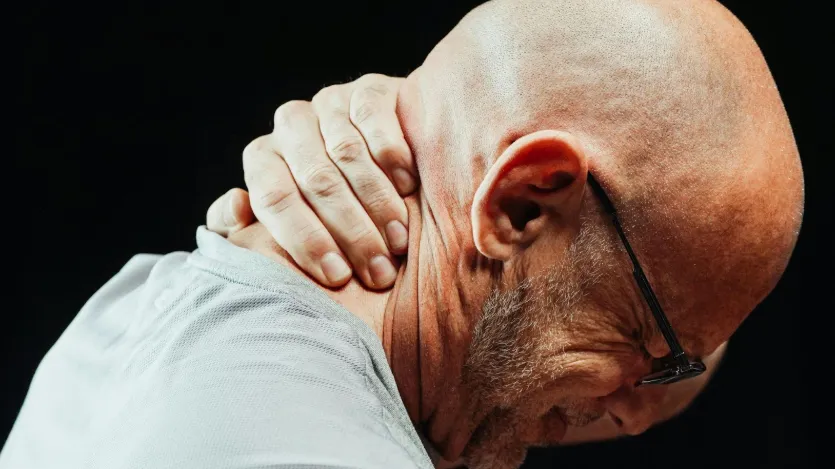
Chronic pain and mental health are closely connected, creating a cycle that is often challenging to disrupt. Persistent physical discomfort often leads to emotional distress, while mental health challenges can amplify pain perception. Understanding this relationship is integral to finding effective solutions for those trapped in this cycle. What Is Chronic Pain? Chronic pain is defined as pain lasting for three months or longer, persisting beyond the typical healing time for an injury or illness. Unlike acute pain, which signals immediate harm to the body, chronic pain often serves no protective purpose. Common conditions associated with chronic pain include arthritis, fibromyalgia, and back pain. Chronic pain impacts physical well-being and disrupts daily routines, work performance, and relationships. Over time, the constant struggle with pain can lead to feelings of frustration, hopelessness, and isolation. The Impact of Chronic Pain on Mental Health Living with chronic pain can significantly affect mental health. Persistent pain often leads to anxiety, depression, and mood disorders. These mental health challenges arise for several reasons: Emotional Strain: The stress of dealing with ongoing pain can wear down emotional resilience. Sleep Disruption: Chronic pain frequently interferes with sleep, which is necessary for mental and physical recovery. Reduced Social Interaction: Pain may limit mobility and participation in activities, leading to loneliness and social withdrawal. Studies have shown that individuals with chronic pain are more likely to experience mental health conditions. For example, depression rates are significantly higher among people with chronic pain compared to the general population. How Mental Health Influences Pain Mental health disorders can intensify the experience of chronic pain. Anxiety and depression often heighten pain perception, making it feel more severe than it is. This occurs because emotional distress activates areas of the brain involved in pain processing, creating a feedback loop that worsens both conditions. Additionally, negative thought patterns associated with depression or anxiety, such as catastrophizing, can make it harder to cope with pain. Catastrophizing involves focusing on the worst-case scenarios, which increases feelings of helplessness and amplifies pain. Effective Approaches to Breaking the Cycle Breaking the link between chronic pain and mental health challenges requires a comprehensive approach. Addressing both physical and emotional aspects is essential for meaningful relief. Holistic Pain Management Managing chronic pain involves far more than just taking medication; it requires a comprehensive and integrated approach that considers physical, emotional, and social factors. Physical therapies like physiotherapy focus on improving strength, flexibility, and mobility, which can reduce pain over time. Acupuncture, an ancient practice rooted in traditional Chinese medicine, stimulates specific points in the body to alleviate discomfort and promote healing. Similarly, massage therapy can help relax tense muscles, improve circulation, and release endorphins, the body’s natural painkillers. These treatments don’t just address physical symptoms; they also promote relaxation, which can ease the emotional distress often linked to chronic pain. Relaxation techniques help regulate the nervous system, reducing stress and anxiety—two factors that can intensify the perception of pain. Holistic pain management also emphasizes the importance of addressing the social dimensions of chronic pain. Isolation and reduced participation in daily activities can worsen feelings of despair, creating a cycle that’s hard to break. Individuals can maintain connections that foster emotional resilience by incorporating group support, counseling, or even gentle social activities. This multidimensional approach makes sure that pain is not merely suppressed but actively managed in a way that improves overall quality of life. Combining physical treatments with mental health support creates a powerful framework to help individuals regain control and live more comfortably. Psychological Interventions Cognitive-behavioral therapy (CBT) is one of the most effective tools for addressing the mental health impacts of chronic pain. It frees individuals from negative thought patterns and develops healthier coping mechanisms. Other therapies, such as mindfulness-based stress reduction (MBSR) and acceptance and commitment therapy (ACT), focus on building resilience and fostering acceptance of pain. Medication and Medical Treatments In some cases, medications such as antidepressants or anti-anxiety drugs may be prescribed to address the mental health effects of chronic pain. These medications can work alongside pain relievers to provide comprehensive support. However, it is important to use medications under the guidance of a healthcare professional to avoid dependence or side effects. Lifestyle Modifications Lifestyle changes play a critical role in managing chronic pain and improving mental health. Regular exercise, for instance, releases endorphins—the body’s natural painkillers—and boosts mood. Balanced nutrition and adequate hydration also support overall well-being. Prioritizing sleep hygiene can help reduce both physical discomfort and emotional distress. The Role of Support Systems A strong support system can help individuals dealing with chronic pain and mental health challenges. Family, friends, and support groups can provide emotional encouragement and practical assistance. Sharing experiences with others who understand the challenges of chronic pain can also reduce feelings of isolation. Healthcare professionals, such as doctors, psychologists, and physiotherapists, are allies in this journey. Promoting Awareness and Reducing Stigma One significant barrier to addressing the link between chronic pain and mental health is stigma. Many people feel ashamed to discuss their struggles, fearing judgment or misunderstanding. Promoting awareness and fostering open conversations can help break down these barriers. Educational campaigns, community programs, and workplace initiatives can raise awareness about the challenges faced by individuals with chronic pain and mental health conditions. Encouraging empathy and understanding creates a more inclusive environment for those seeking support. Final Thoughts The connection between chronic pain and mental health is undeniable, yet it is often overlooked. Breaking the cycle requires acknowledging the intricate relationship between physical and emotional well-being. Addressing chronic pain and mental health together is about both reducing symptoms and empowering individuals to lead fulfilling lives. With the right approach, this is possible, offering hope and relief to those who need it most. Take control of your life with us at Pain Treatment Centers of America, where expert care meets compassionate solutions. Don’t let chronic pain hold you back—our team is here to provide personalized treatments that work. Rediscover the joy of living pain-free with innovative therapies tailored to
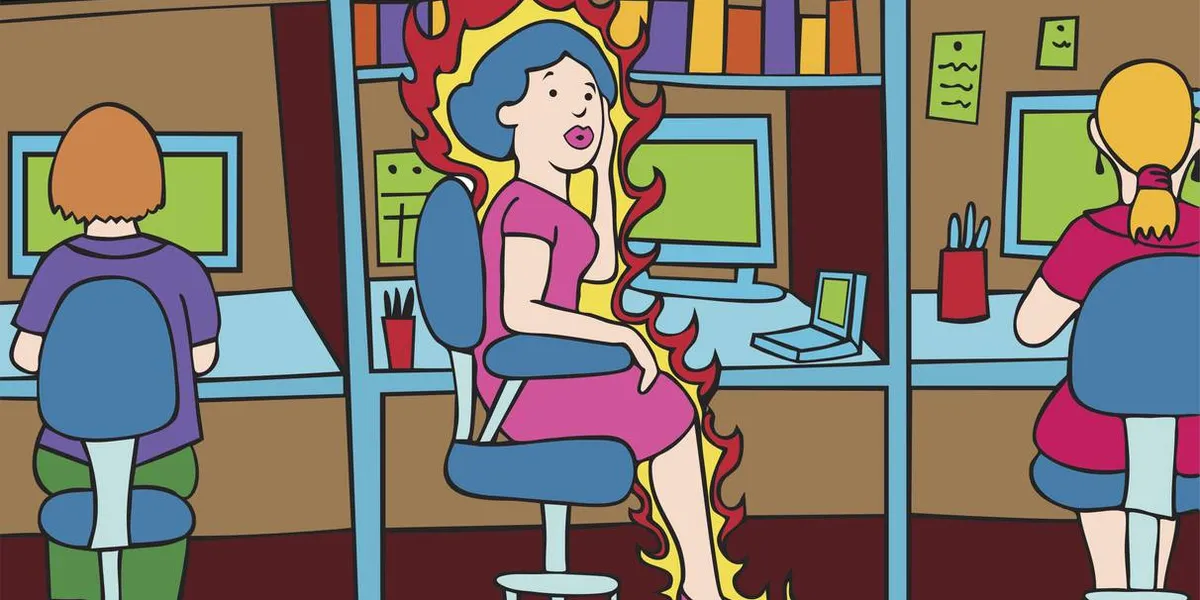
Understanding Hot Flashes – HealthyWomen
Standing before 50 coworkers in the conference room, I was taking questions after giving a presentation when I felt the familiar stirrings of a hot flash. “Please, not now,” I bargained with my perimenopausal body. “Don’t put me in the hot seat both literally and figuratively.” My body rejected the bargain. Like it was coming from a hot hairdryer, the heat blasted up from the center of my chest, just under my collarbones, and spread up through my neck. My face burned and sweat erupted everywhere: dripping from my temples, pooling in the center of my bra and running down my back. In just a few seconds, I’d gone from appearing calm and collected to looking like I was being interrogated by commandos in a military prison. My friends and I often debate which hot flash scenario is worse: erupting in sweat during an important meeting, presentation or job interview — or relentlessly sweating all night through nightshirts and sheets, the nuclear fusion in our pajamas hot enough to power cities, birth stars and rob us of another night of sleep. There are arguments for either, but everyone agrees that hot flashes are not cool. What causes menopausal hot flashes, why do they happen, and most importantly, how can we stop them from interrupting our busy lives? We asked two medical experts who help women cope. What causes menopausal hot flashes? Alicia Scribner, M.D., associate professor of obstetrics and gynecology at the University of Washington School of Medicine, described a hot flash as a “sudden sensation of heat that begins centrally and spreads out.” One of her patients described it with more emotion: “She told me that when she gets a hot flash, she feels like her whole body is in flames,” Scribner said. An individual hot flash can last five to six minutes. That may seem manageable, but women can have up to 20 hot flashes per day and they can continue for an average of seven years. This leads to women everywhere asking: “Why is this happening to us? What is it about the menopause transition that causes our bodies to feel like they’re spontaneously combusting?” Neurologists are closing in on the answer. The brain’s ability to regulate temperature is closely tied to estrogen levels, said Kellyann Niotis, M.D., a New York City–based neurologist. When estrogen levels wobble during perimenopause then decline rapidly after menopause, the brain’s thermostat, the hypothalamus, is destabilized. “When estrogen is no longer activating this region properly, the brain misreads internal temperature cues and triggers a cascade of events to cool the body down: widening blood vessels and starting sweat production,” she said. There’s also evidence that dips in brain glucose levels contribute to menopausal hot flashes. “Estrogen normally helps maintain stable glucose delivery to the brain, so when levels fall, the brain may be more vulnerable to these dips — another trigger for hot flashes,” Niotis said. A part of the brain called the prefrontal cortex, which governs stress reactivity and emotional regulation, may shape how disruptive or distressing hot flashes feel. In fact, said Niotis, “Women who are under more perceived stress or anxiety often report more frequent and more intense hot flashes even when objective physiological measures, like skin conductance, don’t differ. In other words, two women may have the same event, but the one under more emotional strain may experience it as more overwhelming.” This may clarify how socioeconomic conditions and race factor into the hot flash equation. In the U.S., data show that Black women are more than twice as likely to experience frequent hot flashes compared to white women, and more likely to report them as more bothersome and disruptive to daily life and sleep. Hispanic women also report more frequent menopausal hot flashes than white women, though they tend to describe them as less intense and less disruptive. If your life is being disrupted by your hot flashes, it’s time to seek treatment. “If women feel their symptoms are impacting their quality of life — their focus at work, fatigue, energy and sleep — it’s important to get help,” said Scribner. Treatments for hot flashes Although science has not yet found a cure for hot flashes, or a way to prevent them, there are plenty of medical and non-medical treatment options. Hormone therapy (HT) works to control hot flashes and other menopause symptoms by replacing the estrogen lost to menopause. But for women who don’t want to take hormonal treatments or for those whose risk factors keep HT from being an option, there are non-hormonal treatments as well. A class of drug called neurokinin receptor antagonists have been FDA-approved to treat moderate to severe menopausal hot flashes by addressing the chemical imbalance that can lead to hot flashes and night sweats. Other medication options include antidepressants. One antidepressant, paroxetine, has been FDA-approved to treat hot flashes, but other antidepressants are sometimes prescribed off-label, as are some anti-seizures medications, antispasmodics and blood pressure drugs. The jury is out on herbal solutions, said Scribner. “I have heard from some of my patients that they’re taking different herbs and supplements, but there’s no good data that supports the effectiveness of these,” said Scribner. However, believing something works — known as the placebo effect — can be helpful in reducing the perception of discomfort. As long as a solution isn’t harmful, Scribner said, “if you think something is making you feel better, you’ll get that benefit from it.” Lifestyle changes can also help. “Caffeine, alcohol, hot drinks and spicy foods have been shown to trigger hot flashes,” Scribner said. But how much a person reacts to a potential trigger is highly personal. Scribner urged women to observe their personal hot flash patterns and make adjustments based on that insight. She also recommended sleeping in a cool room, and using a fan and ice packs at night. When asked if hot flashes serve an evolutionary purpose that provide a benefit to menopausal women, Scribner laughed and said she was not aware
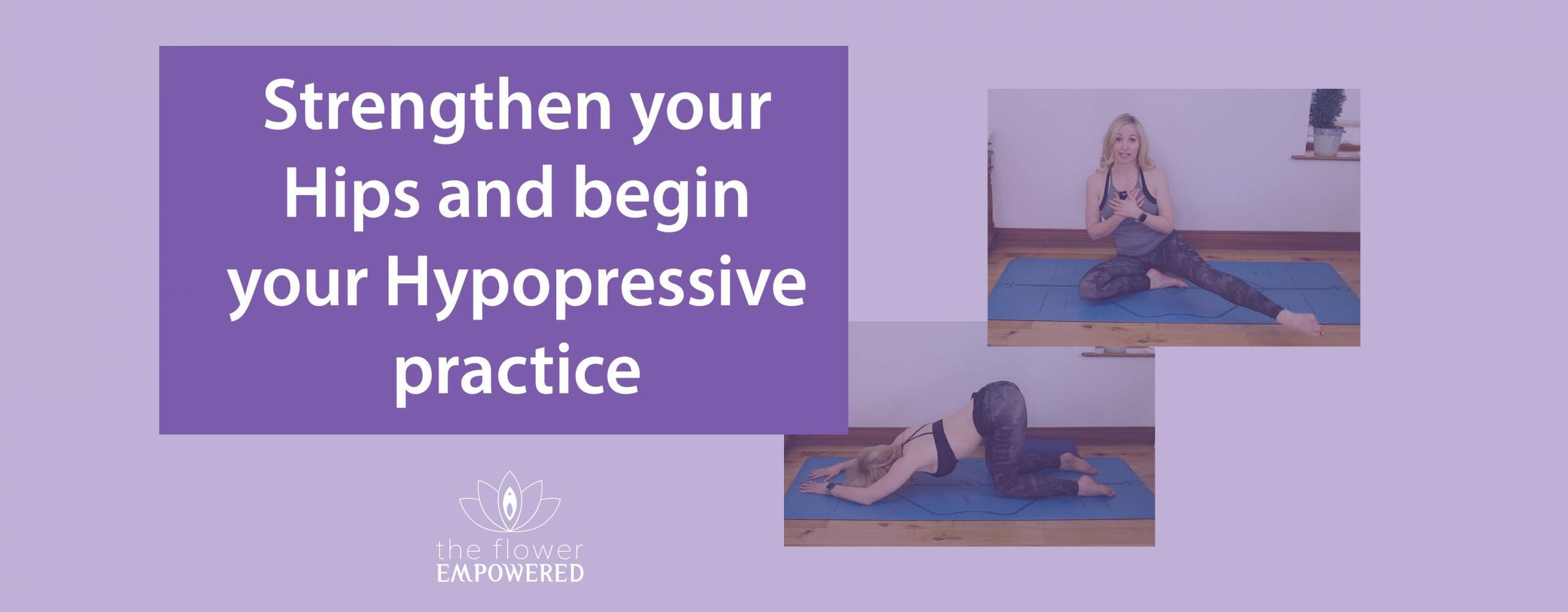
Hypopressives and Hip Strengthening
We’ve just launched two new series on our YouTube channel! One series focuses on hypopressive exercises beginning with some simple exercises on all fours. This hypopressive series will add new poses and increase in difficulty each week. If you decide to follow along, you do not need to move to the next step after one week. Instead, we would encourage you to move forward when you feel you have mastered your current level. This practice is a great compliment for those with pelvic organ prolapse or other pelvic floor dysfunctions. The other series focuses on hip strengthening exercises. The hips provide lot of support to the pelvic floor and so a good balance of length-tension across the hips can greatly assist when trying to optomize pelvic floor function. The exercises increase in intensity each week eventually working up the strength to perform pistol squats. Like the hypopressive series, we recommend you only progress to the next level once your body has mastered your current level. Listening to your body with any physical practice is imperative! As always, we recommend you get approval from your health practitioner or pelvic floor physiotherapist before adding any exercise to your regular practice. Please read our disclaimer you begin. Source link

Chronic Conditions Management: How a Team-Based Approach Leads to Better Long-Term Health
Chronic Conditions Management: How a Team-Based Approach Leads to Better Long-Term Health Managing a chronic condition can feel overwhelming, but you don’t have to do it alone. A team-based approach to healthcare changes the way chronic illnesses are managed, offering better long-term outcomes for patients. Instead of relying on a single doctor to handle every aspect of care, a collaborative team of healthcare professionals works together to provide comprehensive, patient-centered treatment. The Challenge of Managing Chronic Conditions Living with a chronic illness, such as diabetes, heart disease, or arthritis, requires ongoing care and lifestyle adjustments. Many patients struggle to manage their symptoms effectively, especially when faced with complex treatment plans, multiple medications, and the need for lifestyle changes. Without proper support, it’s easy to fall into a cycle of poor symptom control, frequent hospital visits, and worsening health. Traditional healthcare models often place the burden of management on one doctor, typically a primary care physician. While these doctors can diagnose and guide treatment, chronic conditions require a broader approach. Patients benefit from a variety of specialists and healthcare providers who can address different aspects of their condition and overall well-being. What Is a Team-Based Approach? A team-based approach to chronic disease management brings together multiple healthcare professionals, each playing a specific role in a patient’s care. This team may include a primary care physician, specialists, nurses, pharmacists, dietitians, mental health counselors, and physical therapists. By working together, they create a comprehensive care plan tailored to the patient’s unique needs. This model focuses on coordination and communication. Instead of each provider working in isolation, they share information and collaborate on treatment decisions. This ensures that patients receive consistent care and benefit from the expertise of multiple professionals who bring different perspectives and skills to the table. Improved Coordination Leads to Better Outcomes When specialists, primary care doctors, and other healthcare professionals communicate regularly, they can make informed decisions that prevent complications and unnecessary treatments. For example, a patient with diabetes may see an endocrinologist for blood sugar management, a nutritionist for dietary guidance, and a podiatrist for foot care. If these providers work together, they can adjust treatments based on the patient’s overall progress rather than treating each issue separately. This leads to more effective care, fewer medication conflicts, and better disease control. Personalized Care for Each Patient Chronic conditions affect everyone differently, which is why personalized care needs to be part of the plan. A team-based approach ensures that treatment plans are tailored to each patient’s specific needs, lifestyle, and health goals. Instead of a one-size-fits-all approach, patients receive care that considers their unique circumstances. A physical therapist may develop a custom exercise plan to improve mobility, while a mental health professional helps a patient cope with the emotional toll of living with a chronic illness. This level of personalization leads to better adherence to treatment plans and, ultimately, improved health outcomes. The Role of Patients in Their Care A team-based approach empowers patients to take an active role in managing their condition. Rather than simply following doctor’s orders, patients become partners in their healthcare journey. They receive education, guidance, and support from different providers, helping them make informed decisions about their health. For example, a pharmacist may educate a patient on how to take their medications properly, while a dietitian helps them make healthier food choices. These small but significant changes can have a major impact on long-term health, reducing the risk of complications and improving overall well-being. Reducing Hospital Visits and Emergency Care When chronic conditions are managed well, patients are less likely to experience complications that require emergency care or hospitalization. A team-based approach helps prevent health crises by providing proactive care, routine monitoring, and early intervention when issues arise. Instead of waiting until symptoms worsen, healthcare teams can adjust treatment plans as needed. Regular follow-ups with a nurse or health coach can help identify problems before they become serious, which prevents unnecessary hospital stays and improves the patient’s quality of life. Mental and Emotional Support in Chronic Disease Management Living with a chronic condition can take an emotional toll, leading to stress, anxiety, and even depression. Many patients struggle with feelings of frustration or isolation as they navigate their health challenges. A team-based approach recognizes the importance of mental health in chronic disease management. Mental health professionals, social workers, and support groups play a part in providing emotional support and coping strategies. By addressing the mental and emotional aspects of chronic illness, patients are more likely to stay engaged in their treatment plans and maintain a positive outlook on their health journey. The Importance of Family and Caregiver Involvement A team-based approach doesn’t just include healthcare professionals—it also extends to family members and caregivers. When managing a chronic condition, having a strong support system at home can make all the difference. Loved ones who are educated about the patient’s condition can help with medication management, encourage healthy lifestyle choices, and provide emotional support. Healthcare teams often work with families to ensure they understand the patient’s treatment plan and can assist in daily care. This collaborative effort leads to better adherence to medical recommendations, reduced stress for the patient, and an overall improvement in quality of life. By integrating caregivers into the care plan, patients receive the consistent support they need to stay on track with their health goals. Technology’s Role in Team-Based Care Advancements in technology are making it easier than ever for healthcare teams to collaborate and monitor patients remotely. Telehealth appointments, wearable health trackers, and patient portals allow providers to stay connected and adjust treatment plans in the moment. For example, a patient with high blood pressure can use a smart blood pressure monitor that automatically shares data with their doctor. If concerning trends appear, the healthcare team can intervene before the condition worsens. This proactive approach means that patients receive timely care without needing frequent in-person visits, making chronic disease management more convenient and effective. The Future of Healthcare As healthcare continues

What is Presbyopia? – HealthyWomen
May is Healthy Vision month. If you’re holding your smartphone at arm’s length to read the screen — not to take a selfie — you could have presbyopia. Presbyopia is when your eyes lose the ability to focus on objects that are close-up. That sounds scary, but presbyopia is a natural part of aging and it happens to everyone. Over time, the lens of your eyes hardens and becomes less flexible, which makes it more difficult for your lens to change shape in order to focus on objects that are close — think reading a book or looking at your watch. In our recent survey, we asked women and people assigned female at birth (AFAB) about eye health and their experience with presbyopia. Overall, prescription glasses were the go-to to help with symptoms of presbyopia (65%). A few creative ways that participants said they adjusted to symptoms of presbyopia included: Holding items at arms length Borrowing reading glasses Making fonts larger Using a magnifying glass Zooming in on pictures Here’s more information on presbyopia, treatments for presbyopia and our survey results. Read: Women’s Eye Health 101 >> Risk factors for presbyopia Age is the top risk factor for presbyopia. Most people start to see symptoms — blurred vision, headaches, eyestrain, inability to read close-up — in their 40s. In our survey, nearly 9 out of 10 people were aware that age has a negative effect on eyesight. But participants who were diagnosed with presbyopia were significantly more likely to believe eyesight gets worse with age compared to participants who haven’t been diagnosed with presbyopia. Although presbyopia happens to pretty much everyone, risk factors for premature presbyopia can include: Being farsighted (the inability to see things that are near to the eyes) Having specific health conditions such as diabetes, cardiovascular disease and multiple sclerosis Taking certain medications such as antidepressants, diuretics and antihistamines How to diagnose presbyopia Presbyopia is diagnosed during a routine eye exam. Your healthcare provider (HCP) will give you a few different tests to check your vision. Visual acuity test (the big letters on a wall chart) to check your eyesight Refraction test for prescription lenses Slit lamp exam to check the structure of the eyes Per our survey, most participants — 7 out of 10 — get a regular eye exam. And most people — also 7 out of 10 — would see an HCP if they were having symptoms of presbyopia, which is crucial for catching changes in eye health. While only a few people surveyed had been diagnosed with presbyopia, it’s crucial to talk to your HCP if you notice any vision changes — however small — and get regular eye exams to catch any problems early when they are easier to treat. Treatments for presbyopia Presbyopia happens with age — so we can’t put the genie back in the bottle. But there are treatment options that can help you see clearly. Treatments for presbyopia include: Glasses (with or without prescription) Contact lenses Surgery Prescription eye drops Survey participants living with presbyopia were more likely to get prescription reading glasses (62%) than people who were not diagnosed with presbyopia (34%). Eye exams are a clear winner Without treatment, presbyopia can cause headaches, eye strain and overall lower quality of life. So, if you’re in your 40s, get your eyes checked and save the arm extensions for taking selfies in your new glasses. This educational resource was created with support from Viatris, a HealthyWomen Corporate Advisory Council member. From Your Site Articles Related Articles Around the Web Source link

Dating As a Single Mom Means Living a Double Life
Mid-March in Miami is a special kind of idyllic; the reason my fellow locals and I stick out the soggy and punishing summer months. On the evening in question, I enjoyed the backyard breeze on my bare shoulders and midriff. It was the perfect weather for a crop top and maxi skirt— no boob sweat and no jacket was required to show a suggestive little bit of skin. I was celebrating a friend’s husband’s birthday, and I’d brought a new flame to the party—a cute, younger guy from my gym whom I was simultaneously hiding from my kids but excited to show off to my friend group. The party presented a unique challenge, though. Like many parent friend groups, mine overlapped almost entirely with those of my little ones, and the birthday boy’s kids were best friends with mine. Related story Why This Viral NYC ‘Mommune’ Is Hitting Home With Other Single Moms I wasn’t ready for those worlds to collide, but in theory, I was safe from any awkward cameos. The party was for adults only, and all the kiddos had been shuffled off to a playdate with another friend. This left me free to sidle up to my date, carefree, with a spicy margarita in my hand and his arm around my shoulders. These days, I was either “single” or a “mom” but not both at the same time, and on this occasion, I was intent on being the former. It’s possible that I’d become overly confident in my abilities to juggle the dual roles. “Are you sure this is a good idea?” my date had asked as I dressed for the party. He didn’t have kids himself, but worried that I might be playing with fire with the zero degrees of separation. Our entanglement was new, casual, and definitely not appropriate for discussion with my children. “Of course!” I assured him. “Everyone there knows the drill. Separation of church and state. It will be fine.” I was wrong. An hour and a half and two cocktails into the night, with the background of a booming early aughts playlist and deep conversation, I spotted her. While my date loaded up a baked potato for me at the food station, the unmistakable bouncing ponytail of my ten-year-old daughter made its way into the crowd. The adults froze in unison, like kids getting caught misbehaving at a party, but in reverse. Apparently, whoever had been watching the group of kids hadn’t received the secret lover memo and thought it would be fun to show up with them as a surprise. “It will be so cute!” they probably thought. And it was, but for me, the surprise was also slightly terrifying. Within seconds, my body morphed from “single” to “mom” like some creature from a Transformers movie (Optimus Prime’s ex-wife, probably). The baked potato was abandoned, and my date was ignored for the rest of the night as I tried to justify my skimpy outfit to my daughter, offering her platitudes about the weather and how it’s nice to dress up for a friend’s birthday. Though the run-in sent me into a mild panic attack, I ultimately got away with the duplicity. My date maintained a respectful distance while my daughter was at the party, and she was none the wiser about whose arm I’d been on before she arrived. If she had figured it out, I’m sure we could have had an age-appropriate conversation about what mommy was up to, but I was grateful that it hadn’t been necessary. Asha Elias and her boyfriend. Courtesy of Asha Elias Motherhood, no matter what the relationship status, is a constant balancing act. Morning routines, pickups, drop-offs, career, housework, keeping the little ones alive, keeping yourself alive. The thing that no one talks about, though, is how divorce can actually relieve some of that pressure. Shared custody and healthy co-parenting came with an unexpected benefit for me—time. Do I miss my kids when they’re with their father? Tremendously. But I’m also at ease knowing that they are spending quality time with a loving and responsible parent. It allows me to be more present on “my” days and to figure out who I am when I’m not being a mother on the other days. I try to schedule girls’ nights, events, and dates exclusively when the kids are with their dad, so when they’re with me, I can focus on meals together, homework, and bedtime routines. This is definitely a luxury, and I feel for the full-time moms who need to rely on childcare for those activities. On the days I don’t have the kids, I have more time to work, practice self-care, and —yes—let my hair down (and put on my crop top) to live a double life. The “single” part of my identity is exciting and fulfilling, even though the mom guilt about not being devoted to my children 24/7 still eats at me. Is it ever possible to truly be two different people in one body? It’s a question that I’ve heard asked dozens of times from my fellow divorced moms and in online communities, so I asked Dr. Mindy DeSeta, PhD, a therapist and certified sexologist, for her clinical take on my personal duplicity. “Let’s drop the outdated message that becoming a mom means you have to give up who you are and pour every ounce of yourself into your kids,” DeSeta told me. “Motherhood is a huge part of you, but it shouldn’t be the only part.” She also says that guilt is not always a reliable compass, and that sometimes we feel guilty about things that can actually be good for us. “Kids do best when their moms are supported, cared for, and emotionally well. Taking care of yourself, staying connected to your identity, and rebuilding your confidence isn’t “extra”—it’s part of being a healthy parent,” DeSeta says. The confidence part can be tricky for recently divorced women. For me, reentering the dating scene was almost as