

Summer is the perfect time to explore new places, visit family, or simply unwind at the beach. But for those living with chronic pain, the idea of travel can bring more stress than excitement. If you’re dealing with back pain, arthritis, fibromyalgia, or another condition, planning ahead and using the right strategies can help you enjoy your vacation without unnecessary discomfort. Plan Ahead for Comfort and Flexibility Good planning is one of the most effective ways to manage pain while traveling. Start by choosing destinations and accommodations that support your comfort. Look for hotels with elevators, easy access to transportation, and on-site amenities like pools or hot tubs that can help soothe aching muscles. If you’re flying, consider reserving an aisle seat or upgrading for more legroom if possible. A bit of extra space can make a big difference, especially on longer flights. Flexibility is just as important as the destination. Give yourself extra time between activities and avoid overbooking your itinerary. Pacing your schedule helps prevent flare-ups and gives your body time to rest. If possible, schedule downtime every day so you can relax, stretch, and recharge without feeling rushed. Pack Smart for Pain Relief Packing can be stressful when you live with pain, but thoughtful choices can improve your travel experience. Start with the essentials. Bring your prescribed medications in their original bottles and keep them in your carry-on bag so they’re always accessible. Include a written list of your medications in case you need to reference them during the trip. Don’t forget your comfort items. Travel-sized heating pads, gel ice packs, lumbar support cushions, and portable massagers can make long journeys much more tolerable. Compression socks and supportive shoes are great for reducing swelling and foot pain during long walks or flights. By bringing the tools that keep you comfortable at home, you’ll have what you need to manage pain on the go. Try to pack light as well. While it’s understandable to wish to take everything with you while on vacation, a heavier bag is harder to move about with than one that’s on the lighter side. If you do need to pack heavy, get a bag with a strong outer shell and wheels, as this can help you wheel it around instead of having to carry it everywhere. Use Movement to Your Advantage When you’re traveling, it’s easy to become stiff or sore after sitting too long in a car or on a plane. As much as you can, try to keep yourself moving. If you’re flying or taking a train, take short walks up and down the aisle every hour or so. If you’re driving, plan frequent stops to get out, stretch, and walk around for a few minutes. Movement improves circulation, eases tension, and can reduce pain levels throughout the day. Try doing a few gentle stretches when you wake up, after sitting for long periods, and before bed. If you’re not sure which movements are best for your condition, talk to your doctor or physical therapist before your trip. They can recommend a simple routine that helps prevent stiffness and pain. Make Sleep a Priority Travel often disrupts sleep, but getting enough rest is extremely important for managing pain. Fatigue can intensify discomfort and lower your pain threshold, making your vacation less enjoyable. Do what you can to create a relaxing sleep environment. Bring a familiar pillow or a neck roll if it helps support your spine. Use a white noise app to block out unfamiliar sounds in hotels or rental properties. As much as possible, try to stick to your regular sleep schedule as well. Going to bed and waking up at the same times each day can help your body stay in rhythm. Avoid late-night screen time, heavy meals, or caffeine too close to bedtime. A good night’s sleep won’t just help with pain—it will also improve your mood and energy for the next day’s adventures. Eat and Drink to Support Your Body Traveling often means eating out more than usual, but certain foods can worsen inflammation and pain. Aim to include fruits, vegetables, lean proteins, and whole grains in your meals when possible. Stay hydrated by drinking plenty of water throughout the day, especially in hot weather or while flying. Dehydration can increase joint stiffness and muscle cramps, so don’t overlook your water intake. If you have dietary restrictions or sensitivities that affect your pain, plan ahead by packing healthy snacks or researching restaurant menus before you go. Even small nutritional changes can support your pain management efforts while helping you feel your best on vacation. Manage Stress Before It Manages You Pain and stress often go hand in hand, and travel can introduce a lot of unpredictability. Delays, crowds, and unfamiliar settings may trigger anxiety, which in turn can worsen physical discomfort. Learning how to manage stress during your trip is a powerful tool for keeping pain under control. Try simple relaxation techniques like deep breathing, meditation, or listening to calming music. If you enjoy journaling, take a few minutes each evening to write down what went well during the day. Focusing on the positive helps reduce tension and improves your overall mindset. When you feel more relaxed, your body is better able to cope with pain. Talk to Your Healthcare Provider Before You Go Before heading out on your trip, schedule a check-in with your healthcare provider. They can help you assess whether you’re ready for travel and recommend specific tips for staying comfortable. If you’re using medications that require refrigeration or special handling, your doctor can help you find a safe way to transport them. This is also a great time to discuss pain management strategies tailored to your destination and mode of travel. You may be able to get temporary prescriptions or referrals in case of emergencies while you’re away. Being prepared will give you peace of mind and help you focus on making memories, not managing discomfort. If you’re struggling with pain and
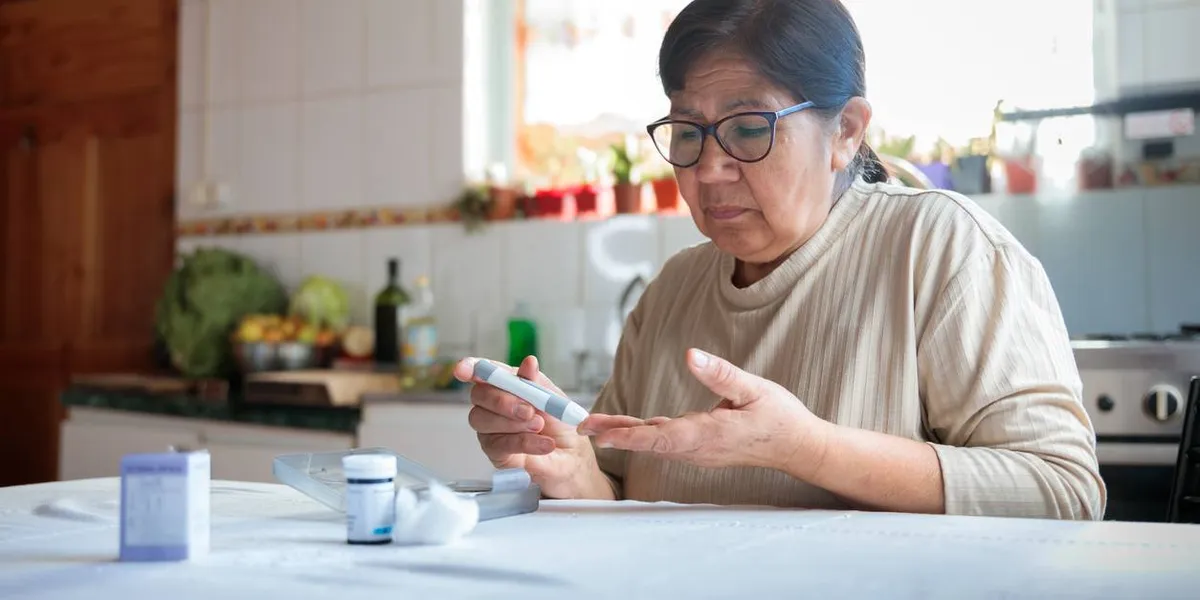
The Connection Between Diabetes and Pancreatic Cancer
Español The number of people in the United States who have diabetes is rising, and many people don’t even know they have the disease. Untreated and uncontrolled diabetes can cause complications for your heart, kidneys, eyes and many other organs. Diabetes may also increase your risk of developing certain types of cancer, including pancreatic cancer. What does your pancreas do? You can’t live without your pancreas. It’s an essential organ that releases digestive enzymes so your body can break down the food you eat. It also releases insulin and glucagon, which control how much glucose (sugar) you have in your blood. When you don’t have enough insulin or your body can’t use the insulin you have properly, your blood sugar levels rise, causing diabetes. Types of diabetes There are three types of diabetes that most people have heard of, and a fourth one that is less commonly known: Type 1 diabetes. Your pancreas doesn’t produce insulin or makes very little of it. Type 1 used to be called juvenile diabetes or insulin-dependent diabetes. Type 2 diabetes. Your pancreas doesn’t produce enough insulin or your body can’t use it properly. Type 2 used to be called adult-onset diabetes or non-insulin-dependent diabetes. It’s the type of diabetes that can go undiagnosed for a long time. Gestational diabetes. This type of diabetes only happens during pregnancy and usually goes away after the baby is delivered. However, having gestational diabetes does increase your chance of getting Type 2 diabetes later in life. Type 3c diabetes. Type 3c is caused by damage to your pancreas from conditions like chronic pancreatitis, cystic fibrosis or pancreatic cancer. What is pancreatic cancer? Pancreatic cancer affects the cells in your pancreas, most often in the ducts. It’s the third leading cause of death by cancer because it’s usually diagnosed in the late stages when the cancer has spread to other parts of the body. Early stages of pancreatic cancer don’t have signs or symptoms but sometimes a healthcare provider will find it by accident during a scan of or around the pancreas. When a disease is found by accident, it’s called an incidental finding. How does diabetes relate to pancreatic cancer? When it comes to diabetes and pancreatic cancer, researchers face the age-old chicken-and-egg question. They aren’t sure if diabetes can cause pancreatic cancer or if pancreatic cancer can cause diabetes. Or both. Studies have found up to 2 out of 3 people had diabetes or prediabetes before they were diagnosed. These findings could mean diabetes has a role in pancreatic cancer development. One theory is that the constant high blood sugar levels and long-term inflammation in the pancreas in people with Type 2 diabetes increases the risk for pancreatic cancer. But could it be the other way around? Some people suddenly develop diabetes without having any risk factors for the disease. Not long after, especially if they’re over the age of 50, they might be diagnosed with cancer of the pancreas. In this case, diabetes could be a symptom of pancreatic cancer. Who is at risk for diabetes-linked pancreatic cancer? Risk factors for diabetes-linked pancreatic cancer include: Being Black or Hispanic Having diabetes for more than 5 years Being over 50 when diagnosed with diabetes, especially if there’s no family history or other risk factors for the disease Damage to the pancreas, resulting in Type 3c diabetes Living with obesity How can you reduce your risk of diabetes-related pancreatic cancer? Since many people with pancreatic cancer have diabetes or prediabetes before their diagnosis, the first step to reduce your risk of cancer is to manage your blood sugar levels as well as possible. This means, in addition to taking your medication, exercising and eating a healthy diet to minimize blood sugar swings. Other steps you can take to reduce your risk for pancreatic cancer include: Not smoking or using tobacco products Avoiding alcohol Avoiding processed meats and red meat You may not be able to completely prevent developing pancreatic cancer if you have diabetes, but you can be vigilant and try to lower your risk. Check in with your healthcare provider (HCP) if you suddenly have trouble keeping your blood sugar within range. And if you’re over 50 and newly diagnosed with diabetes, consider asking your HCP for screening for pancreatic cancer. The earlier pancreatic cancer is diagnosed, the better the chances for successful treatment. This educational resource was created with support from Merck. From Your Site Articles Related Articles Around the Web Source link

6 Best GLP-1 Programs for Postpartum Weight Loss, Expert-Approved
If you purchase an independently reviewed product or service through a link on our website, SheKnows may receive an affiliate commission. Postpartum weight loss isn’t always about giving in to “bounce back” culture. Instead, it’s helping mothers align their health and fitness goals after a monumental life event, and feel like themselves again, whether it’s about the number on the scale or lowering visceral fat, which helps reduce diseases like cardiovascular disease and type 2 diabetes. That’s where the best GLP-1 programs come in. The medications are revitalizing postpartum health, and an increasing number of women are seeking them out. But with so many options available, it can be overwhelming to decide on a program that’s best for you. Related story This Drugstore Baby Soap Brand Is #1 in the UK & It’s About Replace All Your American Products The best programs are those that take a personalized, medically supervised approach. “Postpartum weight loss isn’t just about the number on the scale: It’s about hormonal health, metabolic changes, and long-term wellbeing,” explains Dr. Melynda Barnes, Chief Medical Officer at Ro. “Programs that combine clinical oversight with nutrition, lifestyle support, and ongoing monitoring tend to be the most effective, as they meet women where they are rather than applying a one-size-fits-all solution.” Keep reading to learn more about the medications and the best programs to help you reach your postpartum goals. Best GLP-1 Programs for Postpartum Weight Loss, at a Glance Best Overall: Noom, $129Best Runner-Up: Ro, $199+Most Popular Program: Mochi, $79+Most Affordable Program: Ivim Health, $75+Best Specialized Women’s Program: Hers, $149+Best App-Based Program: Fridays, $150+ How do GLP-1 Medications Work? GLP-1 medications work by suppressing appetite and increasing weight loss. There are also many other functions the medications serve, like addressing some of the underlying biological drivers of weight gain, according to Dr. Melynda Barnes, Chief Medical Officer at Ro. “They help regulate appetite and metabolism by slowing gastric emptying, increasing feelings of fullness, and reducing cravings,” she adds. “They also improve insulin sensitivity, which plays a key role in how the body stores and uses energy. This makes them particularly effective during life stages like postpartum or aging, when hormonal shifts can disrupt normal metabolic function.” Here’s how it works on a more scientific level: GLP-1 is a hormone your body already makes. It helps regulate blood sugar, slows the rate at which food moves through your stomach, and signals fullness to your brain. “GLP-1 medications like semaglutide mimic that hormone, which is why people feel satisfied with less food and notice the constant chatter about food, what we call ‘food noise,’ quiet down,” explains Dr. Jessica Duncan, an obesity certified MD and Chief Medical Officer at Ivim Health. “They’re not appetite suppressants in the old sense. They’re working on the biological drivers of hunger and metabolism.” Can You Take GLP-1s Postpartum? GLP-1s are generally safe to take postpartum, but there are caveats according to experts. Dr. Duncan explains that GLP-1s are not approved or studied during pregnancy or breastfeeding, so the postpartum window is really about timing. “Once a patient is no longer breastfeeding and their body has had time to recover from delivery, GLP-1 therapy can be appropriate, and for many women dealing with significant postpartum weight concerns, hormonal shifts, and metabolic changes, it can be life-changing,” she says. And since every case is different, it’s best to be evaluated by your provider first. Dr. Amy B. Lewis, a Yale-trained board-certified dermatologist in private practice in New York City, also adds that the safety of using a GLP-1 should be determined based on nutritional status, including iron stores, protein stores, hormone recovery, and breastfeeding status. How Soon Can You Take a GLP-1 After Giving Birth? Much like returning to physical activity postpartum, it’s best to give your body time to rest and heal after giving birth. “There’s no single number that applies to everyone, and I’d be skeptical of any program that gives you one,” Dr. Duncan says. “What I think about with my patients: Are you finished breastfeeding? Has your body stabilized, meaning hormones, cycle, and sleep are settling into a new rhythm? Are you medically cleared by your OB?” Experts say that this time period is past the six-week postpartum visit, and sometimes longer when breastfeeding. Is Taking GLP-1s Safe While Breastfeeding? GLP-1s are not recommended for those who are breastfeeding. The side effects haven’t been studied enough to know if the medication is transferred into breastmilk and then to an infant. Doctors are concerned with the potential harmful effects on an infant’s growth and feeding if GLP-1s get into the bloodstream. “In addition, appetite suppression in the mother may reduce caloric intake needed for milk production,” Dr. Lewis says. Are GLP-1s, Constipation & Your Pelvic Floor Related? Every expert agrees that the most common side effects of GLP-1s are constipation. “In our published research on more than a thousand patients on tirzepatide, constipation was the single most reported side effect,” Dr. Duncan notes. “Now layer that on a postpartum body, where the pelvic floor is already healing from pregnancy and delivery, and yes, there can be a real connection.” Putting additional strain from constipation adds even more stress and pressure onto the pelvic floor that’s already trying to heal. “The fix isn’t to avoid GLP-1s. It’s to, first, allow the body to heal post-partum and, second, manage the constipation proactively with hydration, fiber, gentle movement, and consider certain over-the-counter aids or even working with a pelvic floor physical therapist — this is exactly the kind of nuance that gets missed when someone’s just handed a prescription with no support,” Dr. Duncan explains. Are the Side Effects of a GLP-1 Heightened During Postpartum? In addition to constipation, there are a handful of other side effects that a woman can experience when on a GLP-1, such as nausea, fatigue, and decreased appetite. “These are similar to what any patient might experience, but in the postpartum phase, when the body is already adjusting to hormonal shifts and sleep
Topical Exosomes for Hair Growth
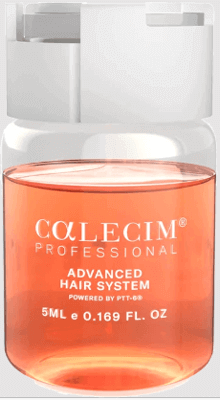
In 2019 when I first discussed exosomes for hair growth, most doctors were injecting them into the scalp. Recently, I also discussed the rarer intravenous (IV) delivery of exosomes to tackle hair loss. Now I look at the topical application of exosome serums into the scalp, due to three such new products being in recent news. Note that some injectable products from exosome suppliers to the hair loss market can also be applied topically. The method of delivery will depend on your doctor’s or clinic’s preference. Calecim (PTT-6) Advanced Hair System with Topical Exosomes Calecim (PTT- 6) Advanced Hair System: Topical Exosomes and Growth Factors for Hair Growth. Recently, HairClone (UK) announced a partnership in which the company will work with an interesting new exosome containing topical product called Calecim Advanced Hair System (that comes with a Derma Stamp). Edit: The manufacturer has now given blog readers a 15% off discount code “HLC2020“ for purchases of the Advanced Hair System kit. Per their website, Calecim includes PTT-6®, which contains over 3,000 proteins, including growth factors, cytokines and exosomes that signal cells to regenerate. PTT-6 is derived from the secretion of cord lining stem cells isolated from the umbilical cord tissues of New Zealand red deer at birth. No deer is harmed during the extraction and harvest process of this rich source of stem cells. Calecim Dermastamp Included. The full list of ingredients is PTT-6® and cord lining conditioned media (from stem cell derived fibronectins, glycoproteins, albumin, collagens and hyaluronic acid). This Calecim topical serum is to be used with an included Derma Stamp for better absorption. A lot people underetrake at-home microneedling for similar reasons. This includes via dermarollers or dermapens or dermastamps. Elevai Exosomes Combined with Yuva Biosciences Mitochondrial Technology Elevai Topical Exosomes for Hair Growth. Elevai Labs (US) recently gave a positive update regarding the company’s topical Elevai “age zero” Exosomes™ product range for hair loss. In a year-long study that the company conducted, patients who used Elevai empower™ exosomes in combination with in-office microneedling saw favorable results. The company also makes Elevai enfinity™ for at-home use in repairing your skin. The 12-month results were assessed using imaging analysis and showed a cessation in crown inflammation, a reversal of miniaturized hairs, and a recovery of hairs from the dormant resting phase. the still on-going research study is being conducted in partnership with Carly Klein, president of the National Hair Loss Medical Aesthetics (NHLMA). Note that I previously also discussed Elevai in my post on Yuva Biosciences and BosleyMDs new hair loss product related to mitochondrial upregulation. Yuva is partnering with Elevai to release a hair loss product that will combine Elevai’s proprietary PREx™ exosome technology with Yuva’s Y100™ mitochondrial technology. The two companies jointly filed for a combination patent in August 2024. Ultimately, Elevai is developing a new hair and scalp care product line, called “Elevai S-Series Root Renewal System” that will be powered by exosomes and mitochondrial technology. According to company CEO Dr. Jordan R. Plews, they are in the process of conducting a follow-on study. This will further analyze the combination of Elevai exosomes and Yuva’s Y100 mitochondrial technology to address hair loss and thinning concerns. In January 2025, Elevai’s skin and hair care business was acquired by Carmell (US). In March 2025, Carmell announced a rebranding and name change to Longevity Health Holdings. The company plans to launch a hair growth serum in the second quarter of 2025. Most likely, it will be the exosome and mitochondrial upregulation product that I discusses above. ExoCelBio Evovex Serum Another company that makes a line of topical exosomes is ExoCelBio (US) via its Evovex serum. The company website says that these exosomes are derived from the chorion of placental mesenchymal stem cells (pMSCs). Their Exovex™ serum Refine brand was launched in 2023 and has a concentration level of 75 billion exosomes per vial. Refine employs a high concentration of non-lyophilized, purified exosomes that results in fuller and stronger hair. In May 2024, the US FDA sent a violation warning letter to ExoCelBio in relation to the company’s marketing and lack of a biologics license. This is not surprising, considering the new stricter FDA guidelines governing exosome products. In the US, exosomes are regulated as both a drug and a biologic. In Europe, you are not even allowed to use human-derived exosomes to treat hair loss. Zishel Xomage A June 2025 study that was co-authored by scientists from South Korea, France and Germany found the use of topical Zishel Xomage exosomes to significantly benefit hair growth. The product was applied to the scalp after microneedling. Note that Zishel makes both plant-based exosomes; as well as human adipose-derived mesenchymal stem cell based exosomes. Source link

As much as you try and explain, people still think headache
Despite variations in my experience, there are many symptoms that frequently occur. I’ll start with the most obvious- the agonising head pain. Generally I get a searing pain behind my right eye that spreads up and over the right hand side of the head, down into the neck, and deep into the right shoulder. The throbbing pain is often so intense and vice-like that my brain looks for ways to minimise the pain, so I imagine I’m tunnelling my way underneath it to escape it. But there is, actually, no escape. Which sounds strange I know! I can only liken the head/neck/shoulder part to severe whiplash. Still related to the head, my brain races, it feels like synapses getting trigger happy with thoughts and songs whirring at pace. It is a sense of intense cognitive and emotional disquiet resulting in a terrible sense of impending doom. But, migraine doesn’t just involve pain in the head; an attack is a whole body experience negatively affecting each and every one of the five senses. All of the senses become heightened: SIGHT: I develop an aversion to light and to movement. At times I have been unable to see the other half of things or can experience vision disturbances such as zig zag lines, a snowstorm or the rotating wheel of doom. It is not possible to read. SOUND: every sound becomes magnified. Music that would normally be stimulating or soothing becomes intolerable noise. Absolute quiet is required. SMELL: my sense of smell is intensified too making normally pleasant fragrances such as perfume or garlic nauseating. It’s very like morning sickness. TASTE: everything tastes stronger and, again, nauseating. My mouth feels incredibly sensitive to heat and there’s a nasty metallic taste that refuses to go. And yet, despite this, when I experience an attack I need to eat. It must be something that’s sugary, protein-based and/or stodgy. TOUCH: my body and joints ache as if I had flu. I feel hot and cold. Nausea is extremely common with my migraine but what I really fear is being physically sick while it feels like my head is being beaten to a pulp. Fortunately for me, this is infrequent. At times I also experience vestibular migraine which involves a degree of vertigo that’s hard to describe. The world falls away in a spiralling vacuum as though I’m falling through space never to land back on earth. Imagine drinking two bottles of wine, feeling sick, the room spinning, then being forced to drink another two bottles…it’s a revolting feeling. An attack might last one to four days, then there’s the migraine ‘hangover’ that, again, can last for days. I typically feel crushing fatigue, nausea and brain fog. There’s often a residual headache with accompanying neck and shoulder pain. My body and mind feel as though I’m recovering from having been beaten up. Source link

How to Stay Active with Chronic Pain Using Gentle Exercises
Physical therapy specialists note that regular, low-impact activities can trigger exercise-induced hypoalgesia, a scientifically documented phenomenon where aerobic exercise increases pain threshold and tolerance in chronic musculoskeletal conditions. By utilizing this effect, you can improve daily functioning and regain confidence in movement. Why Gentle Exercise Is Essential During Summer and Fall Staying active with low-impact movement during the summer and fall months offers unique advantages for managing chronic pain, joint conditions, and overall physical function. With warmer muscles in summer and lower inflammation in fall, these seasons create the ideal conditions for safe, effective exercise. Keeps Joints Flexible While Avoiding Stress Light physical activity encourages synovial fluid production, which lubricates your joints and reduces stiffness. This is especially beneficial for individuals with arthritis or degenerative joint conditions, where immobility often worsens symptoms. Summer’s heat naturally warms up muscles and tendons, making it easier to perform flexibility routines and range-of-motion exercises without risk of injury. Builds Muscular Support Even minimal strength training using resistance bands, water weights, or bodyweight can strengthen the muscles that support your joints. Stronger muscles absorb more of the physical load, reducing direct stress on the joints themselves. This can also help with weight management, which is important because excess body weight increases joint wear and inflammation, particularly in the knees and hips. Improves Cardiovascular Health Low-impact aerobic activities like brisk walking, stationary biking, or swimming enhance blood flow, which helps deliver oxygen and nutrients to tissues and remove inflammatory byproducts. Outdoor exercise in moderate temperatures allows for longer sessions without overheating, helping to build endurance while maintaining joint comfort. Activates Neurochemical Pain Relief Endorphins, serotonin, and norepinephrine are neurochemicals that help elevate mood and lessen pain perception. They are released when you exercise. These biochemical changes don’t just offer temporary relief; they support long-term resilience by lowering the intensity and frequency of pain flare-ups. Staying active also helps regulate sleep patterns and reduce stress, both of which are key to managing chronic pain. Understand the Source of Your Pain Before You Begin Any Exercise Exercising without identifying the cause of your pain can lead to setbacks, injury, or worsening symptoms. Before building a fitness plan, it’s important to identify the root cause of discomfort through targeted diagnostics that guide safe, effective movement. High-Resolution MRI and CT Scans Advanced imaging tools like MRI and CT scans offer detailed insights into the body’s internal structures. These scans can reveal joint degeneration, disc herniations, inflammation, or soft-tissue damage that might not be obvious during a physical exam. When these issues are identified early, your care provider can design exercise modifications that prevent further irritation, especially in sensitive areas like the spine or shoulders. Nerve Assessments If your symptoms include tingling, numbness, or unexplained weakness, electromyography (EMG) and nerve conduction studies (NCS) help determine whether nerve dysfunction is to blame. These tests measure how well nerves transmit electrical signals and can detect conditions like sciatica, peripheral neuropathy, or nerve entrapments. Knowing whether the pain stems from nerve or muscle involvement allows for more precise physical activity recommendations. Diagnostic Nerve Block Confirming the exact source of your pain allows your care team to tailor exercises that promote healing while minimizing the risk of aggravating symptoms. Diagnostic nerve blocks are particularly helpful in this process, offering targeted, short-term relief to better understand your condition. This approach offers accurate treatment to help you move with greater confidence during your recovery. A local anesthetic is injected near a specific nerve or joint to isolate the pain source. Provides temporary relief, helping identify whether symptoms are nerve-related or structural. Differentiates between overlapping pain conditions that may require different treatments. Creates a short window of reduced pain, allowing for safe testing of therapeutic movements. How to Take Advantage of the Weather Changing your exercises and surroundings with the seasons supports your comfort and joint health. Summer’s warmth helps relax muscles and improve flexibility, making it a good time for gentle, low-impact exercise. As fall brings cooler temperatures, adjusting your routine helps keep you moving and prevents stiffness. Aquatic Therapy Water’s buoyancy and warmth ease pressure on your joints while boosting circulation. Activities like pool walking, leg swings with resistance bands, and gentle water aerobics build endurance and flexibility without strain. The water’s gentle pressure also reduces swelling, making aquatic therapy a great choice for pain relief and injury recovery. Gentle Cycling Using a stationary recumbent bike lets you avoid uneven surfaces and control the temperature. Outdoor cycling on flat trails during cooler times connects you with nature. Start with short rides, ensure your bike fits well, and gradually increase your time for safe, comfortable progress. Mind-Body Exercises Practices like Tai Chi and restorative yoga combine slow, gentle movements with deep breathing to improve balance and flexibility and reduce stress. Doing these exercises on grass or natural paths adds sensory benefits and promotes relaxation. Therapeutic Stretching Cooler weather can make your joints stiff and sore. Regular stretching with gentle holds of 20 to 30 seconds on muscles like hamstrings, hips, shoulders, and back keeps your joints lubricated. Adding dynamic, flowing stretches before activity encourages smoother movement and helps prevent stiffness that worsens pain. Safe Strength Training As outdoor time decreases in fall, focus on indoor strength exercises using resistance bands and light dumbbells. Moves like rows, curls, glute bridges, and shoulder presses build muscle without overloading painful areas. Perform 8 to 12 repetitions per set, resting between, to strengthen muscles that support your joints and reduce pain caused by imbalances. Create a Pain-Friendly Indoor Environment Sit with good lumbar support, keep screens at eye level to avoid neck strain, and wear supportive shoes indoors to ease joint stress. Use cushioned mats for standing or floor exercises. These simple changes improve comfort and help you move better throughout the day. Our Targeted Pain Relief Treatment Plan When pain prevents you from being active, medical interventions can help you regain the ability to move safely. At PTCOA, our interventional treatments are

I Had a Major Heart Attack at 43
As told to Nicole Audrey Spector That night — the night that changed my life — it was late and I was in my home studio alone, deeply focused on my work. I’m a florist and run my own business. I had a wedding coming up and was in the middle of processing flowers. Suddenly, I felt pain in between my shoulder blades — along my angel wings, as my father would call them. I wondered if maybe I tweaked something while carrying buckets of flowers. Maybe it would subside in a minute or two. Then I began to feel nauseous. I walked out into the living room where my husband, Aaron, was working on his laptop. The nausea made me think perhaps my blood sugar was low. I’ve always been just on the cusp of hypoglycemia, but never dipped over into needing treatment. “You probably need to eat something,” my husband said. “Why don’t you have some leftovers?” 2021, Shayai making a floral design(Photo/Amanda Kinsey) I warmed up some chicken in the microwave and took it back to my studio. As I took a bite, I cringed. The chicken, which had tasted delicious just a few hours earlier, tasted horribly wrong — just off. And that’s when I knew something more serious was going on with me. When I was a child, I was diagnosed with a rare heart condition called supraventricular tachycardia (SVT), which can cause a rapid heart rate (tachycardia) and irregular heartbeat (arrhythmia). I also have Wolff-Parkinson-White (WPW) syndrome, a congenital heart condition that creates extra electrical pathways in your heart and also causes tachycardia. Complications from these conditions had landed me in the ER in the past. In 2000, I had a cardiac ablation. This is a procedure that, to put simply, involves burning off the excess pathways in your heart. Because of my conditions, I’ve always been deeply in tune with my heart. I get cardiology checkups regularly and can really feel when something isn’t right. Usually I’ll notice a flutter in my heart or brain fog. Not backache, nausea or sudden food aversion. My husband and I agreed that I needed immediate medical attention — not easy considering how far away we live from a hospital ER and how few EMTs we have serving a 100-mile radius. I am a Native American woman, a tribal citizen of two federally-recognized tribes: the Pueblo of Acoma and the Pueblo of Laguna. I was born and raised out on the reservations approximately 50 miles west of Albuquerque. It’s a rural life with a strong community spirit. We aren’t just neighbors, we’re a tribe, banded together through thick and thin. We feast together, celebrate together and do community service together. Because we’re all so incredibly close, my husband and I were able to leave our two sleeping children in their beds that night. My parents who live next door to us hurried over to keep watch. As my husband sped along the interstate with me in the passenger seat, I worried — but not about myself. I figured this was just some minor heart incident related to my conditions that could be swiftly resolved. What I was worried about was my work — those floral arrangements. I didn’t want any hangups in getting that done. The wedding was just a few days away. I thought of how devastated the bride would be if her vision wasn’t brought to life. On the way to the hospital, a new symptom arose: heartburn, or what I imagined heartburn felt like. I’d never had it before. Then another symptom: pain along with my jawline. This was also something completely new to me. I was puzzled. 2023, Shayai gathering plant medicine (Photo/Joel Wigelsworth) As soon as I walked into the ER and told a nurse that something seemed to be wrong with my heart, I was rushed into the main triage room, not even formally checked in. Within minutes I was attached to an IV, given aspirin (a blood thinner that can help prevent blood clots, the primary cause of heart attacks) and nitroglycerine (this improves blood flow to the heart). I was also hooked up to an EKG. I was trying to keep the mood light by joking around with the nurses, and though they chuckled with me, it was clear they were concerned. I was very tired by then and wanted to sleep. They told me I must stay awake. What they said next truly shocked me. “We believe this is all related to your heart, and we want to get you to a heart hospital in Albuquerque.” With my thoughts spinning I asked if an ambulance was on its way. “No, we’re going to fly you over.” What? Everything was happening so fast now, even late at night. My husband and I made calls to our family to keep everyone in the loop. Before flying, I was injected with a cocktail of medications to help stabilize my blood pressure and oxygen levels (which can be affected by changes in altitude). The helicopter ride, my first ever, was noisy, cramped and completely uncomfortable.I was still trying to keep the mood light by making the flight crew laugh and asking if they could fly over my house. Not even a near-fatal event can dampen my sense of humor. Once at the heart hospital, I was seen by the on-call cardiologist who said to me blankly, “Well, you had a heart attack.” My husband and I looked at one another, gasping. It was the first time we’d heard those words. I broke into tears. I was only 43 years old. Then the cardiologist immediately left the room as though flustered. The nurse was the person who comforted us with the news. I had heart conditions, yes, but never anything like a heart attack — and I’d later learn my heart attack had nothing to do with my other issues. I asked for a different cardiologist because the one who broke the
Stop Guessing: Decoding Vaginal Symptoms and Finding Relief
When things feel “off” in your V Zone, the first instinct is often to assume a simple yeast infection or Bacterial Vaginosis (BV). However, for many women, persistent or recurring intimate discomfort is a sign of something completely different. It can be a hidden hormonal shift, a reaction to everyday products, or chronic stress. As a brand dedicated to women’s intimate health, INTIMINA brings an educational guide to help women move past the guessing game and understand the true source of their symptoms. Intimate issues can often be misidentified. The symptoms of infection, hormonal changes, and simple irritation can overlap, leading many to self-treat common conditions with remedies that don’t address the root cause. This cycle of treating the wrong issue can delay healing and cause frustration. And that is why understanding the distinct profile of discomfort is the quickest path to lasting comfort. Dr Susanna Unsworth, women’s health specialist and INTIMINA’s medical expert explains: “It is very common for women to assume any vulval or vaginal irritation must be thrush and to keep re-treating when symptoms persist. Unfortunately, this can delay the right diagnosis. True thrush usually settles quickly with one course of treatment. When it doesn’t, this really is a red flag that something else is going on, often hormonal changes or a dermatological condition such as lichen sclerosis.” How To Differentiate Symptoms To achieve true intimate wellness, it is vital to know whether you are dealing with a microbial issue, a hormonal change, or an external sensitivity. Infections (BV & Yeast) Defining characteristics: Typically involves a specific odor (fishy for BV) or unique discharge (thick, cottage-cheese for yeast). May include intense, localized pain. What might be causing it: An overgrowth of yeast or bacteria that requires targeted medical treatment. Hormonal Shifts Defining characteristics: Persistent dryness, thinning tissue, and pain during intercourse. Symptoms may noticeably link to your menstrual cycle. What might be causing it: Decreased Estrogen levels due to factors like perimenopause, menopause, breastfeeding, or certain types of contraceptives. Non-Infectious Irritation Defining characteristics: Generalised itching, redness, or burning on the outer skin (vulva), usually without noticeable changes in vaginal discharge. What might be causing it: External factors such as harsh laundry detergents, scented washes, or tight fabrics can trigger irritation. Dr Unsworth also warns: “However, persistent symptoms may also indicate a dermatological condition such as lichen sclerosis. This is a chronic inflammatory skin disorder that can cause scarring and, if left untreated, increase the risk of vulval cancer. Because these symptoms can easily be mistaken for thrush, it’s important to seek medical advice if irritation or soreness doesn’t resolve quickly with standard treatment”. The Power of Informed Advocacy The goal is to stop the cycle of quick fixes. By documenting whether your symptoms involve changes in odor, texture, or sensation, and noting if they align with life changes (like stress spikes or cycle changes), you empower yourself and your doctor. Women deserve treatment that addresses the underlying imbalance, not just the surface symptom. “Not all vaginal or vulval symptoms are caused by infection, and understanding that can make a huge difference. There are many possible causes, such as hormonal changes, dermatological conditions and skin sensitivity, and each needs a tailored approach. Women often take great care of the skin on their face, but we forget that the vulval skin also needs regular moisturising and gentle care. I often advise keeping a vulval moisturiser by the loo to use each time you go; it is a simple and effective way to support tissue health. And if symptoms persist despite one over-the-counter treatment, don’t keep guessing. Trust your instincts and consult your doctor to determine the root cause. Most issues can be effectively treated once the correct diagnosis is made,” concludes Unsworth. Source link

Can Accutane Cause Hair Loss? What Isotretinoin Does to Your Hair
Why Does Accutane Cause Hair Loss? Accutane works by dramatically reducing oil gland activity in the skin. This is what makes it so effective for severe acne, but those same oil glands in your scalp play a role in keeping your follicles healthy. When isotretinoin suppresses them, it can disrupt the hair growth cycle in two key ways. The most common is telogen effluvium. This is when a physical stressor, in this case the medication, causes a large number of follicles to shift prematurely into the resting phase. A few months later, those follicles shed at the same time, which is when you notice increased hair fall. Research published in Skin: The Journal of Cutaneous Medicine confirms telogen effluvium as the primary mechanism, with retinoids thought to arrest the anagen (growth) phase and impair how hair is anchored during the resting phase. Beyond that, a 2018 study in the Journal of the European Academy of Dermatology and Venereology found that isotretinoin directly affects the hair cycle at a cellular level, further supporting the link between the drug and follicle disruption. How Common Is It? Less common than most people fear. A systematic review of 22 studies published in the Journal of the American Academy of Dermatology found that hair loss occurred in about 3.2% of patients on lower doses and 5.7% of patients on higher doses. That said, these numbers likely reflect clinically documented cases. Milder shedding that patients manage at home probably goes underreported. A separate retrospective study found that patients who did experience hair loss tended to be older, had higher cumulative doses, and had been on treatment for longer. The takeaway is that dose matters. If hair loss is a concern for you, it is worth talking to your prescribing doctor about whether your dose can be adjusted. What Does It Look and Feel Like? Accutane-related hair loss is usually diffuse, meaning it affects the whole scalp rather than specific patches or a receding hairline. You may notice your ponytail feels thinner, more hair on your pillow, or increased shedding when washing. The scalp may also feel drier or more sensitive than usual. Shedding typically begins two to four months after starting treatment, though some patients do not notice it until they are finishing their course. Source link

Sugar and Migraine Attacks-All You Need To Know
This post may contain affiliate links. Migraine Strong, as an Amazon Affiliate, makes a small percentage from qualified sales made through affiliate links at no cost to you. In my professional work with people who have migraine and the thousands of people I interact with on social media platforms, much of the conversation is around migraine-oriented eating. I’m a registered dietitian as well as a certified health and wellness coach focused on working with people living with migraine. There is no denying that there is a relationship between sugar and migraine attacks for a significant percentage of people. I shuddered at the very idea of not having sugar in my life. As a matter of fact, I thought those who banished sugar from their lives were extremists. Let me assure you that I am not a zealot who is going to tell you that you need to breakup with sugar in order to get your migraine attacks in good control. Personally, sugar is not a migraine trigger for me but I feel better overall when I limit it. Let’s take a good look at what may be going on. If you notice a relationship between sugar and migraine attacks the below information will be important to know. ** While Migraine Strong writes about the latest in migraine treatments, this is not medical advice. We are patient educators and all information you read should be discussed with your doctor. 4 possible reasons for sugar and migraine episodes 1. Fluctuating blood sugar levels = sugar migraine When we eat food, our body gets to work on digesting and absorbing the meal. Assuming our digestive and endocrine systems are working properly, there is a normal, healthy rise in blood sugar followed by a gradual decline. Blood sugar is kept in a range that allows our body to have enough fuel to provide the brain and all organs of the body to perform vital functions. For some people, the ability to regulate blood sugar is impaired. Blood sugar levels may climb too high in response to sugars and other high-carbohydrate foods. Their body may sense this elevated blood sugar and respond with a surge in a hormone called insulin to try to reduce the elevated blood sugar. The surge sometimes results in blood sugar getting too low. This can cause “sugar headache” for those who are prone to it. The migraine brain is often described as being hyper responsive to normal, benign stimulation. A person who is not prone to sugar migraine attacks may be completely unaware of the ups and downs of their blood sugar whether they are normal fluctuations or not. Contrarily, the person predisposed to migraine may be triggered by the inconsistencies and abnormalities in blood sugar. With this theory about sugar and migraine attacks, the body is sometimes unable to maintain blood sugar in the proper range. This causes the brain to respond with pain as a warning signal that something is wrong. This response to the low blood sugar level is described as a “sugar headache”. Yet, quite a few of us often experience headaches that quickly escalate to migraine when not treated early enough. A leading expert’s opinion on sugar and migraine Dr. Alexander Mauskop is one of world’s authorities on headache disorders. In his recent book, The End of Migraines- 150 Ways to Stop Your Pain, he states: Sugar is not always an obvious trigger. Many people develop migraine hours after a carbohydrate-rich food. Three-quarters of people with migraine have reactive hypoglycemia. This means that their blood sugar drops too low after a carbohydrate-rich meal. #AD 3 steps to take to avoid sugar migraine episodes First, know the signs of hypoglycemia aside from headache such as shakiness, sweating, confusion and hunger. You may only recognize the sugar headache, but that should be reported to your doctor. He/she will ask you more questions and determine if further testing needs to be done to figure out if your blood sugar is stable and if something else should be done. Second, pay attention to the types of foods in your meals and snacks and make sure that if you have a sugary food, you pair it with a good protein, fat and/or fiber source. Protein, fat and fiber slow the digestion and absorption of sugar into the blood stream. So, if you have a sweet tooth and enjoy candy as an afternoon snack, consider switching to honey-roasted nuts. Nuts are a good source of protein, fat and fiber. Or, if you must have a cookie, wash it down with a little whole milk. In general, if you already suspect sugar and migraine attacks are linked for you, you should limit sugary foods and meals that are high in sugar and/or simple carbohydrates. Third, do not skip meals. Not having food when your body is used to having nourishment can make your blood sugar dip and set you up for a hunger-headache or migraine. Additionally, you may tend to overeat and indulge in too much sugar/carbs when you have your next meal. Your blood sugar could be spiking and falling throughout the day and antagonizing your hyper-responsive brain. If you have headaches that come and go, consider blood sugar fluctuations as one possible cause. The migraine brain likes consistency Do all you can to eat at consistent times and keep nonperishable snack items with you for those times that you cannot get a proper meal. Being prone to migraine often means you must be more vigilant about keeping a routine to keep your brain happy. Some people find that they can reduce their migraine frequency by making sure they have at least a small snack every few hours. Others avoid sleeping late when they do not have morning commitments so that their mealtime is consistent. Morning headaches after sleeping late may also be due to delayed caffeine for those who are accustomed to having caffeine each morning. 2. Sugar is an inflammatory food I think the overwhelming majority of people