
English Incluso si vives a miles de millas de un incendio forestal este verano, hay muchas probabilidades de que humo de incendios forestales afecte, o ya haya afectado, la calidad de tu aire. La calidad del aire juega un papel crítico en la salud pulmonar de todos, pero es especialmente importante que personas con asma presten atención a eso. Hablamos con Nora Barrett, M.D., profesora titular de medicina de la facultad de medicina de Harvard, sobre cómo las mujeres podrían reconocer las señales de asmas no controladas y qué pueden hacer al respecto para controlar ese trastorno. ¿Cuáles son las señales de asmas bien controladas? Si tienes dos o menos síntomas en una semana, eso se considera que es un buen control. Si tienes tres o más síntomas en una semana, esa es una señal de que tu medicamento no está funcionando bien. Podría ser hora de cambiar tu inhalador o de aumentar tu dosis. ¿Qué síntomas indican que un asma no está bajo control? Los síntomas son opresión torácica, tos, sibilancia, falta de aliento y dificultad para respirar. Otra señal de que tu asma no está bajo control es si despiertas con síntomas de asma a aproximadamente las 3 o 4 A.M. Ese es el momento en que los esteroides que tu cuerpo produce naturalmente están en sus niveles más bajos. Esta es una señal de que el asma está a punto de salir de control y es un factor pronóstico de problemas más graves que están por manifestarse, tales como una crisis. ¿Hay señales de alerta de que un episodio o crisis de asma está por ocurrir? Hemos descubierto que solo 1 de cada 5 pacientes con asma nota sus síntomas antes de que se vuelvan realmente graves. Incluso si no notas síntomas específicos, hay situaciones en las que deberías estar alerta. Si sabes que un alérgeno específico o virus respiratorio desencadena tu asma, empieza a mantenerte pendiente de cómo tu cuerpo empieza a reaccionar a eso. El asma de algunas personas lo desencadenan irritantes químicos, tales como aerosol para el cabello o el cloro de las piscinas. Hay muchos corredores que tienen crisis en febrero por el frío y el aire seco. Si sabes que hay desencadenantes cerca, mantente pendiente de tus síntomas y de la frecuencia con la que ocurren. La calidad del aire es algo muy importante este verano. Si el ICA, o el índice de calidad del aire, es mayor que 50, las personas con asma tienen riesgo. ¿Cómo se trata comúnmente el asma? Actualmente, el asma se controla de forma diferente a como lo hacíamos décadas atrás. Muchos pacientes pueden controlar el asma con dos medicamentos que se usan juntos. El primero es un corticosteroide que se inhala, el cual se aplica diariamente cuando hay síntomas. El segundo es un agonista β, el cual usualmente se denomina un inhalador de rescate y contiene salbutamol de acción prolongada. Si una crisis de asma no puede controlarse con estos medicamentos, es conveniente que hables con un especialista o un neumólogo. Si los corticosteroides orales (inhaladores) proporcionan alivio, ¿tomarlos implica algún riesgo? Sí. Los corticosteroides orales son solo un tratamiento a corto plazo y solo deberían usarse durante crisis. La lista de posibles efectos colaterales es enorme. Los corticosteroides pueden causar hipertensión, diabetes, osteoporosis y más. Pueden incluso reducir la producción natural de esteroides del cuerpo. ¿Hay alguna diferencia entre el asma no controlada y la grave? Sí. El asma no controlada ocurre si usas inhaladores e incluso así tienes síntomas. En esos casos te referirán a un especialista. Determinaremos la gravedad de tu asma evaluando su impacto en tus pulmones. Medimos la función pulmonar con una espirometría que es una prueba que mide el volumen de aire que puedes soplar en un segundo. Cuanto mayor sea el volumen, mejor será la función pulmonar. Lee: Tratamiento de asmas graves >> ¿Qué opciones terapéuticas hay para asmas moderadas a graves que no están bajo control? Ahora tenemos biofármacos disponibles. Un tipo de biofármaco, el cual se reserva para asmas más graves, se dirige específicamente a anticuerpos alérgicos y hace efecto después de seis meses. Otros biofármacos bloquean las proteínas denominadas IL-13 e IL-4. Se ha demostrado que estos biofármacos mejoran la función pulmonar en días que no hay crisis y pueden reducir las crisis por hasta un 81% en lo que se refiere a síntomas graves. Otros medicamentos, denominados inhibidores de IL-5, detienen la producción de IL-5. IL-5 es una proteína que causa la proliferación de glóbulos relacionados con alergias que causan las inflamaciones crónicas que vemos en los pulmones de pacientes con asma. Fármacos que reducen la actividad del receptor de IL-5 son muy efectivos para pacientes que tienen niveles altos de estas células. En general, pueden reducir las crisis en un 50%, pero no tienen efecto en la función pulmonar en días que no hay crisis. Si tu asma no puede controlarse bien con inhaladores, tu especialista podría recomendarte un biofármaco. Los biofármacos son medicamentos compuestos de organismos o células vivas y se usan para tratar muchos trastornos crónicos en una forma segura. ¿Por qué el asma se sale de control incluso cuando se toman medicamentos? El asma es una inflamación causada por el sistema inmunitario y puede salir de control por varios factores, usualmente relacionados con la exposición a un alérgeno o a algo que desencadena una reacción inmunitaria importante. Los fármacos para el asma alivian los síntomas y reducen la inflamación, pero no detienen la reacción inmunitaria subyacente que causa el asma. ¿Causa el asma no controlada efectos a largo plazo? Si el asma no se controla bien, podrías perder tu función pulmonar con el tiempo. La función pulmonar tiene efecto en todo, desde jugar deportes hasta caminar al otro lado del cuarto o poder respirar profundamente. Una función pulmonar limitada también ejerce presión en tus otros órganos. Si tu asma no está bajo control, es conveniente que hables con un especialista. Este recurso educativo se preparó con el apoyo de GSK,

Heart Valve Disease: Symptoms, Treatment and What Patients Should Know
Rena Rubin comes from a family with a history of heart disease, so despite having no symptoms at the age of 30, she was encouraged to get checked. That check resulted in the diagnosis of mitral valve prolapse, a common heart condition where the valve flaps become floppy and bulge backward into the heart. She had no symptoms, so the doctor cleared her but encouraged her to continue getting checked. Years later, Rubin, then in her 40s and still without symptoms, took her doctor’s advice. Only this time, she was diagnosed with a congenital bicuspid aortic valve, meaning she was born with two valve leaflets instead of the usual three. Her cardiologist reassured her that she was healthy and told her she might need a valve replacement someday — perhaps when she was 80. For decades, that prediction stayed in the back of her mind. “I felt completely fine,” Rubin recalled. “I was active. I had no shortness of breath. No chest pain. Nothing.” Nearly 30 years later, regular echocardiograms — a type of ultrasound that shows how well the heart and its valves are functioning — showed her valve had become dangerously narrowed by calcium build-up. Her cardiologist’s decades-old prediction came true: It was time to replace her aortic valve. Rubin’s story highlights one of the biggest challenges of heart valve disease: It often progresses silently until significant damage has already occurred. Fortunately, advances in diagnosis, minimally invasive procedures and multidisciplinary heart care have transformed treatment, allowing many patients to return to healthy, active lives. Understanding heart valve disease The heart has four valves: the aortic, mitral, tricuspid and pulmonary. Working together, the valves make sure blood flows in the proper direction. Each heartbeat depends on these valves opening and closing with perfect timing. “When those valves don’t function properly, blood can’t move through the heart efficiently,” explained Nieca Goldberg, M.D., clinical associate professor of medicine at NYU Grossman School of Medicine, cardiologist and member of the HealthyWomen Women’s Health Advisory Council. Heart valve disease can be present at birth or develop later in life. Regardless of the cause, valve disease generally affects the heart in one of three ways: Atresia: When a heart valve doesn’t form correctly before birth (congenital heart valve disease). This is usually diagnosed in infancy. Stenosis: The valve becomes stiff and narrowed, restricting blood flow. Regurgitation: Also known as leaky valve; the valve doesn’t close completely, allowing blood to leak backward. Prolapse: Also called a floppy valve, the leaflets of the valve bulge backward and may not close tightly. This can sometimes be harmless but also may lead to regurgitation in some people. Over time, these problems force the heart to work harder and, if left untreated, could potentially lead to abnormal heart rhythms, heart failure or even death. According to the American Heart Association, aortic stenosis, or the narrowing of the aortic valve, is among the most common and serious valve disorders. As the U.S. population ages, physicians expect the number of people living with valve disease to continue rising. Symptoms of heart valve disease aren’t always obvious Symptoms of heart valve disease can include shortness of breath, fatigue, swelling in the legs, chest pain or pressure, difficulty exercising, and/or trouble lying flat because of breathing problems. While it’s important to be aware of these signs, some patients, like Rubin, experience none of them, which is part of the reason the disease can be so difficult to diagnose in time. “I never would have thought anything was wrong,” she said. “People kept telling me I’d feel better after surgery, and I kept saying, ‘But I already feel good.’” Why checkups matter at any age Heart valve disease can develop for several reasons. Some people, like Rubin, are born with congenital abnormalities, while others develop valve disease later in life because of age-related calcium build-up, infections such as endocarditis, previous heart attacks or, less commonly today, rheumatic fever. Age remains the strongest risk factor for developing heart valve disease, although young people can also have issues with their heart valves. Rubin credited routine monitoring with saving her life. Because both of her parents died from heart disease, physicians encouraged her and her brother to undergo screening while they were still healthy. Each year, she underwent an echocardiogram, a decision that allowed cardiologists to follow her condition for decades before it became dangerous. Goldberg says echocardiograms remain the cornerstone of diagnosing valve disease. Depending on the situation, clinicians may also recommend transesophageal echocardiograms — which provide more detailed images — or cardiac MRI to better understand the anatomy before treatment. “The goal is to identify problems before patients develop heart failure,” Goldberg said. Today’s heart valve treatments are more personalized than ever Surgery — whether traditional open-heart surgery or a minimally invasive procedure — is not necessary for everyone with a valve disease. For people with mild valve disease, medication, regular monitoring and symptom management may be sufficient. However, when the valve has significant structural damage or symptoms become more severe, a procedure is typically required. Not long ago, open-heart surgery was the only option for many patients needing valve replacement, but there are several options available today. One option is the traditional surgical aortic valve replacement (SAVR). There are also minimally invasive procedures like transcatheter aortic valve replacement (TAVR), which allows physicians to replace the valve through a catheter, often inserted through the groin, avoiding open-heart surgery altogether. “TAVR was initially developed for patients considered too high-risk for surgery,” Goldberg said. “But now, because TAVR has been tested in people with moderate or low risk and has been successful, it’s being considered more frequently in patients.” However, not everyone has equal access to heart valve care. Goldberg noted that access to specialty care remains a significant issue, particularly for uninsured patients and communities with fewer structural heart programs. And research shows that there are lower utilization rates of TAVR among Black, Hispanic and Asian patients, compared with white patients. Why a heart team

How Menopause Affects the Body
Alex Fulton Alex Fulton has been working in the wellness field for more than 20 years. She has written extensively about integrative medicine, herbalism, supplements and other topics related to holistic health. Alex also focuses on issues related to women’s health, from menstruation to menopause. She has collaborated with physicians, midwives and functional medicine practitioners to promote natural approaches to health care for women. She has a BA in English from the University of Wisconsin-Madison. Full Bio Source link

Can AI address Data bias and integrity?
September 03, 2026 7 min read Add topic to email alerts Receive an email when new articles are posted on Please provide your email address to receive an email when new articles are posted on . “ data-action=”subscribe”> Subscribe We were unable to process your request. Please try again later. If you continue to have this issue please contact customerservice@slackinc.com. Back to Healio Key takeaways: Datasets used to train AI can have biased and inaccurate data, which can limit its utility. Validation and human oversight remain critical for AI to be used effectively. The internet went mainstream less than 40 years ago, yet it is hard to remember the world without it. Chadi Nabhan, MD, MBA, hematologist, medical oncologist, podcaster and author, believes the same will hold true for AI in the not-so-distant future. “There’s no way around it. AI is here to stay,” Nabhan told Healio. “Humans who are smart in using AI will advance better and faster in life and in career than humans who do not embrace AI.” The same holds true in healthcare. Clinicians and institutions that best utilize AI will likely have the greatest impact on patients. Barriers remain to unlocking AI’s full potential, though. AI models continue to be trained on biased and inaccurate data, which limits practical application to real-world patients, Nabhan and colleagues discussed at the third Collaboration for Outcomes Using Social Media in Oncology (COSMO) Conference in Chicago. “If you always believe everything that you’re being told, you’re going to make mistakes,” Nabhan said. Healio spoke with Nabhan about AI bias and integrity, how it impacts equity and ways to improve it in the future. Healio: What is AI bias? Nabhan: The data that are being used in the algorithm to create the output representative of patients with cancer being seen in the real world. Most oncology datasets, especially datasets being used to train AI algorithms, are not random samples. Most of the datasets represent patients from large academic centers, patients who have undergone genomic testing, possibly patients who are insured, who had access to healthcare. If there were patients on clinical trials, they were healthy enough to get on clinical trials, and patients who have more longitudinal follow-ups. If we are training AI models on these data, the output may not be representative of all patients with cancer who are seen across community clinics in America. Let’s say you have a model about managing prostate cancer, but that model was developed based on white men who are 75 years of age, can you realistically apply that model on a Black man who is 45 years old who has the same disease? I argue that you can’t. Healio: What is the solution? Nabhan: Before we deploy the model, before we say that this is a great model and could be utilized in making decisions, we should validate it. There’s a training cohort and a validation cohort. You characterize the model using this training population from the datasets that you have, but then you should validate it, and you should validate it in a cohort that represents patients from the real world. These are patients who are in community practices, could be seen in rural settings. They are different racial and ethnic groups. While many datasets include predominantly Caucasian patients, the U.S. Census suggests that 25% of the U.S. population is underrepresented minorities. That’s very important to understand and take into context. Healio: What is AI integrity? Nabhan: Integrity asks the question of whether the data are correct. Imagine there is a patient in the electronic health records who underwent next-generation sequencing (NGS), and that patient is biomarker negative. That’s patient A. In contrast, we have patient B who has never undergone NGS. AI could view these two patients as identically not having an actionable mutation. While this may appear true on the surface, patient A did have NGS, and was biomarker negative, but patient B never had the test done to begin with. The AI reported no actionable mutation on patient B because nothing was recorded in the EHR given the lack of testing . AI can’t really understand that difference. They can only read the fact that these two patients don’t have biomarkers. Absence of evidence in the medical record is not evidence of absence. Healio: How can that problem be solved? Nabhan: AI systems need to be trained to differentiate between unknown vs. negative. Let’s say a clinical trial is looking for a patient that is biomarker negative. To decide on eligibility, the AI should be able to tell you if the eligibility cannot be determined because required molecular testing has not been performed vs. the patient is not eligible because the patient is indeed biomarker negative. That nuance is important and it does play a role in equity. Healio: Why would EHRs have inaccurate data? Nabhan: EHRs are messy. We use a lot of copy, paste and forward. We have a lot of outdated problem lists. A lot of physicians don’t update the problem list on the patient every single time. I had a patient, who, when they were reviewing their records, noticed that I still said they were a smoker, and they were upset with me. They said, “Doc, you know I quit 5 years ago.” I apologized, but the reality is, for a lot of us in a very busy clinic, we don’t always update this information, so it’s missing. Sometimes there is incorrect staging. Sometimes you have incomplete treatment histories. Imagine a patient had a particular test done at a different hospital and it’s not linked to the EHR at the current hospital. You don’t have that information integrated into the existing records. Sometimes genomic records are integrated in the EHR. Sometimes they’re coming through PDFs, and the nurse or the doctor forgot to scan it. If you have AI models trained on EHRs, you are held hostage based on the

Resolution blocks proposed changes to grantmaking process
September 02, 2026 1 min read Add topic to email alerts Receive an email when new articles are posted on Please provide your email address to receive an email when new articles are posted on . “ data-action=”subscribe”> Subscribe We were unable to process your request. Please try again later. If you continue to have this issue please contact customerservice@slackinc.com. Back to Healio Key takeaways: The U.S. House of Representatives passed the resolution 370-48. If President Trump signs the bill, the Office of Management and Budget will be unable to implement the changes until Dec. 11. A continuing resolution awaiting President Donald Trump’s signature that would avert a government shutdown would also have implications for the federal grantmaking process. The U.S. House of Representatives passed H.R. 6500 on Sept. 1. If signed, the stopgap funding bill will temporarily block proposed changes to the federal grantmaking process. The vote was bipartisan, with 370 “yes” votes and 48 “no” votes. Fourteen members were recorded as not voting. A continuing resolution awaiting the president’s signature that would prevent a government shutdown would also have implications for the federal grantmaking process. Image: Adobe Stock As Healio previously reported, the Office of Management and Budget proposed what experts called “an unprecedented shift” in the way the federal government determines how to distribute grant funding. It would move away from the peer-review process to a system that allows political appointees to decide what should be funded and federal officials to cancel grant funding at any time. But the continuing resolution would block the Office of Management and Budget from finalizing and implementing the changes until Dec. 11. The Infectious Diseases Society of America (IDSA) and HIV Medicine Association (HIVMA) released a statement applauding Congress “for its swift and overwhelmingly bipartisan approval” of the resolution. “The proposed rule would overhaul federal grant processes; replace peer review, scientific merit and patient needs with political alignment; and upend federal support for medical research and public health with devastating consequences that would leave our nation far more vulnerable to infectious diseases and put ending the HIV epidemic further out of reach,” IDSA President Ronald G. Nahass, MD, MHCM, FIDSA, and HIVMA Chair Anna K. Person, MD, FIDSA, wrote. “We call upon Congress to enact a long-term solution to protect the patients, communities, clinicians and researchers who rely on federally funded research to deliver lifesaving prevention and treatment and public health infrastructure to prevent and track serious health threats.” Ask a clinical question and tap into Healio AI’s knowledge base. PubMed, enrolling/recruiting trials, guidelines Clinical Guidance, Healio CME, FDA news Healio’s exclusive daily news coverage of clinical data Learn more Add topic to email alerts Receive an email when new articles are posted on Please provide your email address to receive an email when new articles are posted on . “ data-action=”subscribe”> Subscribe We were unable to process your request. Please try again later. If you continue to have this issue please contact customerservice@slackinc.com. Back to Healio Source link

Caring for Someone with COPD
COPD Caregivers Matter COPD (chronic obstructive pulmonary disease) is a progressive disease of the lungs that causes inflammation in the airways and difficulty breathing. There’s no cure for COPD, but the disease and symptoms can be managed effectively. Caregivers make a huge difference. They: Help with medication Encourage healthy activities Notice warning signs of declining health Struggling to breathe Increased fatigue Disease worsening Make it easier to get needed care Managing Medications Is Critical For people with COPD, there can be a lot of medications to juggle. Each may have different schedules and ways you take them. You can help by: Keeping track of medicine schedules Managing doses Helping with inhaler techniques and inhalations Giving injections (after being trained) Encouraging Rehab Pulmonary rehab is one of the best ways to improve breathing, endurance and quality of life. But patients may get discouraged, forget or not have transportation. Caregivers can encourage rehab by: Arranging or providing rides Setting up telerehabilitation Doing rehab exercises at home with their loved ones Protecting through Prevention For someone with COPD, a respiratory infection is a serious danger. Prevention is the best protection. Encourage masking Keep sick people away Keep the home clean and well-ventilated Make sure vaccines are up to date (for you and the person you’re caring for) Balancing Independence Sometimes, support means stepping back. Regular physical activity helps the lungs work better. And, being independent helps people feel better. But too much exertion can be a problem, so aim for balance. Encourage your loved one to do what they can, and be there to help when they can’t. Dealing with Disparities For some, COPD is a bigger challenge. People of color have less access to pulmonary rehabilitation. Telehealth isn’t as accessible for Black, Latinx, older, female and lower income patients, though they’re willing to use it. Caregivers can advocate, ask for resources and options, and speak up for better care. Watching for Signs of Worsening COPD The first sign of worsening COPD is an increase in symptoms, called a flare-up or attack. People with COPD often underestimate how bad they are and why it is important to seek care quickly. Part of caregiving is watching out for signs of a COPD flare-up/attack: Increased shortness of breath, coughing or mucus Unusual fatigue Confusion or disorientation If you see these signs, seek care right away. Processing Emotions When you care for someone who is struggling to breathe, it affects you. Many caregivers have intense emotions. You may feel: Helpless Afraid Uncertain Anxious Depressed Be sure you have a clear action plan for managing COPD flare-ups. You also need support, so you can share what you’re going through, too. Avoiding Burnout Caregiving for someone with COPD takes a lot from you. Burnout is a real risk. Self-care isn’t optional. Join a support group Prioritize good sleep, exercise and regular medical care for yourself Ask for help Take breaks Use resources that provide relief, because caregivers need care, too Resources American Lung Association – My COPD Action Plan COPD Foundation – My COPD Action Plan This educational resource was created with support from Chiesi, Sanofi and Regeneron. Source link

Questions and Answers About Uncontrolled Asthma
Even if you live thousands of miles away from a wildfire this summer, there’s a good chance wildfire smoke will impact, or has already impacted, your air quality. Air quality plays a role in everyone’s lung health, but it’s especially important for people with asthma to pay attention. We spoke with Nora Barrett, M.D., associate professor of medicine at Harvard Medical School, about how women can recognize the signs of uncontrolled asthma and regain control of their condition. What are signs that asthma is well controlled? When you have two or fewer symptoms in a week, that’s considered well controlled. If you’re getting three or more symptoms in a week, that’s a sign your medication isn’t working well. It might be time to change your inhaler or increase your dose. What symptoms indicate that asthma is uncontrolled? Symptoms are chest tightness, coughing, wheezing, shortness of breath and trouble breathing. Another sign your asthma is uncontrolled is when you wake up with asthma symptoms around 3 or 4 a.m. That’s the time when the natural steroids your body makes are at their lowest. It’s a sign that you’re just on the edge of control, and it’s a predictor of worse problems to come, like a flare-up. Are there warning signs that a flare-up or asthma episode may be about to happen? We’ve found that only 1 in 5 asthma patients notice their symptoms before they get really bad. Even if you aren’t noticing specific symptoms, there are situations where you can be on alert. If you know your asthma is triggered by a specific allergen or a respiratory virus, start to tune in to your body. Some people are triggered by chemical irritants, like hair spray or chlorine from the pool. We see a lot of runners in February getting flare-ups due to the cold, dry air. When you know your triggers are present, start to be aware of symptoms and how often they’re happening. Air quality is a big deal this summer. When the AQI, or air quality index, is greater than 50, people with asthma are at risk. How is asthma typically treated? These days, asthma is managed differently from how we did it in the decades prior. Many patients can achieve asthma control with two medications used together. The first is an inhaled steroid, which you take daily while symptoms are present. The second is a beta agonist, which is usually called a rescue inhaler and contains long-acting albuterol. If an asthma flare-up can’t be controlled with these, you’ll want to see a specialist, like an allergist or a pulmonologist. If oral corticosteroids (inhalers) provide relief, is there a downside to using them? Yes. Oral steroids are only a short-term treatment and should only be used during a flare-up. The list of possible side effects is enormous. Steroids can cause hypertension, diabetes, osteoporosis and more. They can even reduce the body’s natural steroid production. Is there a difference between uncontrolled and severe asthma? Yes. Uncontrolled asthma is when you’re using inhalers and still having symptoms. That’s when you’re referred to a specialist. We determine how severe your asthma is by its impact on your lungs. We measure lung function with spirometry, which is a test that measures the amount of air you can blow out in one second. The higher the number, the better the lung function. Read: Treating Severe Asthma >> What treatment options are available for moderate to severe asthma that is uncontrolled? We now have biologics available. One type of biologic, which is reserved for more severe asthma, goes after allergy antibodies and takes effect after six months. Other biologics block proteins called IL-13 and IL-4. These biologics have shown improvement in day-to-day lung function and can reduce flare-ups by up to 81%, for severe symptoms. Another group of medications, called IL-5 inhibitors, stops IL-5 production. IL-5 is a protein that causes the growth of allergy blood cells that are responsible for the chronic inflammation we see in the lungs of patients with asthma. Drugs that slow down the IL-5 receptor are very effective in patients who have high levels of these cells. Overall, they can reduce flare-ups by 50% but don’t impact day-to-day lung function. If your asthma is poorly controlled by inhalers, your specialist may be able to recommend a biologic. Biologics are medicines that are made up of living cells or organisms and used to safely treat many chronic conditions. Why does asthma become uncontrolled even when taking medication? Asthma is inflammation caused by the immune system and can become uncontrolled by a variety of factors, usually involving exposure to an allergen or something that triggers a big immune response. Asthma medications manage symptoms and reduce inflammation, but they don’t stop the underlying immune response that creates asthma. Are there long-term effects of uncontrolled asthma? If asthma is poorly controlled, you can lose lung function over time. Lung function impacts everything from playing sports to just walking across the room or being able to take a deep breath. Limited lung function also causes strain on your other organs. If your asthma is uncontrolled, you’ll want to see a specialist. This educational resource was created with support from GSK, Sanofi and Regeneron. From Your Site Articles Related Articles Around the Web Source link
Mental healthcare ‘not an optional add-on’ for patients with IBD
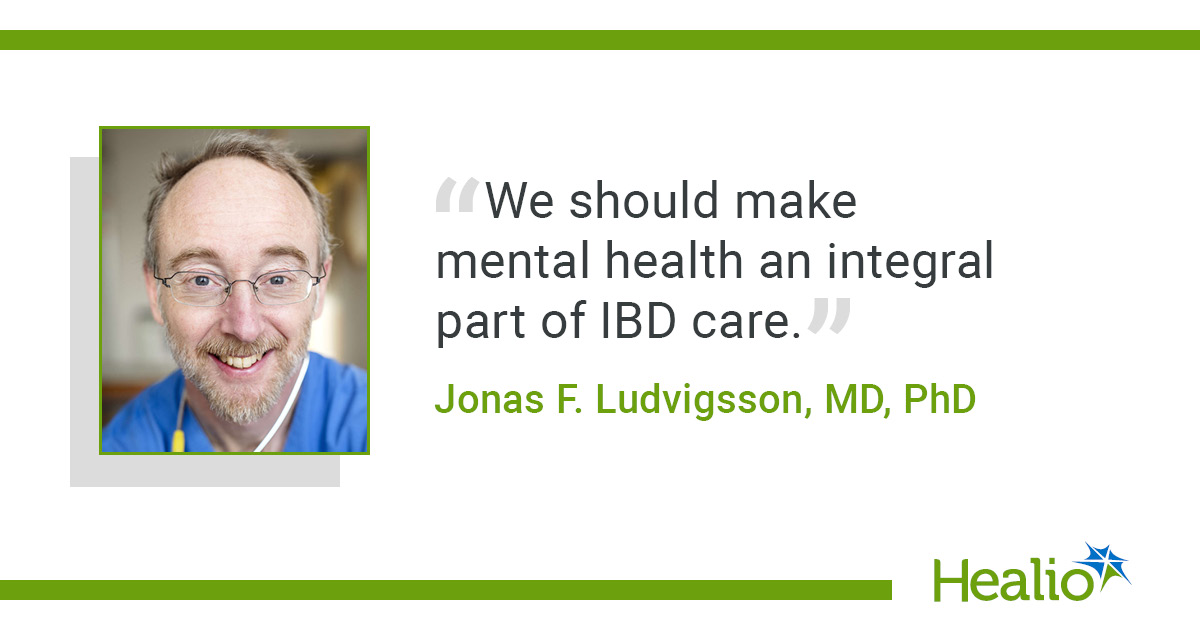
September 02, 2026 4 min read Add topic to email alerts Receive an email when new articles are posted on Please provide your email address to receive an email when new articles are posted on . “ data-action=”subscribe”> Subscribe We were unable to process your request. Please try again later. If you continue to have this issue please contact customerservice@slackinc.com. Back to Healio Key takeaways: A nationwide cohort study shows that psychiatric disorders occur before and remain after an inflammatory bowel disease diagnosis. Parental history does not fully explain the correlation. Psychiatric disorders present in patients with inflammatory bowel disease both before and after diagnosis, according to a study published in Clinical Gastroenterology and Hepatology. “Earlier studies have shown an association between IBD and psychiatric disease, but several pressing issues remained,” Jonas F. Ludvigsson, MD, PhD, professor of medical epidemiology and biostatistics at Karolinska Institutet, told Healio. “We wanted to understand when the risk increase for psychiatric disease starts … how long the risk persisted and if it extended beyond the commonly studied anxiety and depression.” Ludvigsson and colleagues conducted a nationwide cohort study in Sweden from 2007 to 2023 comparing the occurrence of psychiatric disorders from 5 years before to 10 years after a confirmed IBD diagnosis with up to five reference individuals from the general population and IBD-free full siblings. Data was collected in two periods — prediagnosis, defined as 5 years before diagnosis, and after diagnosis — and assessed separately using hazard ratios. The prediagnostic analysis included 48,230 patients with IBD and 210,582 reference individuals. Over a median follow-up of 5 years, 8.6% of patients with IBD exhibited a psychiatric disorder compared with 6.8% of reference individuals. The analysis following diagnosis included 43,862 individuals with IBD (mean age at diagnosis, 41.6 years; 47.3% female), including 11.3% with childhood-onset IBD, and 178,821 reference individuals. Researchers noted patients with IBD used healthcare services more frequently and displayed higher rates of parental psychiatric history. During the 7.4-year follow-up, 16.5% of patients with IBD presented with a psychiatric condition compared with 12.8% of their reference counterparts. Psychiatric disease tended to occur more in Crohn’s disease. Major depressive disorder, anxiety disorders and substance misuse were documented in both cohorts. Notably, the researchers observed that the risk for psychiatric disorders began to rise 2 to 3 years before an IBD diagnosis (HR at 2 years = 1.15; 95% CI, 1.09-1.21) and reached a maximum immediately after IBD diagnosis (HR at 0.5 years = 1.5; 95% CI, 1.41-1.59). Although the risk then began to fall, it continued to remain above the prediagnostic rate for up to 10 years (HR = 1.19; 95% CI, 1.13-1.24). Ludvigsson and colleagues also found that psychiatric disorders were more common among patients with IBD after diagnosis compared with their IBD-free full siblings. However, parental influence did not fully explain the link between psychiatric disorders and IBD, they wrote. “Mental health awareness is not a one-time stop, but should be part of the long-term follow-up of patients,” Ludvigsson said. The researchers noted several limitations, specifically that patients with mild psychiatric symptoms may not have been treated or observed by hospital specialists. The authors also could not evaluate the association between IBD severity and psychiatric disorders due to a lack of data, they wrote. Healio spoke with Ludvigsson to learn more about the relationship between IBD and psychiatric disorders, as well as how gastroenterologists can implement these findings into their practice. Healio: Although patients with IBD in your study more often had a parental psychiatric history, you found familial factors alone could not explain the link between IBD and psychiatric disorders. Can you explain your thoughts on the role of parental psychiatric history? Ludvigsson: Parental history is always important, and I would say it is also for future psychiatric disease — in this case, among IBD patients — but we demonstrate that heredity and familial factors are not the only explanation for psychiatric disease in this patient population. IBD is a severe condition with persistent inflammation associated with pain, diarrhea, repeated surgery and fear of medication side effects, along with the burden of repeated healthcare visits and work absence. All these factors are likely to play a role in the development of psychiatric disease. Healio: Your study found that patients with Crohn’s disease were more likely to have psychiatric disorders. Why do you think that was the case? Are there other subgroups at greater risk? Ludvigsson: I want to urge caution when interpreting that finding — one should always be cautious about subgroup results. Crohn’s often has a more unpredictable and complicated disease course, so possibly this pushes the risks upward. Among other groups that seem to be particularly vulnerable are those with childhood-onset IBD. This is not unique to IBD; childhood onset often means having a more severe disease. Individuals for whom the parents had a record of psychiatric disease also appear to be more vulnerable. Healio: How can gastroenterologists prioritize discussions and visits around mental health, especially for patients with IBD? Ludvigsson: Most importantly, we should make mental health an integral part of IBD care. This is not an optional add-on. Questions about depression, anxiety and potential drug abuse should be part of the core conversation. This is especially so around the IBD diagnosis when risks are high. From personal experience, I also note that some patients find it easier to open up to nonphysicians, so access to psychologists, IBD nurses and also primary care may help. Healio: What is the most important takeaway from your study? Ludvigsson: I think the key message is that mental health problems can occur both before and after IBD, and that they can remain for at least 10 years after IBD diagnosis. Healio: How can future studies further investigate the correlation between IBD and psychiatric disorders? Ludvigsson: I’d love to see more research around the mechanisms. I am an epidemiologist, so I probably need others to chip in here,
Direct primary care gains momentum as experts weigh benefits and tradeoffs
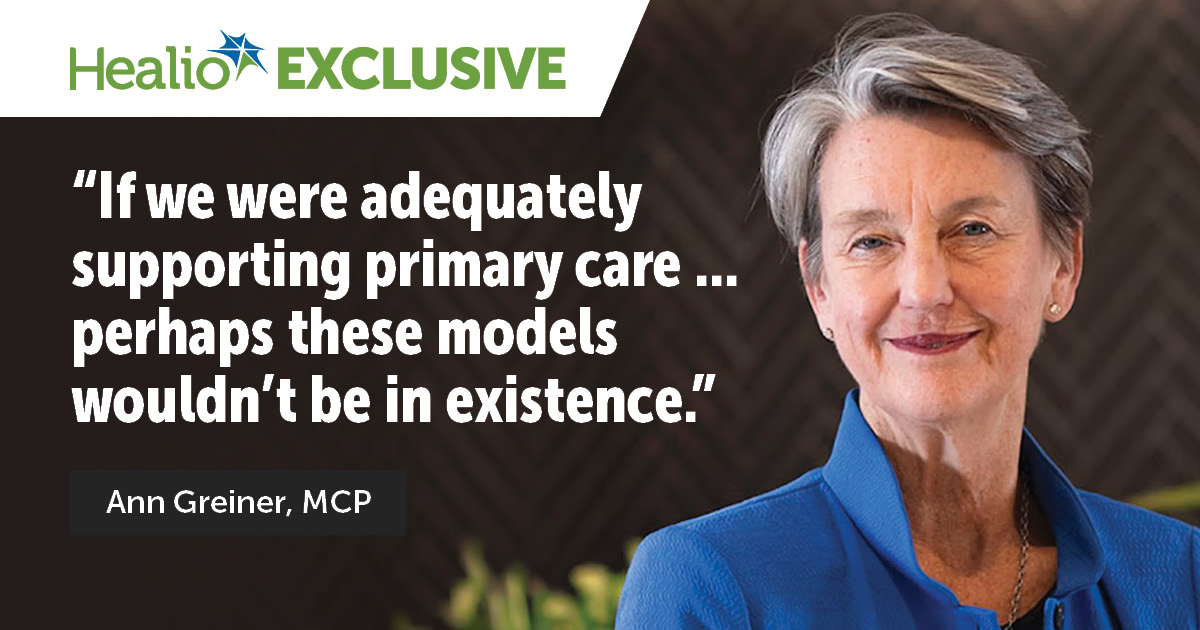
September 01, 2026 9 min read Add topic to email alerts Receive an email when new articles are posted on Please provide your email address to receive an email when new articles are posted on . “ data-action=”subscribe”> Subscribe We were unable to process your request. Please try again later. If you continue to have this issue please contact customerservice@slackinc.com. Back to Healio Key takeaways: Direct primary care offers more personalized care and potential savings on medications and lab tests. However, it does not replace health insurance, and the membership fees may be a barrier for some. Membership-based primary healthcare is becoming commonplace, offering longer visits, more individualized care and lower out-of-pocket costs for certain tests and medications, according to experts. The American Academy of Family Physicians defines direct primary care (DPC) as an alternative to the traditional fee-for-service insurance billing model, where patients are charged a fee monthly, annually or biannually. These costs can vary, with monthly fees ranging from $50 to $150 for adults, $20 to $49 for youth and $100 or more for families. This fee covers most or all primary care services, “including clinical and laboratory services, consultative services, care coordination, and comprehensive care management,” according to AAFP. Similarly, concierge care also operates under a membership-based structure. Concierge care and DPC “are viewed interchangeably, but they are distinct,” Ann Greiner, MCP, president and CEO of the Primary Care Collaborative, told Healio. While concierge care offers monthly and annual — although typically higher — fees like DPC, this model also may accept insurance plans and government programs. In comparison, DPC “is no insurance coverage and a subscription fee, which is either paid by an individual or sometimes employers,” Greiner said. For physicians who are interested in the DPC model but still want to offer traditional fee-for-service care to their patients, Greiner said hybrid models are an option. But such hybrid models can be complicated, “and many practices just make that full on switch to DPC,” she added. DPC on the rise According to an analysis published last year in Health Affairs, the number of concierge and DPC practices in the United States grew by 83.1% from 2018 to 2023 and the number of clinicians participating in them rose by 78.4%. There are currently around 3,163 DPCs in the U.S., according to the tracking group DPC Frontier Mapper. “The rise of concierge and direct primary care reflects, in many ways, dissatisfaction with the traditional primary care system,” Jane M. Zhu, MD, MPP, MSHP, the study’s lead author and an associate professor of medicine at the Oregon Health & Science University School of Medicine, told Healio. As a primary care physician, Zhu said she sees “the pressures facing clinicians and patients in today’s primary care landscape.” “Many physicians are struggling with administrative burden, time constraints and burnout, while patients face growing difficulty accessing timely care,” she said. “DPC and concierge models have emerged as one way clinicians can try to regain clinical autonomy and spend more time with patients. So, against this backdrop, it’s important to understand how these models are evolving nationally.” While the Health Affairs analysis “wasn’t a census and likely underestimates concierge and DPC practices nationally,” Zhu said they “observed an impressive speed of growth over a 5-year period. This growth mirrors what we’ve been seeing on the ground, with significant interest from clinicians and patients alike on these models.” Greiner said there are a few possible explanations contributing to this rise, one of which is a new provision under H.R. 1, or the “One Big Beautiful Bill” Act, that now allows eligible individuals enrolled in DPC arrangements to contribute to a health savings account (HSA). These individuals can then “use their HSA funds tax-free to pay periodic DPC fees,” according to the IRS website. According to AMA, patients with an HSA can use the funds to pay for DPC if fees are under $150 monthly for an individual and under $300 monthly for a family, though “the funds must be used for primary care services provided by a primary care physician or other allowed health professional.” Greiner also noted that more employers are beginning to offer DPC, “and they’re using platforms that allow them to make these offerings available across the country.” According to a 2025 report from Health Compiler, 58% of all DPC memberships in 2024 were employer-sponsored, an increase of 28% from 2022. One trend that Zhu said is “worth watching over time” is an increase in corporate ownership of concierge and DPC models, which rose in the Health Affairs analysis by 576% from 2018 to 2023, while independent ownership decreased from 84% to 59.7%. “Concierge and DPC models are often framed as a response to corporatization and declining clinical autonomy,” she explained. “Seeing increasing corporate involvement suggests these models are evolving in ways that may diverge from their original vision.” Benefits of DPC DPC practices “offer clear benefits to clinicians, like smaller patient panels, reduced administrative burden and greater autonomy,” all of which “may improve access and satisfaction for enrolled patients,” Zhu said. “These models also respond to a real demand for accessible care, and many patients are willing to pay for more access and personalized care,” she said. For Josh Umbehr, MD, a family physician and cofounder of Atlas.md, a software and DPC clinic, this model represents a way of making healthcare “less than free.” “What that means to me is that you have all the care you need and money left over,” Umbehr told Healio. “If you’re spending $2,500 a month on healthcare and not getting $2,500 a month in value out of that, then we are limiting your life’s potential.” Out-of-pocket maximums with health insurance can cost thousands of dollars, Umbehr said. “I think that, combined with HSA allowability and price transparency, we are going to see a lot more people question the cash price of their care,” he said. “Now insurance is so expensive,
Much preparation needed to become a speaker, key opinion leader
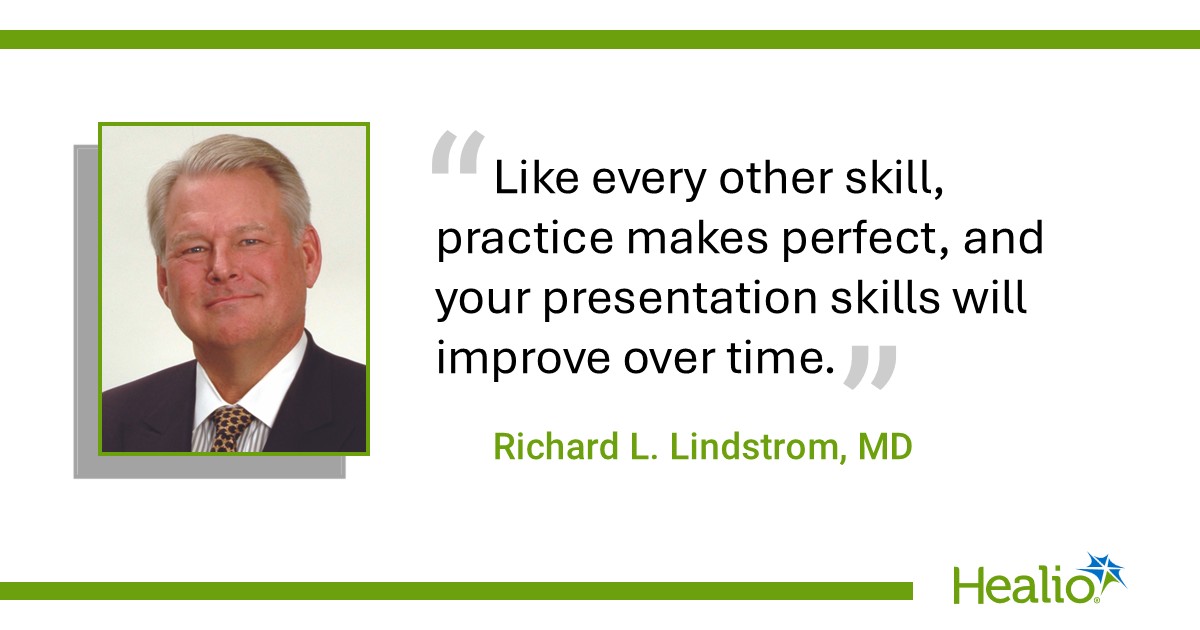
Column Lindstrom’s Perspective September 01, 2026 3 min read Add topic to email alerts Receive an email when new articles are posted on Please provide your email address to receive an email when new articles are posted on . “ data-action=”subscribe”> Subscribe We were unable to process your request. Please try again later. If you continue to have this issue please contact customerservice@slackinc.com. Back to Healio More from Column Lindstrom’s Perspective View all Click here to read the Healio Exclusive, “Experience builds confidence when it comes to speaking at meetings.” I am often asked by residents, fellows and younger ophthalmologists to share the pathway to becoming a key opinion leader in ophthalmology and a regular invited speaker at educational meetings. In the following paragraphs, I will share a few thoughts gained from my personal journey as a lecturer and a frequent organizer of educational programs today. Remember, there is no elevator to success or excellence as a key opinion leader (KOL) or speaker — you must take the stairs. The first stair is quality training including, for most, one or more years of post-residency fellowship. I personally completed three fellowships after residency, the first in cornea and external disease at the University of Minnesota, the second in advanced microsurgery at a busy surgical academic private practice in Dallas, and the third in glaucoma at the University of Utah supported by the Heed Ophthalmic Foundation. These fellowships provided extremely valuable clinical training and a strong knowledge base as well as a solid set of credentials supporting expertise. Next, it is important to build a busy clinical practice. You cannot be a credible educator of other clinicians unless you have strong clinical experience. As you grow your clinical experience, you will become passionate about one or more areas of clinical practice. Focus on these areas of interest and study global literature to become a true expert in your chosen topics. Then, compile and evaluate your own clinical outcomes and compare them with world literature. Collaborating with an industry partner and performing an investigator-initiated clinical trial in your area of interest is a good way to strengthen this process. Once complete, you will have a unique set of personal data and clinical insights useful to others, including your colleagues and industry. The next step is to get invited to share your thoughts and insights at a meeting. Here, a residency or fellowship mentor, senior partner or industry representative can help. Finally, when invited to present to your colleagues at an educational event, it is critical to take the time and effort required to deliver an outstanding presentation. It is important to know that once you are at the podium, you will have a critical audience. Your presentation with be critiqued by the meeting organizer, in many cases a panel of expert colleagues, meeting attendees and any industry representatives present. The lecture you give must end on time, be delivered smoothly with support from high-quality audiovisual PowerPoints and/or video, and be free from commercial bias. If you fail in any of these regards, you are much less likely to be invited to present again. If you succeed, you will find yourself a regular speaker as your reputation as an excellent and honest educator expands by word of mouth among those who have the responsibility to organize quality educational programs for their colleagues. Always present information that is evidence based with references, clinically useful and unbiased, while being presented in the time allotted with a high-quality delivery style. Once positioned as a quality speaker with useful information to share, you will find yourself in demand to participate in industry-sponsored clinical trials, join medical advisory boards, participate in leadership positions at ophthalmology societies and over time become a meeting organizer yourself. You will be a KOL! Now, a few thoughts on how to prepare and present a quality medical lecture. An excellent lecture has a central idea and provides information that can be used immediately to improve a colleague’s clinical or business performance when returning to their practice. It is important to know your audience, know your subject matter, prepare your presentation well in advance and practice the talk repeatedly at home. Every lecture has an architecture. Dress appropriately for the setting. Adjust the microphone before you begin to speak. Speak in an audible, purposeful, paced fashion and make eye contact with the audience right, left, center, front and back. Pause and direct the audience view to the PowerPoint presentation when appropriate to emphasize key points. Start by telling the audience what you are going to teach them, teach with your verbal and audiovisual presentation, and then, when closing, tell them again what you taught them. Case presentations are a powerful and memorable way to illustrate diagnostic reasoning and therapeutic choices and keep listeners engaged by making them think during the presentation. Just like no one is born a great surgeon, no one is born a great orator. It helps to critically observe other speakers. One can learn from good and bad speaker examples. Adopt a style you find attractive and emulate it through practice. Training courses such as Dale Carnegie and Toastmasters are available as are personal coaches. Many universities, colleges, societies and some companies offer speaker training programs. Ask a few friendly colleagues and mentors to critique your presentations and offer constructive advice. If your presentation is recorded or on video, watch it and learn, just like you would review a video of your surgical procedures. Like every other skill, practice makes perfect, and your presentation skills will improve over time. Be patient with yourself and do not expect to be perfect at first. Remember that while it is an honor and gratifying to be chosen to teach your colleagues, it is also a significant responsibility. Never forget that what you teach has the potential to impact many patients’ vision, positively or negatively. Integrity and