
By Jennifer Hess and Samantha Wladich, Riemer Hess LLC Getting approved for long-term disability (LTD) benefits can bring real relief. For many people living with chronic pain, approval means some financial stability after months, or sometimes years, of uncertainty. But approval does not always mean the claim process is over. Most long-term disability insurance companies continue to review claims after approval. They may request updated medical records, send forms to your doctors, ask you to complete questionnaires, schedule interviews, conduct surveillance, review social media, or require a medical examination. For people with chronic pain conditions, these reviews can feel especially stressful. Pain can fluctuate. Symptoms may worsen after activity. Some conditions do not show up neatly on imaging, bloodwork, or other testing. You may be able to do a short activity one day, but then need hours or days to recover afterward. Insurance companies do not always account for these realities. Sometimes, they focus on isolated details and miss the bigger picture: whether you can work reliably, safely, and consistently on a full-time basis. This article explains why approved chronic pain claims may still be reviewed, common reasons benefits get questioned, and practical steps that can help protect ongoing benefits. Important note: This article is for general educational purposes only. It is not legal advice and is not a substitute for guidance specific to an individual’s situation or insurance policy. Yes. Long-term disability benefits can be terminated after approval if the insurance company decides you no longer meet the policy’s definition of disability. That does not mean termination is justified. It also does not mean every update request or interview from the insurer is a bad sign. Many reviews or interviews are routine. But every response still matters, because insurers often compare updated information against prior medical records, forms, interviews, and activity reports. After approval, the insurance company may continue evaluating: whether your medical condition has improved; whether your treatment remains consistent; whether your doctors continue to support work restrictions; whether your daily activities appear consistent with your reported limitations; whether your condition meets a new policy definition of disability; whether surveillance, social media, or an insurer examination can be used to question your claim. For chronic pain-related claims, the main issue often becomes function. The insurer may not dispute that you have pain. Instead, it may argue that your pain does not prevent you from working. Chronic pain claims can be vulnerable because pain is not always easy to measure. Conditions such as fibromyalgia, complex regional pain syndrome, chronic migraine, neuropathy, spine disorders, inflammatory conditions, and other pain-related conditions may cause severe functional limitations even when testing does not fully capture the person’s experience. Insurance companies may look for evidence that suggests you can do more than you report. That can include doctor notes stating you are “stable,” a photo of you at an event, a short video of you walking into a store, or a form that does not fully explain your limitations. The problem is that none of those details necessarily show that you can sustain work. Attorney observation In chronic pain claims, insurers often focus too much on what a person can do briefly and not enough on what happens afterward. A person may be able to attend a family dinner, go to a medical appointment, or pick up a prescription. That does not mean the person can sit, stand, concentrate, and maintain attendance for a full workweek. The key question is usually not, “Can you do this activity once?” The better question is, “Can you do it reliably, repeatedly, and without worsening symptoms to the point that work would not be sustainable?” 1. Gaps in Treatment Consistent medical treatment is one of the most important ways to protect ongoing disability benefits. If there are long gaps between appointments, the insurer may argue that your condition is not as severe as reported. This does not mean you need unnecessary treatment. Many people with chronic pain reach a point where care focuses on symptom management rather than cure. Still, regular follow-up helps document that your symptoms remain active, your doctors continue to monitor your condition, and your limitations have not resolved. If you stop a treatment because it did not help, caused side effects, became too expensive, or was not medically appropriate, ask your doctor to document the reason. Practical example A person with chronic migraine stops a medication because it causes sedation and dizziness. If the record simply says “patient discontinued medication,” the insurer may call that noncompliance. If the record explains that the medication caused side effects and the doctor agreed with stopping it, the same fact is much easier to understand. 2. Medical Records That Do Not Explain Functional Limits A diagnosis alone usually is not enough to protect a disability claim. Insurers want to know how the condition affects work capacity. For example, a medical record that says “chronic back pain, stable” may not explain why the person cannot work. A more helpful record would describe limits with sitting, standing, walking, lifting, bending, medication side effects, flares, and the need to change positions or rest. People with chronic pain should try to make sure their records address function, including: how long they can sit before pain increases; how long they can stand or walk; whether they need to lie down during the day; whether activity causes flares; how often flares occur; how long recovery takes after activity; whether medication affects alertness or concentration; whether pain disrupts sleep; whether symptoms would interfere with attendance, pace, or reliability. This kind of information helps connect the medical condition to the inability to work. 3. “Stable” or “Improved” Notes Without Context Words like “stable,” “improved,” or “doing better” in medical records can create problems when taken out of context. In medical care, “stable” often means the condition has not changed significantly. It does not necessarily mean the person can work. “Improved” may mean pain decreased from a 9 out of 10 to a 7 out of

Experience builds confidence when it comes to speaking at meetings
August 31, 2026 10 min read Add topic to email alerts Receive an email when new articles are posted on Please provide your email address to receive an email when new articles are posted on . “ data-action=”subscribe”> Subscribe We were unable to process your request. Please try again later. If you continue to have this issue please contact customerservice@slackinc.com. Back to Healio Key takeaways: Mentorship and peer support are invaluable when presenting at live conferences. Preparation is essential for overcoming fears at the podium. Take a look at the Healio | OSN calendar page, and you will find more than three dozen meetings, symposia and summits that make up a year of ophthalmology gatherings. Whether they are one-room, single-day conferences, such as Clinical Trials at the Summit, or they take up full convention centers, such as the American Academy of Ophthalmology annual meeting, they all give physicians a chance to stand in front of their peers to present research, discuss hot topics and celebrate their profession. Image: Courtesy of Nandini Venkateswaran, MD Speaking at these conferences is a shared experience for many ophthalmologists. Nandini Venkateswaran, MD, was a first-year ophthalmology resident when she gave her first two presentations at a national conference at the 2017 American Society of Cataract and Refractive Surgery annual meeting in Los Angeles. “These were my first opportunities to present research that I had done with mentors, one from my residency program and one from outside my residency program,” she said. “It was just a special opportunity to have visibility at those paper sessions as a trainee in front of doctors who I looked up to and are leaders in the field.” Venkateswaran said a physician who moderated one of those sessions, Liliana Werner, MD, PhD, still brings up that paper session every time they see each other. “I was presenting a paper about the impact of IOL glistenings on vision quality that I had prepared with Dr. Kenneth Rosenthal, and I was all nerves to be presenting as a first-time resident about a topic that I did not feel I was an expert in,” she said. “But I ensured I knew all the details of my presentation, was prepared to answer any potential questions and ran through my talk several times. To this day, Dr. Werner will come up to me and say, ‘I remember when you were a first-year resident presenting that great paper on IOL glistenings and now look how far you have come!’ We always connect about that memory when we see each other at various meetings. It’s so memorable to me to have had that opportunity to present at the ASCRS meeting back then as a first-year resident, and now ASCRS has grown into one of my favorite and most important meetings to present at annually.” Start Small If young physicians want to present at a conference, they can start with research that is easily available to them, said Healio | OSN Associate Medical Editor William B. Trattler, MD. “What keyed my early success was just doing clinical research in my own practice that led to data that I could present at meetings,” he said. “Look at your outcomes from cataract surgery or refractive surgery.” William B. Trattler Trattler said starting out as a speaker can be as easy as presenting a complication and management. His first presentation was related to his practice outcomes for PRK in patients with a history of LASIK. Previous research had recommended against PRK after LASIK due to potential for corneal haze. Using data from his own practice, as well as outcomes reported by colleagues, Trattler came to a different conclusion. “I looked at my own results but then also reached out to other doctors and made a spreadsheet with all the results,” he said. “I was able to present that at various meetings, showing that it was safe to perform PRK over LASIK with the use of mitomycin C and other advances at the time.” Overcoming nerves Healio/OSN Board Member Laura M. Periman, MD, started presenting before she was even in medical school. When she was an undergraduate, she presented her summer research on proopiomelanocortin expression in primate hypothalami at the Oregon National Primate Research Center. Laura M. Periman “That ended up forming the basis for my expert knowledge on medications like melanocortins that we use in medicine,” she said. “No matter how esoteric something may seem from a basic science perspective, there are clinical applications. You can build on that knowledge base, share it with your colleagues and say, ‘This is how I’ve come to understand it.’” Periman said she did a lot of preparation before her first presentation, but she was still “terrified.” “I still get nervous, especially in front of big venues, but it gets better with time,” she said. For people who might struggle with that fear factor, Periman said there are ways to work on the issue. She recommended working on projects with passion behind them and submitting them as much as possible for practice. “The opportunity to present your work many times is powerful,” she said. “You don’t necessarily have to become a clinician scientist, but it’s good practice and skill building. Every time you do it, you’ve built more skills, more experience, more knowledge and more know-how.” Periman suggested starting at smaller conferences, whether that means a regional meeting or a niche national meeting such as Women in Ophthalmology. “Something less intense than ASCRS or AAO can help you get your feet wet,” she said. “I think it’s a great strategy to get started.” Periman said some people never actually overcome their fears; they just learn strategies to manage them. Practice is a good place to start. “It feels so silly to practice in front of a mirror, but it’s priceless,” she said. “Just run it again and again and again with your timer until you’ve got it down to the

Turning the Tables: Becoming a Caregiver to My Caregiver
For years, my husband has been helping me live my life with as much dignity as possible as I deal with Ehlers-Danlos syndrome. I’ve had over 30 surgeries that have helped me to continue to have improved quality of life at the age of 76—and my husband has helped me maintain that quality of life with a number of tasks that prevent or correct my subluxations, or partial dislocations. He’s been taught simple physical therapy exercises that he’s able to safely perform for me each morning. He cuts the food I use to prepare meals. He reaches up to close the car door, carries in the food bags, lifts items that are too heavy for me, has driven when I was not able to rotate my fused neck, and so much more. But as we both get older, he’s dealing with health issues of his own, including Parkinson’s disease and severe back pain that required two surgeries this summer. Knowing he was facing a hospitalization and recovery period, I knew I would need to take over our life at home myself, including caring for our two dogs and the plants in our medical grow. I would need to drive to visit him, attend my PT appointments, shop for food, and travel to and from the fitness pool. For most, this is not an issue, but because of my disability, I had to figure out how to make this all work without repeatedly subluxing my joints. I’ve never begun my days without his PT adjustments, so that alone created a bit of anxiety as to how those days would progress without his help. Planning ahead was key. Here are some of the preparations we made: We shopped for food ahead of time so that he could help me stock up on heavier items. I carefully thought ahead about meals, planning to turn to a food chopper if needed to help me stay safe, since cutting ingredients can cause my shoulders to sublux. I ordered soil for our medical grow early so that he could carry it into our basement. He taught me how to fertilize our medical grow at all stages of growth—normally, I take care of the clones and harvest the plants, while he manages other tasks. I increased my PT appointments to three times a week instead of two, to try to keep myself as aligned as possible. We also tried skipping his morning PT adjustments on the days leading up to his surgery, so I could try to get used to the lack of adjustments. I worked on being able to safely walk two dogs; one is my service dog, and the other is my husband’s buddy, who was going to be so jolted to not see him at home. The “I can’t” list (open and close windows without hurting my arms; empty the dehumidifier due to the weight) was much longer, but I tried not to focus on that. I wanted to prove to myself that I could take this on and would be able to focus on our home and his safety and recovery. This man has kept me alive, making me feel supported and cared about for years. I wanted him to experience what he has made me feel—that I am there for him. After his two surgeries and a weeklong hospital stay, I found that our preparations and planning ahead really helped. And I’ve had to learn to be creative, continuing to find ways to adjust as we went on. For instance, I can’t walk from the light switch in my bedroom to my bed without my shoes that have special inserts, but I also can’t reach to turn off the light from my bed without subluxing my shoulders. So I turned on the TV without sound so that I would have light, turned off the overhead light switch, walked to my bed to remove my shoes, then turned off the TV with the remote. It worked! I talked with my husband about turning on the light less at night and using his CPAP machine to improve his sleep so that I could get better sleep, too. I was finding that my hips subluxed more easily because my lack of sleep weakened my muscles. I learned to be more comfortable asking for help while shopping. People have been so kind, carefully packing my shopping bags without too much weight so that I could bring them in more easily at home, and even carrying them and loading them into my car for me. Our four sons have all spent some time at home, including one who lives out of the country. I honestly could not have taken this on without them, and I am grateful they were willing. These circumstances forced me to get better about accepting help. I’ve not only been caring for my husband; I’ve had to make sure to take care of myself as well, to stay as strong as possible so that I can give him the best care possible. The experience of transitioning from being the one in need to becoming a caregiver has given me confidence that I can do it. Now that I’m considered an elder in society at the age of 76 and my husband is 79, there is a level of fear as to who will pass first as we age. When living with a chronic condition, it’s hard not to worry about how to move on in life without his love, help, and support. But this difficult journey has given me the comforting feeling of discovering my inner strength, giving me confidence for the unknown future. I hope this gives you comfort if you, too, are living with pain and find the tables turned as you become a disabled caregiver for the one you care about—and who cares for you. May life be kind to you… —by Ellen Lenox Smith Source link

Plozasiran continues to show benefit in hypertriglyceridemia
August 31, 2026 2 min read Add topic to email alerts Receive an email when new articles are posted on Please provide your email address to receive an email when new articles are posted on . “ data-action=”subscribe”> Subscribe We were unable to process your request. Please try again later. If you continue to have this issue please contact customerservice@slackinc.com. Back to Healio Key takeaways: Plozasiran reduced triglycerides by up to 81% in patients with severe hypertriglyceridemia. Plozasiran prevented events of acute pancreatitis compared with placebo and was well-tolerated. MUNICH — In patients with severe hypertriglyceridemia, plozasiran was well-tolerated, reduced triglycerides by up to 81% and prevented acute pancreatitis events compared with placebo, a speaker reported. “Severe hypertriglyceridemia is probably one of the largest gaps in the management of lipid disorders. Above 5 mmol/L is a gateway for all sorts of conditions that preventative cardiologists [and] diabetologists have difficulty accessing and treating because the treatments are not very effective,” Gerald F. Watts, DSc, MD, PhD, FRCP, FRACP, FCSANZ, Winthrop Professor of Cardiometabolic Medicine at the University of Western Australia in Perth, said during a press conference at the European Society of Cardiology Congress. “But we now have a great opportunity through gene silencing therapy to lower these triglyceride levels incremental to diet and background treatment by a very large extent.” Plozasiran reduced triglycerides by up to 81% in patients with severe hypertriglyceridemia. Image: Adobe Stock In the prior phase 2 trial, researchers enrolled 229 patients with severe hypertriglyceridemia and randomly assigned them plozasiran (Redemplo, Arrowhead) or placebo and evaluated percent change in fasting triglycerides over time. Plozasiran is FDA-approved for reduction of triglyceride levels in patients with familial chylomicronemia syndrome but is not yet approved for treatment of patients with severe hypertriglyceridemia. A Healio previously reported, plozasiran durably reduced triglycerides, apolipoprotein C-III and remnant cholesterol in patients with severe hypertriglyceridemia out to 48 weeks, which propelled further study of the medication. SHASTA-3, which included 446 patients, and SHASTA-4, which included 311 patients, were multicenter, double-blind, randomized, placebo-controlled trials, in which researchers evaluated the efficacy and safety of plozasiran 25 mg in adults with severe hypertriglyceridemia. Participants were randomly assigned plozasiran or placebo, which were both administered once every 3 months for 1 year. The studies were simultaneously published in The New England Journal of Medicine. The trials were designed identically, and there were two of them because of a request by the FDA, Watts said during the press conference. Participants were asked to maintain a stable low-fat diet and also received standard lipid- and triglyceride-lowering therapies, according to the study methods. The primary outcome was percent change in fasting serum triglycerides from baseline to 12 months. The researchers observed significant reductions in triglycerides as early as 3 months into the trial, which were sustained out to 1 year, with an average median reduction of 79% in SHASTA-3 and 81% in SHASTA-4 (P for all time points < .0001) Pooled data from both trials showed that plozasiran reduced frequency of acute pancreatitis events at 1 year (rate ratio = 0.22; 95% CI, 0.07-0.67; P = .008; number needed to treat to prevent one event at 1 year = 24), as well as time to first pancreatitis event compared with placebo (182 days vs. 283 days; HR = 0.26; 95% CI, 0.09-0.78; P = .016), according to the presentation. The researchers reported plozasiran showed a favorable safety and tolerability profile that was consistent with prior studies. “The treatment-emergent adverse effects with discontinuation were low, 1.2%, because it was well tolerated. Similar between groups, no cases of anaphylaxis or hypersensitivity. Worsening glycemic control in 14% [of the plozasiran group] compared with 9% [of the placebo group]. But that was not a primary endpoint,” Watts said during the press conference. “No clinically meaningful changes in platelet count, which was a problem with these [small interfering RNA agents]overcome now by ligand conjugation. No elevation in liver enzymes, and no statistically significant treatment emergent increases in hepatic fat. “These studies are important. They are consistent with other findings, and after incorporation into clinical guidelines and regulatory approval, it will have a major impact in changing clinical practice,” Watts said. Published by: Sources/Disclosures Source: Watts GF, et al. Hot line 9. Presented at: European Society of Cardiology Congress; Aug. 28-31, 2026; Munich. Disclosures: Watts reports receiving grants and/or honoraria from Amgen, Arrowhead, AstraZeneca, CSL Seqirus, Esperion, Novartis, Novo Nordisk, Pfizer, Sanofi/Regeneron and Silence Therapeutics. The studies were funded by Arrowhead. Ask a clinical question and tap into Healio AI’s knowledge base. PubMed, enrolling/recruiting trials, guidelines Clinical Guidance, Healio CME, FDA news Healio’s exclusive daily news coverage of clinical data Learn more Add topic to email alerts Receive an email when new articles are posted on Please provide your email address to receive an email when new articles are posted on . “ data-action=”subscribe”> Subscribe We were unable to process your request. Please try again later. If you continue to have this issue please contact customerservice@slackinc.com. Back to Healio Source link
Patients in need of cancer surgery waiting longer for treatment
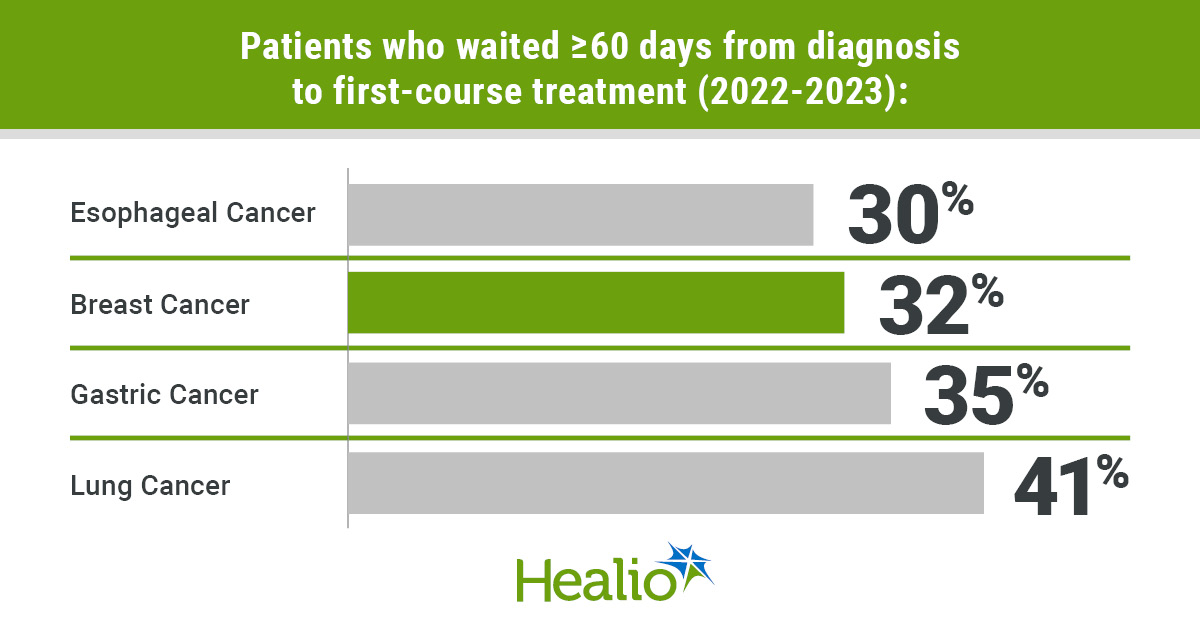
August 31, 2026 7 min read Add topic to email alerts Receive an email when new articles are posted on Please provide your email address to receive an email when new articles are posted on . “ data-action=”subscribe”> Subscribe We were unable to process your request. Please try again later. If you continue to have this issue please contact customerservice@slackinc.com. Back to Healio Key takeaways: Wait times from diagnosis to initial treatment increased between 2012 and 2023 for all six cancer types analyzed. The proportion of patients who waited at least 60 days also increased for all cancer types. Patients who need cancer surgery are waiting longer for initial therapy, according to results of a retrospective cohort study. The time between diagnosis and start of first-course treatment increased significantly between 2012 and 2023, findings showed. Data derived from Sakowitz S, et al. JAMA Surg. 2026;doi:10.1001/jamasurg.2026.3212. The trends — observed for all six cancer types analyzed — appeared particularly pronounced for individuals treated at high-volume hospitals, as well as those referred for care. Timothy R. Donahue “The findings are alarming. The numbers are higher than we expected, and the fact they were consistent across all cancer types we looked at was particularly surprising,” senior author Timothy R. Donahue, MD, told Healio. Comprehensive assessment Prior research that assessed the relationship between treatment delays and oncologic outcomes yielded conflicting results, according to study background. Still, guidance from several entities — including National Comprehensive Cancer Network and the Institute of Medicine — suggest timely access is a vital component of quality cancer care. Delivery of cancer treatment has evolved considerably over the past couple decades, with high-volume hospitals now providing a larger proportion of complex surgical care. Previous studies demonstrated advantages of receiving treatment at high-volume centers, including greater adoption of advanced multimodality therapies, fewer complications and longer survival. However, whether health system consolidation and the centralization of care has led to unintended consequences — such as capacity constraints or increased travel burdens for patients — that could cause delays between diagnosis and treatment had not been established. Donahue and colleagues aimed to perform the first comprehensive assessment of contemporary waiting times in cancer surgery care pathways in the United States. “As a cancer surgeon, I clearly see the benefits of consolidation and greater integration of health systems. However, I also see the potential inefficiencies and areas where there might be room for improvement,” Donahue, chief of the division of surgical oncology at UCLA’s David Geffen School of Medicine at the time of the study and currently chair of surgery at Weill Cornell Medicine and surgeon in chief at NewYork-Presbyterian/Weill Cornell Medical Center, said in an interview. “We hypothesized that wait times might increase as health systems have consolidated and cancer care has become more complex and multidisciplinary.” The researchers used the National Cancer Database to examine trends in waiting times from diagnosis of nonmetastatic cancer to first-course treatment among patients undergoing definitive cancer surgery. The analysis included 2.7 million adults (mean age, 63.5 years; 85% women) diagnosed with one of six stage I to stage III malignancies — breast, colon, esophageal, gastric, lung or pancreatic cancers — between 2012 and 2023 who underwent curative-intent surgical resection at American College of Surgeons Commission on Cancer-accredited hospitals. Time from diagnosis to first-course treatment — defined as upfront surgery or neoadjuvant therapy — served as the primary outcome. Consistent increases The percentage of patients with standard wait times — defined as less than 30 days — declined from 44% for those diagnosed in 2012-2015 to 25% for those diagnosed in 2022-2023. In contrast, the proportion with prolonged wait times — defined as 30 days or longer — increased from 56% to 75%. Median time from diagnosis to first-course treatment increased significantly (P < .001 for all) between 2012-2015 and 2022-2023 for individuals with all cancer types analyzed: breast cancer: 34 days (interquartile range [IQR], 22-50) to 45 days (IQR, 32-64); colon cancer: 20 days (IQR, 7-34) to 31 days (IQR, 15-49); esophageal cancer: 38 days (IQR, 27-54) to 48 days (IQR, 35-66); gastric cancer: 35 days (IQR, 21-51) to 49 days (IQR, 33-70); lung cancer: 41 days (IQR, 27-60) to 53 days (IQR, 35-77); and pancreatic cancer: 23 days (IQR, 14-35) to 32 days (IQR, 22-44). Wait times increased among patients who underwent upfront surgery and those who received neoadjuvant therapy. Results showed consistently longer delays for patients treated at academic or research institutions than community hospitals or integrated network programs. Among patients diagnosed in 2022-2023, investigators reported consistently shorter median waiting times at community hospitals than integrated network centers or academic institutions for breast cancer (43 days vs. 45 days vs. 49 days), colon cancer (28 days vs. 31 days vs. 35 days) and gastric cancer (46 days vs. 47 days vs. 51 days). In that same timeframe, results showed shorter wait times at integrated network programs than community programs or academic institutions for lung cancer (51 days vs. 53 days vs. 54 days), esophageal cancer (46 days vs. 47 days vs. 50 days) and pancreatic cancer (31 days vs. 32 days vs. 32 days). Patients referred for treatment experienced significantly longer waiting times to first-course treatment for all cancer types analyzed, with the longest waits among those referred to high-volume hospitals. Risk-adjusted analyses identified multiple other factors associated with longer wait times. Several of them — treatment at academic centers vs. community hospitals, treatment in the West or Northeast regions of the U.S. vs. the Midwest, higher comorbidity burden, lowest income quartile vs. highest income quartile, and more recent diagnosis year — remained consistent across all cancer types analyzed. Factors that predicted longer wait times for at least half of cancers analyzed included Medicaid insurance (five of six), Black race compared with white race (five of six), greater travel distance (four of six), and uninsured status vs. private insurance (three of six). Researchers also reported longer waiting times for patients with
‘Resurgence’ likely as parental refusal of HBV vaccine jumps 107%
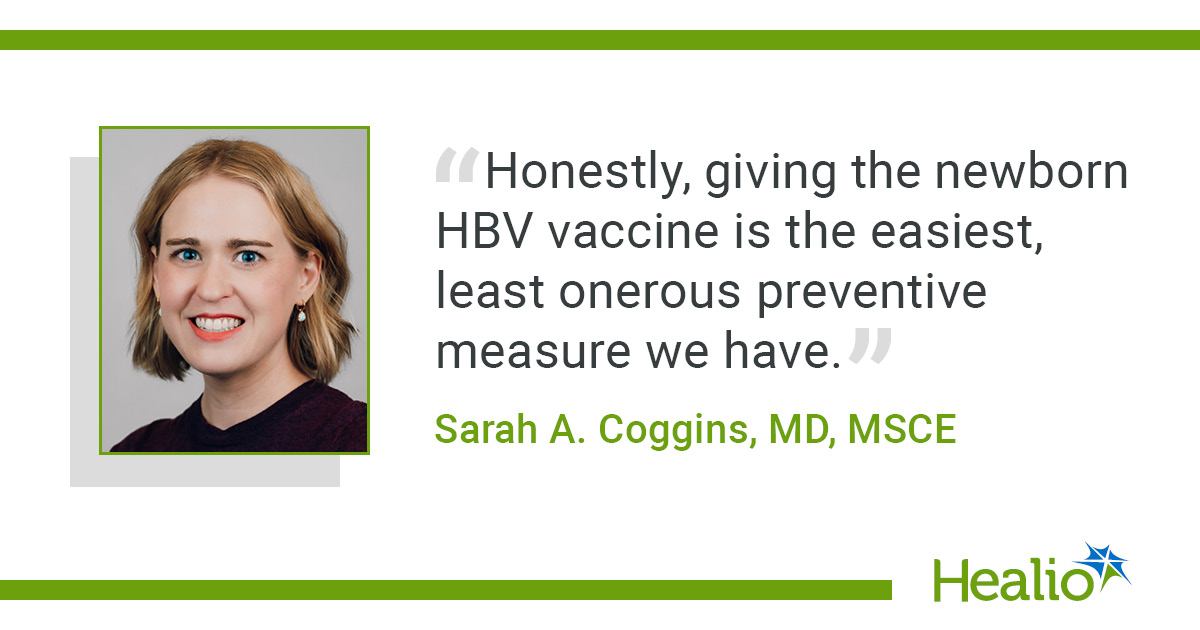
August 31, 2026 6 min read Add topic to email alerts Receive an email when new articles are posted on Please provide your email address to receive an email when new articles are posted on . “ data-action=”subscribe”> Subscribe We were unable to process your request. Please try again later. If you continue to have this issue please contact customerservice@slackinc.com. Back to Healio Key takeaways: Parental refusal of the newborn HBV vaccine spiked from 2024 to 2025. Newborn girls are slightly less likely to receive the vaccine compared with newborn boys. Parental refusal of the newborn hepatitis B virus vaccine surged in recent years, the latest in an ongoing trend that has more than doubled refusal rates since 2018, according to study results published in JAMA Network Open. An analysis of live birth data from three centers in the University of Pennsylvania health system found that parental refusal rates in 2025 were more than double those recorded in 2018. Researchers launched the study after clinicians observed an uptick in parents withholding the HBV vaccine before hospital discharge over the last 12 months. “The study was a reaction to clinical observations that neonatologists in my group and those more widely across the country have noted amid rising parental refusal of various recommended newborn preventive care interventions,” Sarah A. Coggins, MD, MSCE, a neonatologist at Children’s Hospital of Philadelphia and assistant professor of pediatrics at University of Pennsylvania Perelman School of Medicine, told Healio. Coggins and colleagues noted that parents planning circumcision for their newborn sons were less likely to decline vitamin K prophylaxis, which is routinely recommended due to the bleeding risk associated with the procedure. However, this observation raised a broader question: Did parental acceptance of one newborn care intervention make them more receptive to others, including HBV vaccination, and would preventive care patterns be skewed by sex? In a retrospective cohort study of 93,163 newborns in Philadelphia from 2018 to 2025, the researchers reported that 777 (8.3 per 1,000) did not receive vitamin K prophylaxis, while 9,400 (100.9 per 1,000) failed to receive HBV vaccination. Notably, Coggins and colleagues found that 83% of the newborns whose parents refused vitamin K prophylaxis also refused HBV vaccination, indicating that parents who declined one preventive intervention often declined others as well. Study results demonstrated that newborn girls were twice as likely not to receive vitamin K prophylaxis vs. newborn boys (adjusted OR = 2.03; 95% CI, 1.74-2.35) and were slightly less likely to receive the HBV vaccine (aOR = 1.06; 95% CI, 1.01-1.1). Female infants were slightly less likely to receive the HBV vaccine than boys in 2025 (173.7 vs 166.3 per 1,000 births). Healio spoke with Coggins about potential drivers behind increasing parental refusal of the HBV birth dose, strategies clinicians can use to improve vaccine acceptance and how confusion surrounding national vaccine recommendations may be contributing to the trend. Healio: How has this increase in parental hesitancy toward newborn preventive-care interventions at your institution sparked concern? Coggins: It’s not just my institution. We’ve noticed nationally the growth of parental hesitancy toward preventive care interventions like vaccines and the newborn vitamin K prophylaxis shot. However, there hasn’t been much numerical data to amplify the magnitude of the problem. Within the last year, there has been quite a bit of research that’s come out trying to quantify rates of newborn hepatitis B vaccine hesitancy. This is something that neonatologists are jumping on because we’re taking care of these newborns in the early part of life. We promote a bundle of interventions that are recommended in this critical period to make sure we have evaluated for conditions that could pose significant risks to their health. We’re also there to help parents identify potential issues that need to be followed up to optimize their child’s development. We give the HBV vaccine to prevent infection with the hepatitis B virus, which, when acquired in the perinatal period, can cause lifelong liver disease or progress to liver cancer. Recently, however, we have noticed that more parents are declining one or more parts of the recommended newborn care interventions. We have the benefit of history to understand why those interventions were initially implemented, which is why we are worrying now. If refusal of newborn preventive care interventions continues to rise, we are going to see a resurgence of predictable, preventable infant morbidity. Healio: What reasons do parents give for refusing the HBV vaccine? Coggins: Vaccine hesitancy is multifactorial. My colleagues and I frequently hear parents say that since they tested negative for HBV while they were pregnant, there is no way their baby could be infected. The reality is that most of those tests are done during the first trimester of pregnancy and generally aren’t repeated. There is a small percentage of people that do acquire HBV later in pregnancy, and won’t be identified because the test isn’t performed again before delivery. Another misconception we often hear from parents is that HBV is only spread through sex, and since their baby isn’t having sex, they don’t need the vaccine. In that case, we remind them that contact with an infected person’s bodily fluids can lead to infection. Exposure to HBV-infected bodily fluids could occur at daycare, via shared use of toothbrushes, or via contaminated surfaces like park benches or bus seats. Without disinfection, the HBV virus can live on these surfaces for up to 7 days. In short, the sex argument is not fully accurate. Even after education, some parents feel that the overall risk of their baby acquiring HBV is low and still choose to forego this vaccine. In that instance, we remind them about how incredibly serious perinatal HBV infection is. Compared with adults who get infected with HBV, infants with HBV infection are much more likely to be asymptomatic and much more likely to develop chronic hepatitis B infection, which can ultimately cause liver cirrhosis and liver cancer. We also
US death rate hits record low
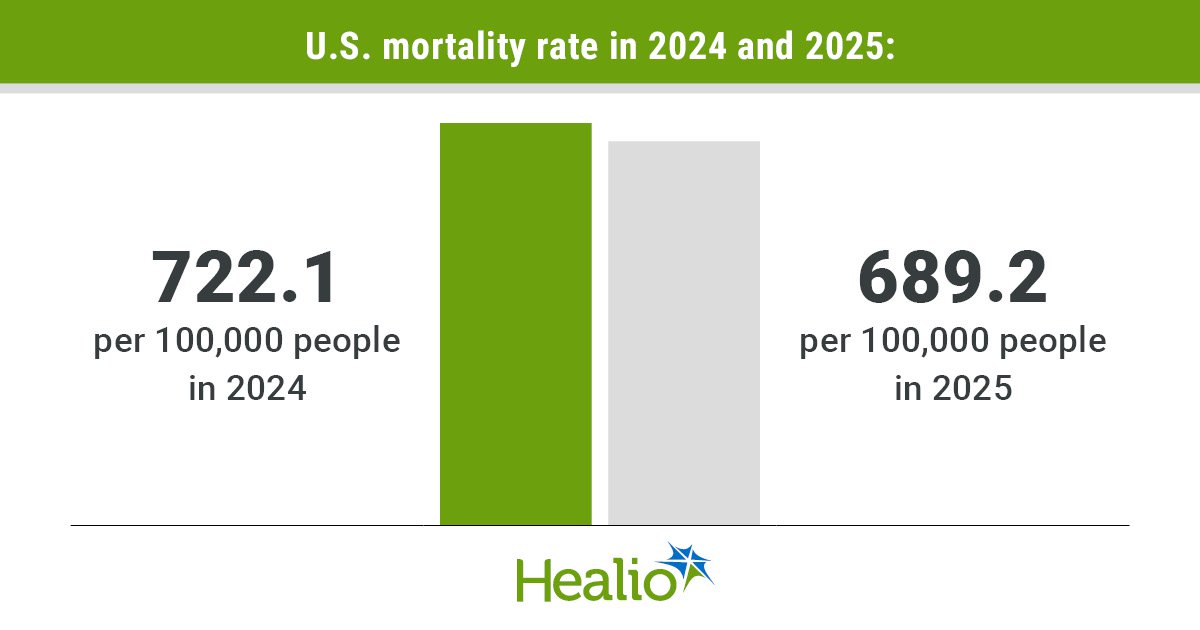
August 28, 2026 6 min read Add topic to email alerts Receive an email when new articles are posted on Please provide your email address to receive an email when new articles are posted on . ” data-action=subscribe> Subscribe We were unable to process your request. Please try again later. If you continue to have this issue please contact customerservice@slackinc.com. Back to Healio Key takeaways: Although the total death count rose from 2024, the death rate for 2025 was the lowest ever, according to provisional data. This suggests life expectancy is on track to reach a record high. The United States’ death rate likely dropped to a record low last year, according to provisional CDC data. The National Center for Health Statistics (NCHS) released the report, which offers an early estimation of the deaths that occurred in 2025, in late July. Data derived from Mortality in the United States: Provisional Data, 2025. https://stacks.cdc.gov/view/cdc/252455. Published July 2, 2026. Accessed Aug. 26, 2026. Farida B. Ahmad, MPH, a health scientist and mortality surveillance lead at the NCHS, told Healio that the report “presents provisional 2025 U.S. mortality data on deaths rates” by leading causes and demographic characteristics. “These data provide information on mortality patterns among U.S. residents by variables such as sex, age, race and Hispanic origin, and cause of death,” Ahmad said. “The findings in this report provide an early look at death trends for 2025; we will be able to analyze and understand more about mortality in 2025 when the final data are released in a few months.” The numbers The new data show that, in 2025, there were 3,094,593 deaths, and the overall mortality rate was 689.2 per 100,000 people — 4.6% lower than the 2024 rate of 722.1 per 100,000 people. The leading causes of death remained the same, though, with heart disease, cancer and unintentional injuries in the top three spots. In the 2025 provisional data, the age-adjusted mortality rate was 582.9 for women and 811.1 for men. It dropped for every age group. Additionally, the age-adjusted mortality rates were the highest in the Black non-Hispanic population at 869 per 100,000 and lowest for “the multiracial non-Hispanic population” at 187.3 per 100,000. Notably, Gerald Busch, MD, MPH, a member of the American Psychiatric Association’s Council on Addiction Psychiatry and an assistant professor of psychiatry at the Uniformed Services University of the Health Sciences, told Healio that “total deaths actually rose” in 2025. “The rate actually fell because of population growth and age adjustment,” he said. “And the gains were uneven: rates rose for American Indian and Alaska Native people and for Native Hawaiian or Other Pacific Islander … and Asian people,” but decreased for all other demographic groups. As Healio previously reported, in 2024, life expectancy in the U.S. rose to 79 years — the highest ever. Although life expectancy was not included in the data, the reported record-low death rate “makes another record likely,” Busch said. “But that is a projection” until the life expectancy can be determined from final data, “which for 2025 is about a year away,” he said. Caveats Busch noted a few important caveats with the preliminary data. For example, he said this year’s population denominators “changed methodology” in the report. “The Pacific Islander rate rose 9.3%. CDC cautions it may be a denominator artifact. It may also not be. From Honolulu, that is a number I want confirmed against final data rather than dismissed, because if it is real it runs against the national story,” he said. “The multiracial death rate appears to fall from 333.9 to 187.3 in a single year. No mortality phenomenon does that. It shows how much caution these year-over-year comparisons need.” Additionally, even though suicide dropped from the 10th leading cause of death in 2024 to number 11 this year, there was a difference of just 35 deaths. “The rank changed because influenza and pneumonia rose past it,” he said. “Influenza and pneumonia rose sharply, from 48,139 deaths to 56,511, moving from 11th to eighth. In a story about a record low, that is the countervailing finding.” It is also important to note that “these are provisional numbers and injury deaths lag,” Busch said. “CDC says the final unintentional injury count will be higher than 184,265.” Reasons behind the drop Although nothing is confirmed, some experts have pointed to the decline in overdose deaths as a reason for the lowered mortality rate. According to another set of NCHS provisional data, 2025 saw approximately 69,973 drug overdose deaths, representing a major drop — nearly 14% — from 2024’s 81,313 drug overdose deaths. Nearly every state had decreases, and several — Alabama, New York, North Carolina, Rhode Island and Vermont — experienced a decline of at least 25%. However, Arizona, Colorado and New Mexico saw increases of at least 10%. “Unintentional injuries fell from 197,449 to 184,265, and the overdose decline of roughly 11,300 accounts for essentially all of it,” Busch said. “The age pattern confirms it: the steepest declines were in 25- to 34-year-olds, down 10.8%, and 15- to 24-year-olds, down 7.9%, against 4.6% overall. That is the signature of overdose, not of heart disease or cancer, both of which killed more people in 2025 than in 2024.” This downward trend in overdose deaths “is not really unexpected,” Busch said. “This is the third straight year. What nobody predicted in 2022 is that it would be this large or last this long, so that is good news.” Reducing overdose deaths Busch said “nobody really knows” why overdose deaths have dropped so suddenly. “I have heard vigorous discussions at a number of national meetings,” he said. “Competing explanations point to different policies.” Some of the common explanations include a shrinking exposed population, he said, “both because many vulnerable people who used drugs have died and because adolescent initiation is at historic lows,” or reduced supply. “Fentanyl potency and purity fell … and precursor regulation in China tightened,” he said. “Fentanyl-positive deaths dropped 31.7% from 2023 to 2024
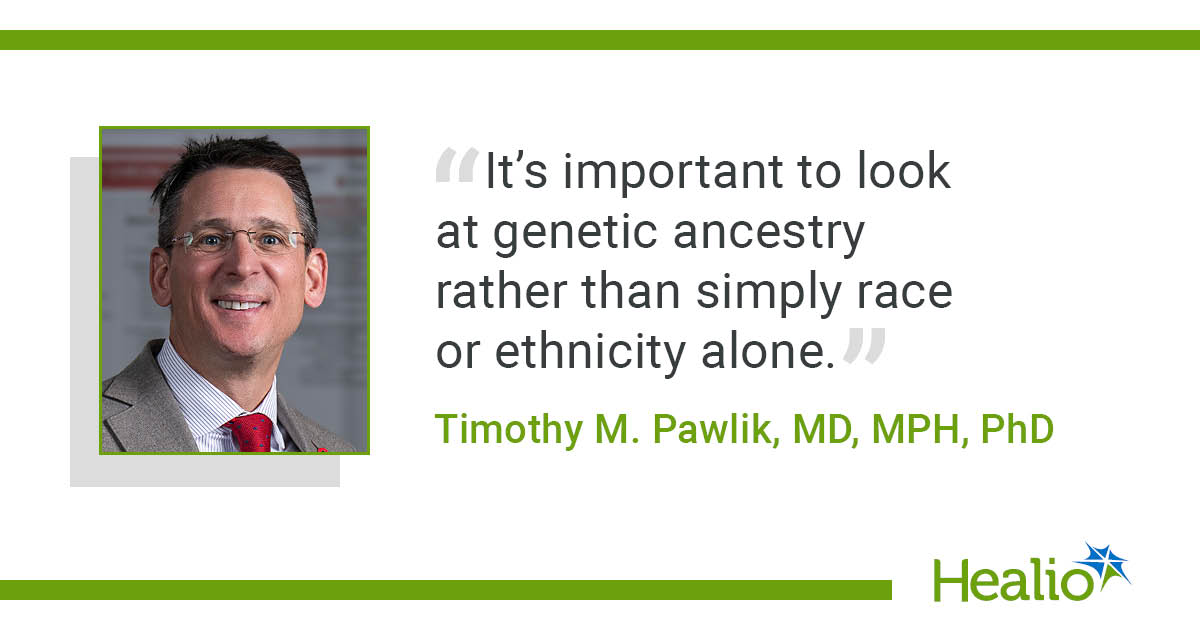
Genetic ancestry has significant link to colorectal cancer risk
August 28, 2026 3 min read Add topic to email alerts Receive an email when new articles are posted on Please provide your email address to receive an email when new articles are posted on . “ data-action=”subscribe”> Subscribe We were unable to process your request. Please try again later. If you continue to have this issue please contact customerservice@slackinc.com. Back to Healio Key takeaways: Individuals with European ancestry had significantly higher overall odds of developing colorectal cancer. Those with East Asian and American admixed-Latino lineages had greater risk at younger ages. Genetic ancestry may have significant associations with colorectal cancer incidence and age-specific risk. An evaluation of more than 300,000 individuals with whole genome sequencing showed that individuals with European ancestry had greater overall odds of developing colorectal cancer, but other lineages, including American admixed-Latino and East Asian, had higher risk for disease at younger ages. “It’s important to look at genetic ancestry rather than simply race or ethnicity alone,” Timothy M. Pawlik, MD, MPH, PhD, chair of the department of surgery and Urban Meyer III and Shelley Meyer Chair for Cancer Research at The Ohio State University Wexner Medical Center, told Healio. “While those two factors correlate frequently, it’s not a 1:1 correlation. Therefore, moving forward, it is important to look at genetic ancestry as a specific risk factor.” Genetic ancestry ‘complements’ race, ethnicity Approximately 2 million individuals are diagnosed with colorectal cancer worldwide every year, according to study background. Modifiable risk factors for colorectal cancer include obesity, diabetes, diet, smoking and alcohol. Nonmodifiable risk factors exist, too, including age, sex, and race and ethnicity, according to American Cancer Society. Individuals who identify as American Indian and Alaska Native have the highest incidence rates, then African Americans. Race and ethnicity do not fully capture a person’s genetic makeup, though. “Race and ethnicity have really dominated the disparities literature with regards to differences in incidence and outcomes, but many would argue that race and ethnicity represent social constructs that capture cultural lived experiences,” Pawlik said. “It may imperfectly reflect genetic similarity and often include admixed individuals who may come from different genetic lineage. Genetic ancestry really complements these measures and perhaps more precisely captures people’s genetic background.” Recent studies have investigated genetic ancestry in breast, prostate and skin cancer, but fewer data exist within colorectal cancer, Pawlik and colleagues wrote. “We wanted to address this gap and specifically characterize any associations between genetic ancestry and colorectal cancer across a large multiethnic cohort,” Pawlik said. Researchers used data from the All of Us Research Program to investigate. The study included 316,624 participants (median age, 56.3 years; interquartile range, 40.2-68.2; 61.2% women). Genetic ancestry categories included European (54.4%), African (19.6%), American admixed-Latino (16.7%), East Asian, South Asian and Middle Eastern (3.1%), and other (6.2%). Colorectal cancer incidence served as the primary endpoint. ‘Ancestry-based differences’ Overall, 2,914 individuals developed colorectal cancer. Participants with European ancestry had significantly higher likelihood of being diagnosed than all other lineages combined (OR = 1.5; 95% CI, 1.39-1.62). Ancestries with significantly lower odds included African (OR = 0.77; 95% CI, 0.7-0.85) and American admixed-Latino (OR = 0.63; 95% CI, 0.56-0.71). Individuals with European ancestry got diagnosed at substantially older ages (median, 63.4 years) compared with American admixed-Latino (8.4 years earlier), East Asian (7.9 years), African (5 years) and other (4.7 years). Individuals with East Asian ancestry had the highest colorectal cancer incidence through age 75 years (2.9%), followed by other (2.6%), American admixed-Latino (2.5%), African (2.4%), and European (2.1%). Through age 90 years, American admixed-Latino had the highest colorectal cancer incidence (5.2%), followed by European (5%). In cause-specific models using attained-age scale, ancestries with the highest risk for colorectal cancer included East Asian (adjusted HR = 1.61; 95% CI, 1.19-2.18) and American admixed-Latino (aHR = 1.31; 95% CI, 1.13-1.52). “We know that certain populations may be at risk for cancer at different times of their life,” Pawlik said. “These data suggest perhaps there is ancestry-based differences not only in absolute risk of colorectal cancer, but also in the timing of the onset of that colorectal cancer.” Researchers also found a multiethnic XGBoost model that incorporated genetic ancestry had “more robust” predictive value than a model that used only race and ethnicity, he added. “Genetic ancestry probably tracks more closely with specific genetic mutations,” Pawlik explained. “For example, compared with European ancestry, African individuals have been reported to have a higher frequency of certain mutation such as KRAS, APC or PIK3CA.” Factors independently associated with increased likelihood of colorectal cancer included type 2 diabetes (aOR = 1.95; 95% CI, 1.79-2.13), prior cancer history (aOR = 1.61; 95% CI, 1.48-1.77), smoking pack years (aOR = 1.01; 95% CI, 1-1.01) and older age (aOR = 1; 95% CI, 1-1.01), whereas female sex was associated with lower odds (aOR = 0.86; 95% CI, 0.79-0.93). “These data should be incorporated in future risk assessment tools to assess patients for their chance of being diagnosed with a colorectal tumor,” Pawlik said. Researchers acknowledged study limitations, including the cohort being retrospective, which could have resulted in selection bias. In addition, whole genome sequencing was not performed so Pawlik emphasized the importance of validation studies as well as more granular investigations of locus-specific ancestry. “Going forward, that will have to be done,” he said. For more information: Timothy M. Pawlik, MD, MPH, PhD, can be reached at tim.pawlik@osumc.edu. Published by: Ask a clinical question and tap into Healio AI’s knowledge base. PubMed, enrolling/recruiting trials, guidelines Clinical Guidance, Healio CME, FDA news Healio’s exclusive daily news coverage of clinical data Learn more Add topic to email alerts Receive an email when new articles are posted on Please provide your email address to receive an email when new articles are posted on . “ data-action=”subscribe”> Subscribe We were unable to process your request. Please try again later. If you continue to have this
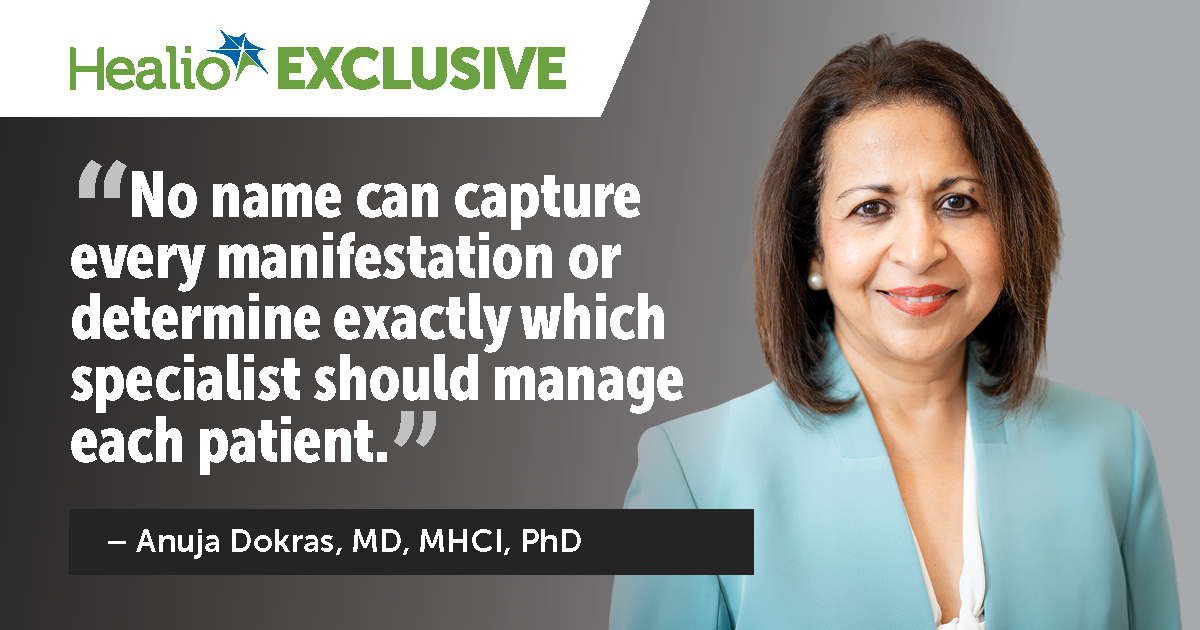
What’s in a name? Experts debate pros, cons of PCOS name change
August 27, 2026 11 min read Add topic to email alerts Receive an email when new articles are posted on Please provide your email address to receive an email when new articles are posted on . “ data-action=”subscribe”> Subscribe We were unable to process your request. Please try again later. If you continue to have this issue please contact customerservice@slackinc.com. Back to Healio Key takeaways: The new name, PMOS, does not fully encapsulate the condition’s complexities, some experts say. Others said that, while not perfect, the new name is a huge step forward in education and clinical care. Many experts agree that polyendocrine metabolic ovarian syndrome, the new name for polycystic ovary syndrome, better reflects the hormonal and metabolic aspects of the condition. But some argue that PMOS still falls short in becoming a comprehensive moniker for the complex syndrome. Anuja Dokras, MD, MHCI, PhD, director of the Penn Polyendocrine Metabolic Syndrome Center and Founder’s Professor of Women’s Health at the University of Pennsylvania, was one of the senior authors of the initial paper that announced the name change in The Lancet. She told Healio that PCOS “was problematic” for two main reasons. The first issue with the PCOS name was that “the ovarian findings are follicles, not pathologic cysts,” and, while ovarian cysts can be large and cause pain, “this does not occur with the small follicles.” Plus, the original name “framed the condition primarily as a reproductive or gynecologic disorder, even though my research and others have shown endocrine, metabolic, psychological and dermatologic manifestations” throughout a patient’s life. “Clinically, the consequences of narrow framing were delayed or missed diagnosis, fragmented care, and an emphasis on menstrual cycles or fertility without adequate attention to long-term risks such as diabetes, cardiovascular disease and mental health conditions,” Dokras said. “My research has shown that women take from 6 months to 2 years to be diagnosed and typically see two to four providers before diagnosis is established.” The debate The old name “created uncertainty about whether care belonged solely in gynecology rather than being shared across primary care, endocrinology, adolescent medicine, cardiology, mental health and other specialties as needed,” Dokras said. But in the new name, “the word ‘ovarian’ appropriately reflects a central component of the condition, while ‘polyendocrine’ and ‘metabolic’ deliberately broaden the frame beyond gynecology.” Andrea Dunaif, MD, the Lillian and Henry M. Stratton Professor of Molecular Medicine and chief of the Hilda and J. Lester Gabrilove division of endocrinology, diabetes and bone disease at the Icahn School of Medicine and the Mount Sinai Health System in New York, represented the Endocrine Society during the PCOS/PMOS renaming process. She told Healio that the need for a new name is not in dispute, but PMOS is not the right term. “In 2012, the NIH Evidence-Based Methodology Workshop formally concluded that ‘PCOS’ was ‘a distraction and an impediment to progress’ and recommended renaming the disorder to reflect its endocrine and metabolic biology,” Dunaif, who is also an Healio | Endocrine Today co-editor, said. “A successful replacement should move the disorder’s conceptual center beyond the ovary. Retaining ‘ovarian’ leaves PCOS anchored to the gynecologic framework the renaming was intended to correct.” Dokras said that when looking at “a complex condition such as PMOS, no name can capture every manifestation or determine exactly which specialist should manage each patient,” and the new name “should not be interpreted as assigning” one specialty ownership. “Most patients can be managed through coordinated primary care and women’s health care, with referral to endocrinology, cardiology, dermatology, reproductive medicine, mental health or other specialists according to phenotype and risk. The goal is multidisciplinary accountability, not transferring the condition from one silo to another,” she said. Addressing multidisciplinary care The metabolic complications of PCOS/PMOS extend to other specialties, such as cardiology. Dunaif said that OB/GYNs can screen for cardiometabolic risk, but the “specialists responsible for PCOS’s nonreproductive comorbidities often fail to diagnose the disorder or appreciate its implications for the conditions they manage.” “PCOS has been recognized as a major metabolic disorder for decades. Our research in the 1980s and 1990s identified intrinsic insulin resistance and demonstrated a markedly increased risk for type 2 diabetes with substantially earlier onset. Metabolic syndrome and other cardiometabolic risk factors are also well established,” Dunaif said. “Yet the long-term cardiovascular consequences remain inadequately defined because few cohorts have followed women into the ages when events become prevalent.” It is also important for gastroenterologists and psychiatrists to be aware of PCOS/PMOS, Dunaif said, because these patients see increased risks for liver issues, anxiety and depression. In one study that she presented at ENDO 2022, Dunaif and colleagues analyzed a health insurance database to examine which specialists women with PCOS/PMOS see. They found that women with PCOS/PMOS were more likely to see providers across multiple medical and surgical fields, including cardiology, gastroenterology, neurology and pulmonology. “We could not determine whether those clinicians recognized PCOS or whether individual visits were related to it. What is clear is that these physicians are already caring for affected women,” she said. “PCOS education therefore needs to extend beyond gynecology, endocrinology and dermatology to the broader medical workforce.” As Healio previously reported, Dokras recently released a paper showing that PCOS/PMOS may be an independent predictor of atherosclerotic CVD (ASCVD) events, including coronary artery disease, cerebrovascular disease and peripheral artery disease. The study, published in The Lancet Obstetrics, Gynaecology, & Women’s Health, revealed that participants with PCOS/PMOS had a greater prevalence of comorbidities, including obesity, diabetes, hypertension, hyperlipidemia, obstructive sleep apnea, metabolic dysfunction-associated steatotic liver disease, infertility and depression. However, the association between PCOS/PMOS and ASCVD was only partially mediated by these comorbidities. “This means CVD risk factors do not fully explain our findings,” Dokras said. “Hyperandrogenism, chronic low-grade inflammation, vascular dysfunction and adverse lipoprotein patterns observed in PMOS may also contribute to ASCVD risk.” For OB/GYNs, Dokras said “the key is not to wait” for CVD symptoms. “Starting

Conocida anteriormente como hígado graso: ¿Qué es la EADM?
English En 2020, aproximadamente el 34% de personas en Estados Unidos vivían con esteatohepatitis asociada a disfunción metabólica (EADM). Y se espera que esa cifra llegue al 40% (2 de cada 5 estadounidenses) hasta 2050 debido a las tasas cada vez mayores de obesidad. Entender la EADM, incluyendo sus síntomas y posibles causas, podría ser útil para saber si tienes riesgo de desarrollarla. ¿Qué es la EADM? Conocida anteriormente como hígado graso no alcohólico (NASLD, por sus siglas en inglés), EADM de hecho es un término general para un grupo de trastornos que ocurren cuando se acumula demasiada grasa en tu hígado cuando hay poco o nada de consumo de alcohol. Con el tiempo, esta acumulación de grasa puede causar inflamación (hinchazón) en tu hígado, lo cual, a su vez, podría desencadenar problemas más graves. Si no se trata, la EADM puede empeorar y convertirse en insuficiencia hepática asociada a disfunción metabólica o MASH por sus siglas en inglés, (conocida anteriormente como ENA, esteatohepatitis no alcohólica) que causa acumulación de grasa e inflamación del hígado. Eventualmente, la MASH puede causar cirrosis, un trastorno hepático que ocurre cuando tejidos de cicatrices causadas por inflamación a largo plazo evitan que el hígado funcione normalmente. Síntomas de la EADM Puede tomar muchos años para que la EADM ocurra y podrías no tener síntomas a menos que desarrolles una MASH u otro trastorno hepático más grave. Las personas con MASH u otros tipos de EADM podrían notar síntomas tales como: Dolor en la parte superior derecha de tu estómago (donde se encuentra el hígado) Inflamación del estómago Disminución de peso sin causa aparente Piel y ojos (escleras) amarillentos (ictericia) Factores de riesgo de la EADM Los expertos no están seguros de por qué algunas personas son más propensas a tener acumulación de grasa en sus hígados o de por qué esta acumulación a veces causa problemas hepáticos más graves. Sabemos que la EADM y la MASH tienen una conexión con: La genética: Las personas tienen hasta 12 veces más probabilidades de desarrollar EADM si un pariente de primer grado (padre, hermano o hijo) la tiene. Ciertos factores genéticos también son más frecuentes para personas hispanas. Resistencia a la insulina: Esto ocurre cuando tus células no reaccionan apropiadamente a la insulina en tu cuerpo para procesar glucosa en tu sangre. Triglicéridos: Los triglicéridos son un tipo de grasa y altos niveles de ésta y otras grasas en la sangre se asocian a la EADM. También podrías tener un mayor riesgo de desarrollar EADM (incluyendo MASH) si tienes: Síndrome de ovario metabólico poliendocrino (SOMP), conocido anteriormente como síndrome de ovario poliquístico (SOP) Apnea del sueño obstructiva Síndrome metabólico Tiroides hipoactiva (hipotiroidismo) Glándula pituitaria hipoactiva (hipopituitarismo) Deficiencia de la hormona de crecimiento Si tienes cualquiera de estos trastornos, considera hablar con tu profesional clínico sobre tu riesgo personal de desarrollar EADM. Prevención de la EADM ¿Las buenas noticias de la EADM? Puedes ayudar a prevenirla con cambios de tu estilo de vida. Probablemente no es una sorpresa que los mismos hábitos saludables que promueven el bienestar general también son buenos para tu hígado. Estos son, entre otros: Comer bien, es decir, consumir muchas verduras, frutas, proteínas, grasas saludables y cereales integrales Consumir azúcar con moderación Evitar el alcohol Mantener un peso que sea saludable para la forma y tamaño de tu cuerpo Mover tu cuerpo la mayoría de días de la semana con actividades que disfrutes (baile, jardinería, caminatas, etcétera) Mantén en mente que no tienes que cambiar tu dieta completamente o ir al gimnasio todos los días para reducir tu riesgo de EADM. Incluso cambios sencillos pueden tener un efecto importante en lo que se refiere a tu salud hepática. Tratamiento de la EADM El tratamiento de la EADM depende de cada persona, pero en general el primer paso es lograr tener un peso saludable si no lo tienes todavía. Estudios muestran mejoras importantes de la cantidad de grasa en el hígado, la hinchazón y la cicatrización de personas con EADM que tuvieron reducciones de apenas el 5 al 10% de su masa corporal y que disminuciones de peso de más del 10% podrían aliviar el hígado graso completamente. Luego, tu doctor podría recomendar medicamentos que sirven para reducir la cantidad de grasa en tu hígado. Dos medicamentos que actualmente están disponibles para tratar a personas con MASH que tienen cicatrización hepática moderada a grave son: Si tienes otros trastornos tales como diabetes tipo 2 o colesterol alto, tu profesional clínico probablemente te ayudará a controlarlos como parte de tu plan terapéutico de la EADM. Tu hígado y tu salud La EADM puede ser común, pero no es inevitable. Al tomar medidas sencillas tales como comer bien y hacer ejercicio en forma regular, podrías ayudar a reducir tus probabilidades de desarrollar trastornos hepáticos. Si piensas que podrías tener un mayor riesgo de EADM, debido a tu genética, obesidad o a otros trastornos médicos, podría ser hora de conversar con tu profesional clínico. Juntos, pueden evaluar cualquier síntoma que tengas y determinar un plan para obtener un diagnóstico y un tratamiento. Este recurso educativo se preparó con el apoyo de Merck. From Your Site Articles Related Articles Around the Web Source link