
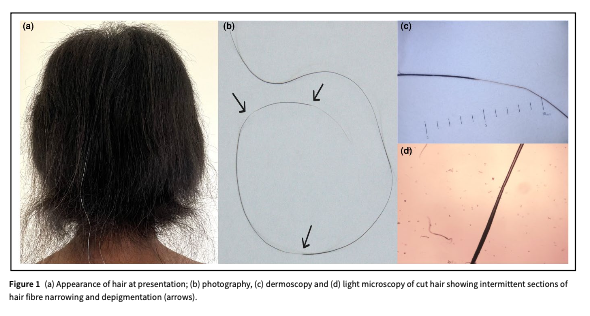
I read an interesting paper from the journal Clinical and Experimental Dermatology showing a nice case of the hair shaft color changes and calibre changes that can take place in alopecia areata. Two key points of this report were: 1. Segmental heterochromia with calibre change can be a subtle sign of active alopecia areata—even when there are no obvious patches of hair loss. 2. Alternating lighter and thinner segments within individual hair shafts likely reflect intermittent inflammatory activity in the hair follicle and should alert clinicians to ongoing disease activity. OVERVIEW OF CASE This interesting case report describes a 37-year-old woman with a three-year history of intermittent alopecia areata who presented with persistent diffuse hair shedding but no visible patches of hair loss. She also noticed scattered lighter-colored hairs throughout her otherwise black scalp hair. Careful trichoscopy and light microscopy demonstrated alternating segments of depigmented hair that were simultaneously thinner than adjacent normal hair. Remarkably, the hair shaft returned to its normal diameter exactly where normal pigmentation resumed. The authors propose that these findings represent intermittent inflammatory activity affecting both the pigment-producing melanocytes and the hair matrix in diffuse alopecia areata. Treatment with topical clobetasol applied to the entire scalp together with low-dose oral minoxidil reduced shedding, improved hair density, and prevented further patch formation. Here is the nice figure 1 from their paper Source link
Are autoimmune diseases increased in CCCA? — Donovan Hair Clinic
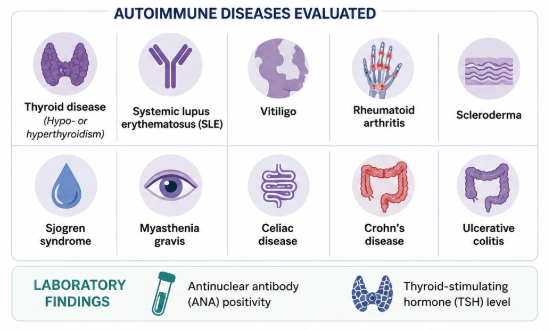
Here is a really interesting study. It suggests that autoimmune diseases are not increased in patients with CCCA. That’s an important finding as researchers worldwide seek to understand what really causes CCCA. The two key points I’d like everyone to take from this study are: 1. Patients with central centrifugal cicatricial alopecia (CCCA) were not more likely to have autoimmune disease than matched controls with androgenetic alopecia. This large multi-institutional study found no evidence that patients with biopsy-confirmed CCCA have an increased prevalence of systemic autoimmune diseases. 2. Routine autoimmune laboratory screening (including ANA testing) is probably unnecessary in patients with CCCA unless clinical symptoms suggest an autoimmune disorder. The findings support a more targeted, clinically driven approach rather than ordering autoimmune blood tests routinely in every patient with CCCA. OVERVIEW OF STUDY Central centrifugal cicatricial alopecia (CCCA) is the most common primary scarring alopecia affecting women of African ancestry, but its underlying cause remains incompletely understood. Previous studies suggested that patients with CCCA might have higher rates of autoimmune disease or positive antinuclear antibodies (ANA), leading some clinicians to wonder whether routine autoimmune screening should become standard practice. In this large cross-sectional study, investigators from the University of Pennsylvania and Weill Cornell Medicine evaluated 291 patients with biopsy-confirmed CCCA and compared them with 291 carefully matched patients with androgenetic alopecia. The investigators examined the prevalence of autoimmune diseases, thyroid disease, ANA positivity, and thyroid-stimulating hormone (TSH) levels to determine whether routine autoimmune screening is justified. STUDY FINDINGS This study found no increased prevalence of autoimmune disease among patients with biopsy-confirmed CCCA compared with matched controls. Interestingly, patients with CCCA actually had lower odds of thyroid disease than controls. ANA positivity and thyroid function (TSH) were similar between groups, providing little evidence that autoimmune laboratory abnormalities are more common in CCCA. Overall, the results suggest that routine autoimmune laboratory screening is unlikely to provide clinical benefit in patients with CCCA who have no signs or symptoms suggesting an autoimmune disease. AUTOIMMUNE DISEASE STUDIED Source link
Should Corticosteroids Be Added to Baricitinib for Alopecia Areata? — Donovan Hair Clinic
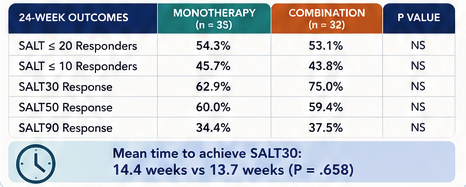
I enjoyed reading an interesting study from the Journal of the American Academy of Dermatology addressing whether or not oral steroids are helpful when added with JAK inhibitors. The focus here was on the JAK inhibitor baricititinib. The two key points to take from this study are: 1. Adding short-course systemic corticosteroids before or alongside baricitinib did not improve 24-week treatment outcomes in patients with moderate-to-severe alopecia areata. Despite common clinical practice, patients receiving prior or concurrent corticosteroids achieved similar rates of hair regrowth compared with those treated with baricitinib alone. 2. Baricitinib monotherapy was just as well tolerated as combination therapy, suggesting that routine addition of systemic corticosteroids may not provide meaningful long-term benefit. Both strategies had comparable adverse event rates, although pneumonia occurred only in the corticosteroid combination group. OVERVIEW OF STUDY Alopecia areata is a common autoimmune disease in which systemic corticosteroids are often prescribed at treatment initiation to rapidly suppress disease activity while waiting for Janus kinase (JAK) inhibitors such as baricitinib to take effect. However, it has remained unclear whether this approach actually improves long-term outcomes. In this retrospective cohort study, investigators compared 35 patients treated with baricitinib alone with 32 patients who received short-course systemic corticosteroids before or alongside baricitinib. After 24 weeks of treatment, patients in both groups achieved remarkably similar rates of hair regrowth, including comparable improvements in Severity of Alopecia Tool (SALT) scores, similar times to response, and nearly identical safety profiles. These findings suggest that routine corticosteroid “bridging” therapy may not provide additional long-term benefit beyond baricitinib alone. CONCLUSIONS This study suggests that prior or concurrent short-course systemic corticosteroids do not significantly enhance the effectiveness of baricitinib in patients with moderate-to-severe alopecia areata. Patients receiving baricitinib alone achieved similar rates of meaningful hair regrowth, including SALT30, SALT50, SALT90, SALT ≤20, and SALT ≤10 outcomes. The safety profiles of the two treatment strategies were also comparable, although pneumonia occurred only in the combination therapy group. Overall, these findings support the use of baricitinib as an effective standalone systemic treatment for many patients with moderate-to-severe alopecia areata, while emphasizing that larger prospective studies are still needed to determine whether certain patient subgroups may benefit from combination therapy. Source link
When Kerion Masquerades as a Scalp Abscess: A Lesson Every Clinician Should Know — Donovan Hair Clinic
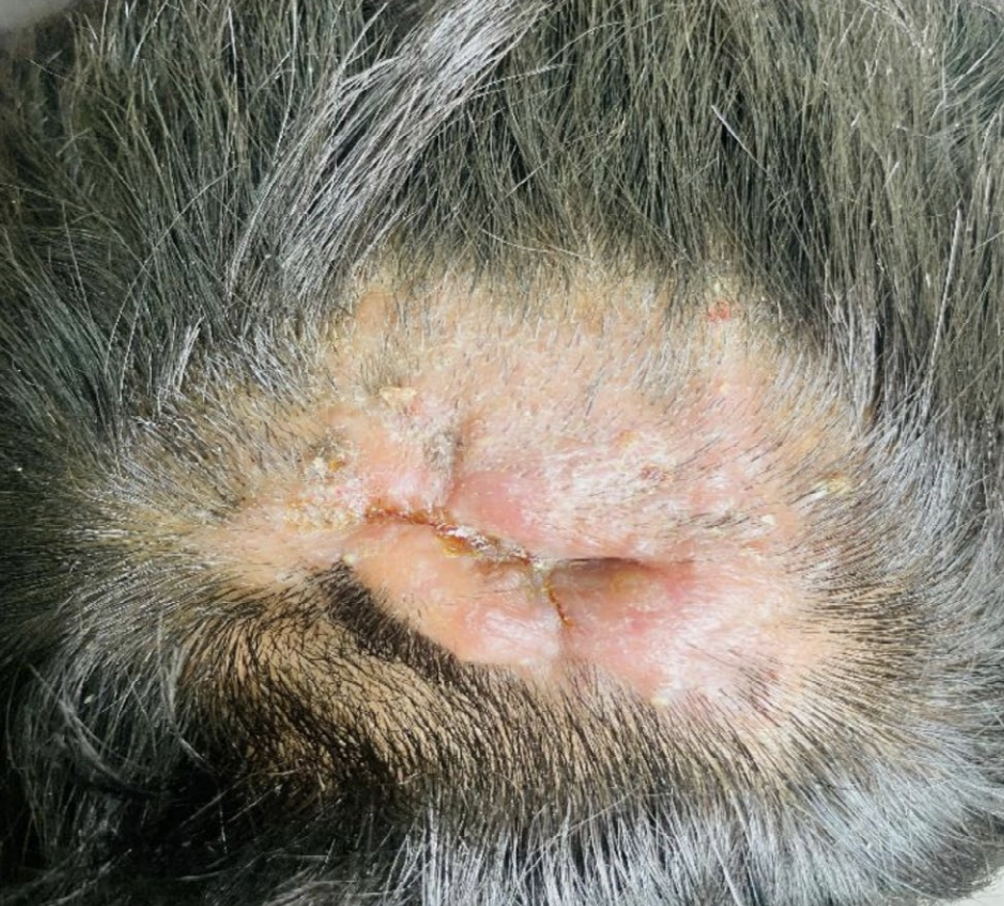
I enjoyed reading a nice paper by Paudyal et al in Clinical Case Reports of a 17 year old male presenting with a scalp abscess that turned out to be a diagnosis of tinea capitis. Key Lessons from the paper: 1. Kerion can closely mimic a bacterial scalp abscess, leading to unnecessary incision and drainage, antibiotic treatment, and delays in appropriate care. A painful, swollen, purulent scalp lesion with hair loss should always raise suspicion for kerion (inflammatory tinea capitis). Early recognition can prevent unnecessary surgery and reduce the risk of permanent scarring alopecia. 2. Dermoscopy and a simple KOH examination are invaluable bedside tools for making the diagnosis. Characteristic dermoscopic findings—including comma hairs, broken hairs of varying lengths, black dots, and perifollicular scaling—combined with a positive KOH preparation can rapidly establish the diagnosis and allow prompt initiation of oral antifungal therapy. OVERVIEW OF CASE Kerion is a severe inflammatory form of tinea capitis that can closely resemble bacterial infections such as scalp abscesses or cellulitis. This case report describes a 17-year-old male who presented with a one-month history of a swollen, hairless occipital scalp lesion. He was initially treated by surgeons with incision and drainage followed by two weeks of systemic antibiotics, but failed to improve. After referral to dermatology, dermoscopy revealed classic features of tinea capitis—including comma hairs, black dots, broken hairs, and perifollicular scaling—and a potassium hydroxide (KOH) preparation confirmed dermatophyte infection. The patient was treated with oral griseofulvin, topical clotrimazole, and ketoconazole shampoo, resulting in complete clinical resolution within four weeks and substantial hair regrowth by eight weeks, leaving only minimal residual scarring. This case highlights the importance of considering fungal infection whenever inflammatory scalp lesions are accompanied by alopecia. Source link
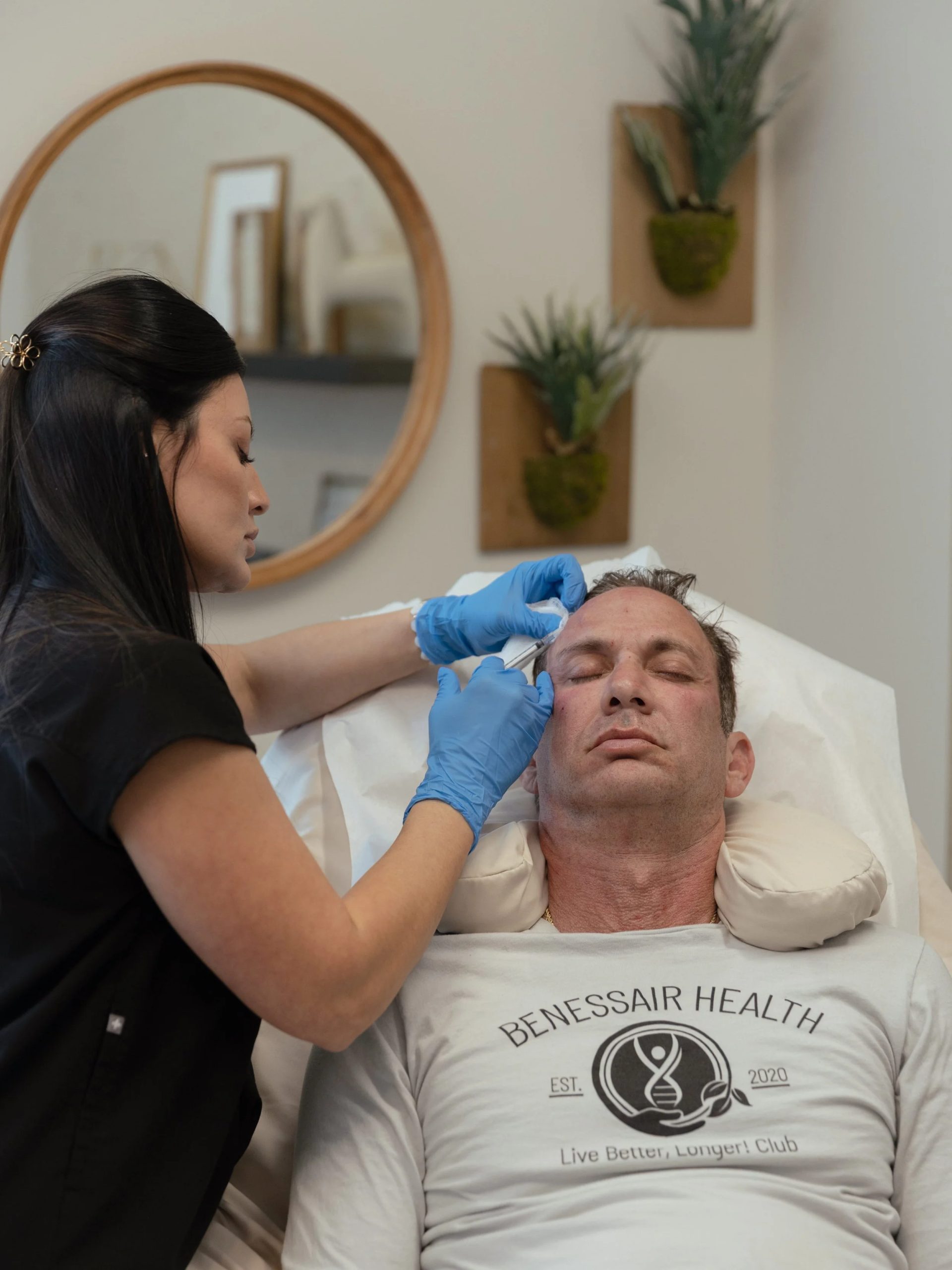
Scottsdale’s Best Injectors for Botox, Fillers & More
What We Offer: A Full Spectrum of Aesthetic Services in Scottsdale Between Stephanie and Rhian, our aesthetic team covers the full range of treatments that today’s most discerning clients are looking for. Here’s what you can expect at NHLMA: Botox and Neurotoxins Our approach to Botox is one we’re proud of. We don’t believe in the frozen look. Every treatment starts with a full assessment of your facial movement and expression lines, and injections are placed precisely to relax rather than paralyze. The result is smooth, refreshed, and unmistakably you. Treatments take 15 to 30 minutes with no downtime, and results typically last three to four months. Dermal Fillers: Juvederm, Sculptra, and More From restoring cheek volume to defining the lips to subtle facial contouring, our nurses work with the world’s leading hyaluronic acid fillers and biostimulators — including Juvederm, Voluma, Volux, Kysse, SkinVive, and Sculptra. Every plan is custom-designed around your facial anatomy and your goals. We are widely recognized as one of Scottsdale’s leading destinations for natural lip filler and facial rejuvenation. Medical-Grade Facials Our medical-grade facials in Scottsdale go well beyond what you’d experience at a traditional spa. Each one is fully customized and may incorporate dermaplaning, facial cupping, lymphatic drainage, and acne-targeted treatments using the highest-grade clinical products available. We also offer oncology-approved facials for clients going through treatment who still want to prioritize skin health safely. Medical Microneedling, RF Microneedling and Laser Skin Resurfacing For clients looking to address texture, tone, fine lines, or acne scarring at a deeper level, we offer radiofrequency microneedling and laser skin resurfacing, treatments that stimulate collagen and produce results that build over time. Hydrafacial The Hydrafacial in Scottsdale remains one of the most universally loved treatments we offer. It deeply cleanses, exfoliates, and infuses the skin with targeted serums in a single session with zero downtime, making it a great standalone treatment or complement to other services. Source link
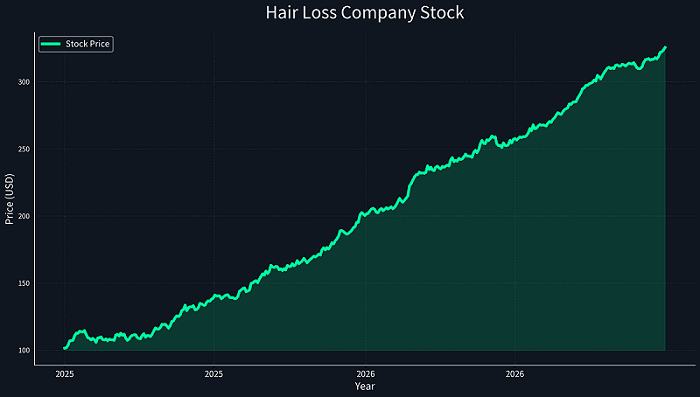
Hair Loss Companies and their Stock Prices
I have updated this post several times since first publishing it in 2018 as new companies come and go. Most of the companies in this list make other products in addition to those that just tackle hair loss. I focus on companies that have developed unique reputable products to regrow your hair. Some of these products are currently in clinical trials. Note that several well known companies such as Pelage Pharmaceuticals (US) and OrganTech (Japan) are privately held (so not publicly traded as yet). I do not cover the numerous companies that make products such as: laser hair growth devices; hairpieces; hair systems; shampoos; hair vitamins; and hair loss concealers. I do not cover telehealth companies that specialize in compounding and selling their own hair growth prescription products. You can find a list of some of the largest ones at the top of my post on topical finasteride. I also omit all major generic hair loss drug manufacturers. I do not include companies that make hair transplant related equipment or any other tools (e.g., PRP centrifuges, scalp drug delivery systems, microneedling devices, hair growth measurement and imaging system and so on). I have skipped the numerous companies working on alopecia areata (AA) related treatments. Around 95 percent of hair loss patients suffer from androgenetic alopecia (AGA). I have not covered the numerous companies in South Korea for the time being. Hair Loss Company Stock Prices Absci (US): ABSI — This company has been all the rage in 2026. Check out my regularly updated post on Absci and its ABS-201 AI-developed hair loss product that is currently in Phase 1 clinical trials. Allergan (Ireland): AGN — Working on a number of hair loss products such as Bimatoprost and Setipiprant. Hair loss segment accounts for a small portion of overall sales. Allergan has also invested in several hair loss companies in the recent past. Coegin Pharma (Ireland): COEGIN — Traded on the Nordic Growth Market for small and medium-sized enterprises. After purchasing Follicum (Sweden) in 2022, this company is developing the latter’s FOL-005 product as a cosmeceutical. Cosmo Pharmaceuticals (Ireland): COPN — Its Breezula androgen receptor targeting product is causing some excitement and will likely get FDA approval before the end of 2027. The company’s closely related acne fighting topical product Winlevi was released in the US in 2021 and has been a big success. Johnson & Johnson (US): JNJ — Although the company makes the original brand name FDA-approved hair loss blockbuster drug Rogaine (Minoxidil), it accounts for a very small portion of overall sales. Kintor Pharmaceutical (China): KNTPF — Currently in Phase 3 clinical trials, Kintor’s KX-826 product has a high chance of getting approved in China by the end of 2027. It targets the androgen receptor, just like Cosmo’s Breezula, which I discussed earlier. L’Oreal (France): OR:PA — World renowned cosmetics leader headquartered in France. In addition to investing in other hair loss companies, L’Oreal is working on 3D printed hair and grey hair reversal treatments. Merck (US): MRK — Although the company makes the original brand name hair loss FDA-approved blockbuster drug Propecia (Finasteride), it accounts for a very small portion of overall sales. Shiseido (Japan): (SSDOY) — A Japanese cosmetics behemoth that is especially significant in Asia. Basic adenosine based adenovital shampoos and other related hair growth products represent a significant portion of their overall sales. In 2024, Shiseido released its much anticipated DSC cell hair multiplication procedure in Japan. Veradermics (US): (MANE) — They raised a massive $150 million in financing in 2025 for their extended-release oral minoxidil tablet. Check out my post on Veradermics for the latest updates. Disclaimer: I am not a financial advisor or finance professional. As of the time of publishing this post, I do not own shares in any of the above companies. Source link
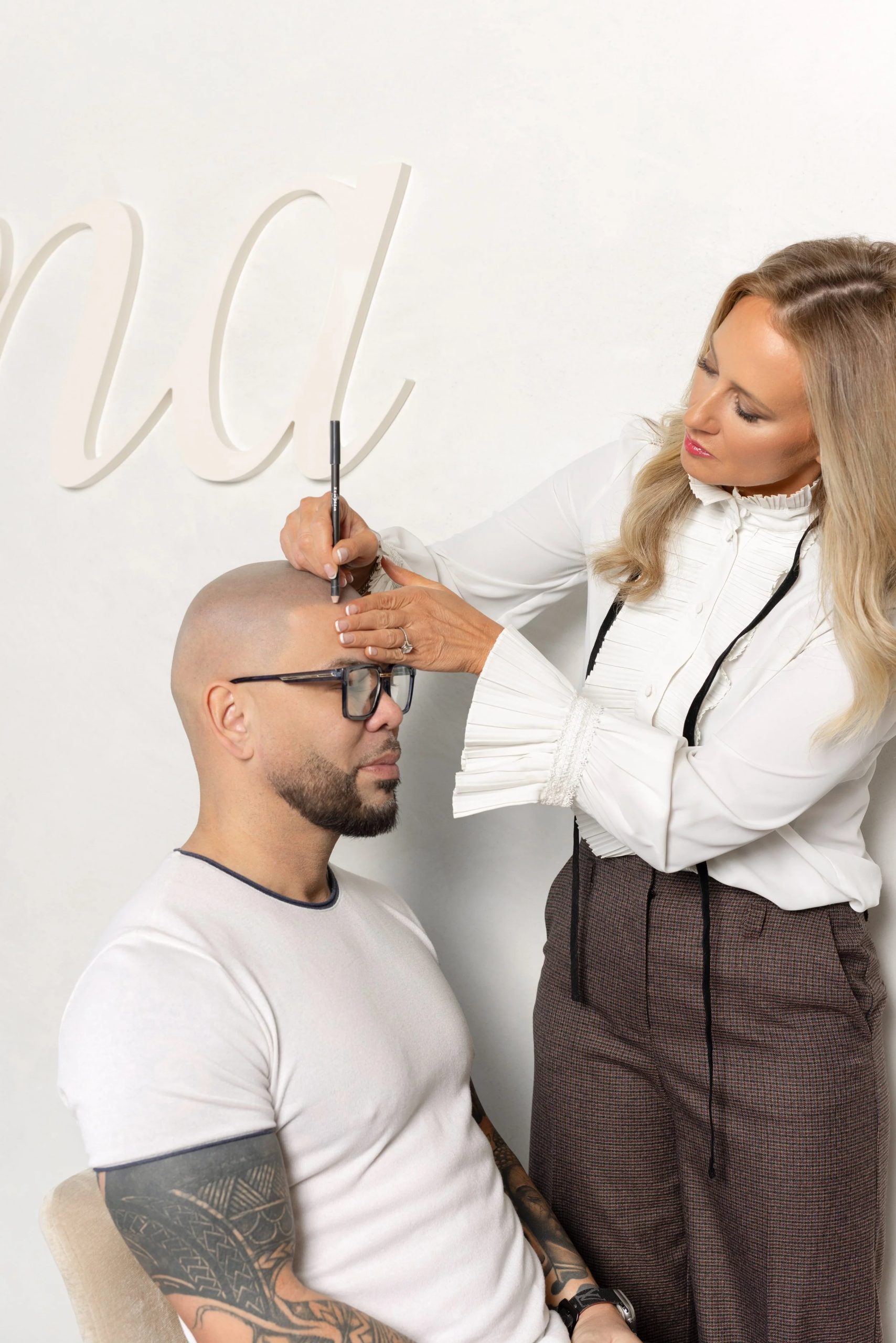
Hair Transplant vs. Non-Surgical Hair Restoration in Scottsdale
The Question That Changes Everything Before choosing between a transplant and non-surgical treatment, the most important question to ask is this: is your hair loss stable, or is it still progressing? If you’re still actively losing hair, a transplant won’t stop that process. The transplanted follicles may thrive, but the surrounding hair continues to thin, and you can end up in a worse position than if you’d addressed the underlying cause first. At NHLMA, we always recommend stabilizing hair loss before pursuing any surgical intervention. Not because we want to delay your results, but because doing things in the right order is what produces results that actually last. Non-surgical treatment is typically the right first move if: Your hair loss is still progressing or you haven’t yet addressed the root cause You’re in the early to moderate stages of thinning and have viable follicles to work with You’re not ready for surgery emotionally, financially, or practically You want to see how much regrowth is possible before making a permanent decision A transplant conversation makes more sense once your hair loss has been stabilized, your scalp health is optimized, and you’ve exhausted what’s possible without surgery. At that point, if there are areas that still need filling in, surgery becomes a much smarter investment, and you’ll need far fewer grafts than you would have otherwise. When Both Makes Sense Transplant and non-surgical treatment aren’t competing choices. For many people, the best outcome comes from doing both, using non-surgical therapies to stabilize loss and build a healthy scalp environment, and then using surgery to address any remaining structural concerns. We work with a trusted network of top transplant physicians across the country and provide referrals when surgery is genuinely the right next step. Our goal is never to talk you out of a transplant if that’s what’s right for you. It’s to make sure that if you do go that route, you go in prepared — with a scalp that’s ready, loss that’s stable, and a plan for protecting the results long-term. Why National and Scottsdale Patients Choose NHLMA We’re a hair specialty clinic, not a general med spa adds hair services. Every client receives a thorough evaluation before any treatment is recommended, and we work with each person based on their specific hair loss pattern, health history, and goals. We proudly serve clients throughout Scottsdale, North Scottsdale, Paradise Valley, Phoenix, Tempe, Chandler, and the broader East Valley, with virtual consultations available for those outside the area. Source link

Minoxidil vs. Finasteride: Costs, Side Effects, & What Works Best
Who Are They For? Both medications are primarily used for androgenetic alopecia, the most common type of hair loss driven by genetics and hormones. This includes male pattern hair loss and, in some cases, female pattern hair loss. Minoxidil is approved for both men and women. Topical minoxidil is available over the counter, while oral minoxidil requires a prescription. Finasteride is primarily prescribed for men. It is used off-label in some post-menopausal women with female pattern hair loss, but it is not appropriate for women who are pregnant or may become pregnant due to risks associated with fetal development. Side Effects: What to Know Minoxidil side effects are generally mild and may include: A temporary increase in shedding in the first few weeks (this is actually a sign the treatment is working, not a sign to stop) Scalp dryness or irritation with topical forms In rare cases, unwanted facial hair growth with topical application With oral minoxidil: fluid retention, low blood pressure, or increased body hair in a small number of people Finasteride side effects are less common than many people fear, but they’re worth understanding: Sexual side effects such as decreased libido or erectile dysfunction are reported in a small percentage of men, typically under 4% Mood changes in rare cases Side effects typically resolve when the medication is stopped Many people are anxious about finasteride before starting it and find that their experience is nothing like what they feared. That said, having an honest conversation with your clinician before starting is always the right move. How Much Do They Cost? This is one of the most common questions we hear, and the good news is that both medications are relatively affordable. Generic oral minoxidil typically runs $20 to $50 per month. Generic finasteride is usually $10 to $30 per month. When prescribed through a hair loss clinic, pricing can vary depending on the protocol, but it’s often competitive with pharmacy pricing and comes with the added benefit of clinical oversight. At NHLMA, we offer oral prescriptions for both medications as part of a clinician-supervised hair restoration protocol, which means you’re getting the right dosage, the right guidance, and a team that’s monitoring your progress. Source link
The Most Popular Hair Loss Products on Amazon
Amazon is the go to place for most people when it comes to buying non-prescription hair loss products. On this page, I list some of the most popular hair growth products on Amazon based on number of reviews. Shampoos Nizoral Shampoo. Not surprisingly, some of the best hair loss shampoos and dandruff shampoos have a massive number of reviews. Nizoral anti-dandruff shampoo has 111,000 reviews, with an average rating of 4.6 out of 5 stars. It also has anti-androgenic effects. Pura D’Or has become a renowned brand name in the world of hair. Its anti-thinning biotin shampoo and conditioner set currently has 66,000 reviews, with an average rating of 4.3 out of 5 stars. Tea Tree Special shampoo has 62,000 reviews, with an average rating of 4.6 out of 5 stars. The evergreen Head & Shoulders Classic has 23,000 reviews, with an impressive average rating of 4.8 out of 5 stars. I covered Nioxin in the past. Its System 2 currently has 21,500 reviews, with an average rating of 4.6 out of 5 stars. Concealers I have not updated my best hair loss concealers post recently, but the usual suspects still remain bestsellers. Toppik has 72,000 reviews, with an average rating of 4.3 out of 5 stars. I had great results from using this concealer in the past. Boldify has 11,000 reviews, with an average rating of 4.3 out of 5 stars. Hair Vitamins Hair Vitamins with Amino Acids. Hair vitamins are an especially popular product on Amazon. Partly because of their relatively low cost. Do note that in most cases, vitamins, herbs and natural products will not lead to any kind of hair regrowth. Unless you are severely deficient in any specific vitamin or mineral. Nature’s Bounty Biotin has 121,000 reviews, with an average rating of 4.7 out of 5 stars. The rapid release softgels claims to benefit hair, nails and skin. Vitafusion multivitamin gummies has 93,000 reviews (across an old and new version), with an average rating of 4.6 out of 5 stars. It includes Vitamin B, Biotin, Vitamin D and Retinol among other ingredients. It claims to benefit hair, nails and skin. Sugarbear Hair Vitamins has 48,000 reviews, with an average rating of 4.3 out of 5 stars. They are in gummy form and vegan. They include Vitamin A, Biotin, Vitamin C, Choline, Vitamin D, Vitamin E, Vitamin B-6, Vitamin B-12, Folate, Iodine and Zinc. Other Hair Loss Products Below I list other very popular hair loss products on Amazon. Feel free to add comments if you find others with more customer reviews. I covered both Viviscal and Nutrafol in the past. They are among the most popular supplements on Amazon that are specifically developed for hair loss. Viviscal currently has 30,000 reviews, with an average rating of 4.3 out of 5 stars. Nutrafol has 18,500 reviews, with an average rating of 4.2 out of 5 stars. Men’s Rogaine foam has 29,000 reviews and a 3-month supply is currently being sold at a big discount of 25%. It has an average rating of 4.2 out of 5 stars. Interestingly, Women’s Rogaine has 18,600 reviews, a somewhat higher number than I would expect relative to the men’s product. Also make sure to check out all the products listed in my post on Redensyl, Capixyl, Procapil and Baicapil. Source link

AI and Machine Learning for Hair Loss Drug Discovery
Using artificial intelligence (AI) and machine learning (ML) for hair loss drug discovery. In the past, I briefly discussed the use of artificial intelligence (AI) and machine learning (ML) in drug discovery. Especially when it comes to the potential of rapidly testing new compounds to treat hair loss. Funding for drug discovery startups that use AI is now really taking off. Heavyweight companies such as Amazon, Anthropic, Google and Palantir increasingly focusing in this area. However, the AI drug boom is still in its early stages. Note that this post was originally written in November 2022, but needed an update due to a many new developments. Hair Loss Companies using AI to Develop new Drugs A number of hair loss companies are currently developing new drugs via the use of AI. I will update this section regularly. The most widely covered of these is Absci (US), an artificial intelligence drug and biologic creation company that is developing novel treatments via the use generative AI. Their most anticipated product is a prolactin receptor (PRLR) targeting injection based hair growth treatment called ABS-201. It is in Phase 1 clinical trials as of 2026. In 2026, a new start-up named RE:YOU claimed to have developed four new molecules to benefit hair growth using AI. A few years ago, there was much hype about a new AI drug discovery company named Insilico Medicine (Hong Kong). Among the conditions the company aimed to develop drugs for included hair loss. While they mentioned hair in a number of their past press releases, you no longer see it on their pipeline page. Update: Eli Lilly (US) and Insilico struck a $2.75 billion AI drug discovery deal in March 2026. And Takeda (Japan) and Insilico struck a $600 million AI drug discovery deal in July 2026. Another hair loss company making use of AI is South Korea’s Epibiotech. In October 2021, it signed an agreement with CN.AI in order to accelerate the discovery of new hair loss drug candidates. Also of interest, in December 2019, Iktos (France) and Almirall (Spain) signed an agreement in which Iktos’ AI modelling technology would be used to design novel optimized compounds for Almirall. The latter is a company that is entirely focused on skin and other dermatological conditions. They currently make the world’s only topical finasteride product that has undergone rigorous clinical trials. Using AI to Predict Hair Loss Compounds What made me first write this post was an interesting article titled: “Researchers use AI to predict compounds that could neutralize baldness.” The actual study from China is here and it was published on October 20, 2022. In the article, they mention that male pattern hair loss is caused by androgens, inflammation or an overabundance of reactive oxygen species. One potential treatment for the last mentioned is via the creation and utilization of “nanozymes” that mimic the superoxide dismutase (SOD) enzyme. SOD helps fight damaging oxygen free radicals. The scientists tested machine-learning models with 91 different transition-metal, phosphate and sulfate combinations. A highly efficient manganese thiophosphite (MnPS3) based SOD mimic was discovered using machine learning tools. These ML techniques predicted what cobination would have the most powerful SOD-like ability. The team subsequently prepared MnPS3 microneedle patches which they used to treat androgenic alopecia-affected mouse models. Microneedling allowed the MnPS3 to penetrate deep layers of the skin (where hair follicle stem cells reside) and remove the excess reactive oxygen species. Within 13 days, the animals regenerated thicker hair strands that more densely covered their previously bald backsides. Also check out how it is possible to speed up drug discovery with diffusion generative models (such as the DiffDock molecular docking model). Opensource Databases and Resources Although not exactly AI, I find the increasing number of online opensource resources, databases, repositories and collaborative research tools encouraging. Make sure to read my post on the publicly available DeepMind AlphaFold protein database. You can search for “hair” in there and get 2,200 results as of today. In addition to the general DeepMind/AlphaFold GitHub, we also have hair specific ones such as the BiernaskieLab GitHub. Also of interest are open source sites such as the Driskskell Lab’s skin regeneration and wound healing related datasets. More recently, Dr. Maksim Plikus and his team at UCI developed CellChat, which enables the better understanding of cell-to-cell communication and signaling. Other AI Applications in the Hair Loss World Note that artificial intelligence is also being used for other purposes beside drug discovery in the hair loss world. Among these include: New AI Solution to Diagnose Hair Loss Type via Scalp Biomarkers Cosmetics manufacturer Kolmar Korea (South Korea) has developed an artificial intelligence-based solution that can diagnose hair loss using scalp biomarkers. The technology can diagnose 16 different types of androgenic hair loss (nine male and seven female). A dermatologist collects samples of a patient’s scalp, places them on proprietary analytics equipment, and has the AI-powered tool screen scalp surface biomarkers. Kolmar Korea expects that its diagnostic tool will help hair loss patients and dermatologists choose optimized treatments. The company also plans to develop various cosmetics that target each of the 16 different types of androgen related hair loss. Source link