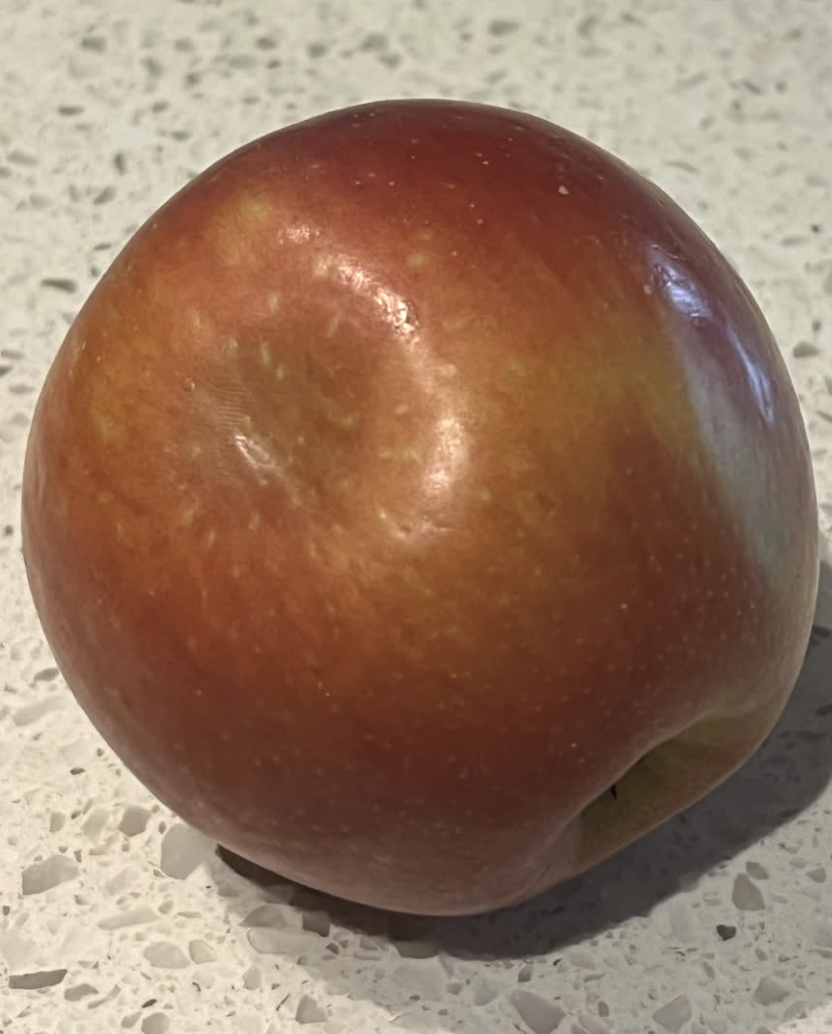
While the apple’s dent was simply a harmless imperfection, steroid-induced skin atrophy can create a similar appearance in the skin—a visible depression or “dent” caused by thinning of the skin and underlying tissues. Patients sometimes describe these areas as looking like a “divot,” “crater,” or “sunken spot.” In reality, the process is more complex than an apple dent, but the image serves as a useful visual reminder of what can happen when corticosteroids affect collagen production and local fat tissue. Just as the apple has lost some of its normal contour, steroid-induced atrophy results in localized loss of tissue volume. The skin may appear depressed, shiny, wrinkled, lighter in color, or accompanied by small visible blood vessels. Fortunately, unlike many dents in apples, most cases of steroid-induced skin atrophy gradually improve with time. Understanding why these dents occur—and how to prevent them—is an important part of safely using intralesional corticosteroid therapy in dermatology. In my opinion, the secret to reducing the risk of atrophy is for hair specialists and dermatologists to use 2.5 mg per mL triamcinolone as their baseline NOT 5 mg/mL and to limit injection to every 6-12 weeks (not every 2-4 weeks) Source link
If history repeats itself…what’s waiting? — Donovan Hair Clinic
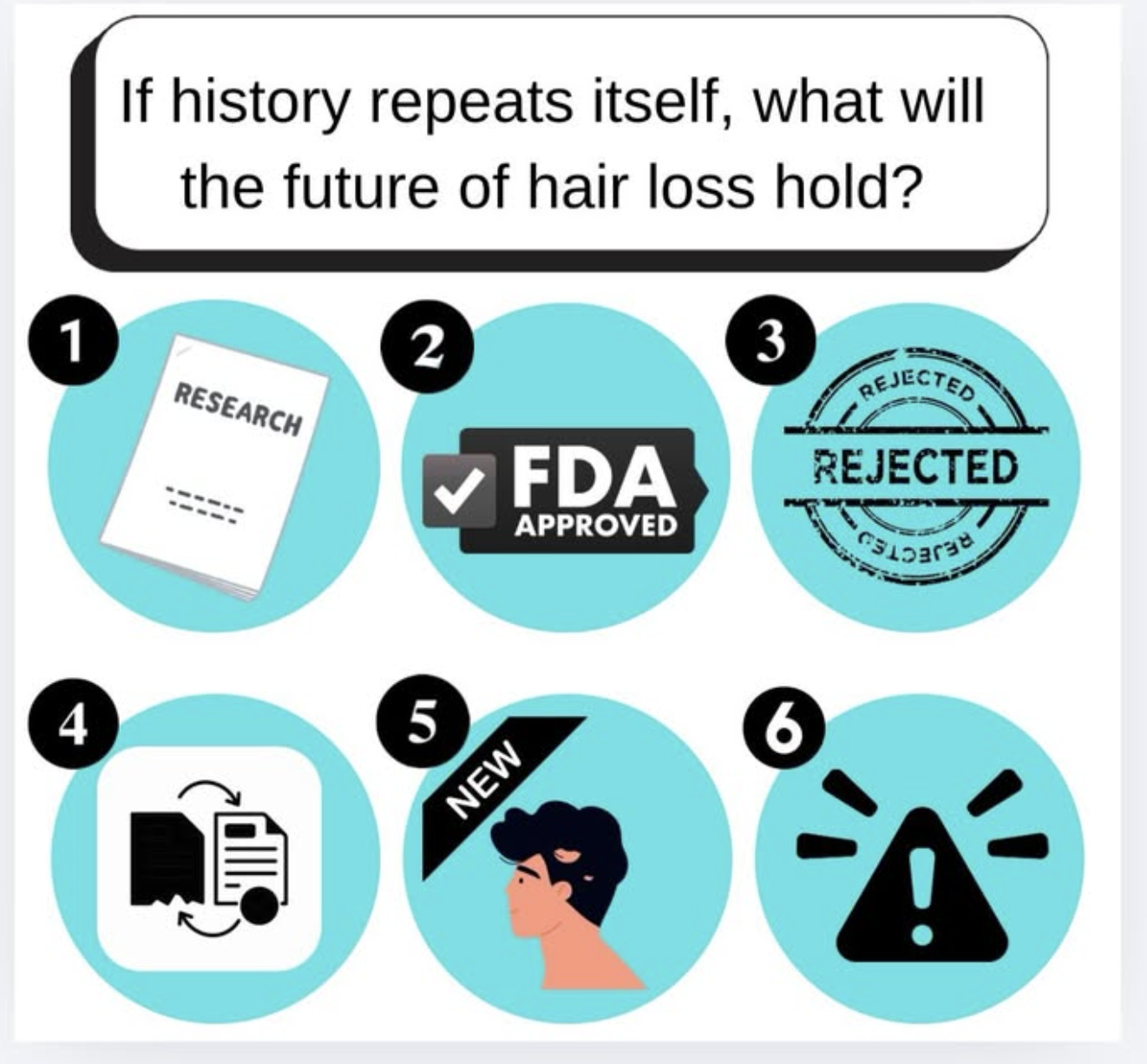
The field of hair loss is dynamic! What is amazing to me is how patterns keep repeating! New diseases are recognized. New treatments emerge. New side effects are discovered. New technologies reshape how we practice. If history is any guide, the next few decades will bring a lot of change. So, what can we expect? First, I suspect science will be communicated differently. Open-access publishing has transformed access to research. Social media, podcasts and online education have changed how clinicians learn. We may see entirely new models of publication, peer review, and scientific discussion. Artificial intelligence will almost certainly play a larger role in how research is reviewed & shared. Second, we will certainly see more approved treatments. The approval of JAK inhibitors for alopecia areata marked a major milestone. Additional approvals for AA are 100 % guaranteed, and it’s conceivable that conditions such as frontal fibrosing alopecia, LPP, chemotherapy-induced alopecia, or even certain forms of telogen effluvium could someday become targets for regulatory approval. Third, some therapies we currently use may be withdrawn from the market. Every era of medicine witnesses the withdrawal of certain drugs as new safety information emerges. Fourth, many currently approved drugs will likely undergo new label changes. We have seen important label revisions over the years for medications such as finasteride & even topical minoxidil. As larger numbers of patients use newer therapies over longer periods of time, additional warnings, precautions, & recommendations are likely to emerge. It would be shortsighted to assume that today’s labels are the final version! Fifth, new hair disorders will almost certainly be identified. As trichoscopy, pathology, genetics, and molecular biology continue to advance, clinicians will recognize patterns that were previously overlooked. Some conditions we currently group together may prove to be distinct diseases. Finally, new causes of hair loss will be discovered. New medications, new infections, new environmental exposures, and perhaps even new technologies will likely introduce triggers that we do not yet recognize today Source link
Upadacitinib (Rinvoq) for Alopecia Areata: Our New Study Highlights Benefits! — Donovan Hair Clinic
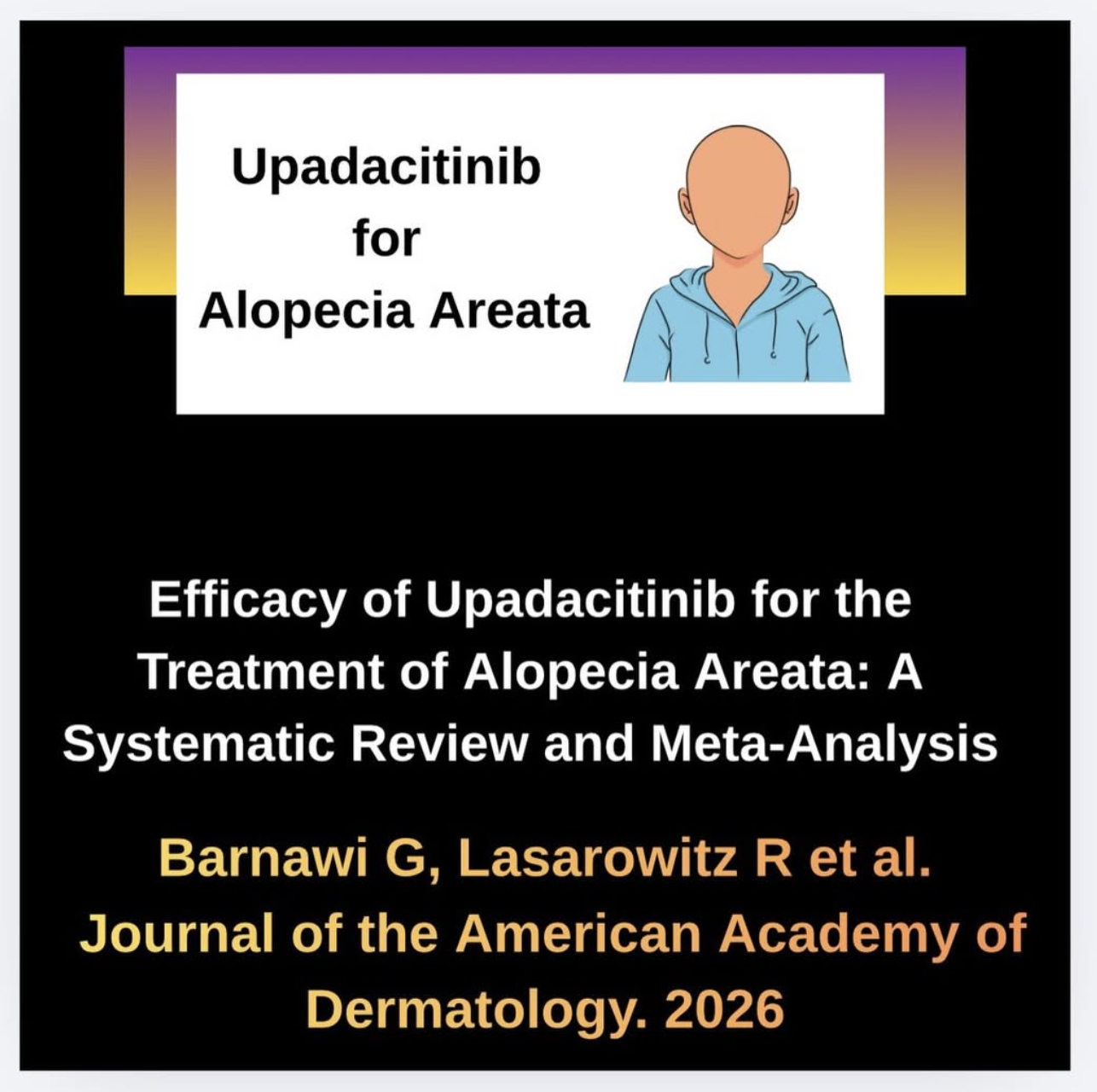
It was a great privilege to work with wonderful colleagues on a systematic review and meta-analysis assessing the efficacy upadacitinib for treating alopecia areata (AA). The study was led by Dr Ghassan Barnawi and Raquel Lazarowitz from McGill University. We analyzed 33 studies involving 136 patients and found significant improvements in hair growth across a wide range of patient groups.The average “baseline” SALT score was 77, reflecting severe hair loss. After treatment, patients experienced an average SALT score reduction of 68.5 points over approximately 24 weeks. Even patients with severe AA (baseline SALT >50) showed remarkable improvement, with SALT scores decreasing by nearly 80 points.One of the most encouraging findings was the consistency of response. Adults and children responded similarly, and patients who had previously failed another JAK inhibitor achieved results comparable to JAK-naïve patients. In addition, higher doses did not appear to provide substantially greater benefit than lower doses. Response rates were impressive: 94% achieved SALT50 and 89% reached a SALT score of 20 or less. Side effects occurred in about one-third of patients, but were generally mild and did not lead to treatment discontinuation. While larger long-term studies are still needed, these findings suggest that upadacitinib may become an important addition to the growing list of effective treatments for alopecia areata. Congratulations to all our group! The article is available to all online with open access publishing. Reference Barnawi G, Lazarowitz R, Nukaly HY, Creighton R, Ridha Z, Aldein AS, Algaidi Y, Weiss E, Litvinov IV, Donovan J. Efficacy of upadacitinib for the treatment alopecia areata: a systematic review and meta-analysis. J Am Acad Dermatol. 2026 Jun 3. Source link
Miniaturization in Androgenetic Alopecia — Donovan Hair Clinic
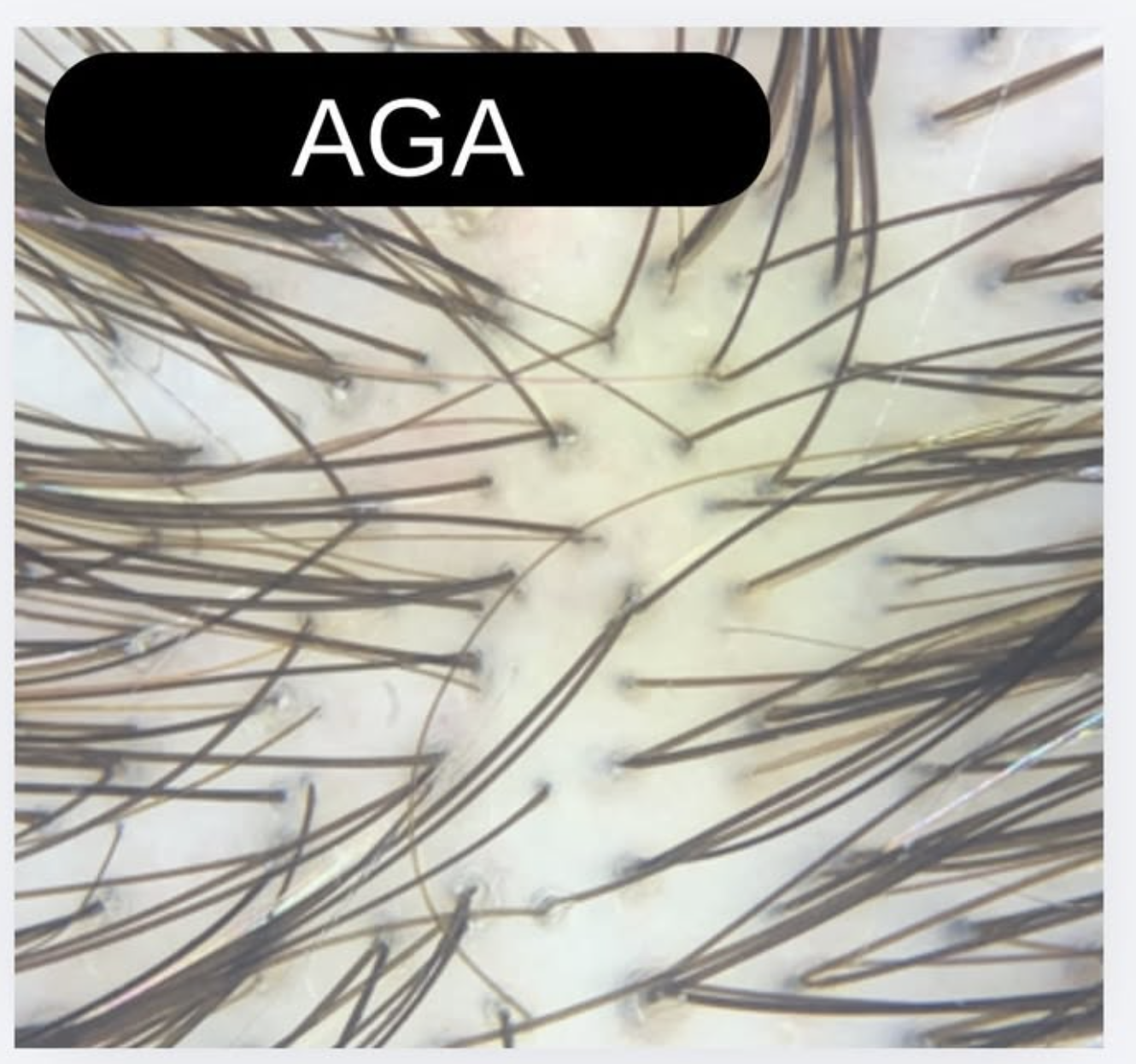
In the early stages of androgenetic alopecia (AGA), patients often present with increased hair shedding. As a result, many patients are quickly labeled as having telogen effluvium (TE) or chronic TE. While TE certainly causes shedding, early AGA can do the same. The key difference lies in what is happening to the follicles. As AGA develops, there is a progressive transformation of terminal hairs into finer, shorter, and eventually less pigmented hairs. This process, known as miniaturization, may be obvious in advanced disease but can be remarkably subtle in the early stages.. Another important clue is a gradual shift in follicular unit composition. Healthy scalp regions are rich in follicular units containing two, three and even four hairs. As AGA progresses, there is an increasing predominance of one-hair and two-hair follicular units (or completely empty follicles) as miniaturize and terminal hairs are lost. The accompanying image illustrates these challenges perfectly. This 23-year-old woman had experienced six years of persistent hair shedding and had repeatedly been told that she had telogen effluvium. However, close inspection reveals the hallmark features of androgenetic alopecia: increased numbers of single-hair follicular units, reduced numbers of robust multi-hair follicular units, and clear evidence of hair shaft miniaturization. This patient has androgenetic alopecia! An important principle is this: any individual with chronic hair shedding who has been told they have a diagnosis of telogen effluvium or chronic telogen effluvium should strongly consider a scalp biopsy and expert assessment if a) blood tests are fairly normal (or have normalized after correction of an apparent abnormality) and b) shedding has been going on more than 12 months despite improvement of lab results and c) density continues to decline year after year as captured by standard photos. Another diagnosis besides TE is highly likely in these situations! Source link

Our EBHF Fellows have completed Block 1 — Donovan Hair Clinic
As many of you are aware, I direct the world’s largest and most comprehensive hair training program. The EBHF is an intensive two-year program that requires commitment, hours of study, and focus. Not everyone who applies gets accepted, and not everyone who gets accepted gets to the finish line and completes the program. EBH fellows attend lectures, complete assignments, take quizzes, and discuss cases. We do this non-stop for 2 years. But graduation from the EBHF signified something very special: “ A practitioner with commitment to hair loss at a high level who can take on some of the most challenging cases and clinical situations anywhere. In mid-June, our fellows took their very first formal examination of the 2026-2027 EBHF program. I would like to take the opportunity to congratulate our 120 EBHF fellows on completing the Block 1 Examination! This was a challenging exam in a demanding program. Passing it represents hard work, determination, and a genuine commitment to excellence in hair disorders. A tremendous accomplishment. Congratulations to all our fellow! On now to Block 2! Source link
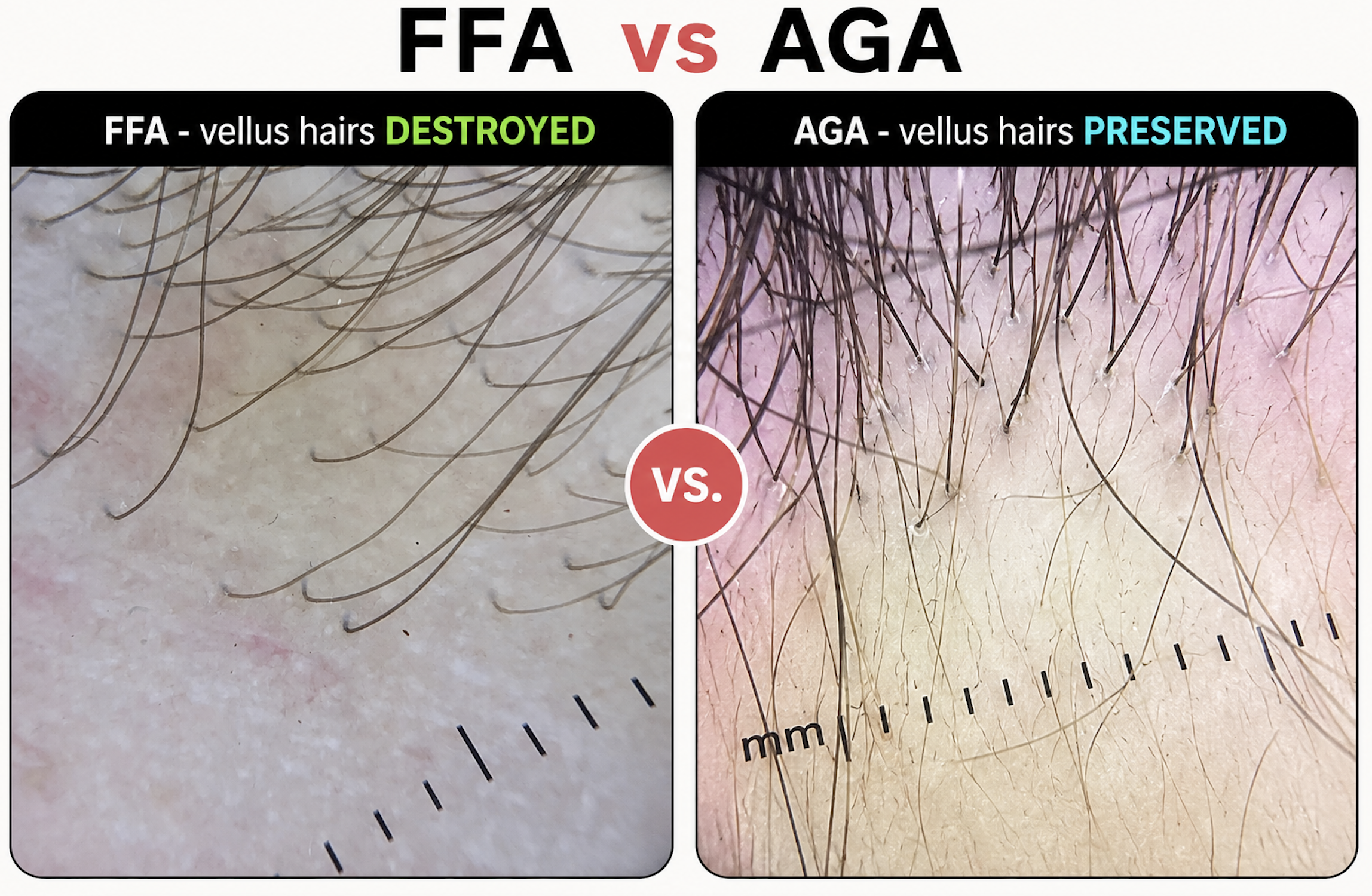
Trichoscopy of FFA vs AGA — Donovan Hair Clinic
June 21, 2026 A very useful trichoscopy clue for distinguishing frontal fibrosing alopecia (FFA) from androgenetic alopecia (AGA) is the presence of vellus hairs – or what some call “baby hairs.” In AGA, miniaturized (vellus-like) hairs are typically preserved and can often be seen along the frontal hairline. In FFA, these tiny hairs are progressively lost as inflammation targets and destroys the follicles. SO REMEMBER: Presence of vellus hairs favors AGAAbsence of vellus hairs favors FFA This article was written by Dr. Jeff Donovan, a Canadian and US board certified dermatologist specializing exclusively in hair loss. Source link

Mallia Therapeutics, CD83 and Hair Loss
Mallia Therapeutics and Mallia Aesthetics Mallia Innovations (holding company for Mallia Therapeutics and Mallia Aesthetics) is a Germany-based company that is developing a novel hair loss treatment based on a soluble version of the CD83 protein (i.e., sCD83). Co-founder Dr. Alexander Steinkasserer authored a paper in September 2022 that found that hair follicle formation and wound healing are improved in CD83-treated mice. Mallia Therapeutics is developing MAL-856, a drug candidate based on sCD83. It will treat various forms of alopecia and skin wounds. Mallia Aesthetics is developing cosmetic applications for hair growth. Its 8T3 Essentials Hair Serum is based on the molecule MAL-838, which is derived from the naturally occurring protein sCD83. The bottom of this post is my original 2021 write-up about this company (then known as MalliaBiotech), with new updates on top. Update: June 19, 2026 Mallia Aesthetics Reports Positive Results from its 8T3 Essentials Hair Serum Mallia Aesthetics just announced positive results from a combined analysis of two six-month consumer studies evaluating its hormone-free 8T3 Essentials Hair Serum. Note that this is not a clinical trial, and the combined analysis only included 23 volunteers (18 men and 5 women). Per measurements using imaging systems from TrichoLAB or Canfield Scientific: 87% of participants responded to treatment, with 70% showing new hair growth. Average hair density increased by 30%. The most impressive responder saw a hair density increase of 193%. Per participant questionnaire responses, 95% reported a significant reduction or complete cessation of hair loss. And 80% noticed new hair growth. 8T3 Essentials Hair Serum and 8T3 Essentials Lash & Brow Serum are available throughout the EU via Mallia’s 8T3 website. To me, these numbers sound too good to be true. I hope we can get third party analysis of this product soon. And if they ever sell on Amazon, make sure to read all the verified customer reviews. Per Dr. Alexander Steinkasserer: “Most established hormone-free approaches focus primarily on increasing blood flow and nutrient delivery to the hair follicle, while the inflammatory environment causing premature hair loss prevails. The biological concept behind sCD83 is fundamentally different. Our research indicates that sCD83 supports the resolution of inflammation and helps protect hair follicles from premature cell death. At the same time, it activates stem cells and induces keratin production for healthy hair growth. This multi-modal mechanism offers a hormone-free approach that supports the natural hair growth cycle without affecting hormonal levels.” Update: September 15, 2025 Mallia Innovations GmbH: Mallia Therapeutics and Mallia Aesthetics Recently, someone from a company that handles Mallia Therapeutics’ communications e-mailed me the below update: “I wanted to share a quick but substantial update on Mallia, which you last covered back in May. Since then, Mallia has undergone a strategic reorganization and is now operating as a holding company, Mallia Innovations GmbH, with two subsidiaries focusing on therapeutic and cosmetic applications of its sCD83-based technology platform. The therapeutics arm, Mallia Therapeutics GmbH, continues to advance MAL-856, a drug candidate based on sCD83, aimed at treating various forms of alopecia as well as wound healing. The company is planning to advance the therapeutic candidate toward clinical trials. At the same time, Mallia has launched a second subsidiary, Mallia Aesthetics GmbH, to develop innovative cosmetic applications for hair growth based on a related molecule, MAL-838, which is also derived from sCD83. Their focus is on establishing a line of hormone-free, science-backed cosmetic products under the name 8T3 that are based on the mode of action of sCD83. The launch of the first 8T3 products is planned for 2025, with the goal of making advanced, research-driven solutions accessible to both professionals and consumers. To support the build-out of both subsidiaries, Mallia recently completed a 5.5-million-euro seed financing round. The capital will primarily be used to bring the cosmetic product line to market while continuing development work on the therapeutic candidate. The company has also formalized two advisory bodies. A corporate Advisory Board now includes Jens Holstein (former CFO of BioNTech), Dr. Alexandra Ogilvie (dermatologist and digital opinion leader), and Dr. Ulrich Dauer (serial biotech CEO). In parallel, a Scientific Advisory Board has been established, featuring leading experts in dermatology, translational research, and hair biology, including Prof. Dr. Ulrike Blume-Peytavi, Dr. Claire A. Higgins, Dr. Gillian Westgate, Dr. Geert Cauwenbergh, and Prof. Dr. Franklin Kiesewetter. These groups will provide strategic and scientific guidance as Mallia advances both clinical and consumer-facing programs. With the new structure, Mallia wants to deliver on its original therapeutic vision while expanding into the cosmetics space for rapid market entry.” Update: May 28, 2025 Mallia Therapeutics: 8T3 for Hair Regeneration It seems like Mallia will soon release two cosmetic hair loss products that are based on the ingredient MAL-838 (a formulation of the soluble CD83 protein): 8T3 Essentials for at-home use. 8T3 ProLine for profession use. Note that they also have a page on MAL-856, which is described as “a structural variant of the extracellular domain of the membrane bound form of CD83 (mCD83).” Both alopecia areata and androgentic alopecia are mentioned on that page. It is unclear whether the company still plans to conduct clinical trials and release a stronger non-cosmetic product in the future. Mallia Therapeutics will participate at the 2025 annual meeting of the European Hair Research Society (EHRS) in Warsaw, Poland from May 29 to 31, 2025. Their presentation is titled “Soluble CD83 as a novel therapeutic approach for the treatment of alopecia.” Also of note, in February 2025, Mallia Therapeutics and Northway Biotech (Lithuania) announced a partnership for the development of the production process and manufacturing of Mallia’s soluble CD83 protein (sCD83). Northway is a biologics Contract Development and Manufacturing Organization (CDMO) with facilities in the US and Lithuania. Update: July 11, 2023 Mallia Therapeutics Secures Seed Funding Mallia Therapeutics (previously MalliaBioTech) finally has a website. Moreover, the company just announced that it has secured seed funding. They now plan to raise Series A funding prior to beginning clinical trials. The company is developing a soluble CD83 (sCD83) based topical treatment of hair
Topical Melatonin for Hair Loss: How It Works and What to Expect
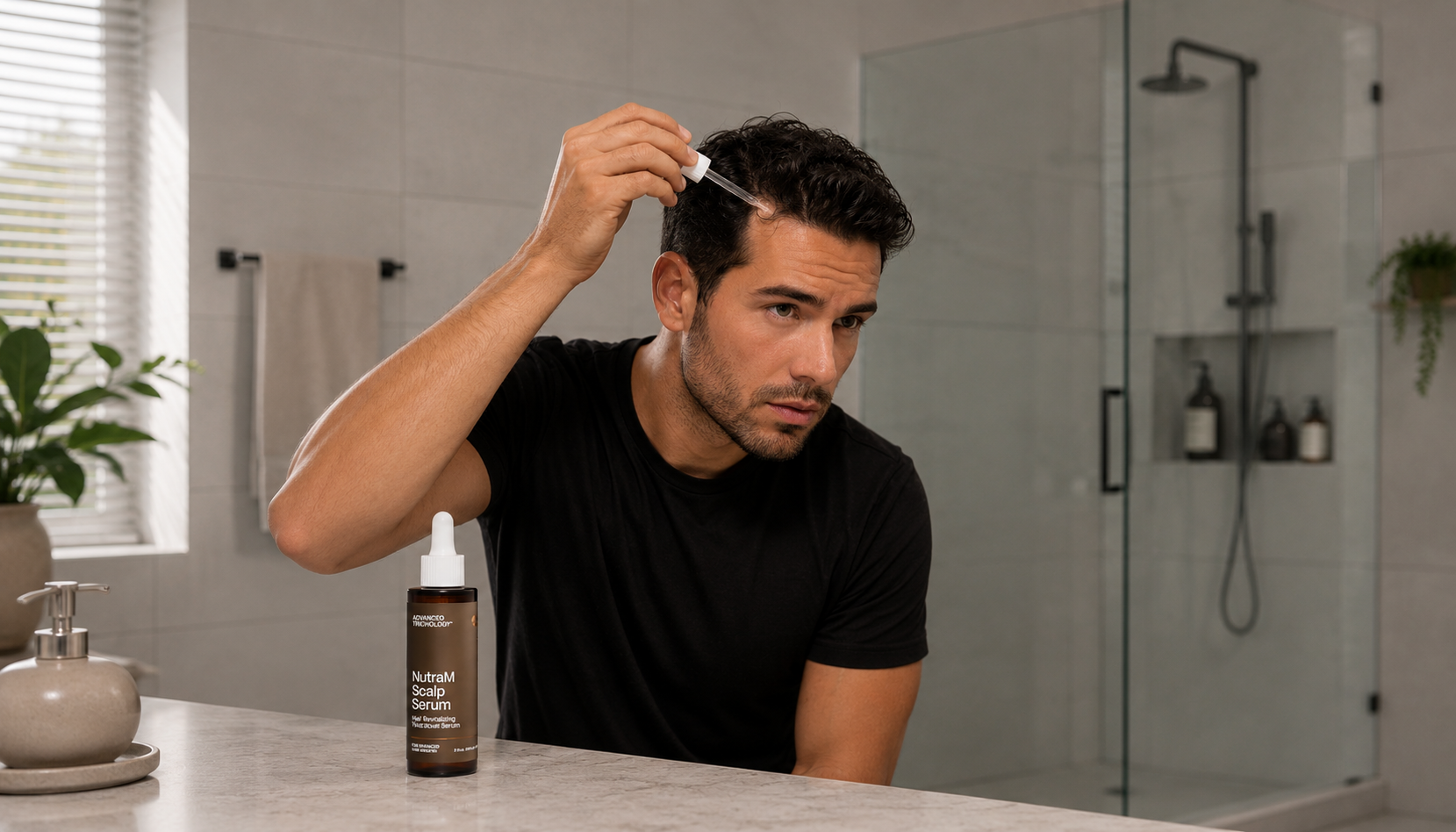
How We Use It at NHLMA At NHLMA, topical melatonin is part of how we approach hair loss from the ground up. We do not recommend it as a standalone fix, and it is not a substitute for understanding why your hair is thinning in the first place. But as a daily at-home treatment within a broader plan, it consistently plays a supportive role. We carry the NutraM Melatonin Topical Hair Growth Serum because it delivers melatonin in a lightweight, non-greasy formula that absorbs easily and works for all hair types. In a consumer survey of 128 users, 83% noticed hair regrowth and 85% noticed reduced shedding with consistent daily use. For patients in active treatment with us, topical melatonin pairs well with clinical therapies like PRF, exosomes, and our methylene blue protocols. Each addresses a different piece of the biology behind hair loss, and melatonin fills a specific role in keeping the growth cycle active between sessions. Who Is This Right For? Topical melatonin is one of the more broadly applicable tools in hair restoration because it works through pathways that are relevant across many different causes of hair loss. It is worth considering if you are dealing with androgenetic alopecia, diffuse thinning, stress-related shedding, or hair loss that has worsened with age. It is not a replacement for addressing hormonal imbalances, nutritional deficiencies, or other root causes. And if you have significant or long-standing hair loss, daily topical melatonin on its own is unlikely to reverse it without additional clinical support. The best starting point for most people is consistent daily use of a topical melatonin serum while also getting clarity on what is actually driving their hair loss. That combination of at-home support and clinical understanding is what produces the most lasting results. Source link

Coegin Pharma Releases Follicopeptide Gel
Update: June 17, 2026 Coegin to Launch VEXIENNE® Hair Active X™ powered by Follicopeptide® Coegin Pharma just announced that it had entered into a distribution agreement with LYKO (Sweden), a leading beauty retailer in the Nordic region. LYKO will launch and distribute the first Follicopeptide®-based product under Coegin’s VEXIENNE® brand. It is called VEXIENNE® Hair Active X™ and is meant to treat thinning hair. The planned commercial launch is expected in July 2026. Apparently, a “strategic launch” of this product already occurred earlier this year. Also of interest, Harklinikken (Denmark) undertook a small 16-week customer panel evaluation of hair loss patients at one of its clinics who used both Follicopeptide gel serum and a specially made Hårklinikken serum. The self-reported anecdotal results were favorable. The two companies are preparing for a broader commercial roll-out of Follicopeptide gel serum under Hårklinikken’s own brand in the second half of 2026. Including across the latter’s many physical clinics in the US, Europe and the Middle East, and via online sales channels. Update: September 11, 2025 Coegin’s Follicopeptide to be Released in Sweden in December 2025 True to its word, Coegin Pharma (Sweden) will release Follicopeptide in Sweden in December 2025. It has partnered with premium grooming retailer Gents (Sweden) via a distribution agreement. The launch will occur via both Gents’ website and its flagship stores in Sweden. For a history of this osteopontin-derived peptide product, make sure to read all my past updates below; as well as my many past posts on Follicum (written between 2015 and 2021). The latter company first developed Follicopeptide (as FOL-005), before being acquired by Coegin in 2022. Follicopeptide represents yet another very unique hair loss cosmetic product released in the past several years after Sirnagen’s CosmeRNA; Kintor’s KX-826; and Bosley plus Yuva Bioscience’s Revive+ Densifying Foam. Update: May 9, 2025 Coegin Pharma has released a Question & Answer section on its website based on people’s questions regarding Follicopeptide (for hair growth) and NPP-4 (for skin tanning). The former is planned to be launched in Europe as a cosmetic by the end of 2025. Follicopeptide is the name for FOL-005, which was originally developed by Follicum (acquired by Coegin in 2022). Key quote with some language modification by me: “In a large study, once per day application of Follicopeptide led to an average increase of 7-12 new hairs per cm2 after four months. Over 70% of users responding positively to treatment.“ Note that this average of 9.5 hairs per cm2 is higher than the 6.6 hairs per cm2 obtained in Follicum’s Phase 2 trial results for FOL-005 in 2021. Coegin Follicopeptide. Mockup image of potential future products from Coegin’s Twitter account. Update: September 24, 2024 Partnership with Scandinavian Biolabs Coegin Pharmahas has signed a joint development agreement with Scandinavian Biolabs to develop a portfolio of products based on FOL-005 for hair growth. Initial product launch is expected in the second half of 2025. Scandinavian Biolabs already has a presence in the hair loss world via its Bio-Pilixin hair strength shampoo, conditioner and hair activation serum. Update: September 11, 2024 Follicopeptide Coegin Pharma’s International Nomenclature of Cosmetic Ingredients (INCI) application for FOL-005 was approved at the end of May 2024. The hair loss cosmetic gel will be called FollicopeptideTM and is being prepared for a global launch. The key ingredient will be listed as “sh-Oligopeptide-128 SP”. For more details, see Coegin’s pipeline page. Per the company’s Twitter announcement image, they will produce a range of products containing Follicopeptide. Update: August 12, 2024 Hair and Skin Pigmentation Peptides Coegin Pharma has signed an agreement with the University of Bradford (UK) to commercialize groundbreaking hair and skin pigmentation peptides. Their goal is to release a topical self-tanning product based on the peptide NPP-4 as early as 2026. Update: October 25, 2023 Coegin to Release FOL005 Hair Growth Peptide Gel in 2025 Some major new updates since I wrote the summary earlier this year (see second half of this post). “After carefully analyzing the possibility of launching FOL005 as a cosmetic product line, we have come to the conclusion that it is an opportunity with great potential. This will minimize development risk, significantly reduce capital requirements and strengthen commercial opportunities in the short and long term. We have therefore revised our strategy and now aim to launch FOL005 as a cosmetic product series as early as 2025 with the USA as the first market.” It seems like CosmeRNA started a great new trend. No more prolonged clinical trials and failure to come to market. April 8, 2023 Follicum Past Clinical Trials I covered both of Follicum’s past clinical trial results in 2017 and 2021, respectively. In 2017, Follicum’s Phase 1 clinical trial results were released. They were deemed as positive (8 percent increase in hair growth), with an effect comparable to that of Minoxidil. Moreover, safety was not an issue, with no major side effects in trial participants. In 2021, Follicum’s Phase 2 clinical trials of FOL-005 came out. The topical compound resulted in a 6.6 hair/cm2 increase in hair growth, but this was deemed to be insignificant compared to placebo. Thereafter, the company ceased further development of FOL-005, and it all seemed over for yet another false flag operation. Or perhaps not? Merger and Acquisition by Coegin Pharma In September 2021, Coegin Pharma merged with Follicum. This merger was confirmed as an acquisition in 2022. In the first of the two links above, Coegin’s CEO Tore Duvold said something of interest in the interview: Question: “With regard to the hair loss project, which has recently been put on hold, how will it be handled once the companies merge”? Answer: “Follicum announced that they have paused the hair loss project. In Coegin, we have strong capabilities in dermatology, and we will review and analyze the results before we make any conclusions”. Follicum Back in the News In March, a Tweet from Coegin indicated that they were meeting with potential partners for Follicum’s FOL-005. Follicum was mentioned in February in an updated article
Can you Reverse Grey Hair? New Updates.
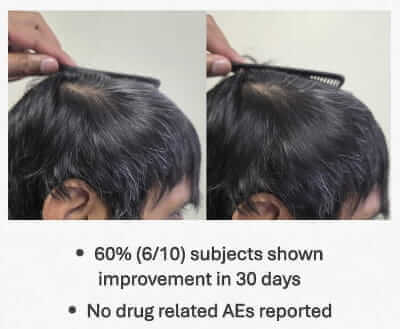
My original post on a grey hair cure that was first written in 2016 became way too lengthy due to the constant new updates. I am therefore moving all new updates from 2023 onward into this post. Update: June 2026 Rapamycin to Reduce Grey Hair In my May 22, 2023 update in this post, I discussed a US study that found that topically applied rapamycin (sirolimus) could reverse grey hair via mTORC1 inhibition. I also covered rapamycin in my post on autophagy. In recent years, the compound has been heavily researched for its anti-aging properties. Now we have yet another study with similar findings. At the 14th World Congress for Hair Research at the end of last month, Dr. Andy Goren made a presentation titled “Repigmentation of Grey Hair.” In it, he discussed a small 10-person proof of concept study for oral rapamycin as a potential treatment for early hair graying. The dosage was 0.5 mg every other day, and the male and female volunteers all had less than 30% grey hair. Of the 10 participants, 6 saw an improvement in grey hair within 30 days. Check out the 4 slides here for more details. Dr. Goren’s Instagram also has a related slide titled: “Fifty Shades of Grey. The Sirolimus Effect: Targeting mTOR Pathway in Premature Hair Greying.” Rapamycin and early-stage grey hair reduction. Source: Professor Andy Goren. Update: November 2025 An interesting new 10-person observational study found that exosome therapy may be a promising approach in inducing hair re-pigmentation. Update: April 2025 Targeting the prolactin receptor could restore hair pigmentation per a note on Absci’s website regarding its ABS-201 product. Upon further research, I found a 2006 study that mentions prolactin inducing cessation of pigmentation. In a podcast with Joe Rogan, the CEO of Colossal Biosciences Ben Lamm mentioned a new company spun out of Harvard that is developing a treatment to reverse grey hair. They deliver melanocyte stem cells and medications via microneedle patches. It is not clear which company he is talking about. Update: March 2025 Vasoactive intestinal peptide operates as a negative regulator of human hair follicle pigmentation. Update: February 25, 2024 Hormones and Hair Greying In a new German study titled “Endocrine Controls of Skin Aging“, one of the subjects covered is hair graying. According to lead author Markus Böhm, hormones may have therapeutic potential to prevent both skin wrinkling and hair greying. The researchers studied pivotal hormones that control skin aging, including insulin-like growth factor 1, growth hormone, estrogens, retinoids and melatonin. They also analyzed additional endocrine players, including α-melanocyte-stimulating hormone, members of the hypothalamic-pituitary-thyroid axis, oxytocin, endocannabinoids (found in CBD products) and peroxisome proliferator-activated receptor modulators. Update: February 6, 2025 A new Japanese study in mice found that luteolin (an antioxidant found in vegetables) may contribute to the prevention of hair graying. Actual study is here. Update: February 5, 2025 Phase 3 Clinical Trial for a Grey Hair Repigmentation Product In a bolt from the blue, a reader sent me a link to a Phase 3 clinical trial from Applied Biology in relation to a grey hair (canities) treatment called CS-001. The 240-person Phase 3 trial will begin on June 15, 2025 and end on June 15, 2027. Half the volunteers will be in the placebo group. CS-001 is described as a small molecule that: “Affects lysosomal storage and transfer of melanin from hair follicle melanocytes.” In vitro and a small pilot study already demonstrated re-pigmentation of grey hair following CS-001 application. I am not sure if they ever conducted Phase 1 or Phase 2 trials. It is also strange that while Applied Biology was sold in 2022, the company’s name and that of its CEO Dr. Andy Goren are still listed in the above clinical trial page link. Applied Biology developed a widely discussed minoxidil sulfotransferase enzyme booster hair growth product that I covered in detail. Grey Hair Reversal: Latest Updates Update: December 12, 2024 In a new Japanese study led by the renowned Junji Fukuda, researchers found that the knockdown of genes associated with melanosome production (Bcl2 and Mitf) and transport (MyoX, PAR2, and Rab11b) significantly increased the number of gray hairs in hair follicle organoids. This new organoid model allows for a better understanding of hair pigmentation, and potential screening of new grey hair reversal drugs. Update: August 2024 The University of Bradford (UK) and Coegin Pharma (Sweden) partnership will release various peptide based products to target skin and hair pigmentation. The first product to increase skin pigmentation (i.e., self-tanning) will likely come out in 2026. A new study finds that the bitter taste receptor TAS2R50 is a novel regulator of human scalp hair follicle pigmentation. One of the co-authors is Ralf Paus, and his company Cutaneon holds a patent (see number 7) for TAS2R50 and regulation of pigmentation. Update: July 30, 2024 Liposomal Nicotinamide Riboside and Pterostilbene Supplement for Grey Hair Reversal. Reader “Andy” just posted an interesting link regarding a patent for a new grey hair treatment that combines Pterostilbene and Nicotinamide. A popular supplement on Amazon that contains both Pterostilbene and Nicotinamide has one reviewer who said that it helped her friend with grey hair. Moreover, upon further research, I found the following encouraging 2-year old comment from a Subreddit on supplements: Grey Hair Reversal Supplement with Pterostilbene and Nicotinamide. Update: October 1, 2023 Can hair greying be prevented? Update: September 6, 2023 A new South Korean company named YJ Lab is raising funds to start a large-scale clinical trial for its unique melanin restoration technology. The company recently developed a regenerative material that restores the pigment of grey hair. It re-activates damaged melanocytes and removes active oxygen in order to restore hair color. It has already conducted successful internal trials. New grey hair reversal technology. Source: YJ Lab. Interestingly, YJ Lab is developing a specially made comb equipped with its refillable solution. Consumers can then conveniently apply this melanocyte regeneration material into the scalp. Update: August 28, 2023 Yet another detailed new study from China