Key takeaways:
- The FDA’s voluntary sodium reduction targets from 2021 failed to produce major effects.
- Only one specific food category, meat products, had lower sodium after the guidance was issued.
NATIONAL HARBOR, Md. — A voluntary sodium reduction target issued by the FDA in 2021 has not produced any major impacts, according to new data presented at the annual NUTRITION meeting.
Matti Marklund, PhD, an assistant professor in the department of international health at Johns Hopkins Bloomberg School of Public Health, told Healio that the findings are concerning and “suggest that voluntary targets alone are not enough. While it may not be entirely surprising, given the limitations of voluntary policies, we would have hoped to see at least some downward movement across new products introduced into the food supply.”

The FDA’s voluntary sodium reduction targets from 2021 failed to produce major effects. Image: Adobe Stock
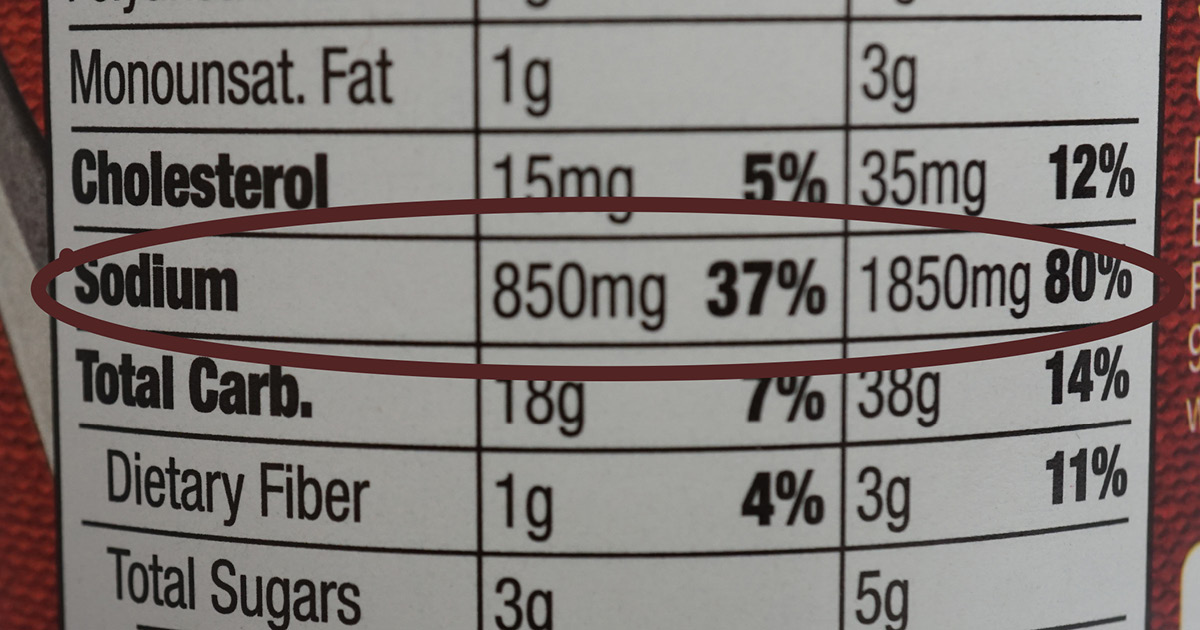
According to the CDC, Americans consume an average of over 3,300 mg of sodium daily, far above the American Heart Association’s recommended daily intake of 1,500 mg.
The FDA’s 2021 guidance had aimed to lower average daily sodium intake in the U.S. from around 3,400 mg to 3,000 mg daily over the course of the next 2.5 years.
Marklund and colleagues, using data from the Mintel Global New Product Database, determined the guidance’s impact by evaluating foods introduced between 2015 to 2025 across nine categories — meat products, sandwiches and wraps, potato snacks, popcorn, dry soups, wet soups, corn-based snacks, pizzas, and bread and bread products — identified as major drivers of dietary sodium consumption.
The researchers found that sodium content did not differ (mean difference = 1 mg/100 g; 95% CI, –16 to 13) between products introduced before and after the FDA’s guidance, according to the abstract.
They added that among individual categories, only meat products (mean difference = –78 mg/100 g; 95% CI, –111 to –46) had lower sodium content after the FDA guidance.
Four categories, including bread and bread products, dry soups, popcorn and corn-based products, even had higher sodium content after guidance was introduced, according to a press release from the American Society for Nutrition (ASN).
The release said that the study’s methodology, while being “well-suited for evaluating industry trends … does not capture the totality of all products on shelves and does not assess the sodium intake of individuals, which may help to show a more complete picture regarding the success of sodium reduction efforts.”
The FDA launched phase 2 voluntary sodium reduction targets in 2024 — aiming to lower average intake to 2,750 mg daily — and is expected to release a formal evaluation of its phase 1 targets sometime this year, ASN said.
Marklund told Healio that moving forward, “stronger approaches may be needed, such as mandatory sodium targets, clearer accountability mechanisms or other policy measures that create real incentives for manufacturers to meet sodium targets.
“Because most sodium comes from packaged and restaurant foods, meaningful progress will likely require policy approaches that go beyond voluntary guidance,” he said. “Individual behavior changes are helpful, but government policy to improve the food environment needs to happen if we want to reduce sodium intake at the population level.”
Marklund added that health care professionals “can help by counseling patients about the health risks of excess sodium, encouraging lower-sodium food choices, and emphasizing practical steps such as cooking more at home, relying less on packaged foods and reading Nutrition Facts labels carefully.”
Sources/Disclosures
Source:
Kusnadi K, et al. No apparent reduction in sodium content after 2021 issuance of FDA voluntary sodium reduction goals. Presented at: NUTRITION; July 25-28, 2026; National Harbor, Md.
References:
Disclosures:
Marklund and colleagues report no relevant financial disclosures.

Ask a clinical question and tap into Healio AI’s knowledge base.
- PubMed, enrolling/recruiting trials, guidelines
- Clinical Guidance, Healio CME, FDA news
- Healio’s exclusive daily news coverage of clinical data