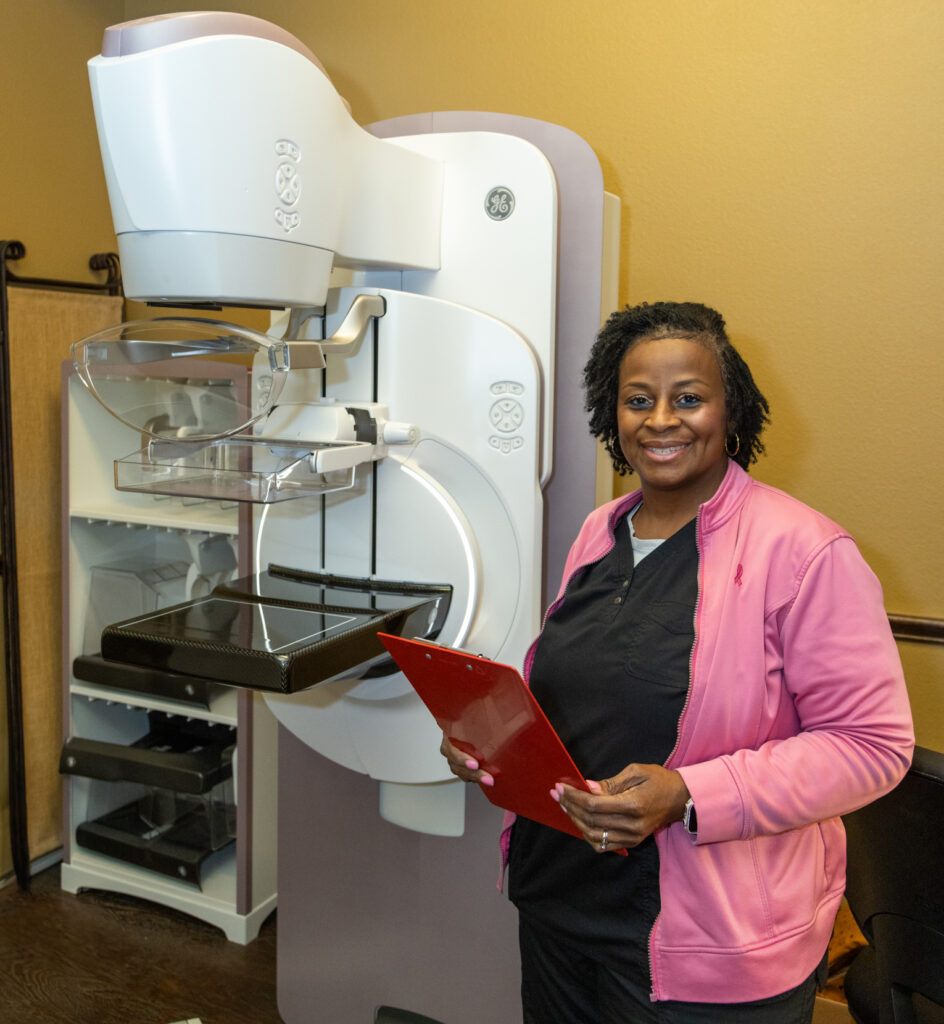
Breast cancer is one of the most common cancers among women, and knowing the facts can make a huge difference. In this post, we’ll explore the early signs, the importance of mammograms, advances in treatment, lifestyle changes that can reduce your risk, emotional support options, and how you can get involved during Breast Cancer Awareness Month. What Are the Early Signs and Symptoms of Breast Cancer? Catching breast cancer early is key to successful treatment. Some of the most common early signs include finding a lump in the breast or underarm. While not all lumps are cancerous, it’s crucial to have any unusual lump checked by a healthcare professional. Another sign is noticeable changes in breast size or shape. If one breast suddenly feels or looks different from the other, it’s important to take note. Nipple changes, such as inversion (where the nipple turns inward), unexpected discharge, or discomfort in the nipple area, may also signal an issue. Additionally, keep an eye out for changes in the skin on your breasts, such as dimpling, redness, or peeling. While breast cancer typically isn’t painful in the early stages, any persistent pain should also be brought to your doctor’s attention. Getting familiar with how your breasts usually look and feel and performing regular self-exams can help you notice any unusual changes early on. How Often Should Women Get Mammograms, and Why Are They Important? Mammograms are a critical tool for detecting breast cancer in its early stages, often before any symptoms arise. Most women should start getting annual mammograms at age 40. After age 55, women may choose to switch to mammograms every two years, depending on personal risk factors and discussions with their doctor. The reason mammograms are so important is that they can detect cancer when it’s most treatable, giving women more options and a better chance at recovery. Scheduling a mammogram is simple at our practice, and you can learn more about the process here: https://adriaticawomenshealth.com/services/mammography/. What’s New in Breast Cancer Treatment? Breast cancer treatments have come a long way, with new advancements making treatments more effective and personalized. One of the most exciting developments is targeted therapy, which focuses on attacking cancer cells while leaving healthy cells alone. Immunotherapy is another promising area, as it helps boost the immune system’s ability to recognize and fight cancer cells, especially in more aggressive forms of breast cancer like triple-negative breast cancer. Personalized medicine is also making a huge impact, as doctors can now tailor treatments to the specific makeup of an individual’s cancer, improving outcomes. Proton therapy, a newer form of radiation therapy, allows for more precise targeting of cancerous tissue, minimizing damage to surrounding healthy areas. These advancements are helping patients receive more effective treatments while reducing side effects. What Lifestyle Changes Can Lower the Risk of Developing Breast Cancer? While genetic factors are important, lifestyle choices also play a significant role in reducing breast cancer risk. Staying active is one of the best ways to lower your risk. Experts recommend aiming for at least 150 minutes of exercise each week. Maintaining a healthy weight is also crucial, particularly after menopause, as excess body fat can increase the risk of breast cancer. Limiting alcohol intake is another smart move, as even moderate drinking has been linked to a higher risk of breast cancer. Quitting smoking can reduce the risk of various cancers, including breast cancer, and is always a good health choice. For those who can, breastfeeding has been shown to lower the risk of breast cancer as well. Finally, if you’re considering hormone replacement therapy (HRT), discuss the risks and benefits with your doctor, as long-term use has been associated with an increased risk of breast cancer. By adopting these healthy lifestyle changes, women can take proactive steps toward lowering their breast cancer risk. What Emotional and Psychological Support Is Available for Breast Cancer Patients? Receiving a breast cancer diagnosis can be emotionally overwhelming, but there are many resources available to help. Counseling with a mental health professional can be incredibly beneficial, offering patients a safe space to talk about their feelings and learn coping strategies. Support groups, whether in person or online, allow patients to connect with others going through similar experiences, providing a sense of community and understanding. Additionally, mind-body practices like yoga, meditation, and mindfulness can help manage the stress and anxiety that often accompany a cancer diagnosis. Many cancer centers also offer patient navigators who can guide patients through treatment, helping to connect them with emotional and psychological support services. Emotional care is a vital part of the overall treatment process, and seeking help can improve both mental and physical well-being. How Can We Support Breast Cancer Awareness Month and the Women Impacted by This Disease? October is Breast Cancer Awareness Month, and there are plenty of ways to get involved and support those affected by breast cancer. One of the simplest ways to participate is by spreading awareness. Share information about the importance of early detection, mammograms, and healthy lifestyle choices with your friends, family, and social media networks. Participating in or donating to fundraising events, like charity walks or runs, is another great way to help raise money for breast cancer research and patient support services. Wearing pink during October is a small but meaningful gesture to show solidarity with those affected by breast cancer and to raise awareness in your community. On a more personal level, if you know someone going through breast cancer treatment, offering practical help, like running errands, cooking meals, or just being there to listen, can make a big difference in their day-to-day life. Finally, encourage the women in your life to schedule regular mammograms and stay informed about breast cancer prevention. By staying informed and taking action, we can all make a difference in the fight against breast cancer. Let’s work together to raise awareness, support those going through treatment, and push toward a future where breast cancer is a thing of the past.

Lipedematous Alopecia: Topical and Intralesional Steroids Still First Line — Donovan Hair Clinic
Lipedematous scalp is a rare cutaneous condition characterized by a boggy, thick, and spongy consistency of the scalp due to thickening of the subcutaneous adipose tissue. In these conditions, the overlying skin usually appears normal, though patients often report symptoms of pain, paresthesia, or a localized “pressure” sensation. When this structural thickening is accompanied by hair loss—the condition is termed lipedematous alopecia. The exact pathogenesis remains unclear, but it is hypothesized that the expanded fat layer may mechanically compress hair follicles or disrupt the dermal microenvironment necessary for healthy hair growth. Our New Study of Lipedematous Alopecia Highlights Areas of Treatment Success Our research team performed a systematic review of this challenging condition. We uncovered 33 patients in 23 studies. There were 19 patients with with lipedematous alopecia and 14 with lipedematous scalp. These studies highlight the limited but evolving treatment landscape. Most diagnoses relied on scalp biopsy. This study was led by the great work of the first author, Katya Peri, from McGill University medical school. Topical and intralesional steroids were among the most effective treatments for lipedematous alopecia, leading to complete responses in about 50 % of patients. The most effective systemic therapies were mycophenolate mofetil with more limited data for other treatments such as hydroxychloroquine and doxycycline. The full study is published in the International Journal of Dermatology. I congratulate all of our coauthors for their efforts to better understand this fascinating and very much underrecognized condition. Reference Peri K et al. Int J Dermatol 2026 Source link

An LLM powered day in the GI clinic and endoscopy suite
by Dr Yuri Gorelik (Frontline Gastroenterology Global Taskforce 2025-6) Since the introduction of ChatGPT 3.5 in November 2022, artificial intelligence (AI) and specifically large language models (LLMs) have been set to revolutionize our daily and work life. Multiple LLM based GI utilities have been developed and researched. In this blog post I will try to provide a mini review in the form of a description of a GI practitioner workday powered by such LLM based utilities and products. Many of the specific LLM applications and use-cases I mention below are discussed in Frontline Gastroenterology’s narrative review of generative AI in colorectal practice (Frontline Gastroenterology, 2025). Morning Clinic Upon arrival at the clinic all previous follow-ups and clinic referrals for the clinic patients on your list are already summarized by one of the multiple published tools for such tasks. Soon after, the patients start to come in, all history taking and patient communication is scribed by an LLM such as the Google health medical speech to text tools (Google cloud). This text is also transformed into a structured text with clinical terms and specific disease-centered classifications. In IBD, multiple sources of medical data (notes, endoscopy, imaging) contain abundant unstructured information and such tools showed high accuracy in the identification and structuring of these texts. The need for natural language processing of IBD patient data was previously highlighted in Frontline Gastroenterology’s review on AI in IBD (Frontline Gastroenterology, 2022). Finally, each clinic comes down to patient recommendations and these are derived with the assistance of multiple LLM based decision support tools that provide recommendations based on the summary of the structured visit in the context of the relevant guidelines. Such tools can be extremely useful across multiple fields of GI, often where guidelines are inconsistent or complex and where clinicians must integrate multiple data sources with the current patient’s clinical data. Even common clinic complaints such as functional dyspepsia require integrating multiple symptoms and clinical data for optimal work-up and treatment, as described in a recent Frontline Gastroenterology guidance (Frontline Gastroenterology, 2025). Care is extended as the patients leaves with a link to chatbots that can answer questions specific to his condition. Afternoon in the Endoscopy Suite On to the endoscopy suite. Your list allows open access endoscopy received from multiple referral sites. These referrals should be evaluated to decide on appropriate settings, medication management, and type of preparation. At your location the referrals are managed by an LLM based tool which already analyzed the referrals and identified the requested procedures, the indications, pre procedural medication management (anti-coagulants, GLP-1 receptor agonists, etc.) and type of bowel preparation. Patients who come in for a procedure are well informed since a chatbot already addressed multiple concerns and questions they had regarding their upcoming colonoscopy. Just like at the clinic, during colonoscopy, you narrate findings, while an AI tool transcribes the report with high accuracy, and as clinic notes these reports will include LLM generated, guidelines-based recommendations. The patient will get an automatically generated concise letter explaining the findings and forward recommendations. Of course, the entire endoscopy is AI powered with various pathology detection and diagnosis tools, but this is a subject for a different post. Prior to heading home, you can deidentify your clinic notes and endoscopy reports from the day to a research AI agent, which is provided by all large models to look up or summarize any patient specific evidence that was not covered in guidelines or large reviews and evaluate some additional possibilities for patients. Guideline preparation in gastroenterology was already shown to benefit from augmentation with LLM-powered systematic reviews (using deep research AI tools such as those provided by all the major LLMs). If you are in a hurry, you can convert the findings to an audio podcast, using tools such as NoteBookLLM, to listen to on your way home. In summary, AI and specifically LLMs are set to revolutionize and potentially improve every aspect of our daily work as gastroenterologists, and the possibilities keep expanding. Worth mentioning that LLMs can also enable us to perform research by providing statistical and epidemiological advice and implementation and empower us to create our own tools with models that can automatically convert your prompts to apps (see vibe coding). Now briefly go over the daily description above and consider “is a human gastroenterologist really needed here and where?”, and if you are thinking “clearly in the endoscopy part” then robotics also has some surprises coming. (Visited 227 times, 1 visits today) Source link

Long-Term Disability and Chronic Pain: What the Claims Process Often Misses
By Jennifer Hess and Samantha Wladich, Riemer Hess LLC Living with chronic pain usually means adapting—again and again. People adjust schedules, modify tasks, try new treatments, and push through symptoms over and over. Many continue working not because they are well, but because they are trying to hold things together. When work finally becomes unsustainable, the long-term disability (LTD) process can feel confusing and discouraging. Pain conditions are frequently misunderstood in insurance reviews, and the way claims are evaluated often fails to reflect what daily life with chronic pain actually looks like. This article offers a general, educational look at how long-term disability claims are commonly evaluated for people living with chronic pain—and why those claims can be so difficult. Important note: This article is for general educational purposes only. It is not legal advice and is not a substitute for guidance specific to an individual’s situation or insurance policy. Hear more from these experienced attorneys during a FREE webinar, “Preparing for Your Long-Term Disability Claim,” at 1 p.m. ET on Tuesday, March 10. Register today. Why Chronic Pain Disability Claims Are So Often Challenged One of the biggest problems in pain-related disability claims is that pain often does not behave the way insurers expect disability to behave. Chronic pain can: fluctuate worsen with activity improve briefly and then return limit endurance, not just strength Insurance reviews, however, often look for steady decline, clear-cut test results, or visible impairment. When those markers are missing or unclear, insurers may conclude—incorrectly—that someone is still able to work. This disconnect is one reason long-term disability claims involving chronic pain often face higher scrutiny. A Common Scenario: When Working Through Pain Stops Working Consider this example, which reflects a pattern many people with pain will recognize. A professional living with chronic spinal pain continues working while undergoing physical therapy, medication changes, and injections. At first, they shorten their workday and recover at night. Over time, therapy triggers flares instead of relief. Medication causes brain fog. Recovery stretches into the next day. Sleep deteriorates. From the outside, it looks like they are still “functioning.” On paper, treatment is ongoing. But behind the scenes, the effort required to work becomes unsustainable. When work finally stops, insurers often ask:Why now?Why stop work if treatment was ongoing? Without context, the timing can be misunderstood. Function Matters More Than Diagnosis in Long-Term Disability Claims In most long-term disability claims, the diagnosis itself is not the deciding factor. Insurers focus instead on function. For people living with chronic pain, that usually means questions like: How long can you sit, stand, or walk? How often do symptoms flare? What happens after physical or cognitive exertion? How much recovery time is needed? Can this be repeated day after day? Someone may be able to complete tasks in short bursts and still be unable to meet the demands of regular, full-time work. Disability evaluations do not always capture that distinction unless it is clearly documented. Why ‘Trying Harder’ Isn’t the Same as Capacity A recurring theme in pain-related claims is the assumption that effort equals ability. In reality, chronic pain often limits: duration frequency consistency recovery People may push through pain at work for many reasons—financial pressure, professional identity, fear of losing benefits. That effort can later be misread as proof that work was sustainable. Understanding the difference between what can be done briefly and what can be done reliably is central to understanding disability in chronic pain-related cases. Variability Is Normal in Chronic Pain — Not a Red Flag Many people with chronic pain have good days and bad days. That variability is often used against them. Insurance reviewers may interpret fluctuating symptoms as: inconsistency exaggeration improvement In reality, variability is often one of the defining features of chronic pain. Short periods of relief do not mean the condition has resolved, especially when those periods are followed by flares or prolonged recovery. Clear explanation of symptom patterns over time helps prevent this misunderstanding. Why Baseline Function Matters When Disability Follows Treatment For many people, disability does not begin at diagnosis, or at the onset of undiagnosed symptoms or pain. It begins later—after months or years of treatment attempts and symptom progression. A baseline helps show: what functioning looked like earlier how endurance declined how treatment affected symptoms over time This matters because insurers often assume that treatment leads to improvement. When work ends after treatment begins, baseline documentation helps explain that disability developed despite care, not because care was avoided. Objective Evidence and Chronic Pain: What Insurers Look For In the disability context, “objective evidence” generally means information beyond self-report alone, such as: imaging exam findings functional testing documented observations by providers This does not mean pain must show up clearly on a scan to be real. Many pain conditions do not lend themselves to definitive test results. Still, insurers often weigh claims more heavily when some objective support exists—especially when policies scrutinize conditions labeled as “subjective,” which is often the case for pain-related diagnoses. Objective evidence is most effective when paired with clinical explanation and functional context. Treatment Does Not Always Mean Recovery Many people living with chronic pain are deeply engaged in treatment long before disability becomes an issue. Insurers sometimes interpret continued treatment as proof that improvement should follow. In reality, chronic pain treatment often focuses on: management symptom reduction preventing decline Ongoing treatment does not guarantee restored work capacity. Modifying or stopping treatment can also be medically appropriate, particularly when side effects outweigh benefits or progress plateaus. The Question Disability Claims Are Really Asking: Sustainability Whether a policy applies an “own occupation” or “any occupation” standard, the real question is the same: Can this person work reliably and sustainably over time? For people living with chronic pain, the answer often hinges on endurance, recovery, and consistency—not whether isolated tasks are possible. Final Thoughts Long-term disability claims involving chronic pain are often difficult—not because pain is unclear or insignificant, but because the claims process does not easily account for

The connection between menopause and HIV
Women of all ages can get HIV — including those over 50 1 in 4 people living with HIV in the United States is a woman. More than 1 in 2 new HIV diagnoses are in people above age 50. Older women are more likely than younger women to be diagnosed at a late stage of the disease — possibly because they don’t know they’re at risk. Later diagnosis of the disease increases the risk of HIV-related illnesses and dying from the disease. How might menopause affect HIV risk? Women over 50 still have sex. In a recent study, 1 in 2 people over the age of 50 reported having sex in the last week. Since pregnancy is no longer an issue for post-menopausal women, they may not think about safe sex — or talk about it with their partners or providers. This means women may be less likely to use condoms to protect themselves from HIV and other sexually transmitted infections after menopause. But women in peri- and post-menopause may be extra vulnerable to HIV infection. Hormonal changes can cause vaginal thinning and dryness, leaving vaginal tissue prone to tearing — which increases the risk of HIV entering the body during sex. Some older women (and their healthcare providers) chalk health changes up to menopause when they could be something else For example, night sweats are a classic menopause symptom — but they’re also common in people with HIV. Preventing HIV through menopause and beyond You’re never too old to protect yourself from HIV. Start with these proactive steps: Use a condom if you’re not sure about your partner’s HIV status. Get tested for HIV. Ask your HCP about PrEP (pre-exposure prophylaxis), medication that can prevent HIV. This educational resource was created with support from Merck. Source link

Yoga for Pelvic Floor Relaxation
Estimated reading time: 4 minutes Did you practice yoga for pelvic floor relaxation? If you’re struggling with a hypertonic pelvic floor, relaxing yoga can help a lot. On our Pelvic Floor Dysfunction page, we the difference between a hypertonic (tight) and a hypotonic (lax) pelvic floor. Regardless of whether you have hypertonicity, hypotonicity or just a normally functioning pelvic floor, you can benefit from doing yoga for pelvic floor relaxation. Today, we have released a simple 10-minute yoga sequence for relaxing your pelvic floor. This video has music only, no talking, and it uses timers to let you know when you need to change position. There are no props needed to do this sequence, although as always, you can adapt your practice to suit your body and use props if you require them. Yoga for Pelvic Floor Relaxation Practicing yoga has many benefits, especially when it comes to your pelvic floor. One study1 concluded that “The practice of yoga causes a reduction in the pain intensity and improves the quality of life in patients with chronic pelvic pain”. The benefits are not just with pelvic pain. Studies into Bladder Pain Syndrome have shown improvements in bothersome symptoms form practicing yoga2. It’s not just pain conditions that benefit from yoga. Another study3 found improvements in Urinary Incontinence in women who practiced yoga. How Yoga Creates Balance In the Body Your connective tissue and muscles work together to help manage your movement. Every muscle has a job in the business of your body’s movement, and if you have muscles that are hypotonic or hypotonic, that can interrupt this business. Yoga allows you to gently stretch and strengthen muscles throughout your body without overloading your tissues. It allows muscles to come back to a balanced resting length, which has a very positive effect on the pelvic floor. Yoga also helps you to find some stillness and release the stresses of the day. If you do practice yoga, it is important to practice with compassion while listening to your body. Aggressively pushing yourself into a yoga pose can cause injury, so take it easy, move slowly and met your body where you find it. Props are always welcome in your practice, even if the teacher isn’t using them. Practice with some blankets, pillows or a bolster and yoga blocks, using them for support when you feel your body needs it. Speak with your doctor or pelvic floor physiotherapist before adding any exercise into your schedule and they can add some additional guidance based on your specific body and symptoms. Would You Like to Follow a Structured Program? If you are struggling with pelvic floor dysfunction, we have lots of options to help you as you work to come back into balance. From our YouTube videos to our 30-Day Challenge, there are lots of free options. If you would prefer a more comprehensive structured program to help you to overcome pelvic floor dysfunction, you can follow our Eight-Phase training which is detailed in full in the book Empower Your Flower. We also have the Eight Phase training available as an online course, which gives you access to premium areas in our community including weekly Zoom calls with Denise. The online training also gives you access to our new training courses (Overcoming Vaginismus launches March 18th 2022). If you could prefer 1:1 coaching, you can book a call with Denise from our teachable school. Above all, make sure that you take steps to deal with your pelvic floor dysfunction. Seek help rather than suffering in silence, and remember that if we all talk about pelvic floor dysfunction, we can break the taboo. References Saxena R, Gupta M, Shankar N, Jain S, Saxena A. Effects of yogic intervention on pain scores and quality of life in females with chronic pelvic pain. Int J Yoga. 2017 Jan-Apr;10(1):9-15. doi: 10.4103/0973-6131.186155. PMID: 28149062; PMCID: PMC5225749. Khandwala S, Cruff J. The Role of Yoga in the Management of Bladder Pain Syndrome: A Single-Arm Pilot Study. Adv Mind Body Med. 2020 Fall;34(4):4-9. PMID: 33186125. Huang AJ, Jenny HE, Chesney MA, Schembri M, Subak LL. A group-based yoga therapy intervention for urinary incontinence in women: a pilot randomized trial. Female Pelvic Med Reconstr Surg. 2014 May-Jun;20(3):147-54. doi: 10.1097/SPV.0000000000000072. PMID: 24763156; PMCID: PMC4310548. Source link

“Serendipity” in Hair Loss Research — Donovan Hair Clinic
“Serendipity” refers to the unexpected discovery of something valuable while searching for something entirely different. Throughout the history of medicine, chance observations have played a surprisingly powerful role in shaping some of our most important treatments. Even in an era increasingly dominated by so called “rational drug design”, serendipity continues to influence medical discovery. Minoxidil provides a classic example. The oral version of the drug was originally developed as a treatment for high blood pressure. However, physicians began noticing that most patients taking the medication developed increased hair growth. This unexpected observation ultimately led to its development as a treatment for androgenetic alopecia. Low-level laser therapy also emerged through unexpected observation. Early research exploring the effects of low-energy lasers in cancer studies found these technologies did not cause cancer but rather promoted wound healing and promoted hair growth! Perhaps the most famous example of serendipity in medicine is the discovery of penicillin. In 1928, Alexander Fleming observed that a mold contaminating one of his culture plates had killed the surrounding bacteria. This chance observation ultimately launched the antibiotic era. Today, many therapies are developed through careful molecular design and targeted drug development. Nevertheless, serendipity still plays an important role in medicine, reminding us that unexpected observations can still lead to transformative discoveries. An important lesson about serendipity is that chance discoveries rarely occur without a prepared and attentive mind. Unexpected observations appear in laboratories and clinics all the time, but they are often dismissed or overlooked. What makes serendipity powerful is the ability to recognize that something unusual is happening and to pause long enough to explore it. Serendipity, therefore, is not just luck—it requires curiosity, attentiveness, and a preparedness of mind. Will the next big breakthroughs in hair loss be by rationale design or will they be serendipitous discoveries? Source link

Vegan Headaches & Migraine – What You Need To Know
This post may contain affiliate links. Migraine Strong, as an Amazon Affiliate, makes a small percentage from qualified sales made through affiliate links at no cost to you. Many people adopt a vegan diet to improve their health, protect animals, or support the planet. But here’s a surprising twist — some of your favorite vegan foods might actually be triggering headaches or even full-blown migraine attacks. In this guide, you’ll learn: Common vegan food triggers for headaches and migraine. Why migraine is about more than just diet. How to make smart food swaps without giving up your plant-based lifestyle. As a registered dietitian who lives with migraine myself, I’m passionate about helping people use nutrition as a tool for migraine management. While there’s no single “migraine diet” that works for everyone, food changes can help many people reduce migraine frequency and intensity ** While Migraine Strong writes about the latest in migraine treatments, this is not medical advice. We are patient educators and all information you read should be discussed with your doctor. What is the vegan diet? A vegan diet eliminates all animal products — including meat, poultry, seafood, dairy, and eggs. Meals are typically made up of: Grains and legumes Nuts and seeds Fruits and vegetables #AD Are the vegan diet and the plant-based diet the same? It depends on who you talk to. While veganism is strictly defined, many people think of the plant-based diet as a bit looser. Vegan vs. Plant-Based: What’s the Difference? Vegan diet: Strictly avoids all animal-derived foods. Plant-based diet: Primarily plants, but may occasionally include animal products (like butter, cheese, or fish). Someone may consider themselves a plant-based eater if they use butter or enjoy Caesar salad dressing. Some may consider themselves a plant-based eater even if they steal a few bites of French toast from their kid’s plate or cannot resist ordering a spicy tuna roll when out to dinner. However, other strict vegans just prefer describing themselves as plant-based eaters. Yes, words are important but some use the terms interchangeably. What causes vegan headaches and migraine? The answer is complicated so let’s break it down. The root cause of migraine The root cause of migraine is genetic — your brain’s unique wiring makes you more sensitive to certain triggers. Food doesn’t cause migraine, but it can set off an attack if you’re already prone. Common triggers include stress, hormonal shifts, weather changes, bright light, fragrances — and yes, certain foods. The most common triggers typically cited are stress, weather, hormones, lighting, fragrances and, of course, certain foods. As a dietitian, I love the topic of food triggers as what we choose to put in our mouth is within our control. Professionally, not much makes me happier than helping someone experience an “Ah-ha!” moment when a hidden food trigger becomes the obvious culprit for the dreaded vegan headache. To be clear, food does not cause you to be prone to headaches or to have migraine disease. Food can be a trigger regardless of the way a person eats. Let’s take a closer look at possible reasons a person following a vegan diet may find themselves burdened with headache and/or migraine. The main vegan headache triggers First, it’s important to know that food triggers are unique to the individual. Some people are not triggered by foods. From years of experience in working with people living with migraine, I have found that many people have a small handful of food triggers. You should not read the below and assume you are triggered by all of these foods. Rather, there may be one or two foods that you’d be better off banishing from your life for a while. 1. Highly processed proteins People enjoying a plant-based diet usually look to the protein and fat to give the meal “staying power” and a sense of being satisfied. Plant-based smoothies, shakes and protein bars are very common for breakfast and between meals. Protein powders are often added to a delicious blend of fruits and veggies. The protein not only adds to the nutritional value, it gives the liquid more body and a more pleasing mouthfeel. When certain proteins go through the process of becoming convenient, palatable powders, they naturally become high in substances considered common migraine triggers. The process of pulverizing, liquifying, concentrating, “hydrolyzing” and preparing a marketable powder often makes the proteins into natural glutamate that is similar to MSG. The vegan headache can often be explained by natural glutamate. Fortunately, most people are not sensitive to MSG and natural glutamate. However, many people prone to headaches and migraine episodes cannot tolerate highly processed proteins. The migraine brain is different than the typical brain. Professionally, it has given me great pleasure when merely pointing out this single, common vegan headache trigger and helping someone find lasting relief. Later I will discuss some options for those of you reading this and wondering how to replace your favorite vegan protein powder. 2. Umami ingredients Umami is its own category of taste. It’s often described as a meaty, savory, rich flavor. It’s glutamates like MSG and other naturally-occurring MSG-like components that seem to “wake up the flavor” of many foods and give them a boost. Some Asian cuisines endeavor to develop rich umami by adding fermented soy products like miso or soy sauce. These foods are delicious and satisfying in many vegan meals but can trigger the dreaded headache or full migraine attack. 3. Nuts and legumes It’s enough to make a dietitian cry. Certain wholesome, delicious, unprocessed nuts, peanuts and legumes are considered common migraine triggers. Nuts and legumes are typically key sources of protein in the vegan diet as they are nutrient-dense, portable and convenient. Additionally, they add a great deal of texture and flavor to meals and snacks. Toasted, candied or spiced nuts are often the stars of favorite salads and pasta dishes. 4. Certain fruits and vegetables Onions, avocados, bananas and citrus are often key parts of vegan meals and snacks. Unfortunately, they

Infliximab, immunomodulator therapy lowers surgery risk in Crohn’s
Add topic to email alerts Receive an email when new articles are posted on Please provide your email address to receive an email when new articles are posted on . “ data-action=”subscribe”> Subscribe We were unable to process your request. Please try again later. If you continue to have this issue please contact customerservice@slackinc.com. Back to Healio Key takeaways: A “top-down” infliximab/immunomodulator therapy reduced long-term risk for abdominal surgery vs. a “step-up” approach in newly diagnosed Crohn’s. It also lowered risk for disease progression and hospitalization. CHICAGO — Early treatment with infliximab and an immunomodulator was associated with more than five times reduced risk for abdominal surgery at 5 years among patients with newly diagnosed Crohn’s disease, according to a presenter. Follow-up PROFILE trial data presented at Digestive Disease Week showed that early control of inflammation during a 48-week treatment period also lowered long-term risk for disease progression and hospitalization. Nurulamin “Nuru” Noor, MD, speaks at Digestive Disease Week. Image: Robert Stott. “Historically, there has been a reluctance among some clinicians to use a ‘top-down’ approach due to potential concerns about overtreatment,” Nurulamin “Nuru” Noor, MD, clinical lecturer in gastroenterology at University of Cambridge, said at the presentation. “Over 5 years follow-up, we found no difference in safety outcomes between the two groups, either for serious infections or malignancies. “Patients receiving ‘top-down’ infliximab from diagnosis had a more than five times lower risk of Crohn’s disease-related abdominal surgery.” Prior data from the randomized, controlled PROFILE trial showed improved clinical outcomes at 48 weeks for patients who received the “top-down” therapy approach with infliximab and an immunomodulator compared with an accelerated “step-up” strategy, or conventional treatment. Noor and colleagues followed 386 participants for a median 5 years after the 48-week visit to evaluate whether early treatment can impact long-term outcomes of Crohn’s disease. They reviewed medical records for abdominal surgeries, hospital admissions and disease progression. Follow-up data were available for 358 patients (93%), of whom 182 received top-down therapy and 176 received step-up therapy. Analysis showed 28 Crohn’s-related abdominal surgeries were required among patients who received step-up therapy compared with six surgeries among those who received top-down therapy (adjusted HR = 5.23: 95% CI, 1.99-13.76). Time to surgery also was earlier in the step-up group. Patients who received top-down therapy were about 2.5 times less likely to experience disease progression and two times less likely to be hospitalized. “Our data suggest that the course of Crohn’s disease can be modified with therapy and this should be considered the standard of care,” Noor said. Published by: Sources/Disclosures Source: Noor N, et al. Profile trial 5-year disease modification outcomes. Presented at: Digestive Disease Week; May 2-5, 2026; Chicago. Disclosures: Noor reports educational or travel grants and/or speaker fees from AbbVie, Bristol Myers Squibb, Celltrion, Falk, Ferring, Johnson & Johnson, Eli Lilly and Co., Medfyle, Pfizer, Pharmacosmos, Spyre, Takeda and Tillotts Pharma. Please see the study for all other authors’ relevant financial disclosures. Ask a clinical question and tap into Healio AI’s knowledge base. PubMed, enrolling/recruiting trials, guidelines Clinical Guidance, Healio CME, FDA news Healio’s exclusive daily news coverage of clinical data Learn more Add topic to email alerts Receive an email when new articles are posted on Please provide your email address to receive an email when new articles are posted on . “ data-action=”subscribe”> Subscribe We were unable to process your request. Please try again later. If you continue to have this issue please contact customerservice@slackinc.com. Back to Healio Source link

La mejor defensa es un buen ataque: Aquí encontrarás porque deberías recibir una vacuna contra el VRS.
English + Infographic text Slide 2: VRS es la sigla del virus respiratorio sincitial. Es un virus común que causa infecciones en el pulmón y en las vías respiratorias. El VRS usualmente empieza a propagarse en el otoño y llega a su punto máximo en los meses invernales. Slide 3: La mayoría de personas experimentan síntomas moderados similares a los de la gripe y se recuperan en 1 o 2 semanas. Rinitis Congestión Tos Estornudos Sibilancia Fiebre Apetito reducido Slide 4: Pero algunas personas, especialmente bebés y adultos de edades avanzadas, pueden tener infecciones más graves y el VRS podría ser mortal. Las complicaciones que pueden causar dificultad para respirar incluyen: Infecciones de las vías respiratorias Bronquiolitis Neumonía Hipoxia (niveles bajos de oxígeno) Deshidratación Ataques cardíacos y accidentes cardiovasculares Slide 5: Puedes controlar los síntomas del VRS: Tomando antifebriles de venta sin receta Bebiendo muchos líquidos Descansando Si tienes hipertensión o si tomas medicamentos de venta con receta, asegúrate de hablar con tu proveedor de atención médica antes de tomar medicamentos de venta sin receta. Slide 6: El VRS puede empeorar trastornos pulmonares subyacentes tales como EPOC y asma. Las personas que tienen esos trastornos podrían requerir tratamientos para brotes si se contagian del VRS. Slide 7: Habla con tu proveedor de atención médica o ve a una sala de emergencias si: Tienes dificultad para respirar No puedes comer o beber Tienes dolor de pecho Slide 8: La prevención es la mejor medicina. Vacunarse es la mejor forma de protegerse de trastornos respiratorios graves. Slide 9: Las vacunas contra el VRS se recomiendan para: Bebés Adultos de 75 años o más Adultos entre las edades de 50 y 74 años que tienen un mayor riesgo de infecciones graves del VRS Slide 10: Logo Este recurso educativo se preparó con el apoyo de Moderna. Source link