

Add topic to email alerts Receive an email when new articles are posted on Please provide your email address to receive an email when new articles are posted on . “ data-action=”subscribe”> Subscribe We were unable to process your request. Please try again later. If you continue to have this issue please contact customerservice@slackinc.com. Back to Healio Key takeaways: Parenteral nutrition complications, especially infections and pain, remain a major burden in short bowel syndrome. Surveyed clinicians favored reduced time on reduced time on support over reduced volume. CHICAGO — For patients with short bowel syndrome, reduced time on parenteral support may mitigate burdens such as central line complications, fatigue and decreased quality of life, according to a survey of health care professionals. Results, presented at Digestive Disease Week, indicated that limiting the days per week and hours per day that patients spend receiving total parenteral nutrition (TPN) may benefit those with short bowel syndrome (SBS) reliant on this support. “Reducing the risks associated with parenteral support — especially central venous access complications — should be a primary focus in SBS management,” lead author Syed-Mohammed R. Jafri, MD, a gastroenterologist and transplant hepatologist at Henry Ford Health, told Healio. “While maintaining adequate nutrition remains essential, clinicians clearly prioritize interventions that decrease hospitalizations, improve safety and reduce treatment burden. “Even modest reductions in TPN use are considered meaningful and achievable clinical goals,” he continued. Jafri and colleagues conducted a noninterventional, cross-sectional online survey of health care professionals to evaluate perceptions of TPN-related complications, clinical burden and outcome priorities for new therapies. Researchers identified 336 health care professionals — 213 in Europe and 123 in the U.S. — who were actively managing at least one patient with SBS with a minimum 2 years of experience treating the condition. More than half of respondents were men (60.1%) and most were aged 40 to 59 years (69%). Among those surveyed, 42% were physicians, 23% were pharmacists and 18% were dietitians. Nearly half (45.2%) primarily practiced gastroenterology, 23.5% focused on clinical nutrition or nutritional support, and 17.3% specialized in internal medicine. According to results, common complications experienced by patients on TPN include central line infections (59.8%), fatigue (47.9%), central line pain (43.2%), stomach pain (40.5%), edema (37.5%) and thrombosis (29.5%) Central line infections (49.7%) and central line pain (44%) were identified as the most distressing complications for patients. Respondents cited concerns with central venous catheters (48.2%), reduction in quality of life (34.8%) and hepatotoxicity (32.4%) as key limitations of TPN. Top therapeutic priorities were reducing TPN days per week (46.4%) and hours per day (30.1%). Fewer respondents advocated for reducing TPN volume (11.3%). “Reducing the number of days on TPN directly decreases exposure to central venous catheters, thereby lowering the risk of infections, thrombosis and other complications,” Jafri said. “Shorter infusion times may also reduce metabolic strain and improve patient adherence and overall management feasibility.” Limiting TPN time could also ease the burden on caregivers, he added. The health care professionals also felt that reduced TPN dependence may improve quality of life (60.1%), result in fewer line infections (56%) and lower thrombosis risk (53.6%). “Less dependence on infusions could translate to decreased hospitalization rates and reduced health care utilization, which were key priorities for clinicians in the survey,” Jafri said. “Over time, this shift could move the management of SBS from a high-risk, resource-intensive model toward a more stable and sustainable approach.” For more information: Syed-Mohammed R. Jafri, MD, can be reached at gastroenterology@healio.com. Published by: Sources/Disclosures Source: Jafri SR, et al. Burden of total parenteral nutrition for patients with short bowel syndrome dependent on parenteral support: Healthcare professional perspectives on risks, limitations and treatment priorities. Presented at: Digestive Disease Week; May 2-5, 2026; Chicago. Disclosures: Jafri reports no relevant financial disclosures. Please see the study for all other authors’ relevant financial disclosures. Ask a clinical question and tap into Healio AI’s knowledge base. PubMed, enrolling/recruiting trials, guidelines Clinical Guidance, Healio CME, FDA news Healio’s exclusive daily news coverage of clinical data Learn more Add topic to email alerts Receive an email when new articles are posted on Please provide your email address to receive an email when new articles are posted on . “ data-action=”subscribe”> Subscribe We were unable to process your request. Please try again later. If you continue to have this issue please contact customerservice@slackinc.com. Back to Healio Source link

Migraine vs. Headache: Key Differences You Need to Know
If you’ve ever wondered “Is this just a headache or is it a migraine?” you’re not alone. Understanding the difference can be the first step toward finding effective relief. Before we dive in deep, here’s a look at what we’ll cover: Migraines are neurological conditions causing throbbing pain (usually on one side), nausea, and light sensitivity, while tension headaches typically cause dull pressure on both sides. Cluster headaches cause intense pain behind one eye with recurring “clusters” of attacks over weeks or months. Migraine pain is typically moderate to severe and can last 4-72 hours, while tension headaches are usually milder and shorter. Proper diagnosis is crucial as treatment approaches differ significantly between headache types. Interventional pain management offers specialized treatments beyond basic over-the-counter medications. Seeing a pain specialist is recommended if headaches frequently disrupt daily life or don’t respond to standard treatments What is the Difference Between Migraines and Headaches? Headache is a general term for pain in any region of the head, while migraine is a specific neurological condition with distinct characteristics beyond head pain. Let’s break down these differences: Tension Headaches: Most common headache type affecting up to 78% of the population Presents as a dull, aching sensation or pressure band around the head Usually affects both sides of the head Pain intensity is typically mild to moderate Duration ranges from 30 minutes to several days Rarely includes nausea or vomiting Triggers often include stress, poor posture, or eye strain Migraines: Neurological condition affecting approximately 12% of Americans Characterized by throbbing or pulsating pain, typically on one side of the head Pain intensity is moderate to severe, often debilitating Duration typically ranges from 4-72 hours if untreated Frequently includes nausea, vomiting, sensitivity to light and sound May feature visual disturbances or aura before the headache begins Can be hereditary with specific genetic components Cluster Headaches: Affects less than 1% of the population but considered one of the most painful conditions Causes excruciating pain behind one eye or on one side of the head Features short attacks (15-180 minutes) that occur in clusters for weeks or months Often includes eye tearing, nasal congestion, or swelling around the affected eye May cause restlessness during attacks (unlike migraines, which typically cause the desire to lie still) More common in men than women Understanding these differences is crucial for proper diagnosis and treatment, as approaches that work for tension headaches may be ineffective for migraines or cluster headaches. How Does Migraine Differ from Regular Headaches in Symptoms? The symptom profile is one of the clearest ways to distinguish between different headache types. Here’s a comparison of the most noticeable differences: Pain Location and Quality: Tension headaches: Bilateral (both sides), band-like pressure or tightness Migraines: Often unilateral (one side), throbbing or pulsating Cluster headaches: Strictly unilateral, centered behind one eye, described as burning or piercing Associated Symptoms: Tension headaches: Few if any additional symptoms beyond the head pain itself Migraines: Multiple associated symptoms including: Nausea or vomiting Sensitivity to light (photophobia) Sensitivity to sound (phonophobia) Dizziness or vertigo Visual disturbances (aura) in 25-30% of cases Difficulty concentrating Fatigue before, during, and after attacks Cluster headaches: Distinctive symptoms on the same side as the pain: Redness and tearing of the eye Drooping eyelid Nasal congestion or runny nose Facial sweating Restlessness and inability to sit still Phases and Progression: Tension headaches typically develop gradually without distinct phases Migraines often progress through four phases: 1. Prodrome: Subtle warning signs 1-2 days before (mood changes, food cravings, yawning) 2. Aura: Visual disturbances or sensory changes before or during headache (occurs in ~25% of patients) 3. Attack: The headache phase with intense pain and associated symptoms 4. Postdrome: Recovery phase with fatigue and difficulty concentrating These symptom differences help both patients and physicians determine what type of headache is occurring, which is essential for selecting the most appropriate treatment approach. Migraine vs Other Treatment Options Treatment approaches vary significantly between headache types: Tension Headache Treatment: Over-the-counter pain relievers (acetaminophen, ibuprofen, aspirin) Stress management techniques Improving sleep quality Physical therapy for neck tension Muscle relaxants in some cases Migraine Treatment: Acute treatments (taken during an attack): Migraine-specific medications (triptans, gepants) Anti-nausea medications NSAIDs or combination analgesics Preventive treatments (taken regularly to reduce frequency): Cluster Headache Treatment: High-flow oxygen therapy Triptans (injectable or nasal) Occipital nerve blocks Preventive medications (including calcium channel blockers, lithium, or corticosteroids) Sphenopalatine ganglion stimulation Who is a Good Candidate for Specialized Headache Treatment? You should consider consulting a pain specialist about your headaches if: Your headaches regularly interfere with work, family, or social activities Basic over-the-counter medications don’t provide adequate relief You’re taking pain relievers more than twice a week Your headache pattern has changed or worsened You experience neurological symptoms like weakness, numbness, or speech difficulties with your headaches Your headaches began after a head injury You’re over 50 and experiencing new headache symptoms You have other medical conditions that complicate headache management If headaches are impacting your quality of life, don’t suffer in silence. Contact Pain Specialists of America today to schedule a comprehensive evaluation. Our team will work with you to identify your specific headache type and develop a personalized treatment plan that addresses both immediate pain relief and long-term management. Life without limits is possible – we can help you find your path back to a life less restricted by headache pain. FAQ Section Q: Can a migraine be mistaken for a sinus headache? A: Yes, frequently. Studies show that up to 90% of people who think they have sinus headaches are actually experiencing migraines. True sinus headaches are rare and almost always occur with other sinus infection symptoms like fever and colored nasal discharge. Q: Are migraines genetic? A: There is a strong genetic component to migraines. If one parent has migraines, their child has about a 50% chance of developing them. If both parents have migraines, the risk increases to 75%. Q: How can I tell if my headache is dangerous? A: Seek immediate medical attention

HomeFitnessCode Walking Pads | GymBunny IE
HomeFitnessCode Ltd is a UK-registered fitness equipment company (Company #13114548) specializing in affordable HomeFitnessCode walking pads and under-desk treadmills. Founded in January 2021, the company operates from London but has Chinese ownership through Hongkong XZY Science And Technology Limited. The brand positions itself in the budget to mid-range segment, offering walking pads and treadmills between €149-€249. They’ve built a substantial customer base with over 7,000 reviews, with 85% of customers expressing satisfaction and saying they would purchase again. For detailed user experiences, check out our comprehensive HomeFitnessCode reviews. UK & Ireland Primary Markets ✓ Why Choose HomeFitnessCode HomeFitnessCode has established itself as Ireland’s go-to brand for affordable home fitness solutions. With over 7,000 satisfied customers and competitive pricing, they’ve made walking pads accessible to everyone. Their commitment to free shipping, 12-month warranty, and no-assembly convenience makes starting your fitness journey easier than ever. Source link

Ebola Outbreak 2026: What U.S. Families Need to Know & Watch Out For
The World Health Organization has declared the latest Ebola outbreak in the Democratic Republic of Congo and Uganda a public health emergency of international concern, and understandably, that headline alone sounds alarming. But for families in the United States, risk remains low. Let’s break down everything families need to know about the latest Ebola outbreak and how to stay safe as confirmed cases continue to rise. Right now, the outbreak is centered in a remote region of Central Africa, primarily in the DRC’s Ituri province, with a small number of cases reported in Uganda. As of May 19, 2026, there have been more than 500 suspected cases and over 130 suspected deaths linked to the outbreak. While the situation is indeed quite serious for the affected regions, families in the U.S. don’t necessarily need to panic. Learning a bit more about how Ebola works and is spread will hopefully put your mind at ease. Related story Adolescent Diabetes and Hypertension Are on the Rise. Here’s Why, and What Parents Can Do What Is Ebola? Ebola is a rare but severe disease caused by several viruses in the orthoebolaviruses family. The disease triggers a hemorrhagic fever, meaning it attacks the body’s blood vessels and impacts the body’s clotting abilities, often leading to extensive internal and external bleeding. How Does Ebola Spread Among Humans? Unlike airborne viruses, Ebola does not spread through casual everyday contact like walking past someone in the grocery store or sitting next to an infected person on the subway. According to the Centers for Disease Control and Prevention (CDC), Ebola can only spread through direct contact with bodily fluids from someone infected and showing symptoms. That includes direct contact with infected blood, vomit, saliva, sweat, urine, breast milk, and other fluids. A person can also become infected by touching contaminated objects like bedding, clothing, or medical equipment that has infected bodily fluids on it. Ebola transmission is mostly seen among healthcare workers or close friends and family treating infected patients or handling contaminated materials. The bodies of people who recently passed from Ebola are often the most contagious. The virus can remain at very high levels in the body after death, which is why traditional caregiving and burial practices can sometimes accelerate outbreaks. In some affected regions, family members often wash, prepare, or physically touch the body before burial, often without protective equipment. The close contact with infected people, combined with a lack of knowledge about how the disease acts and spreads, often accelerates outbreaks in these regions. Many outbreak regions face limited access to healthcare, shortages of protective medical supplies, underfunded hospitals, and gaps in public health education and training. In remote areas, it can take longer to identify cases, isolate sick patients, trace contacts, acquire medical supplies, and share accurate health information with communities. In the U.S., hospitals have strict infection-control protocols, trained medical staff, isolation units, and highly effective disease surveillance systems that help slow, and oftentimes prevent, the rapid spread often seen in more isolated regions of the world. What’s Different About This Outbreak? The current outbreak is tied to the rare Bundibugyo strain, first identified in 2007. This is only the third known outbreak involving this strain. One challenge is that there are currently no approved vaccines or treatments specifically designed for the Bundibugyo virus strain. Health officials are relying on rapid isolation, contact tracing, testing, and supportive hospital care to contain the spread. The World Health Organization says the outbreak does not currently meet the criteria for a pandemic emergency. Where Is the Current Ebola Outbreak Happening? Most cases have been identified in northeastern DRC, particularly in the Ituri province. Uganda also has confirmed cases, including one death in Kampala. Health officials are especially concerned because some infected people traveled between countries before being diagnosed, which raises the possibility of additional regional spread. The CDC also confirmed that an American doctor working in the DRC tested positive for Ebola, while several other Americans were exposed and are being transported to Germany for monitoring and treatment. Should Families In the U.S. Be Worried? At this point, experts say most Americans do not need to worry or change their daily routines. The CDC has also repeatedly stated that the risk to the United States remains low. Ebola is much harder to spread than respiratory illnesses like COVID or the flu because it requires direct exposure to infected bodily fluids. The U.S. has also already implemented additional travel precautions, including temporary restrictions for certain non-U.S. travelers coming from affected regions. For the average American family, this is definitely more of a “stay informed” situation than a “stock up and stay home” situation. What Are the Symptoms of Ebola? Symptoms of Ebola can appear anywhere from 2 to 21 days after exposure and often begin like many common illnesses. Early symptoms can include: Fever Fatigue Muscle Pain Headache Sore throat As the illness progresses, symptoms may include: Vomiting Diarrhea Stomach pain Unexplained bleeding or bruising That said, unless someone has recently traveled to an affected area or had direct exposure to an infected person, these symptoms are far more likely to be linked to something much more common, like allergies or a simple cold. How Deadly Is Ebola? Ebola can be extremely serious. Fatality rates in past outbreaks have ranged widely, from about 25% to 90%, depending on the strain and access to medical care and information. Historically, the Zaire strain has been the most deadly, with fatality rates reaching 90% when symptoms are left untreated. For the current Bundibugyo strain, experts estimate the fatality rate to be between 25% and 40%. Is There a Cure? Currently, there is no universal cure for Ebola. The FDA has approved specific monoclonal antibody treatments (Inmazeb and Ebanga) for the Zaire strain of the virus. For other strains and most general cases, treatment and management of infected patients rely entirely on supportive care, such as fluid replacement. What Is the U.S. Doing to Prevent Spread? The CDC says

How I Tried Functional Medicine to Ease my Migraine
Recently, I have been investigating my health through functional medicine to ease My Migraine Life. My health and illness are a journey, but it’s a method I’ve learned from. My life is very different from yours, but if you are interested in functional medicine, here is my experience. First, why did I decide to go to a functional medicine doctor? If you’ve followed along, you may have read that I go to a headache specialist for my migraine treatment. Additionally, I have taken an integrative approach and approach my health in all diretions. But even with “trying everything” and all the therapies I was doing, I just never feel great. So I decided to get to the root of the issue. Functional Medicine Functional medicine is an approach to healthcare that focuses on identifying and addressing the root causes of illness, rather than just treating symptoms. When it comes to migraine, functional medicine takes into account various factors that can contribute to their occurrence, including genetics, environmental triggers, lifestyle choices, and underlying health conditions. I sought out functional medicine to identify the underlying cause of my not feeling well. The cause of migraine is unknown and it was more to delve deeper into my health overall. My doctor utilized my health history, symptoms, conditions, previous testing, genetic testing, and the latest diagnostics, to form the best picture of my current health status as possible. By shifting the traditional disease-centered focus of medical practice to a more patient-centered approach, functional medicine addresses the whole person, not just an isolated set of symptoms. Once the underlying factors of my not feeling well are identified, treatment may be more effective. Strategies Used in Functional Medicine for Managing Migraine Comprehensive Evaluation First, I gave blood and urine to test for an array of ‘things.’ My functional medicine practitioner evaluated my medical history, lifestyle, diet, and environmental exposures to identify potential triggers and underlying factors contributing to my migraine disease. Personalized Treatment Once all my tests came back, I received an individualized treatment plan. The plan is based on my specific needs and triggers. Dietary Modifications Certain foods can trigger migraine in susceptible individuals. For me, a functional medicine approach involves identifying and eliminating trigger foods that my body showed intolerant to. I don’t have any allergies, per se, but the tests showed that I was extremely intolerant to foods I thought were “healthy for me.” I was excited to have a test that show how my body reacted instead of listening to common migraine foods that may be a problem for many but not for me. And the same goes for foods that I thought were ‘migraine friendly’ but not for me. Having specific foods to avoid or add was helpful. Nutritional Support Supplementation with specific nutrients may be recommended to address deficiencies or imbalances that could contribute to migraine. For example, magnesium, riboflavin (vitamin B2), and coenzyme Q10 are commonly used supplements for migraine attack prevention. The nutrient analysis, I took, evaluated a variety of antioxidants, vitamins, minerals, fatty acids, and other biomarkers to determine nutritional deficiencies and imbalances. My doctor was able to see what supplements I needed and what I was taking to get rid of them. Turns out, my vitamin brand had toxins in it that I was reacting to. My vitamins?! So I went on a cleaner brand and learned that all vitamins are not created equal. Gut Health Next, I took a urine analysis to help pinpoint the causes of gastrointestinal symptoms and chronic systemic conditions. It measured key markers of digestion, absorption, and inflammation. This can also include bacteriology, yeast cultures, and can include infectious pathogens, and antimicrobial susceptibility testing. Let’s just say, I have some gut issues. The brain-gut connection has always been one of my biggest struggles and my tests showed all sorts of issues in my gut. I was told I have candida overgrowth and other issues I tried to understand. This was an explanation of why I crave sugar and carbs intensely! I always thought it was an addiction to sugar plus a migraine symptom but learned that on top of that, the candida thrives off these things and makes cravings intolerable. The gut contains more than 70% of the immune system and is often called the second brain. It is worth looking into and being cared for. Longstanding gut infections are also a possible culprit for head pain. Harmful bacteria in the gastrointestinal system, whether in the stomach or small or large intestines, can produce toxic waste products that can travel to the head and nerves, triggering severe pain and brain fog symptoms.-Dr. Brian Lum Food Sensitivity My food sensitivity test wasn’t off the charts but was very telling. You know that old saying, “Eat a handful of almonds and it’s like taking a Tylenol.” Well, not if you are severely intolerant to almonds! I had been thinking I was being healthy by eating plant-based and came to understand that I’m very intolerant to many plants. This was the reason I came to a functional medicine doctor for my migraine. I wanted to know exactly what was and wasn’t working for MY body. Not the general advice that is given to all. My body is unique and these tests helped me understand what I was lacking and what I needed to cut back on. Detoxification The next step was to lower my exposure to toxins. She discussed lowering EMFs (Electric and magnetic fields). I learned that EMFs are associated with the use of electrical power and various forms of natural and man-made lighting. Lighting, I address with green light and glasses, and use little light around the house. But what I hadn’t thought about was my technology. My doctor had me make switches in my home like keeping my phone and watch away from my nightstand when I sleep and getting a protective device for my wifi. She even mentioned sitting my computer on my lap while I work and how bad that
Peptides promise a shortcut — medicine doesn’t work that way
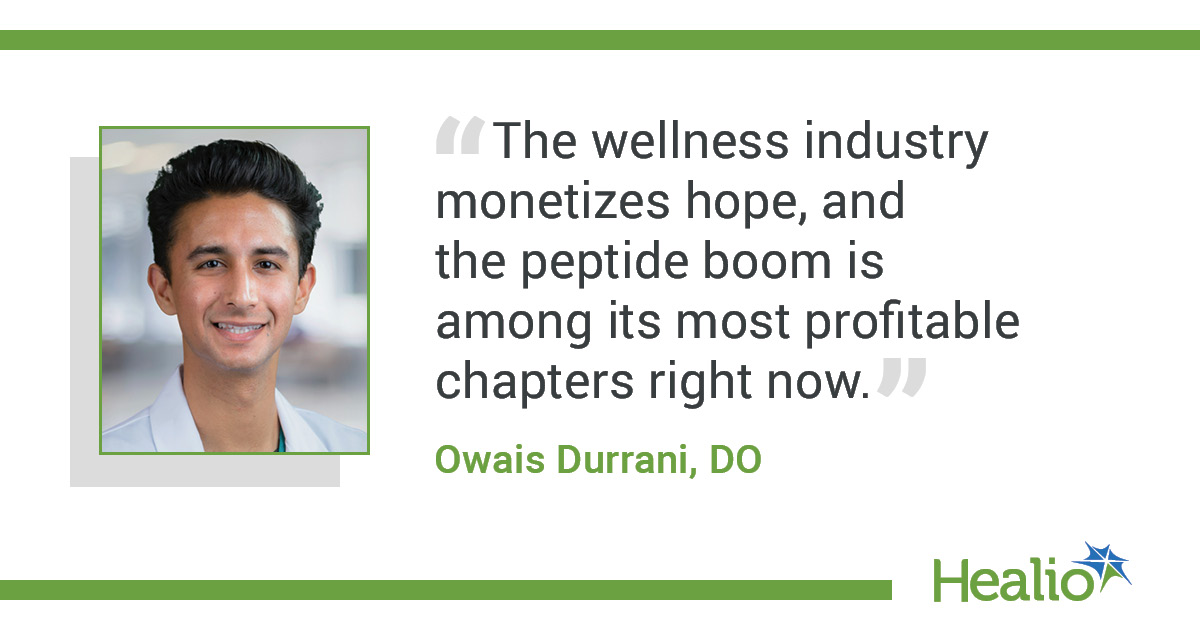
Add topic to email alerts Receive an email when new articles are posted on Please provide your email address to receive an email when new articles are posted on . “ data-action=”subscribe”> Subscribe We were unable to process your request. Please try again later. If you continue to have this issue please contact customerservice@slackinc.com. Back to Healio Key takeaways: Peptides are often marketed for tissue repair, inflammation, gut health and injury recovery. Although it is a promising area of medical research, there are real risks to using peptides without safeguards. There is a version of this story that ends well. A class of molecules with genuine biological potential, freed from bureaucratic delay, reaches patients who need them, backed by solid science and honest clinical data. That version requires patience, rigor and transparency. What we have instead is something messier: a multi-billion-dollar market, a gray zone of unregulated suppliers, a regulatory system under political pressure, and real people spending real money on compounds that, for most of them, will produce nothing at all. For some, the cost will be far greater than their credit card statement. Let me be clear about what peptides actually are before we talk about what the wellness industry has turned them into. Peptides are short chains of amino acids, the same building blocks that make up the proteins running virtually every function in your body. Your body already makes millions of them. They regulate hormones, signal immune responses and help coordinate tissue repair. Some of the most transformative drugs in modern medicine are peptides. Insulin is a peptide. So is semaglutide, the active ingredient in Ozempic (Novo Nordisk) and Wegovy (Novo Nordisk), which has genuinely reshaped how we treat obesity and diabetes. The science of peptides is real, serious and worth pursuing. That legitimate foundation is precisely what the hype machine is exploiting. How we got here The acceleration runs parallel to the GLP-1 moment. Ozempic’s rise as a cultural phenomenon did something unintentional: it handed the broader peptide space a coat of credibility it has not earned. If one peptide can produce such dramatic results, the thinking goes, what else might be possible? Influencers, biohackers and longevity entrepreneurs are rushing to fill the gap between that question and a real scientific answer. Compounds with names that sound like NASA spacecraft, BPC-157, TB-500, ipamorelin and MOTS-c, appear in TikTok testimonials, Reddit threads and targeted Instagram ads daily. The social media environment rewards the most enthusiastic claims, not the most careful ones. According to independent market analysis, consumer searches for “cost of peptide therapy” have surged by 300% between April 2025 and April 2026 alone, which is not a sign of casual curiosity so much as a purchasing funnel moving at speed. The global peptide supplements market, currently valued at over $4 billion, is projected to nearly triple by 2035. Behind those numbers are patients, not clinical trial participants. People paying out of pocket, often without a physician’s guidance, for compounds whose effects in humans remain largely unknown. The culture around peptide use is particularly visible in Silicon Valley, where a certain brand of techno-optimism is colliding with a deep distrust of regulatory institutions in real time. The argument goes roughly like this: the FDA moves too slowly, drug companies won’t fund trials for compounds they can’t patent, and a community of smart, data-minded individuals can run their own experiments. It is a seductive argument, and also a dangerously incomplete one. What the evidence actually says Take BPC-157, arguably the most hyped compound in the current peptide boom. It is marketed everywhere for tissue repair, inflammation, gut health and injury recovery. The preclinical literature is genuinely interesting, with animal studies showing regenerative properties that make theoretical sense. As of early 2026, however, only three published human studies exist, all of them small pilot studies with no placebo controls. The largest human trial ever attempted, a phase 1 study with 42 volunteers, was canceled in 2016 and never published results, leaving fewer than 30 people studied in any formal published human research on this compound. The FDA places BPC-157 on its list of bulk drug substances that may present significant safety risks, citing insufficient evidence alongside concerns about cancer promotion, liver toxicity and immune reactions. The compound is also banned by international sports authorities as a doping substance, none of which has stopped it from becoming one of the most widely-injected, gray-market compounds in the country. The absence of human data is not a technicality; it is the whole point. When you take a compound that has only been tested in rodents and inject it into yourself, you are not being a citizen scientist, you are serving as a trial participant with no institutional review board, no dosing protocol, no adverse event monitoring and limited to no follow-up. The dose that helps in a rat study may be ineffective or harmful in a human, and a compound that reduces inflammation in one tissue can, in theory, accelerate growth in another, including precancerous tissue. We do not know the long-term organ effects, the interaction profiles or what people are actually buying. That last point matters more than most people realize. Much of what is sold online arrives labeled “for research use only,” a legal fiction that does nothing to protect the person injecting it. A 2024 study published in Journal of Medical Internet Research that tested peptides purchased from illegal online pharmacies found endotoxins present in every sample tested, with purity rates measured as low as 7.7% to 14.37% against a labeled claim of 99%, and active ingredient content exceeding labeled amounts by nearly 40% in some cases. The regulatory moment we are in The federal government is considering changes to how these compounds are regulated right now. Health Secretary Robert F. Kennedy Jr., a vocal advocate for peptide access, previewed action on the Joe Rogan podcast earlier this year. In April, the FDA announced

Everything You Need to Know About Peripheral Nerve Stimulation
Living with chronic pain can be a challenging and debilitating experience. It can affect our daily activities, diminish our quality of life, and limit our ability to fully engage with others. Fortunately, advancements in the medical field have paved the way for innovative solutions to alleviate chronic pain and improve overall well-being. For example, neuropathic pain is typically relieved by using antidepressant or anti-epileptic medication. However, alternative techniques like peripheral nerve stimulation (PNS) are proving to be more effective in alleviating chronic pain. PNS is emerging as a promising and innovative approach to combat chronic pain. Read on to learn more about this remarkable technique that provides relief to people suffering from chronic pain. How Does PNS Work? Peripheral nerve stimulators are medical devices that interrupt pain signals before they reach the brain. PNS involves a minimally invasive surgical procedure to strategically place a small electrical device near one of the affected peripheral nerves or under the skin in the region of pain. The electrode generates controlled electrical impulses directed toward the nerve transmitting the pain signals. By effectively overriding the pain signals, PNS helps to minimize their impact on the brain, providing significant relief from chronic pain. Pre-PNS Procedure Trial Process Patients who seek PNS treatment go through different evaluations and trials to assess if they are suitable candidates for this procedure. Here are some of the most common steps during a pre-trial process: Evaluation A pain management specialist thoroughly assesses patients to determine their eligibility and identify if they are suitable candidates for the procedure. Pre-Trial Assessment The patient undergoes imaging tests such as ultrasound to assess the peripheral nerves and surrounding tissues. In this stage, the specialist discusses the PNS surgical procedure, including risks and benefits. What to Expect During a PNS Surgery Prior to the surgery, you will meet with your surgeon to discuss the procedure in detail. This is an opportunity to address any questions or concerns you may have. You may also undergo certain medical tests and evaluations to ensure you are a suitable candidate for the surgery. During PNS surgery, patients are given a local anesthetic so they can remain awake to allow for precise assessment of the electrodes and ensure their accurate placement. Peripheral nerve and field stimulation is different from spinal cord stimulation as it places the electrode over the nerve in the specific pain area rather than on the spinal cord where the nerve originates. The procedure is conducted in two stages: Placing the Electrode Under the guidance of X-ray imaging, a neurosurgeon precisely positions an electrode over the targeted pain area. Throughout this stage, specialists conduct tests to determine if the patient feels the stimulation is in the correct location. After placing the electrode, patients undergo a testing period that typically lasts around a week. During this trial, patients assess the effectiveness of PNS and make an informed decision about their long-term treatment plan. Moving Towards a Permanent Solution If patients experience positive results and find significant pain relief during the trial period, they return to the operating room for the placement of a permanent implant. This implant ensures that the benefits of PSN can last on a long-term basis. Upon completion of the surgery, patients can expect a period of recovery and adjustment as they adjust to the stimulation and evaluate its impact on managing the pain. It’s essential to maintain open communication with your healthcare team throughout this journey to address any concerns and ensure that the treatment is tailored to your specific needs. Benefits of Peripheral Nerve Stimulation When it comes to managing chronic pain, PNS offers a range of benefits that can significantly improve the quality of life for individuals seeking relief. PNS also has a high success rate with immediate results in most cases. It’s important to have realistic expectations as this surgical procedure relieves the symptoms of chronic pain but does not represent a cure. Understanding the potential advantages of this treatment can empower patients to make informed decisions about their pain management journey. Here are some of the benefits of PNS: Significant Relief During the trial period, approximately two out of three patients can expect to experience substantial relief from their symptoms. This positive outcome often leads to the next step of receiving a permanent implant. In general, four of every 10 patients reported successful pain management with PNS. These numbers highlight the potential effectiveness of PNS in alleviating chronic pain. Non-Invasive Alternative PNS offers a non-invasive alternative to traditional pain management approaches. Unlike invasive surgeries that involve direct manipulation of the spinal cord, this technique focuses on placing the stimulating device directly over the affected nerve at the targeted pain area. This minimizes the need for extensive surgical procedures and reduces associated risks. Improved Function and Quality of Life By effectively blocking the pain signals from reaching the brain, peripheral nerve stimulation can significantly reduce pain intensity and frequency. This reduction in pain allows individuals to regain control over their lives, leading to improved physical function, enhanced mobility, and increased overall well-being. Engaging in daily activities that were once challenging or impossible becomes more achievable, enabling individuals to lead more fulfilling lives. Personalized Response PNS can be adjusted and personalized to meet the individual needs of each patient. The electrical impulses can be customized in terms of frequency, intensity, and duration, allowing for personalized pain management strategies tailored to specific conditions and pain thresholds. This adaptability ensures that patients can optimize their treatment and achieve the best possible outcomes. Adjunct to Other Treatments PNS can complement other pain management strategies, such as medication and physical therapy. It can be used in addition to these approaches to optimize pain relief and enhance overall outcomes. The flexibility and versatility of peripheral nerve stimulation make it a valuable tool in comprehensive pain management plans. With proper evaluation, realistic expectations, and expert guidance, patients can explore the potential benefits of this or other innovative treatment options and find a path toward a more pain-free

Paula Poundstone on the Healing Power of Humor
May is Mental Health Awareness Month. When comedian Paula Poundstone steps on stage, sporting one of her well-known zoot suits, she takes the microphone and does what she does best — make people laugh. What her audience may not realize, though, is that throughout her life, Poundstone has dealt with obsessive-compulsive disorder (OCD), a mental health condition that causes obsessive thoughts that lead to compulsions, and depression. Doing stand-up comedy is just one way she’s managed her conditions. Diagnosed with OCD Although Poundstone believes she may have had OCD as early as fourth grade, she was officially diagnosed about 25 years ago. “I would find someone I was obsessed with, and I would call that person a lot,” Poundstone said. “I also had repetitive thoughts. For example, my friend Martha was a staff member at a school I attended. All day long I would think, ‘Martha doesn’t like me.’ Eventually, I would ask Martha, and she would say, ‘That’s not how I feel.’ Then I’d feel this huge relief,” explained Poundstone. “But the second I’d hang up, I’d think, ‘Martha doesn’t like me.’ I would think it over and over and over again,” Poundstone said. After she was diagnosed by a mental health professional, Poundstone said that just knowing why she was having these types of obsessive thoughts helped her somewhat. She was prescribed a medication to help with her OCD, and she took it, but it introduced a whole new set of problems. “It was my fault because it said to be careful if you drink with this medication. I was being so careful, but I think that the two things interacted poorly,” she said. For Poundstone, mixing the medication with alcohol made her OCD worse. She ended up having a lot more symptoms than she’d had before. “I spent about a day or two where I felt like I had to walk like a knight in chess. I could go two steps forward, but then one step sideways. Packing to go on tour took forever. It was hellacious,” recalled Poundstone. When she stopped taking the medicine, her symptoms went away. Even though she no longer has OCD symptoms, she thinks they’re like a sleeping tiger that may come back one day. For people who don’t understand how OCD feels, she likes to reference the movie Close Encounters of the Third Kind. In one scene, the character Roy Neary, played by Richard Dreyfuss, begins to shape his mashed potatoes at dinner into the form of Devils Tower National Monument. His wife and kids are upset and crying. He says, “This is important. This means something.” “And no one else gets it. They had no idea what he was doing or talking about. Even if it did mean something, why did he need to make it out of mashed potatoes?” said Poundstone. His compulsion to make that shape is what OCD can feel like to some people. Dealing with depression Over the years, different therapists have diagnosed Poundstone with depression. “I think I’ve probably had it my whole life. I mean, it’s biochemical,” she said. She discovered what most helped her when she was working on a book called The Totally Unscientific Study of the Search for Human Happiness, which she published in 2017. “The purpose was to make jokes, but the premise was quite sincere. The whole premise was that I was doing experiments — things that I or other people thought would make me happy. Each chapter was a different experience.” The first one she did was the “Get Fit” experiment, where she introduced exercise into her life. Turns out, it’s exactly what worked for her. “Exercise is one of the things that causes that happy chemical release,” Poundstone said. When exercising, the body can release feel-good endorphins that may help with depression and anxiety. “I was so hoping it was going to turn out to be just sitting in a chair eating Doritos, but it isn’t,” said Poundstone. Because she knows it helps with depression, Poundstone walks any time she can. Whether it’s taking out her dog, to do chores or go to appointments, she walks. She also jumps on a pogo stick, and each day, she adds one jump. As of our interview, she was up to 55 jumps. Poundstone is talking about mental health — and people are listening On her podcast, “Nobody Listens to Paula Poundstone,” which just recorded its 400th episode, Poundstone often talks about mental health. “It’s important because ‘Nobody Listens to Paula Poundstone’ is your comedy field guide to life, and nearly everybody has some sort of mental health something,” she said. “I would say the challenge of a mental health problem is this feeling that, somehow, you’re the only one who has it, and that is just not true.” In addition to being comedy, Poundstone said that the podcast also has the backbone of real information, and she likes sharing things that she thinks are important for listeners to know. Poundstone also jokes about her mental health in her comedy routines, not only to help herself, but her audience as well. “Comedy is a coping mechanism that nature’s given us,” she said. “One of the things about comedy is there’s this kind of laugh that I call the ‘recognition laugh.’ That’s where people are laughing not because what you said is so terribly clever, but because they think, I have that. I do that. A lot of times, [the topics are] things that we don’t generally talk about — and mental health definitely falls into that category.” From Your Site Articles Related Articles Around the Web Source link

Ultimate Guide to Radiant Skin
Bonus: Get Monthly Personalized Facials Monthly personalized facials play a powerful role in managing both acne and signs of aging. Acne is often driven by inflammation, congestion, and imbalance within the skin barrier. Our customized facials focus on calming inflammation, regulating oil production, clearing pores, and supporting healthy cell turnover without compromising the skin’s integrity. For anti aging concerns, monthly custom facials or Hydrafacials help stimulate circulation, support collagen production, and improve skin texture and tone over time. By adjusting techniques and active ingredients each month, we can address fine lines, dullness, dehydration, and loss of firmness in a controlled, progressive way. Because skin is constantly changing, personalization is key. These facials allow our providers to respond to breakouts, hormonal shifts, seasonal changes, or post procedure needs in real time. They also enhance the results of treatments like microneedling, lasers, and injectables by keeping the skin balanced and resilient between visits. Think of monthly personalized facials as ongoing skin maintenance. They help prevent setbacks, support long term clarity and firmness, and keep your skin performing at its best. Source link
Hyperglycemia during acute pancreatitis raises diabetes risk
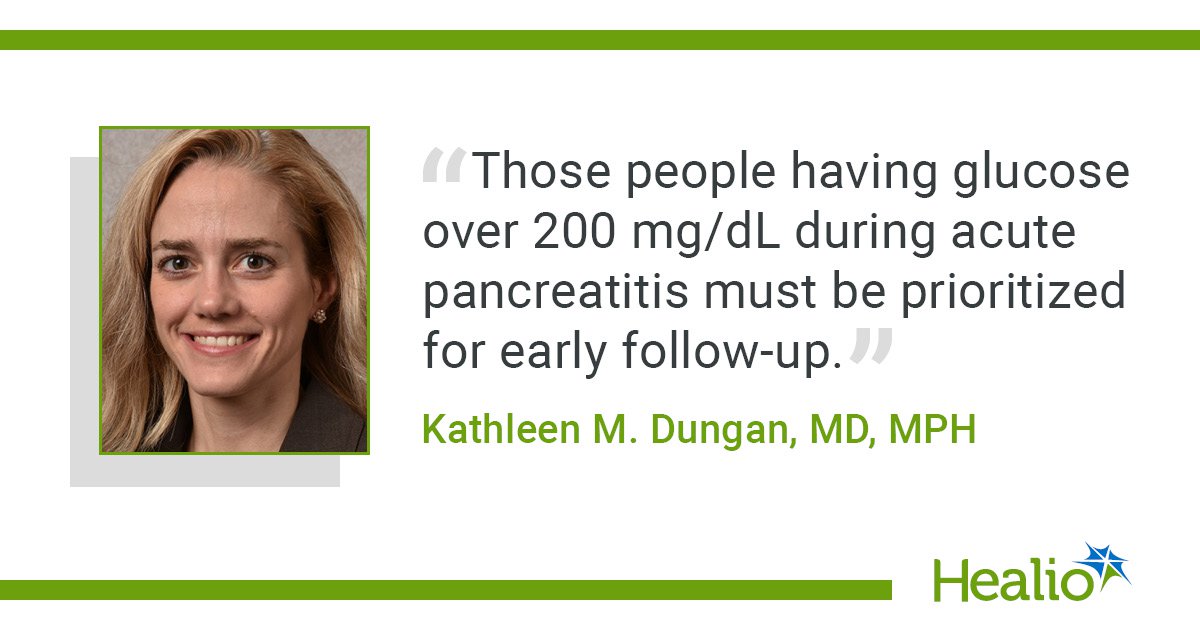
Add topic to email alerts Receive an email when new articles are posted on Please provide your email address to receive an email when new articles are posted on . “ data-action=”subscribe”> Subscribe We were unable to process your request. Please try again later. If you continue to have this issue please contact customerservice@slackinc.com. Back to Healio Key takeaways: Of adults with acute pancreatitis and glucose of more than 200 mg/dL during hospitalization, 42.9% developed diabetes. Adults with hyperglycemia during pancreatitis should be prioritized for diabetes screening. Adults who experience hyperglycemia while hospitalized with acute pancreatitis may be at risk for developing diabetes within a few months, according to findings published in Diabetes Care. As Healio previously reported, the National Institute of Diabetes and Digestive and Kidney Diseases formed the DREAM study, a prospective study aimed at assessing how acute pancreatitis may impact diabetes risk. The study enrolled 395 adults aged 18 to 75 years without preexisting diabetes hospitalized with acute pancreatitis. Glucose measurements during hospitalization were obtained from medical records. Diabetes diagnoses after acute pancreatitis were determined during an outpatient appointment approximately 3 months after hospitalization. Of the study group, 37.5% had hyperglycemia with glucose 140 mg/dL or higher during hospitalization, and 7.1% had hyperglycemia with glucose of 200 mg/dL or higher. During follow-up, 14.8% of those with hyperglycemia of at least 140 mg/dL were diagnosed with diabetes compared with 1.2% of adults who did not have glucose reach 140 mg/dL (P = .0001). Additionally, 42.9% of adults with hyperglycemia of at least 200 mg/dL were diagnosed with diabetes within a few months compared with 3.5% of those who did not have glucose levels reach 200 mg/dL (P = .0001). “The main [takeaway] is that health care providers should monitor their glucose during acute pancreatitis,” Frederico G. S. Toledo, MD, professor of medicine at University of Pittsburgh, told Healio. “If they see that blood sugar exceeds 200 mg/dL, they should be on alert.” Healio spoke with study investigators Toledo and Kathleen M. Dungan, MD, MPH, professor at The Ohio State University Wexner Medical Center, about the DREAM study, how health care professionals can use the findings to risk stratify adults with acute pancreatitis, and next steps for future research. Healio: Why was it so important to conduct the DREAM study? Dungan: Acute pancreatitis is probably the most common cause of pancreatic diabetes. Optimizing detection at an early stage could help us prioritize resources and implement preventive measures. We wanted to look at the hospital period or the acute illness period to assess whether hyperglycemia might constitute an important predictor. While stress hyperglycemia is a known risk factor for future development of diabetes and acute pancreatitis, it could have important prognostic implications because we’re talking about a potentially direct insult to the organ that’s producing insulin. Frederico G. S. Toledo Toledo: Everyone is familiar with type 1 and type 2 diabetes, but there are other types of diabetes out there with their own unique characteristics. One of them is diabetes that results from pancreatitis. This is a distinct form of diabetes, and it happens because pancreatitis is an inflammatory condition that can damage both the exocrine and the endocrine components of the pancreas, resulting in islet injury and islet loss. Consequently, if patients get acute pancreatitis, they may develop diabetes. It could be shortly after if the pancreatitis episode is severe enough, or it can happen later on, even years later. Healio: What is the take-home message of these preliminary findings? Toledo: The message is that hyperglycemia during an episode of acute pancreatitis has prognostic significance in identifying individuals at short-term risk for developing diabetes. The risk is particularly elevated when glucose exceeds 200 mg/dL, 42% of these patients will have diabetes within a few weeks or months. They either have diabetes onset concurrent with the pancreatitis episode, or will develop diabetes within a few weeks or months. These patients should be steered toward short-term outpatient follow-up care to test for diabetes and initiate treatment as needed. The other important message is that if the blood glucose exceeds 200 mg/dL during the episode of acute pancreatitis, this should not automatically lead to a diagnosis of diabetes at that time. We observed that 57% of these patients subsequently improved and did not have diabetes when comprehensively tested within a few months. Although hyperglycemia in this context indicates a high risk for diabetes, but it does not confirm the diagnosis. Instead of diagnosing at this time, arrange for outpatient clinic follow-up in 3 to 4 months to evaluate for diabetes at that time. Dungan: I agree that was the most important take-home message. At the same time, everyone needs follow-up because their long-term diabetes risk is high as far as we know from other studies. That’s what’s going to be studied with longer-term follow-up of this cohort as well. In terms of hyperglycemia during acute pancreatitis, it was relatively common, but it was more tied to the acuity of illness as opposed to strict traditional type 2 diabetes risk factors. Age is the only one of the classic risk factors that was a predictor. Healio: How can these findings be used to assist health care professionals in determining diabetes risk after acute pancreatitis? And what should health care professionals do to follow these patients more closely? Dungan: There are no standard expectations on what kinds of monitoring protocols should be done during the acute pancreatitis episode. These findings would argue that we should be monitoring at least at the frequency that was conducted at the clinical centers in the study. We should use the outcomes of this particular analysis to risk-stratify patients. Those people having glucose over 200 mg/dL during acute pancreatitis must be prioritized for early follow-up. Those who did not, you could safely delay. But again, people who don’t have hyperglycemia during acute pancreatitis still need follow-up and diabetes screening. This allows health care providers and