

Add topic to email alerts Receive an email when new articles are posted on Please provide your email address to receive an email when new articles are posted on . “ data-action=”subscribe”> Subscribe We were unable to process your request. Please try again later. If you continue to have this issue please contact customerservice@slackinc.com. Back to Healio Key takeaways: The FDA approved Bizengri for adults with advanced, metastatic or unresectable NRG1 fusion-positive cholangiocarcinoma. Bizengri is the seventh drug approved under the National Priority Voucher pilot program. The FDA has approved zenocutuzumab-zbco as the first drug for certain patients with a rare and aggressive bile duct cancer. Zenocutuzumab-zbco (Bizengri, Partner Therapeutics) received approval for adults with advanced, metastatic or unresectable neuregulin 1 (NRG1) fusion-positive cholangiocarcinoma who experience disease progression during or after previous systemic therapy. The FDA has approved the first drug for certain patients with a rare and aggressive bile duct cancer Zenocutuzumab-zbco is the seventh drug to receive approval under the National Priority Voucher (CNPV) pilot program. “Patients with this ultra-rare type of cancer desperately need new treatment options,” FDA Commissioner Marty Makary, MD, MPH, said in a press release. “Through the national priority voucher pilot program, the FDA is accelerating therapies for rare diseases with unmet medical needs, reviewing applications in significantly shortened timelines.” The FDA based its approval on a single-arm trial that included 19 patients with NRG1 fusion-positive cholangiocarcinoma. In that study, 36.8% of participants had an overall response, which lasted between 2.8 and 12.9 months. Serious adverse events associated with zenocutuzumab-zbco include infusion-related reactions, interstitial lung disease and pneumonitis, and left ventricular dysfunction. Other common adverse events include abdominal pain, constipation, diarrhea, dyspnea, edema, fatigue, musculoskeletal pain, nausea, rash, and vomiting. Published by: Sources/Disclosures Source: Press release Reference: Ask a clinical question and tap into Healio AI’s knowledge base. PubMed, enrolling/recruiting trials, guidelines Clinical Guidance, Healio CME, FDA news Healio’s exclusive daily news coverage of clinical data Learn more Add topic to email alerts Receive an email when new articles are posted on Please provide your email address to receive an email when new articles are posted on . “ data-action=”subscribe”> Subscribe We were unable to process your request. Please try again later. If you continue to have this issue please contact customerservice@slackinc.com. Back to Healio Source link

Outdoor Activities Without the Ache
Spring is the perfect time to get outside, soak up the sunshine, and enjoy the fresh air. But for those dealing with joint pain, the idea of outdoor exercise can seem daunting. Whether it’s arthritis, an old injury, or just general stiffness, discomfort shouldn’t keep you from being active. The good news? There are plenty of joint-friendly exercises that let you enjoy the beauty of spring without the ache. The Benefits of Low-Impact Outdoor Exercise Engaging in low-impact activities is one of the best ways to stay active while protecting your joints. Unlike high-impact exercises that put stress on your knees, hips, and shoulders, low-impact movements allow you to build strength, improve flexibility, and boost cardiovascular health without unnecessary strain. Exercising outdoors adds even more benefits. Natural sunlight provides a healthy dose of vitamin D, which supports bone health, while fresh air can enhance mood and energy levels. Plus, moving outside offers a change of scenery that makes workouts feel less like a chore and more like an enjoyable part of your day. The Ultimate Joint-Friendly Activity Walking is one of the easiest and most accessible exercises for people of all fitness levels. It’s a natural movement that helps lubricate the joints, strengthen muscles, and improve circulation—all without putting excessive pressure on your body. To make walking even more joint-friendly, consider choosing soft surfaces like grass, dirt trails, or a rubberized track instead of pavement. Walking poles can also provide extra support by distributing weight more evenly and reducing strain on your lower body. If you want to take your walk to the next level, try adding gentle intervals. Walking at a slightly faster pace for short bursts can help boost your endurance without increasing the impact on your joints. A Smooth Ride for Joint Health Cycling is another excellent way to enjoy the outdoors while being kind to your joints. Unlike running, which places repeated stress on your knees and ankles, biking allows for smooth, controlled movements that strengthen your leg muscles without pounding your joints. For the best joint-friendly experience, consider riding a bike with good suspension and proper seat positioning for proper comfort. A well-adjusted seat helps maintain proper knee alignment and prevents unnecessary strain. If you’re new to cycling or have balance concerns, try a recumbent bike, which offers extra back support and reduces pressure on your hips and knees. Whether you’re riding through a park, along a scenic trail, or around your neighborhood, cycling provides a great mix of exercise and exploration. A Weightless Workout When it comes to protecting your joints while getting a full-body workout, nothing beats exercising in water. Swimming provides a near-weightless environment, reducing stress on the joints while allowing for smooth, fluid movements. The resistance of the water also helps strengthen muscles without the need for heavy weights. If traditional swimming strokes feel too challenging, consider water aerobics or simply walking in the pool. Water walking engages the muscles while supporting your body weight, making it a great choice for those with arthritis or mobility concerns. Many community pools offer water exercise classes designed specifically for joint health, making it easy to get started. Gentle Movements for Flexibility and Strength For those who want to enhance flexibility, balance, and strength without stressing their joints, yoga and tai chi are excellent choices. Both practices focus on slow, controlled movements that promote joint mobility and overall well-being. Not all yoga and tai chi styles are the same, so it’s important to select one that prioritizes gentle movement. Hatha yoga and restorative yoga are ideal for beginners and those with joint pain, as they emphasize stretching and deep breathing rather than intense poses. Tai chi, often referred to as “meditation in motion,” involves slow, flowing movements that improve balance and coordination while being easy on the joints. Practicing yoga or tai chi in a park or garden can enhance the experience by allowing you to connect with nature while moving your body in a soothing, controlled way. Upper Body Strength Without the Strain For those who love being on the water, kayaking is a fantastic way to build upper body strength without putting excessive strain on the joints. The fluid paddling motion engages the arms, shoulders, and core while allowing you to explore lakes, rivers, or coastal areas. To keep kayaking joint-friendly, focus on using smooth, controlled strokes and try not to grip the paddle too tightly. Choosing a kayak with good back support can also help maintain proper posture and reduce strain on your spine and shoulders. Kayaking offers a unique blend of exercise and relaxation, making it a perfect springtime activity for those who enjoy the peacefulness of being on the water. Keeping Joints Happy with Stretching and Mobility Exercises No matter what outdoor activity you choose, incorporating gentle stretching and mobility exercises can help keep your joints feeling their best. Stretching before and after exercise helps maintain flexibility, reduces stiffness, and minimizes the risk of injury. Dynamic stretches, like leg swings or arm circles, are great for warming up before activity, while static stretches, such as seated hamstring stretches or shoulder stretches, can help cool down the muscles afterward. Taking a few minutes to stretch in a quiet outdoor space, whether it’s a local park or your own backyard, can also provide a mental reset, helping you feel more relaxed and refreshed. Adjusting Activities for Comfort One of the most important aspects of staying active with joint pain is listening to your body. While movement is beneficial for joint health, pushing through pain can do more harm than good. If an activity causes you discomfort, try modifying it or switching to something else that feels better. Hydration, proper footwear, and good posture all play big parts in keeping your joints healthy. Drinking enough water helps maintain joint lubrication, while supportive shoes with cushioned soles reduce impact. Maintaining good posture, whether walking, cycling, or practicing yoga, can make sure that your body moves efficiently and minimizes strain. At Pain Treatment

La conexión entre la diabetes y el cáncer pancreático
English El número de personas en Estados Unidos que tienen diabetes está aumentando y muchas personas ni siquiera saben que la tienen. Si la diabetes no se trata ni se controla puede causar complicaciones para tu corazón, riñones, ojos y muchos otros órganos. La diabetes también podría incrementar tu riesgo de desarrollar ciertos tipos de cáncer, incluyendo el cáncer pancreático. ¿Qué hace el páncreas? No puedes vivir sin tu páncreas. Es un órgano esencial que secreta enzimas digestivas para que tu cuerpo pueda descomponer los alimentos que comes. También secreta insulina y glucagón que controlan los niveles de glucosa (azúcar) en tu sangre. Si no tienes suficiente insulina en tu cuerpo o si no puedes usar la insulina que tienes apropiadamente, los niveles de azúcar en tu sangre aumentarán, lo cual causará diabetes. Tipos de diabetes Hay tres tipos de diabetes que se conocen comúnmente y un cuarto tipo que es menos conocido: Diabetes tipo 1. Tu páncreas no produce insulina o genera muy poca. El tipo 1 se solía conocer como diabetes juvenil o diabetes insulinodependiente. Diabetes tipo 2. Tu páncreas no produce suficiente insulina o tu cuerpo no la puede usar apropiadamente. El tipo 2 se solía denominar diabetes de inicio en la edad adulta o diabetes no insulinodependiente. Este es el tipo de diabetes que puede pasar sin diagnosticarse durante mucho tiempo. Diabetes gestacional. Este tipo de diabetes solo ocurre durante el embarazo y usualmente desaparece después del parto del bebé. Sin embargo, tener diabetes gestacional incrementa las probabilidades de desarrollar diabetes tipo 2 posteriormente. Diabetes tipo 3c. El tipo 3c lo causan daños del páncreas por trastornos tales como pancreatitis crónica, fibrosis quística o cáncer pancreático. ¿Qué es el cáncer pancreático? El cáncer pancreático afecta a las células de tu páncreas, más frecuentemente de los conductos. Es la tercera causa más importante de muertes relacionadas con cáncer porque usualmente se diagnóstica en etapas tardías cuando el cáncer se ha propagado a otras partes del cuerpo. Las etapas tempranas de cáncer pancreático no muestran señales ni síntomas, pero a veces los proveedores de atención médica lo encuentran por accidente durante pruebas de imagenología del páncreas o de zonas aledañas. Cuando un trastorno se identifica por accidente, eso se denomina un diagnóstico fortuito. ¿Cuál es la relación entre la diabetes y el cáncer pancreático? En lo que se refiere a la diabetes y al cáncer pancreático, los investigadores enfrentan la vieja pregunta de qué vino primero el huevo o la gallina. No están seguros de si la diabetes podría causar cáncer pancreático o si el cáncer pancreático podría causar diabetes. O si ambas opciones son válidas. Estudios han demostrado que hasta 2 de cada 3 personas tenían diabetes o prediabetes antes de recibir el diagnóstico de cáncer pancreático. Estos hallazgos podrían indicar que la diabetes juega un papel importante en el desarrollo de cáncer pancreático. Una teoría es que los niveles continuamente altos de azúcar en la sangre e inflamación a largo plazo en el páncreas de personas con diabetes tipo 2 aumentan el riesgo de cáncer pancreático. Pero, ¿podría pasar lo opuesto? Algunas personas desarrollan repentinamente diabetes sin tener ningún factor de riesgo de ese trastorno. Un poco después, especialmente si tienen más de 50 años, podrían recibir un diagnóstico de cáncer de páncreas. En esos casos, la diabetes podría ser un síntoma de cáncer pancreático. ¿Quién tiene riesgo de diabetes relacionada con cáncer pancreático? Los factores de riesgo de cáncer pancreático relacionado con la diabetes incluyen: Ser de raza negra o hispano Tener diabetes por más de 5 años Tener más de 50 años cuando se recibe el diagnóstico de diabetes, especialmente si no hay antecedentes familiares ni otros factores de riesgo de ese trastorno Lesiones del páncreas causadas por diabetes tipo 3c Vivir con obesidad ¿Cómo puedes reducir tu riesgo de diabetes relacionada con cáncer pancreático? Puesto que muchas personas con cáncer pancreático tienen diabetes o prediabetes antes de su diagnóstico, el primer paso para reducir tu riesgo de cáncer es controlar los niveles de azúcar en tu sangre lo mejor posible. Esto significa, además de tomar tus medicamentos, hacer ejercicio y comer una dieta saludable para minimizar las variaciones de azúcar en la sangre. Otros pasos que puedes tomar para reducir tu riesgo de cáncer pancreático incluyen: No fumar ni usar productos derivados del tabaco Evitar el alcohol Evitar carnes procesadas y rojas Es posible que no puedas prevenir completamente el desarrollo de cáncer pancreático si tienes diabetes, pero puedes mantenerte alerta y tratar de reducir tu riesgo Ve a una consulta con tu proveedor de atención médica (HCP, por sus siglas en inglés) si repentinamente tienes dificultades para mantener el azúcar en tu sangre dentro de los rangos preestablecidos. Y si tienes más de 50 años y recibiste diagnóstico recientemente de diabetes, considera hablar con tu proveedor de atención médica sobre pruebas de detección de cáncer pancreático. Entre más temprano se diagnostique el cáncer pancreático, mejores probabilidades habrá de un tratamiento exitoso. Este recurso educativo se preparó con el apoyo de Merck. From Your Site Articles Related Articles Around the Web Source link
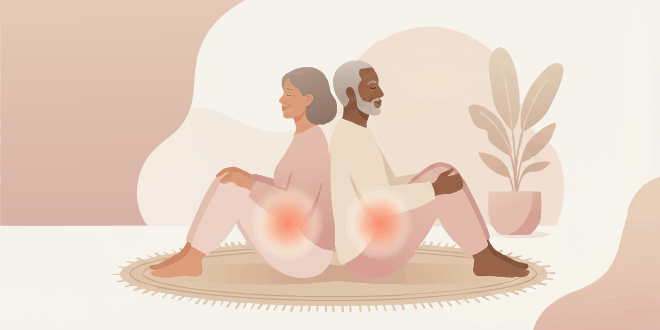
A New Way To Sync Up Your Relationship
Tired of the same predictable dinner date? If your relationship needs a jolt of excitement, it’s time to ditch the pricey gifts and focus on a different kind of “connection.” This year, intimate wellbeing brand INTIMINA is challenging couples to swap the sweets for a surprising workout: Kegel exercises. Pelvic Floor 101: The Underrated Muscle Before you start, you need to know what you’re training. The pelvic floor is a “hammock” of muscles that supports your vital organs. For Women: It supports the bladder, womb, and bowel. Life events like childbirth or aging can weaken these muscles, leading to leaks or discomfort. For Men: It’s just as vital! It supports the bladder and plays a starring role in achieving and maintaining strong erections. “Nearly 1 in 3 women experience issues like leaking,” says Dr. Susanna Unsworth. “But these issues aren’t limited to women. For men, pelvic floor exercises can enhance erectile function, confidence, and overall wellbeing.” The “Pleasure Principle” Why do Kegels together? Because strength = sensation. Tensing the pelvic floor increases blood flow to the genital area, which heightens sensitivity for both partners. By syncing your squeezes, breathing, and eye contact, you turn a simple exercise into a powerful bonding ritual. Your Couples’ Kegel Starter Pack The best part? No gym required. You can do these anywhere. 1. The Basic Squeeze (Isolate) The Move: Imagine you are trying to stop the flow of urine or hold back gas. The Count: Squeeze and hold for 3–4 seconds (aiming for 10). Repeat 10–15 times. The Rule: Don’t hold your breath! Keep your stomach and glutes relaxed. Couples’ Twist: Make eye contact and try to hold a conversation while squeezing. The first one to laugh loses. 2. The Power Play (Variety) Mix long, slow holds with short, “fast-twitch” squeezes. Vary your positions (sitting vs. lying down) to engage the muscles differently. 3. Smart Training (For Women) If you want measurable progress, a device like the KegelSmart 2 acts as a personal coach. It vibrates to tell you exactly when to squeeze and rest, personalizing the routine to your current strength level. When Will You See Results? Consistency is the secret sauce. A few weeks: You’ll begin to notice initial changes. A few months: Significant improvements in bladder control and sexual sensation. Dedicating just 5–10 minutes a day to this shared routine can have a profound impact on your health and your intimacy. Squeeze together, stay connected. Source link

Does Exosome Therapy Work for Hair Loss?
How Do Exosomes Support Hair Growth? Exosomes support hair restoration through several well-documented mechanisms. They activate the Wnt/β-catenin signaling pathway, which is one of the primary molecular switches that governs the hair growth cycle. When this pathway is properly activated, follicles transition into the anagen (active growth) phase and stay there longer. A 2024 systematic review published in the Journal of Cosmetic Dermatology confirmed this mechanism as central to exosome-driven hair regeneration. They also reduce scalp inflammation, which is a significant but often overlooked contributor to hair thinning. Chronic low-grade inflammation around the follicle disrupts the growth cycle and can gradually damage the follicle over time. Exosomes carry anti-inflammatory signals that help create a healthier follicle environment. Finally, they improve blood flow and nutrient delivery to the follicle by supporting the growth of new microvasculature around the hair follicle unit. Better circulation means more oxygen and nutrients reaching the cells that power hair growth. What Does the Research Show? The clinical evidence for exosome therapy in hair restoration has grown substantially in recent years. A 2024 systematic review and meta-analysis analyzing nine clinical studies and 125 patients found that every study reported improvements in at least one key hair parameter. Hair density increased by 9.5 to 35 hairs per square centimeter depending on the exosome source and protocol, and hair thickness improved by up to 13 micrometers. No serious adverse events were reported across the studies. A prospective study published in Aesthetic Plastic Surgery in 2024 specifically examined exosome treatment in androgenetic alopecia and found meaningful improvements in both hair density and patient satisfaction over the follow-up period. A broader systematic review from PMC covering multiple alopecia types concluded that exosomes derived from adipose tissue, placenta, and umbilical cord sources all showed substantial benefits, with the research consistently pointing to improvements in follicle cycling and no significant safety concerns. The honest caveat is that most studies to date have been small, and the field is still working toward standardized protocols and larger randomized controlled trials. But the direction of evidence is clear and consistent, which is why exosome therapy has become a meaningful part of how we approach hair restoration at NHLMA. Who Is a Good Candidate? Exosome therapy tends to work best for patients in the earlier to moderate stages of hair loss, before significant follicle miniaturization has occurred. Once a follicle has been fully dormant for an extended period, the window for reactivation narrows. Earlier intervention generally means better outcomes. Good candidates include patients experiencing gradual thinning or increased shedding, those with androgenetic alopecia (pattern hair loss) at early to moderate stages, patients who have not responded fully to topical treatments like minoxidil, those looking for a non-surgical option with minimal downtime, and patients who want to enhance the results of other treatments like PRP or laser therapy. It is not a one-size-fits-all treatment, which is why we begin every exosome conversation with a thorough consultation and scalp evaluation. Understanding what is driving your hair loss determines whether exosomes alone or a combined protocol will produce the best result. Source link

How Seasonal Changes Affect Chronic Pain Conditions
Living with chronic pain can be challenging on its own, but many people notice their symptoms worsening with shifts in the weather. Whether it’s the cold of winter, the humidity of summer, or the changing pressures of spring and fall, seasonal changes have a real impact on conditions like arthritis, fibromyalgia, and migraines. Luckily, understanding why these shifts occur can help individuals better manage their pain and find ways to stay comfortable year-round. Why Does Weather Affect Pain? Many people with chronic pain conditions report that their symptoms intensify with changes in temperature, humidity, or barometric pressure. While research is still ongoing, the prevailing theory is that changes in atmospheric pressure can cause tissues in the body to expand or contract, leading to increased pain or stiffness. Additionally, cold weather can cause muscles to tighten, reducing mobility and exacerbating joint pain. Another factor is that the weather can impact mood and activity levels. Shorter days in winter can lead to decreased physical activity, which may result in stiffer joints and increased discomfort. Similarly, extreme heat can lead to dehydration, which can trigger headaches and worsen conditions like fibromyalgia. How Weather Affects Different Chronic Pain Conditions Certain chronic pain conditions react differently to various weather changes. For instance, people with osteoarthritis often experience increased stiffness and discomfort in cold, damp weather, while those with fibromyalgia may be more sensitive to humidity and sudden temperature swings. Nerve pain, such as that caused by neuropathy, can worsen in extreme temperatures, both hot and cold. Migraine sufferers frequently report barometric pressure shifts as a major trigger for headaches. Cold Weather and Joint Pain Winter is often the worst season for those suffering from arthritis and other joint conditions. Cold temperatures cause muscles and joints to contract, making movement more difficult and painful. The drop in barometric pressure before a storm can lead to swelling in the joints, which is why many arthritis patients feel pain intensify before it even begins to rain or snow. Because cold temperatures lead to more pain, it’s extremely important for those with chronic pain conditions to stay warm in the winter. Layering up, using heating pads, and engaging in gentle indoor exercises can help keep joints loose and pain levels more manageable. Some people also benefit from warm baths or hydrotherapy to relieve stiffness and discomfort. The Psychological Impact of Weather on Pain Perception Weather doesn’t just affect physical pain; it also influences mental well-being. Seasonal Affective Disorder (SAD), a condition that causes depression during colder months, can lower pain tolerance and make discomfort feel worse. Dark, gloomy days can lead to decreased motivation to move, worsening stiffness and tension in the body. On the other hand, bright, sunny days can boost mood and make it easier to stay active, which helps reduce pain symptoms. How Humidity and Barometric Pressure Affect Chronic Pain Conditions Humidity can be just as problematic as cold temperatures when it comes to chronic pain. High humidity levels can make the body feel heavy, leading to increased fatigue and discomfort. For people with fibromyalgia, the combination of heat and humidity can trigger widespread muscle pain and brain fog, making it difficult to function normally. Barometric pressure changes, which often occur before a storm, can also contribute to pain flare-ups. When the pressure drops, tissues expand, putting pressure on nerves and joints. This can be particularly troublesome for migraine sufferers, as changes in atmospheric pressure are a known trigger for debilitating headaches. Summer Heat and Chronic Pain While cold weather gets most of the attention, hot summer days can also be difficult for those with chronic pain. High temperatures can lead to dehydration, which exacerbates muscle cramps and headaches. Heat can also cause inflammation that worsens conditions like rheumatoid arthritis. Staying hydrated and avoiding excessive heat exposure are key to managing summer pain. Light exercise in an air-conditioned environment, drinking plenty of water, and using cooling techniques such as cold packs or fans can help keep symptoms under control. The Challenges of the Changing Seasons of Spring and Fall The transitional seasons of spring and fall can be tricky for those with chronic pain because of the constant fluctuations in temperature and pressure. One day might be warm and sunny, while the next brings a cold front or rainstorm. These rapid changes can make it difficult for the body to adjust, leading to increased pain, stiffness, and fatigue. Allergies in the spring can also contribute to inflammation and sinus pressure, triggering headaches and worsening fibromyalgia symptoms. In the fall, cooler temperatures and shorter days can impact mood and energy levels, which may indirectly affect pain perception. The Role of Vitamin D in Seasonal Pain Management Many people with chronic pain experience worsened symptoms during the winter months, and one potential reason is vitamin D deficiency. One of the primary sources we get vitamin D from is sunlight. Because vitamin D plays a big part in bone health and muscle function, low levels of vitamin D have been linked to increased musculoskeletal pain. Luckily, supplementation or dietary adjustments can act as a potential solution for managing seasonal pain. Including vitamin D-rich foods, which includes things like salmon, fortified dairy products, and egg yolks, can greatly help maintain healthy levels throughout the year. Managing Weather-Related Pain While we can’t control the weather, there are steps that individuals with chronic pain conditions can take to minimize discomfort. Dressing appropriately for the season, maintaining a consistent exercise routine, and staying hydrated are all important. It’s also helpful to track pain levels in relation to weather changes. Keeping a journal can help identify patterns and triggers, allowing for better pain management strategies. Some people find relief through treatments like massage therapy, acupuncture, or physical therapy, which can help keep muscles and joints flexible regardless of the season. Seeking Professional Help for Chronic Pain If weather-related pain is interfering with daily life, seeking professional help is a smart step. A pain management specialist can help develop a personalized plan to reduce
Facts About Parkinson’s Disease and Gut Health
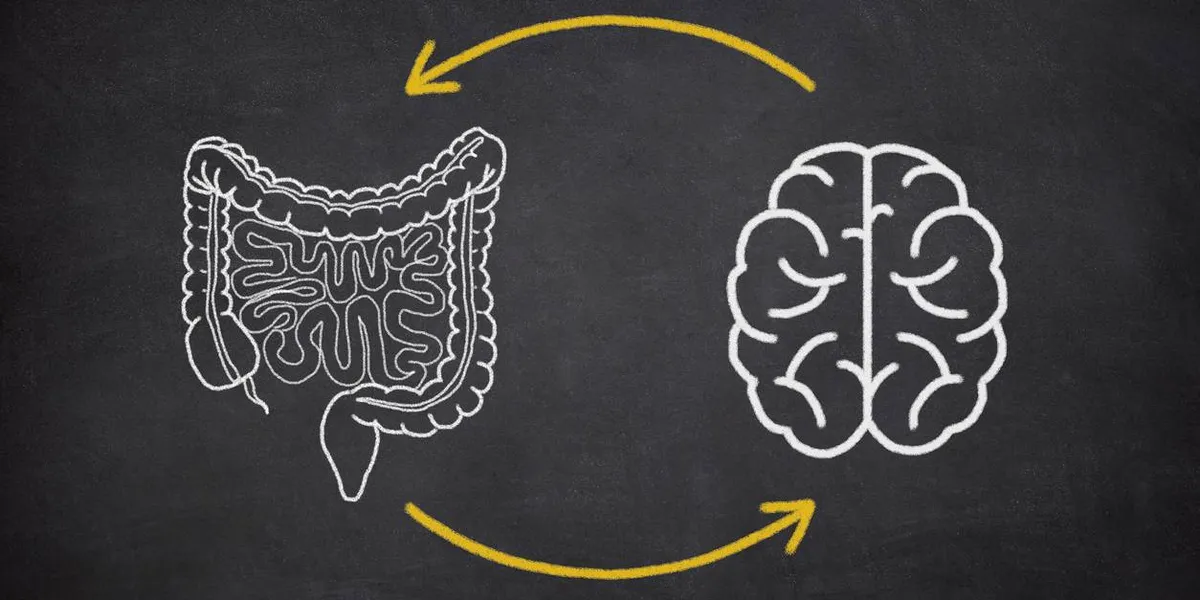
April is Parkinson’s Disease Awareness Month. On a recent episode of the popular Apple TV show Shrinking, actor Michael J. Fox made a cameo as a real-life representation of someone living with Parkinson’s disease. “I fall three times a day,” he said. “I’m thinking of becoming a stunt man.” Balance issues and uncontrollable body tremors are common symptoms of Parkinson’s disease. The progressive brain disorder happens when there’s damage to dopamine-producing neurons in the part of the brain that controls movement — hence the involuntary muscle contractions. The disease can also cause non-motor symptoms including sleep disorders and constipation. The cause of Parkinson’s disease is unknown, but a growing body of research suggests the gut microbiome might have something to do with it. What is the gut microbiome? Your gut microbiome is a wild world of trillions of microorganisms including bacteria, viruses and fungi that reside in your digestive system. The complex ecosystem of microbes plays a big part in your health and overall well-being. “The gut microbiome has many diverse functions such as the production of short-chain fatty acids, some vitamins and neurotransmitters, influencing immune system development and regulation, and helping maintain intestinal barrier integrity,” said Kaylyn Koons, MS, RD, LD, a clinical dietitian at Norman Fixel Institute for Neurological Diseases. Everyone’s gut microbiome is unique with microorganisms that are shaped by genetics, early-life experiences (birth method and formula vs. breastfeeding), lifestyle habits and environment among other factors. Read: The Wonderful World of Your Microbiome >> The gut microbiome and Parkinson’s disease People with Parkinson’s disease often have distinct changes in their gut microbiome compared to people who don’t have Parkinson’s. Research shows people with Parkinson’s have reduced overall microbiome diversity, which comes from an imbalance in the microbiome, known as dysbiosis. This means the gut microbiome has an increased amount of bacteria that cause inflammation and a reduced amount of beneficial microbes compared to healthy gut microbiomes. And dysbiosis increases the risk for chronic diseases like Parkinson’s. Koons said people with Parkinson’s disease also show changes within the metabolites (molecules needed for basic survival) produced in the microbiome. These changes include reduced production of short-chain fatty acids and increased production of the metabolite trimethylamine N-oxide — a potential biomarker of Parkinson’s disease. This is significant because reduced levels of short-chain fatty acids can lead to the breakdown of the intestinal barrier — also known as a leaky gut — triggering inflammation in the brain and misfolding of a protein called alpha-synuclein, which is a key hallmark of Parkinson’s disease. The brain-gut axis and Parkinson’s disease iStock.com/ttsz Although Parkinson’s is a brain disorder, there’s been an increased interest in the idea that the disease develops in the gut. A 2019 study found that the misfolded proteins that damage and kill neurons in the brain originate in the gut and travel to the brain via the vagus nerve. When the abnormal proteins accumulate in the gut and the enteric nervous system, they cause symptoms like constipation, which is very common in people with Parkinson’s disease. “Non-motor symptoms of Parkinson’s disease affect multiple organ systems, including the gastrointestinal system and have been found to predate motor symptoms for years — even decades,” Koons said. Research also shows that common gastrointestinal (GI) conditions such as gastroesophageal reflux disease and H. pylori infections may be early risk factors to consider. One recent study found damage to the lining of the upper digestive tract — erosions, esophagitis, ulcers or peptic injury — was associated with a 76% greater risk of developing Parkinson’s. Although research is ongoing regarding the exact role gut health plays in the development or progression of Parkinson’s, the gut-first hypothesis could mean new ways of finding and treating the disease. How to support your gut microbiome if you have Parkinson’s disease Many people with Parkinson’s disease experience digestive problems that affect the entire system, from difficulty swallowing to delayed stomach emptying. In fact, nearly 4 out of 5 people with Parkinson’s experience GI problems, and women can have more severe GI symptoms than men. “Women experience significantly higher levels of fullness after eating, inability to finish a regular size meal and pain in the upper abdomen,” Koons said. For people living with Parkinson’s disease, a high-fiber eating plan can help keep GI symptoms at bay and balance the gut microbiome. When gut bacteria break down fiber, the process produces short-chain fatty acids, which can boost the gut’s mucus barrier to fight inflammation and protect the brain. Incorporating fermented food or foods that contain live cultures such as yogurt can help balance the good bacteria in the gut and keep digestion on track. Koons recommends the Mediterranean diet for her patients with Parkinson’s. “The Mediterranean diet is associated with increased beneficial bacteria such as Faecalibacterium prausnitzii and Bifidobacterium bifidum and greater production of short-chain fatty acids,” she said. Although there’s no cure for Parkinson’s disease, managing GI problems can help with non-motor symptoms and improve overall well-being. If you’re living with Parkinson’s disease, talk to your healthcare provider about what you can do to keep your gut as healthy as possible. Related Articles Around the Web Source link
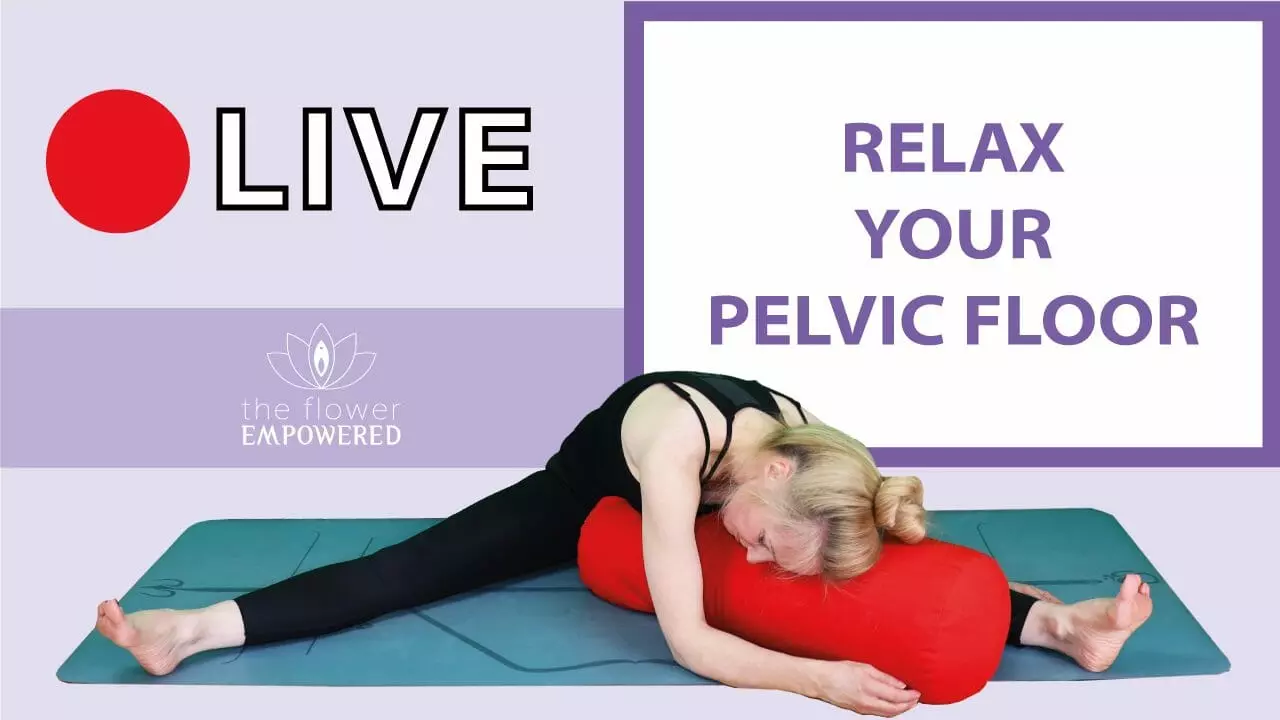
Relax Your Pelvic Floor in 30-Minutes YouTube Live Stream
You have spoken and we have listened! After many requests, we will begin a weekly live YouTube streaming session for pelvic floor relaxation. Each session will take just 30 minutes. Pelvic floor relaxation is pivotal to healthy function. Relaxation can benefit not just your pelvic health but also your health in general. The sessions will utilize yin yoga poses which are held for 3 to 5 minutes depending on the pose. The practice is an opportunity to let go of excessive tension which can help immensely when dealing with pelvic pain conditions such as overactive bladder, vaginismus and dyspareunia. Pelvic floor is beneficial for women and also for men (yes, men have a pelvic floor too!). You can watch the live stream here: As always, we recommend you get approval from your health practitioner or pelvic floor physiotherapist before adding any exercise to your regular practice. Please read our disclaimer you begin. Source link

Understanding Stress “Let Down” Migraine Attacks and How to Manage Them
This post may contain affiliate links. Migraine Strong, as an Amazon Affiliate, makes a small percentage from qualified sales made through affiliate links at no cost to you. Migraine disease is a chronic neurological condition that affects millions of people, and stress is one of its most well-known triggers. But what happens when the migraine attack comes not during stressful times, but afterward, when you’re finally trying to relax? This phenomenon is called a stress “let down” migraine attack, and it affects many who live with migraine disease. Research has shown that relaxation after a period of high stress can actually trigger a migraine attack, making it feel like there’s no escape from the cycle of stress and pain. Learning to manage stress during its build up— and how to come down from it—can make a significant difference in preventing these types of attacks. In this article, we’ll break down what “let down” migraine attacks are, how they’re triggered, and the best ways to reduce their impact on your life. ** While Migraine Strong writes about the latest in migraine treatments, this is not medical advice. We are patient educators and all information you read should be discussed with your doctor. Understanding the Bucket Theory The Bucket Theory offers a way to visualize the various factors that can trigger a migraine attack. By imagining these triggers and stressors as filling up a bucket, this concept helps illustrate how the cumulative impact of daily life can lead to an attack. Each day begins with a bucket that’s already partially filled with things that irritate your migraine brain. The bucket doesn’t start empty because certain factors, like hormonal fluctuations, stress levels, or weather changes, are unavoidable. These elements may fill one-third or even two-thirds of the bucket before the day even starts. As additional triggers—like food, drinks, and scents—enter the bucket, the level rises. Once the bucket overflows, a migraine attack follows. Understanding triggers can help reduce their overall impact, but it’s crucial to remember that migraine is a neurological disease, and attacks can occur even without a clear trigger. Managing stress and other factors can provide some relief, but migraine attacks are never the result of personal failure. What Are Stress “Let Down” Migraine Attacks? Imagine making it through a tough workweek or a particularly stressful period of life, only to be hit with a migraine attack as soon as you start to unwind. That’s the essence of a stress “let down” migraine attack. These attacks tend to strike when the brain is transitioning from a heightened state of stress to a more relaxed one. A study conducted at the Montefiore Headache Center and Albert Einstein College of Medicine tracked 17 people with migraine over three months and found a striking pattern: the risk of migraine attacks significantly increased within the first six hours after stress levels dropped. In fact, participants were nearly five times more likely to have a migraine attack during this “let down” period than at other times. (1) This pattern can feel particularly frustrating because it’s happening during a time when you expect to feel better—not worse. Many of us live in a constant state of stress, so when we finally get a break, the brain’s response can be to trigger a migraine attack as a result of the sharp contrast in stress levels. My most reliable stress let down attack would begin the day after we left for family vacation. The stress and excitement of planning and packing for vacation would inevitably fade away and a stress let down attack would occur. Figuring out how to avoid this attack, and others like it, became a long term goal. The Link Between Stress and Migraine Attacks Stress has long been identified as a major migraine trigger. What makes it even more complicated is that the relationship between stress and migraine attacks is cyclical. Stress can cause a migraine attack, and the pain and disruption of an attack can increase stress levels, creating a vicious cycle. But there’s another layer to this: when stress levels drop rapidly—such as when you leave work on a Friday afternoon or start your long-awaited vacation—the brain’s response to that relaxation can also cause a migraine attack. Researchers believe that the hormone cortisol may play a role here. Cortisol is produced in response to stress, and it helps the body manage pain. When stress levels fall and cortisol levels drop quickly, the body’s pain threshold may lower, triggering a migraine attack. (1) In some cases, even positive stress, like the excitement of a happy event or celebration, can set off a migraine attack. This is why stress management is so crucial for people living with migraine disease—keeping stress levels consistent, rather than fluctuating dramatically, can help reduce the risk of both stress-induced and “let down” migraine attacks. How to Prevent and Manage “Let Down” Migraine Attacks Managing stress and finding ways to smooth out transitions between stress and relaxation are key to preventing stress “let down” migraine attacks. Here are some strategies to help you maintain balance and reduce the frequency of these attacks: 1. Consistency is Key One of the most important things you can do for a migraine-prone brain is to maintain consistency. Routine is crucial for preventing attacks, especially when it comes to things like sleep, meals, and hydration. Stick to regular sleep and wake times: A stable sleep schedule helps regulate your body’s circadian rhythms, which are closely linked to migraine patterns. Stay hydrated and eat regularly: Skipping meals or becoming dehydrated can trigger migraine attacks, so be sure to drink enough water throughout the day and eat at consistent intervals. This consistency with meals can help to regulate blood sugar levels which can help prevent attacks triggered by a drop in blood glucose. Keep caffeine consistent: If you consume caffeine, keep the amount you drink and the time of day consistent. The migraine brain craves consistency. Practice good sleep hygiene: Avoid screens before bed, keep your sleep

Gastroenterologists, hepatologists at forefront of GLP-1 revolution
Add topic to email alerts Receive an email when new articles are posted on Please provide your email address to receive an email when new articles are posted on . “ data-action=”subscribe”> Subscribe We were unable to process your request. Please try again later. If you continue to have this issue please contact customerservice@slackinc.com. Back to Healio Obesity may have met its match in GLP-1 receptor agonists. However, the role of gastroenterologists in obesity management and the administration of this revolutionary class of drugs is complicated and has yet to be defined. “Gastroenterologists are on the front lines of the obesity epidemic,” Andres Acosta, MD, PhD, associate professor of medicine and consultant in the division of gastroenterology and hepatology at Mayo Clinic and American Board of Obesity Medicine diplomate, told Healio. “We need GIs to embrace the disease and all of its impacts, including GERD, IBD, MASLD, fatty liver disease and obesity-related cancer risk.” Image: Andres Acosta, MD, PhD. Reprinted with permission. Hepatologists and primary care providers can handle some of these downstream effects of obesity. They often do, shutting gastroenterologists out of the equation. “It is my overall impression that there still is not sufficient commitment or embrace of the idea among cardiologists, hepatologists, pulmonologists and others that there is this opportunity to treat obesity itself,” Michael Camilleri, MD, DSc, consultant in the division of gastroenterology and hepatology at Mayo Clinic and professor of medicine, pharmacology and physiology at Mayo Clinic College of Medicine and Science, said in an interview. “A couple years ago I was almost evicted from a meeting because I suggested that hepatologists should be treating obesity and not just abnormal liver enzymes,” Camilleri said. Michael Camilleri There is growing recognition that gastroenterologists could play a larger role in obesity management, as well, largely because of GLP-1s. “There is this opportunity to embrace the pharmacology that is available with the FDA approval of GLP-1 receptor agonists,” Camilleri added. As uptake of these medications expands, adverse events are sure to follow. Many of them, such as nausea, constipation, delayed gastric emptying and motility issues, are commonly managed by gastroenterologists. But because the medications are not always prescribed by gastroenterologists, they are often not involved in management of the side effects. Also up for discussion is where GLP-1s fit into wider weight loss paradigms, from diet and exercise to bariatric surgery and endoscopic sleeve gastroplasty. “Many people who offer bariatric and metabolic procedures see this drug class as complimentary to procedural interventions,” Marianna Papademetriou, MD, director of endoscopy and motility at Washington VA Medical Center and associate professor at Georgetown University School of Medicine, told Healio. “We are still learning how to best integrate drugs with procedures.” The next concern is that more patients are turning to GLP-1s to manage obesity not by recommendation from their doctor, but as a result of direct-to-consumer advertising. “The digital and DTC platforms are certainly factors that risk fragmented oversight,” Camilleri said. ‘Truly frightening’ For Sonali Paul, MD, MS, hepatologist and associate professor at University of Chicago Medicine, “fragmented oversight” with this class of drugs is an understatement. Sonali Paul “The rapidly growing companies that are doing digital or direct-to-consumer prescribing of GLP-1s is truly frightening,” she said. “First, these drugs are often compounded so there is a risk of contamination, inconsistent dosing and improper or unsafe formation. Additionally, often there is no virtual visit or visit with a doctor or nurse practitioner prior to prescribing. Some have only a questionnaire.” Paul described a scenario in which a patient with an eating disorder who was severely malnourished was regularly prescribed GLP-1s for months without one consultation with a physician. “GIs have a unique role in bringing structure and safety, but we cannot do it alone,” she said. “Given the widespread use of GLP-1s across many medical specialties, we as a physician entity need to demand better safety and prescribing parameters.” While Papademetriou acknowledged many of these concerns, she took a more measured view. “There are plusses and minuses to online health platforms,” she said. “On the one hand, it is an effective way to improve access to care. On the other hand, many online platforms are zoomed in on the prescribing of weight management medications, and do not necessarily tailor that management to the patient’s overall medical issues.” Marianna Papademetriou For example, a patient with a history of erosive esophagitis and GERD who begins taking a GLP-1 may experience an escalation of symptoms that previously had been under control, according to Papademetriou. “The platforms do not appear to have the capability to work through that issue with a patient,” she said. The complications only get more complicated from there. “That patient may go back to their PCP or their gastroenterologist, and the GLP-1 is not on their medication list, or the patient may feel stigmatized about bringing up their use of GLP-1s,” Papademetriou said. “Their physician is now trying to work through this sudden change of symptoms without having the full picture. That could lead to unnecessary procedures or medication changes that could be avoided with better integrated care.” But there is a solution to this particular issue, according to Papademetriou. “We need to do a better job of improving access to these drugs through conventional medical pathways, and we need to reduce the stigma around these conversations with our patients,” she said. “Many people probably assume that people utilize telehealth for weight management for the ease and convenience,” Papademetriou continued. “But I suspect a significant part of the demand for this is also the bias people experience with conversations surrounding weight in the medical setting.” Whether that bias will decrease with more direct-to-consumer advertising and more patients taking GLP-1s remains to be seen. What is certain is that these patients are likely to experience gastrointestinal-related adverse events commonly reported with these medications. ‘Significant impact’ Patients experiencing side effects of these drugs, including nausea, vomiting, diarrhea and constipation, are