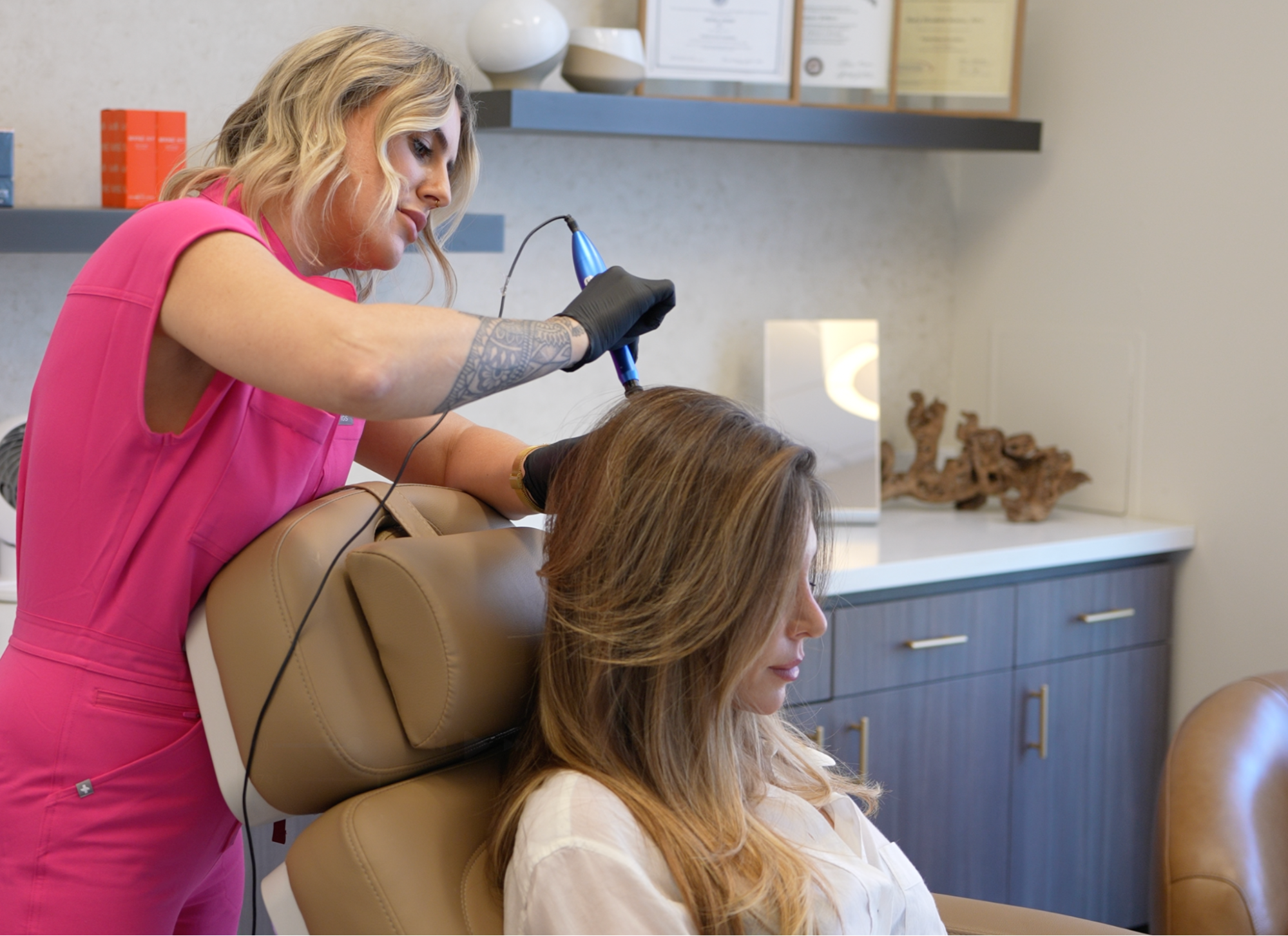
If you have been Googling “hair loss treatment Scottsdale” at midnight, you are already further along than you think. Asking the question is the first step, and getting the right answer is where we come in. Hair loss affects more than your hairline: it affects your confidence, your mornings, and the way you show up in the world. At NHLMA, we have watched thousands of patients walk through our Scottsdale doors carrying that weight, and we have watched them leave lighter, fuller, and more themselves. The right treatment plan makes all the difference, and it starts with understanding what your options actually are. Here is a breakdown of the most effective hair loss treatments available in Scottsdale right now, and the guidance you need to figure out which one belongs in your plan. Why Hair Loss Deserves a Real Treatment Plan Hair loss is one of those conditions that gets minimized far too often. The reality is that research confirms that more than 80% of men and nearly 50% of women will experience significant hair loss in their lifetime. That is a majority of us, and yet so many people spend years cycling through drugstore products and hoping for the best. A personalized, clinically guided treatment plan changes everything. The right combination of therapies can slow shedding, stimulate regrowth, and restore what feels like a piece of yourself. The key is working with a qualified hair loss specialist in Scottsdale who takes the time to find the root cause first. The Most Effective Non-Surgical Hair Loss Treatments in Scottsdale PRP (Platelet-Rich Plasma) Therapy PRP, otherwise known as Platelet-Rich Plasma, is one of the most researched and widely recommended non-surgical hair restoration treatments available today. The process uses your own blood, drawing a small sample and spinning it in a centrifuge to isolate the platelet-rich plasma. That concentrated plasma, packed with growth factors, is then injected directly into the scalp to stimulate dormant hair follicles. Multiple peer-reviewed studies support PRP as an effective treatment for androgenetic alopecia (the most common form of hair loss in both men and women) as well as other forms of pattern hair loss. Patients typically see meaningful results after a series of three to four sessions, with ongoing maintenance treatments to sustain growth. Source link
What actually happens in the brain during a migraine attack?
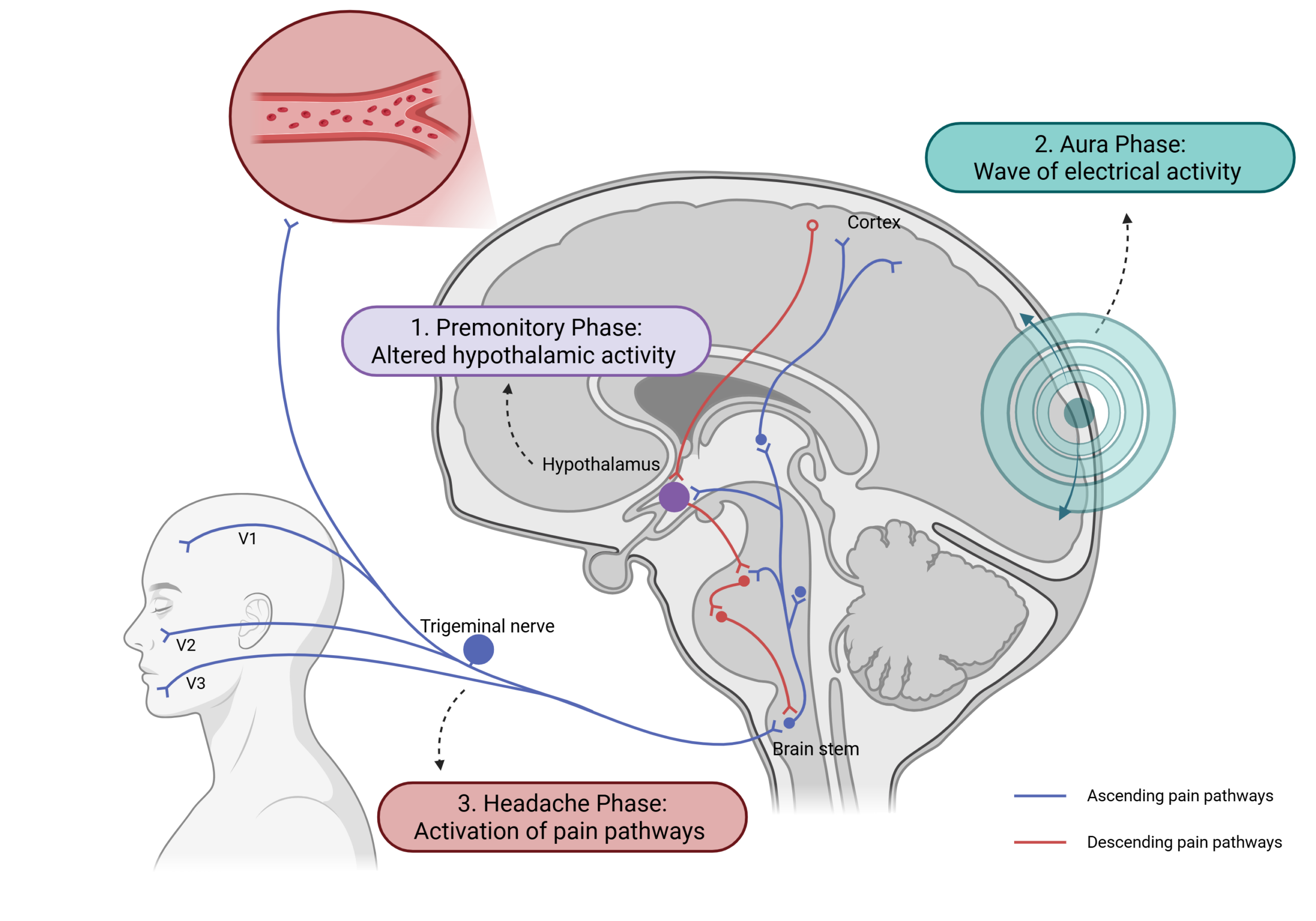
A simple guide to the phases of a migraine attack and what researchers think is happening inside the brain. Many people mistakenly believe a migraine attack to be “just a bad headache”. But inside the brain, a migraine attack is far more complex. A migraine attack is a brain-wide event, meaning it involves changes in nerve activity, brain chemicals, blood vessels and sensory processing. These changes unfold over time and lead to four commonly defined phases of a migraine attack. Researchers often divide these phases into: Prodrome or Premonitory phase Aura phase (only in approximately 30% of cases, defined as migraine with aura) Headache phase Postdrome phase Let’s walk through what researchers currently think is happening inside of the brain as a migraine attack unfolds. The premonitory phase: the brain’s early warning system For many people, the first signs of a migraine attack, or premonitory symptoms, show up before the head pain even begins. These symptoms are indicators that the migraine attack, and its underlying changes in the brain, have already started. A timeline of the phases of a migraine attack and its associated symptoms. Created in BioRender. Rubio beltran, E. R. (2026) One of the brain regions that is believed to be important in generating premonitory symptoms is a small almond-sized region deep in the brain, called the hypothalamus. We know that the hypothalamus is activated in migraine, before the onset of head pain and its normal function is to keep the body in a stable, consistent state, adjusting to changes in the environment (a process known as homeostasis). In a way, it is like the master thermostat, monitoring internal and external conditions and regulating things like appetite, sleep, and hormones. Given this important function, changes in activity of the hypothalamus are thought to lead to some of the diverse non-pain symptoms that occur, including fatigue. It’s still unclear exactly what triggers the cascade of changes that happen during a migraine attack. But a better understanding of the biology underlying the earliest premonitory phase may give us clues that hint at how migraine attacks begin, offering new hope for treatment. Aura: a wave across the brain Up to one third of people living with migraine experience aura as part of a migraine attack. This phenomenon is called Cortical Spreading Depression (or CSD for short). This wave travels surprisingly slowly at only a few millimetres per minute. As it moves across different regions of the cortex, it interrupts normal brain activity, giving rise to the symptoms experienced, including visual symptoms when it crosses the visual cortex. The headache phase: pain-pathways are activated and become sensitised The phase that most people associate with migraine is the headache phase. During this time, there are several processes occurring simultaneously in the brain. A key player in the headache phase is the trigeminal nerve. This nerve is responsible for carrying sensory information from the face and head to the brain. During a migraine attack, the trigeminal nerve becomes activated and sends pain signals to different areas of the brain. The nerve endings also release chemical signals, like Calcitonin Gene-Related Peptide (CGRP), which helps drive inflammation and increases sensitivity of pain pathways in the brain. As these pathways become more active, the brain begins to amplify sensory signals. This is why some people with migraine often become sensitive to light, sound and even smells. Overall, the brain’s pain-processing network is being switched into overdrive making it highly sensitised and overactive. Currently several therapies target this phase including molecules that block the actions of CGRP. The Postdrome: the migraine “hangover” Even after the headache fades, the migraine attack isn’t over. People often describe the postdrome as feeling like a “migraine hangover.” At this point, the brain is gradually recovering from the migraine attack. Pain pathways sensitivity is reducing, but networks involved in things like attention, thinking, and energy regulation may still be temporarily affected. Research investigating this phase is currently limited. In the future, research into this phase will hopefully provide a better idea about the changes happening in the brain at the end of a migraine attack. Overview of the key players in the brain relating to migraine phases. Created in BioRender. Rubio beltran, E. R. (2026) The big picture A migraine attack is a cascade of events occurring outside and inside the brain, not just a single event. These events unfold in phases: Brain regulation changes begin in the premonitory phase A wave of altered electrical activity can spread across cortex during aura phase Pain pathway and sensory systems become active and sensitised during the headache phase The brain recovers during postdrome phase Understanding migraine in light of all the changes that occur over time helps explain why it’s considered a neurovascular disorder, not simply a severe headache. Researchers are still working to fully understand how and why these attacks occur, hopefully leading to more answers to the question marks that remain to be answered about migraine biology. Source link
How PTCOA Physical Therapy Helps Relieve Winter Stiffness
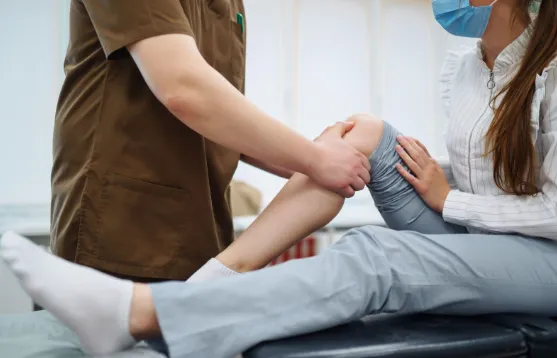
How PTCOA Physical Therapy Helps You Stay Warm and Relieve Winter Stiffness and Old Injuries As the air turns crisp and the daylight hours shorten, many people find their bodies reacting to the season. The cold can have a real physiological impact on your body, affecting circulation, flexibility, and even your motivation to stay active. Your joints feel tighter, muscles take longer to warm up, and those old injuries you thought were long gone begin to make themselves known again. While it’s easy to blame the weather and stay bundled up indoors, that approach often makes stiffness and discomfort worse. With physical therapy and the right guidance, you can manage to keep your body resilient through the coldest months. Understanding Why Cold Weather Affects Your Body When the temperature drops, your body automatically adjusts to protect your core organs and preserve heat. However, those same adjustments can make movement harder and more painful. Scar tissue, limited flexibility, or nerve sensitivity from past injuries may react more strongly to temperature and pressure changes, making even simple movements uncomfortable. Some of the physiological reactions include: Changes in Barometric Pressure A drop in barometric pressure before a cold front or storm can cause tissues to expand. This expansion creates pressure in already sensitive areas like arthritic joints or old injury sites, leading to increased soreness or stiffness. Reduced Blood Flow When your body gets cold, it prioritizes keeping your core warm by constricting blood vessels in your arms and legs. That reduced blood flow means your joints and muscles receive less oxygen and nutrients, causing tightness and discomfort. Thicker Synovial Fluid The natural lubricant inside your joints becomes thicker in cold weather, making movement feel sluggish and restricted. How Physical Therapy Offers a Proactive Solution A well-rounded physical therapy plan addresses stiffness, weakness, and poor movement patterns that can worsen in the cold. By combining manual techniques, exercises, and education, you can experience noticeable improvements in both comfort and mobility. Your therapist designs a plan based on your individual health, pain levels, and mobility goals, helping you stay active without risk of injury. Here’s how: Personalized Exercise Programs Building the muscles around your joints provides them with better support, reducing stress and pain. Exercises like wall sits, bridges, and resistance band training can be particularly beneficial. Gentle stretching can help to lengthen tight muscles and improve the mobility of your joints. This can be as simple as doing regular neck, shoulder, and hip stretches throughout the day. Activities like walking on a treadmill, using an elliptical machine, or swimming in a heated pool can improve circulation, keep your joints lubricated, and boost your mood. Your therapist will also guide you on warm-up and cool-down techniques to prepare your muscles for activity and reduce post-exercise soreness. Manual Therapy Techniques Hands-on techniques are a core part of physical therapy and can deliver immediate relief from stiffness and pain. Manual therapy works to restore joint movement, improve blood flow, and ease muscle tension. These therapies help your body move more naturally, allowing you to stay active and reduce your risk of injury during the winter months. Common manual therapy methods for you may include: Soft Tissue Mobilization: Gentle, targeted pressure on tight muscles and fascia helps relieve tension, break down adhesions, and improve flexibility. Joint Mobilization: Controlled movements of stiff joints can restore normal motion and reduce discomfort caused by inactivity or cold weather stiffness. Advanced Pain Management Techniques Winter stiffness often responds well to therapeutic warmth. Physical therapists use various pain relief modalities that go beyond at-home heating pads to provide deeper and longer-lasting comfort. These therapies complement your exercise plan, ensuring both immediate pain control and long-term functional improvement. Heat Therapy: Applying heat to a stiff joint or muscle can help to relax the tissues and improve blood flow, providing immediate relief. Ultrasound: This therapy uses sound waves to generate heat deep within the tissues, which can help to reduce pain and inflammation. Transcutaneous Electrical Nerve Stimulation (TENS): A TENS unit sends a low-voltage electrical current to the nerves, which can help to block pain signals from reaching the brain. Balance and Stability Training Winter brings an increased risk of slips and falls, especially on icy or wet surfaces, making balance and stability training essential. A physical therapist can design targeted exercises to improve coordination, core strength, and body control. These may include standing on one leg to enhance joint stability and proprioception, heel-to-toe walking to refine coordination, and focused core and hip strengthening to stabilize your movements. By improving balance and body awareness, you can reduce the likelihood of falls and maintain your mobility and independence throughout the colder months. Correcting Posture and Movement Habits Cold weather naturally makes you hunch your shoulders and tighten your muscles to conserve heat, but that posture increases strain on your neck, back, and shoulders. Over time, this tension can lead to headaches, muscle spasms, or back pain. Your physical therapist can identify postural imbalances and teach you how to correct them through targeted exercises and ergonomic advice. You’ll learn how to maintain good alignment, even when layered in heavy winter clothing, and how to position yourself at work or home to minimize strain. These adjustments may seem small, but consistent posture correction reduces pain and improves energy throughout your day. Common Mistakes to Avoid This Winter Winter comfort often depends as much on your habits as on your therapy routine. Combining smart daily habits with physical therapy ensures your progress continues outside the clinic. Avoiding these common pitfalls can help you stay pain-free and mobile: Avoid the “Hibernation” Trap As tempting as it is to stay cozy indoors, inactivity is one of the worst things for stiff and painful joints. Make an effort to stay active, even if it’s just by doing some gentle stretches or walking around your house. Ignoring Pain Signals It is essential to distinguish between the discomfort of muscle fatigue and the sharp signal of pain. While it’s good to push

Treating Severe Asthma – HealthyWomen
May is Asthma Awareness Month. Coughing. Wheezing. Shortness of breath. All things on our not to-do list. But if you have asthma, you’re all too familiar with these symptoms and the many ways asthma can affect everyday life. Asthma causes inflammation in the airways, and the symptoms range from mild to severe. While most people with asthma can take medications to reduce inflammation, people with severe asthma have a harder time controlling symptoms, which can be life-threatening. Severe asthma can develop at any age, and women are more likely to have severe asthma than men. But you can breathe a little easier knowing a proper diagnosis and treatment plan can help improve overall health and quality of life. What is severe asthma? By definition, severe asthma is asthma that requires a combination of high-dose inhaled steroid medications (corticosteroids) and longer-acting medications to help treat symptoms. Asthma is also considered severe if symptoms go on even when taking the proper medications. People with severe asthma tend to have reduced lung function and more intense symptoms compared to people with mild or moderate asthma. People with severe asthma also experience more asthma attacks — when symptoms rapidly get worse or build up over a few hours and don’t respond to a fast-acting inhaler. Signs of an asthma exacerbation or attack can include: Severe chest tightness or pain Shortness of breath when talking Inability to speak in full sentences Needing quick-relief medications more frequently The types of severe asthma There are different types of severe asthma: Allergic asthma: Symptoms are triggered by allergens such as mold, pollen, dust mites and pet dander. Nonallergic asthma: Symptoms are caused by air pollution, tobacco smoke, viruses and exercise. Eosinophilic asthma: Involves high levels of a white blood cell called eosinophils and Type 2 inflammation, which is an overactive immune response that causes inflammation. Neutrophilic asthma: Involves inflammation not related to Type 2 inflammation and high levels of neutrophilic white blood cells. This type of asthma is resistant to corticosteroid treatment. Knowing what type of asthma you have is important to finding the right treatment plan for you. The difference between severe asthma and uncontrolled asthma Some people with asthma may think they have severe asthma but in reality, severe asthma is rare — only about 5%–10% of asthma cases are severe asthma. But 3 out of 5 people with asthma have uncontrolled asthma. On paper, severe asthma and uncontrolled asthma have similar symptoms, like persistent coughing and wheezing and symptoms that wake you up during the night. But the difference is that symptoms of uncontrolled asthma improve with medication and lifestyle changes to avoid triggers. Severe asthma symptoms remain uncontrolled or happen often, even when taking the maximum, high-dose medications. It’s important to tell your healthcare provider (HCP) if you’re not seeing improvement with your breathing after using a rescue inhaler, if your chest muscles feel tired and if you get shortness of breath when you’re talking because these are all signs of severe asthma. Read: Is Your Asthma Under Control? >> Tracking your symptoms is key to finding the best treatment for severe asthma Treatment for severe asthma depends on a number of different factors, so it’s a good idea to keep a journal of your symptoms and how those symptoms affect your everyday life. Start by tracking symptoms on a day-to-day basis and note any identifiable triggers. For example, if you’re experiencing shortness of breath when talking, write it down along with any triggers like stress. Also note the frequency: Does this happen often? Is it getting worse? Other notable factors that can affect the severity of asthma symptoms can include: Health conditions like COPD that can affect breathing Certain medications Improper use of an inhaler Irritants or allergens Keeping a journal can help you and your HCP get an accurate picture of the severity of the disease and identify treatment goals as part of the shared decision-making process. Pulmonologist vs. allergist for severe asthma People with severe asthma need to see a specialist — typically a pulmonologist or allergist — for personalized care. A pulmonologist specializes in the respiratory system and can diagnose, treat and manage severe asthma that is not controlled or has unknown triggers. Allergists also specialize in treating asthma and asthma that’s triggered by environmental factors. Treatments for severe asthma Severe asthma means dealing with a constant level of inflammation in the airways, and treatment usually requires a combination of different medications depending on the type of asthma and triggers for the disease. Treatments can be delivered through an inhaler or nebulizer, in a pill, or by injection or infusion. Treatments for severe asthma can include: Bronchodilators to relax muscles around the airways Long-acting beta2-agonists (LABAs) Long-acting muscarinic antagonists (LAMAs) Anti-inflammatory medications, including steroids, to help reduce inflammation Inhaled corticosteroids (ICS) are medications that can be used long-term to manage symptoms and prevent asthma attacks. Oral corticosteroids (OCS), also called oral steroids, are pills or medications in liquid form that reduce swelling and inflammation in the body to treat an asthma attack or to treat chronic, severe cases. These medications are only prescribed for short-term use because the side effects can be serious. Biologics, which are injectable medications that work by targeting cells or chemical messengers in the body that cause the inflammatory response in the lungs and airways Other medications that can be used as add-ons to the above treatments Macrolide antibiotics for non-Type 2 inflammation, which control the number of white blood cells in the airways to reduce symptoms Bronchial thermoplasty, a procedure that uses heat to reduce the amount of smooth muscle tissue for less airway constriction and may reduce attacks Leukotriene modifiers, prescription medications that reduce or block the production of inflammatory chemicals called leukotrienes that cause bronchial constriction Cromolyn sodium, a nasal medication that prevents swelling in the air passages of the nose usually caused by allergies Lifestyle factors also play a role in the treatment for non-Type 2 inflammation severe asthma. For people

Free 30 Day Pelvic Floor Challenge
Are you ready for the 30 Day Pelvic Floor Challenge? I’m so excited to share this. I get questions all the time about where to start and how to progress with Pelvic Floor Dysfunction (PFD). If you’ve been following the weekly Live Q&A sessions on YouTube, you may have noticed that a lot of the same questions get asked each week. When it comes to building strength in the pelvic floor, I like to use an eight phase approach. This challenge works on some of those phases to help you along on your empowerment journey. You can register to join the challenge on our new community where get access to bonus videos as well as a PDF with details on how to properly do a Kegel and how to check if your pelvic floor is ready for the challenge. Just click this link to jump to the sign-up page. Good Luck! If you are interested in more extensive training, you can now buy the book Empower Your Flower on Amazon which has a complete Eight-Phase training program. The Eight-Phase training is also available online which also gives you access to a premium area in our community and LIVE Q&A sessions on Zoom with Denise. Source link

Traveling With Migraine – How To Avoid Travel Attacks
This post may contain affiliate links. Migraine Strong, as an Amazon Affiliate, makes a small percentage from qualified sales made through affiliate links at no cost to you. Traveling with migraine can feel daunting, especially when trying to avoid the inevitable airplane headache. The excitement of a trip often comes with extensive planning and packing, ensuring all medications and supplements are accounted for, and arranging for head-friendly meals away from home. However, careful preparation can help reduce some of the typical triggers that arise during travel. Here’s how you can tackle these challenges and make your trips more enjoyable. ** While Migraine Strong writes about the latest in migraine treatments, this is not medical advice. We are patient educators and all information you read should be discussed with your doctor. Plan Ahead to Prevent Travel Migraine Attacks Creating a solid plan is essential when traveling with migraine, even though perfect plans don’t exist. Migraine often throws surprises at us, but planning ahead minimizes stress and reduces the likelihood of triggers. Start building your plan as soon as you book your trip, whether you’re flying or driving. Use Lists to Stay Organized: Consider travel length, your destination, and your companions when drafting your lists. Work Backwards from the Departure Date: Start with your departure day and plan backwards to determine when to start packing and order any necessary supplies. Getting your suitcase out a week early allows you to pack gradually and avoid last-minute stress. Don’t forget to include tasks like arranging pet care, turning off your home’s water, and setting the thermostat. Schedule Downtime After Arrival: If possible, build a recovery day into your itinerary. Many people, including myself, experience migraine attacks the day after traveling. Use this day to relax while others explore, or join in if you feel up to it. #AD Why Does Traveling Sometimes Reduce Migraine Attacks? Many people notice fewer migraine attacks while traveling, which often sparks discussion. Why does this happen? The reasons vary but often include reduced stress from daily responsibilities, reduced screen time and the therapeutic effects of time with loved ones. For example, when I travel, I don’t have to answer the dreaded, “What’s for dinner?” question—restaurants handle that for me! However, if you follow a migraine elimination diet, eating out may bring its own stressors. Later in this article, we’ll share strategies for dining out while managing your triggers. I recently took a trip to Yellowstone and the Grand Tetons with my husband. My migraine attacks definitely reduced during the week, even with all of the hiking and the change in time zones. A significant reduction in screen time probably also really helped. Tips to Limit Migraine Triggers During Travel Both flights and car rides pose challenges, but you can take steps to reduce the risk of migraine attacks. 1. Stay Hydrated Travel dehydrates us—plane cabins and car air conditioning or heat exacerbate this. Dehydration is a common migraine trigger, so keep a refillable water bottle with you at all times. Choose one with measurement markings to track your intake. While frequent bathroom stops or trips to the airplane bathroom may feel inconvenient, staying hydrated is worth the effort. 2. Choose Head-Friendly Foods If you’re following a migraine elimination diet, strive for “good enough” rather than perfection. Pack snacks that align with your diet for car rides, and research restaurant options ahead of time. When dining at unfamiliar places, make the best choices you can and move forward with a positive attitude. 3. Protect Yourself from the Sun Pack essentials like a wide-brimmed hat, sunscreen, and a sun shirt. Stay cool and drink plenty of water to replenish fluids. Sunglasses are also a must, especially when hiking, skiing or hanging at the beach. 4. Maintain a Sleep Routine Headache specialists recommend a consistent sleep schedule. While slight deviations for activities like late dinners or movies are okay, avoid drastic changes. Pack earplugs and a sleep mask, to block noise and light. 5. Carry Medications and Emergency Supplies Always keep a stocked emergency kit within reach. Include your preventive and acute medications, supplements, and any tools you use for managing attacks. Never pack essential medications in checked luggage—lost bags mean lost treatments. Unexpected delays can cause all kinds of havoc. Whether stuck in a plane or in traffic, always have supplies to avoid the ‘hangry’ attack. Drinks and some safe crackers or granola bars can head off the impending ‘I skipped a meal’ attack. Flight Tips: Prevent Airplane Headaches Airplane headaches often result from cabin pressure and altitude changes. Consider these strategies to reduce your risk: Dexamethasone – Is a steroid that has been shown to be effective in preventing high altitude headache (1) A low dose (4mg) the day before, day of and day after flying can offer protection against airplane headaches or migraine attacks. Diamox (acetazolamide) – This prescription preventive medication is used also to treat altitude sickness. Taking Diamox prior to and during your flight may help you avoid a migraine attack. (1) If you want to learn more about how Diamox can help with pressure and weather related attacks, read our article on a migraine forecast. Acute medication – Headache specialists suggest premedicating prior to your flight if you are susceptible to airplane headaches or migraine attack during flights. Keep in mind that this goes towards your total for the week/month so if your are towards the chronic end of the migraine spectrum, use this option with that in mind. Ginger is always a good option as well and our article on ginger for migraine can give you the needed information. A decongestant like pseudoephedrine can help prevent an attack and can be taken prior to your flight as well. Check with your doctor to see if they recommend any of these options. Essentials for the airplane headache emergency kit Emergency Kit – Always have your emergency kit packed and ready to go. All kits are a bit different but some helpful things to consider packing
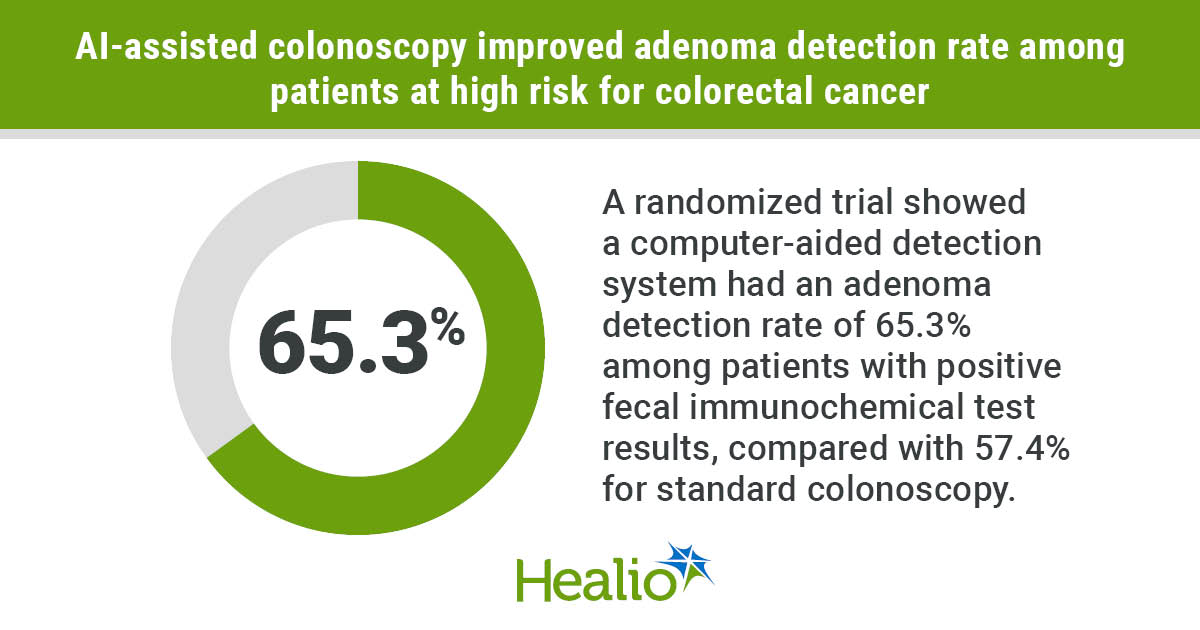
AI-aided colonoscopy may help high-risk colorectal cancer group
Add topic to email alerts Receive an email when new articles are posted on Please provide your email address to receive an email when new articles are posted on . “ data-action=”subscribe”> Subscribe We were unable to process your request. Please try again later. If you continue to have this issue please contact customerservice@slackinc.com. Back to Healio Key takeaways: A computer-aided detection system improved adenoma detection rate and had higher adenomas per colonoscopy among FIT-positive patients. The improvement was mostly driven by diminutive adenoma detection. AI-assisted colonoscopy could detect diminutive adenomas at higher rates than standard colonoscopy, which could be beneficial to populations at high risk for colorectal cancer. A randomized trial of more than 1,300 individuals in Taiwan showed computer-aided detection (CAD) was noninferior to standard colonoscopy for adenoma detection in the general population, but had a 39% higher likelihood of detecting adenomas among patients with positive fecal immunochemical test (FIT) results. Data derived from Hsu WF, et al. JAMA Netw Open. 2026;doi:10.1001/jamanetworkopen.2026.4881. “CAD should be strategically deployed as a precision tool for high-risk cohorts and as a quality-standardization asset within organized screening programs,” Han-Mo Chiu, MD, PhD, attending physician at National Taiwan University Hospital, told Healio. “In FIT-positive patients, more is not just more. Finding more diminutive adenomas is clinically vital. Because these small lesions in high-risk patients have a higher propensity for advanced histology like [high-grade dysplasia (HGD)], using AI to maximize their detection directly addresses the risk of interval cancers that might otherwise be overlooked in a manual exam. Crucially, this enhanced detection is achieved without over-resection.” ‘A unique high-risk cohort’ Adenoma detection rate has a significant association with interval colorectal cancer, according to study background. Prior studies have shown every 1% increase in detection decreases risk for colorectal cancer 3%, but up to 26% of adenomas and 27% of serrated polyps are missed on standard colonoscopy, most of which are classified as diminutive ( 5 mm) or small (6-9 mm). CAD has been shown to increase detection of smaller adenomas. “A major critique is that CAD primarily increases the detection of adenomas less than 1 cm, which some argue may have limited clinical impact in the general population,” Chiu said. “However, we recognized that FIT-positive individuals represent a unique high-risk cohort. They tend to have a higher multiplicity of adenomas, and importantly, even adenomas smaller than 1 cm in this population carry a substantially higher likelihood of advanced histology, such as HGD. “Our previous study in Taiwan comparing adenomas detected in FIT-positive individuals with those identified in the general population undergoing direct colonoscopy demonstrated that the former have a significantly higher risk of HGD and invasive cancer, even within the same size category of less than 1 cm. This raises the question of whether the common criticism — that CAD mainly increases detection of small adenomas and therefore has limited impact on future colorectal cancer risk — is applicable in the FIT-screening setting.” Chiu and colleagues conducted a multicenter trial in Taiwan to investigate. They randomly assigned 1,356 adults aged 40 to 79 years (mean age, 60 years; standard deviation, 9.4; 50% women) undergoing colonoscopy for positive FIT results, gastrointestinal symptoms, screening or surveillance for a history of polyps, to receive either CAD-assisted (n = 675) or standard colonoscopy (n = 681). Adenoma detection rate served as the primary endpoint. Researchers defined detection rate as the proportion of patients who had at least one histologically confirmed adenoma. Adenomas per colonoscopy, postpolypectomy surveillance intervals, and sessile serrated lesion detection rate served as secondary endpoints. ‘Critical finding’ Overall, researchers observed noninferiority in adenoma detection rate between CAD (58.5%) and standard colonoscopy (53.1%; P = .01), but the difference did not reach statistical significance (P = .05). However, among patients with positive FIT results, the CAD cohort had a significantly higher adenoma detection rate (65.3% vs. 57.4%; adjusted OR = 1.39; 95% CI, 1.05-1.86). “This is a critical finding,” Chiu said. “The AI’s ability to detect more of these subcentimeter adenomas in this trial will hopefully translate into a highly meaningful clinical benefit for this specific group.” CAD helped identify significantly more adenomas per colonoscopy overall (mean, 1.41 vs. 1.2; P = .01) and in the FIT subgroup (mean, 1.64 vs. 1.39; P = .01), the difference stemming from detection of diminutive adenomas. The CAD group also had significantly more polyps per colonoscopy (mean, 1.97 vs. 1.71; P = .005). The CAD and standard colonoscopy groups had similar advanced adenomas per colonoscopy, nonneoplastic polypectomy rates, and sessile serrated lesion detection rates. However, withdrawal time was significantly longer with CAD than standard colonoscopy (mean, 9.14 minutes vs. 8.32 minutes; P < .001). Patients who underwent CAD-assisted colonoscopy had a significantly higher likelihood of being assigned to U.S. Multi-Society Task Force intensive surveillance of 3 to 5 years (10.4% vs. 7.2%; aOR = 1.5; 95% CI, 1.01-2.21). Patients in the FIT subgroup had even greater odds (13.2% vs. 7.3%; aOR = 1.94; 95% CI, 1.22-3.09). “What surprised us the most was how the AI acted as a great equalizer among physicians,” Chiu said. “The benefit of CAD was most pronounced among junior endoscopists, significantly improving their performance, while senior experts saw numerical, but nonsignificant, gains. Furthermore, we were pleased to see that CAD did not increase the nonneoplastic polypectomy rate. This means the AI did not cause our endoscopists to over-resect normal tissue, proving that clinical judgment remained intact alongside the AI assistance.” Researchers acknowledged study limitations, including use of a single CAD system and not being able to blind endoscopists in the study arm. “I would like to emphasize the rigorous, high-ceiling setting of our trial,” Chiu said. “We conducted this study across centers where the baseline adenoma detection rate was already exceptionally high — over 50% for all indications of colonoscopy. Demonstrating that AI can still provide measurable clinical benefits in such an optimized environment — specifically by catching high-risk subcentimeter lesions in FIT-positive patients

Preventing Winter Falls: Balance and Strength Training Tailored for Cold Weather Challenges
Winter, widely considered the season of comfort, is the time for indoor relaxation and quiet contemplation. However, winter also brings with it some very real dangers, including cold, dark, and slippery surfaces. For older adults or those dealing with chronic pain, a small slip on these surfaces can lead to serious injuries that take months to heal. The good news? You can train your body to handle these challenges. Let’s explore some simple, safe exercises you or your loved ones can do from the comfort of your home to build your winter-proof stability. Why Winter Increases the Risk of Falls Cold weather brings more than just chilly air. It changes the way we move, how our muscles respond, and even how we think about walking. When it’s icy, people tend to tense up, take shorter steps, and look down more often. Muscles also get tighter in the cold, which reduces flexibility. Plus, all those bulky layers of clothes mess with your center of gravity and limit how quickly you can react if you start to lose your balance. Your boots might be waterproof and warm, but they’re probably not giving you the ankle support or ground feel you’d get from your regular shoes. Then there’s the simple fact that many of us move less in winter. Maybe you skip your daily walks when it’s freezing, or you stop going to that exercise class because driving feels too risky. But here’s the catch: the less you move, the weaker you get, and the weaker you get, the more likely you are to fall. Building a Foundation To prevent this, you simply need to work on two main things: balance and strength. Physical therapy and balance-focused exercises train your muscles, joints, and nervous system to respond faster and more effectively when something throws you off. Balance Training Balance isn’t just about standing still without wobbling. It’s about how your body reacts when something throws it off center. When you step on ice, for example, your brain and muscles have to communicate in an instant to keep you upright. If that connection is slow or weak, you’re more likely to fall. Some simple ways to train your balance include: ● Single Leg Stands: Stand near a sturdy surface like a countertop or wall for support. Lift one foot slightly off the ground and hold that position for 10–15 seconds. Then switch sides. At first, you might wobble, but that’s perfectly normal. Over time, your legs, ankles, and core muscles will get stronger, and your balance will improve. Try doing 3 rounds on each leg daily. ● Heel-to-Toe Walk: Imagine you’re walking on a tightrope. Place one foot directly in front of the other, heel touching toe, as you move slowly across the room. This simple drill strengthens your stabilizing muscles and sharpens coordination. Keep your eyes forward, not down, and use a wall for light support if needed. ● Side Leg Raises: Hold onto a sturdy chair or counter. Lift one leg out to the side while keeping your back straight and your toes facing forward. Lower it slowly and repeat. This exercise builds hip strength, which plays a big role in staying upright on slippery ground. ● Weight Shifts: Stand with your feet hip-width apart and shift your weight from one leg to the other slowly. Feel your balance change from left to right. This gentle exercise teaches your body to adjust quickly. Strength Training Balance and strength go hand in hand. When your muscles are strong, they act like shock absorbers, keeping you stable even when your footing isn’t perfect. Focus on the muscles that support your posture and help you move safely. Here are a few simple exercises to include in your daily routine: ● Chair Squats: Sit down and stand up from a sturdy chair without using your hands for support. Keep your feet flat on the floor and your knees aligned with your toes. This move strengthens your thighs, hips, and glutes—key muscles for stability and control. ● Heel Raises: Stand behind a chair or counter and slowly lift your heels so you’re standing on your toes. Lower back down after holding for a few seconds. This helps strengthen your calves and ankles, improving the small muscle reactions that keep you upright when you slip. ● March in Place: Lift your knees high as if you’re marching. Do this for one to two minutes, rest, and repeat. Marching builds leg endurance and helps train your coordination. ● Core Squeezes: While sitting or standing, tighten your stomach muscles as if you’re zipping up a snug jacket. Hold for 10 seconds, then release. A strong core helps your upper and lower body work together to keep you balanced. These movements may look simple, but they’re powerful. Doing them for just 10–15 minutes a day can make winter walks safer and less stressful. Warming Up Before You Head Outdoors Cold weather tightens muscles and slows blood flow, making your body less responsive. That’s why warming up before heading outside is so important. Think of it as insurance against sudden slips. Try a short warm-up routine before stepping out: ● Arm circles to loosen shoulders. ● Gentle knee bends to wake up leg muscles. ● Shoulder rolls and neck stretches to improve mobility. ● A quick indoor walk or stair climb to raise your heart rate slightly. It’s also wise to check your footwear. Look for rubber soles with deep treads for better traction. Avoid smooth or worn-out shoes, and consider ice grips that attach to your boots if you live in a particularly snowy area. Winter doesn’t have to be a season of fear. By investing just 10-15 minutes a day in these simple, safe exercises, you can build the strength and confidence you need to navigate the season safely. You are giving your body the tools it needs to stay upright, stable, and strong. When to Ask for Professional Help If you’ve had a fall before or feel nervous

Finding the Best Lupus Treatments
May is Lupus Awareness Month. Did you know the word “lupus” is Latin for wolf? We know that sounds random, but there is meaning behind the name. Back in the 13th century, a healthcare provider (HCP) said skin lesions from the disease resembled a bite mark from a wolf. Usually when people talk about lupus, they’re referring to the most common type called systemic lupus erythematosus. “Systemic” means throughout your body and “erythematosus” comes from the Greek word erythros, which means red — a nod to the butterfly-shaped rash associated with the disease. While the name represents a few symptoms associated with the disease, there are many symptoms of lupus to consider. And the disease affects everyone differently, so it’s not a one-size-fits-all approach when it comes to treatment for the disease. Symptoms of lupus Lupus is a chronic autoimmune condition that causes your body’s immune system to attack healthy organs and tissues. That means the disease can affect different parts of the body and show up in different ways. Symptoms of lupus can include: Butterfly-shaped rash on the face Joint pain, stiffness and swelling White or blue-colored fingers and toes from cold temperatures or stressful situations It’s important to keep track of your symptoms and their severity so you and your HCP can keep them in mind when forming a treatment plan. Types of healthcare providers for lupus care The first step in treating lupus is finding an HCP you trust. For many people, that person is a rheumatologist. A rheumatologist specializes in treating conditions that affect the muscles and joints. But many HCPs treat lupus, so primary care physicians can also help you with treatment options and overall management. Depending on your symptoms and type of lupus, other HCPs for lupus-associated conditions may include: A nephrologist for kidney problems, such as lupus nephritis. Lupus nephritis is a serious complication of SLE that happens when the immune system mistakenly attacks the kidneys and can cause inflammation and organ damage. A gastroenterologist for issues in the digestive tract, including the mouth, esophagus, stomach, intestines, liver, pancreas and gallbladder A dermatologist to treat sores, rashes and/or scaly skin associated with a type of lupus called cutaneous lupus A cardiologist for heart issues A neurologist for brain and nervous system disorders A pulmonologist for lung conditions A perinatologist for high-risk pregnancies and gynecologic care Open communication with your healthcare provider is key to managing lupus The next step in finding the right treatment plan is talking to your HCP about your symptoms and your goals for treatment as part of a shared decision-making process. Since no two cases of lupus are alike, it’s important to let your HCP know what symptoms you’re experiencing, the symptoms that bother you the most and the different ways lupus is affecting your life. It’s a good idea to write this information down before your HCP visit and also define what you hope to achieve with treatment. A good place to start in defining your personal goals is to think about the activities you love to do and how you can find a treatment that allows you to do what you love. For example, if you’re experiencing joint pain every day, your personal goal may be pain management. Treatment options for lupus There is no cure for lupus yet, but medications can help manage symptoms, reduce inflammation and flares, and reduce the risk of organ damage. Hydroxychloroquine (an antimalarial) reduces pain and flares and lower the amount of other lupus medications needed to treat the disease Non-steroidal anti-inflammatory drugs (NSAIDs) help manage pain and inflammation Steroids reduce pain, swelling and inflammation quickly Immunosuppressants reduce damage to organs Monoclonal antibodies target immune cells and helps control disease activity Biologics reduce disease activity, prevent flares and lower the amount of other medications needed to treat lupus ACTH gels reduce inflammation and are used when steroids or other medications are not working When discussing treatment options with your HCP, it’s also important to go over the side effects of medications and any long-term effects you may want to consider. In addition to medications, alternative therapies (physical therapy or chiropractic) and lifestyle changes like lowering stress and getting enough sleep are options you may want to incorporate into your plan. Shared decision-making makes a difference in lupus care Lupus is a complex disease, and you may have to try a few combinations of treatments to get to the plan that works for you. But open communication between you and your HCP can help you find the right combo so you can work toward remission and live your best life. This educational resource was created with support from GSK, a HealthyWomen Corporate Advisory Council member. From Your Site Articles Related Articles Around the Web Source link

When To Walk Away From a Sexless Marriage
In a relationship, what happens inside the bedroom influences what happens outside of it — and vice versa. While some lucky partners enjoy a thriving sex life no matter what’s going on in the outside world, many of us feel our libidos waxing and waning depending on work, finances, stress, kids, family life, the amount of sleep we’re getting… the list is endless. Over the course of a marriage or long relationship, it’s normal to go through periods of less-frequent sex, but what happens when those periods get longer… and longer… and finally seem like they might never end? When should you finally walk away from a sexless marriage? Related story If You’re Emotionally Exhausted From Your Relationship, It Might Be Marriage Burnout Let’s pause here and point out that there’s nothing necessarily “wrong” with not having sex in a partnership or marriage. “It is only a problem if it is a problem for your relationship,” therapist Lea Trageser, LMFT, of Helix Marriage and Family Therapy tells SheKnows. “Many couples might be in relationships that don’t have sex frequently or at all. That is OK as long as it is OK for them.” A sexless marriage can become a problem, though, when there’s a discrepancy in desire or one partner’s needs are going unmet. “The partner who wants sex in the relationship may start to feel lonely and insecure about themselves,” licensed marriage and family therapist Laurie Singer, MS, BCBA, tells SheKnows. Resentment and disconnection can follow. Research has also noted a connection between sex and mental health, with one 2019 study finding that “both being sexually active and more frequent sex were associated with better mental health.” All of which is to say: if you’re in a sexless marriage and don’t want to be, you might be wondering whether you should give up and walk away or stick it out and try to fix things. But how? What Is a Sexless Marriage? While exact definitions vary, a sexless marriage is typically defined as a marriage in which you and your partner are having sex no more than 10 times a year, Singer says. And as it turns out, sexless marriages are more common than you might think: a 2018 study found that over 15 percent of couples surveyed hadn’t had sex for the past year, and 13.5 percent hadn’t had sex for the past five years. This is more than just a dry spell — it’s a prolonged period without sex, also sometimes called a dead bedroom. “Over time relationships change, that is just a fact,” Singer says. “The secret is accepting the change and moving forward with each other, not away from each other.” A sexless marriage often (but not always!) points to the latter. 6 Causes of Sexless Marriage As any long-term couple can tell you, your libido can change a lot over the course of a marriage. “Life gets busy,” Singer points out. “Kids, jobs, and illnesses can lead partners to lose their sexual desire.” If you’re in a sexless relationship where the lack of sex is a problem, your dead bedroom is likely a symptom of a deeper issue. According to sex therapist Aliyah Moore, the root causes of a sexless marriage can include: Stress and a busy lifestyle: It’s not easy to balance work, family, chores, and other obligations. Now add to the mix the demands and energy required to keep up an active sex life. The weight of those burdens might be the cause of a couple’s lack of sex, Moore says. Communication issues: If you and your partner aren’t communicating well, and especially if you’re having arguments that you’re not fully resolving, you might start to feel emotionally distant and less up for intimacy. The “accumulation of feelings of resentment, anger or disappointment may be a barrier for couples to be physically close,” Moore says. Changes in relationship dynamics: “Couples may have some changes in attraction, intimacy, and desire for sexual connections,” Moore explains. Some lifestyle transitions, like aging or becoming parents, may naturally “reduce sexual desire and frequency,” she adds. Health concerns: Physical or mental health issues like chronic pain, fatigue, hormonal disorders, or mental disorders can have a big impact on your sex life, Moore says. In addition, some medications you may use to treat these conditions, such as anti-depressants, can also decrease your libido. Lack of spontaneity: It’s normal to fall into patterns and habits as a couple. When things get a little too repetitive in the bedroom, though, you might notice you’re having less sex due to simple boredom and monotony. Mismatched libidos: Many partners have different levels of desire. It’s certainly possible to keep up a thriving sex life when this is the case — many partners do — but it can be a challenge for some. Sex drive mismatch can cause “tension and frustration in the relationship,” Moore explains, as the partner who wants it more might feel inadequate or rejected. 4 Side Effects of a Sexless Marriage While some people might not mind (or might actually prefer) a sex-free marriage, for other couples, it can lead to a host of difficulties. “Intimacy and physical touch are part of who we are as humans and a necessity for so many of us,” Dr. Elisabeth Crain, a psychotherapist who specializes in couples counseling, tells SheKnows. Lacking that kind of physical connection can certainly impact a marriage negatively. “This isn’t to say that you can’t experience intimacy in other ways, but a lot of people connect through sex, especially women,” Dr. Crain says. Often, sex provides “closeness and emotional connectivity” for women; it tends to be more physical for men, who might “not be getting their physical needs met” in a sexless marriage (though of course, any gender can experience either of those effects). Other negative effects of a sexless marriage include: Emotional distance: Because sexual intimacy tends to strengthen emotional bonds, the lack of it may lead to couples feeling disconnected, Dr. Molly Burrets, a psychotherapist and