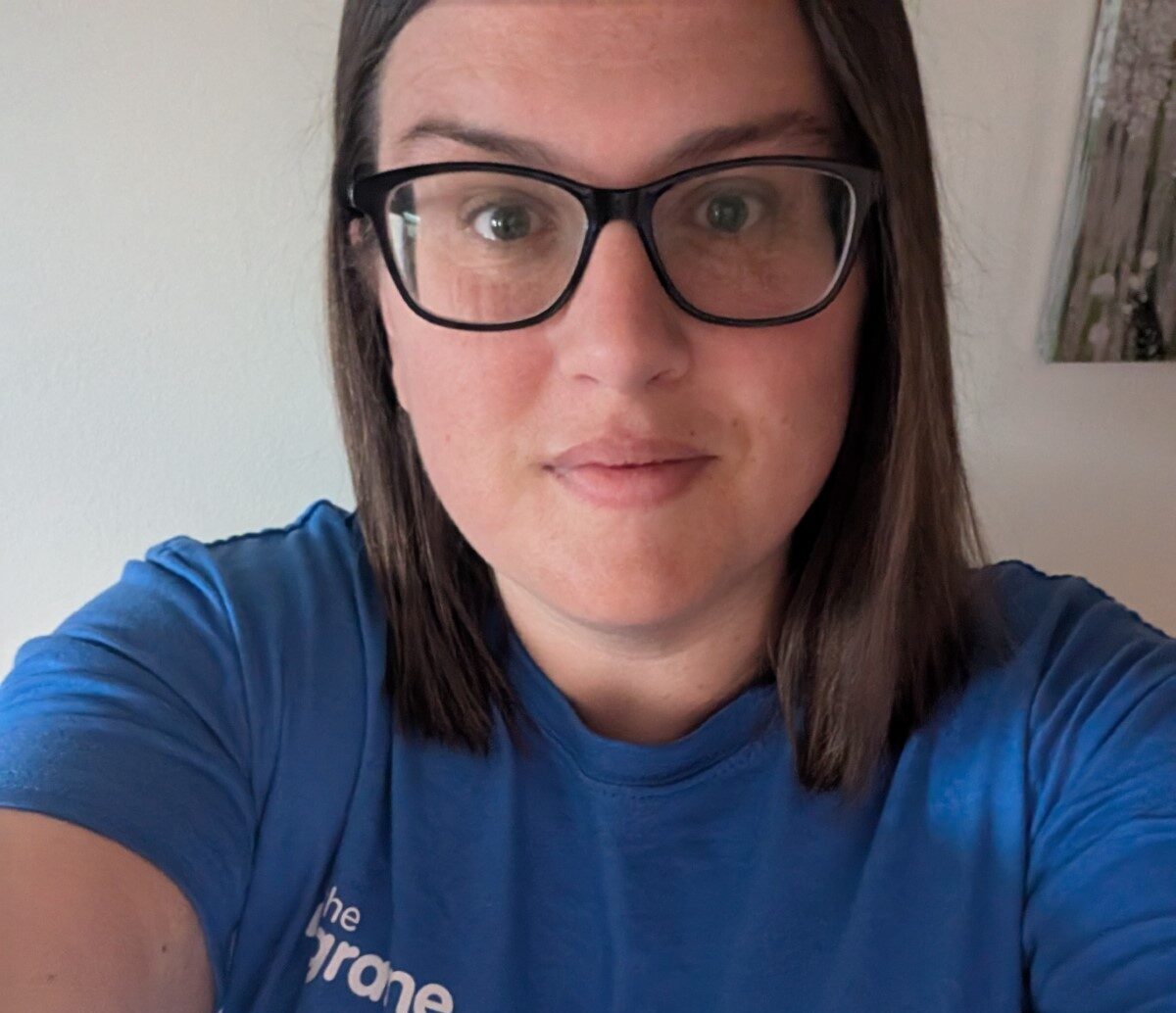
2026 was the fifth year of The Migraine Trust’s March for Migraine challenge, where we asked our supporters to walk, run, wheel, hop, skip or even row in one instance, 100 miles across the month of March. A total of 140 people signed up to the challenge and together they raised a fantastic £12,792 which will go towards our work to support people with migraine, fund crucial new research and campaign for change. Not only did our ‘Marchers’ raise vital funds, but they also helped to raise important awareness of migraine and the impact it can have on people’s lives. The majority of our ‘Marchers’ live with migraine themselves, many with chronic migraine, so we are particularly grateful to everyone who took on the challenge while managing migraine attacks or caring for a loved one with migraine. Two of our ‘Marchers’, Bex and Ludmilla gave their reasons as to why they participated: Source link
Mufemilast demonstrates efficacy in ulcerative colitis
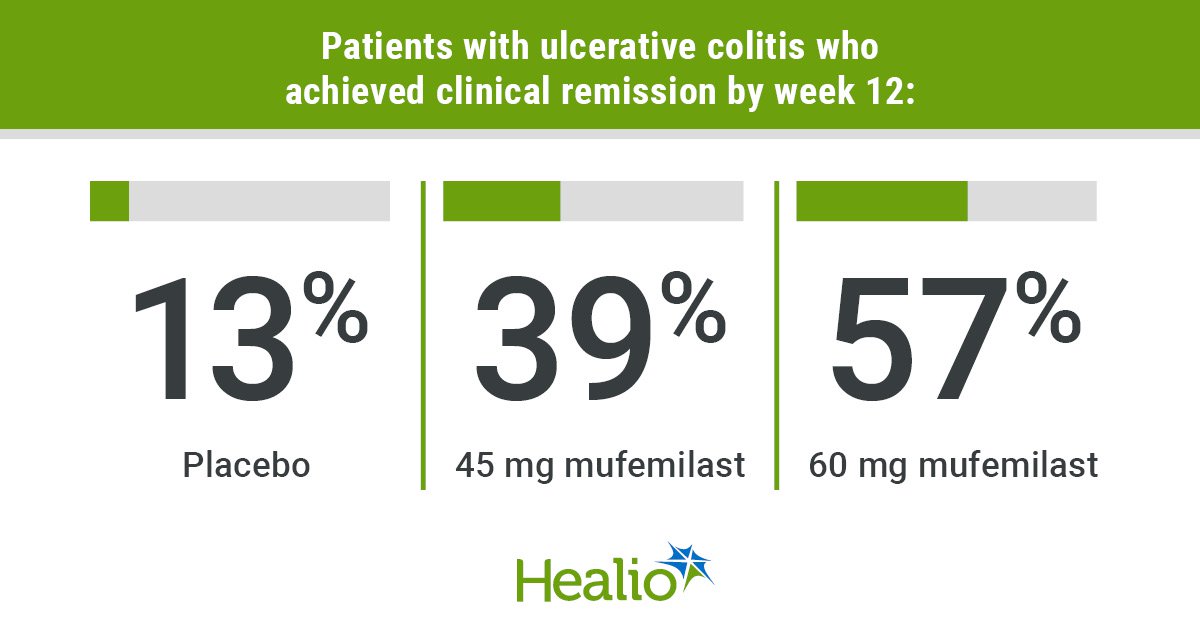
Add topic to email alerts Receive an email when new articles are posted on Please provide your email address to receive an email when new articles are posted on . “ data-action=”subscribe”> Subscribe We were unable to process your request. Please try again later. If you continue to have this issue please contact customerservice@slackinc.com. Back to Healio Key takeaways Mufemilast 60 mg improved clinical remission rate at 12 weeks, which was maintained through 24 weeks. Incidence of adverse events was similar between treatment and placebo groups. CHICAGO — An investigational small-molecule oral phosphodiesterase-4 inhibitor appeared well-tolerated and maintained clinical remission rates at 24 weeks among adults in China with ulcerative colitis, according to data presented. The novel drug, mufemilast (Hemay005, Tianjin Hemay), has been approved in China for patients with plaque psoriasis, but does not have FDA approval. Data derived from Jones CR, et al. Mufemilast (oral pde4 inhibitor) for ulcerative colitis: Open-label extension results at 24 weeks from a multicenter, randomized, double-blind, placebo-controlled parallel group induction phase II clinical trial. Presented at: Digestive Disease Week; May 2-5, 2026; Chicago. Results from a recent trial were presented at Digestive Disease Week. “When looking at this drug, there are some preclinical data that are quite interesting,” presenting author Laurent Peyrin-Biroulet, MD, PhD, head of the IBD unit at Nancy University Hospital in France, told attendees at the meeting. “On top of [an impact on] inflammation, there is also an impact on fibrosis.” Peyrin-Biroulet and colleagues investigated use of mufemilast in UC by conducting a phase 2, double-blind, placebo-controlled trial of 92 patients with moderate to severe disease. Patients needed a modified Mayo score of 4 to 9, an endoscopy score at least 2, and inadequate/failed response or intolerance to conventional therapy or biologics. Participants were randomly assigned to 45 mg mufemilast (n = 31), 60 mg mufemilast (n = 30) or placebo (n = 31) twice daily for 12 weeks, after which all groups switched to 60 mg mufemilast for an additional 12 weeks. Clinical remission rate at week 12 served as the primary endpoint. Secondary endpoints included clinical remission rate at week 24 and clinical response rate at weeks 12 and 24. Analysis included 70 patients who received 60 mg mufemilast in the open treatment period. Results showed clinical remission rates improved from 13% at 12 weeks to 75% at 24 weeks in the group originally assigned placebo, and from 39% to 62% in the group that switched from 45 mg to 60 mg. Remission rates remained steady in the group assigned 60 mg mufemilast for the entire 24-week period (57% to 52%). Researchers also reported increases in clinical response from week 12 to 24 for the groups originally assigned placebo (42% to 81%) and 45 mg mufemilast (87% to 90%), as well as in endoscopic improvement (placebo: 16% to 75%; 45 mg: 42% to 66%). The group assigned 60 mg achieved an 80% clinical response rate at 12 weeks, which dropped slightly to 72% by week 24, and also demonstrated endoscopic improvement (week 12: 67%; week 24: 64%). No significant differences were observed between responses of biologic-naive and biologic-exposed patients. Two adverse events and one severe adverse event — associated with preexisting thrombophlebitis — in the 60 mg group led to trial discontinuation. Incidence of adverse events was comparable between the treatment and placebo groups and included headache, dizziness and nausea. The incidence of headache, which ranged from 9.68% in the placebo and 45 mg groups to 10% in the 60 mg group during the 12-week treatment period, dropped to 2.86% in the open treatment period. Peyrin-Biroulet noted that tuberculosis, which is endemic in China, was an additional safety outcome in the study. “Despite having 17 TB-positive patients receiving mufemilast, no reactivation of TB was observed,” he said. “[Mufemilast] has improved efficacy, significant treatment effect and dose response — which is something that is very important,” Peyrin-Biroulet said. Published by: Sources/Disclosures Source: Jones CR, et al. Mufemilast (oral pde4 inhibitor) for ulcerative colitis: Open-label extension results at 24 weeks from a multicenter, randomized, double-blind, placebo-controlled parallel group induction phase II clinical trial. Presented at: Digestive Disease Week; May 2-5, 2026; Chicago. Disclosures: Healio was unable to confirm relevant financial disclosures at time of publication. Ask a clinical question and tap into Healio AI’s knowledge base. PubMed, enrolling/recruiting trials, guidelines Clinical Guidance, Healio CME, FDA news Healio’s exclusive daily news coverage of clinical data Learn more Add topic to email alerts Receive an email when new articles are posted on Please provide your email address to receive an email when new articles are posted on . “ data-action=”subscribe”> Subscribe We were unable to process your request. Please try again later. If you continue to have this issue please contact customerservice@slackinc.com. Back to Healio Source link
New EDS Patient: Where Do I Begin?
Did you recently get diagnosed with Ehlers-Danlos syndrome (EDS), and feel overwhelmed and confused about where to turn for help? What was described to me years ago as a rare condition is now believed to be much more prevalent, particularly when combined with the broader diagnosis of joint hypermobility disorder or hypermobility spectrum disorder (HSD). Still, many, like me, wait years to find out what is really the problem. Being diagnosed at the age of 54 with a condition I was born with lit a spark in me to do all I could to help others learn to cope. We have to wonder, if so many of us are living with the chaos and confusion of this condition, then why do we feel so lost as to where to begin to help ourselves? Shouldn’t the medical field be right there by our side with guidance? Well, as they catch up to us and learn how to help us, let’s make it our mission to pass information forward to help those around us. That may look like setting up a support group, sharing a list of medical personnel who are willing to learn and help with EDS, and paying it forward by sharing the strategies that have worked for us—including to medical providers working to learn more, as I’ve done in the past. But meanwhile, if you’ve just been diagnosed or don’t know where to start, what can you do to begin the process of trying to get on top of this condition? This Ehlers-Danlos Syndromes (EDS) and Hypermobility Spectrum Disorders (HSD) Awareness Month, I’d like to share some of what I’ve experienced and learned during my decades of living with and managing this disease. Please note that the information in this article should not be considered as professional medical advice, diagnosis, or treatment. It is for informational purposes only and represents my opinions alone, rather than the views of the U.S. Pain Foundation. These are my personal experiences and suggestions on what has helped me improve my quality of life. I share this in hopes that others living with this condition might also learn something new and improve their quality of life, too. What is Ehlers-Danlos syndrome? EDS is an inherited disorder primarily involving problems with the body’s connective tissue. There are 13 subtypes, with various levels of severity and impact. Hypermobile EDS (hEDS) is by far the most common subtype, accounting for about 9 in 10 cases. Classical EDS (cEDS) and vascular EDS (vEDS) are the next most common types, with the remaining subtypes being diagnosed much more rarely. HSD more broadly describes connective tissue disorders causing joint hypermobility and instability; some people are diagnosed with HSD when they don’t meet all of the diagnostic criteria for EDS. While this piece is largely based on my experiences with EDS, many of these insights will apply to those with HSD as well. Some people living with EDS go through life with minimal symptoms and little pain. Others are faced with a wide range of symptoms and complications. Clinical manifestations of EDS are most often joint- and skin-related and may include: Joints: Joint hypermobility (extreme flexibility) and hyperextensibility (movement beyond the joint’s normal range); loose or unstable joints that are prone to frequent dislocations and/or subluxations; joint pain. Skin: Soft, velvety skin; skin hyperextensibility (stretchiness); fragile skin that tears or bruises easily or severely; severe scarring; slow and poor wound healing. Other symptoms, which can vary by subtype, include chronic, early-onset, debilitating musculoskeletal pain; fatigue; scoliosis or neck instability; and mitral valve prolapse. Less common symptoms or complications associated with rare subtypes can include arterial, intestinal, or uterine fragility or rupture; scleral fragility; poor muscle tone; and gum disease. Due in part to the fact that the connective tissue impacted by EDS is widespread throughout the body, there are a number of associated disorders people may deal with, including postural orthostatic tachycardia syndrome (POTS) and other types of dysautonomia; mast cell activation syndrome (MCAS); Raynaud’s disease; early-onset osteoarthritis; autoimmune conditions; migraine and other headache disorders; a number of gastrointestinal disorders; gynecologic conditions; Chiari I malformation; craniocervical instability; tethered cord syndrome; and more. EDS is often misdiagnosed as fibromyalgia, osteoarthritis, rheumatoid arthritis, lupus, multiple sclerosis, myalgic encephalomyelitis/chronic fatigue syndrome (ME/CFS), or Munchausen syndrome or other psychiatric disorders. To complicate matters further, it is possible to have both EDS alongside one or more of most of these disorders. How is EDS Diagnosed? While a number of providers or specialists, including general practitioners or rheumatologists, may be initially involved in identifying or suspecting EDS, a confirmed diagnosis is often obtained by a geneticist familiar with the disease, as our symptoms can vary significantly. For some types of EDS, a skin biopsy to determine the chemical makeup of the connective tissue can help to suggest the diagnosis. Genetic testing can also help identify most subtypes of EDS—but not hEDS, the most common type. Geneticists often diagnose hEDS after ruling out other types. For some, the diagnosis of EDS is based upon the patient’s clinical findings and family history. However, while family history is key in helping diagnose EDS, particularly when genetic testing can’t help, the National Institutes of Health (NIH) has found patients who were born with EDS with no family history. And due to the difficulty of receiving a diagnosis, some people are the first in their family to be diagnosed. After receiving a diagnosis of EDS, you can work with your providers to find the best ways to manage the disease. These are some of the tips I have learned. Maintaining Physical Activity When you live with chronic pain, you can get emotionally and physically worn down, and you may sometimes feel that you have no energy to exercise. But living with EDS makes it all the more important to do just that. We need to keep our muscles strong to help support our joints, and cardio workouts also help keep our bodies in the best shape possible. Consider the stationary bike,

Premenstrual Dysphoric Disorder (PMDD) Split My Sense of Self in Two
May is Mental Health Awareness Month and National Women’s Health Month. As told to Erica Rimlinger My first period divided my life into before and after. Before I started menstruating, I was a regular 14-year-old girl: skateboarding, swimming and hanging out with my friends. Then, my period came, and within a year, it felt like my personality split in half. For two weeks out of every month, I experienced all the normal teenage ups and downs. The other two weeks, I cried hysterically in my room, physically crushed under the weight of my uncontrollable sadness and rage. I didn’t feel human and couldn’t even remember what the “real me” felt or thought. Honestly, I didn’t even know which half of me was the real me. Later, when I understood my condition as premenstrual dysphoric disorder (PMDD) and met other women with the same experiences, I heard someone describe it as “being a werewolf.” That stuck with me. At 15, I genuinely believed I had turned into a monster. Long before I learned about PMDD and had language for what I was experiencing, I was told I just had PMS with underlying mental health disorders. I cycled through diagnoses: depression, anxiety, bipolar disorder and panic attacks. These explanations described some of my symptoms, but none of them fully explained what I was experiencing. I regularly saw a therapist who wasn’t a good fit and a psychiatrist who put me on birth control pills. Neither helped. Now, on top of two weeks of PMDD symptoms, I had anxiety and terrible headaches for the entire month. I didn’t feel empowered to question anything — I just went along with it until the side effects became unbearable. Rejecting the birth control pills, I was then given an antidepressant. That didn’t work either. At some point, I stopped believing anything would. I just assumed this was who I was — angry, reactive and difficult. I thought, and desperately hoped, I’d grow out of it. I didn’t. In college, the pattern continued and got significantly worse. During the bad weeks, I lay in bed with my whole body aching from depression, feeling as if someone I didn’t know hijacked my brain. The transformation was total. In that state, I was unable to think back to a time I felt human. I hid it as best I could. I told people I was sick a lot. I canceled plans, including my own birthday celebration. No one really understood, and I didn’t know how to explain it. Looking back, I was carrying the weight of trying to live a full life while hiding half of it. 2026 My moods got significantly darker. I started having suicidal thoughts. I mentioned it casually to a friend once, asking something like, “How do you deal with the suicidal thoughts from PMS?” She looked at me, shocked, and said, “PMS does not cause suicidal thoughts.” That moment stuck with me. I knew something wasn’t right. I spent the next few years seeking help and finding limited relief. I did everything I could: therapy, medication, doctors. I was surviving until I decided to get a non-hormonal IUD. Since this birth control device doesn’t use hormones to prevent pregnancy, I was assured by my doctor I’d be safe from any mood-altering side effects. She was wrong. My mood spiraled downhill rapidly and I became suicidal again. Panicked, I called the doctor’s office to get it removed immediately. Afterward my mood lifted, but I noticed my PMDD was now worse than ever. At that point, I was forced to go on short-term disability at work. During those two months, I fully committed to getting answers and improving my condition. I tried alternative therapies, including ketamine therapy. There was some temporary relief but still no real answers. Strangely, I was finally pointed in the right direction by TikTok. By 2025, I’d gone deeper with my research, and a video describing PMDD appeared on my TikTok algorithm. The missing piece fell into place: I’d never heard of PMDD and had long stopped believing the story that I had “really bad PMS.” PMS symptoms didn’t apply to me. I didn’t have mild irritability or physical discomfort — I had weeks when my safety, relationships and ability to function were completely compromised. Once I had a name for it, I went to work. I documented everything — every diagnosis, every medication and every pattern I could track. I compiled all the notes I’d taken on my moods, my eating and my sleeping habits. Armed, I presented them all to my primary care physician, who ordered a blood panel. When it returned with normal results, she essentially shrugged. I then researched specialists and sent my records to a clinic in Chicago. The doctor, who showed up late and hadn’t even opened my file, wasn’t familiar with PMDD. Shocked, I blatantly said, “This is a mood disorder described in medical literature. Shouldn’t you know about this?” As a young teenager, I would have slunk out of the office, defeated again, but at that point, I wasn’t willing to just accept that anymore. I understood that if I didn’t fight for my life, nobody would. The second gynecologist I saw was also unfamiliar with PMDD. The third finally was. She not only understood the condition, she listened, validated what I was experiencing, made the diagnosis and set me on a path toward treatment. I cried when I finally had an answer, partly from relief and partly from the grief of everything I had gone through without understanding why. I grieved the relationships that didn’t survive, the opportunities I missed and the years I spent questioning myself. Today, I no longer feel the need to hide my PMDD or view it through a lens of shame. I have a treatment plan. I have tools. And I finally understand what’s happening in my own body. PMDD is still widely misunderstood — even among medical professionals. But there are answers out there and ways

The 11 Best Porn Sites for Women in 2026
If you purchase an independently reviewed product or service through a link on our website, SheKnows may receive an affiliate commission. OK friends, when you think of porn, are you immediately turned off? Yeah, we hear that. It’s 2026, and yet it’s still not an easy task to find porn that you actually want to watch, meaning a website featuring hot, actually good porn that doesn’t overwhelmingly prioritize the male gaze or the male orgasm. Sure, you can wade through the videos to find one where female pleasure and (over-the-top-slash-faked) female orgasms are the focus — but even then, there’s the distinct feeling that because of the way she’s being filmed, there is still a man calling the shots. Let’s be honest, even if you’re watching it with a male partner, you may get the sense that the porn you’re trying to enjoy isn’t for you. And that can make it harder to lose yourself in the story or the sensations the way you’d want to. Related story A Scary Amount of Young People Are Going to Porn & Google for Sex Ed In other words: where are the porn sites that cater to the female gaze, that honor female sexuality in all its beautiful forms and that don’t objectify women in a way that will have you itching to take a shower immediately after viewing (in a bad way)? Where are the porn sites that feel current and up to date with what we want from sexual media today? There are good reasons these kinds of porn are necessary, too. Porn that honors female sexuality “allows us to actually see content that was designed for us with our pleasure in mind,” Gigi Engle, a certified sex and relationship psychotherapist and resident intimacy expert at dating app, 3Fun, tells SheKnows. “This can be pretty revolutionary as most of mainstream porn is made by men for men — which can really take us out of it because it doesn’t center things we actually want to see. Seeing lots of different female-centered sex acts, a range of bodies, and lots of pleasure can help us feel better about our bodies, our pleasure, and ourselves in general.” If that’s the kind of porn you’re itching for, fear no more, because we’ve found some legitimately great porn sites for you, the modern, self-loving woman. If you’re tired of porn that feels overwhelmingly straight and cis-male-centric, you’ll be pleasantly surprised by the following selection of sites. And while we’re at it, it’s probably the right time to treat yourself to some new sex toys to really turn up the heat (our current fave is the LELO’s new Sona 3 Cruise, FYI). Quick PSA, though: please take care and don’t browse this one at your desk, because you’ll be able to access some NSFW websites from here on out. Click with caution and when it’s time for You-time, have fun! And as Engle reminds us, support these ethical porn sites by “always, always, always pay[ing] for your porn!” A version of this story was published on April 2018. Quinn Image Credit: SheKnows Audio erotica stays a fave for erotic content, and while it’s not the same as visual porn, it is something you can get off to knowing it’s made ethically and with your tastes in mind. Quinn, for example, is particularly cool with its super user-friendly interface, cast of sensual and totally dreamy voices, and curated, inclusive playlists to hit all of your tastes. And if audio erotica is hitting all the right buttons for you, try out our favorite erotic podcasts to keep the good times going. Erika Lust Image Credit: SheKnows One site Engle recommends is Erika Lust, which she says makes “queer, female-lens centered movies that are actually really high quality.” This site is all about “cinematic, artsy porn” that has actual narratives (love!) while prioritizing representation and ethical standards. If gorgeously-shot films about sapphic sex parties and swingers’ game nights sounds up your alley, click away. Dipsea Image Credit: SheKnows OK, one more audio erotica, just for fun. Dipsea is yet another excellent example of how sexy and fun it can be to tune in and listen to some sexy voices talking about sexy things. With its clean and beautiful interface, inclusive and diverse casting, and thoughtful, consent-minded stories, you’ll love to plug in and enjoy pretty much everything in their library. PinkLabel.TV Image Credit: SheKnows Another one of Engles’ favorites, PinkLabel.TV offers a true banquet of choices for your viewing pleasure. You can browse through categories like The Feminist Porn Gaze, Art Porn, Queer Porn, and Group Sex — and that’s just a taste. “Get experimental and just browse for a while until you find something that gets you going,” Engle advises. “It can be a really fun learning experience.” Bellesa Image Credit: SheKnows Imagine if Pornhub or RedTube became way, way more unapologetically female-friendly — that, dear friends, is Bellesa. You’re welcome, and enjoy. Sssh.com Image Credit: SheKnows Billed as a “smart and sexy erotic destination for women, by women,” Sssh.com allows you to access a variety of content, from videos to reading materials, all geared toward women. You’re sure to find a medium that gets the job done. XConfessions Image Credit: SheKnows Created by feminist adult filmmaker Erika Lust, XConfessions brings very real, very sexy stories submitted by various folks to life. Yes, it’s as hot as it sounds. Literotica Image Credit: SheKnows If you’re more stimulated by words than images or you’re looking for a quieter, more stealth porn session, head over to Literotica and let your imagination run wild thanks to the enticing stories submitted there. Vivid-Ed Image Credit: SheKnows Part of Vivid Entertainment and run by sex educator and podcaster Tristan Taormino, Vivid-Ed lives up to its name with articles, movies, photos, and more to help you become your best, most empowered sexual being. Kink Image Credit: SheKnows Whether you’re already an experienced lover of kinky sex acts or are just looking to test the
Stopping JAK Inhibitors for Pregnancy: What Happens to Hair in AA? — Donovan Hair Clinic
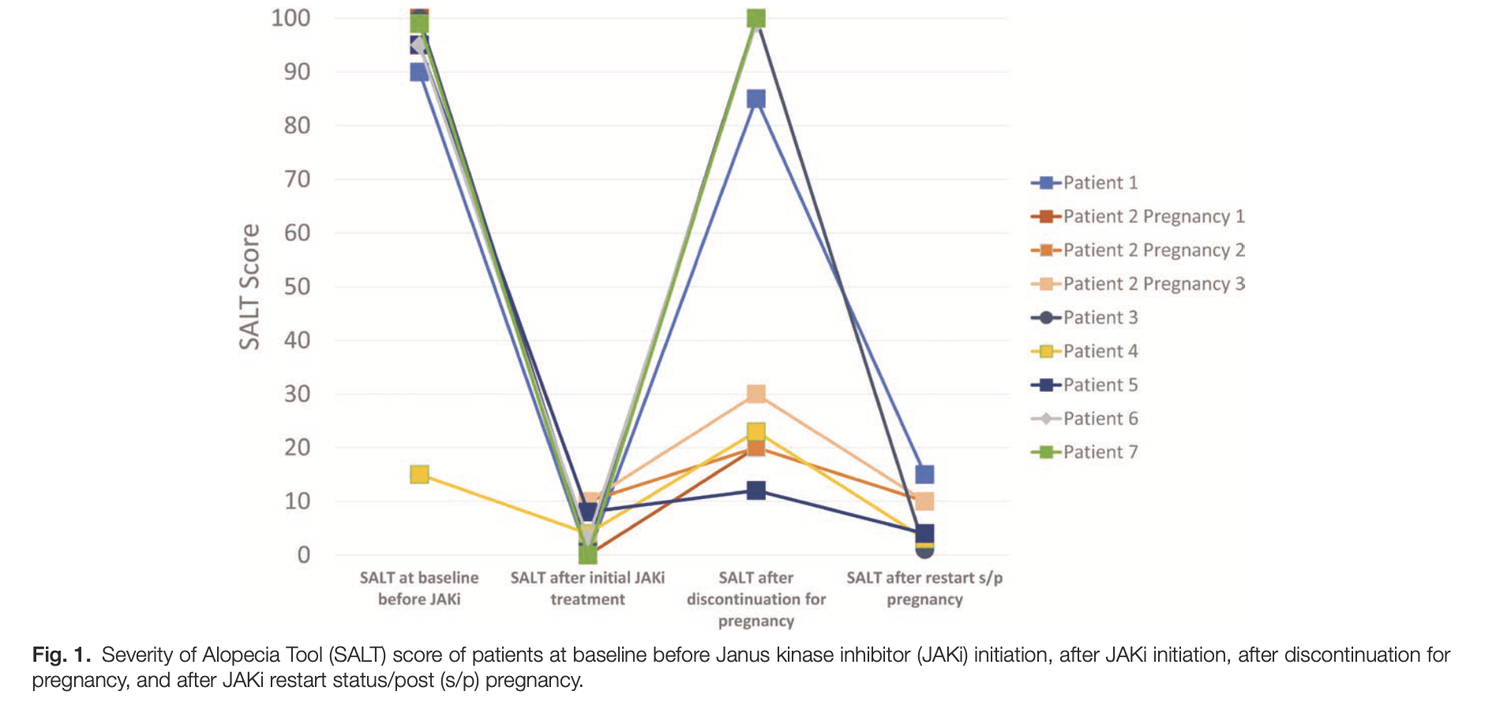
February 15, 2026 BACKGROUND & PURPOSEJanus kinase inhibitors (JAK inhibitors) can help severe alopecia areata (AA) regrow hair. But because safety in pregnancy isn’t fully known, and recommendations are now for women stop treatment when trying to conceive. This often leads to fear of hair loss returning. The purpose of this study was to describe what happens to scalp hair when JAK inhibitors are stopped for pregnancy — and what happens after restarting them postpartum. METHODSDoctors followed 9 women with severe AA through 14 pregnancies. All stopped oral JAK inhibitors before or early in pregnancy. Hair loss severity was measured using the SALT score before treatment, after stopping treatment, and after restarting postpartum. RESULTSEvery woman experienced significant hair loss after stopping treatment. However, once JAK inhibitors were restarted — usually within 4 months after delivery — patients regrew their hair, often back to or better than before. FIGURE 1 FROM Ogbutor C, Chen L-C, Kalil LL, et al. Discontinuation and restart of Janus kinase inhibitors due to pregnancy in alopecia areata: a case series. Int J Womens Dermatol. 2025;11:e218. used with creative commons license. CONCLUSIONSWomen with AA who must stop JAK inhibitors during pregnancy should be counseled that hair shedding is highly likely. The encouraging news is that restarting treatment after delivery (and after breastfeeding is done) led to meaningful regrowth in all cases. This study highlights the emotional burden these women face and the need for clearer pregnancy-related treatment guidelines in AA. REFERENCEOgbutor C, Chen L-C, Kalil LL, et al. Discontinuation and restart of Janus kinase inhibitors due to pregnancy in alopecia areata: a case series. Int J Womens Dermatol. 2025;11:e218. This article was written by Dr. Jeff Donovan, a Canadian and US board certified dermatologist specializing exclusively in hair loss. Source link

Botox for Migraine: What You Need to Know About This Preventive Treatment
This post may contain affiliate links. Migraine Strong, as an Amazon Affiliate, makes a small percentage from qualified sales made through affiliate links at no cost to you. Botox may be best known for smoothing wrinkles, but for many living with chronic migraine, it’s also a powerful tool to help prevent attacks. Approved by the U.S. Food and Drug Administration (FDA) in 2010, Botox for migraine has become a widely used and effective preventive treatment. Whether you’re just beginning your migraine management journey or have tried several preventive medications without success, Botox might be worth considering. In this article, we’ll break down what Botox is, how it works, who it’s for, and what you can expect before, during, and after treatment. ** While Migraine Strong writes about the latest in migraine treatments, this is not medical advice. We are patient educators. All information you read should be discussed with your doctor. What Is Botox? Botox is the brand name for onabotulinumtoxinA, a purified neurotoxin derived from the bacterium Clostridium botulinum. While it’s widely known for cosmetic use—reducing fine lines and wrinkles—it’s also FDA-approved for several medical conditions, including chronic migraine. The discovery that Botox could help with migraine was somewhat accidental. Patients receiving Botox injections for cosmetic reasons reported fewer headaches, prompting researchers to explore its effects on migraine. Clinical trials confirmed its effectiveness in reducing the number of headache and migraine days for people living with chronic migraine. Botox was officially approved for chronic migraine in 2010 by the FDA. How Botox Works for Migraine While the exact mechanism isn’t fully understood, Botox is believed to work by blocking the release of certain neurotransmitters involved in the pain pathways associated with migraine. These neurotransmitters signal pain, and Botox may help interrupt that communication before an attack begins. Unlike acute treatments, which are taken once a migraine attack has started, Botox is a preventive treatment. The goal is to reduce the number, frequency, and severity of migraine attacks over time. On average, Botox reduces 8 to 9 headache and migraine days per month [1]. Who Qualifies for Botox for Migraine? Botox is approved only for chronic migraine, not for episodic migraine. According to the International Classification of Headache Disorders, chronic migraine is defined as: 15 or more headache days per month, and At least 8 of those days must include migraine features, such as head pain, sensitivity to light or sound, nausea, or visual aura Symptoms must persist for more than 3 months In most cases, insurance providers require that patients try and fail two or more preventive treatments—either due to lack of effectiveness or intolerable side effects—before approving Botox. This is called Step Therapy. The Botox Procedure: What to Expect Botox for migraine is typically administered by a neurologist or headache specialist trained in the PREEMPT injection protocol, which involves: 31 small injections Across 7 specific muscle areas in the head, neck, and shoulders Every 12 weeks (approximately every 3 months) Botox for migraines injection sites Botox for migraines injection sites Botox for migraines injection sites Botox for migraines injection sites Botox for migraines injection sites The treatment itself usually takes between 5 to 15 minutes. A fine needle is used to inject small amounts of Botox into the targeted areas. Most patients describe the sensation as a series of small pinches or stings, and the procedure is generally well tolerated. There is no required recovery time—you can typically drive yourself home afterward and return to your regular activities the same day, though some people prefer to rest for a few hours. Most doctors recommend not exercising or lifting for 24 hours after the procedure. The Cleveland Clinic has a good overview of what you should and shouldn’t do after Botox for migraine. When Will You See Results? Botox is not an instant solution. Results typically appear gradually over time. According to studies and patient reports: Some people experience improvement within 4 weeks Most see significant results after 2 to 3 treatment cycles, spaced 12 weeks apart On average, Botox reduces 8 to 9 headache or migraine days per month [1] Research shows that even if a patient doesn’t respond after the first cycle, they may respond after the second or third. A large study found that: ~25% of people who didn’t improve after the first treatment cycle responded after the second Another ~25% who didn’t respond after the second round improved after the third This supports the recommendation to try Botox for at least three full treatment cycles before evaluating its effectiveness [3]. Predicting Whether Botox Will Work for You While there’s no guaranteed way to know whether Botox will work for an individual, some studies have looked for possible predictors. A study by Dr. Rami Burstein suggested that the type of migraine pain a person experiences might help indicate whether they’ll respond to Botox. The research found: People who describe their pain as “imploding” (a crushing or inward sensation) were more likely to respond to Botox People who describe “exploding” pain (as if pressure is building inside the head) were less likely to respond In fact, 92% of non-responders reported “exploding” pain, while 74% of responders described “imploding” or “ocular” migraine pain [5]. Overall, about 65% of chronic migraine patients respond to Botox after three cycles [4]. Botox Side Effects and Safety Botox is considered a safe and generally well-tolerated treatment. However, as with any medical procedure, side effects can occur. The most commonly reported side effects include: Neck pain Headache or worsening of migraine symptoms Eyelid or eyebrow drooping (ptosis) Muscle stiffness or weakness near the injection sites Mild bruising or swelling [6], [7] The good news is that side effects tend to decrease with each subsequent treatment [8]. If side effects persist, your doctor may adjust the dose, recommend a different botulinum toxin like Myobloc, or consider discontinuing the treatment altogether. The first time I tried Botox, I felt like my attack frequency increased, and I ended up giving up on it too soon. I
#FGblog – Amoebiasis? If you en-cyst…
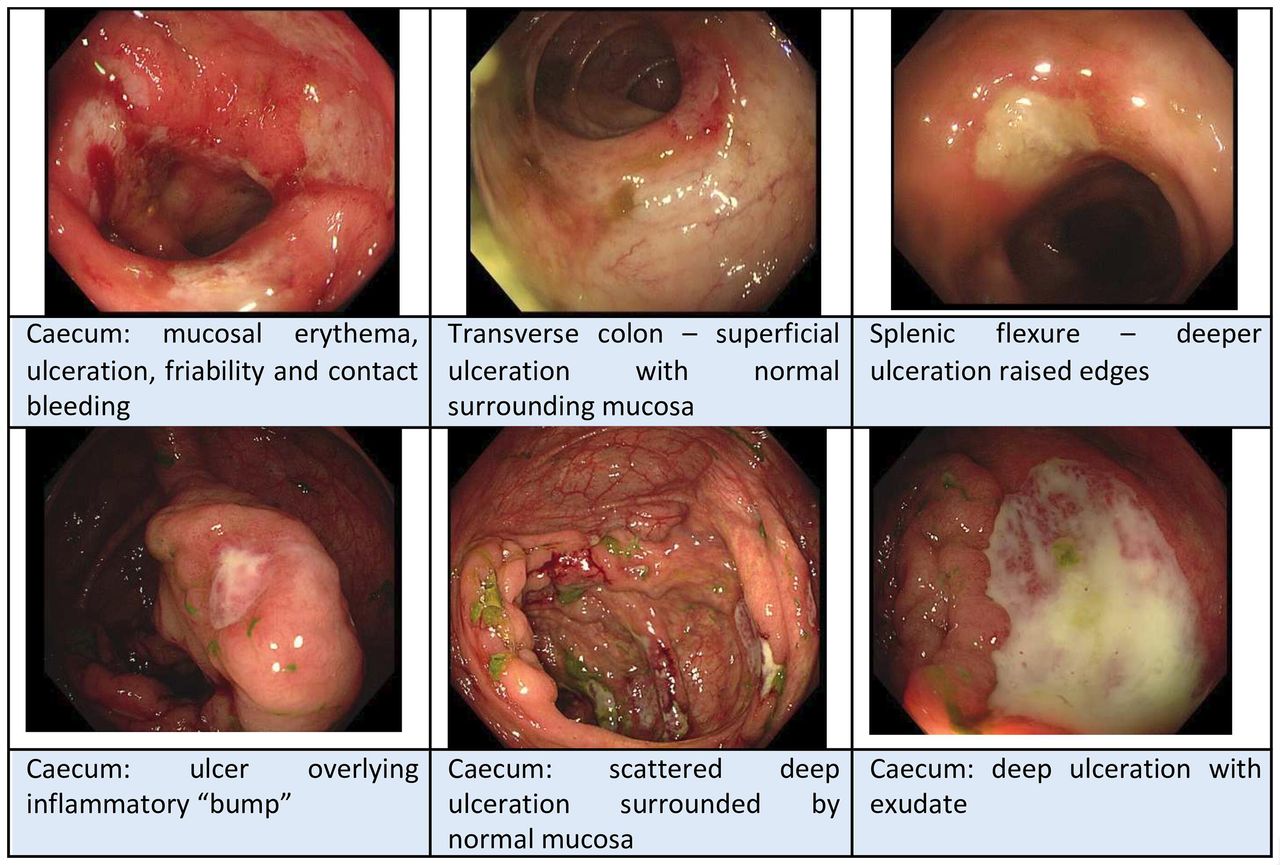
In this blog the FG team would like to highlight our latest Open Access review on “Recent advances in the diagnosis and management of amoebiasis” by Cooney et al. This comprehensive but highly readable article will take you from wherever you are on the ‘zero to hero’ spectrum of amoebiasis to an overnight expert. FG is no stranger to amoebiasis, covering management of liver abscess and a case report of amoebic colitis over the years, but this review is timely given the increasing recognition of amoebiasis as a global health problem and a rise in imported cases to the UK. The article kicks off by covering the pathophysiological and epidemiological background to Entamoeba histolytica infection, including a helpful diagram of the life cycle of E. histolytica, highlighting its infective stage and the points at which it causes disease. The encysted trophozoites are hardy, surviving for up to 90 days following excretion. Amoebiasis is sadly still responsible for 55,000 deaths a year, especially in children under 5 and in lower income countries, although morbidity is declining owing to improved sanitation and management of symptomatic infection. Interestingly the reverse trend is being seen in high income countries, with an increased loss of disability-adjusted life years, most likely due to increased travel and migration. That said, acquiring the infection in non-endemic countries is well recognised and so a travel history should not be a pre-requisite to considering the diagnosis. Immunosuppression as a risk factor for developing amoebic colitis, and for increased severity of disease is hugely important for frontline gastroenterologists to be aware of. Amoebic colitis is an IBD mimic, and the perils of immunosuppressing patients with E. histolytica infection are clear, whether with corticosteroids, immunomodulators or advanced therapies. E.histolytica laboratory testing is often not part of a routine pre-immunosuppressant screen in the UK (it does not feature in the BSG guidelines), although the authors are clear that it should be. In endemic settings, the need to ‘look before you leap’ with immunosuppression is critical to avoid potentially life-threatening consequences. The high rate of toxic megacolon and perforation (and a 40% mortality rate) with fulminant amoebic colitis is of concern, with certain groups being at higher risk. The section on amoebic liver abscess (ALA) as the most common extra-intestinal manifestation of amoebiasis is welcome. Interestingly, most patients with amoebic liver abscess do not have amoebic colitis simultaneously. The authors carefully lay out the different diagnostic approaches, with their relative merits and drawbacks. Whereas expensive molecular techniques (e.g. PCR) may be commonplace in higher income settings, light microscopy or point-of-care antigen detection may be more appropriate in resource-limited healthcare environments. Colonoscopy, although not needed to seal the diagnosis in most cases, will inevitably be part of the diagnostic work-up, and we found the images of the pathognomonic ‘bump’ sign and other endoscopic features very helpful. Treatment of all cases, symptomatic or not, is crucial. Dual treatment with a ‘tissue amoebicide’ (e.g. metronidazole) and a ‘luminal amoebicide’ (e.g. paramomycin) prevents recurrence. Duration of treatment depends on whether it is amoebic colitis or ALA being treated. Also, do not forget the simple but crucial measures of universal enteric precautions, and contact tracing with a test and treat approach. Far from being a niche health problem confined to medical school finals and membership exam trivia, the ins and outs of amoebiasis are a must-know for gastroenterologists, and we hope you will go straight from this blog to read this engaging article. References Cooney J, Siakavellas SI, Chiodini PL, et al Recent advances in the diagnosis and management of amoebiasis. Frontline Gastroenterology. Published Online First: 07 October 2024. doi: 10.1136/flgastro-2023-102554 Trillos-Almanza MC, Restrepo Gutierrez JC How to manage: liver abscess Frontline Gastroenterology 2021;12:225-231. Meade S, Arora A, Goderya R, et al Unusual case of severe colitis Frontline Gastroenterology 2019;10:322-324. The post #FGblog – Amoebiasis? If you en-cyst… appeared first on Frontline Gastroenterology Blog. Source link

Preparing for a New Doctor When You Live With Chronic Pain
Many of us living with pain have experienced the challenge of no longer being able to see our familiar doctors. In my state of Rhode Island, along with those who are naturally retiring, many have also chosen to leave to receive the more reasonable pay that they deserve in a different state. Whatever the reason, this leaves us searching for a new doctor. However, for those of us living with a chronic condition, this process can be extremely challenging. Our mission is to find a new doctor who is willing to take us on despite our complications. Chronic pain sure puts a monkey wrench into the journey of searching. I live with Ehlers-Danlos syndrome, which is an incurable, painful, and complicated condition. Therefore, finding a doctor who is willing to add me to their practice is not so simple. When searching for a new physician, we must share the truth about our difficult journey, while also showing them that we are taking an active role in working to help ourselves. I have found that since it is hard to find an EDS-knowledgeable doctor, I instead search for one who is willing to listen to me, believe in me, and trust me—one who is willing to learn with me, to search for ways to improve the quality of my life with my condition. Framing my search in this way helps me find a match that is supportive and fulfilling for me. While it can be difficult to establish a doctor-patient relationship when you have chronic pain, your journey may help pave the way for the next patient who is also struggling with your condition. So what should you be prepared to share with a new doctor? I’ve found it helpful to bring the following: Medication list, including the dosage and date each was started Medication reaction list Any diagnoses you have been given, and the dates of diagnosis Dates and details of any body scans or imaging you’ve had done Dates and details of any surgeries or procedures you’ve had, and where they took place Insurance cards Name and contact information of the pharmacy you use List of doctors who are presently working with you I am sure you have times of frustration living with your condition. And, as in my case, it’s possible a doctor won’t be able to cure you. But I have found that developing a kind and caring relationship with my doctors has made my visits pleasant, and the compassion they have shown me makes a difference in my care. Listening, believing, and caring for me means the world, and I have worked with each provider to create this type of relationship. When you have found a good match with a provider who is willing to add you to their practice, consider, during your appointment, asking your doctor how they are doing. They tend to be initially shocked, but it brings on appreciation and a chance to get to know each other in a caring way that will help to nurture your relationship and mutual respect. May life be kind to you… —by Ellen Lenox Smith Source link

Causes of Premature Menopause and Early Menopause
What is menopause? Menopause occurs when you’ve gone 12 months without a period. Most women experience menopause between the ages of 45 and 58. The average age of menopause in the U.S. is 51 Natural menopause The decline in female hormones that happens naturally with age. Induced menopause When medical treatments like cancer treatments or surgery temporarily or permanently shut down the ovaries so they no longer make estrogen and progesterone. Induced menopause happens quickly — within a few weeks or even overnight — and can cause early or premature menopause. Premature menopause = Menopause before age 40 Early menopause = Menopause before age 45 Factors that cause or are associated with premature or early menopause Risks of early or premature menopause Living longer without the health benefits of higher estrogen levels may increase your risk for health problems like: Talk to your healthcare provider about your risk If you think you may be at risk for early or premature menopause, talk to your healthcare provider. Together you can figure out a plan. This educational resource was created with support from Bayer, a HealthyWomen Corporate Advisory Council member. Source link