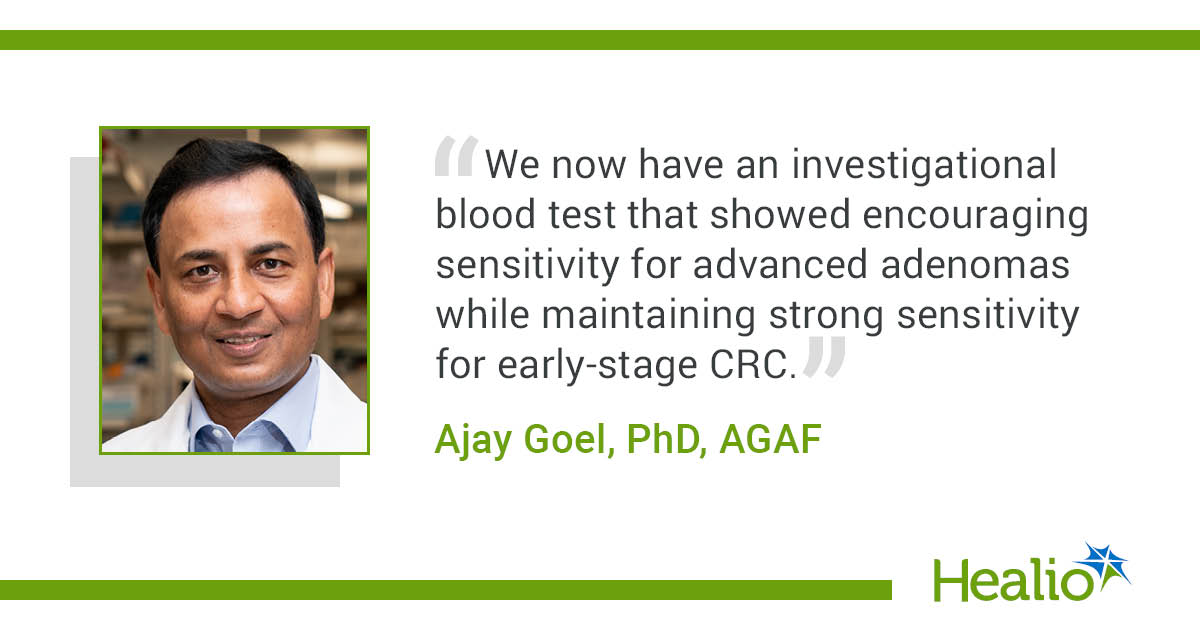
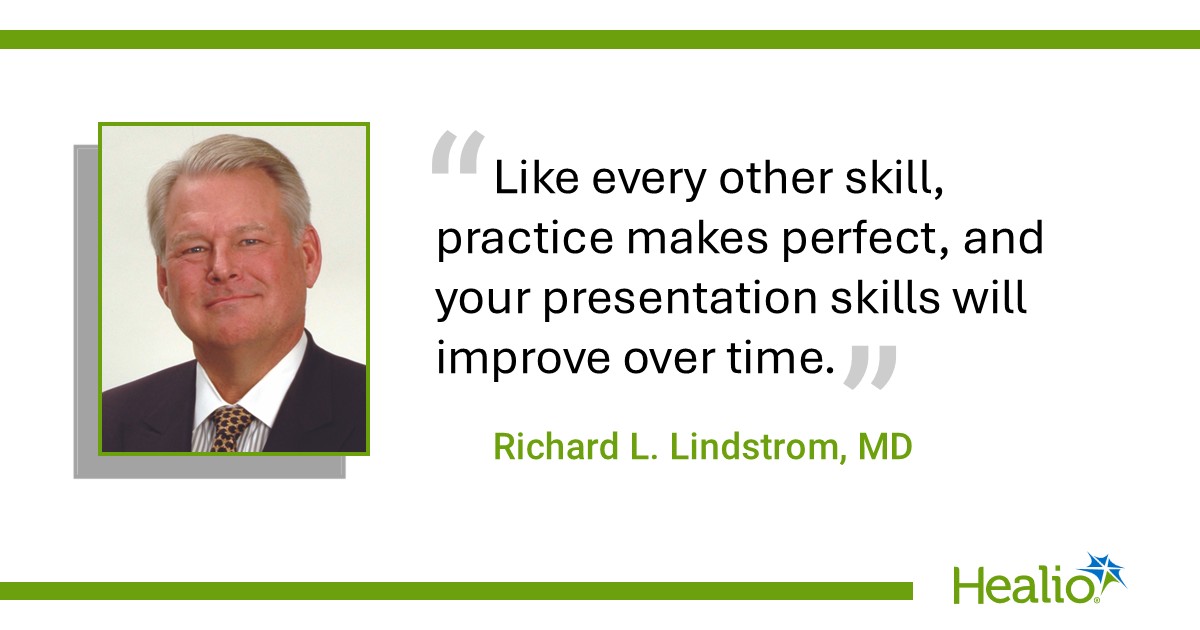
Column Lindstrom’s Perspective September 01, 2026 3 min read Add topic to email alerts Receive an email when new articles are posted on Please provide your email address to receive an email when new articles are posted on . “ data-action=”subscribe”> Subscribe We were unable to process your request. Please try again later. If you continue to have this issue please contact customerservice@slackinc.com. Back to Healio More from Column Lindstrom’s Perspective View all Click here to read the Healio Exclusive, “Experience builds confidence when it comes to speaking at meetings.” I am often asked by residents, fellows and younger ophthalmologists to share the pathway to becoming a key opinion leader in ophthalmology and a regular invited speaker at educational meetings. In the following paragraphs, I will share a few thoughts gained from my personal journey as a lecturer and a frequent organizer of educational programs today. Remember, there is no elevator to success or excellence as a key opinion leader (KOL) or speaker — you must take the stairs. The first stair is quality training including, for most, one or more years of post-residency fellowship. I personally completed three fellowships after residency, the first in cornea and external disease at the University of Minnesota, the second in advanced microsurgery at a busy surgical academic private practice in Dallas, and the third in glaucoma at the University of Utah supported by the Heed Ophthalmic Foundation. These fellowships provided extremely valuable clinical training and a strong knowledge base as well as a solid set of credentials supporting expertise. Next, it is important to build a busy clinical practice. You cannot be a credible educator of other clinicians unless you have strong clinical experience. As you grow your clinical experience, you will become passionate about one or more areas of clinical practice. Focus on these areas of interest and study global literature to become a true expert in your chosen topics. Then, compile and evaluate your own clinical outcomes and compare them with world literature. Collaborating with an industry partner and performing an investigator-initiated clinical trial in your area of interest is a good way to strengthen this process. Once complete, you will have a unique set of personal data and clinical insights useful to others, including your colleagues and industry. The next step is to get invited to share your thoughts and insights at a meeting. Here, a residency or fellowship mentor, senior partner or industry representative can help. Finally, when invited to present to your colleagues at an educational event, it is critical to take the time and effort required to deliver an outstanding presentation. It is important to know that once you are at the podium, you will have a critical audience. Your presentation with be critiqued by the meeting organizer, in many cases a panel of expert colleagues, meeting attendees and any industry representatives present. The lecture you give must end on time, be delivered smoothly with support from high-quality audiovisual PowerPoints and/or video, and be free from commercial bias. If you fail in any of these regards, you are much less likely to be invited to present again. If you succeed, you will find yourself a regular speaker as your reputation as an excellent and honest educator expands by word of mouth among those who have the responsibility to organize quality educational programs for their colleagues. Always present information that is evidence based with references, clinically useful and unbiased, while being presented in the time allotted with a high-quality delivery style. Once positioned as a quality speaker with useful information to share, you will find yourself in demand to participate in industry-sponsored clinical trials, join medical advisory boards, participate in leadership positions at ophthalmology societies and over time become a meeting organizer yourself. You will be a KOL! Now, a few thoughts on how to prepare and present a quality medical lecture. An excellent lecture has a central idea and provides information that can be used immediately to improve a colleague’s clinical or business performance when returning to their practice. It is important to know your audience, know your subject matter, prepare your presentation well in advance and practice the talk repeatedly at home. Every lecture has an architecture. Dress appropriately for the setting. Adjust the microphone before you begin to speak. Speak in an audible, purposeful, paced fashion and make eye contact with the audience right, left, center, front and back. Pause and direct the audience view to the PowerPoint presentation when appropriate to emphasize key points. Start by telling the audience what you are going to teach them, teach with your verbal and audiovisual presentation, and then, when closing, tell them again what you taught them. Case presentations are a powerful and memorable way to illustrate diagnostic reasoning and therapeutic choices and keep listeners engaged by making them think during the presentation. Just like no one is born a great surgeon, no one is born a great orator. It helps to critically observe other speakers. One can learn from good and bad speaker examples. Adopt a style you find attractive and emulate it through practice. Training courses such as Dale Carnegie and Toastmasters are available as are personal coaches. Many universities, colleges, societies and some companies offer speaker training programs. Ask a few friendly colleagues and mentors to critique your presentations and offer constructive advice. If your presentation is recorded or on video, watch it and learn, just like you would review a video of your surgical procedures. Like every other skill, practice makes perfect, and your presentation skills will improve over time. Be patient with yourself and do not expect to be perfect at first. Remember that while it is an honor and gratifying to be chosen to teach your colleagues, it is also a significant responsibility. Never forget that what you teach has the potential to impact many patients’ vision, positively or negatively. Integrity and
Belting a tune may be better for belching than breathing exercises
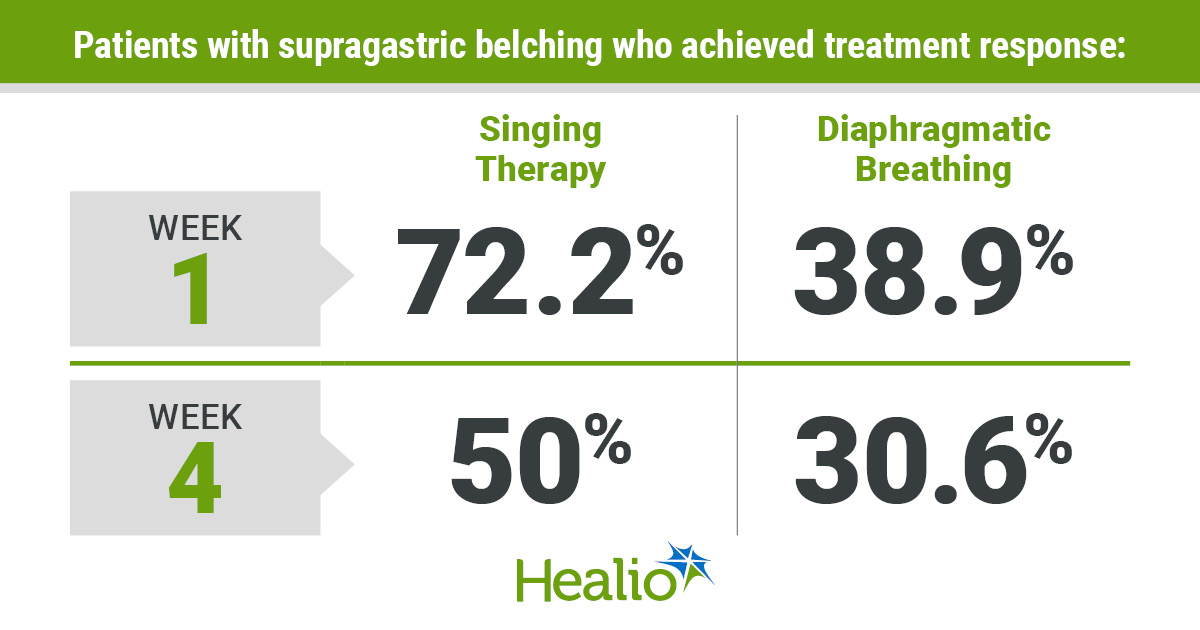
September 01, 2026 3 min read Add topic to email alerts Receive an email when new articles are posted on Please provide your email address to receive an email when new articles are posted on . “ data-action=”subscribe”> Subscribe We were unable to process your request. Please try again later. If you continue to have this issue please contact customerservice@slackinc.com. Back to Healio Key takeaways: Treatment response rates were significantly higher with singing therapy vs. diaphragmatic breathing at 1 week and 1 month. Older age and higher baseline belching scores were predictors of treatment response. Patients with supragastric belching reported greater symptom relief and improvements in health-related quality of life with singing therapy than diaphragmatic breathing, study results showed. Findings also suggested that singing therapy could be particularly beneficial for older patients with severe symptoms. Data derived from Shang H, et al. Clin Gastroenterol Hepatol. 2026:doi:10.1016/j.cgh.2026.03.047. “Supragastric belching significantly impairs quality of life,” Haitao Shang, PhD, of the department of gastroenterology at Qingdao Hospital in China, and colleagues wrote. “Although diaphragmatic breathing is recommended as a first-line intervention in clinical guidelines, some patients perceive it as monotonous.” Supragastric belching — characterized by involuntary contractions of the diaphragm that cause rapid intake and expulsion of air at the esophagus — can cause substantial patient discomfort, as well as compromise quality of life. Pharmacological therapy often is associated with central nervous system-related adverse events, according to the researchers. Behavioral therapies like speech and cognitive therapy have shown promise but can be limited by intensive time requirements and specialist availability. Given these barriers — and some patients’ perception of and poor adherence to diaphragmatic breathing exercises — Shang and colleagues investigated structured singing therapy as a possible treatment. “Singing requires precisely coordinated respiratory muscle activity involving the diaphragm, intercostal and abdominal muscles, which may help correct the dysfunctional diaphragmatic contractions,” they wrote. Study design Shang and colleagues recruited 72 adults with supragastric belching from two gastroenterology outpatient centers in China between October 2024 and April 2025. They randomly assigned patients 1:1 to singing therapy (mean age, 46.1 years; 66.7% women) or diaphragmatic breathing (mean age, 43 years; 63.9% women). Thirty participants in each group adhered to treatment for the duration of the study. The cohorts were balanced in symptom severity, Gastrointestinal Symptom Rating Scale scores, psychiatric comorbidities and quality-of-life measurements. Participants assigned singing therapy engaged in three 5-minute singing sessions per day, with additional 5-minute sessions when belching episodes occurred. During these sessions, patients were required to maintain open mouth phonation to activate their diaphragm and to reach a target vocal intensity of 80 decibels. They could sing one of four Chinese folk songs, which were selected for their simplicity and broad familiarity. Those assigned diaphragmatic breathing participated in 30-minute sessions focused on controlled breathing, positional progression and home practice techniques. Both interventions were guided by gastroenterologists over a 1-week period. Participants completed questionnaires assessing symptom severity, impairment of daily activities, perceived controllability and function interference in social settings, among other factors. Treatment response, defined as at least a 50% reduction in belching visual analogue scale (VAS) scores, served as the primary outcome. Quality of life, anxiety, depression and gastrointestinal symptom severity served as secondary outcomes. Researchers conducted assessments at baseline, 1 week and 1 month. ‘Sustained therapeutic advantage’ Singing therapy significantly outperformed diaphragmatic breathing in response rates at 1 week (72.2% vs. 38.9%; P = 0.004) and 1 month (50% vs. 30.6%; P = 0.032). “The sustained therapeutic advantage observed with singing therapy may be attributable, at least in part, to enhanced treatment acceptability, as evidenced by the significant positive correlation between treatment acceptability and VAS improvement,” Shang and colleagues wrote. Participants assigned singing therapy also demonstrated significantly greater improvements in health-related quality-of-life scores, assessed via EuroQol VAS, at 1 week. Scores from both intervention groups dropped at 1 month but were still significantly higher than baseline. Assessments of GI symptom severity, anxiety and depression also improved, but were not significantly different between groups. Three factors predicted treatment response: singing therapy (OR = 6.7; 95% CI, 1.71-26.21), older age (OR = 1.1; 95% CI, 1.03-1.18) and higher baseline belching VAS scores (OR = 1.02; 95% CI, 1.01-1.04). The researchers acknowledged study limitations, including lack of validation of the belching VAS scale, generalizability, short-term follow-up and reliance on self-reported data. “Although long-term outcomes require further investigation, these findings strongly support the use of singing therapy as an effective adjunctive treatment, particularly for older patients with severe [supragastric belching] symptoms,” they wrote. Perspective Back to Top The current treatment options for the management of excessive supragastric belching include pharmacological management with baclofen monotherapy, which is limited by its unclear benefit and neurological side effects, and the more beneficial behavioral interventions. Two examples are speech therapy, including differing forms of speech therapist-led biofeedback and diaphragmatic breathing exercises, and cognitive behavioral therapy, which is limited by specialist availability and knowledge. To have a potentially new — and fun — alternative like singing therapy would be an extremely welcome and desired therapeutic option. Singing therapy offers a likely more engaging and effective alternative to standard diaphragmatic breathing, particularly for older patients with severe symptoms. Singing requires precisely coordinated respiratory muscle activity involving the diaphragm, intercostal and abdominal muscles. This comprehensive muscle engagement may help correct the dysfunctional diaphragmatic contractions that underlie supragastric belching, providing a more targeted therapeutic intervention and potentially less monotonous therapy than diaphragmatic breathing alone. Both interventions reduce belching through distraction-based attentional modulation, but singing’s superiority may stem from greater treatment acceptability. It should be noted that all participants in this study were from a Chinese cohort with culturally validated music selections, so whether this intervention would be acceptable to a local population would require further study. In addition, breathing exercises can be discreetly done at the first warning signal and in triggering environments for supragastric belching. It might be hard to imagine a patient breaking out into song at a

FDA expands Stelara use to children with ulcerative colitis
August 31, 2026 1 min read Add topic to email alerts Receive an email when new articles are posted on Please provide your email address to receive an email when new articles are posted on . “ data-action=”subscribe”> Subscribe We were unable to process your request. Please try again later. If you continue to have this issue please contact customerservice@slackinc.com. Back to Healio Key takeaways: The FDA approved ustekinumab for pediatric patients with moderate to severe ulcerative colitis. The non-TNF-targeting monoclonal antibody is now indicated for both pediatric Crohn’s disease and UC. The FDA has approved Stelara injection for the treatment of moderately to severely active ulcerative colitis in children aged 2 years and older, expanding the drug’s use for both major forms of pediatric IBD. The decision follows the FDA’s approval of Stelara (ustekinumab, Janssen) in April for children aged 2 years and older with Crohn’s disease. Ustekinumab is the first non-TNF-targeting monoclonal antibody to be approved for both pediatric CD and UC. The FDA has approved Stelara injection for the treatment of moderately to severely active ulcerative colitis in children aged 2 years and older, expanding the drug’s use for both major forms of pediatric IBD. The FDA based its decision on pharmacokinetic and safety data from trials of adult patients with UC and pediatric patients aged 2 to 17 years with CD, as well as the 52-week UNIFI Jr. trial of children aged 3 to 17 years with moderately to severely active UC. That trial included 112 patients (median age, 14 years; 54.5% girls; 60.7% biologic-naive), who received a single induction dose of IV ustekinumab. Seventy-nine children achieved clinical response at week 8. Of those induction responders, 40.5% achieved clinical remission at week 52, 65.8% were in symptomatic remission and 40.5% experienced endoscopic improvement. In addition, 40.5% were corticosteroid-free for at least 90 days and 36.7% had histologic-endoscopic mucosal improvement. Nearly half (47.2%) of those without prior biologic failure achieved remission vs. 26.9% with previous biologic failure. “Ustekinumab induction and maintenance therapy was effective in treating pediatric patients aged 2 to [younger than] 18 years with moderate to severe pediatric UC,” the study authors wrote. “Ustekinumab was well-tolerated with no new safety signals.” According to the FDA, common side effects of ustekinumab in this patient population include nasopharyngitis, headache, abdominal pain, influenza, fever, diarrhea, sinusitis, fatigue and nausea. Published by: Ask a clinical question and tap into Healio AI’s knowledge base. PubMed, enrolling/recruiting trials, guidelines Clinical Guidance, Healio CME, FDA news Healio’s exclusive daily news coverage of clinical data Learn more Add topic to email alerts Receive an email when new articles are posted on Please provide your email address to receive an email when new articles are posted on . “ data-action=”subscribe”> Subscribe We were unable to process your request. Please try again later. If you continue to have this issue please contact customerservice@slackinc.com. Back to Healio Source link

Insurance denials of imaging tests compromises cancer care
September is Gynecologic Cancer Awareness Month. After Kay Hsu was diagnosed with advanced, stage 4 breast cancer in 2018, she had a PET scan — an imaging test that can detect and analyze tumors — every four months. For six years, these scans were a routine part of her care and were covered by her health insurance. But in September 2024, things changed. Hsu’s insurer denied her PET scan, claiming it was “not medically necessary.” “I was so upset that I could hardly see straight,” Hsu recalled. “I had never been denied a PET scan. I have stage 4 breast cancer, which is incurable, and scans every four months are the standard recommendation from my specialist.” Hsu, an advertising creative director in New York City, said that despite paying her premium and copays — everything she is supposed to do to maintain her coverage — she was still denied essential care. Hsu’s doctor submitted an appeal to Hsu’s insurer, Cigna Healthcare, but they upheld the denial. Despite Hsu’s advanced cancer diagnosis, both denial letters stated that “the service requested is not medically necessary.” “The realization that this private company can have so much power over whether you live or die — it’s a huge burden, on top of having cancer,” said Hsu, who filed a complaint against her insurer over the denial. Ultimately, Hsu’s employer ended up paying for the PET scan out of pocket. That scan saved her life. It showed that the cancer had spread to her liver. “If I had not had the PET scan, I would not have known my cancer had spread. I could have died,” Hsu said. Hsu had surgery to remove the tumor in her liver and continues to be monitored closely by her doctor. In 2025, Hsu’s employer switched to a new insurance company. Hsu’s experience is not an anomaly — it’s a part of a growing problem where cancer patients are being denied medically necessary testing. In 2026, there will be an estimated 2.1 million new cancer cases. Getting the right diagnostic testing is crucial to creating a comprehensive treatment plan specific to each patient’s needs, and denying these tests causes harm to people whose health depends on early tumor detection and access to specialized care. Yet, denial rates for imaging continue to rise. A study published in JAMA Network found that 22% of cancer patients did not receive the care recommended by their healthcare team as the result of insurance denials and delays. Another study, published in the Journal of Surgical Research, found that 13.1% of cancer patients received initial denials for imaging, more than half of which were eventually overturned. PET scans are among the hardest tests to get approved Research shows that PET scans are significantly more accurate (86%–90%) than other types of imaging because of their ability to analyze metabolic activity in tumors. That means PET scans are a crucial diagnostic tool for assessing breast and gynecologic cancers — and using a PET and CT scan together represents a “significant advancement in personalized medicine” and the ability to tailor treatment to each patient’s diagnosis. “PET scans are absolutely the gold standard for determining what stage certain cancers are in,” said Julie Gralow, M.D., the Chief medical officer for the American Society of Clinical Oncology. In spite of their importance, insurers deny PET scans up to 60% of the time for chronic medical conditions due to their high cost, claiming the scans are “not medically necessary” or “experimental,” even though PET scans have been used for decades and have transformed cancer care by improving detection, treatment planning and assessing treatment response. Prior authorizations create delays in patient care AHIP, the national trade association representing the health insurance industry, claims that prior authorizations — when an insurance company reviews a request for medical services to determine if they will pay for it — are a necessary safeguard that keeps out-of-pocket costs and premiums down. But medical experts report that prior authorization requirements have created significant barriers in getting imaging approved for cancer patients and delays care, which can lead to negative outcomes, including disease progression and even death. Gralow said that obtaining prior approval for imaging used to be a way for insurers to weed out unnecessary or unproven testing, but things have changed, and now medically necessary imaging is being denied. “This is no longer about ensuring that we are using evidence-based care,” Gralow noted. Elena Ratner, M.D., a gynecologic oncologist at Yale Cancer Center, agrees. Ratner said that prior authorization requirements have also impacted staffing. “Medical facilities have had to hire staff just to deal with getting prior authorizations approved. It takes a lot of manpower to get these scans authorized. There is a real risk of harm to patients when PET scans are denied. In my 25 years of practice, we have never been in this kind of predicament in healthcare,” Ratner said. Patients have the right to appeal imaging denials Scott Glovsky, an attorney in California who represents cancer patients who have been denied imaging by their insurers, said that while getting approval for imaging has gotten harder, it’s important for patients to know what their options are if they receive a denial. Glovsky believes that insurers frequently prioritize profit over patients. “To insurance companies, time is money, and if they can deny or delay treatment for terminally ill patients, then they may never have to pay for that treatment,” Glovsky said. Glovsky recommends patients file an expedited appeal immediately after receiving the first denial. “Time is critical with cancer patients — never take the first no for an answer,” Glovsky added. During the appeal process, doctors can also request a peer-to-peer review, which is a clinical discussion between a medical provider and the insurance company to establish why a service is medically necessary. Under the Affordable Care Act, patients also have the right to submit a request for an external review (an independent third-party medical professional reviews the denial) for services that were

How to Protect Your Long-Term Disability Benefits After Approval When You Live With Chronic Pain
By Jennifer Hess and Samantha Wladich, Riemer Hess LLC Getting approved for long-term disability (LTD) benefits can bring real relief. For many people living with chronic pain, approval means some financial stability after months, or sometimes years, of uncertainty. But approval does not always mean the claim process is over. Most long-term disability insurance companies continue to review claims after approval. They may request updated medical records, send forms to your doctors, ask you to complete questionnaires, schedule interviews, conduct surveillance, review social media, or require a medical examination. For people with chronic pain conditions, these reviews can feel especially stressful. Pain can fluctuate. Symptoms may worsen after activity. Some conditions do not show up neatly on imaging, bloodwork, or other testing. You may be able to do a short activity one day, but then need hours or days to recover afterward. Insurance companies do not always account for these realities. Sometimes, they focus on isolated details and miss the bigger picture: whether you can work reliably, safely, and consistently on a full-time basis. This article explains why approved chronic pain claims may still be reviewed, common reasons benefits get questioned, and practical steps that can help protect ongoing benefits. Important note: This article is for general educational purposes only. It is not legal advice and is not a substitute for guidance specific to an individual’s situation or insurance policy. Yes. Long-term disability benefits can be terminated after approval if the insurance company decides you no longer meet the policy’s definition of disability. That does not mean termination is justified. It also does not mean every update request or interview from the insurer is a bad sign. Many reviews or interviews are routine. But every response still matters, because insurers often compare updated information against prior medical records, forms, interviews, and activity reports. After approval, the insurance company may continue evaluating: whether your medical condition has improved; whether your treatment remains consistent; whether your doctors continue to support work restrictions; whether your daily activities appear consistent with your reported limitations; whether your condition meets a new policy definition of disability; whether surveillance, social media, or an insurer examination can be used to question your claim. For chronic pain-related claims, the main issue often becomes function. The insurer may not dispute that you have pain. Instead, it may argue that your pain does not prevent you from working. Chronic pain claims can be vulnerable because pain is not always easy to measure. Conditions such as fibromyalgia, complex regional pain syndrome, chronic migraine, neuropathy, spine disorders, inflammatory conditions, and other pain-related conditions may cause severe functional limitations even when testing does not fully capture the person’s experience. Insurance companies may look for evidence that suggests you can do more than you report. That can include doctor notes stating you are “stable,” a photo of you at an event, a short video of you walking into a store, or a form that does not fully explain your limitations. The problem is that none of those details necessarily show that you can sustain work. Attorney observation In chronic pain claims, insurers often focus too much on what a person can do briefly and not enough on what happens afterward. A person may be able to attend a family dinner, go to a medical appointment, or pick up a prescription. That does not mean the person can sit, stand, concentrate, and maintain attendance for a full workweek. The key question is usually not, “Can you do this activity once?” The better question is, “Can you do it reliably, repeatedly, and without worsening symptoms to the point that work would not be sustainable?” 1. Gaps in Treatment Consistent medical treatment is one of the most important ways to protect ongoing disability benefits. If there are long gaps between appointments, the insurer may argue that your condition is not as severe as reported. This does not mean you need unnecessary treatment. Many people with chronic pain reach a point where care focuses on symptom management rather than cure. Still, regular follow-up helps document that your symptoms remain active, your doctors continue to monitor your condition, and your limitations have not resolved. If you stop a treatment because it did not help, caused side effects, became too expensive, or was not medically appropriate, ask your doctor to document the reason. Practical example A person with chronic migraine stops a medication because it causes sedation and dizziness. If the record simply says “patient discontinued medication,” the insurer may call that noncompliance. If the record explains that the medication caused side effects and the doctor agreed with stopping it, the same fact is much easier to understand. 2. Medical Records That Do Not Explain Functional Limits A diagnosis alone usually is not enough to protect a disability claim. Insurers want to know how the condition affects work capacity. For example, a medical record that says “chronic back pain, stable” may not explain why the person cannot work. A more helpful record would describe limits with sitting, standing, walking, lifting, bending, medication side effects, flares, and the need to change positions or rest. People with chronic pain should try to make sure their records address function, including: how long they can sit before pain increases; how long they can stand or walk; whether they need to lie down during the day; whether activity causes flares; how often flares occur; how long recovery takes after activity; whether medication affects alertness or concentration; whether pain disrupts sleep; whether symptoms would interfere with attendance, pace, or reliability. This kind of information helps connect the medical condition to the inability to work. 3. “Stable” or “Improved” Notes Without Context Words like “stable,” “improved,” or “doing better” in medical records can create problems when taken out of context. In medical care, “stable” often means the condition has not changed significantly. It does not necessarily mean the person can work. “Improved” may mean pain decreased from a 9 out of 10 to a 7 out of

Experience builds confidence when it comes to speaking at meetings
August 31, 2026 10 min read Add topic to email alerts Receive an email when new articles are posted on Please provide your email address to receive an email when new articles are posted on . “ data-action=”subscribe”> Subscribe We were unable to process your request. Please try again later. If you continue to have this issue please contact customerservice@slackinc.com. Back to Healio Key takeaways: Mentorship and peer support are invaluable when presenting at live conferences. Preparation is essential for overcoming fears at the podium. Take a look at the Healio | OSN calendar page, and you will find more than three dozen meetings, symposia and summits that make up a year of ophthalmology gatherings. Whether they are one-room, single-day conferences, such as Clinical Trials at the Summit, or they take up full convention centers, such as the American Academy of Ophthalmology annual meeting, they all give physicians a chance to stand in front of their peers to present research, discuss hot topics and celebrate their profession. Image: Courtesy of Nandini Venkateswaran, MD Speaking at these conferences is a shared experience for many ophthalmologists. Nandini Venkateswaran, MD, was a first-year ophthalmology resident when she gave her first two presentations at a national conference at the 2017 American Society of Cataract and Refractive Surgery annual meeting in Los Angeles. “These were my first opportunities to present research that I had done with mentors, one from my residency program and one from outside my residency program,” she said. “It was just a special opportunity to have visibility at those paper sessions as a trainee in front of doctors who I looked up to and are leaders in the field.” Venkateswaran said a physician who moderated one of those sessions, Liliana Werner, MD, PhD, still brings up that paper session every time they see each other. “I was presenting a paper about the impact of IOL glistenings on vision quality that I had prepared with Dr. Kenneth Rosenthal, and I was all nerves to be presenting as a first-time resident about a topic that I did not feel I was an expert in,” she said. “But I ensured I knew all the details of my presentation, was prepared to answer any potential questions and ran through my talk several times. To this day, Dr. Werner will come up to me and say, ‘I remember when you were a first-year resident presenting that great paper on IOL glistenings and now look how far you have come!’ We always connect about that memory when we see each other at various meetings. It’s so memorable to me to have had that opportunity to present at the ASCRS meeting back then as a first-year resident, and now ASCRS has grown into one of my favorite and most important meetings to present at annually.” Start Small If young physicians want to present at a conference, they can start with research that is easily available to them, said Healio | OSN Associate Medical Editor William B. Trattler, MD. “What keyed my early success was just doing clinical research in my own practice that led to data that I could present at meetings,” he said. “Look at your outcomes from cataract surgery or refractive surgery.” William B. Trattler Trattler said starting out as a speaker can be as easy as presenting a complication and management. His first presentation was related to his practice outcomes for PRK in patients with a history of LASIK. Previous research had recommended against PRK after LASIK due to potential for corneal haze. Using data from his own practice, as well as outcomes reported by colleagues, Trattler came to a different conclusion. “I looked at my own results but then also reached out to other doctors and made a spreadsheet with all the results,” he said. “I was able to present that at various meetings, showing that it was safe to perform PRK over LASIK with the use of mitomycin C and other advances at the time.” Overcoming nerves Healio/OSN Board Member Laura M. Periman, MD, started presenting before she was even in medical school. When she was an undergraduate, she presented her summer research on proopiomelanocortin expression in primate hypothalami at the Oregon National Primate Research Center. Laura M. Periman “That ended up forming the basis for my expert knowledge on medications like melanocortins that we use in medicine,” she said. “No matter how esoteric something may seem from a basic science perspective, there are clinical applications. You can build on that knowledge base, share it with your colleagues and say, ‘This is how I’ve come to understand it.’” Periman said she did a lot of preparation before her first presentation, but she was still “terrified.” “I still get nervous, especially in front of big venues, but it gets better with time,” she said. For people who might struggle with that fear factor, Periman said there are ways to work on the issue. She recommended working on projects with passion behind them and submitting them as much as possible for practice. “The opportunity to present your work many times is powerful,” she said. “You don’t necessarily have to become a clinician scientist, but it’s good practice and skill building. Every time you do it, you’ve built more skills, more experience, more knowledge and more know-how.” Periman suggested starting at smaller conferences, whether that means a regional meeting or a niche national meeting such as Women in Ophthalmology. “Something less intense than ASCRS or AAO can help you get your feet wet,” she said. “I think it’s a great strategy to get started.” Periman said some people never actually overcome their fears; they just learn strategies to manage them. Practice is a good place to start. “It feels so silly to practice in front of a mirror, but it’s priceless,” she said. “Just run it again and again and again with your timer until you’ve got it down to the

Turning the Tables: Becoming a Caregiver to My Caregiver
For years, my husband has been helping me live my life with as much dignity as possible as I deal with Ehlers-Danlos syndrome. I’ve had over 30 surgeries that have helped me to continue to have improved quality of life at the age of 76—and my husband has helped me maintain that quality of life with a number of tasks that prevent or correct my subluxations, or partial dislocations. He’s been taught simple physical therapy exercises that he’s able to safely perform for me each morning. He cuts the food I use to prepare meals. He reaches up to close the car door, carries in the food bags, lifts items that are too heavy for me, has driven when I was not able to rotate my fused neck, and so much more. But as we both get older, he’s dealing with health issues of his own, including Parkinson’s disease and severe back pain that required two surgeries this summer. Knowing he was facing a hospitalization and recovery period, I knew I would need to take over our life at home myself, including caring for our two dogs and the plants in our medical grow. I would need to drive to visit him, attend my PT appointments, shop for food, and travel to and from the fitness pool. For most, this is not an issue, but because of my disability, I had to figure out how to make this all work without repeatedly subluxing my joints. I’ve never begun my days without his PT adjustments, so that alone created a bit of anxiety as to how those days would progress without his help. Planning ahead was key. Here are some of the preparations we made: We shopped for food ahead of time so that he could help me stock up on heavier items. I carefully thought ahead about meals, planning to turn to a food chopper if needed to help me stay safe, since cutting ingredients can cause my shoulders to sublux. I ordered soil for our medical grow early so that he could carry it into our basement. He taught me how to fertilize our medical grow at all stages of growth—normally, I take care of the clones and harvest the plants, while he manages other tasks. I increased my PT appointments to three times a week instead of two, to try to keep myself as aligned as possible. We also tried skipping his morning PT adjustments on the days leading up to his surgery, so I could try to get used to the lack of adjustments. I worked on being able to safely walk two dogs; one is my service dog, and the other is my husband’s buddy, who was going to be so jolted to not see him at home. The “I can’t” list (open and close windows without hurting my arms; empty the dehumidifier due to the weight) was much longer, but I tried not to focus on that. I wanted to prove to myself that I could take this on and would be able to focus on our home and his safety and recovery. This man has kept me alive, making me feel supported and cared about for years. I wanted him to experience what he has made me feel—that I am there for him. After his two surgeries and a weeklong hospital stay, I found that our preparations and planning ahead really helped. And I’ve had to learn to be creative, continuing to find ways to adjust as we went on. For instance, I can’t walk from the light switch in my bedroom to my bed without my shoes that have special inserts, but I also can’t reach to turn off the light from my bed without subluxing my shoulders. So I turned on the TV without sound so that I would have light, turned off the overhead light switch, walked to my bed to remove my shoes, then turned off the TV with the remote. It worked! I talked with my husband about turning on the light less at night and using his CPAP machine to improve his sleep so that I could get better sleep, too. I was finding that my hips subluxed more easily because my lack of sleep weakened my muscles. I learned to be more comfortable asking for help while shopping. People have been so kind, carefully packing my shopping bags without too much weight so that I could bring them in more easily at home, and even carrying them and loading them into my car for me. Our four sons have all spent some time at home, including one who lives out of the country. I honestly could not have taken this on without them, and I am grateful they were willing. These circumstances forced me to get better about accepting help. I’ve not only been caring for my husband; I’ve had to make sure to take care of myself as well, to stay as strong as possible so that I can give him the best care possible. The experience of transitioning from being the one in need to becoming a caregiver has given me confidence that I can do it. Now that I’m considered an elder in society at the age of 76 and my husband is 79, there is a level of fear as to who will pass first as we age. When living with a chronic condition, it’s hard not to worry about how to move on in life without his love, help, and support. But this difficult journey has given me the comforting feeling of discovering my inner strength, giving me confidence for the unknown future. I hope this gives you comfort if you, too, are living with pain and find the tables turned as you become a disabled caregiver for the one you care about—and who cares for you. May life be kind to you… —by Ellen Lenox Smith Source link

Plozasiran continues to show benefit in hypertriglyceridemia
August 31, 2026 2 min read Add topic to email alerts Receive an email when new articles are posted on Please provide your email address to receive an email when new articles are posted on . “ data-action=”subscribe”> Subscribe We were unable to process your request. Please try again later. If you continue to have this issue please contact customerservice@slackinc.com. Back to Healio Key takeaways: Plozasiran reduced triglycerides by up to 81% in patients with severe hypertriglyceridemia. Plozasiran prevented events of acute pancreatitis compared with placebo and was well-tolerated. MUNICH — In patients with severe hypertriglyceridemia, plozasiran was well-tolerated, reduced triglycerides by up to 81% and prevented acute pancreatitis events compared with placebo, a speaker reported. “Severe hypertriglyceridemia is probably one of the largest gaps in the management of lipid disorders. Above 5 mmol/L is a gateway for all sorts of conditions that preventative cardiologists [and] diabetologists have difficulty accessing and treating because the treatments are not very effective,” Gerald F. Watts, DSc, MD, PhD, FRCP, FRACP, FCSANZ, Winthrop Professor of Cardiometabolic Medicine at the University of Western Australia in Perth, said during a press conference at the European Society of Cardiology Congress. “But we now have a great opportunity through gene silencing therapy to lower these triglyceride levels incremental to diet and background treatment by a very large extent.” Plozasiran reduced triglycerides by up to 81% in patients with severe hypertriglyceridemia. Image: Adobe Stock In the prior phase 2 trial, researchers enrolled 229 patients with severe hypertriglyceridemia and randomly assigned them plozasiran (Redemplo, Arrowhead) or placebo and evaluated percent change in fasting triglycerides over time. Plozasiran is FDA-approved for reduction of triglyceride levels in patients with familial chylomicronemia syndrome but is not yet approved for treatment of patients with severe hypertriglyceridemia. A Healio previously reported, plozasiran durably reduced triglycerides, apolipoprotein C-III and remnant cholesterol in patients with severe hypertriglyceridemia out to 48 weeks, which propelled further study of the medication. SHASTA-3, which included 446 patients, and SHASTA-4, which included 311 patients, were multicenter, double-blind, randomized, placebo-controlled trials, in which researchers evaluated the efficacy and safety of plozasiran 25 mg in adults with severe hypertriglyceridemia. Participants were randomly assigned plozasiran or placebo, which were both administered once every 3 months for 1 year. The studies were simultaneously published in The New England Journal of Medicine. The trials were designed identically, and there were two of them because of a request by the FDA, Watts said during the press conference. Participants were asked to maintain a stable low-fat diet and also received standard lipid- and triglyceride-lowering therapies, according to the study methods. The primary outcome was percent change in fasting serum triglycerides from baseline to 12 months. The researchers observed significant reductions in triglycerides as early as 3 months into the trial, which were sustained out to 1 year, with an average median reduction of 79% in SHASTA-3 and 81% in SHASTA-4 (P for all time points < .0001) Pooled data from both trials showed that plozasiran reduced frequency of acute pancreatitis events at 1 year (rate ratio = 0.22; 95% CI, 0.07-0.67; P = .008; number needed to treat to prevent one event at 1 year = 24), as well as time to first pancreatitis event compared with placebo (182 days vs. 283 days; HR = 0.26; 95% CI, 0.09-0.78; P = .016), according to the presentation. The researchers reported plozasiran showed a favorable safety and tolerability profile that was consistent with prior studies. “The treatment-emergent adverse effects with discontinuation were low, 1.2%, because it was well tolerated. Similar between groups, no cases of anaphylaxis or hypersensitivity. Worsening glycemic control in 14% [of the plozasiran group] compared with 9% [of the placebo group]. But that was not a primary endpoint,” Watts said during the press conference. “No clinically meaningful changes in platelet count, which was a problem with these [small interfering RNA agents]overcome now by ligand conjugation. No elevation in liver enzymes, and no statistically significant treatment emergent increases in hepatic fat. “These studies are important. They are consistent with other findings, and after incorporation into clinical guidelines and regulatory approval, it will have a major impact in changing clinical practice,” Watts said. Published by: Sources/Disclosures Source: Watts GF, et al. Hot line 9. Presented at: European Society of Cardiology Congress; Aug. 28-31, 2026; Munich. Disclosures: Watts reports receiving grants and/or honoraria from Amgen, Arrowhead, AstraZeneca, CSL Seqirus, Esperion, Novartis, Novo Nordisk, Pfizer, Sanofi/Regeneron and Silence Therapeutics. The studies were funded by Arrowhead. Ask a clinical question and tap into Healio AI’s knowledge base. PubMed, enrolling/recruiting trials, guidelines Clinical Guidance, Healio CME, FDA news Healio’s exclusive daily news coverage of clinical data Learn more Add topic to email alerts Receive an email when new articles are posted on Please provide your email address to receive an email when new articles are posted on . “ data-action=”subscribe”> Subscribe We were unable to process your request. Please try again later. If you continue to have this issue please contact customerservice@slackinc.com. Back to Healio Source link
Patients in need of cancer surgery waiting longer for treatment
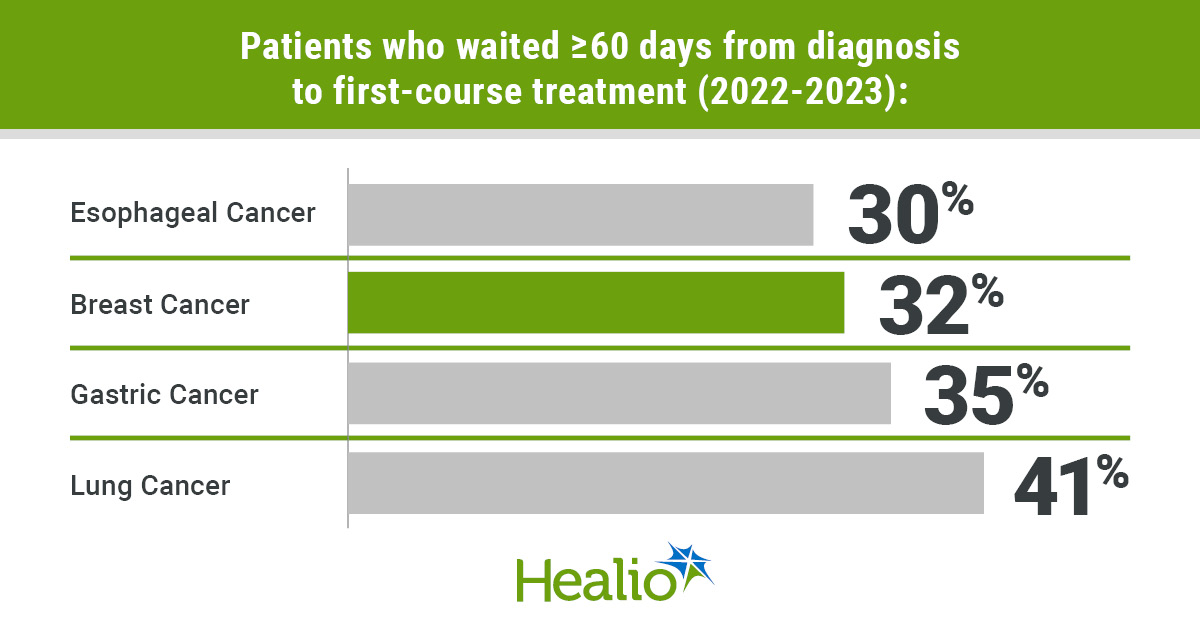
August 31, 2026 7 min read Add topic to email alerts Receive an email when new articles are posted on Please provide your email address to receive an email when new articles are posted on . “ data-action=”subscribe”> Subscribe We were unable to process your request. Please try again later. If you continue to have this issue please contact customerservice@slackinc.com. Back to Healio Key takeaways: Wait times from diagnosis to initial treatment increased between 2012 and 2023 for all six cancer types analyzed. The proportion of patients who waited at least 60 days also increased for all cancer types. Patients who need cancer surgery are waiting longer for initial therapy, according to results of a retrospective cohort study. The time between diagnosis and start of first-course treatment increased significantly between 2012 and 2023, findings showed. Data derived from Sakowitz S, et al. JAMA Surg. 2026;doi:10.1001/jamasurg.2026.3212. The trends — observed for all six cancer types analyzed — appeared particularly pronounced for individuals treated at high-volume hospitals, as well as those referred for care. Timothy R. Donahue “The findings are alarming. The numbers are higher than we expected, and the fact they were consistent across all cancer types we looked at was particularly surprising,” senior author Timothy R. Donahue, MD, told Healio. Comprehensive assessment Prior research that assessed the relationship between treatment delays and oncologic outcomes yielded conflicting results, according to study background. Still, guidance from several entities — including National Comprehensive Cancer Network and the Institute of Medicine — suggest timely access is a vital component of quality cancer care. Delivery of cancer treatment has evolved considerably over the past couple decades, with high-volume hospitals now providing a larger proportion of complex surgical care. Previous studies demonstrated advantages of receiving treatment at high-volume centers, including greater adoption of advanced multimodality therapies, fewer complications and longer survival. However, whether health system consolidation and the centralization of care has led to unintended consequences — such as capacity constraints or increased travel burdens for patients — that could cause delays between diagnosis and treatment had not been established. Donahue and colleagues aimed to perform the first comprehensive assessment of contemporary waiting times in cancer surgery care pathways in the United States. “As a cancer surgeon, I clearly see the benefits of consolidation and greater integration of health systems. However, I also see the potential inefficiencies and areas where there might be room for improvement,” Donahue, chief of the division of surgical oncology at UCLA’s David Geffen School of Medicine at the time of the study and currently chair of surgery at Weill Cornell Medicine and surgeon in chief at NewYork-Presbyterian/Weill Cornell Medical Center, said in an interview. “We hypothesized that wait times might increase as health systems have consolidated and cancer care has become more complex and multidisciplinary.” The researchers used the National Cancer Database to examine trends in waiting times from diagnosis of nonmetastatic cancer to first-course treatment among patients undergoing definitive cancer surgery. The analysis included 2.7 million adults (mean age, 63.5 years; 85% women) diagnosed with one of six stage I to stage III malignancies — breast, colon, esophageal, gastric, lung or pancreatic cancers — between 2012 and 2023 who underwent curative-intent surgical resection at American College of Surgeons Commission on Cancer-accredited hospitals. Time from diagnosis to first-course treatment — defined as upfront surgery or neoadjuvant therapy — served as the primary outcome. Consistent increases The percentage of patients with standard wait times — defined as less than 30 days — declined from 44% for those diagnosed in 2012-2015 to 25% for those diagnosed in 2022-2023. In contrast, the proportion with prolonged wait times — defined as 30 days or longer — increased from 56% to 75%. Median time from diagnosis to first-course treatment increased significantly (P < .001 for all) between 2012-2015 and 2022-2023 for individuals with all cancer types analyzed: breast cancer: 34 days (interquartile range [IQR], 22-50) to 45 days (IQR, 32-64); colon cancer: 20 days (IQR, 7-34) to 31 days (IQR, 15-49); esophageal cancer: 38 days (IQR, 27-54) to 48 days (IQR, 35-66); gastric cancer: 35 days (IQR, 21-51) to 49 days (IQR, 33-70); lung cancer: 41 days (IQR, 27-60) to 53 days (IQR, 35-77); and pancreatic cancer: 23 days (IQR, 14-35) to 32 days (IQR, 22-44). Wait times increased among patients who underwent upfront surgery and those who received neoadjuvant therapy. Results showed consistently longer delays for patients treated at academic or research institutions than community hospitals or integrated network programs. Among patients diagnosed in 2022-2023, investigators reported consistently shorter median waiting times at community hospitals than integrated network centers or academic institutions for breast cancer (43 days vs. 45 days vs. 49 days), colon cancer (28 days vs. 31 days vs. 35 days) and gastric cancer (46 days vs. 47 days vs. 51 days). In that same timeframe, results showed shorter wait times at integrated network programs than community programs or academic institutions for lung cancer (51 days vs. 53 days vs. 54 days), esophageal cancer (46 days vs. 47 days vs. 50 days) and pancreatic cancer (31 days vs. 32 days vs. 32 days). Patients referred for treatment experienced significantly longer waiting times to first-course treatment for all cancer types analyzed, with the longest waits among those referred to high-volume hospitals. Risk-adjusted analyses identified multiple other factors associated with longer wait times. Several of them — treatment at academic centers vs. community hospitals, treatment in the West or Northeast regions of the U.S. vs. the Midwest, higher comorbidity burden, lowest income quartile vs. highest income quartile, and more recent diagnosis year — remained consistent across all cancer types analyzed. Factors that predicted longer wait times for at least half of cancers analyzed included Medicaid insurance (five of six), Black race compared with white race (five of six), greater travel distance (four of six), and uninsured status vs. private insurance (three of six). Researchers also reported longer waiting times for patients with
‘Resurgence’ likely as parental refusal of HBV vaccine jumps 107%
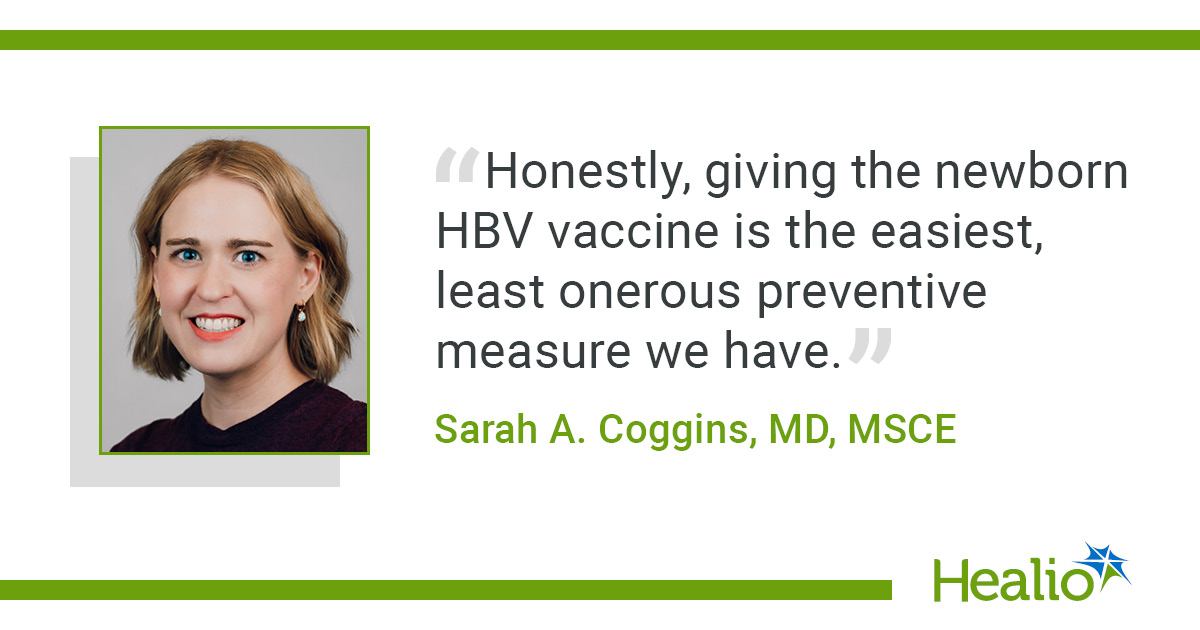
August 31, 2026 6 min read Add topic to email alerts Receive an email when new articles are posted on Please provide your email address to receive an email when new articles are posted on . “ data-action=”subscribe”> Subscribe We were unable to process your request. Please try again later. If you continue to have this issue please contact customerservice@slackinc.com. Back to Healio Key takeaways: Parental refusal of the newborn HBV vaccine spiked from 2024 to 2025. Newborn girls are slightly less likely to receive the vaccine compared with newborn boys. Parental refusal of the newborn hepatitis B virus vaccine surged in recent years, the latest in an ongoing trend that has more than doubled refusal rates since 2018, according to study results published in JAMA Network Open. An analysis of live birth data from three centers in the University of Pennsylvania health system found that parental refusal rates in 2025 were more than double those recorded in 2018. Researchers launched the study after clinicians observed an uptick in parents withholding the HBV vaccine before hospital discharge over the last 12 months. “The study was a reaction to clinical observations that neonatologists in my group and those more widely across the country have noted amid rising parental refusal of various recommended newborn preventive care interventions,” Sarah A. Coggins, MD, MSCE, a neonatologist at Children’s Hospital of Philadelphia and assistant professor of pediatrics at University of Pennsylvania Perelman School of Medicine, told Healio. Coggins and colleagues noted that parents planning circumcision for their newborn sons were less likely to decline vitamin K prophylaxis, which is routinely recommended due to the bleeding risk associated with the procedure. However, this observation raised a broader question: Did parental acceptance of one newborn care intervention make them more receptive to others, including HBV vaccination, and would preventive care patterns be skewed by sex? In a retrospective cohort study of 93,163 newborns in Philadelphia from 2018 to 2025, the researchers reported that 777 (8.3 per 1,000) did not receive vitamin K prophylaxis, while 9,400 (100.9 per 1,000) failed to receive HBV vaccination. Notably, Coggins and colleagues found that 83% of the newborns whose parents refused vitamin K prophylaxis also refused HBV vaccination, indicating that parents who declined one preventive intervention often declined others as well. Study results demonstrated that newborn girls were twice as likely not to receive vitamin K prophylaxis vs. newborn boys (adjusted OR = 2.03; 95% CI, 1.74-2.35) and were slightly less likely to receive the HBV vaccine (aOR = 1.06; 95% CI, 1.01-1.1). Female infants were slightly less likely to receive the HBV vaccine than boys in 2025 (173.7 vs 166.3 per 1,000 births). Healio spoke with Coggins about potential drivers behind increasing parental refusal of the HBV birth dose, strategies clinicians can use to improve vaccine acceptance and how confusion surrounding national vaccine recommendations may be contributing to the trend. Healio: How has this increase in parental hesitancy toward newborn preventive-care interventions at your institution sparked concern? Coggins: It’s not just my institution. We’ve noticed nationally the growth of parental hesitancy toward preventive care interventions like vaccines and the newborn vitamin K prophylaxis shot. However, there hasn’t been much numerical data to amplify the magnitude of the problem. Within the last year, there has been quite a bit of research that’s come out trying to quantify rates of newborn hepatitis B vaccine hesitancy. This is something that neonatologists are jumping on because we’re taking care of these newborns in the early part of life. We promote a bundle of interventions that are recommended in this critical period to make sure we have evaluated for conditions that could pose significant risks to their health. We’re also there to help parents identify potential issues that need to be followed up to optimize their child’s development. We give the HBV vaccine to prevent infection with the hepatitis B virus, which, when acquired in the perinatal period, can cause lifelong liver disease or progress to liver cancer. Recently, however, we have noticed that more parents are declining one or more parts of the recommended newborn care interventions. We have the benefit of history to understand why those interventions were initially implemented, which is why we are worrying now. If refusal of newborn preventive care interventions continues to rise, we are going to see a resurgence of predictable, preventable infant morbidity. Healio: What reasons do parents give for refusing the HBV vaccine? Coggins: Vaccine hesitancy is multifactorial. My colleagues and I frequently hear parents say that since they tested negative for HBV while they were pregnant, there is no way their baby could be infected. The reality is that most of those tests are done during the first trimester of pregnancy and generally aren’t repeated. There is a small percentage of people that do acquire HBV later in pregnancy, and won’t be identified because the test isn’t performed again before delivery. Another misconception we often hear from parents is that HBV is only spread through sex, and since their baby isn’t having sex, they don’t need the vaccine. In that case, we remind them that contact with an infected person’s bodily fluids can lead to infection. Exposure to HBV-infected bodily fluids could occur at daycare, via shared use of toothbrushes, or via contaminated surfaces like park benches or bus seats. Without disinfection, the HBV virus can live on these surfaces for up to 7 days. In short, the sex argument is not fully accurate. Even after education, some parents feel that the overall risk of their baby acquiring HBV is low and still choose to forego this vaccine. In that instance, we remind them about how incredibly serious perinatal HBV infection is. Compared with adults who get infected with HBV, infants with HBV infection are much more likely to be asymptomatic and much more likely to develop chronic hepatitis B infection, which can ultimately cause liver cirrhosis and liver cancer. We also