
Living with chronic pain can be challenging on its own, but many people notice their symptoms worsening with shifts in the weather. Whether it’s the cold of winter, the humidity of summer, or the changing pressures of spring and fall, seasonal changes have a real impact on conditions like arthritis, fibromyalgia, and migraines. Luckily, understanding why these shifts occur can help individuals better manage their pain and find ways to stay comfortable year-round. Why Does Weather Affect Pain? Many people with chronic pain conditions report that their symptoms intensify with changes in temperature, humidity, or barometric pressure. While research is still ongoing, the prevailing theory is that changes in atmospheric pressure can cause tissues in the body to expand or contract, leading to increased pain or stiffness. Additionally, cold weather can cause muscles to tighten, reducing mobility and exacerbating joint pain. Another factor is that the weather can impact mood and activity levels. Shorter days in winter can lead to decreased physical activity, which may result in stiffer joints and increased discomfort. Similarly, extreme heat can lead to dehydration, which can trigger headaches and worsen conditions like fibromyalgia. How Weather Affects Different Chronic Pain Conditions Certain chronic pain conditions react differently to various weather changes. For instance, people with osteoarthritis often experience increased stiffness and discomfort in cold, damp weather, while those with fibromyalgia may be more sensitive to humidity and sudden temperature swings. Nerve pain, such as that caused by neuropathy, can worsen in extreme temperatures, both hot and cold. Migraine sufferers frequently report barometric pressure shifts as a major trigger for headaches. Cold Weather and Joint Pain Winter is often the worst season for those suffering from arthritis and other joint conditions. Cold temperatures cause muscles and joints to contract, making movement more difficult and painful. The drop in barometric pressure before a storm can lead to swelling in the joints, which is why many arthritis patients feel pain intensify before it even begins to rain or snow. Because cold temperatures lead to more pain, it’s extremely important for those with chronic pain conditions to stay warm in the winter. Layering up, using heating pads, and engaging in gentle indoor exercises can help keep joints loose and pain levels more manageable. Some people also benefit from warm baths or hydrotherapy to relieve stiffness and discomfort. The Psychological Impact of Weather on Pain Perception Weather doesn’t just affect physical pain; it also influences mental well-being. Seasonal Affective Disorder (SAD), a condition that causes depression during colder months, can lower pain tolerance and make discomfort feel worse. Dark, gloomy days can lead to decreased motivation to move, worsening stiffness and tension in the body. On the other hand, bright, sunny days can boost mood and make it easier to stay active, which helps reduce pain symptoms. How Humidity and Barometric Pressure Affect Chronic Pain Conditions Humidity can be just as problematic as cold temperatures when it comes to chronic pain. High humidity levels can make the body feel heavy, leading to increased fatigue and discomfort. For people with fibromyalgia, the combination of heat and humidity can trigger widespread muscle pain and brain fog, making it difficult to function normally. Barometric pressure changes, which often occur before a storm, can also contribute to pain flare-ups. When the pressure drops, tissues expand, putting pressure on nerves and joints. This can be particularly troublesome for migraine sufferers, as changes in atmospheric pressure are a known trigger for debilitating headaches. Summer Heat and Chronic Pain While cold weather gets most of the attention, hot summer days can also be difficult for those with chronic pain. High temperatures can lead to dehydration, which exacerbates muscle cramps and headaches. Heat can also cause inflammation that worsens conditions like rheumatoid arthritis. Staying hydrated and avoiding excessive heat exposure are key to managing summer pain. Light exercise in an air-conditioned environment, drinking plenty of water, and using cooling techniques such as cold packs or fans can help keep symptoms under control. The Challenges of the Changing Seasons of Spring and Fall The transitional seasons of spring and fall can be tricky for those with chronic pain because of the constant fluctuations in temperature and pressure. One day might be warm and sunny, while the next brings a cold front or rainstorm. These rapid changes can make it difficult for the body to adjust, leading to increased pain, stiffness, and fatigue. Allergies in the spring can also contribute to inflammation and sinus pressure, triggering headaches and worsening fibromyalgia symptoms. In the fall, cooler temperatures and shorter days can impact mood and energy levels, which may indirectly affect pain perception. The Role of Vitamin D in Seasonal Pain Management Many people with chronic pain experience worsened symptoms during the winter months, and one potential reason is vitamin D deficiency. One of the primary sources we get vitamin D from is sunlight. Because vitamin D plays a big part in bone health and muscle function, low levels of vitamin D have been linked to increased musculoskeletal pain. Luckily, supplementation or dietary adjustments can act as a potential solution for managing seasonal pain. Including vitamin D-rich foods, which includes things like salmon, fortified dairy products, and egg yolks, can greatly help maintain healthy levels throughout the year. Managing Weather-Related Pain While we can’t control the weather, there are steps that individuals with chronic pain conditions can take to minimize discomfort. Dressing appropriately for the season, maintaining a consistent exercise routine, and staying hydrated are all important. It’s also helpful to track pain levels in relation to weather changes. Keeping a journal can help identify patterns and triggers, allowing for better pain management strategies. Some people find relief through treatments like massage therapy, acupuncture, or physical therapy, which can help keep muscles and joints flexible regardless of the season. Seeking Professional Help for Chronic Pain If weather-related pain is interfering with daily life, seeking professional help is a smart step. A pain management specialist can help develop a personalized plan to reduce
Facts About Parkinson’s Disease and Gut Health
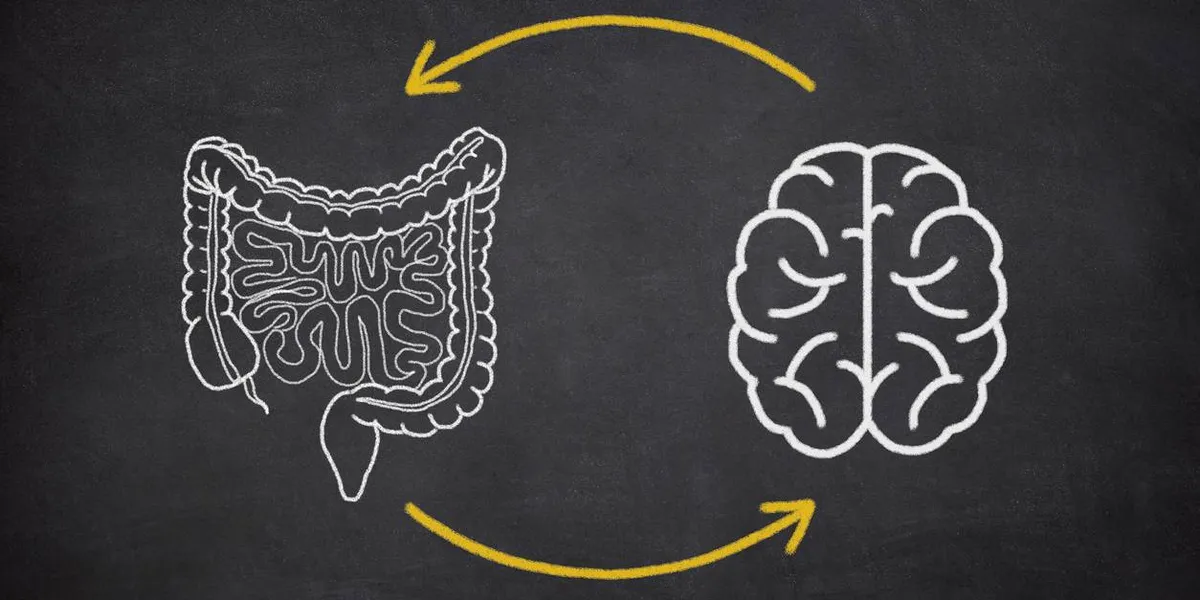
April is Parkinson’s Disease Awareness Month. On a recent episode of the popular Apple TV show Shrinking, actor Michael J. Fox made a cameo as a real-life representation of someone living with Parkinson’s disease. “I fall three times a day,” he said. “I’m thinking of becoming a stunt man.” Balance issues and uncontrollable body tremors are common symptoms of Parkinson’s disease. The progressive brain disorder happens when there’s damage to dopamine-producing neurons in the part of the brain that controls movement — hence the involuntary muscle contractions. The disease can also cause non-motor symptoms including sleep disorders and constipation. The cause of Parkinson’s disease is unknown, but a growing body of research suggests the gut microbiome might have something to do with it. What is the gut microbiome? Your gut microbiome is a wild world of trillions of microorganisms including bacteria, viruses and fungi that reside in your digestive system. The complex ecosystem of microbes plays a big part in your health and overall well-being. “The gut microbiome has many diverse functions such as the production of short-chain fatty acids, some vitamins and neurotransmitters, influencing immune system development and regulation, and helping maintain intestinal barrier integrity,” said Kaylyn Koons, MS, RD, LD, a clinical dietitian at Norman Fixel Institute for Neurological Diseases. Everyone’s gut microbiome is unique with microorganisms that are shaped by genetics, early-life experiences (birth method and formula vs. breastfeeding), lifestyle habits and environment among other factors. Read: The Wonderful World of Your Microbiome >> The gut microbiome and Parkinson’s disease People with Parkinson’s disease often have distinct changes in their gut microbiome compared to people who don’t have Parkinson’s. Research shows people with Parkinson’s have reduced overall microbiome diversity, which comes from an imbalance in the microbiome, known as dysbiosis. This means the gut microbiome has an increased amount of bacteria that cause inflammation and a reduced amount of beneficial microbes compared to healthy gut microbiomes. And dysbiosis increases the risk for chronic diseases like Parkinson’s. Koons said people with Parkinson’s disease also show changes within the metabolites (molecules needed for basic survival) produced in the microbiome. These changes include reduced production of short-chain fatty acids and increased production of the metabolite trimethylamine N-oxide — a potential biomarker of Parkinson’s disease. This is significant because reduced levels of short-chain fatty acids can lead to the breakdown of the intestinal barrier — also known as a leaky gut — triggering inflammation in the brain and misfolding of a protein called alpha-synuclein, which is a key hallmark of Parkinson’s disease. The brain-gut axis and Parkinson’s disease iStock.com/ttsz Although Parkinson’s is a brain disorder, there’s been an increased interest in the idea that the disease develops in the gut. A 2019 study found that the misfolded proteins that damage and kill neurons in the brain originate in the gut and travel to the brain via the vagus nerve. When the abnormal proteins accumulate in the gut and the enteric nervous system, they cause symptoms like constipation, which is very common in people with Parkinson’s disease. “Non-motor symptoms of Parkinson’s disease affect multiple organ systems, including the gastrointestinal system and have been found to predate motor symptoms for years — even decades,” Koons said. Research also shows that common gastrointestinal (GI) conditions such as gastroesophageal reflux disease and H. pylori infections may be early risk factors to consider. One recent study found damage to the lining of the upper digestive tract — erosions, esophagitis, ulcers or peptic injury — was associated with a 76% greater risk of developing Parkinson’s. Although research is ongoing regarding the exact role gut health plays in the development or progression of Parkinson’s, the gut-first hypothesis could mean new ways of finding and treating the disease. How to support your gut microbiome if you have Parkinson’s disease Many people with Parkinson’s disease experience digestive problems that affect the entire system, from difficulty swallowing to delayed stomach emptying. In fact, nearly 4 out of 5 people with Parkinson’s experience GI problems, and women can have more severe GI symptoms than men. “Women experience significantly higher levels of fullness after eating, inability to finish a regular size meal and pain in the upper abdomen,” Koons said. For people living with Parkinson’s disease, a high-fiber eating plan can help keep GI symptoms at bay and balance the gut microbiome. When gut bacteria break down fiber, the process produces short-chain fatty acids, which can boost the gut’s mucus barrier to fight inflammation and protect the brain. Incorporating fermented food or foods that contain live cultures such as yogurt can help balance the good bacteria in the gut and keep digestion on track. Koons recommends the Mediterranean diet for her patients with Parkinson’s. “The Mediterranean diet is associated with increased beneficial bacteria such as Faecalibacterium prausnitzii and Bifidobacterium bifidum and greater production of short-chain fatty acids,” she said. Although there’s no cure for Parkinson’s disease, managing GI problems can help with non-motor symptoms and improve overall well-being. If you’re living with Parkinson’s disease, talk to your healthcare provider about what you can do to keep your gut as healthy as possible. Related Articles Around the Web Source link
Relax Your Pelvic Floor in 30-Minutes YouTube Live Stream
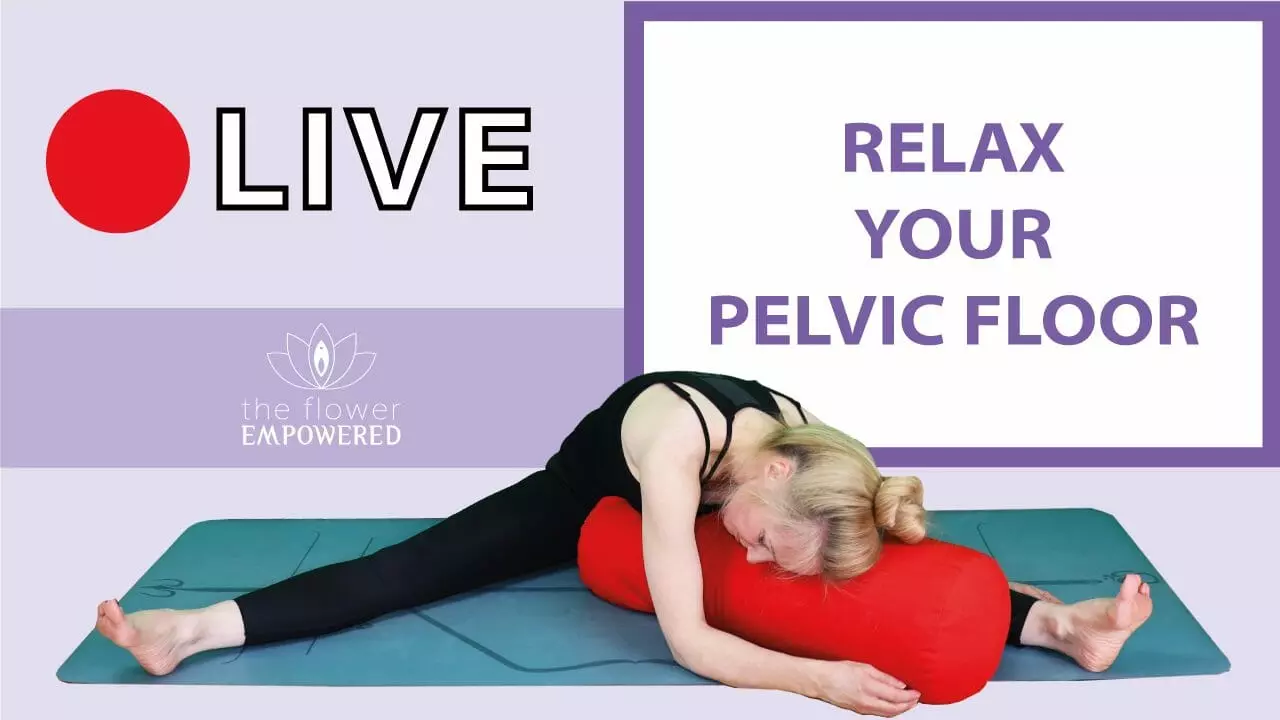
You have spoken and we have listened! After many requests, we will begin a weekly live YouTube streaming session for pelvic floor relaxation. Each session will take just 30 minutes. Pelvic floor relaxation is pivotal to healthy function. Relaxation can benefit not just your pelvic health but also your health in general. The sessions will utilize yin yoga poses which are held for 3 to 5 minutes depending on the pose. The practice is an opportunity to let go of excessive tension which can help immensely when dealing with pelvic pain conditions such as overactive bladder, vaginismus and dyspareunia. Pelvic floor is beneficial for women and also for men (yes, men have a pelvic floor too!). You can watch the live stream here: As always, we recommend you get approval from your health practitioner or pelvic floor physiotherapist before adding any exercise to your regular practice. Please read our disclaimer you begin. Source link

Understanding Stress “Let Down” Migraine Attacks and How to Manage Them
This post may contain affiliate links. Migraine Strong, as an Amazon Affiliate, makes a small percentage from qualified sales made through affiliate links at no cost to you. Migraine disease is a chronic neurological condition that affects millions of people, and stress is one of its most well-known triggers. But what happens when the migraine attack comes not during stressful times, but afterward, when you’re finally trying to relax? This phenomenon is called a stress “let down” migraine attack, and it affects many who live with migraine disease. Research has shown that relaxation after a period of high stress can actually trigger a migraine attack, making it feel like there’s no escape from the cycle of stress and pain. Learning to manage stress during its build up— and how to come down from it—can make a significant difference in preventing these types of attacks. In this article, we’ll break down what “let down” migraine attacks are, how they’re triggered, and the best ways to reduce their impact on your life. ** While Migraine Strong writes about the latest in migraine treatments, this is not medical advice. We are patient educators and all information you read should be discussed with your doctor. Understanding the Bucket Theory The Bucket Theory offers a way to visualize the various factors that can trigger a migraine attack. By imagining these triggers and stressors as filling up a bucket, this concept helps illustrate how the cumulative impact of daily life can lead to an attack. Each day begins with a bucket that’s already partially filled with things that irritate your migraine brain. The bucket doesn’t start empty because certain factors, like hormonal fluctuations, stress levels, or weather changes, are unavoidable. These elements may fill one-third or even two-thirds of the bucket before the day even starts. As additional triggers—like food, drinks, and scents—enter the bucket, the level rises. Once the bucket overflows, a migraine attack follows. Understanding triggers can help reduce their overall impact, but it’s crucial to remember that migraine is a neurological disease, and attacks can occur even without a clear trigger. Managing stress and other factors can provide some relief, but migraine attacks are never the result of personal failure. What Are Stress “Let Down” Migraine Attacks? Imagine making it through a tough workweek or a particularly stressful period of life, only to be hit with a migraine attack as soon as you start to unwind. That’s the essence of a stress “let down” migraine attack. These attacks tend to strike when the brain is transitioning from a heightened state of stress to a more relaxed one. A study conducted at the Montefiore Headache Center and Albert Einstein College of Medicine tracked 17 people with migraine over three months and found a striking pattern: the risk of migraine attacks significantly increased within the first six hours after stress levels dropped. In fact, participants were nearly five times more likely to have a migraine attack during this “let down” period than at other times. (1) This pattern can feel particularly frustrating because it’s happening during a time when you expect to feel better—not worse. Many of us live in a constant state of stress, so when we finally get a break, the brain’s response can be to trigger a migraine attack as a result of the sharp contrast in stress levels. My most reliable stress let down attack would begin the day after we left for family vacation. The stress and excitement of planning and packing for vacation would inevitably fade away and a stress let down attack would occur. Figuring out how to avoid this attack, and others like it, became a long term goal. The Link Between Stress and Migraine Attacks Stress has long been identified as a major migraine trigger. What makes it even more complicated is that the relationship between stress and migraine attacks is cyclical. Stress can cause a migraine attack, and the pain and disruption of an attack can increase stress levels, creating a vicious cycle. But there’s another layer to this: when stress levels drop rapidly—such as when you leave work on a Friday afternoon or start your long-awaited vacation—the brain’s response to that relaxation can also cause a migraine attack. Researchers believe that the hormone cortisol may play a role here. Cortisol is produced in response to stress, and it helps the body manage pain. When stress levels fall and cortisol levels drop quickly, the body’s pain threshold may lower, triggering a migraine attack. (1) In some cases, even positive stress, like the excitement of a happy event or celebration, can set off a migraine attack. This is why stress management is so crucial for people living with migraine disease—keeping stress levels consistent, rather than fluctuating dramatically, can help reduce the risk of both stress-induced and “let down” migraine attacks. How to Prevent and Manage “Let Down” Migraine Attacks Managing stress and finding ways to smooth out transitions between stress and relaxation are key to preventing stress “let down” migraine attacks. Here are some strategies to help you maintain balance and reduce the frequency of these attacks: 1. Consistency is Key One of the most important things you can do for a migraine-prone brain is to maintain consistency. Routine is crucial for preventing attacks, especially when it comes to things like sleep, meals, and hydration. Stick to regular sleep and wake times: A stable sleep schedule helps regulate your body’s circadian rhythms, which are closely linked to migraine patterns. Stay hydrated and eat regularly: Skipping meals or becoming dehydrated can trigger migraine attacks, so be sure to drink enough water throughout the day and eat at consistent intervals. This consistency with meals can help to regulate blood sugar levels which can help prevent attacks triggered by a drop in blood glucose. Keep caffeine consistent: If you consume caffeine, keep the amount you drink and the time of day consistent. The migraine brain craves consistency. Practice good sleep hygiene: Avoid screens before bed, keep your sleep
Gastroenterologists, hepatologists at forefront of GLP-1 revolution
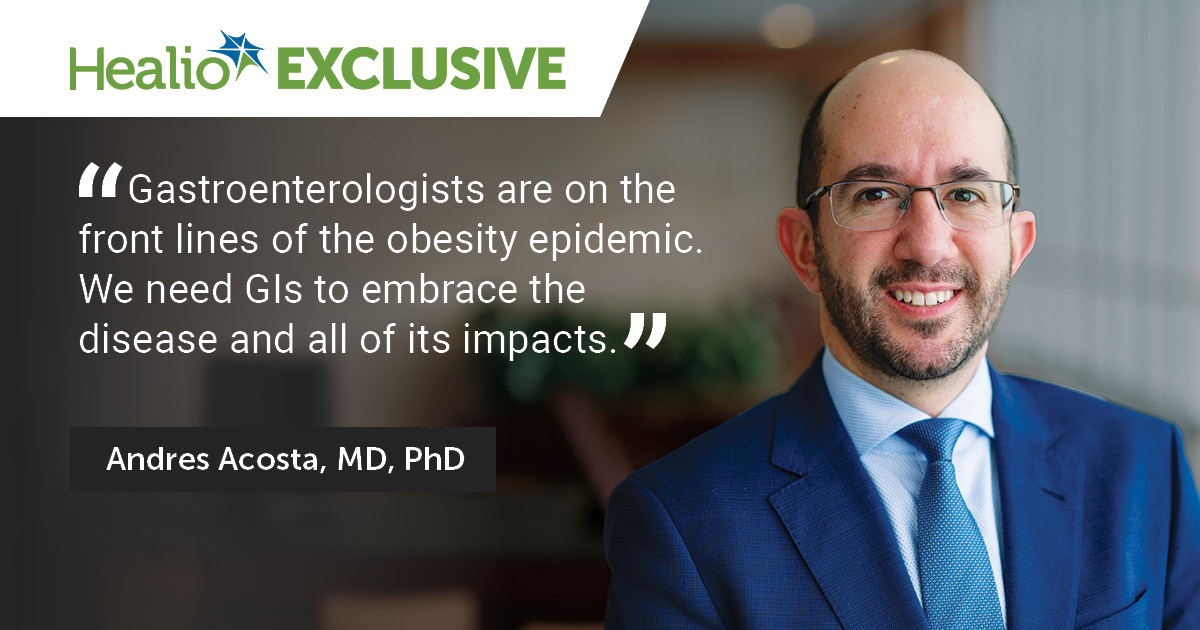
Add topic to email alerts Receive an email when new articles are posted on Please provide your email address to receive an email when new articles are posted on . “ data-action=”subscribe”> Subscribe We were unable to process your request. Please try again later. If you continue to have this issue please contact customerservice@slackinc.com. Back to Healio Obesity may have met its match in GLP-1 receptor agonists. However, the role of gastroenterologists in obesity management and the administration of this revolutionary class of drugs is complicated and has yet to be defined. “Gastroenterologists are on the front lines of the obesity epidemic,” Andres Acosta, MD, PhD, associate professor of medicine and consultant in the division of gastroenterology and hepatology at Mayo Clinic and American Board of Obesity Medicine diplomate, told Healio. “We need GIs to embrace the disease and all of its impacts, including GERD, IBD, MASLD, fatty liver disease and obesity-related cancer risk.” Image: Andres Acosta, MD, PhD. Reprinted with permission. Hepatologists and primary care providers can handle some of these downstream effects of obesity. They often do, shutting gastroenterologists out of the equation. “It is my overall impression that there still is not sufficient commitment or embrace of the idea among cardiologists, hepatologists, pulmonologists and others that there is this opportunity to treat obesity itself,” Michael Camilleri, MD, DSc, consultant in the division of gastroenterology and hepatology at Mayo Clinic and professor of medicine, pharmacology and physiology at Mayo Clinic College of Medicine and Science, said in an interview. “A couple years ago I was almost evicted from a meeting because I suggested that hepatologists should be treating obesity and not just abnormal liver enzymes,” Camilleri said. Michael Camilleri There is growing recognition that gastroenterologists could play a larger role in obesity management, as well, largely because of GLP-1s. “There is this opportunity to embrace the pharmacology that is available with the FDA approval of GLP-1 receptor agonists,” Camilleri added. As uptake of these medications expands, adverse events are sure to follow. Many of them, such as nausea, constipation, delayed gastric emptying and motility issues, are commonly managed by gastroenterologists. But because the medications are not always prescribed by gastroenterologists, they are often not involved in management of the side effects. Also up for discussion is where GLP-1s fit into wider weight loss paradigms, from diet and exercise to bariatric surgery and endoscopic sleeve gastroplasty. “Many people who offer bariatric and metabolic procedures see this drug class as complimentary to procedural interventions,” Marianna Papademetriou, MD, director of endoscopy and motility at Washington VA Medical Center and associate professor at Georgetown University School of Medicine, told Healio. “We are still learning how to best integrate drugs with procedures.” The next concern is that more patients are turning to GLP-1s to manage obesity not by recommendation from their doctor, but as a result of direct-to-consumer advertising. “The digital and DTC platforms are certainly factors that risk fragmented oversight,” Camilleri said. ‘Truly frightening’ For Sonali Paul, MD, MS, hepatologist and associate professor at University of Chicago Medicine, “fragmented oversight” with this class of drugs is an understatement. Sonali Paul “The rapidly growing companies that are doing digital or direct-to-consumer prescribing of GLP-1s is truly frightening,” she said. “First, these drugs are often compounded so there is a risk of contamination, inconsistent dosing and improper or unsafe formation. Additionally, often there is no virtual visit or visit with a doctor or nurse practitioner prior to prescribing. Some have only a questionnaire.” Paul described a scenario in which a patient with an eating disorder who was severely malnourished was regularly prescribed GLP-1s for months without one consultation with a physician. “GIs have a unique role in bringing structure and safety, but we cannot do it alone,” she said. “Given the widespread use of GLP-1s across many medical specialties, we as a physician entity need to demand better safety and prescribing parameters.” While Papademetriou acknowledged many of these concerns, she took a more measured view. “There are plusses and minuses to online health platforms,” she said. “On the one hand, it is an effective way to improve access to care. On the other hand, many online platforms are zoomed in on the prescribing of weight management medications, and do not necessarily tailor that management to the patient’s overall medical issues.” Marianna Papademetriou For example, a patient with a history of erosive esophagitis and GERD who begins taking a GLP-1 may experience an escalation of symptoms that previously had been under control, according to Papademetriou. “The platforms do not appear to have the capability to work through that issue with a patient,” she said. The complications only get more complicated from there. “That patient may go back to their PCP or their gastroenterologist, and the GLP-1 is not on their medication list, or the patient may feel stigmatized about bringing up their use of GLP-1s,” Papademetriou said. “Their physician is now trying to work through this sudden change of symptoms without having the full picture. That could lead to unnecessary procedures or medication changes that could be avoided with better integrated care.” But there is a solution to this particular issue, according to Papademetriou. “We need to do a better job of improving access to these drugs through conventional medical pathways, and we need to reduce the stigma around these conversations with our patients,” she said. “Many people probably assume that people utilize telehealth for weight management for the ease and convenience,” Papademetriou continued. “But I suspect a significant part of the demand for this is also the bias people experience with conversations surrounding weight in the medical setting.” Whether that bias will decrease with more direct-to-consumer advertising and more patients taking GLP-1s remains to be seen. What is certain is that these patients are likely to experience gastrointestinal-related adverse events commonly reported with these medications. ‘Significant impact’ Patients experiencing side effects of these drugs, including nausea, vomiting, diarrhea and constipation, are

Managing Pain While Traveling: Tips for a Comfortable Vacation
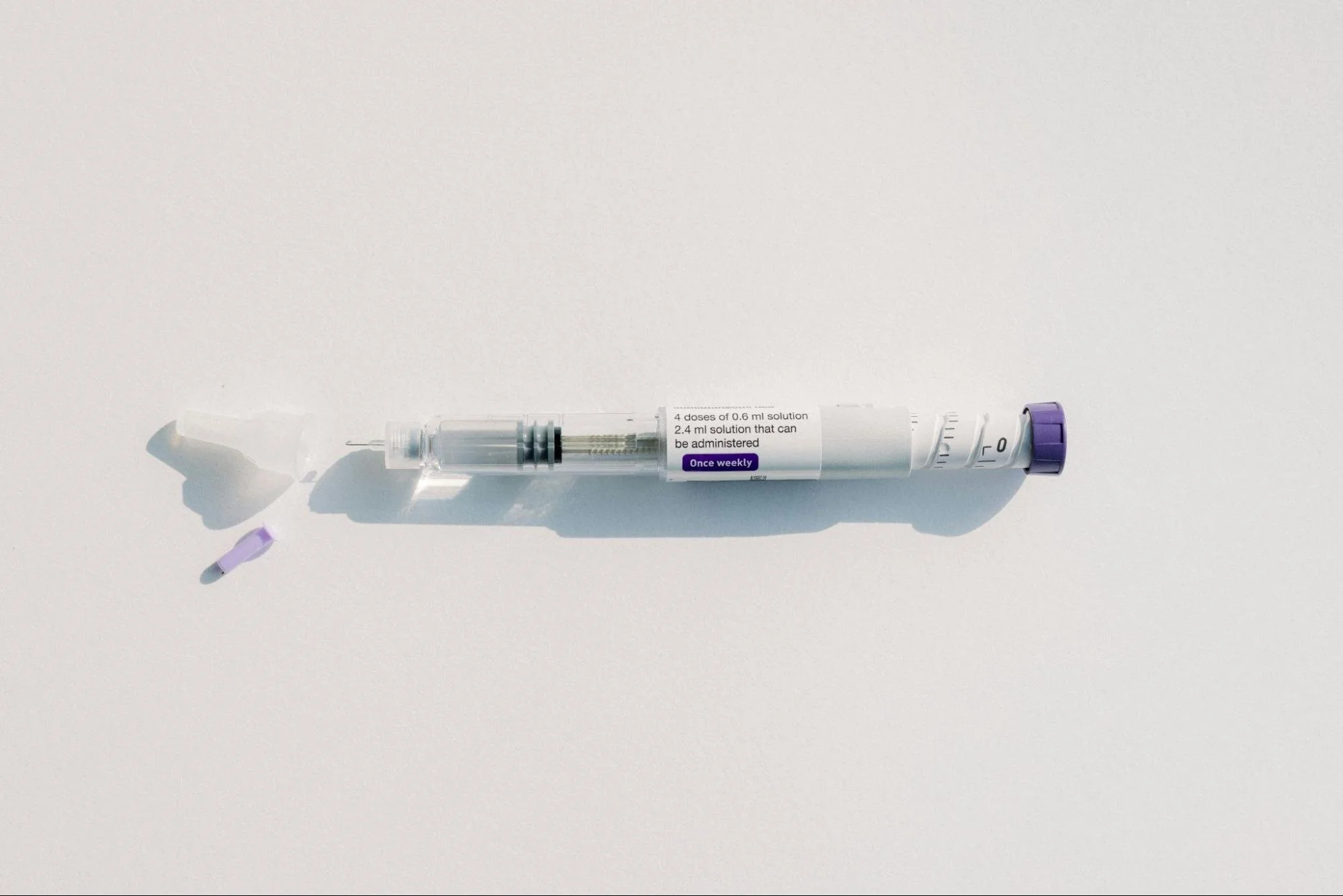
Summer is the perfect time to explore new places, visit family, or simply unwind at the beach. But for those living with chronic pain, the idea of travel can bring more stress than excitement. If you’re dealing with back pain, arthritis, fibromyalgia, or another condition, planning ahead and using the right strategies can help you enjoy your vacation without unnecessary discomfort. Plan Ahead for Comfort and Flexibility Good planning is one of the most effective ways to manage pain while traveling. Start by choosing destinations and accommodations that support your comfort. Look for hotels with elevators, easy access to transportation, and on-site amenities like pools or hot tubs that can help soothe aching muscles. If you’re flying, consider reserving an aisle seat or upgrading for more legroom if possible. A bit of extra space can make a big difference, especially on longer flights. Flexibility is just as important as the destination. Give yourself extra time between activities and avoid overbooking your itinerary. Pacing your schedule helps prevent flare-ups and gives your body time to rest. If possible, schedule downtime every day so you can relax, stretch, and recharge without feeling rushed. Pack Smart for Pain Relief Packing can be stressful when you live with pain, but thoughtful choices can improve your travel experience. Start with the essentials. Bring your prescribed medications in their original bottles and keep them in your carry-on bag so they’re always accessible. Include a written list of your medications in case you need to reference them during the trip. Don’t forget your comfort items. Travel-sized heating pads, gel ice packs, lumbar support cushions, and portable massagers can make long journeys much more tolerable. Compression socks and supportive shoes are great for reducing swelling and foot pain during long walks or flights. By bringing the tools that keep you comfortable at home, you’ll have what you need to manage pain on the go. Try to pack light as well. While it’s understandable to wish to take everything with you while on vacation, a heavier bag is harder to move about with than one that’s on the lighter side. If you do need to pack heavy, get a bag with a strong outer shell and wheels, as this can help you wheel it around instead of having to carry it everywhere. Use Movement to Your Advantage When you’re traveling, it’s easy to become stiff or sore after sitting too long in a car or on a plane. As much as you can, try to keep yourself moving. If you’re flying or taking a train, take short walks up and down the aisle every hour or so. If you’re driving, plan frequent stops to get out, stretch, and walk around for a few minutes. Movement improves circulation, eases tension, and can reduce pain levels throughout the day. Try doing a few gentle stretches when you wake up, after sitting for long periods, and before bed. If you’re not sure which movements are best for your condition, talk to your doctor or physical therapist before your trip. They can recommend a simple routine that helps prevent stiffness and pain. Make Sleep a Priority Travel often disrupts sleep, but getting enough rest is extremely important for managing pain. Fatigue can intensify discomfort and lower your pain threshold, making your vacation less enjoyable. Do what you can to create a relaxing sleep environment. Bring a familiar pillow or a neck roll if it helps support your spine. Use a white noise app to block out unfamiliar sounds in hotels or rental properties. As much as possible, try to stick to your regular sleep schedule as well. Going to bed and waking up at the same times each day can help your body stay in rhythm. Avoid late-night screen time, heavy meals, or caffeine too close to bedtime. A good night’s sleep won’t just help with pain—it will also improve your mood and energy for the next day’s adventures. Eat and Drink to Support Your Body Traveling often means eating out more than usual, but certain foods can worsen inflammation and pain. Aim to include fruits, vegetables, lean proteins, and whole grains in your meals when possible. Stay hydrated by drinking plenty of water throughout the day, especially in hot weather or while flying. Dehydration can increase joint stiffness and muscle cramps, so don’t overlook your water intake. If you have dietary restrictions or sensitivities that affect your pain, plan ahead by packing healthy snacks or researching restaurant menus before you go. Even small nutritional changes can support your pain management efforts while helping you feel your best on vacation. Manage Stress Before It Manages You Pain and stress often go hand in hand, and travel can introduce a lot of unpredictability. Delays, crowds, and unfamiliar settings may trigger anxiety, which in turn can worsen physical discomfort. Learning how to manage stress during your trip is a powerful tool for keeping pain under control. Try simple relaxation techniques like deep breathing, meditation, or listening to calming music. If you enjoy journaling, take a few minutes each evening to write down what went well during the day. Focusing on the positive helps reduce tension and improves your overall mindset. When you feel more relaxed, your body is better able to cope with pain. Talk to Your Healthcare Provider Before You Go Before heading out on your trip, schedule a check-in with your healthcare provider. They can help you assess whether you’re ready for travel and recommend specific tips for staying comfortable. If you’re using medications that require refrigeration or special handling, your doctor can help you find a safe way to transport them. This is also a great time to discuss pain management strategies tailored to your destination and mode of travel. You may be able to get temporary prescriptions or referrals in case of emergencies while you’re away. Being prepared will give you peace of mind and help you focus on making memories, not managing discomfort. If you’re struggling with pain and

The Connection Between Diabetes and Pancreatic Cancer
Español The number of people in the United States who have diabetes is rising, and many people don’t even know they have the disease. Untreated and uncontrolled diabetes can cause complications for your heart, kidneys, eyes and many other organs. Diabetes may also increase your risk of developing certain types of cancer, including pancreatic cancer. What does your pancreas do? You can’t live without your pancreas. It’s an essential organ that releases digestive enzymes so your body can break down the food you eat. It also releases insulin and glucagon, which control how much glucose (sugar) you have in your blood. When you don’t have enough insulin or your body can’t use the insulin you have properly, your blood sugar levels rise, causing diabetes. Types of diabetes There are three types of diabetes that most people have heard of, and a fourth one that is less commonly known: Type 1 diabetes. Your pancreas doesn’t produce insulin or makes very little of it. Type 1 used to be called juvenile diabetes or insulin-dependent diabetes. Type 2 diabetes. Your pancreas doesn’t produce enough insulin or your body can’t use it properly. Type 2 used to be called adult-onset diabetes or non-insulin-dependent diabetes. It’s the type of diabetes that can go undiagnosed for a long time. Gestational diabetes. This type of diabetes only happens during pregnancy and usually goes away after the baby is delivered. However, having gestational diabetes does increase your chance of getting Type 2 diabetes later in life. Type 3c diabetes. Type 3c is caused by damage to your pancreas from conditions like chronic pancreatitis, cystic fibrosis or pancreatic cancer. What is pancreatic cancer? Pancreatic cancer affects the cells in your pancreas, most often in the ducts. It’s the third leading cause of death by cancer because it’s usually diagnosed in the late stages when the cancer has spread to other parts of the body. Early stages of pancreatic cancer don’t have signs or symptoms but sometimes a healthcare provider will find it by accident during a scan of or around the pancreas. When a disease is found by accident, it’s called an incidental finding. How does diabetes relate to pancreatic cancer? When it comes to diabetes and pancreatic cancer, researchers face the age-old chicken-and-egg question. They aren’t sure if diabetes can cause pancreatic cancer or if pancreatic cancer can cause diabetes. Or both. Studies have found up to 2 out of 3 people had diabetes or prediabetes before they were diagnosed. These findings could mean diabetes has a role in pancreatic cancer development. One theory is that the constant high blood sugar levels and long-term inflammation in the pancreas in people with Type 2 diabetes increases the risk for pancreatic cancer. But could it be the other way around? Some people suddenly develop diabetes without having any risk factors for the disease. Not long after, especially if they’re over the age of 50, they might be diagnosed with cancer of the pancreas. In this case, diabetes could be a symptom of pancreatic cancer. Who is at risk for diabetes-linked pancreatic cancer? Risk factors for diabetes-linked pancreatic cancer include: Being Black or Hispanic Having diabetes for more than 5 years Being over 50 when diagnosed with diabetes, especially if there’s no family history or other risk factors for the disease Damage to the pancreas, resulting in Type 3c diabetes Living with obesity How can you reduce your risk of diabetes-related pancreatic cancer? Since many people with pancreatic cancer have diabetes or prediabetes before their diagnosis, the first step to reduce your risk of cancer is to manage your blood sugar levels as well as possible. This means, in addition to taking your medication, exercising and eating a healthy diet to minimize blood sugar swings. Other steps you can take to reduce your risk for pancreatic cancer include: Not smoking or using tobacco products Avoiding alcohol Avoiding processed meats and red meat You may not be able to completely prevent developing pancreatic cancer if you have diabetes, but you can be vigilant and try to lower your risk. Check in with your healthcare provider (HCP) if you suddenly have trouble keeping your blood sugar within range. And if you’re over 50 and newly diagnosed with diabetes, consider asking your HCP for screening for pancreatic cancer. The earlier pancreatic cancer is diagnosed, the better the chances for successful treatment. This educational resource was created with support from Merck. From Your Site Articles Related Articles Around the Web Source link

6 Best GLP-1 Programs for Postpartum Weight Loss, Expert-Approved
If you purchase an independently reviewed product or service through a link on our website, SheKnows may receive an affiliate commission. Postpartum weight loss isn’t always about giving in to “bounce back” culture. Instead, it’s helping mothers align their health and fitness goals after a monumental life event, and feel like themselves again, whether it’s about the number on the scale or lowering visceral fat, which helps reduce diseases like cardiovascular disease and type 2 diabetes. That’s where the best GLP-1 programs come in. The medications are revitalizing postpartum health, and an increasing number of women are seeking them out. But with so many options available, it can be overwhelming to decide on a program that’s best for you. Related story This Drugstore Baby Soap Brand Is #1 in the UK & It’s About Replace All Your American Products The best programs are those that take a personalized, medically supervised approach. “Postpartum weight loss isn’t just about the number on the scale: It’s about hormonal health, metabolic changes, and long-term wellbeing,” explains Dr. Melynda Barnes, Chief Medical Officer at Ro. “Programs that combine clinical oversight with nutrition, lifestyle support, and ongoing monitoring tend to be the most effective, as they meet women where they are rather than applying a one-size-fits-all solution.” Keep reading to learn more about the medications and the best programs to help you reach your postpartum goals. Best GLP-1 Programs for Postpartum Weight Loss, at a Glance Best Overall: Noom, $129Best Runner-Up: Ro, $199+Most Popular Program: Mochi, $79+Most Affordable Program: Ivim Health, $75+Best Specialized Women’s Program: Hers, $149+Best App-Based Program: Fridays, $150+ How do GLP-1 Medications Work? GLP-1 medications work by suppressing appetite and increasing weight loss. There are also many other functions the medications serve, like addressing some of the underlying biological drivers of weight gain, according to Dr. Melynda Barnes, Chief Medical Officer at Ro. “They help regulate appetite and metabolism by slowing gastric emptying, increasing feelings of fullness, and reducing cravings,” she adds. “They also improve insulin sensitivity, which plays a key role in how the body stores and uses energy. This makes them particularly effective during life stages like postpartum or aging, when hormonal shifts can disrupt normal metabolic function.” Here’s how it works on a more scientific level: GLP-1 is a hormone your body already makes. It helps regulate blood sugar, slows the rate at which food moves through your stomach, and signals fullness to your brain. “GLP-1 medications like semaglutide mimic that hormone, which is why people feel satisfied with less food and notice the constant chatter about food, what we call ‘food noise,’ quiet down,” explains Dr. Jessica Duncan, an obesity certified MD and Chief Medical Officer at Ivim Health. “They’re not appetite suppressants in the old sense. They’re working on the biological drivers of hunger and metabolism.” Can You Take GLP-1s Postpartum? GLP-1s are generally safe to take postpartum, but there are caveats according to experts. Dr. Duncan explains that GLP-1s are not approved or studied during pregnancy or breastfeeding, so the postpartum window is really about timing. “Once a patient is no longer breastfeeding and their body has had time to recover from delivery, GLP-1 therapy can be appropriate, and for many women dealing with significant postpartum weight concerns, hormonal shifts, and metabolic changes, it can be life-changing,” she says. And since every case is different, it’s best to be evaluated by your provider first. Dr. Amy B. Lewis, a Yale-trained board-certified dermatologist in private practice in New York City, also adds that the safety of using a GLP-1 should be determined based on nutritional status, including iron stores, protein stores, hormone recovery, and breastfeeding status. How Soon Can You Take a GLP-1 After Giving Birth? Much like returning to physical activity postpartum, it’s best to give your body time to rest and heal after giving birth. “There’s no single number that applies to everyone, and I’d be skeptical of any program that gives you one,” Dr. Duncan says. “What I think about with my patients: Are you finished breastfeeding? Has your body stabilized, meaning hormones, cycle, and sleep are settling into a new rhythm? Are you medically cleared by your OB?” Experts say that this time period is past the six-week postpartum visit, and sometimes longer when breastfeeding. Is Taking GLP-1s Safe While Breastfeeding? GLP-1s are not recommended for those who are breastfeeding. The side effects haven’t been studied enough to know if the medication is transferred into breastmilk and then to an infant. Doctors are concerned with the potential harmful effects on an infant’s growth and feeding if GLP-1s get into the bloodstream. “In addition, appetite suppression in the mother may reduce caloric intake needed for milk production,” Dr. Lewis says. Are GLP-1s, Constipation & Your Pelvic Floor Related? Every expert agrees that the most common side effects of GLP-1s are constipation. “In our published research on more than a thousand patients on tirzepatide, constipation was the single most reported side effect,” Dr. Duncan notes. “Now layer that on a postpartum body, where the pelvic floor is already healing from pregnancy and delivery, and yes, there can be a real connection.” Putting additional strain from constipation adds even more stress and pressure onto the pelvic floor that’s already trying to heal. “The fix isn’t to avoid GLP-1s. It’s to, first, allow the body to heal post-partum and, second, manage the constipation proactively with hydration, fiber, gentle movement, and consider certain over-the-counter aids or even working with a pelvic floor physical therapist — this is exactly the kind of nuance that gets missed when someone’s just handed a prescription with no support,” Dr. Duncan explains. Are the Side Effects of a GLP-1 Heightened During Postpartum? In addition to constipation, there are a handful of other side effects that a woman can experience when on a GLP-1, such as nausea, fatigue, and decreased appetite. “These are similar to what any patient might experience, but in the postpartum phase, when the body is already adjusting to hormonal shifts and sleep

Topical Exosomes for Hair Growth
In 2019 when I first discussed exosomes for hair growth, most doctors were injecting them into the scalp. Recently, I also discussed the rarer intravenous (IV) delivery of exosomes to tackle hair loss. Now I look at the topical application of exosome serums into the scalp, due to three such new products being in recent news. Note that some injectable products from exosome suppliers to the hair loss market can also be applied topically. The method of delivery will depend on your doctor’s or clinic’s preference. Calecim (PTT-6) Advanced Hair System with Topical Exosomes Calecim (PTT- 6) Advanced Hair System: Topical Exosomes and Growth Factors for Hair Growth. Recently, HairClone (UK) announced a partnership in which the company will work with an interesting new exosome containing topical product called Calecim Advanced Hair System (that comes with a Derma Stamp). Edit: The manufacturer has now given blog readers a 15% off discount code “HLC2020“ for purchases of the Advanced Hair System kit. Per their website, Calecim includes PTT-6®, which contains over 3,000 proteins, including growth factors, cytokines and exosomes that signal cells to regenerate. PTT-6 is derived from the secretion of cord lining stem cells isolated from the umbilical cord tissues of New Zealand red deer at birth. No deer is harmed during the extraction and harvest process of this rich source of stem cells. Calecim Dermastamp Included. The full list of ingredients is PTT-6® and cord lining conditioned media (from stem cell derived fibronectins, glycoproteins, albumin, collagens and hyaluronic acid). This Calecim topical serum is to be used with an included Derma Stamp for better absorption. A lot people underetrake at-home microneedling for similar reasons. This includes via dermarollers or dermapens or dermastamps. Elevai Exosomes Combined with Yuva Biosciences Mitochondrial Technology Elevai Topical Exosomes for Hair Growth. Elevai Labs (US) recently gave a positive update regarding the company’s topical Elevai “age zero” Exosomes™ product range for hair loss. In a year-long study that the company conducted, patients who used Elevai empower™ exosomes in combination with in-office microneedling saw favorable results. The company also makes Elevai enfinity™ for at-home use in repairing your skin. The 12-month results were assessed using imaging analysis and showed a cessation in crown inflammation, a reversal of miniaturized hairs, and a recovery of hairs from the dormant resting phase. the still on-going research study is being conducted in partnership with Carly Klein, president of the National Hair Loss Medical Aesthetics (NHLMA). Note that I previously also discussed Elevai in my post on Yuva Biosciences and BosleyMDs new hair loss product related to mitochondrial upregulation. Yuva is partnering with Elevai to release a hair loss product that will combine Elevai’s proprietary PREx™ exosome technology with Yuva’s Y100™ mitochondrial technology. The two companies jointly filed for a combination patent in August 2024. Ultimately, Elevai is developing a new hair and scalp care product line, called “Elevai S-Series Root Renewal System” that will be powered by exosomes and mitochondrial technology. According to company CEO Dr. Jordan R. Plews, they are in the process of conducting a follow-on study. This will further analyze the combination of Elevai exosomes and Yuva’s Y100 mitochondrial technology to address hair loss and thinning concerns. In January 2025, Elevai’s skin and hair care business was acquired by Carmell (US). In March 2025, Carmell announced a rebranding and name change to Longevity Health Holdings. The company plans to launch a hair growth serum in the second quarter of 2025. Most likely, it will be the exosome and mitochondrial upregulation product that I discusses above. ExoCelBio Evovex Serum Another company that makes a line of topical exosomes is ExoCelBio (US) via its Evovex serum. The company website says that these exosomes are derived from the chorion of placental mesenchymal stem cells (pMSCs). Their Exovex™ serum Refine brand was launched in 2023 and has a concentration level of 75 billion exosomes per vial. Refine employs a high concentration of non-lyophilized, purified exosomes that results in fuller and stronger hair. In May 2024, the US FDA sent a violation warning letter to ExoCelBio in relation to the company’s marketing and lack of a biologics license. This is not surprising, considering the new stricter FDA guidelines governing exosome products. In the US, exosomes are regulated as both a drug and a biologic. In Europe, you are not even allowed to use human-derived exosomes to treat hair loss. Zishel Xomage A June 2025 study that was co-authored by scientists from South Korea, France and Germany found the use of topical Zishel Xomage exosomes to significantly benefit hair growth. The product was applied to the scalp after microneedling. Note that Zishel makes both plant-based exosomes; as well as human adipose-derived mesenchymal stem cell based exosomes. Source link

As much as you try and explain, people still think headache
Despite variations in my experience, there are many symptoms that frequently occur. I’ll start with the most obvious- the agonising head pain. Generally I get a searing pain behind my right eye that spreads up and over the right hand side of the head, down into the neck, and deep into the right shoulder. The throbbing pain is often so intense and vice-like that my brain looks for ways to minimise the pain, so I imagine I’m tunnelling my way underneath it to escape it. But there is, actually, no escape. Which sounds strange I know! I can only liken the head/neck/shoulder part to severe whiplash. Still related to the head, my brain races, it feels like synapses getting trigger happy with thoughts and songs whirring at pace. It is a sense of intense cognitive and emotional disquiet resulting in a terrible sense of impending doom. But, migraine doesn’t just involve pain in the head; an attack is a whole body experience negatively affecting each and every one of the five senses. All of the senses become heightened: SIGHT: I develop an aversion to light and to movement. At times I have been unable to see the other half of things or can experience vision disturbances such as zig zag lines, a snowstorm or the rotating wheel of doom. It is not possible to read. SOUND: every sound becomes magnified. Music that would normally be stimulating or soothing becomes intolerable noise. Absolute quiet is required. SMELL: my sense of smell is intensified too making normally pleasant fragrances such as perfume or garlic nauseating. It’s very like morning sickness. TASTE: everything tastes stronger and, again, nauseating. My mouth feels incredibly sensitive to heat and there’s a nasty metallic taste that refuses to go. And yet, despite this, when I experience an attack I need to eat. It must be something that’s sugary, protein-based and/or stodgy. TOUCH: my body and joints ache as if I had flu. I feel hot and cold. Nausea is extremely common with my migraine but what I really fear is being physically sick while it feels like my head is being beaten to a pulp. Fortunately for me, this is infrequent. At times I also experience vestibular migraine which involves a degree of vertigo that’s hard to describe. The world falls away in a spiralling vacuum as though I’m falling through space never to land back on earth. Imagine drinking two bottles of wine, feeling sick, the room spinning, then being forced to drink another two bottles…it’s a revolting feeling. An attack might last one to four days, then there’s the migraine ‘hangover’ that, again, can last for days. I typically feel crushing fatigue, nausea and brain fog. There’s often a residual headache with accompanying neck and shoulder pain. My body and mind feel as though I’m recovering from having been beaten up. Source link