
Former trustee of The Migraine Trust and renowned neurologist Professor Fayyaz Ahmed shares his inspiring story in a newly published book, with proceeds going to support The Migraine Trust. Professor Ahmed’s memoir, “Beneath the Dust”, details his life journey from his childhood in Karachi, Pakistan through to his career as a consultant neurologist with a passion for improving headache and migraine care. Chief Executive of The Migraine Trust, Rob Music said, “We are incredibly grateful to Professor Ahmed for choosing to support the work of The Migraine Trust through sales of his new book. Professor Ahmed has been a long-time champion of the work of The Migraine Trust, including serving as a valued Trustee for 12 years, and it is wonderful to see his passion for better migraine care reflected in his memoir.” If you’re interested in purchasing the book, priced at £10 ( £15 including postage and packing), you can get in touch with Professor Ahmed and his team via email: fayyaz.ahmed@nhs.net, debbie.buttle@nhs.net. Source link

Managing Seasonal Joint Pain: Tips for Autumn Weather Changes
As summer fades and autumn sets in, the drop in temperature, fluctuating humidity, and shorter days can trigger discomfort for those with joint issues. People living with arthritis, past injuries, or chronic musculoskeletal conditions often report increased stiffness, soreness, or swelling during seasonal changes—particularly in cooler, damp weather. Understanding why these changes occur and how to address them can help you maintain mobility and improve your overall quality of life during the autumn months. Understanding the Connection Between Weather and Joint Pain Research on the relationship between weather changes and joint pain has produced mixed results, but many individuals report a noticeable difference in symptoms during cooler seasons. Changes in barometric pressure, which occur when weather patterns shift, are thought to play a role. A drop in barometric pressure may cause tissues in the body to expand slightly, increasing pressure on joints and contributing to discomfort. Cooler temperatures can also reduce blood flow to extremities, causing muscles and ligaments to tighten. This stiffness can make movement more difficult and lead to increased pain levels, especially for people with arthritis or previous injuries. Additionally, autumn often brings damp weather, which some studies suggest can exacerbate joint symptoms, though the exact mechanism remains unclear. Common Conditions Affected by Seasonal Changes Several joint-related conditions can worsen as temperatures drop and humidity fluctuates. Osteoarthritis, the most common form of arthritis, may cause heightened stiffness in the morning or after periods of inactivity. Rheumatoid arthritis, an autoimmune condition, can also flare up during seasonal shifts, with increased joint swelling and tenderness. People recovering from orthopedic surgeries or injuries may notice that scar tissue feels tighter in cold weather. Fibromyalgia, a chronic pain disorder, can also become more difficult to manage during autumn due to heightened sensitivity to environmental changes. Understanding how these conditions interact with seasonal factors is essential for implementing effective coping strategies. Preparing Your Joints for Cooler Weather Maintaining joint health during autumn requires a proactive approach. Start by adjusting your daily routine to include gentle warm-up exercises in the morning to combat stiffness. Even a few minutes of stretching can improve flexibility and promote blood flow to the joints. Wearing layered clothing helps keep muscles warm, reducing the risk of stiffness when transitioning between indoor and outdoor environments. Footwear also plays a significant role. Supportive shoes with proper cushioning can minimize stress on knee, hip, and ankle joints, especially when walking on uneven or damp autumn surfaces. If you use orthotic inserts, ensure they are in good condition before the season begins. Staying Active Despite the Weather Reduced daylight and cooler conditions can make it tempting to become less active, but maintaining regular movement is crucial for joint health. Low-impact activities such as walking, swimming, or cycling help keep joints lubricated and muscles strong. For those who prefer indoor workouts during autumn, yoga, Pilates, or resistance band exercises can be effective alternatives. Joint-friendly exercises not only improve mobility but also enhance mood, which can be beneficial as autumn often coincides with seasonal affective disorder (SAD). Consistency is key—try to schedule exercise at the same time each day to maintain a routine, even if you need to modify activities based on weather conditions. Nutritional Support for Joint Health Diet plays a significant role in managing inflammation and maintaining healthy cartilage. During autumn, focus on incorporating seasonal produce rich in antioxidants, such as pumpkins, sweet potatoes, and dark leafy greens. These foods provide essential vitamins like vitamin C, which supports collagen formation, and vitamin K, which contributes to bone health. Omega-3 fatty acids, found in fatty fish like salmon and plant-based sources like chia seeds and walnuts, may help reduce joint inflammation. Staying hydrated is equally important, as adequate fluid intake supports joint lubrication and prevents stiffness. Herbal teas or warm water with lemon can be a comforting way to increase hydration in cooler months. Managing Pain and Inflammation For individuals already experiencing seasonal joint discomfort, various strategies can help manage symptoms. Applying heat to affected areas can improve circulation and relax tight muscles, while cold therapy can help reduce swelling and numb acute pain. Some people find relief by alternating between the two methods. Over-the-counter anti-inflammatory medications can be useful for occasional flare-ups, but it is important to consult a healthcare provider before starting any new medication regimen. In some cases, physical therapy can offer targeted exercises and techniques to improve joint function and reduce pain. Mind-body approaches, such as meditation and deep breathing exercises, can also play a role in managing discomfort by reducing muscle tension and stress, which may otherwise exacerbate pain perception. When to Seek Professional Care While mild seasonal joint discomfort is common, persistent or severe symptoms should not be ignored. Seek medical attention if you experience significant swelling, redness, or warmth in a joint, as these may indicate an infection or inflammatory flare. Sudden inability to bear weight on a joint, or pain accompanied by fever, also warrants immediate evaluation. A healthcare provider can assess your symptoms, order diagnostic imaging if necessary, and recommend a tailored treatment plan. This may include prescription medications, joint injections, or referrals to specialists such as rheumatologists or orthopedic surgeons, depending on the underlying cause. Long-Term Strategies for Year-Round Joint Health Although autumn can bring unique challenges, the best defense against seasonal joint pain is consistent year-round care. Maintaining a healthy weight reduces unnecessary stress on joints, while regular physical activity helps preserve mobility and muscle strength. Investing in ergonomic tools and furniture can also protect joints from repetitive strain. If you have a chronic joint condition, scheduling regular check-ups with your healthcare provider ensures that your treatment plan remains effective. Early intervention can prevent minor discomfort from developing into a more serious mobility issue, regardless of the season. Final Thoughts Autumn’s crisp air and vibrant landscapes make it a beautiful season, but for those with joint concerns, it can also bring increased discomfort. Understanding the impact of weather changes, staying active, supporting your body with proper nutrition, and seeking timely medical
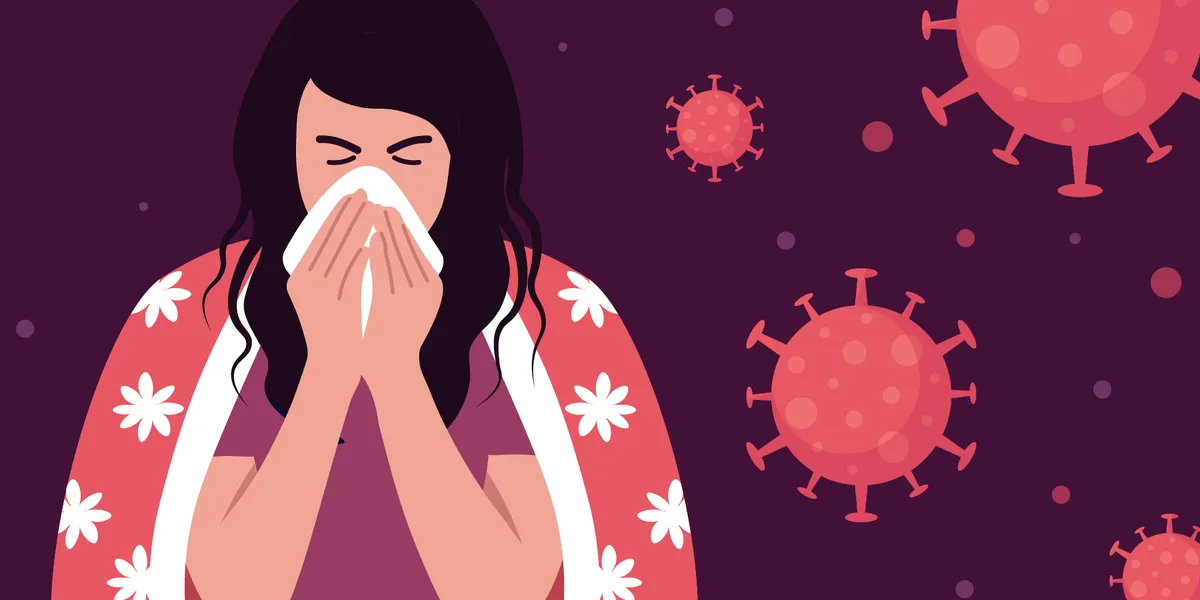
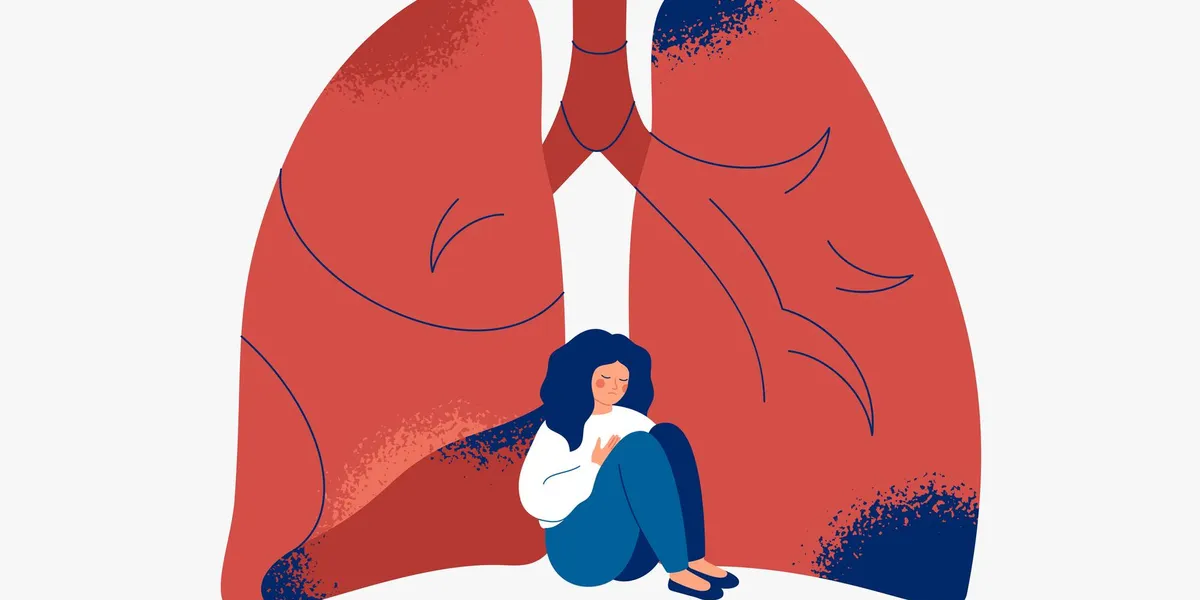
Todo sobre los virus respiratorios
Los trastornos respiratorios se originan por virus que afectan el sistema respiratorio . Trastornos respiratorios comunes: Resfriado (rinovirus o enterovirus) Gripe (influenza A y B) Covid-19 (SARS-CoV-2) VRS (virus respiratorio sincitial) Adenovirus PIVH (parainfluenzavirus humano) MNVh (metaneumovirus humano) Las enfermedades respiratorias causan síntomas, tales como: Tos Goteo u obstrucción nasal Estornudos Dolor de garganta Escalofríos Fiebre Dolor de cabeza Dolor corporal Cansancio Sibilancia ¿Quién tiene riesgo de enfermedades respiratorias? Cualquier persona puede enfermarse de un virus respiratorio, pero algunas personas tienen más probabilidades de enfermarse gravemente Adultos mayores Niños pequeños Personas con sistemas inmunitarios debilitados Personas embarazadas Personas con discapacidades Personas con ciertos trastornos médicos, tales como: Enfermedades pulmonares Diabetes Enfermedades cardiacas ¿Cómo podemos protegernos y a otras personas de virus respiratorios? Mantente al día con las vacunas recomendadas, especialmente para la gripe, el VRS y el covid-19 . Las vacunas pueden ser útiles para protegerte de enfermedades graves causadas por virus respiratorios. Otros pasos que puedes tomar para evitar enfermarte de virus respiratorios Lava tus manos frecuentemente Evita tocar tu rostro Limpia las manijas de las puertas y otras superficies que se tocan frecuentemente Quédate en casa cuando te sientas enferma Evita que niños enfermos vayan a la escuela Usa un purificador de aire Usa una mascarilla en público ¿No estás segura si ya debes recibir una vacuna? ¿Necesitas ayuda para identificar cómo vacunarte? ¡ Habla con tu proveedor de atención médica, llama a tu departamento de salud local o visita el sitio web vaccinefinder.org ! Este recurso educativo se preparó con el apoyo de Moderna. Source link
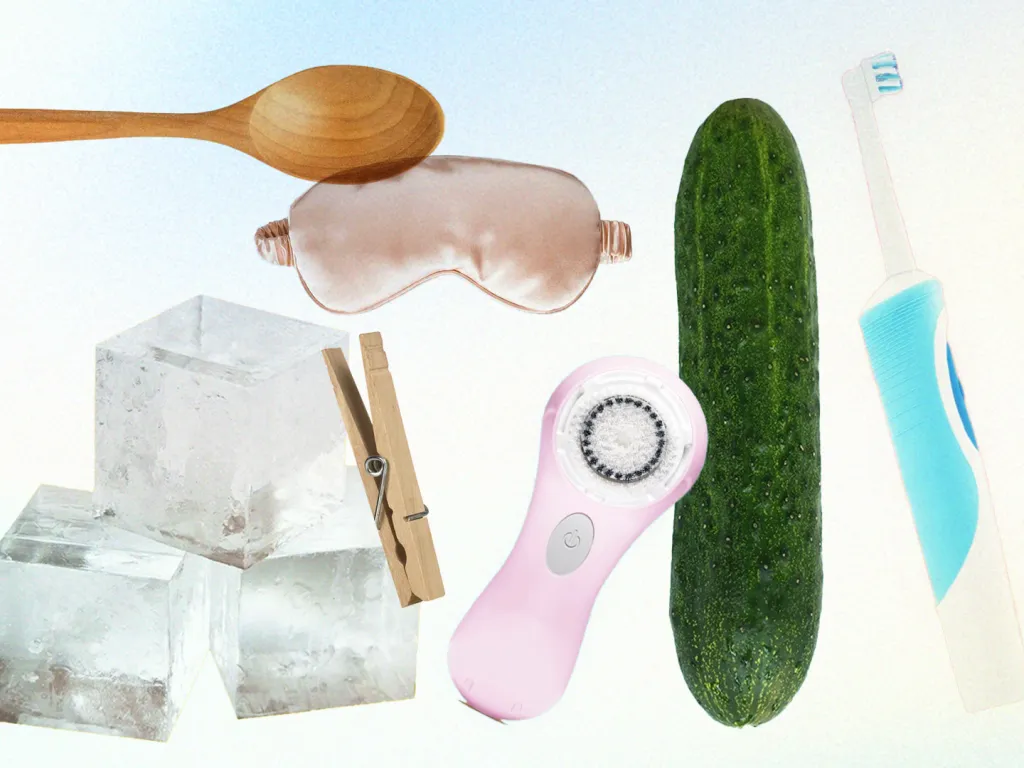
22 Homemade Sex Toys You Can Make From Household Items in 2026
If you purchase an independently reviewed product or service through a link on our website, SheKnows may receive an affiliate commission. We love our fancy, high-tech sex toys (hello, Sona 2!), but sometimes — for example, when you’re getting a little frisky in the kitchen — there’s just not enough time to run into your bedroom and unearth your favorite paddle or vibrator. This is where grabbing a homemade sex toy like a spatula or cucumber might come in handy. Using a household item for sexy things might feel a bit weird at first, but can also be a fun way to spice things up inside and outside of the bedroom, while also being cost-effective. “A big draw of household items is the budget aspect. Basically, we’re all trying to save money and most of us don’t have hundreds of dollars to spend on sex toys so if we can get creative and save, that’s a big win,” Gigi Engle, a certified sex and relationship psychotherapist and sex expert at the LGBTQIA+ dating app, Taimi, tells SheKnows. “[Household items] can also be fun because often we use a household item rather spontaneously which can add some spice to your sex life. Plus, we’re getting really creative and essentially playing an erotic game with ourselves and our partners when we’re thinking about non-sexual items in a sexy way.” Related story 69 Sex Positions to Put on Your Bucket List Immediately Another benefit? When you use a regular, household item as a homemade sex toy, you’re injecting a little bit of passion into your everyday life. “Any time that object is seen or used outside of the bedroom, it will spark a memory of the shared sexual exploration,” sex coach Jenna Switzer tells SheKnows. “This is an epic way to keep the passion alive even during mundane daily chores.” How to Use Homemade Sex Toys Safely Before we go through the list, remember that safety and cleanliness are key! Prior to putting any foreign object in your body (including your vagina, mouth, anus, or anywhere else), it must be sanitized and ideally covered with a condom. Otherwise, it could cause irritation or abrasions (not at all sexy, folks). For good measure, get in the habit of cleansing anything you use sexually post-game too. And yes, you should also be cleaning sex toys (and keeping in mind that we have to say goodbye to every good vibe eventually.) “Our bodies’ natural bacterial balance can easily be thrown off by the foreign bacteria lodged in the crevices of toys or food,” Switzer says. “Be mindful that you clean items thoroughly with a non-scented soap and use condoms on any objects that you use for penetration.” Another bonus of using condoms, Switzer adds, is that they’ll reveal any hidden, sharp edges on the object. Some of the household sex toys we recommend here aren’t specifically designed for skin contact (think candles, vegetables, and ice). In those cases, “be very mindful about application and use,” Switzer says. “Gently test temperature items on a small area of skin to gauge sensitivity.” If you have any concerns about an object, run it by your ob/gyn (awkward conversation, we know, but better than an infection!) or skip it. Besides considering the safety and hygiene aspects of using homemade sex toys, ASTROGLIDE’S resident sexologist Dr. Jess O’Reilly notes that many of the suggestions below involve kinky play, so you’ll want to ensure you’re communicating before, during and after the interaction. “Discuss your desires and boundaries ahead of time. If you’re getting kinky, you may want to select a safe work or safe signal,” she tells SheKnows. “Safe words and safe signals are coded responses that allow you to clearly and immediately communicate your limits and needs.” For example, O’Reilly says, you can snap your fingers or raise your hands to indicate that you are feeling uncomfortable and want to stop. “Safe words and signals should be clearly defined and if you want to stop or have changed your mind about any activity, you shouldn’t hesitate to use yours with the expectation that your partner will respond immediately.” 22 Best Homemade Sex Toys Keeping that in mind, continue reading to check out some of our favorite homemade sex toys that, if used correctly (and safely), will give you a mind-blowing orgasm and leave you impressed with your own sexual ingenuity. Warning: you might not look at your spatula the same way again. A version of this story was originally published in August 2017. If You Want an Actual Vibrator … Image Credit: LELO Before we begin, LELO has a nice selection of premium products that are look chic, work amazing, and are editor-approved. One worth trying is the LELO Switch, which takes your average wand vibrator to the next level. It’s a double-sided wand vibrator that offers eternal stimulation for the clitoris on one end and internal vibrations for the G-spot on the other end. The vibrator comes in three colors: soft pink, aqua, and lilac. It’s easy to store and grab whenever you need. Best part, it’s on sale right now for $40 off. You can even use the code YESYOU for an etra 10% off. LELO Switch $167, was $209 T-Shirt Image Credit: Hanes To find out if being blindfolded is something that sexually excites you, Engle recommends starting with things you have lying around the house, like, for example, a cotton t-shirt. “Place it over your head and pull up the neck to just above your nose,” Engle explains. “The rest of the tee-shirt should be covering your eyes and forehead. See? A homemade blindfold just like that.” As for what to do after you’re blindfolded, Engle suggests having your partner kiss you all over your body or massage you with essential oils, too. “Your partner can use their hands to restrain you, if you’re comfortable with that. Pinning your hands above your head while they feel all over your body with their free-hand can be very
A List of New Technology Hair Growth Cosmeceuticals Released in 2024 and 2025
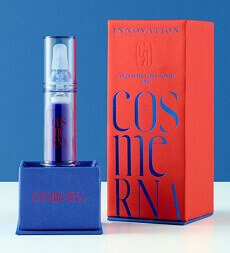
During the past two years, a large number of unique and promising topical hair growth cosmeceuticals have entered the market. None of these have gone through all three phases of clinical trials, though one (KX-826) is currently in Phase 3 trials. All of these cosmeceuticals have some legitimate science behind their potential efficacy. This rapid proliferation of new well researched cosmeceuticals that can be purchased online to fight hair loss is encouraging. Even if many of the beneficial claims (often in mice) turn out to be exaggerated. Hair loss sufferers are tired of lengthy clinical trials that ultimately lead to nowhere. So I am glad about this “shortcut” to market. Most importantly, we have thus far not heard of any major issues with side effects from any of these new hair loss products. Note that the term “cosmeceutical” is a portmanteau of the words “cosmetic” and “pharmaceutical”. However, the FDA does not recognize it, and says that such a product has to be classified as: a (topical) drug, or a cosmetic, or both. New Topical Hair Growth Cosmeceuticals CosmeRNA for hair loss. The product that started this recent trend was CosmeRNA, first released in May 2023 in Western Europe by Bioneer (South Korea). In 2024, it was released in the US on Amazon. CosmeRNA targets the androgen receptor via self-assembled micelle inhibitory RNA (SAMiRNA) nanoparticle-type siRNA. Prior to the product’s release, the scientists behind its development published a study in Nature in January 2022. Yuva Biosciences BosleyMD Revive+ Foam for Hair Loss. In February 2024, Bosley (US) and Yuva Biosciences (US) together released a new hair loss foam product that works by boosting mitochondria levels in scalp hair. It contains Yuva’s Y100™ small molecule that improves mitochondrial function, and is sold on Amazon. Moreover, in December 2024, Elevai Labs (US) and Yuva launched a new line of hair loss products (shampoo, conditioner and serum) that contain Elevai ‘s PREx Exosomes™ and Yuva’s Y100™. Also of note, Atticus Pharma (US) is working on a hair growth topical product that will deliver a mitochondrial-activating molecule using the company’s Z-pod sustained-release technology. Kintor Hair Loss Cosmeceutical. In June 2024, Kintor Pharmaceutical (China) released its much anticipated KX-826 (pyrilutamide) hair growth spray on Amazon. While the original version was at a strength of 0.5%, the company released a higher-strength version in 2025. This was followed by two additional versions, including a foam. KX-826 is an androgen receptor antagonist, and is currently in Phase 3 clinical trials in both China and the US. It is expected to get released in China in 2027. Meanwhile, for the time being, we have the option to buy the cosmecutical version of KX-826 from Amazon. In October 2025, a South Korea based company called AriBio received permission from the Ministry of Food and Drug Safety to market its TeloAct product as a hair loss cosmetic. This topical product activates telomerase enzymes, which supposedly helps prevent hair loss due to telomere shortening. Read more about this in my post on telomerase activation and hair growth. In November 2025, Mallia Therapeutics (Germany) released its 8T3 Essentials Hair Serum. This hair growth product is based on a molecule called MAL-838, which is derived from a soluble version of the CD83 protein (aka sCD83). Research has indicated that hair follicle formation and wound healing are improved in CD83-treated mice. Coegin Pharma (Sweden) will release its Follicopeptide hair growth product in December 2025. This osteopontin-derived peptide product for hair growth has a decade of research behind it via Follicum (a company that was purchased by Coegin in 2022). A number of topical exosome products for hair growth were released in 2024 and 2025, with Calecim getting the most publicity. Some of them are only available at doctor or surgeon offices and often applied after scalp microneedling. Other Potential Future Topical Hair Loss Cosmeceuticals In July 2024, a study from the UK captured global media attention due to its viral finding that a naturally occurring sugar (2-deoxy-D-ribose — 2dDr) could reverse hair loss. The results were only in mice, and I doubt that anything significant will be seen in humans. Nevertheless, the scientists behind these findings plan to further research the potential of developing a topically delivered sugar gel product for human scalps. Meanwhile, a number of companies and entrepreneurs have already started selling cosmeceuticals based on 2dDr online. OliX Pharmaceuticals (South Korea) is conducting Phase 2 clinical trials for its topical hair growth product OLX104C that targets the androgen receptor. In the meantime, in June 2025, they launched a functional hair loss cosmetic called U:BERNA. However, it is unclear if there is any link to OLX104C in terms of mechanism of action. In October 2025, we heard about a new fatty acid serum from Taiwan that will likely be a cosmeceutical if and when released. The product will not need to go through any clinical trials since its fatty acid ingredients are already well established and safe. Energenesis (Taiwan) is working on a topical AMP-activated protein kinase (AMPK) hair growth cosmetic product. It boosts the adenosine triphosphate (ATP) levels of human follicle dermal papilla cells. On a related note, Spain-based Ideeea Therapeutics is working on developing an injectable treatment consisting allogeneic mesenchymal stem cells (derived from adipose tissue) combined with ATP. Topical androgen receptor inhibitor Breezula from Cosmo Pharmaceuticals (Ireland) is also currently in Phase 3 clinical trials. Unlike what Kintor did with its earlier mentioned androgen receptor antagonist, Cosmo does not plan to release any cosmeceutical version of Breezula in advance of official government approval for its main product. Note that the much anticipated PP405 from Pelage Pharmceuticals is a topical hair loss product that will enter Phase 3 clinical trials in 2026. However, it does not seem like the company plans to release any cosmeceutical version in advance. Hope Medicine’s HMI-115 prolactin blocker is delivered via injection, so it is not exactly a topical (lotion, cream, gel or spray). But I will still mention it here since it has completed Phase 2
Minimizing Migraine Attacks: What I Wish I Knew…
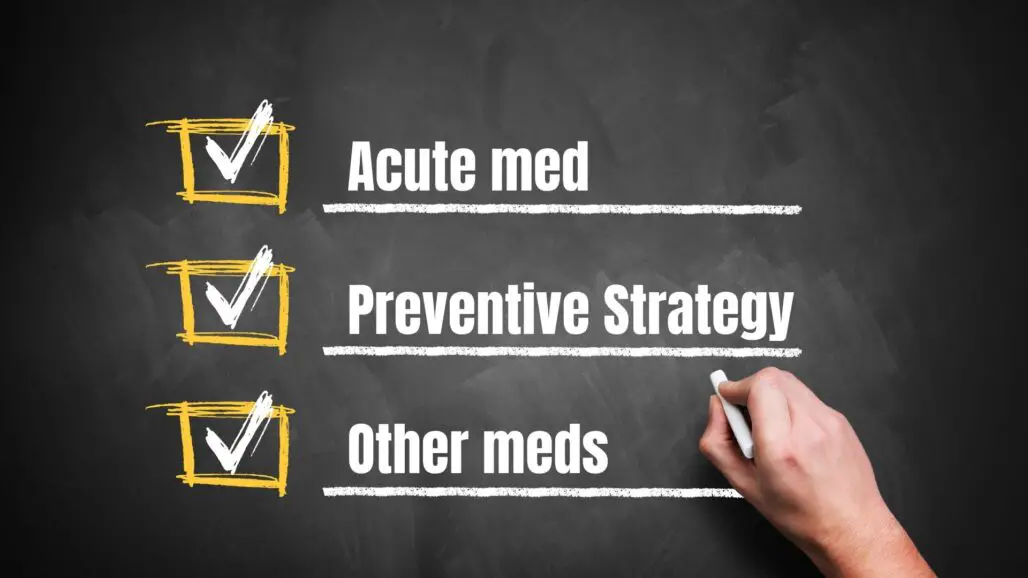
This post may contain affiliate links. Migraine Strong, as an Amazon Affiliate, makes a small percentage from qualified sales made through affiliate links at no cost to you. There is so much I wish I knew about minimizing migraine when my frequency of attacks was ramping up a few years ago. I would have avoided “chronifying” and felt like myself rather than someone going through the motions in life for so long. I assume you have episodic migraine that is worsening and you are here trying to figure out what to do to minimize the attacks. It’s gotten so bad that you can’t be the person that you once were and it’s sucking the life out of you so many days of the month. You don’t know what’s worse – canceling commitments and looking like a flake or pushing through and pretending you are ok when you can barely think straight. In the back of your mind you think, “Could this get worse?” Maybe you don’t want to go to see your doctor or specialist again and you want to know what can be done right now to get better. Or you have been to see your doctor and feel reluctant to fill the prescribed daily migraine medication. This is not medical advice. The tips below can help you get better, along side the help you get from your doctor, and start minimizing your migraine attacks. ** While Migraine Strong writes about the latest in migraine treatments, this is not medical advice. We are patient educators and all information you read should be discussed with your doctor. Things I know now but wish I knew then… Medications – A love/hate relationship If you haven’t already done so, please read my blog about episodic migraine and medications. Understanding the role of migraine meds as well as others you may take is very important. Implementing the steps from that one blog may help you tremendously. The Personal Plan to Roll-Back Attacks detailed in the blog may take a few weeks for you to implement if you take those prescribed and over-the-counter medications. The effort will be worth it. Medications can provide wonderful relief when properly taken. I wish I knew that the the medications that were helping me live my life and ditch my increasing migraine attacks ultimately hurt me. The good news is that now that my migraine attack frequency has diminished, they help me again. Migraine Strong recently interviewed a migraine expert about keeping migraine attack frequency from moving from episodic to chronic. Her tips for helping to get chronic migraine back to episodic migraine will help many who are trying to find the right combination of medications and other interventions. Next, take a good look at what you think your triggers are. Triggers are Tricky. What makes triggers so tricky is that they tend to be cumulative. That is, they stack on top of each other. A stressful day may not trigger you, but a stressful day after a lousy night of sleep, on a stormy day that you capped off with a glass of red wine may do you in! This eye-opening blog from Eileen Zollinger discusses this concept in more detail and may help you understand your personal trigger threshold. The internet will provide you with conflicting lists of the most common migraine triggers and they will rank them differently. Stress is usually at the top followed by poor sleep. Weather, hormones, diet, hydration, scents, lighting, alcohol and caffeine are also common triggers. How each rank with an individual will vary. How do you figure out your personal triggers? My favorite way is to use a popular tracker called Migraine Buddy. It’s a popular smartphone app as it’s easy to use and is frequently updated to help the user figure out what’s helping and what’s hurting. I wish I knew about Migraine Buddy when things were so bad. The Migraine Buddy App ** IMPORTANT – If you are in a phase where it seems like “everything is a trigger,” it’s likely the time to up your migraine preventive game with help from your doctor’s prescription pad or a neuromodulation device. Most people only have a few triggers. If your migraine brain is over-responding “to everything,” it’s not likely that you can “lifestyle your way to wellness.” The MOST Controllable Triggers – Caffeine, Foods and Beverages Caffeine – I know, I know- Many of you are wincing right now. Questions about coffee and migraine come up all the time, but significant caffeine sources are in other, less obvious places. This blog called Caffeine and Migraine- Trigger or Treatment and it is a must-read. I have 2 strong recommendations for you: Note your caffeinated beverage intake and notice if your attacks tend to happen when you deviate from your pattern. Some patterns I have seen that cause trouble – Varying amounts of caffeinated coffee, tea and/or soda due to weekend/weekday habits. Out of town travel is also a common problem as it interrupts the usual morning routine. Notice if you tend to feel fine when having your usual number of caffeinated beverages but start getting symptoms after you have the extra serving while at a mid-morning meeting or spontaneous trip through a drive-thru. Read ingredient labels. Is that smoothie that you love so much made with caffeine? How about that powdered drink that you have occasionally? Are you drinking energy drinks or taking supplements to boost your energy? Caffeine may be an ingredient. The inconsistent amount or having too much caffeine may be triggering you. Inconsistency of caffeine intake makes minimizing your migraine attacks more difficult. Caffeine In Medications Caffeine is an important part of some over-the-counter (OTC) and prescribed medications and is part of why the medication works so well. The OTC medication that you take for joint pain may get its boost from caffeine. Check out those labels, too. Why is caffeine a potential problem? One reason it might be a problem for you is that your body may be used to a steady amount and when it varies, it can trigger an
Guselkumab ‘efficacious’ in perianal fistulizing Crohn’s disease
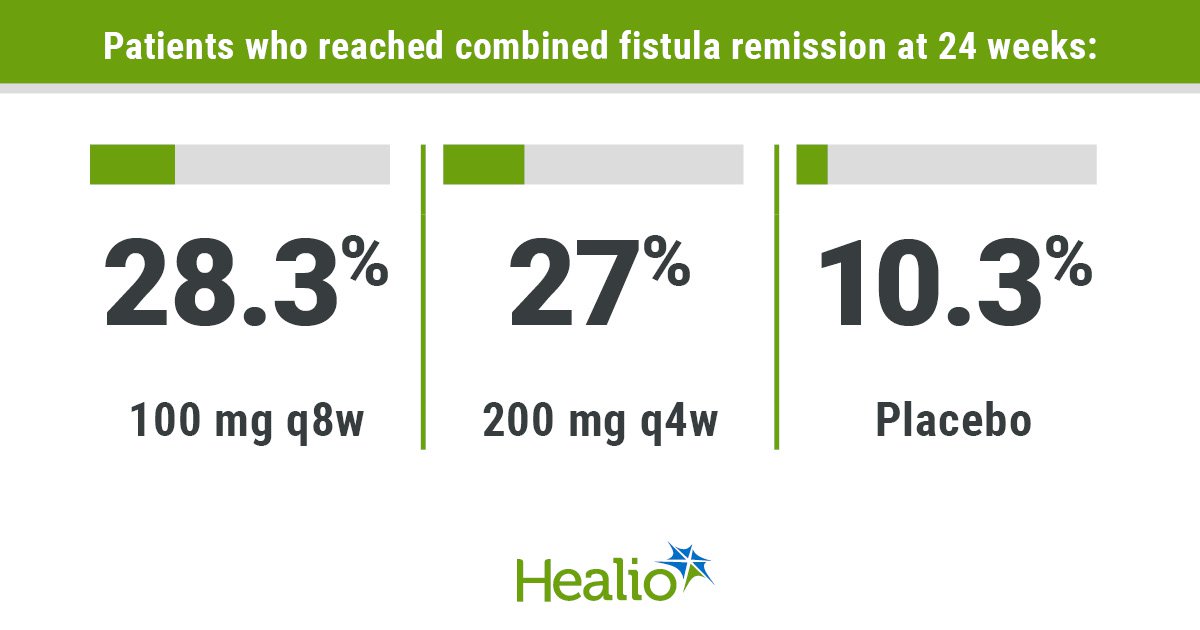
Add topic to email alerts Receive an email when new articles are posted on Please provide your email address to receive an email when new articles are posted on . “ data-action=”subscribe”> Subscribe We were unable to process your request. Please try again later. If you continue to have this issue please contact customerservice@slackinc.com. Back to Healio Key takeaways: More than a quarter of patients who received guselkumab induction and maintenance therapy achieved combined fistula remission at 24 weeks. No new safety signals were reported. CHICAGO — Guselkumab demonstrated significantly higher rates of combined fistula remission at 24 weeks compared with placebo among adults with perianal fistulizing Crohn’s disease, according to data from the ongoing FUZION trial. “This is the first successful international phase 3 trial assessing the combined clinical and MRI primary points, and the first in more than 2 decades showing efficacy of an advanced therapy in perianal fistulizing Crohn’s disease,” Laurent Peyrin-Biroulet, MD, PhD, head of the IBD unit at Nancy University Hospital in France, said while presenting his research at Digestive Disease Week. Data derived from Peyrin-Biroulet L, et al. Guselkumab for perianal fistulizing Crohn’s disease: Week 24 results from the phase 3, randomized, double-blind, placebo-controlled, multicenter FUZION study. Presented at: Digestive Disease Week; May 2-5, 2026; Chicago. “Importantly, guselkumab was efficacious until week 24,” he added. “In the study of populations [that] were bionaive or bioexposed with perianal Crohn’s disease, there was clearly clinically meaningful difference vs. placebo during the induction, and you could see that both doses have good efficacy and close efficacies.” Peyrin-Biroulet and colleagues conducted a randomized, multicenter study to investigate rates of combined fistula remission after 24 weeks of treatment with guselkumab (Tremfya, Janssen). Combined fistula remission was defined as complete healing of external fistulas with no new fistula development and MRI confirmation of no collections more than 2 cm. The researchers assigned 286 adults to three treatment cohorts (2:2:1), stratified by baseline proctitis and bionaive status. No endoscopies were performed, so they used MRI to assess proctitis, Peyrin-Biroulet explained. Participants had at least one active draining perianal fistula, Crohn’s Disease Activity Index (CDAI) of less than 350, and either intolerance or inadequate response to other treatments. Demographics were similar across cohorts (mean age, 36.5 years; 71.7% men). Baseline disease characteristics also were balanced (mean CDAI, 148.7). More than half (58%) of participants had one open or draining fistula and 42% had multiple open or draining fistulas. The first cohort received 200 mg guselkumab IV induction at 0, 4 and 8 weeks, with an additional 100 mg subcutaneously for maintenance every 8 weeks (Q8W, n = 113). The second group received the same induction doses and 200 mg subcutaneously every 4 weeks for maintenance (Q4W, n = 115). The third group received placebo (n = 58). A total of 91.3% of participants completed 24 weeks of treatment. The combined fistula remission rate was 28.3% in the Q8W cohort, 27% in the Q4W cohort and 10.3% in the placebo cohort. Both Q8W (P = 0.007) and Q4W (P = 0.013) cohorts had significantly higher rates of combined fistula remission than the placebo group. Notably, by week 12, the difference in fistula remission between placebo and treatment groups had reached statistical significance. “I think that is very interesting for our patients, because every month matters,” Peyrin-Biroulet said. Adverse events observed in the trial appeared consistent with the known safety profile of guselkumab, which is approved for moderate to severe CD. Published by: Sources/Disclosures Source: Peyrin-Biroulet L, et al. Guselkumab for perianal fistulizing Crohn’s disease: Week 24 results from the phase 3, randomized, double-blind, placebo-controlled, multicenter FUZION study. Presented at: Digestive Disease Week; May 2-5, 2026; Chicago. Disclosures: Healio was unable to confirm relevant financial disclosures at time of publication. Ask a clinical question and tap into Healio AI’s knowledge base. PubMed, enrolling/recruiting trials, guidelines Clinical Guidance, Healio CME, FDA news Healio’s exclusive daily news coverage of clinical data Learn more Add topic to email alerts Receive an email when new articles are posted on Please provide your email address to receive an email when new articles are posted on . “ data-action=”subscribe”> Subscribe We were unable to process your request. Please try again later. If you continue to have this issue please contact customerservice@slackinc.com. Back to Healio Source link

Identifying and Coping with Health Anxiety
It’s normal to worry about your health from time to time—especially when you’re experiencing new or unexplained symptoms. However, when these worries become overwhelming, persistent, and difficult to control, they may point to something known as health anxiety (also called illness anxiety disorder). At Pain Treatment Centers of America (PTCOA), we understand that pain and health-related worries often go hand in hand. Learning to identify and manage health anxiety can help you regain peace of mind and focus on your overall well-being. What Is Health Anxiety? Health anxiety occurs when your mind fixates on the possibility that you have—or might develop—a serious illness, even when medical tests show no cause for concern. It’s more than just being cautious or attentive to your body; it’s a pattern of fear and rumination that interferes with daily life. People with health anxiety often: Constantly check their body for signs of illness (for example, touching a spot, checking their pulse, or scanning for pain). Seek reassurance from doctors, loved ones, or the internet—but find that relief only lasts temporarily. Avoid doctors or medical testing because they fear getting bad news. Misinterpret normal bodily sensations—like a headache or fatigue—as symptoms of a serious disease. Struggle to focus on work, relationships, or hobbies because of ongoing worry about their health. If this sounds familiar, you’re not alone. Many people living with chronic pain or health conditions experience anxiety about their symptoms. At PTCOA, we see how emotional and physical health are deeply connected—and we approach both as part of your care. What Causes Health Anxiety? Health anxiety can stem from a variety of factors, often working together. Past medical experiences: A serious illness in your past—or in the life of a loved one—can make you more sensitive to new symptoms or health changes. Chronic pain or health problems: People who live with pain or ongoing medical conditions often worry that each new sensation means something worse. Chronic pain can heighten awareness of the body and increase fear of additional issues. Stress and personality factors: If you’re naturally prone to worry, perfectionism, or stress, you may be more likely to experience health-related anxiety. Information overload: In today’s digital age, searching online for symptoms can quickly lead to alarming or misleading information. Reading worst-case scenarios can amplify anxiety. The mind-body connection: Pain and anxiety share similar pathways in the brain. When you’re anxious, your nervous system goes into “fight-or-flight” mode, which can intensify physical sensations—making pain feel worse and worry harder to manage. Understanding these triggers can help you start breaking the cycle of fear and physical tension that fuels health anxiety. Recognizing the Signs of Health Anxiety You might be experiencing health anxiety if you: Frequently fear having a serious illness despite reassurance. Schedule multiple doctor visits or constantly switch physicians. Feel anxious when reading or hearing about diseases. Avoid medical care altogether out of fear of bad news. Spend excessive time researching health topics online. Notice that anxiety increases physical symptoms such as heart rate, sweating, or pain. When health worries begin to consume your time and energy, they become more than just a concern—they become an obstacle to living well. Strategies to Cope with Health Anxiety Managing health anxiety takes time and patience, but small, consistent steps can make a big difference. 1. Acknowledge the Mind-Body Connection Recognize that worrying about your health doesn’t mean something is wrong—it’s a symptom of anxiety itself. The body and mind are interconnected, especially when you’re managing chronic pain or recovering from illness. By understanding that anxiety can amplify physical sensations, you can begin to interpret your symptoms more calmly. 2. Limit Symptom Checking Repeatedly checking your body for signs of illness can reinforce fear. Try setting boundaries—for instance, allowing yourself to check once a day, or not at all unless a symptom significantly changes. Trust that your doctor will guide you on what requires attention. 3. Step Away from Dr. Google Searching for answers online often increases worry instead of providing relief. Limit or eliminate online symptom research and instead rely on your healthcare team for accurate, personalized information. 4. Set “Worry Time” If you find yourself unable to stop worrying, schedule a short “worry period” each day—say, 15 minutes. During this time, write down your concerns and what’s on your mind. When anxious thoughts arise outside of that time, remind yourself you’ll revisit them later. Often, the urgency of the worry fades before the scheduled time arrives. 5. Practice Relaxation Techniques Anxiety activates the body’s stress response. Calming that response can help ease both your emotional and physical discomfort. Techniques to try include: Deep breathing: Inhale for four seconds, hold briefly, and exhale slowly.Progressive muscle relaxation: Tense and release different muscle groups to reduce tension. Mindfulness meditation: Focus on the present moment instead of future “what ifs.” Gentle movement: Activities like walking, yoga, or stretching calm both mind and body. 6. Focus on What You Can Control Instead of worrying about potential illnesses, shift your energy toward proactive, healthy habits—getting enough sleep, eating well, staying hydrated, and maintaining regular exercise. These actions empower you and provide a sense of control. 7. Seek Professional Support If anxiety continues to affect your daily life, professional support can help. Therapy: Cognitive Behavioral Therapy (CBT) is one of the most effective treatments for health anxiety. It helps reframe unhelpful thoughts and reduce compulsive behaviors like constant checking or reassurance seeking. Integrated care: At Pain Treatment Centers of America, our providers understand how emotional stress can intensify physical pain. Our multidisciplinary approach combines pain management and behavioral health to help patients heal both physically and mentally. Medication: In some cases, anxiety medications prescribed by a healthcare provider can help reduce symptoms while you work on long-term coping strategies. Why It’s Important to Manage Health Anxiety Ignoring health anxiety can have real consequences: It can worsen pain perception and fatigue. It can lead to unnecessary medical tests or avoidance of necessary care. It increases stress, sleep problems, and strain in relationships. Addressing
All About Respiratory Viruses – HealthyWomen
Alex Fulton Alex Fulton has been working in the wellness field for more than 20 years. She has written extensively about integrative medicine, herbalism, supplements and other topics related to holistic health. Alex also focuses on issues related to women’s health, from menstruation to menopause. She has collaborated with physicians, midwives and functional medicine practitioners to promote natural approaches to health care for women. She has a BA in English from the University of Wisconsin-Madison. Full Bio Source link

The 5 Tanner Stages: What Are the Different Stages of Puberty?
Puberty is a natural part of development, and it is when a child goes through physical, hormonal, emotional and mental changes to reach sexual maturity. These changes begin and end at different ages for each child, depending on their sex, race, and ethnicity, as well as environmental factors. Today, we’re going to discuss the five different Tanner stages of puberty for both boys and girls. For clarity, a boy refers to a child with testicles and a girl refers to a child with ovaries. What is Puberty? Puberty is your body’s natural way of physically becoming an adult. During this time, your major organs and body systems mature, and your body becomes capable of sexual reproduction. It’s a biological process driven by hormonal changes that affect physical growth, emotional development, and sexual maturity. But even though the fact that puberty makes you physically an adult, your brain continues to develop and mature into your mid-to-late 20s. In Short, What Happens During Puberty? During puberty, a child’s body changes into an adult body. Their brain activates the Hypothalamic-Pituitary-Gonadal (HPG) axis, which then tells the body to produce sex hormones, like testosterone in boys and estrogen in girls. After this, a child will go through a growth spurt, both in length and body size, their reproductive system will mature (girls will get their period, and sperm production starts in boys), secondary sexual characteristics develop (such as breasts, a deeper voice, and body hair), and there may be noticeable emotional and mood changes. In more detail, when it comes to puberty, there is something called the five Tanner stages. These are different for both girls and boys. What Are the Five Tanner Stages in Boys? Firstly, when does puberty usually begin in boys? Around ages 9-14, with full development typically completed by 16-18. This can vary though. Stage 1: Prepubertal At stage one, there are no visible signs of puberty yet, and the testicles, penis, and body hair are still childlike. Stage 2: Early Puberty At stage two, the testicles and scrotum begin to enlarge, the skin of the scrotum will start to thin and redden, and sparse, fine pubic hair will begin to grow at the base of the penis. Stage 3: Mid Puberty At stage three, the penis starts to lengthen, the testicles continue to grow, pubic hair becomes darker, coarser, and curlier, there may be early voice changes, and a growth spurt often starts. Stage 4: Late Puberty At stage four, the penis grows in both length and thickness, the scrotum and testicles are larger and darker, adult-type pubic hair is present, there is a noticeable deepening of the voice, and acne and body odour may start to appear. Stage 5: Full Maturity At stage five, the genitals reach adult size and shape, pubic hair spreads to the inner thighs, facial and chest hair may develop, the voice is fully deepened, and growth slows and eventually stops. What Are the Five Tanner Stages in Girls? When does puberty usually begin in girls? Around ages 8-13, with full development typically completed by 15-17. This can vary though. Stage 1: Prepubertal At stage one, there is no breast development or pubic hair yet, and the ovaries and reproductive system are still immature. Stage 2: Early Puberty At stage two, breast buds appear (small, tender lumps under the nipples), the areola (the area around the nipple) begins to widen, and fine, soft pubic hair begins to grow. Stage 3: Mid Puberty At stage three, the breasts grow larger and begin to take shape, pubic hair becomes darker, coarser, and curlier, growth spurts often begin, and vaginal discharge may start. Stage 4: Late Puberty At stage four, the breasts are more developed, with the nipple and areola forming a raised mound, pubic hair is adult-like in texture, and menstruation usually begins. Stage 5: Full Maturity At stage five, the breasts reach their adult size and shape, pubic hair spreads to the inner thighs, and the menstrual cycle becomes more regular over time. How Long Does Puberty Take? Puberty usually takes about 3 to 5 years from the first physical signs to full adult development, but this can vary from person to person. In fact, starting earlier or later can still be completely normal. Important to remember though: growth and emotional development can continue after physical changes end. What Affects the Timing of Puberty? There are a lot of things that can influence the timing of puberty. Things such as one’s biology, environment, and lifestyle play a big part, and for that reason, there’s not one single factor that controls it. Here are the main things that affect when puberty starts and how quickly it progresses: Genetics Your genes actually play the biggest role. If one’s parents (especially the mother) started puberty early or late, the chances that their child will follow the same pattern are high. Specific genes influence when the brain signals the body to begin puberty. Nutrition & Weight With the right and adequate nutrition, the body can reach the energy level needed to begin puberty. Undernutrition or an eating disorder however can delay puberty, as a severely low calorie intake may slow down development. If there are higher fat levels in girls, it may result in an early start of puberty. Hormones Puberty will start when the brain, more specifically the hypothalamus and the pituitary gland, activates the reproductive system. If a child has any conditions that affect hormone production, such as a thyroid disorder or pituitary issues, this can speed up or delay puberty. Stress & Emotional Environment For some, early puberty is linked to those who face early life stress, early-life adversity. Physical Environment Those who have been exposed to endocrine-disrupting chemicals that are found in some plastics or pesticides may start puberty earlier. Physical Activity Some forms of high intensity training can delay puberty, especially in girls. Some activities include sports that emphasise low body weight, like gymnastics, ballet, or long distance running. What is Considered Early