

Preventing Winter Falls: Balance and Strength Training Tailored for Cold Weather Challenges By Bob Berendsen • January 15, 2026 Winter, widely considered the season of comfort, is the time for indoor relaxation and quiet contemplation. However, winter also brings with it some very real dangers, including cold, dark, and slippery surfaces. For older adults or those dealing with chronic pain, a small slip on these surfaces can lead to serious injuries that take months to heal. The good news? You can train your body to handle these challenges. Let’s explore some simple, safe exercises you or your loved ones can do from the comfort of your home to build your winter-proof stability. Why Winter Increases the Risk of Falls Cold weather brings more than just chilly air. It changes the way we move, how our muscles respond, and even how we think about walking. When it’s icy, people tend to tense up, take shorter steps, and look down more often. Muscles also get tighter in the cold, which reduces flexibility. Plus, all those bulky layers of clothes mess with your center of gravity and limit how quickly you can react if you start to lose your balance. Your boots might be waterproof and warm, but they’re probably not giving you the ankle support or ground feel you’d get from your regular shoes. Then there’s the simple fact that many of us move less in winter. Maybe you skip your daily walks when it’s freezing, or you stop going to that exercise class because driving feels too risky. But here’s the catch: the less you move, the weaker you get, and the weaker you get, the more likely you are to fall. Building a Foundation To prevent this, you simply need to work on two main things: balance and strength. Physical therapy and balance-focused exercises train your muscles, joints, and nervous system to respond faster and more effectively when something throws you off. Balance Training Balance isn’t just about standing still without wobbling. It’s about how your body reacts when something throws it off center. When you step on ice, for example, your brain and muscles have to communicate in an instant to keep you upright. If that connection is slow or weak, you’re more likely to fall. Some simple ways to train your balance include: ● Single Leg Stands : Stand near a sturdy surface like a countertop or wall for support. Lift one foot slightly off the ground and hold that position for 10–15 seconds. Then switch sides. At first, you might wobble, but that’s perfectly normal. Over time, your legs, ankles, and core muscles will get stronger, and your balance will improve. Try doing 3 rounds on each leg daily. ● Heel-to-Toe Walk: Imagine you’re walking on a tightrope. Place one foot directly in front of the other, heel touching toe, as you move slowly across the room. This simple drill strengthens your stabilizing muscles and sharpens coordination. Keep your eyes forward, not down, and use a wall for light support if needed. ● Side Leg Raises: Hold onto a sturdy chair or counter. Lift one leg out to the side while keeping your back straight and your toes facing forward. Lower it slowly and repeat. This exercise builds hip strength, which plays a big role in staying upright on slippery ground. ● Weight Shifts: Stand with your feet hip-width apart and shift your weight from one leg to the other slowly. Feel your balance change from left to right. This gentle exercise teaches your body to adjust quickly. Strength Training Balance and strength go hand in hand. When your muscles are strong, they act like shock absorbers, keeping you stable even when your footing isn’t perfect. Focus on the muscles that support your posture and help you move safely. Here are a few simple exercises to include in your daily routine: ● Chair Squats: Sit down and stand up from a sturdy chair without using your hands for support. Keep your feet flat on the floor and your knees aligned with your toes. This move strengthens your thighs, hips, and glutes—key muscles for stability and control. ● Heel Raises: Stand behind a chair or counter and slowly lift your heels so you’re standing on your toes. Lower back down after holding for a few seconds. This helps strengthen your calves and ankles, improving the small muscle reactions that keep you upright when you slip. ● March in Place: Lift your knees high as if you’re marching. Do this for one to two minutes, rest, and repeat. Marching builds leg endurance and helps train your coordination. ● Core Squeezes: While sitting or standing, tighten your stomach muscles as if you’re zipping up a snug jacket. Hold for 10 seconds, then release. A strong core helps your upper and lower body work together to keep you balanced. These movements may look simple, but they’re powerful. Doing them for just 10–15 minutes a day can make winter walks safer and less stressful. Warming Up Before You Head Outdoors Cold weather tightens muscles and slows blood flow, making your body less responsive. That’s why warming up before heading outside is so important. Think of it as insurance against sudden slips. Try a short warm-up routine before stepping out: ● Arm circles to loosen shoulders. ● Gentle knee bends to wake up leg muscles. ● Shoulder rolls and neck stretches to improve mobility. ● A quick indoor walk or stair climb to raise your heart rate slightly. It’s also wise to check your footwear. Look for rubber soles with deep treads for better traction. Avoid smooth or worn-out shoes, and consider ice grips that attach to your boots if you live in a particularly snowy area. Winter doesn’t have to be a season of fear. By investing just 10-15 minutes a day in these simple, safe exercises, you can build the strength and confidence you need to navigate the season safely. You are giving your body the tools it needs to

Cómo las prescripciones sociales pueden mejorar la salud cardiaca
English Las enfermedades cardíacas son la causa principal de muertes de mujeres en EE.UU. La mayoría de nosotras conocemos las recomendaciones estándar: Hacer más ejercicio, comer mejor, dejar de fumar y controlar el estrés. Pero incluso con las mejores intenciones, estas instrucciones podrían sentirse abstractas, especialmente si vives en un vecindario sin un lugar seguro para caminar, si no tienes fácil acceso a productos agrícolas frescos o si pasas días sin hablar con otra persona. ¿Qué pasaría si tu proveedor de atención médica pudiese referirte a un coro comunitario, darte un vale de un mercado de productores agrícolas o decirte que te inscribas en una caminata con guía en tu parque local como si estas opciones fuesen medicamentos? Esa es la idea de las prescripciones sociales. ¿Qué son las prescripciones sociales? Las prescripciones sociales son un sistema de referencias que conectan a personas con actividades y recursos comunitarios que no son de índole médica para abordar situaciones que afectan su salud. Imagina que son como puentes entre el consultorio de tu proveedor de atención médica y los otros aspectos de tu vida. Julia Hotz, periodista y autora de The Connection Cure, el primer libro que se ha escrito de prescripciones sociales, ha dado seguimiento a este movimiento a medida que se propagó desde el Reino Unido a más de 32 países. “Las prescripciones sociales recibieron su nombre por cómo se abordan factores sociales que afectan la salud”, explicó. “Refiriéndose a que las personas sin acceso a espacios verdes, comida saludable y nexos sociales importantes experimentan más disparidades médicas”. Hotz Identifica cinco pilares de las prescripciones sociales: la actividad física, la naturaleza, el arte, el servicio y la conexión social. No es un reemplazo de medicamentos o cirugías. Pero es un suplemento poderoso, un método para tratar a una persona íntegramente y no solo abordar el diagnóstico. Los riesgos cardiacos ocultos de tu vida social Cuando la mayoría de personas piensan en el riesgo de enfermedades cardíacas, piensan en el colesterol, la presión arterial y el cigarrillo. Pero décadas de investigaciones señalan algo más profundo: Tu vida social ejerce influencia en tu salud cardiovascular en formas sorprendentes. Personas con una mala vida social tienen un 30% más de probabilidades de desarrollar cardiopatías isquémicas y accidentes cardiovasculares, según una revisión sistemática de 23 estudios. Personas adultas que rara vez o nunca recibieron apoyo social tuvieron casi el doble de riesgo de acumular tres o más factores de riesgo cardiovascular, incluyendo hipertensión, colesterol alto y diabetes, en comparación con personas con nexos sociales sólidos. Y la soledad inflige un perjuicio importante: Un estudio de 2025 determinó que personas con soledad crónica tienen un riesgo 56% mayor de accidentes cardiovasculares, incluso después de ajustar los resultados por depresión y aislamiento social”. Lee: Cómo establecer relaciones sociales si sientes soledad >> La ciencia detrás de esto es simple. El estrés, la soledad y la depresión elevan los niveles de cortisol y de marcadores inflamatorios, incrementan la presión arterial y alteran el sueño, factores de riesgo conocidos de enfermedades cardíacas. Por eso, aunque las prescripciones sociales empezaron como una respuesta a varias crisis de la salud mental, también se están reconociendo cada vez más como intervenciones cardiovasculares. De hecho, un estudio de 2025 que se publicó en Frontiers in Public Health examinó específicamente las prescripciones sociales para la salud cardiaca e identificó relaciones importantes entre prescripciones que incluían exposición a la naturaleza, actividades físicas e iniciativas para vivir saludablemente con mejores desenlaces clínicos cardiovasculares. “Es verdad que las prescripciones sociales tienen un historial de abordar cosas tales como el estrés, la soledad, la ansiedad y la depresión, pero también pueden ser útiles para la salud cardiaca porque se podrían prescribir actividades físicas y exposición a la naturaleza que se sabe que reducen el estrés de los sistemas cardiovasculares”, dijo Hotz. Hotz resalta como ejemplo a Walk with a Doc fundado por un cardiólogo de Columbus, Ohio, y que ahora tiene más de 500 sucursales en todo el mundo. “He hablado con muchas personas que han mejorado directamente su salud cardiovascular con estas caminatas”, dijo. El poder de la prescripción ¿Por qué los pacientes necesitan una prescripción para algo que podrían hacer por su propia cuenta? Expertos resaltan el “efecto oficial” de una prescripción formal. Si un proveedor de atención médica dice que una actividad social es parte de tu plan de atención, no solo es una buena idea, el paciente lo toma más seriamente y sigue las instrucciones. “Si tu doctor dice que esta es una parte importante de tu proceso de bienestar y de salud, es más probable que cumplas con eso”, dijo Adrienne Hundley, jefa de estrategia comunitaria de SocialRx, una organización sin fines de lucro que establece conexiones entre pacientes y experiencias artísticas, culturales y comunitarias. Tener una prescripción también podría disminuir la carga financiera de participar en actividades comunitarias porque pueden incluirse en planes terapéuticos formales por lo que pueden tener cobertura de seguros médicos de compañías que trabajan en conjunto con organizaciones tales como SocialRx. Además, los programas Medicaid y Medicare Advantage cada vez abordan más los factores sociales de la salud mediante iniciativas de bienestar que incluyen la cobertura de prescripciones sociales. Adicionalmente a las aseguradoras, también puede encontrarse financiamiento a través de programas de equidad médica de hospitales, subvenciones médicas públicas u organizaciones comunitarias sin fines de lucro. SocialRx cubre los costos de participación de sus miembros, ofrece programas en español y en otros idiomas y frecuentemente incluye asistencia para el transporte. Asesores de atención manejan la logística, dando seguimiento y motivación, hablando con los pacientes después de cada experiencia y ayudando a los pacientes a seguir con el tratamiento. Todo esto es útil para eliminar obstáculos que podían evitar que pacientes participen individualmente en esas actividades. El modelo de SocialRx incluye 12 dosis mensuales de experiencias comunitarias a lo largo de un año. Hundley compartió la historia de una mujer de edad avanzada que no había salido de su hogar en más de seis meses. Su asesor

Postpartum Sexuality Survey Reveals Common “Desire Gap”
Intimina study of 3,000 mothers reveals the complex reality of postpartum sexuality Giving birth is, for most women, the most significant and happiest event of their lives, marking the beginning of an extraordinary new chapter. However, to understand how women truly feel during the sensitive period, Intimina conducted an extensive survey of 3,000 women across the UK, France, and Spain who have given birth within the last 12 months. The findings show there is a significant “Desire Gap” and prove that while the body may heal, the journey back to one’s sexual self often follows a much longer, more personal timeline. The Reality of Postpartum Intimacy: 10 Key Insights The Identity Struggle The shift into motherhood often overshadows a woman’s sense of self. 24.5% of respondents feel like a “mother” first and a “sexual being” second. This feeling was most pronounced in Spain, where 27.9% of women struggled to switch between these roles. The Pressure of the Medical Milestone The “six-week green light” is often more stressful than helpful. While some found it reasonable, 17.4% of women felt pressured by this deadline, and 15.1% felt “broken” because they weren’t ready when the doctor said they could be. Intimina’s medical expert, Dr. Susanna Unsworth comments: “Postpartum recovery is often reduced to timelines, but in reality it is far more complex. The six week check is an important opportunity to assess how both mother and baby are recovering, not a signal that women should feel physically or emotionally ready to resume intimacy. Many are still navigating significant changes at this stage, including exhaustion, hormonal shifts, and a shift in identity as they adjust to motherhood.” Physical Barriers to Intimacy Returning to intimacy is often physically daunting. 34.3% of women cited extreme exhaustion as their primary barrier, while 31.4% dealt with physical discomfort like vaginal dryness, and 30.9% admitted to a literal fear of pain. The Hidden Burden of Guilt Guilt is a dominant force in the postpartum experience. 44.2% of women felt guilty for not wanting sex, while 40.7% felt guilty for prioritizing their own pleasure over the baby’s needs. France saw the highest levels of partner-related guilt at 47.5%. Honesty and “Performance” Couples often struggle to communicate about their changing sex lives. While 35.3% are completely honest, 20.9% of women admit they “perform” or fake interest to keep their partner happy. Moments of Empowerment Despite the challenges, many women find new strength in their bodies. A significant 42.2% feel a new level of respect and awe for what their body has achieved, and 31.3% report that their orgasms have actually become more intense since giving birth. A New Approach to Connection Intimacy often evolves into something deeper and more exploratory. 34.7% of women see sex now as a way of “re-learning” their body, while 32.8% say it has become less about the “act” and more about feeling seen and appreciated. The Clinical Shift Hormonal changes can make intimacy feel less natural. 49.2% of women noted that physical changes made sex feel “clinical” rather than spontaneous. This was felt most strongly in the UK, where 54.3% of women reported this shift. There is also a surprising “pleasure peak” for many. 31.3% of women reported that their orgasms have actually become more intense since giving birth. In the UK, this positive shift was reported by 32.4% of respondents. The Source of Pressure The drive to “bounce back” comes from multiple angles. 26.5% point to their partner’s expectations, while 23.2% blame the unrealistic standards set by social media influencers. The Path to Better Support Mothers know exactly what they need to thrive. 33.3% believe that more honest conversations with friends and other mothers would have changed their experience, and 37.3% noted that better access to pelvic floor therapy or intimacy products would have empowered their return to sexual health. “We hope to encourage a more open conversation around the ‘Silent Year’ of postpartum healing,” says Dunja Kokotović, Global Brand Manager for Intimina. “Our study of 3,000 women reflects a shared journey through the complexities of new motherhood. It is time to evolve past the standard six-week benchmark and prioritize a woman’s personal readiness instead. We want to empower mothers to listen to their bodies, knowing that the only ‘right’ timeline is the one that feels right for them.” “What is clear from this data is the need for a more compassionate and individualised approach to postpartum care. This includes better access to pelvic floor physiotherapy for all women, more open conversations about recovery and intimacy, and reassurance that there is no single ‘normal’ timeline when it comes to reconnecting with your body,” concludes Dr. Unsworth. *The research was conducted by Censuswide, among a sample of 3,046 Postpartum women or women who have given birth in the last year in the UK, France, and Spain. The data was collected in March and April 2026. Censuswide is a member of the Market Research Society (MRS) and the British Polling Council (BPC), and a signatory of the Global Data Quality Pledge. We adhere to the MRS Code of Conduct and ESOMAR principles. Source link

Propecia for Women: Does It Work and Is It Safe?
Who Is and Is Not a Candidate This is the most important part of the conversation, and it is why finasteride for women should always involve a thorough consultation rather than a quick prescription. Women who cannot take finasteride include anyone who is pregnant, trying to become pregnant, or not using reliable contraception. Finasteride can cause serious birth defects in male fetuses, and even skin contact with broken or crushed tablets carries a risk. This is a firm contraindication, not a preference. Premenopausal women who are prescribed finasteride off-label must be using reliable birth control and must be counseled clearly on this risk. Women who may be appropriate candidates include postmenopausal women with female pattern hair loss, premenopausal women who are not and do not intend to become pregnant and who are using reliable contraception, and women who have not responded adequately to first-line treatments like minoxidil. Even for appropriate candidates, finasteride is not the right choice for everyone. Hormonal context matters, the underlying cause of the hair loss matters, and whether other factors like thyroid function or iron levels have been addressed first matters. This is why we do not prescribe it in isolation at NHLMA. What Are the Alternatives? Whether finasteride is right for you or not, there are several other treatments with strong evidence for female pattern hair loss worth knowing about. Topical minoxidilis the most established FDA-approved treatment for women with pattern hair loss. It works differently from finasteride, stimulating follicle activity rather than addressing DHT, and it is appropriate for a much broader range of patients including premenopausal women. Low-level laser therapy (LLLT)uses specific wavelengths of light to stimulate follicle metabolism and is a well-tolerated, non-hormonal option that works well as part of a combined protocol. PRP (platelet-rich plasma)and exosome therapy both work by delivering concentrated growth signals directly to the scalp, supporting follicle health and encouraging the transition from resting to active growth phases. These are particularly effective when hair loss is in the earlier stages. Nutritional and hormonal optimization through comprehensive labs is often the missing piece. Addressing iron deficiency, thyroid dysfunction, or hormonal imbalances that are driving the hair loss in the first place can make everything else work better and sometimes resolves shedding on its own. Spironolactone is another off-label option for premenopausal women with androgen-driven hair loss, often considered before finasteride given its longer track record of use in women. What We Actually See in Practice At NHLMA, finasteride is one tool among many, and whether it belongs in a patient’s plan depends on a thorough evaluation first. We look at the type and pattern of hair loss, hormonal and nutritional labs, medical history, and reproductive considerations before discussing it as an option. For postmenopausal women with confirmed androgenetic alopecia who have not responded to first-line treatments, it can be genuinely effective. For younger women, we typically explore other options first and have a detailed conversation about the risks before considering it. What we do not do is treat female hair loss the way male hair loss is treated with a simple prescription and no deeper investigation. The two are fundamentally different problems that require different approaches. Source link

You Have Migraine—Now What? A Step-by-Step Guide To Feeling Better
This post may contain affiliate links. Migraine Strong, as an Amazon Affiliate, makes a small percentage from qualified sales made through affiliate links at no cost to you. Receiving a migraine diagnosis can feel overwhelming. It’s a relief to finally have a name for what you’ve been experiencing, but it also comes with a lot of questions. How do you manage migraine attacks? What migraine treatments are available? What lifestyle changes can make a difference? The good news is that you don’t have to navigate this alone. There are many ways to take control of your health and improve your quality of life. Whether you’re just beginning your journey or looking to refine your management strategies, here are the next steps to consider after a migraine diagnosis. ** While Migraine Strong writes about the latest in migraine treatments, this is not medical advice. We are patient educators. All information you read about should be discussed with your doctor. 1. Find the Right Medical Support: Why a Headache Specialist Matters Migraine is a complex neurological disease, and not all doctors are equipped to provide the specialized care you need. While a general practitioner or general neurologist may have some experience with migraine, a headache specialist has additional training and focuses on treating headache disorders. They can help you develop a personalized treatment plan, identify triggers, and explore cutting-edge therapies. If you have high frequency attacks, headache specialists are your best bet for treatment. How to Find A Headache Specialist Finding a headache specialist can take time, but it’s worth the effort. The American Migraine Foundation and the National Headache Foundation offer directories to help locate specialists. Online support groups can also be a great resource for recommendations. Neura Health is an online neurology clinic. They offer online appointments in a fraction of the time it takes locally. You can see a trained headache provider in a matter of days. They also offer care coaching and a migraine tracker that is reviewed by your headache provider. Read about our experience with Neura Health in this review article. You can also see interviews with various Neura Health providers on the Migraine Strong Instagram. Go to our grid and look for the purple covers indicating what we talked about and with whom. Preparing for Your Appointment To get the most out of your visit, come prepared. Keep a symptom journal detailing your attacks—when they occur, how long they last, and what symptoms accompany them. List past treatments and their effectiveness, and write down any questions you have. The more information you provide, the better your doctor can tailor your treatment. 2. Learn About Available Treatments – Acute vs. Preventive Medications Migraine treatment generally falls into two categories: acute and preventive. Acute medications, such as triptans and gepants, are taken at the onset of an attack to stop it from progressing. Preventive treatments, like beta-blockers, antidepressants, anti-seizure medications, and CGRP inhibitors, aim to reduce the frequency and severity of attacks. CGRP Medications CGRP inhibitors are a breakthrough in migraine treatment. These medications, which include IV infusion (Vyepti), injectables (Aimovig, Ajovy, Emgality) as well as oral options (Qulipta, Nurtec, Ubrelvy, Reyvow, Zavzpret) target a protein involved in migraine attacks. Many patients find relief with these new therapies. Those with commercial insurance can qualify for Patient Assistance programs offered by the pharmaceutical companies which help make the new medications more affordable. Nerve Blocks & Botox For those with frequent attacks, nerve blocks and Botox injections can be effective preventive options. These treatments work by disrupting pain signals and reducing inflammation in the nervous system. Neuromodulation Devices Non-medication options are also available, such as neuromodulation devices like Cefaly, gammaCore, and Nerivio. These devices use electrical pulses to modulate pain pathways and can be a great alternative for those who prefer non-pharmaceutical approaches. 3. Consider Supplements That May Help Many migraine specialists recommend supplements as part of a comprehensive treatment plan. Some of the most commonly suggested options include: Magnesium glycinate, threonate or malate: Can help with brain excitability and reduce attack frequency. These are also better tolerated than magnesium oxide which is the most studied, but often causes intestinal issues. Riboflavin (B2): May improve mitochondrial function and reduce migraine severity. CoQ10: Supports cellular energy production and has been shown to decrease attack frequency. Feverfew & Butterbur: Herbal options that some find beneficial for migraine prevention. Ginger: Helps with nausea and can also treat the symptoms of a migraine attack. When choosing supplements, look for third-party testing to ensure quality and purity. Always consult with your doctor before adding new supplements to your routine. Our Supplement Dispensary offers quality brand supplements and a discount for all of our readers. 4. Prioritize Sleep for Better Migraine Control Why Sleep is Crucial – Sleep disturbances are closely linked to migraine attacks. Poor sleep quality can make attacks more frequent and severe. Tips for Better Sleep Stick to a consistent sleep schedule. Limit screen time before bed. Keep your bedroom cool and dark. Avoid caffeine in the afternoon. If you suspect you have a sleep disorder, such as insomnia or sleep apnea, discuss it with your doctor. Treating underlying sleep issues can significantly improve migraine management. 5. Include Daily Movement in Your Routine Exercise can be a powerful tool for migraine management, but it’s important to approach it carefully. High-intensity workouts and Couch-to-5k programs are best put off until you know how exercise affects your migraine disease. Some people find vigorous exercise triggers migraine attacks. Best Types of Exercise for Migraine Gentle movement is often best, including: Walking Yoga Swimming Low-impact strength training How to Start Without Triggering an Attack Begin slowly and listen to your body. Stay hydrated, warm up properly, and avoid overexertion. If you haven’t exercised in a long time, spend a few weeks ramping up. Start with laps around your living room and gradually expand the amount of time and distance you walk. Over time, regular movement can help reduce attack frequency and improve overall well-being. 6. Discover
#FG Blog- British Society of Gastroenterology minimum service standards and good practice statements for Endoscopic Retrograde Cholangiopancreatography (ERCP)
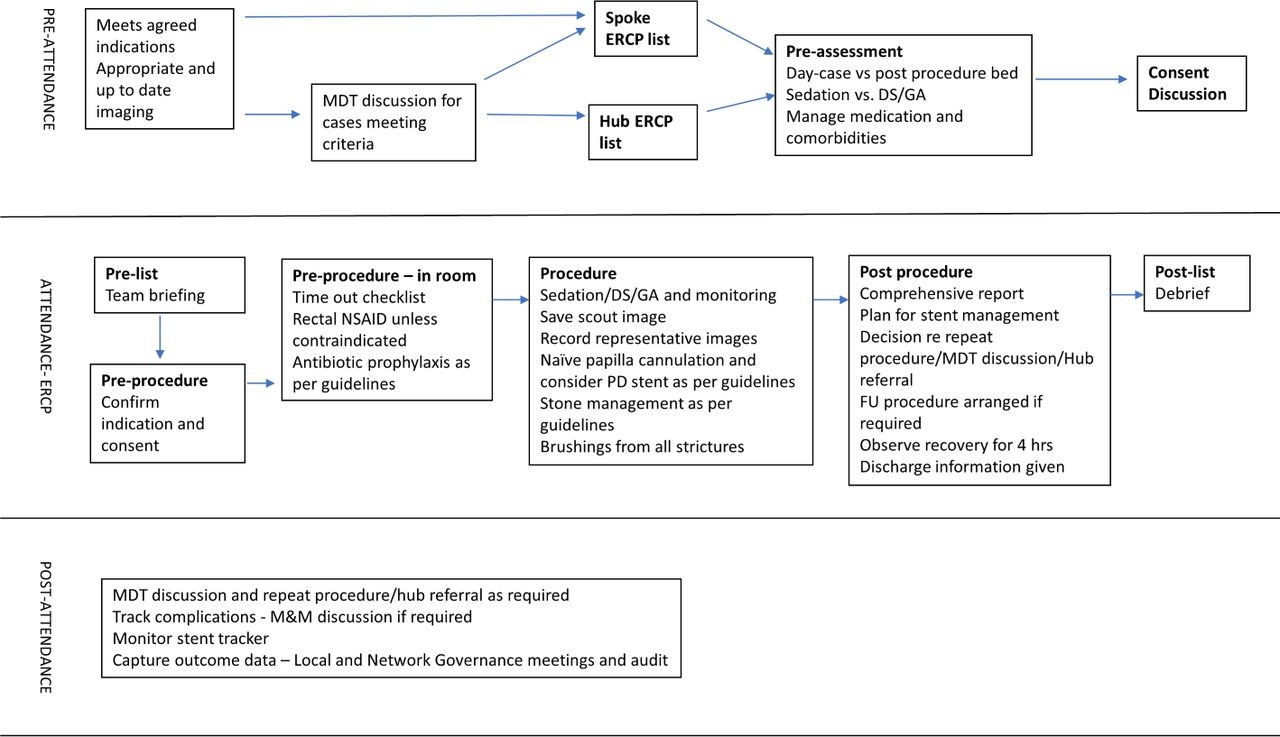
Mohsan Subhani1, Simon M Everett2 Affiliations1School of Medicine University of Nottingham, United Kingdom2Gastroenterology, Leeds Teaching Hospitals NHS Trust, Leeds, UK Endoscopic Retrograde Cholangiopancreatography (ERCP) is one of the highest-risk procedures routinely performed by endoscopists (1). It is one of the most complex endoscopic procedures, often reserved for more advanced therapeutic interventions rather than routine diagnosis. Given its complexity and potential risks, ensuring that the highest standards of care are met is essential. The British Society of Gastroenterology (BSG) first conducted a national audit in 2007 to examine the quality of ERCP training and practice (2). In 2014, BSG published a standard Framework, introducing key performance indicators (KPIs) to guide ERCP practitioners (3). These KPIs focused on practitioner skills, service quality, and training programs to standardise care and improve patient outcomes. ERCP practice has significantly evolved over the years due to the availability of alternative diagnostics tools such as endoscopic ultrasound andmagnetic resonance cholangiopancreatography and it should now mainly be performed for therapeutic purposes. The “Getting it Right First Time” (GIRFT) review and recent NHS white papers highlight the need for multidisciplinary teams, improved case selection, and regional consolidation to enhance quality and outcomes in ERCP (4). In this #FGblog, we want to draw Frontline Gastroenterology readers’ attention to recently published BSG ERCP minimum service standards and good practice statements (5), exploring the driving factors behind these guidelines, and what they mean for both healthcare professionals and patients. In 2021, BSG established a diverse multi-stakeholder ERCP project group including both healthcare professionals and members of the public. Two national surveys were conducted to assess ERCP practices across the UK, targeting both practitioners and endoscopy units. Discussion groups further explored these issues, integrating feedback to draft statements prioritising high-quality, safe ERCP services. The survey had a 100% response rate from all 170 UK endoscopy units and a 74% (389/526 respondents) response from ERCP practitioners. Final recommendations, based on consensus, are presented as good practice statements rather than formal guidelines. These focus on service delivery rather than the technical aspects of performing ERCP. Below is a summary of key statements. The statements are grouped into categories: the patient journey through the unit, the ERCP team, CPD and clinical governance, safety and KPIs, equipment and services, and network provision with multi-disciplinary teams (MDTs). Documents and Policies A high-quality ERCP service requires comprehensive written policies and guidelines. 75% of organisations have clinical pathway guidelines, while only 23% have policies for temporary stent removal. Standard operating procedures (SOPs) reduce variability and enhance safety, as highlighted by reports linking the lack of SOPs to patient safety incidents. ERCP services should have dedicated policies covering vetting, consent, and adherence to published guidelines. Pre-procedure: Referral and Vetting Booking and vetting of ERCP cases should prioritise appropriateness and patient safety. While 58% of units use electronic referral systems, paper-based processes remain common. ERCP consultants are responsible for vetting referrals, ensuring patient fitness and the necessity of procedures. Inpatients require additional review by ERCP team members to avoid late cancellations or inappropriate procedures. Timeliness and Waiting List Management Effective booking and waiting list management are critical for ERCP services. Procedures should be scheduled with proper time allocation to ensure efficiency. Outpatient cases should be prioritized earlier in the day to enable same-day discharge. Additionally, units must track and audit compliance with ERCP timing standards, especially for urgent cases like CBD stones. Monitoring systems for stent removal are crucial to avoid complications such as biliary sepsis. Consent Consent processes for ERCP procedures vary across units, often falling short of BSG and ESGE guidelines. Many patients lack thorough communication about risks, especially in emergency cases. Pre-procedure discussions, preferably face-to-face or by phone, are recommended to ensure informed consent. Final consent must be confirmed by an ERCP-trained endoscopist. Procedure Patients undergoing ERCP often have comorbidities, requiring careful preparation, including medication review, hydration, and imaging. Specialist radiology support is crucial, especially for complex cases. Pre-procedure briefings and adherence to surgical checklists (e.g., WHO) ensure safety, with specific checks for ERCP, such as clotting and stent selection. Managing staff fatigue is important; breaks and lightweight lead gowns should be provided. Teamwork and a learning culture enhance outcomes. Pancreatitis is a common complication; adherence to prevention guidelines and early recognition of complications, like perforation, is vital. Clear escalation pathways should be established to manage adverse events. Post-procedure Recoverypost-procedure care focuses on safe recovery from sedation and monitoring for complications. Patients should be observed for at least four hours after the procedure, with trained nurses available to identify issues like pancreatitis. DischargeDiscussions about the procedure should occur in private after recovery, involving the endoscopist and caregivers. Patients must receive clear discharge information about potential complications and guidance on when to seek help. Follow-upTracking temporary stents is essential to prevent complications. Only 61% of hospitals monitor stent patients, so Trusts must establish reliable systems for timely follow-ups and removals. The ERCP team ERCP nurses must have specific competencies, including leadership skills, to ensure positive patient outcomes. A minimum of three trained staff is essential for each procedure, with one designated as the lead nurse. Management requires coordination between endoscopists, nurses, and administrators to ensure quality and efficiency. Patient engagement in the consent process is critical, as is collaboration with radiologists and surgeons for complex cases. Access to urgent surgical and interventional radiology expertise is essential for safe ERCP procedures, emphasizing the importance of an integrated approach within ERCP networks. Continuous professional development (CPD), clinical governance, safety and KPIs CPD is essential for high-quality patient care, yet many clinicians lack adequate ERCP-related CPD, with 53% having no dedicated time in their job plans. Robust clinical governance is crucial for monitoring safety and quality in high-risk ERCP procedures. KPIs indicate that individual endoscopists should perform a minimum of 100 procedures annually and units should perform a minimum of 200. All ERCP units must implement governance arrangements, designate clinical leads, and ensure compliance with KPIs to improve patient outcomes and care standards. Equipment and services The survey of ERCP facilities highlights areas needing improvement, with
The Weight We Carry: Pain, Resilience, and Recovery in Military Life
By Lexi Mitchell When people think about military service, they often picture discipline, strength, and resilience. What they don’t always see is the hidden cost—the physical and emotional pain that service members carry long after the mission ends. Officer training is infantry-based, and as a smaller female in a physically demanding environment, I learned firsthand how unforgiving that world can be on the body. The Army trains everyone to push beyond limits—but there’s a fine line between endurance and injury. During one combatives training session, I tore my rotator cuff. It was just one of many injuries that came from carrying heavy rucksacks, weapon systems, and gear that easily weighed over 60 pounds—sometimes for miles, over and over again. The physical strain doesn’t discriminate. It doesn’t matter your size or gender—everyone hurts. Feet blister and bleed after a 12-mile ruck march, and yet you wake up in the woods the next day and do it all over again. There’s rarely time for the body to recover before the next test of strength or endurance begins. The culture rewards pushing through pain, and for most of us, stopping wasn’t an option. But pain isn’t just physical. The constant pressure—mental, emotional, and physical—takes a toll that many don’t talk about. Under that much stress, your body’s healing process slows down. Your immune system weakens. When all three—mind, body, and spirit—are under siege, the effects can be long-lasting. Today, I live with the consequences of those years of service. What many people don’t realize is that pain isn’t always visible. I often hear comments like, “You’re young, you look healthy, you look fine.” But the truth is, my pain lies within me. It doesn’t show on my skin, but it affects every part of my life. It’s invisible—but it’s real. I share this not to complain, but to inform. As a veteran and as someone who values facts, I know that stress directly impacts the body’s ability to heal. Chronic pain isn’t weakness—it’s biology. And yet, too many veterans continue to “suck it up,” ignoring pain until it becomes unmanageable. Veterans often carry invisible wounds alongside the visible ones. Pain management isn’t just about medication—it’s about understanding the full human experience of those who served. It’s about listening, validating, and creating care systems that honor both strength and vulnerability. To my fellow veterans: you are not alone. Pain does not define your worth. Seeking help isn’t a sign of weakness—it’s a continuation of your service, because it allows you to reclaim your health and your life. Resources for Veterans in Pain Source link
How Social Prescribing Can Improve Heart Health
Español Heart disease is the number one killer of women in the U.S. Most of us know the standard advice: Exercise more, eat better, quit smoking, manage stress. But even with the best intentions, those instructions can feel abstract, especially if you live in a neighborhood without a safe place to walk, can’t easily afford fresh produce, or go days without talking to another person. What if your healthcare provider could connect you to a community choir, give you a farmers market voucher, or tell you to sign up for a guided walk through your local park and call it medicine? That’s the idea behind social prescribing. What is social prescribing? Social prescribing is a referral system that connects people to non-medical, community-based resources and activities to address the root conditions shaping their health. Think of it as a bridge between your healthcare provider’s office and the rest of life. Julia Hotz, journalist and author of The Connection Cure, the first book written on social prescribing, has followed the movement as it spread from the United Kingdom to more than 32 countries. “Social prescribing got its name from the way it intends to address the social determinants of health,” she explained. “Meaning that people without access to green space, people without access to healthy food and people without access to strong social supports would experience further health disparities.” Hotz identifies five pillars of social prescribing: movement, nature, arts, service and social connection. It’s not a replacement for medication or surgery. But it’s a powerful complement to both, a way of treating the whole person, not just the diagnosis. The hidden heart risks in your social life When most people think of heart disease risk, they think of cholesterol, blood pressure and smoking. But decades of research point to something deeper: Your social world shapes your cardiovascular health in ways that may surprise you. People with poor social health were 30% more likely to develop coronary heart disease and stroke, according to a systematic review of 23 studies. Adults who rarely or never received social support had nearly twice the risk of accumulating three or more cardiovascular risk factors — including hypertension, high cholesterol and diabetes — compared to those with strong support. And loneliness carries its own toll: A 2025 study found that people with chronic loneliness had a 56% higher risk of stroke, even after adjusting for depression and social isolation. Read: How to Make Connections When You’re Lonely >> The biology behind this is straightforward. Stress, loneliness, and depression each elevate cortisol and inflammatory markers, raise blood pressure, and disrupt sleep, all recognized risk factors for heart disease. This is why social prescribing, though it originated as a response to mental health crises, is increasingly recognized as a cardiovascular intervention too. In fact, a 2025 study published in Frontiers in Public Health specifically examined social prescriptions for heart health and found strong relationships between prescriptions involving nature exposure, physical activity and healthy living initiatives and improved cardiovascular outcomes. “It’s true that social prescribing does have a track record of addressing things like stress, loneliness, anxiety, depression, but it can also help heart health in that it could be for activities involving movement, activities involving nature, which are known to de-stress the cardiovascular systems,” Hotz said. Hotz highlights Walk with a Doc, launched by a cardiologist in Columbus, Ohio, and now operating more than 500 chapters worldwide, as a prime example. “I’ve spoken with lots of people who have directly improved their cardiovascular health through these walks,” she said. The power of the prescription Why do patients need a prescription for something they can do on their own? Experts point to the “authority effect” of a formal prescription. When a healthcare provider says a social activity is part of your care plan — not just a nice idea — patients take it more seriously and follow through. “If your doctor says this is an important piece of your health and well-being journey, you’re probably more likely to follow through on that,” said Adrienne Hundley, head of community strategy for SocialRx, a nonprofit that connects patients with arts, cultural and community-based experiences. Having a prescription may also ease the financial burden of participating in community activities by tying them to formal treatment plans so they can be covered by health insurance, which may partner with organizations like SocialRx. Additionally, Medicaid and Medicare Advantage programs increasingly address social determinants of health through wellness initiatives that include social prescription coverage. Beyond insurers, funding can also flow through hospitals’ health equity programs, public health grants, or community nonprofits. SocialRx covers participation costs for members, offers programming in Spanish and other languages, and often includes transportation assistance. Care navigators handle the logistics and serve as accountability partners, checking in after each experience and helping patients stay on track. All of this helps remove barriers that may prevent patients from engaging on their own. SocialRx’s model involves 12 monthly doses of community experience over a year. Hundley shares the story of one older woman who had been nearly housebound for over six months. Her care navigator connected her to a community choir. She went once, came back and by the third month had stepped in as a piano accompanist. By the end, she was the choir’s assistant director at the senior center multiple times a week. “I have found my people, I have found my community, and I have found a renewed lease on life,” she told the team. That kind of transformation can have a powerful physiological impact. According to SocialRx, nearly 4 out of 5 of their members with positive indicators for mental health concerns — anxiety, depression or loneliness — show improvement after their last dose as measured by the The World Health Organization-Five Well-Being Index. Given the links between these conditions and cardiovascular risk, those figures may carry implications for heart health as well. Social prescriptions require a personalized approach Social prescriptions can look wildly different from one person to

Let’s Talk About Vaginismus
Estimated reading time: 5 minutes In the first of our Let’s Talk About series on YouTube, we explore vaginismus. Vaginismus is a form of pelvic floor dysfunction that causes the pelvic floor to involuntarily contract when vaginal penetration is attempted. It can feel as though there is a wall blocking the entrance, which can strike fear into your heart as this is completely outside of your control. With between 5 and 17%1 of women being impacted by the condition, it is critical that we talk about it. In its primary form, vaginismus can prevent penetration when first using tampons or trying to insert a menstrual cup. It can also prevent penetrative sex. For this reason, primary vaginismus is generally discovered during puberty or in early adulthood. The secondary form of vaginismus can occur following childbirth, during menopause or following pelvic surgery or trauma. That trauma can be physical or chemical in nature (such as a bad fall, radiotherapy for cancer treatment or an infection). Lastly, there is a spontaneous form of the condition which can happen at any point in life. This spontaneous is the body’s natural defence mechanism if penetration is forced, but it can also occur when a tampon or vaginal weight is being used. In that instance, the pelvic floor involuntarily contracts preventing removal of the weight or tampon. This is not considered true vaginismus as it’s not a chronic condition and can generally be resolved without extended treatment. How Can You Tell if You Have Vaginismus? Many women mistakenly believe that the initial difficulties, discomfort and pain when first using tampons or trying penetrate sex is vaginismus. It is normal to have some discomfort and pain when you first attempt penetration but it typically resolves over time with practice. In the case of vaginismus, there is no progress even with repeated practice. This is highlighted in the following two graphs. The first shows how discomfort and pain are reduced under normal circumstances as penetration is practiced. Normal Response to Penetration The first shows how discomfort and pain are reduced under normal circumstances as penetration is practiced. Normal pain and discomfort with penetration (when starting out). Vaginismus Response to Penetration The second shows how, with vaginismus, there is no reduction in discomfort or pain, even with persistent practice. Vaginismus pain and discomfort with penetration (when starting out). Studies Into Vaginismus As with other forms of pelvic floor dysfunction, vaginismus isn’t widely studied, however, the studies that have been completed provide some interesting insights into the condition. We have highlighted some studies in this episode. The first revealed heightened sensitivity at rest2 in the pelvic floors of women with vaginismus. If you have read our page on pelvic floor dysfunction, you will have learned that the goal of any pelvic floor training is to return the pelvic floor to an optimal resting length. It is believed3 that the heightened sensitivity experienced by women with vaginismus results in increased pelvic floor hypertonicity. This could be an indication of more fight-or-flight activity in the nervous system. This idea is somewhat bolstered by the second study4 which scanned the brains of women with vaginismus against controls without the condition. That study founds structural changes in the part of the brain responsible for anxiety and fear in the patients with vaginismus, providing the notion that vaginismus may be a fear-related condition. In my book, I explain how the brain cannot tell the difference between what you are thinking and something that is currently happening. Worrying and fearful thoughts have a tendency to place tension into the body, and in the case of vaginismus, this could be a major contributing factor to the condition. Diagnosis and Treatments Getting properly diagnosed and having your vaginismus graded is a first step in your journey towards recovery. In the lower grades, some pelvic floor relaxation, meditation and cognitive behavioural therapy can go a long way towards overcoming the condition. It can be really beneficial to undertake therapy along with your partner as this can help with trust and bonding, which in turn can help communicate a message of safety to your nervous system. In the later grades of vaginismus, dilator therapy may be suggested as an addition to the other exercises and therapies. We’ve shared an earlier article on 5 steps to overcome vaginismus, and have created pages in our knowledge portal sharing information on the condition and it’s conservative and invasive treatments. You will find a lot of information in my book and I have just opened the discounted presale of my course on overcoming vaginismus which will be released on March 18th 2022. If you have questions, jump over to our newly launched community where you will find a space specifically for vaginismus. References Pacik PT, Geletta S. Vaginismus Treatment: Clinical Trials Follow Up 241 Patients. Sex Med. 2017 Jun;5(2):e114-e123. doi: 10.1016/j.esxm.2017.02.002. Epub 2017 Mar 28. PMID: 28363809; PMCID: PMC5440634. Frasson E, Graziottin A, Priori A, Dall’ora E, Didonè G, Garbin EL, Vicentini S, Bertolasi L. Central nervous system abnormalities in vaginismus. Clin Neurophysiol. 2009 Jan;120(1):117-22. doi: 10.1016/j.clinph.2008.10.156. Epub 2008 Dec 13. PMID: 19071060. Unal, Suheyla & Soylu, Ahmet & Yılmaz, Uğur & Karlıdağ, Rifat & Özcan, Abdulcemal & BAydinc, Can. (2002). Vaginismus:Possible role of symphatetic nervous system. 10.13140/RG.2.2.16797.41443. Atmaca M, Baykara S, Ozer O, Korkmaz S, Akaslan U, Yildirim H. Hippocampus and amygdala volumes in patients with vaginismus. World J Psychiatry. 2016 Jun 22;6(2):221-5. doi: 10.5498/wjp.v6.i2.221. PMID: 27354964; PMCID: PMC4919261. Source link
Dissecting Cellulitis and Cardiovascular Risk — Donovan Hair Clinic
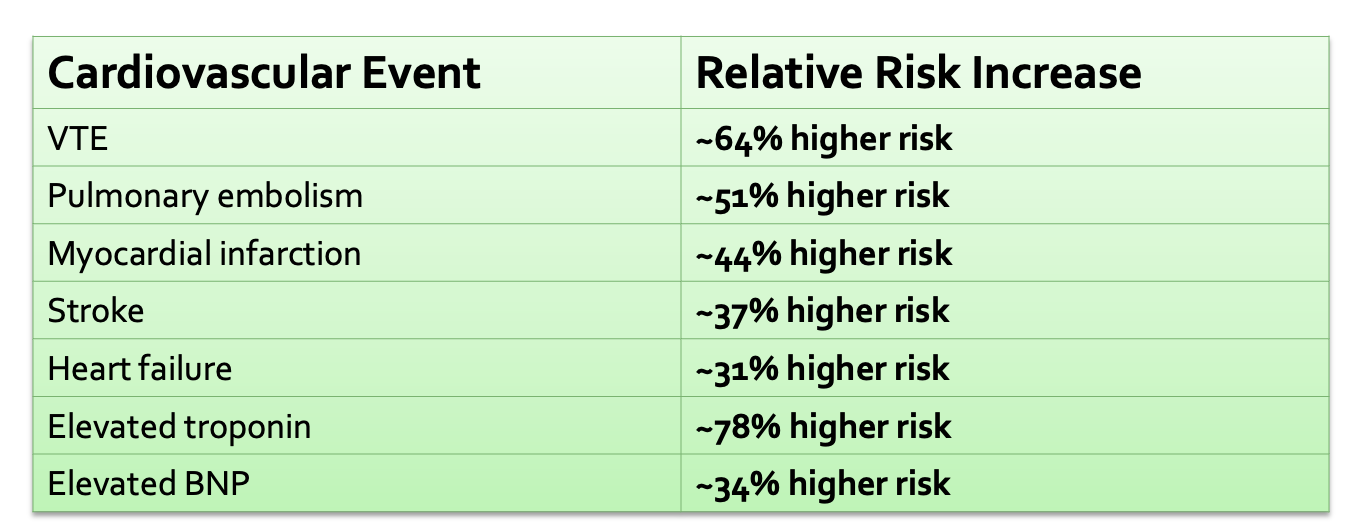
BACKGROUND & PURPOSE Dissecting cellulitis of the scalp (DCS) is a chronic, scarring inflammatory hair disease. It can be painful, disfiguring, and emotionally distressing. Similar inflammatory skin conditions such as hidradenitis suppurativa and psoriasis are linked to higher cardiovascular (CV) disease risk. The purpose of this study was to determine whether patients with DCS experience more cardiovascular problems than similar individuals without DCS. METHODS Researchers used the TriNetX global electronic-health-record database. They identified over 113,000 adults with DCS and matched them 1:1 to individuals without DCS based on age, sex, race, and key medical risk factors. They then compared how often major CV events occurred over time. RESULTS Patients with DCS had significantly higher rates of serious cardiovascular outcomes including myocardial infarction, stroke, pulmonary embolism, venous thromboembolism, atrial fibrillation, and heart failure. VTE showed the largest increased risk—about 64% higher in DCS compared to controls. Source link