

When was the last time you felt like an Olympian during your workout? That’s a hard “nope” for us, too. But if you’re doing high-intensity interval training (HIIT) — you’re practically Simone Biles. After all, the exercise routine was created in the 1950s to help elite athletes improve their performance. Admittedly, the workout for Olympians was a bit more intense than the HIIT routines most people do today — but it’s still giving Biles vibes. And it turns out HIIT may be able to do more than just improve performance. Some health benefits associated with HIIT include decreased risk for cardiovascular disease (the number one killer of women in the U.S.), lower blood pressure levels and mental health perks. But is “high intensity” too intense? Here’s what science says and everything you need to know about high-intensity interval training. What is HIIT? High-intensity interval training is pretty much just like it sounds. The exercise routine involves cycles of brief, high-intensity exercise periods alternating with low-intensity recovery periods. Because of the intensity, the workouts are short — usually 30 minutes or less. HIIT can be integrated into pretty much any exercise routine such as running, walking, biking or dancing. It’s important to pick something you like so you can stay motivated. The goal is to significantly raise your heart rate during the high intensity part to at least 80% of your maximum heart rate. (To find 80% of your maximum heart rate, subtract your age from 220 and multiply that by 0.80. For example, if you’re 50 years old, your max heart rate is 170, and 80% is 136.) During the low-intensity activity, your heart rate drops, but it’s still elevated compared to your resting heart rate. The sustained increase burns calories and improves cardiovascular fitness — two main draws of the workout. Read: The Latest Fitness TikTok Trends: Heart or Hype? >> How does HIIT work? HIIT sessions usually start with a 5-10-minute warm up, followed by a cycle of 30 to 90 seconds of high-intensity exercise, depending on what you can tolerate. Then, you do low-intensity exercise for 30 to 90 seconds or longer. Repeat this cycle multiple times over the workout. Here’s an example of a beginner HIIT routine: Warm up by walking for five minutes Walk or run as fast you can for one minute Go back to your warm-up pace or even slower for three minutes Repeat the cycle five times Why do people like HIIT? HIIT has become increasingly popular over the years. You’ve probably seen variations of the workout on social media or online — there are HIIT videos on YouTube that have millions of views. The workout has stayed in the spotlight for a few reasons: It’s easy. You can take any cardio exercise — walking, jogging, riding a bike — and make it HIIT by alternating the intensity. You can also apply HIIT to strength exercises such as push-ups, squats, lunges, etc. or combine both cardio and strength training. The world is your HIIT oyster! It’s quick. Most HIIT sessions last between 10 and 30 minutes. It’s effective. One minute of vigorous activity is about the same as two minutes of moderate-intensity exercise. And getting close to your max heart rate causes post-exercise oxygen consumption, which basically means you’re going to continue to burn calories even after your workout is over. Read: I Got in the Best Shape of My Life After 50 >> What does science say about HIIT? After consulting everyone’s good friend, Science, there is research to back up the potential health benefits of HIIT and the benefits of HIIT vs. other types of exercise. Here are some of the noteworthy findings: HIIT burns fat. One systematic review of 15 studies found that HIIT workouts led to a significant reduction in body fat percentage among women. Another review of 29 studies found HIIT was superior in reducing waist circumference, fat mass and improving peak oxygen uptake compared to moderate-intensity continuous training (MICT). HIIT can lower the risk for cardiovascular disease. One analysis of 22 studies found that people who do HIIT can achieve greater reduction in cardiovascular disease risk factors when compared to MICT. HIIT can lower blood pressure. A systematic review published in the Journal of Science and Medicine in Sport found that people who did HIIT had lower blood pressure during the day and at night compared to people who did MICT. HIIT can lower blood glucose. One analysis of 20 studies found that participants with Type 2 diabetes who did HIIT had significantly better blood sugar levels compared to participants who didn’t do HIIT. HIIT can improve overall fitness and quality of life. A 2026 study of women 65 and older women found that the participants who did three sessions of HIIT a week showed improvements in functional fitness — the ability to do everyday activities like carrying groceries — and quality of life compared to the women who didn’t do the workout. HIIT can boost mental health. One analysis found that HIIT led to improvements in mental well-being, depression and perceived stress compared to people who were not doing the workout. The risks of HIIT There are some risks to think about when it comes to high-intensity interval training. HIIT releases the hormone cortisol in the body, but if it’s done too often, it can cause a range of problems, including mood changes, anxiety and sleep issues. But if you get enough sleep and eat properly, then your cortisol levels should drop back down to normal ranges within a few hours of doing HIIT. Some HIIT workouts may include high-impact movements that can lead to injuries if you’re not doing the exercises properly, or you’re prone to injuries or have joint problems. You can also HIIT too hard. Because of the intensity of the activity, HIIT should only be done a max of three times per week. Too many HIIT workouts can cause burnout and injury among other problems. If you can, hiring a
Daily sugary beverage intake may double risk for gastric cancer
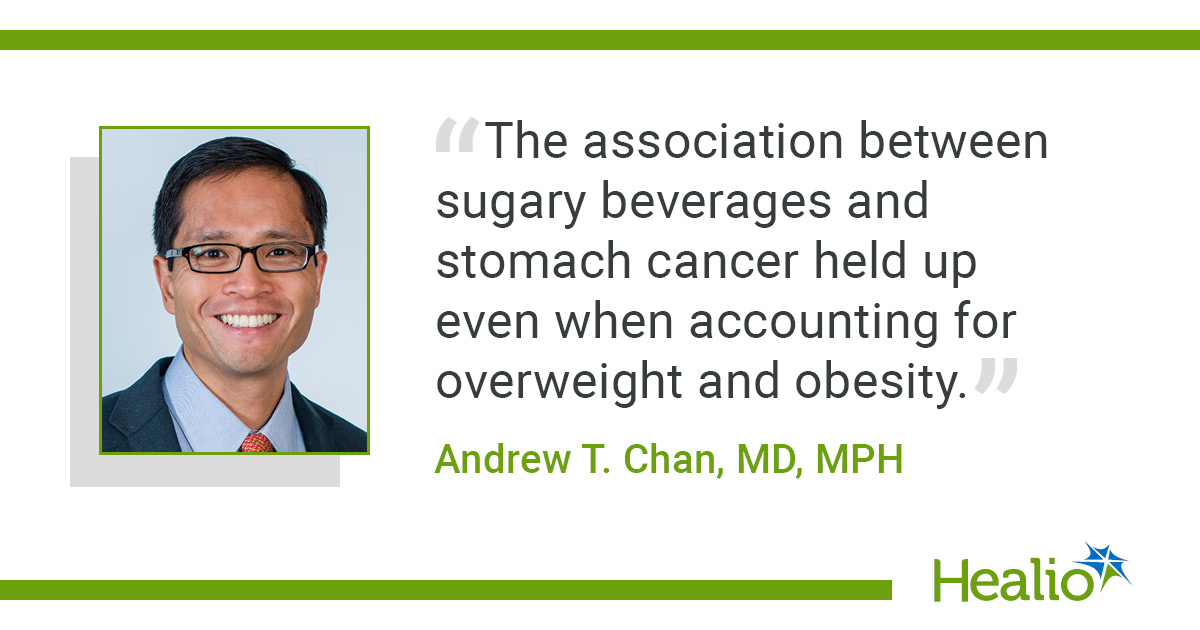
August 27, 2026 3 min read Add topic to email alerts Receive an email when new articles are posted on Please provide your email address to receive an email when new articles are posted on . “ data-action=”subscribe”> Subscribe We were unable to process your request. Please try again later. If you continue to have this issue please contact customerservice@slackinc.com. Back to Healio Key takeaways: Drinking at least one sugar-sweetened beverage daily was linked to 2.5 times the risk for developing gastric cancer. Researchers found no link between artificially sweetened beverages and gastric cancer. A prospective study of more than 110,000 individuals found consumption of at least one 8 oz. sugar-sweetened beverage per day was associated with a nearly 2.5 times greater risk for gastric cancer. The study, published in Gastro Hep Advances, found no link between intake of artificially sweetened beverages and incidence of gastric cancer. Dietary factors — including increased consumption of salted fish, pickled vegetables and grilled or charcoaled meats along with lower intake of fruits and vegetables — are known contributors of gastric cancer, the fourth-leading cause of cancer deaths globally, according to study background. However, prior studies had not investigated the impact that beverages like soda, energy drinks and sweetened juice might have on gastric cancer incidence. “We already had strong evidence linking sugar-sweetened beverages to a higher risk for colorectal, breast and liver cancers,” Andrew T. Chan, MD, MPH, chief of the Clinical and Translational Epidemiology Unit at Massachusetts General Hospital, director of epidemiology at Mass General Cancer Institute and Daniel K. Podolsky Professor of Medicine at Harvard Medical School, told Healio. “Given how almost 65% of U.S. adults consume at least one of these beverages a day, it seemed important to ask whether that same relationship might extend to stomach cancer.” Chan and colleagues included artificially sweetened beverages in their analysis, because aspartame — a common artificial sweetener — is internationally recognized as a potential carcinogen, they wrote. The researchers collected data from the Nurses’ Health Study and Health Professionals Follow-up Study, ongoing U.S.-based prospective cohorts that enrolled female registered nurses in 1976 and male healthcare professionals in 1986, respectively. Beverage intake was assessed via food frequency questionnaires administered every 4 years. Data from the 1986 questionnaire served as baseline, and analysis — adjusted for confounders such as red and processed meat consumption, BMI and other known risk factors — continued through January 2022. The researchers defined sugar-sweetened beverages as carbonated drinks, punch, lemonade and sports drinks, and artificially sweetened drinks as low-calorie carbonated beverages. Among 112,284 individuals (60.8% women) included in final analysis, 278 participants developed gastric cancer in 3,204,001 person-years of follow-up. Compared with those who never drank sugar-sweetened beverages, researchers observed significantly higher risk for gastric cancer among individuals who consumed at least one 8 oz. serving of a sugary drink daily (HR = 2.45; 95% CI, 1.49-4.04). “The association between sugary beverages and stomach cancer held up even when accounting for overweight and obesity, which is an independent risk factor for cancer,” Chan said. By sex, incidence of gastric cancer also was significantly higher among women (HR = 3.04; 95% CI, 1.46-6.33) and men (HR = 1.99; 95% CI, 1-3.93) who consumed more than 8 ounces daily compared with never-users. “If this association holds up in future research, it means there may be a meaningful, actionable way for people to lower their risk for a cancer that is often diagnosed late and difficult to treat,” Chan said. “It’s also a reminder that diet’s influence on cancer risk isn’t limited to the cancers we usually think of, like colorectal cancer.” Age- and multivariable-adjusted analysis showed no link between artificially sweetened beverage intake and gastric cancer incidence. Chan and colleagues acknowledged study limitations, including lack of data on Helicobacter pylori infection status and family history of gastric cancer. The cohorts also were predominantly composed of white individuals aged 30 to 75 years when enrolled, and results may not be generalizable to non-white or younger individuals. Additional research is needed to validate these findings and explore underlying mechanisms that may link sugar-sweetened beverage consumption to gastric cancer, the researchers wrote. “We don’t yet know the precise mechanism, but several biological pathways have been proposed for how sugary drinks might contribute to cancer risk generally, including its effect on weight gain, insulin resistance and changes to the gut microbiome,” Chan told Healio. For more information: Andrew T. Chan, MD, MPH, can be reached at gastroenterology@healio.com. Published by: Ask a clinical question and tap into Healio AI’s knowledge base. PubMed, enrolling/recruiting trials, guidelines Clinical Guidance, Healio CME, FDA news Healio’s exclusive daily news coverage of clinical data Learn more Add topic to email alerts Receive an email when new articles are posted on Please provide your email address to receive an email when new articles are posted on . “ data-action=”subscribe”> Subscribe We were unable to process your request. Please try again later. If you continue to have this issue please contact customerservice@slackinc.com. Back to Healio Source link
Q&A: Proposed physician fee schedule builds on efforts to sustain primary care
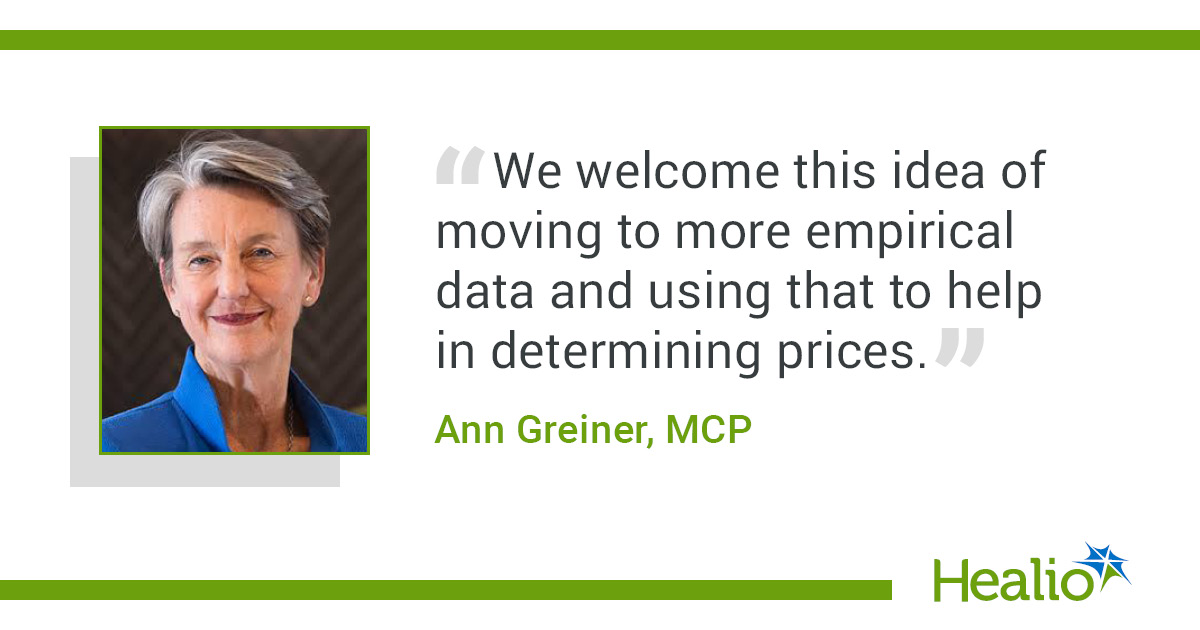
August 26, 2026 7 min read Add topic to email alerts Receive an email when new articles are posted on Please provide your email address to receive an email when new articles are posted on . “ data-action=”subscribe”> Subscribe We were unable to process your request. Please try again later. If you continue to have this issue please contact customerservice@slackinc.com. Back to Healio Key takeaways: The proposed schedule decreases conversation factors for qualifying and nonqualifying alternative payment models. It also would move primary care closer toward hybrid payment system. CMS recently issued its proposed 2027 Medicare Physician Fee Schedule. The proposed schedule includes a 0.75% increase to the qualifying alternative payment model (APM) conversion factor and a 0.25% increase to the nonqualifying APM conversion factor. But because the Working Families Tax Cut Act provided a 1-year conversion factor increase of 2.5% for the 2026 PFS — which does not apply to the 2027 PFS — current law requires a 2.5% decrease in Medicare payments compared with 2026. Therefore, CMS said the proposed qualifying APM conversation factor of $33.17 for 2027 is a projected reduction of $0.40 (–1.19%) from the current $33.57 conversion factor. The proposed non-APM conversation factor of $32.84 is also a projected decrease of $0.56 (–1.68%) from the current $33.40 non-APM conversion factor. CMS also proposed: reducing payment “when a separately identifiable office/outpatient evaluation and management visit is furnished by the same physician (or a physician in the same practice) on the same day as a 0-, 10- or 90-day global procedure”; moving away from relying on AMA surveys to determine practice expenses; and requirements for supplying, reporting and reimbursing remote therapy monitoring and remote physiologic monitoring. Healio spoke with Ann Greiner, MCP, president and chief executive officer of the Primary Care Collaborative, about the positives, concerns and implications of the proposed rule. Healio: What is encouraging, or concerning, to you about the proposed 2027 PFS? Greiner: I think it builds on things that the administration did last year that helped to make a more sustainable path for primary care and help beneficiaries get the care that they need. There’s a lot that’s positive, and there’s a number of requests for information (RFIs) that we think signal their future direction and we’re very excited about. This notion of a hybrid payment — which is a mix of prospective and fee-for-service — included in an RFI is something we see as very positive, and CMS has signaled that they would likely start with Accountable Care Organizations (ACOs) and perhaps expand from there. PCC helped to get the Primary Care Flex Model into the Shared Savings Program as a model test, and now they’re moving forward with that approach, and we think that it could give more payment stability and flexibility to primary care clinicians. They also are proposing increasing payment for primary care for those in ACOs, and we see that as important because primary care-centric ACOs do such a good job with quality of care for beneficiaries and managing costs. Another part that is good for patients is making it clear to ACOs that they can waive patient cost-sharing, because you don’t want there to be a financial barrier for people getting primary care and that’s what waiving of cost-sharing does. We also see things that help to better support whole-person primary care in this proposal, like payment support for health coaches, more support for behavioral health — including substance use disorders — and support for shared medical appointments. Shared medical appointments be game changers for patients learning and getting support from both a trusted clinician and fellow patients, while building community. The perennial challenge is that CMS doesn’t have control over the reduction in the conversion factor. There’s a 1.2% reduction in the conversion factor, and that results in a payment reduction across all of medicine. What has happened in the past is that Congress has had to step in to address that cut, which CMS needs to put in place by law. Frankly, I think they’re getting tired of doing that. That just creates a lot of instability. The legislation usually isn’t passed before the cut goes in, and you have a sort of seesaw for physician and other clinician pay. There is a bill that was introduced called the Patients First Act that would address this, and we’d like the broader Medicare reform to incorporate that as we move forward so we don’t have this payment seesaw. Healio: Can you expand on the implications of the RFIs? Greiner: There is a very substantive RFI focused on a number of dimensions related to primary care. It asks how CMS might implement hybrid payment in the fee schedule. We’re a big fan of hybrid payment. We see Advanced Primary Care Management as a step on that path. Internally, we call that a mini hybrid because it is a bundled payment that’s paid monthly. It’s also more predictable, because you know that if your patient panel doesn’t undergo a lot of changes, you know what that payment will be. It does, though, need to be not just moving the deck chairs in terms of changing the payment model with the same amount of dollars. We want more investment in that hybrid payment. Another aspect of the RFI is about how technology can enable primary care. We’re working with our members and thought leaders around the country to understand this rapid adoption of AI into primary care. We see a lot of use cases on the administrative front, and we’re hopeful that it reduces the administrative burden for primary care. We also see use cases on the clinical front, though with not as many being adopted, and those are important as well. But the thing we see as important as we move forward with AI is to preserve the aspects of primary care that we know deliver better results. How can AI support care coordination

Changes to immune response may appear years before IBD diagnosis
August 26, 2026 3 min read Add topic to email alerts Receive an email when new articles are posted on Please provide your email address to receive an email when new articles are posted on . “ data-action=”subscribe”> Subscribe We were unable to process your request. Please try again later. If you continue to have this issue please contact customerservice@slackinc.com. Back to Healio Key takeaways: Researchers observed disease-specific changes in immune response years before diagnosis of ulcerative colitis or Crohn’s. These findings could inform preventive intervention strategies for at-risk patients. Serological profiling detected distinct immune-response changes long before symptoms emerged among patients who developed inflammatory bowel disease compared with healthy controls, according to a case-control study published in Gut. Differences in antibody response were identified up to 10 years before diagnosis, notably to Epstein-Barr virus and bacterial flagellins. “It has become evident that by the time we diagnose Crohn’s disease or ulcerative colitis, the disease process has usually been underway for years,” study author Saurabh Mehandru, MD, professor of gastroenterology and director of the IBD Research Center at Icahn School of Medicine at Mount Sinai, told Healio. “Patients often arrive with established bowel damage, and we are left managing consequences rather than preventing them.” Prior research indicates these chronic immune-mediated diseases develop during a prolonged prodromal phase, in which changes in immune response appear years before clinical IBD onset. “The biology is clearly in motion long before symptoms,” Mehandru said. To better understand immune changes during this preclinical phase, Mehandru, Colombel, Bourgonje and colleagues used a new technology — phage-display immunoprecipitation sequencing (PhIP- Seq) — that could aid in defining antibody responses. They collaborated with the laboratory of Thomas Vogl, PhD, MSc, at the University of Vienna. Unlike conventional assays — which only detect a small fraction of antibody reactivities against prespecified antigens — PhIP-Seq “allows us to profile antibody reactivity against thousands of peptides at once,” Mehandru said. The researchers applied PhIP-Seq to 2,000 longitudinal serum samples from the Proteomic Evaluation and Discovery in an IBD Cohort of Tri- service Subjects (PREDICTS) cohort, which includes active-duty U.S. service members diagnosed with new-onset CD or UC between 1998 and 2013. Samples were obtained from individuals with CD (n = 200; mean age, 33.8 years, 87.5% men; 82.5% white) or UC (n = 200; mean age, 33.5 years; 92% men; 83% white), as well as healthy controls without IBD (n = 100; mean age, 33.5 years; 92% men; 83% white). The CD and UC groups contributed 800 samples each, and the control group submitted 400. The researchers profiled antibody responses against 357,000 peptide antigens in samples taken approximately 10, 4 and 2 years before IBD diagnosis, as well as a postdiagnosis sample. Differences were observed in antibody responses between the control group and the CD and UC groups up to 4 years prior to diagnosis. “We found that antibody repertoires are remarkably stable through most of the prodrome of IBD, with variability increasing only around 4 years before diagnosis,” Mehandru said. “Additionally, we noted that disease-specific differences were already detectable at our earliest time point, roughly 10 years out.” Among individuals who would develop CD, disease-specific differences included elevated reactivity to herpesviruses, especially Epstein-Barr virus, as well as an increase in anti-flagellin antibodies. This association was more pronounced among individuals who were diagnosed with complicated CD or ileal disease. “Our data suggest that panels combining anti-flagellin, anti-EBV and selected antibacterial reactivities could enrich detection for high-risk individuals; for instance, among first-degree relatives,” Mehandru said. “These findings may add to existing data that is building prediction models for early diagnosis of IBD aiming for disease prevention.” As patients approached CD diagnosis, their immune response to encapsulated bacteria — like Streptococcus pneumoniae and Haemophilus — progressively declined. “Loss of humoral reactivity may be as informative as gain, and it hints at a broader compromise in immune competence developing well before diagnosis,” Mehandru said. Among those diagnosed with UC, the researchers noted a distinct combination of antimicrobial, antiviral and autoantibody signatures, including progressive elevations in MAP kinase-activating death domain (MADD) protein autoantibodies nearing diagnosis. “MADD regulates inflammatory signaling through the [mitogen-activated protein kinase] pathway, and its complete deficiency causes impaired lymphocyte cytotoxicity, a plausible and previously unrecognized finding in UC,” Mehandru said. The researchers acknowledged that demographics of the PREDICTS cohort — predominantly male active-duty members of the military — are a notable limitation of the study, and may limit generalizability of findings. Mehandru and colleagues also noted that while PhIP-Seq has more bandwidth than any other comparable tool, it can only detect around 10% of antigens. Further research is needed before these findings could be applied to clinical practice. “We have shown that prediagnostic serum contains a discriminative signal, that the signal is disease-specific, and that it is detectable with archived samples using a novel and scalable platform,” Mehandru said. External validation is the next top priority, according to Mehandru. “A decade-long window exists in which the immune system is measurably abnormal but the patient may appear to be well,” he said. “That window is where preventive intervention could happen, and our data suggest that this time period may be long enough to be clinically usable.” For more information: Saurabh Mehandru, MD, can be reached at saurabh.mehandru@mssm.edu. Published by: Sources/Disclosures Source: Bourgonje AR, et al. Gut. 2026;doi:10.1136/gutjnl-2025-337762. Disclosures: Mehandru reports consulting roles with, payment for lectures from or research grants from Arena Pharmaceuticals, Ferring Pharmaceuticals, Genentech, Morphic and Takeda Pharmaceuticals. Please see the study for all other authors’ relevant financial disclosures. Ask a clinical question and tap into Healio AI’s knowledge base. PubMed, enrolling/recruiting trials, guidelines Clinical Guidance, Healio CME, FDA news Healio’s exclusive daily news coverage of clinical data Learn more Add topic to email alerts Receive an email when new articles are posted on Please provide your email address to receive an email when
Información comprobada del cáncer hepático
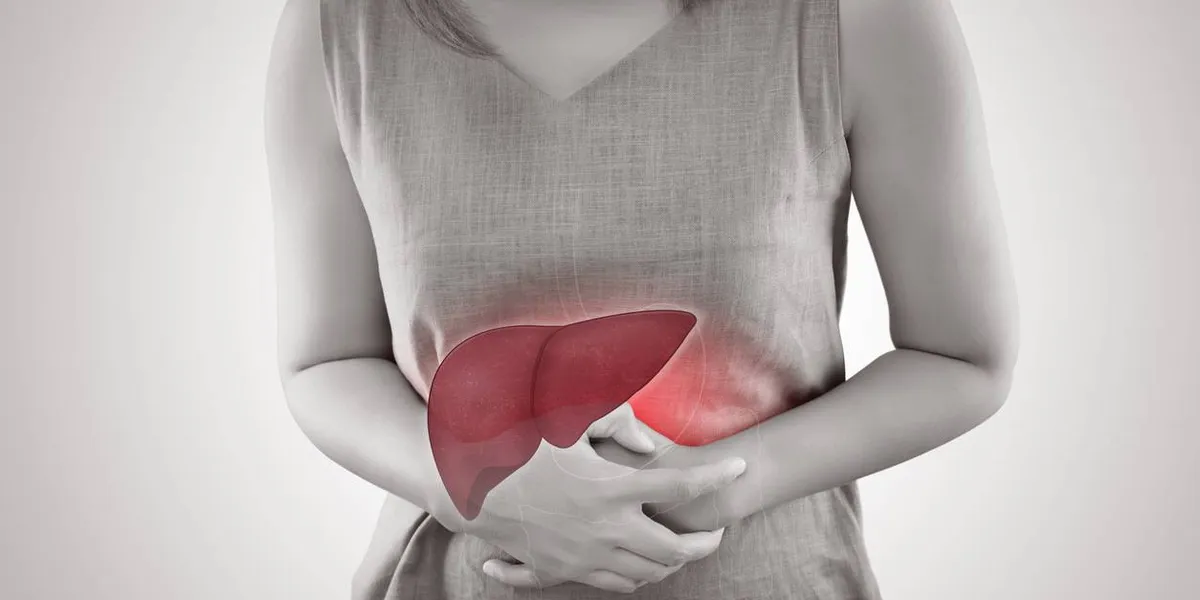
English Cada año, hay aproximadamente 42,000 casos de cáncer hepático en Estados Unidos. Según el Instituto nacional del cáncer, los casos de cáncer hepático en este país se han triplicado desde 1980. Y las muertes de cáncer hepático casi se han duplicado en ese mismo período de tiempo. Los investigadores no comprenden completamente por qué están aumentando los casos, pero este incremento podría deberse a lesiones hepáticas asociadas a dos aspectos comunes de la vida moderna: el consumo de alcohol y dietas con altos niveles de grasa y sodio. ¿Qué es el cáncer hepático? Un diagnóstico de cáncer hepático implica un cáncer que se origina en el hígado. Es un tumor maligno (canceroso) que se desarrolló dentro de tu hígado, el órgano interno más grande del cuerpo. El hígado tiene muchas funciones importantes. Estas son, entre otras: Asistir con la digestión descomponiendo y almacenando nutrientes clave Producir factores de coagulación para prevenir sangrado excesivo en cualquier parte del cuerpo Suministrar el líquido digestivo conocido como bilis a los intestinos mediante los conductos biliares para procesar grasas y otros nutrientes Descomponer el alcohol, los medicamentos y las toxinas en la sangre para que puedan salir del cuerpo a través de la orina o las heces Si el cáncer empieza en el hígado, se denomina un diagnóstico de cáncer primario del hígado. Cuando el cáncer se propaga del hígado a otro órgano, se denomina cáncer secundario de hígado o metástasis hepática. El cáncer colorrectal es el tipo que tiene más posibilidades de metastizarse (propagarse) al hígado. Otros tipos de cáncer que frecuentemente se propagan al hígado incluyen cánceres del esófago, estómago, riñón, páncreas, pulmón y mama, así como el melanoma. Si esto ocurre, tu profesional clínico seguirá tratando tu cáncer original así como las metástasis hepáticas. ¿Cuáles son los varios tipos de cáncer hepático? Hay varios tipos de cáncer primario de hígado, pero el tipo más frecuente en adultos es el carcinoma hepatocelular (CHC). El CHC se origina en los hepatocitos, las células que conforman la mayor parte del hígado. ¿Cuáles son los factores de riesgo del cáncer hepático? Cualquier trastorno o actividad que puede dañar tu hígado incrementa tu riesgo de desarrollar cáncer primario de hígado. Los factores de riesgo del cáncer hepático son, entre otros: Infecciones de hepatitis B o C de larga duración Esteatohepatitis asociada a disfunción metabólica (EADM), conocida anteriormente como enfermedad hepática grasa no alcohólica Alto consumo de bebidas alcohólicas Obesidad Diabetes tipo 2 Consumo de tabaco Si hay lesiones hepáticas durante muchos años, eso resulta en cirrosis o cicatrización permanente dentro del hígado. La cirrosis puede causar insuficiencia hepática y, con el tiempo, cáncer hepático. La hepatitis, el consumo de alcohol y factores metabólicos son las causas más frecuentes de cirrosis. ¿Puedes prevenir el cáncer hepático? Afortunadamente, puedes reducir la mayoría de factores de riesgo del cáncer primario de hígado. Aquí encontrarás algunas medidas que puedes implementar: Vacúnate contra la hepatitis B Evita infecciones de la hepatitis C teniendo relaciones sexuales con protección y solo haciéndote tatuajes o perforaciones en establecimientos de alta calidad que se enfoquen en medidas de seguridad. Reduce o elimina el consumo de alcohol Haz ejercicio en forma regular Trata de tener un peso saludable No fumes Habla con tu profesional clínico si necesitas ayuda para abordar cualquiera de estos factores de riesgo de cáncer hepático. ¿Cuáles son los síntomas de cáncer hepático? Al igual que con otros cánceres gastrointestinales, la mayoría de personas no muestra ninguna señal o síntoma de cánceres hepáticos de etapas tempranas. Pero si lo hiciesen, los síntomas serían, entre otros: Pérdida de apetito y disminución de peso sin causa aparente Náuseas o vómito Fatiga Fiebre Moretones que se manifiestan fácilmente Orina oscura o heces de color claro Dolor en el lado derecho justo debajo de las costillas Comezón en toda la piel Coloración amarillenta de tu piel o de las escleróticas de tus ojos (ictericia) ¿Se puede diagnosticar en forma temprana cáncer hepático con pruebas de detección? Actualmente, no se recomiendan pruebas de rutina para detectar cáncer hepático para personas que no tienen un mayor riesgo de este trastorno. Pero si tienes cualquier trastorno que incremente tu riesgo de cáncer hepático, especialmente cirrosis o hepatitis B o C, habla con tu profesional clínico para ver si pruebas de detección serían apropiadas para ti. Si tu profesional clínico recomienda pruebas de detección, estas incluyen análisis de sangre para evaluar la salud de tu hígado y una ecografía de tu abdomen cada seis meses. ¿Cómo se trata el cáncer hepático? Si recibes un diagnóstico de cáncer hepático, tu profesional clínico probablemente podrá ofrecerte varias opciones terapéuticas. Tus opciones terapéuticas dependerán del tamaño, etapa y ubicación del tumor en el hígado. Opciones terapéuticas frecuentes para cáncer hepático son, entre otras: Cirugía: Una hepatectomía parcial es una cirugía para remover parte del hígado y podría ser una opción para personas con tumores hepáticos pequeños de etapas tempranas. Un trasplante de hígado es otra opción. Esta cirugía reemplaza un hígado enfermo con un hígado saludable de un donante. Un trasplante podría ser una opción para personas con cirrosis avanzadas o cuando un tumor no puede removerse quirúrgicamente. Tratamientos localizados: Estas opciones tratan directamente las células tumorales. Ablación: Destruye tumores usando calor mediante ablación por radiofrecuencia o microondas, frío extremo (crioablación) o alcohol que se inyecta directamente en el tumor. Embolización: Ataca específicamente al tumor usando su suministro de sangre. La quimioembolización administra quimioterapia a través de la arteria que suministra sangre al tumor, mientras que la radioembolización administra partículas radiactivas a través de la arteria. La embolización también podría bloquear el flujo de sangre al tumor, lo cual sirve para eliminar células cancerosas. Terapia dirigida: Si tu tumor contiene células anormales que reaccionan a una terapia dirigida específica, ese fármaco eliminará esas células. Varias terapias dirigidas, tales como inhibidores de cinasas y anticuerpos monoclonales, están aprobadas para cánceres hepáticos. Inmunoterapia: Estos fármacos usan tu propio sistema inmunitario para atacar a las células cancerosas. Los inhibidores de puntos de control inmunitario, un

COPD in Rural America – HealthyWomen
1 in 5 Americans live in a rural area. Rural Americans face more health challenges than people living in cities and difficulties getting healthcare because of: Clinician shortages Hospital closings Long distances to get to hospitals, specialists and pharmacies Lack of public transportation These factors make it harder to live with COPD. What Is COPD? COPD, or chronic obstructive pulmonary disease, is a progressive lung condition that causes inflammation of the airways, making it hard to breathe. COPD is the 5th leading cause of death in the U.S. COPD in Rural Areas 1 in 12 of people in rural areas have COPD compared to 1 in 20 in urban areas. Compared to people who live in cities, people in rural areas are: 2x as likely to have COPD More likely to go to the hospital for COPD More likely to die from COPD Why COPD Is Worse in Rural Areas People in rural areas: Are more likely to smoke Have fewer stop-smoking programs Are more likely to work in industries that expose them to pollutants Live with more indoor pollution from burning wood or coal for heating or cooking Have more medical problems that can make COPD worse Have less money to afford medications to treat COPD Are more likely to not have health insurance Have less access to healthcare, including specialists who treat COPD May have more trouble getting diagnosed and treated for COPD How to Manage COPD in Rural America Use telehealth for: Remote monitoring to track symptoms, trends and triggers Digital pulmonary rehab to learn strategies Routine and time-sensitive care Advocate for yourself You may have to look harder or travel farther for a lung specialist. Most health insurance (including the VA and Medicaid) have to offer specialists within a certain travel time or distance. If they don’t, you can get an exception to see someone out of the insurance network (but you have to request it). Find free or lower-cost care from rural and federally qualified health centers. Remember: You ALWAYS have the right to emergency care. Resources American Lung Association – My COPD Action Plan COPD Action Alliance – Veterans and COPD COPD Foundation – My COPD Action Plan This educational resource was created with support from Chiesi, Sanofi and Regeneron. Source link

Formerly Known as Fatty Liver Disease: What Is MASLD?
As of 2020, roughly 34% of people in the United States were living with metabolic dysfunction–associated steatotic liver disease (MASLD). And that number is expected to jump to over 40% (2 in 5 Americans) by 2050 due to increasing rates of obesity. Understanding MASLD, including symptoms and possible causes, can help you know if you might be at risk. What is MASLD? Formerly known as nonalcoholic fatty liver disease (NASLD), MASLD is actually an umbrella term for a group of diseases that happen when too much fat builds up in your liver when there is little to no alcohol use. Over time, this fatty buildup can cause inflammation (swelling) in your liver, which in turn may trigger more serious problems. If not treated, MASLD can worsen and become MASH, metabolic dysfunction–associated steatohepatitis (formerly called NASH, non-alcoholic steatohepatitis) that also causes fatty buildup and liver swelling. Eventually, MASH may lead to cirrhosis, a type of liver disease that happens when scar tissue caused by long-term inflammation prevents the liver from working like it should. Symptoms of MASLD It can take many years for MASLD to happen, and you may not have symptoms unless you develop MASH or another more serious type of liver disease. People with MASH or other types of MASLD may notice symptoms like: Pain in the upper right part of your belly (where your liver is) Risk factors for MASLD Experts aren’t sure why some people are more likely to have fat buildup in their livers, or why this buildup sometimes leads to serious liver problems. We do know both MASLD and MASH are linked to: Genetics: People are up to 12 times more likely to develop MASLD if a first-degree relative (parent, sibling or child) has it. Certain genetic factors are more common in Hispanic people as well. Overweight and Obesity: Three out of 4 people with overweight and obesity — and 9 out of 10 people with severe obesity — have MASLD. Insulin resistance: This happens when your cells don’t respond properly to the insulin in your body to process glucose in your blood. Triglycerides: Triglycerides are a type of fat, and high levels of them and other fats in the blood are connected to MASLD. You may also be at higher risk of developing MASLD (including MASH) if you have: Polyendocrine metabolic ovary syndrome (PMOS), formerly called polycystic ovary syndrome (PCOS) Obstructive sleep apnea Metabolic syndrome Underactive thyroid (hypothyroidism) Underactive pituitary gland (hypopituitarism) Growth hormone deficiency If you have any of these conditions, consider talking to your clinician about your personal risk of getting MASLD. Preventing MASLD The good news about MASLD? You can help prevent it with lifestyle changes. It’s probably no surprise that the same healthy habits that support general well-being are also good for your liver. These include: Eating well, meaning getting plenty of vegetables, fruits, protein, healthy fats and whole grains Enjoying sugar in moderation Avoiding alcohol Maintaining a weight that’s healthy for your body shape and size Moving your body most days of the week, in whatever ways you enjoy (dancing, gardening, walking, etc.) Keep in mind that you don’t have to completely overhaul your diet or hit the gym every day to lower your risk of MASLD. Even tiny tweaks can add up to a big difference when it comes to supporting liver health. Treating MASLD How MASLD is treated depends on the person, but in general the first step is getting to a healthy weight if you’re not there yet. Studies show big improvements in the amount of liver fat, swelling and scarring in people with MASLD who lose just 5%–10% of their body weight — and weight loss over 10% may resolve fatty liver disease completely. Next, your doctor may recommend medications to help lessen the amount of fat in your liver. Two medicines currently available to treat people with MASH who have moderate to severe liver scarring are: If you have other conditions like Type 2 diabetes or high cholesterol, your clinician will likely help you manage them as part of your MASLD treatment plan. Your liver, your health MASLD may be common, but it’s far from inevitable. By taking simple steps like eating well and exercising regularly, you can help reduce your chances of developing liver disease. If you think you may be at increased risk of MASLD — because of genetics, obesity or other health conditions — it may be time for a conversation with your clinician. Together, you can go over any symptoms you may be having and figure out a plan for diagnosis and treatment. This educational resource was created with support from Merck. From Your Site Articles Related Articles Around the Web Source link
El cáncer de próstata nos enseñó a mi esposo y a mí lo que es realmente la intimidad
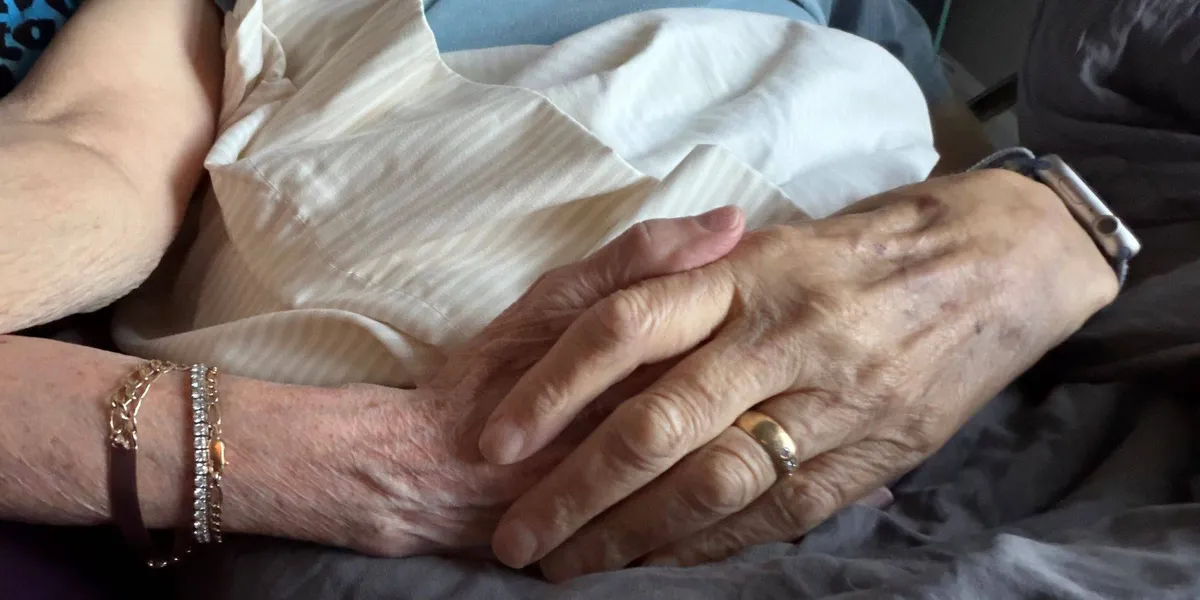
English Mi esposo, Dean Skylar, me compró ropa interior después de su diagnóstico de cáncer de próstata. Fue un acto de esperanza que indicaba que deseaba preservar nuestra vida sexual durante lo que sabíamos que serían épocas difíciles. Después del cáncer de la piel, el cáncer de próstata es el tipo más frecuente para hombres estadounidenses. Ese trastorno se detecta mediante una prueba de sangre para determinar el nivel de antígenos prostáticos específicos (APE). Si se detecta en forma temprana, el tratamiento podría ser simplemente un monitoreo activo. Si el cáncer se encuentra exclusivamente en la próstata, podría recomendarse una prostatectomía para remover la próstata y el tejido adyacente. En el caso de Dean, el cáncer se había propagado y le diagnosticaron cáncer metastásico de etapa 4. Su tratamiento fue una castración química y su esperanza de vida era de cinco años. De repente, nuestras vidas cambiaron dramáticamente. Tuvimos que lidiar con una nota necrológica así como con el posible fin de nuestra vida sexual. Un diagnóstico de cáncer de próstata afecta la vida de una pareja en formas significativas. No se habla ampliamente de cómo ese trastorno causa la pérdida de sexualidad relacionada con terapias hormonales. Tu oncólogo proporcionará información sobre fármacos y tratamientos para combatir ese trastorno, pero las conversaciones sobre las relaciones sexuales son incómodas y escasas. Mientras ambos pelean por su vida, él está perdiendo lo que probablemente consideraba esencial, su sexualidad. No solo que pierde la capacidad para tener una erección; también pierde su libido. Y posiblemente su pareja necesite más que un camisón de seda negro para sentirse sexi otra vez. Si bien Dean recibió ese diagnóstico hace cuatro años, fue esencial para su bienestar que preservemos nuestra intimidad. Tratamos de prepararnos para los cambios físicos y emocionales. Los fármacos que le dieron eliminaron su testosterona, la cual estimula ese cáncer. La terapia de privación androgénica también redujo su tono muscular y causó aumento de peso, bochornos, dificultad para concentrarse y fatiga. Mi hombre seguro que jugaba tenis, que levantaba pesas y que amaba el sexo sintió que le castraron. El malestar psicológico que esto causó fue debilitante al inicio. Hicimos investigaciones sobre este trastorno. Cambiamos nuestros patrones de ejercicio, dieta e intimidad para adaptarnos a las limitaciones físicas. Dean y Christine, en su aniversario, 2025 Encontramos ayuda de grupos de apoyo prostático, organizaciones de asistencia oncológica y terapeutas. Descubrimos grupos virtuales en Facebook así como terapias grupales presenciales que proporcionaron consejos útiles. Ya sabíamos que las relaciones sexuales no eran la única forma de intimidad. Los genitales no son el único método para tener experiencias eróticas. Algunas personas de nuestros grupos tuvieron éxito con el uso de dispositivos de vacío para problemas de erección o bombas para pene, que usan succión para trasladar sangre al pene. Pueden usarse con fármacos tales como viagra. Terminamos riéndonos de cómo fracasamos cuando lo intentamos y acusé a Dean de comprar uno barato. Otras personas sugirieron implantes de pene, una opción quirúrgica que puede ser cara y que no necesariamente la cubren los seguros. También hay terapias inyectables para el pene, mediante las cuales se inyectan fármacos en el pene con una jeringa. Varias de estas opciones nos parecieron intimidantes y dolorosas. Ya estábamos lidiando con inyecciones de fármacos para su tratamiento y cirugías parecían demasiado considerando su diagnóstico potencialmente mortal. Escogimos tocarnos. Nos cogíamos de la mano, nos besábamos, nos acariciábamos y nos dábamos masajes. Cuando tomaba siestas, leía a su lado. Veía sus programas favoritos de televisión con él y comía lo que él tenía ganas de comer. Me sincronicé con él. Él monitoreaba nuestros momentos íntimos. Puesto que ya no tenía impulsos sexuales, daba seguimiento a un calendario en la pared en el que yo registraba con un lápiz un corazón cuando él me hacía el amor. Le indique mi deseo de encender velas, de reproducir “nuestras” canciones en Sonos o de bañarnos juntos. Siempre un amante generoso, respondía a mis invitaciones con una sonrisa. A medida que lidiábamos con las varias etapas de su enfermedad, quería asegurarme de que nunca se sienta solo y esperaba que nuestra relación se volviera cada vez más estrecha. Hablábamos de todo. Cuando se sentía débil, yo realizaba tareas físicas para él que nunca había hecho antes. En cuanto tuvo problemas para alcanzar los dedos de sus pies, empecé a cortar sus uñas. Cuando se cansó de afeitarse, yo le recortaba la barba. Arreglaba sus cejas y removía pelos de su nariz. Me mantenía de pie al lado de la ducha cuando se aseaba; le secaba con una toalla cuando salía. Su piel seguía siendo suave porque le daba masajes con una loción todos los días. Sus doctores y enfermeras siempre hablaban de eso. Optamos por atención domiciliaria de cuidados paliativos porque quería cuidarle hasta el final. Dormía en el sofá al lado de su cama en el hospital A veces traía mi almohada conmigo y le pedía que se mueva un poco para poder acurrucarme con él. Siempre me decía que le daba mucha pena que yo atravesara esto por él. Yo insistía en que era afortunada por haber compartido mi vida con él como amiga, amante y esposa. Le decía repetitivamente que le extrañaría cada segundo del resto de mi vida y sé que eso es verdad. Él murió el 20 de julio. Estuvimos preparados para sus últimos respiros. Siempre estaré agradecida de haberlo sostenido en mis brazos durante sus últimos momentos. Susurré que le amaba. Desde que eso ocurrió, mantuve recordatorios cerca de mí. Usó su anillo de matrimonio como un pendiente y usó su bata de felpa roja antes de ir a la cama. Mi calendario electrónico despliega sus fotos y a veces leo los mensajes que me enviaba en mi teléfono. Sus cenizas están en una urna plateada sobre la mesa de centro con una inscripción de las iniciales DS y CL. Mi cenizas estarán con las de él algún día. Nuestros hijos tienen las instrucciones de dejarlas caer desde el puente

15 Minutes With: Rachel Rubin MD
“Sexual health is health.” That’s the mantra of Rachel Rubin, M.D., a board-certified urologist and sexual medicine specialist on a mission to change the way women think about their bodies and their healthcare. Whether through social media, her YouTube channel or podcast appearances, Rubin seizes any opportunity to push conversations that have long been ignored into the mainstream. Rubin’s ready for society to start openly discussing everything from vulvas to orgasms and wants women to enter their doctors’ offices prepared to advocate for themselves like never before. It’s important to her that women know where to go for pelvic floor pain, that testosterone is far from just a male hormone, and that our understanding of hormone therapy research has evolved far beyond the findings of the 2002 Women’s Health Initiative (WHI) study. We spoke with Rubin about how to overcome medical gaslighting, why women’s sexual health has been overlooked for so long and how women can better advocate for themselves. This interview has been lightly edited for clarity and length. HealthyWomen: You’ve spoken openly about medical gaslighting in women’s healthcare. How do women get around this? Rachel Rubin: We’ve all been in that situation where we go to someone with an agenda, and then they’re not hearing us; they’re not interested in our agenda. They have their own agenda, and the interaction doesn’t feel very satisfying. I think it’s important for everyone to step back and not think about this as good guys and bad guys. There are a few challenges that we have in these situations. Number one, medical appointments right now with insurance are 10 minutes long, and it’s really hard to get everything that you want in your agenda in 10 minutes with your legs up in stirrups. Number two, I think too often we go to the doctor expecting them to be all-knowing about our history and the topic that we want to talk about. But unfortunately, what we know from data is that your doctor wasn’t taught anything about pelvic pain, menopause and hormone therapy — perimenopause for that matter — and even basic examinations of certain female anatomical parts. Even the word clitoris doesn’t exist in what an OB-GYN has to know in medical training. We’re entering these rooms thinking we’re seeing an electrician, but the person in front of us is a plumber. If you go to the plumber expecting electrical work, even if it’s the smartest plumber in the area, they’re not going to do a great job on your electrical work. The doctors that we’re seeing, they’re not dumb, they’re not uncaring. They’re overworked, they don’t have enough time with you, and likely they’re the wrong specialist to take care of you. That’s not your fault as the patient, and sometimes my colleagues don’t have the greatest humility to acknowledge any of those challenges. Before you even go to the appointment, you can look online or call the office and say, “Is this something that this doctor knows a lot about or enjoys taking care of? Do my problems fit within the scope of what this doctor likes to do? Have they done extra training on this topic?” Many times patients think that if they save all their problems for one annual visit, the doctor will appreciate it, and we’ve done bad marketing on that. Your annual visit has a set amount of things that are to be done. You have to go in and say, “Hey, I’m here for this one issue. Can we make another appointment to talk about another issue?” Sometimes you have to go more than once to get all your needs met because how is someone going to know everything in a 10-minute visit? HW: Women’s sexual health has historically received far less attention and research than many other areas of medicine. Are you starting to see that change? Rubin: We’ve been calling these things “private parts” for as long as time. In fact, the nerve that innervates the penis and the clitoris is called the pudendal nerve, which means “shame” in Latin. So this is not anything new. We do not teach these things. Our anatomy textbooks don’t have the full anatomy of genitals, and nor do we teach anything about sexual medicine in medical schools, residency training or other curriculums. So why would we expect our doctors to know anything about our sexual health? And yet, sex is biology. Sex is how we reproduce as a species. Sex is really why many of us are here today, and so we have a lot of work to do to increase not just the research but the education around the research. It is getting better. Social media and many things have created this grassroots momentum of people caring about women’s sexual health. But most people can’t even say the words. Most people don’t know the word “vulva.” They can’t say “clitoris” out loud. The word sex feels like, “Oh, I can’t talk about this,” or it gets banned on social media. Orgasm is this word that can’t be said out loud confidently in public spaces, and the question is why? Orgasm is something everybody has or wants to have, and we can’t even discuss it. So we’ve got a lot of work to do in this space to even be able to have the language to talk about it. HW: Testosterone for women has been getting a lot of attention lately. What do you wish more women understood about it? Rubin: The fact that women make testosterone is a huge, innovative idea. We had been historically taught girls make estrogen, boys make testosterone, and that was never reality. The ovaries and the adrenal glands make androgens. They make testosterone, and we know that those human hormones help with sexual health, libido, genital health and maybe potentially other things as well. It’s important that we even acknowledge that the basics are true. Now, we don’t have an FDA-approved testosterone product for women, despite it being approved
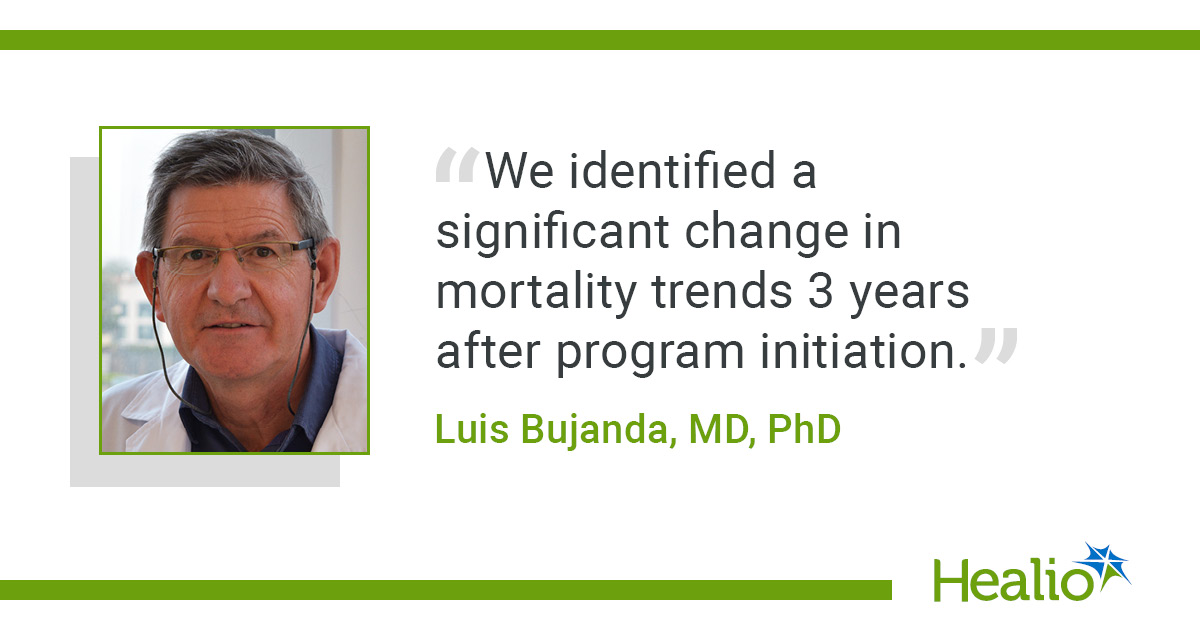
FIT screening program linked to 50% decline in CRC mortality
August 24, 2026 3 min read Add topic to email alerts Receive an email when new articles are posted on Please provide your email address to receive an email when new articles are posted on . “ data-action=”subscribe”> Subscribe We were unable to process your request. Please try again later. If you continue to have this issue please contact customerservice@slackinc.com. Back to Healio Key takeaways: CRC mortality fell 50% among individuals aged 50 to 69 years. The most significant decline occurred 3 years after the program began. Around 70% of cancers were detected at stage I or II. A fecal immunochemical testing-based screening program in Spain was linked to durable decline in colorectal cancer mortality over a 21-year period, according to study results published in JAMA Network Open. “Our research was motivated by a key clinical challenge: the need to generate long-term, population-level evidence on the real impact of organized FIT-based colorectal cancer screening programs on mortality,” Luis Bujanda, MDPhD, professor of medicine at Donostia University Hospital in San Sebastián, Spain, told Healio. “Although FIT screening is widely implemented, robust data describing how CRC mortality evolves across all phases of program maturation — prescreening, rollout, consolidation and external disruptions such as COVID19 — have been limited.” The Basque Country region of Spain initiated a FIT-based screening program in 2009, inviting individuals aged 50 to 69 years at average risk for CRC to participate and sending tests to their homes every 2 years. Outreach expanded in 2014 to the full population of approximately 2.2 million residents. Bujanda and colleagues investigated CRC mortality before, during and after the program’s implementation using electronic health record data from 2004 to 2024. Primary outcomes included age-standardized CRC mortality rates per 100,000 people and annual mortality trends. Secondary outcomes assessed screening uptake, FIT positivity, colonoscopy adherence and cancer stage distribution. The median population of Basque Country over the 2-decade period was 2,174,033 (51.3% women). During this time, there were 438,134 total deaths, 3.7% of which were attributable to CRC. Age-standardized CRC mortality dropped from 32.8 to 23.1 deaths per 100,000 from 2004 to 2024, equating to a reduction of 29.6%. By age, mortality declined 50.1% among individuals aged 50 to 69 years — a relative reduction of 46.2% compared with projected rates — and 19.6% among individuals aged 70 years or older. More than two-thirds (70.8%) of CRC detected via screening was diagnosed at stage I or II. “Screening benefits extend beyond the directly screened cohort, likely due to earlier detection before aging into the 70 [years and older] group, removal of precancerous lesions during screening years and improved diagnostic pathways triggered by screening infrastructure,” Bujanda said. Researchers observed the most significant decline in CRC mortality in 2012. “We identified a significant change in mortality trends 3 years after program initiation, highlighting the time required for screening benefits to manifest at the population level,” Bujanda said. Mean participation in the program reached 70.1% and median adherence to colonoscopy after positive FIT results exceeded 91%. The FIT positivity rate during early implementation of the program was 6.5% (interquartile range [IQR], 5.7%-6.9%), which fell to 4.9% (IQR, 4.6%-5.2%) after the program was established. It declined again to 4.3% (IQR, 4.2%-4.3%) in the period after the COVID-19 pandemic. FIT positivity remained higher among men than women for the duration of the study, as did CRC mortality, although mortality rates did decline by 18.3% among men from 2004 to 2024. “Sex- and age-specific differences in positivity and mortality suggest that tailored FIT cutoffs may improve performance,” Bujanda said. The study has several limitations, including lack of individual-level data on screening participation and outcomes, and use of a prescreening historical comparator that did not account for advances in healthcare. Bujanda and colleagues suggested several avenues for further research, including evaluating CRC screening programs enhanced with risk-stratification tools and assessing the value of extending screening to older adults. “More than 15 years of screening and five rounds of invitation with fecal occult blood and participation have prevented more than 3,000 deaths per million inhabitants from colon cancer and avoided surgeries, hospital admissions and associated chemotherapy treatments,” Bujanda said. For more information: Luis Bujanda, MD, PhD, is professor of medicine at Donostia University Hospital and University of the Basque Country and coordinator of the liver and gastrointestinal diseases department at Biogipuzkoa Health Research Institute. He can be reached at gastroenterology@healio.com. Published by: Ask a clinical question and tap into Healio AI’s knowledge base. PubMed, enrolling/recruiting trials, guidelines Clinical Guidance, Healio CME, FDA news Healio’s exclusive daily news coverage of clinical data Learn more Add topic to email alerts Receive an email when new articles are posted on Please provide your email address to receive an email when new articles are posted on . “ data-action=”subscribe”> Subscribe We were unable to process your request. Please try again later. If you continue to have this issue please contact customerservice@slackinc.com. Back to Healio Source link