

Add topic to email alerts Receive an email when new articles are posted on Please provide your email address to receive an email when new articles are posted on . ” data-action=subscribe> Subscribe We were unable to process your request. Please try again later. If you continue to have this issue please contact customerservice@slackinc.com. Back to Healio Key takeaways: The system met the 90% quality benchmark for appropriate and cost-effective screening in two health systems. Errors were most common at 3-year, 3- to 5-year and 6-month surveillance intervals. In over 90% of cases, an AI-based clinical decision support system delivered colonoscopy surveillance intervals aligned with established guidelines, drawing on patients’ colonoscopy and pathology data. “Importantly, our system did this across two very different institutions, with different endoscopy reporting software, different providers and different documentation styles, suggesting the approach can travel rather than be effective at only one site,” lead author Ashwin Rao, MD, gastroenterology fellow at Baylor College of Medicine, told Healio. Rao and colleagues developed an AI system that uses large language models (LLMs) to gather data and compute optimal colonoscopy surveillance intervals based on 2020 U.S. Multi-Society Task Force (USMSTF) guidelines. USMSTF guidelines are a national quality benchmark for surveillance intervals, designed to help evaluate procedure- and pathology-based risk factors to determine when a patient should have their next colonoscopy. The optimal target to achieve appropriate and cost-effective screening is 90% compliance with USMSTF. However, according to study background, fewer than half of recommendations comply with the guidelines in practice. Oversurveillance and undersurveillance are common, contributing to unnecessary procedural risk, inefficient resource use and delayed diagnoses. “Earlier decision-support tools for colonoscopy surveillance recommendations either relied on manual data entry or couldn’t interpret free-text clinical notes, where most of the information needed to assign these intervals actually resides,” Rao said. “We hope that an AI decision-support system capable of reading and processing that data effectively will assist clinicians and help more patients receive guideline-based care.” Rao and colleagues’ clinical decision support system (CDS) extracted information from diagnosis-bearing sections of pathology reports and data from the electronic health record, including adenoma presence and count, large polyp presence, bowel preparation adequacy and other factors. The researchers developed the CDS in a retrospective study and then evaluated its performance in two independent validation cohorts: one internal cohort from the same health system and one external cohort from a second health system. The development cohort included 256 adults (mean age, 61 years; 52.3% women) undergoing CRC screening, diagnostic colonoscopy or postpolypectomy surveillance between April and May 2025. The internal validation cohort included 450 adults (mean age, 61 years; 53.1% women) undergoing colonoscopy between June and July 2025. In this cohort, the CDS delivered guideline-concordant surveillance intervals in 94% of cases (95% CI, 91.8%-96%). The external validation cohort was drawn from a second health care system and included 415 adults (mean age, 58 years; 57.6% women) undergoing screening colonoscopy. In this cohort, surveillance intervals aligned with USMSTF guidelines in 92.8% of cases (95% CI, 90.1%-95.2%). With data from this cohort, CDS delivered guideline-concordant surveillance intervals 94% (95% CI, 91.8%-96%) of the time. Guideline concordance was lower for the 3- to 5-year (71%) and 6-month (53.8%) intervals. The external validation cohort was drawn from a second health care system, consisting of 415 adults (mean age, 58 years; 57.6% women) undergoing screening. In this cohort, surveillance intervals aligned with USMSTF in 92.8% (95% CI, 90.1%-95.2%) of cases. CDS accuracy was below the 90% threshold for 3- to 5-year intervals (62.2%) and 6-month intervals (60%). Across cohorts, misclassifications were concentrated in cases involving high polyp burden or complex lesion management requiring 3-year, 3- to 5-year and 6-month surveillance intervals. “When misclassifications occurred, they most often resulted in undersurveillance. The most common error source was ambiguity in the underlying clinical documentation, particularly pathology wording that made adenoma counts difficult to determine,” Rao said. “Other discordant cases involved complex documentation scenarios, such as diagnostic biopsies of large polyps being interpreted as complete resections.” Hallucination-related errors were rare, observed in fewer than 1% of cases. To develop on findings, Rao and colleagues are planning a prospective study to evaluate the CDS performance under real-world conditions. “We are building our system as an EHR-embedded application, so it can be added in the same plug-and-play way that hospitals and clinics now adopt ambient AI scribes,” Rao said. “We are also studying — directly with endoscopists — when and how the recommendation should appear, so it lands at the right moment and is genuinely useful rather than another alert that gets dismissed. “Ultimately, we envision a system that improves care by promoting appropriate surveillance while reducing endoscopists’ mental workload, rather than adding to it,” he added. For more information: Ashwin Rao, MD, can be reached at ashwin.rao@bcm.edu. Perspective Back to Top The concept of extracting surveillance-relevant information from colonoscopy and pathology reports is not new. More than a decade ago, natural language processing (NLP)-based systems were developed to identify colonoscopy quality metrics and generate surveillance recommendations from free-text reports. However, conventional NLP approaches largely relied on handcrafted rules, predefined dictionaries and site-specific algorithms to identify key variables such as adenoma number, size, histology, bowel preparation quality and completeness of examination. Because colonoscopy and pathology reports often contain heterogeneous terminology, variable reporting styles, and complex relationships between endoscopic and histologic findings, these systems typically required substantial customization and maintenance when deployed across institutions. LLMs represent an important advance because they can interpret free-text reports in a more flexible and contextual manner, allowing integration of information across colonoscopy and pathology reports with less dependence on manually engineered rules. In the present study, the combination of LLM-based variable extraction with a deterministic guideline-based rules engine preserves transparency and auditability while improving scalability and portability across different practice settings. Clinically, this approach may help standardize surveillance recommendations and reduce unwarranted variation in practice. Importantly, discrepancies in surveillance interval recommendations are not confined to non-gastroenterologists; substantial variation persists even among gastroenterologists, despite the availability of established guidelines.
Physicians should remember ‘do no harm’ when using compound drugs
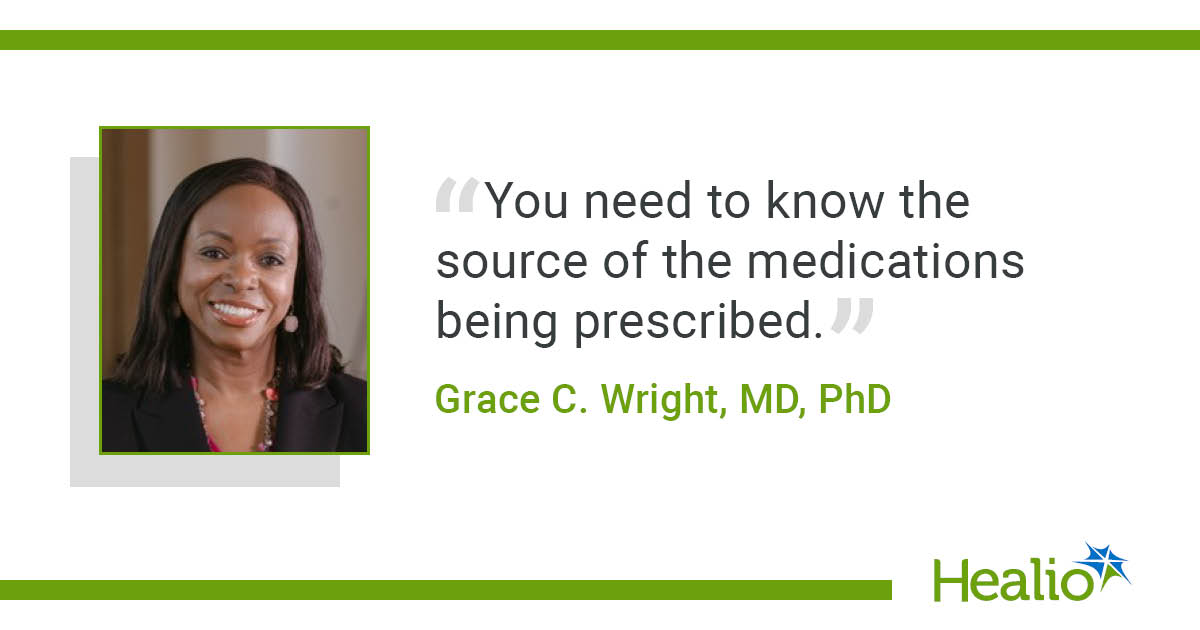
Add topic to email alerts Receive an email when new articles are posted on Please provide your email address to receive an email when new articles are posted on . “ data-action=”subscribe”> Subscribe We were unable to process your request. Please try again later. If you continue to have this issue please contact customerservice@slackinc.com. Back to Healio Key takeaways: Approximately 1% to 3% of all prescriptions written in the United States are for compounded drugs. Physicians should use caution when prescribing compounded medications. Compounded medications currently represent an estimated 1% to 3% of all prescriptions written in the United States, according to a recent 2025-2026 report issued by the Alliance for Pharmacy Compounding. “There’s a good chance you know someone who has benefited — or whose pet has benefited — from a compounded drug,” read the report, which was released in March. According to experts who spoke with Healio — as well as the FDA — compound pharmacies, and the compounded drugs they offer, can fill an important niche for patients who cannot be treated with FDA-approved drugs. For example, a patient may be allergic to a certain dye and require a drug made without it. Elderly patients or children may similarly be unable to swallow certain pills and require their medication in liquid form. Other times, physicians at a hospital or clinic may reach for a compounded drug when an FDA-approved therapy is not medically appropriate. John R.P. Tesser “Compound pharmacies have evolved to become customizers,” John R.P. Tesser, MD, FACP, MACR, of Arizona Arthritis & Rheumatology Associates and Midwestern University, told Healio. “They change doses, change medications from pill form to liquids, remove dyes or other things people may be allergic to.” However, experts have also counseled caution when using compounded drugs, reminding physicians that these tailor-made products are not FDA-approved and urging them to do their due diligence when researching the compound pharmacies that provide them. “You need to know the source of the medications being prescribed,” said Grace C. Wright, MD, PhD, rheumatologist and president of Grace C. Wright MD PC. “And while of course you should monitor the efficacy of the medications, you also should pay particularly close attention to safety.” According to Wright, the most common uses of compounded drugs typically involve pain management and women’s health, specifically hormone therapy. “We have gaps in therapies for many of our diseases and many areas of health — like different types of hormone therapy — that demand use of compounded medications,” she told Healio. According to the Alliance for Pharmacy Compounding 2025-2026 report, which was based on survey results from 600 pharmacy compounders across the United States, the top five compounded therapies offered by these pharmacies are hormone replacement therapy (36%), veterinary drugs (14%), GLP-1 receptor agonists (11%), dermatology medications (8%) and men’s health treatments (7%). In addition, approximately 76% of the respondent pharmacies reported offering compounded ketamine, with the top formulations being sublingual (78%), nasal (71%) and transdermal (66%). There are approximately 7,500 compounding pharmacies across the United States, according to data from the American Pharmacy Association. Meanwhile, the Alliance for Pharmacy Compounding 2025-2026 report states that the median traditional compounding pharmacy dispenses 350 compound drugs each week, and serves 150 different prescribers. And although the compounded medications dispensed or distributed by these facilities are not approved by the FDA, their operations are regulated by federal law. “Accreditation agencies exist for these pharmacies,” Tesser said. “This can lend some confidence to a prescribing physician that the pharmacy is legitimate.” Information from the FDA about compounded pharmacies can help rheumatologists use them safely and effectively. Rules and regulations The FDA makes some important stipulations that physicians should consider when using a compound pharmacy. One key point is that compounded drugs are not — and should not be treated as — generics. A generic drug is approved by the FDA under the Federal Food, Drug and Cosmetic Act and meets all requirements under that law, including establishing therapeutic equivalence to a brand name drug, among others. In contrast, a compounded drug is not approved by FDA. “Generic medications are FDA-approved drugs that must demonstrate bioequivalence to brand-name products,” Wright said. “A substantial similarity in active components is required, typically 80%. Compounded medications are custom-made preparations that are not FDA-approved and do not undergo premarket review for safety, efficacy or quality.” According to the FDA, federal law regulates compounding by a licensed pharmacist in a state-licensed pharmacy, or federal facility, or by a physician. Federal law also addresses compounding by or under the direct supervision of a licensed pharmacist at an outsourcing facility, a category of compounder established in 2013 by the Drug Quality and Security Act. According to the Alliance for Pharmacy Compounding, these outsourcing facilities, also known as 503Bs, are unlike traditional compound pharmacies, or 503As, in that they must adhere to current good manufacturing practice standards, similar to those manufacturers of FDA-approved drugs must adhere to. In exchange, federal law allows outsourcing facilities to prepare large batches of compounded drugs and distribute them to hospitals and clinics. These drugs are in turn administrated to patients by a physician or other provider without a patient-specific prescription. According to the FDA, outsourcing facilities are inspected by the FDA via a risk-based schedule and are subject to increased quality standards. “Generally, state boards of pharmacy have primary responsibility for the day-to-day oversight of state-licensed pharmacies that are not registered with FDA as outsourcing facilities,” reads an FDA explainer on compound pharmacies. However, regardless of where a drug is compounded, whether in a 503A or 503B facility, or a physician’s office, federal laws still apply, including those regarding unsanitary conditions. According to the FDA, compounded drugs made in unsanitary conditions can “put patients at risk and lead to widespread patient harm.” Physicians should also consider that biological products cannot be compounded. “Biological products are not eligible for the exemptions for compounded drugs under sections 503A

Kimchi May Flush Microplastics from the Body, Thanks to This Probiotic
Microplastics and their potentially harmful effects on human health (and the world) have been top-of-mind for the last few years. Now, a new study may have found a mechanism to remove them from our bodies, hiding in a popular fermented food: kimchi. The study, ran by the World Institute of Kimchi in South Korea, found that a probiotic bacterium found in kimchi may help the body get rid of microplastics naturally. The bacteria binds to the particles inside the intestine and moves them out of the body via stool. Could it be that simple? Related story Flesh-Eating Bacteria Is on the Rise. Here’s How to Keep Your Kids Safe This Summer Well, maybe not quite. There is a lot we still don’t know, says Avery Zenker, a registered dietitian with MyHealthTeam who was not involved in the study. “It’s important to keep in mind that this study was conducted in a lab on a bacteria derived from kimchi,” she explained, “which does not necessarily translate to direct effects in the human gut.” However, she says, the results show real promise. The scientists looked at one strain of lactic acid bacteria which was isolated from kimchi. They found that, under laboratory conditions, this strain of bacteria removed 87 percent of microplastics. Under conditions that mimicked a human gut, that number dropped to 57 percent—still significantly better than a different strain of bacteria tested for reference, which dropped from 85 percent to 3 percent. A few more words of caution: this study wasn’t performed directly on humans (rather, using bacteria in a lab and under conditions similar to a human gut), and it didn’t find that kimchi itself reduces microplastic absorption, as Zenker points out. Instead, it focused on “a bacterial strain commonly found in kimchi that showed potential,” she explains. “More research is needed to uncover the impact of kimchi consumption specifically.” Still, she says there’s potential here—and it’s welcome news for many of us who are concerned about the effects of microplastic on our health. These tiny particles of plastic—less than one micrometer long—have been found in our brains, hearts, stomachs, placentas, and genitals. They’ve been detected in urine, breast milk, semen, and even meconium, a newborn’s first stool, per Stanford Medicine. Research is ongoing into how exactly microplastics play into health issues, but studies have linked them to inflammation, abnormal organ development, cell damage, and cancer. So, hearing that a bacteria found in a common food could help the body get rid of these tiny bits of plastic? Very exciting. “The degree to which this probiotic strain was able to bind to microplastics is quite profound,” Zenker agrees. And the fact that it’s found in kimchi is also a positive, because we know that kimchi, along with other fermented foods like sauerkraut and kefir, are great for your health to begin with. “Research suggests fermented foods may support microbial diversity, digestion, immune function, and overall gut health,” says Zenker. Fermented foods contribute “good” bacteria (aka probiotics) to our gut microbiome, which “impacts every body system, including brain, heart, bone, immune, and metabolism.” Eating fiber (found in fruits, veggies, nuts, and beans) and especially prebiotic fiber (found in foods like asparagus, leeks, onion, and garlic) is also good for your microbiome, as it feeds those healthy bacteria. While we still have a lot to learn about how probiotics, kimchi, and other fermented foods interact with microplastics, it may be worth adding more of them to your — and your family’s — diets. “Many health experts encourage adults and children to eat fermented foods regularly, even daily,” Zenker says. She recommends starting with small amounts at time, like mixing a bit of sauerkraut into stew, making a smoothie popsicle with kefir, or adding minced kimchi to scrambled eggs. And keep including probiotic-rich foods that your kids already enjoy, Zenker adds, like yogurt, kefir, or fermented pickles. While we wait for more research on probiotics and microplastics, you’ll at least be doing your family’s microbiomes a world of good. Source link

Topical Melatonin for Hair Loss: How It Works and What to Expect
How We Use It at NHLMA At NHLMA, topical melatonin is part of how we approach hair loss from the ground up. We do not recommend it as a standalone fix, and it is not a substitute for understanding why your hair is thinning in the first place. But as a daily at-home treatment within a broader plan, it consistently plays a supportive role. We carry the NutraM Melatonin Topical Hair Growth Serum because it delivers melatonin in a lightweight, non-greasy formula that absorbs easily and works for all hair types. In a consumer survey of 128 users, 83% noticed hair regrowth and 85% noticed reduced shedding with consistent daily use. For patients in active treatment with us, topical melatonin pairs well with clinical therapies like PRF, exosomes, and our methylene blue protocols. Each addresses a different piece of the biology behind hair loss, and melatonin fills a specific role in keeping the growth cycle active between sessions. Who Is This Right For? Topical melatonin is one of the more broadly applicable tools in hair restoration because it works through pathways that are relevant across many different causes of hair loss. It is worth considering if you are dealing with androgenetic alopecia, diffuse thinning, stress-related shedding, or hair loss that has worsened with age. It is not a replacement for addressing hormonal imbalances, nutritional deficiencies, or other root causes. And if you have significant or long-standing hair loss, daily topical melatonin on its own is unlikely to reverse it without additional clinical support. The best starting point for most people is consistent daily use of a topical melatonin serum while also getting clarity on what is actually driving their hair loss. That combination of at-home support and clinical understanding is what produces the most lasting results. Source link

Jamie-Lynn Sigler Says Parenting Through MS Takes a ‘Strong Village’
Jamie Lynn Sigler knows it takes a village to raise a family. And when you have relapsing multiple sclerosis (RMS), like Sigler does, “it takes a really strong village.” That perspective comes from experience. Sigler, who’s been in the spotlight since starring in a top-rated TV show in the early 2000s, knows firsthand what managing a chronic condition is like – especially when balancing it with parenthood. When she was diagnosed with RMS at age 20, she kept her diagnosis a secret for many years, navigating her condition privately. It wasn’t until 15 years later, when she became a mom, that Sigler decided to share her diagnosis publicly. (Learn more about Sigler’s story and her journey with MS here.) When asked how she’s navigated parenting alongside a chronic health condition, Sigler recalls how important it’s been to realize a condition such as RMS “does not take away any of your value as a mother.” She explains, “Once I fully accepted and understood that, I was able to make the adjustments I needed, show up for my kids, figure out ways to stay present, play with them, whatever it may be, making me feel good about who I am as a mother.” Sigler also speaks candidly about the importance of accepting her own limitations. “I’ve had some moments of harsh judgment on myself as a mother because of things I physically couldn’t do with my two active young boys,” she shares. “But through those moments I have learned some valuable lessons.” One of those lessons has been to practice self-reflection – a key pillar to the three-step guide, Reframing MS, that Sigler partnered with Novartis to develop for anyone living with chronic conditions. “The three-step guide is this process that I use when I come up against any challenge in my life,” Sigler explains. “Step one, reflection, is about feeling the emotions and your reactions to a moment or challenge. Reframing is about accepting whatever your situation may be, whatever this challenge may be. Reframing what this means for your life, how to pivot, how to adjust to move forward.” The last step is about reaching out for help. “Especially as mothers, this is really hard for us to do,” Sigler acknowledges. “We want to be everything, do everything, but we can’t. We have to take care of ourselves, and sometimes to be able to do that, we need to reach out for help.” One positive side effect of reaching out? It’s “really deepened a lot of my relationships and my friendships,” she says. “People like to be of service. My friends have taught me how to make pivots and adjustments so that I can fully show up as the wife, mother, and friend that I want to be.” Sigler hopes to carry these lessons over to her children, making sure they grow up knowing there’s “no shame in asking for help, in being vulnerable.” Speaking up for herself has also been essential for Sigler when navigating treatment options. “Finding my voice and advocating for myself has set me up for success in more ways than I can say. One of them, in a very important way, is finding the treatment that was right for me,” she shares. Choosing a treatment option is a personal choice, and it can be hard and overwhelming. She co-created a decision guide with Novartis to provide people with detailed questions to ask an MS specialist to reach an informed treatment decision. This resource offers a checklist of questions, ranging from asking about study results to the different types of treatment options. By speaking openly and honestly with her MS specialist, Sigler was able to find the right treatment plan for her, ultimately choosing KESIMPTA® (ofatumumab), indicated for the treatment of RMS in adults. Following the three weekly starter doses, KESIMPTA can be taken at home, or on the go, just once a month. At the end of the day, Sigler acknowledges that while her RMS presents its own challenges, every parent is navigating something. She shares, “We’re all doing the best we can, we’re all fighting the same good fight. We all want to be good parents. We all want to raise good kids.” Curious to see more? Watch the video above to see how Sigler navigates parenthood with RMS. Indication What is KESIMPTA (ofatumumab) injection? KESIMPTA is a prescription medicine used to treat adults with relapsing forms of multiple sclerosis (MS) including clinically isolated syndrome (CIS), relapsing-remitting disease, and active secondary progressive disease. It is not known if KESIMPTA is safe or effective in children. Important Safety Information Who should not take KESIMPTA? Do NOT take KESIMPTA if you: Have an active hepatitis B virus (HBV) infection. Have had an allergic reaction to ofatumumab or life-threatening injection-related reaction to KESIMPTA. What is the most important information I should know about KESIMPTA? KESIMPTA can cause serious side effects such as: Infections. Serious infections, which can be life-threatening or cause death, can happen during treatment with KESIMPTA. If you have an active infection, your health care provider (HCP) should delay your treatment with KESIMPTA until your infection is gone. KESIMPTA taken before or after other medicines that weaken the immune system may increase your risk of getting infections. Tell your HCP right away if you have any infections or get any symptoms including painful and frequent urination, nasal congestion, runny nose, sore throat, fever, chills, cough, or body aches. HBV reactivation. If you have ever had HBV infection, it may become active again during or after treatment with KESIMPTA (reactivation). If this happens, it may cause serious liver problems including liver failure or death. Before starting KESIMPTA, your HCP will do a blood test to check for HBV. They will also continue to monitor you during and after treatment with KESIMPTA for HBV. Tell your HCP right away if you get worsening tiredness or yellowing of your skin or the white part of your eyes. Progressive Multifocal Leukoencephalopathy (PML). PML may happen with KESIMPTA. PML

Coegin Pharma Releases Follicopeptide Gel
Update: June 17, 2026 Coegin to Launch VEXIENNE® Hair Active X™ powered by Follicopeptide® Coegin Pharma just announced that it had entered into a distribution agreement with LYKO (Sweden), a leading beauty retailer in the Nordic region. LYKO will launch and distribute the first Follicopeptide®-based product under Coegin’s VEXIENNE® brand. It is called VEXIENNE® Hair Active X™ and is meant to treat thinning hair. The planned commercial launch is expected in July 2026. Apparently, a “strategic launch” of this product already occurred earlier this year. Also of interest, Harklinikken (Denmark) undertook a small 16-week customer panel evaluation of hair loss patients at one of its clinics who used both Follicopeptide gel serum and a specially made Hårklinikken serum. The self-reported anecdotal results were favorable. The two companies are preparing for a broader commercial roll-out of Follicopeptide gel serum under Hårklinikken’s own brand in the second half of 2026. Including across the latter’s many physical clinics in the US, Europe and the Middle East, and via online sales channels. Update: September 11, 2025 Coegin’s Follicopeptide to be Released in Sweden in December 2025 True to its word, Coegin Pharma (Sweden) will release Follicopeptide in Sweden in December 2025. It has partnered with premium grooming retailer Gents (Sweden) via a distribution agreement. The launch will occur via both Gents’ website and its flagship stores in Sweden. For a history of this osteopontin-derived peptide product, make sure to read all my past updates below; as well as my many past posts on Follicum (written between 2015 and 2021). The latter company first developed Follicopeptide (as FOL-005), before being acquired by Coegin in 2022. Follicopeptide represents yet another very unique hair loss cosmetic product released in the past several years after Sirnagen’s CosmeRNA; Kintor’s KX-826; and Bosley plus Yuva Bioscience’s Revive+ Densifying Foam. Update: May 9, 2025 Coegin Pharma has released a Question & Answer section on its website based on people’s questions regarding Follicopeptide (for hair growth) and NPP-4 (for skin tanning). The former is planned to be launched in Europe as a cosmetic by the end of 2025. Follicopeptide is the name for FOL-005, which was originally developed by Follicum (acquired by Coegin in 2022). Key quote with some language modification by me: “In a large study, once per day application of Follicopeptide led to an average increase of 7-12 new hairs per cm2 after four months. Over 70% of users responding positively to treatment.“ Note that this average of 9.5 hairs per cm2 is higher than the 6.6 hairs per cm2 obtained in Follicum’s Phase 2 trial results for FOL-005 in 2021. Coegin Follicopeptide. Mockup image of potential future products from Coegin’s Twitter account. Update: September 24, 2024 Partnership with Scandinavian Biolabs Coegin Pharmahas has signed a joint development agreement with Scandinavian Biolabs to develop a portfolio of products based on FOL-005 for hair growth. Initial product launch is expected in the second half of 2025. Scandinavian Biolabs already has a presence in the hair loss world via its Bio-Pilixin hair strength shampoo, conditioner and hair activation serum. Update: September 11, 2024 Follicopeptide Coegin Pharma’s International Nomenclature of Cosmetic Ingredients (INCI) application for FOL-005 was approved at the end of May 2024. The hair loss cosmetic gel will be called FollicopeptideTM and is being prepared for a global launch. The key ingredient will be listed as “sh-Oligopeptide-128 SP”. For more details, see Coegin’s pipeline page. Per the company’s Twitter announcement image, they will produce a range of products containing Follicopeptide. Update: August 12, 2024 Hair and Skin Pigmentation Peptides Coegin Pharma has signed an agreement with the University of Bradford (UK) to commercialize groundbreaking hair and skin pigmentation peptides. Their goal is to release a topical self-tanning product based on the peptide NPP-4 as early as 2026. Update: October 25, 2023 Coegin to Release FOL005 Hair Growth Peptide Gel in 2025 Some major new updates since I wrote the summary earlier this year (see second half of this post). “After carefully analyzing the possibility of launching FOL005 as a cosmetic product line, we have come to the conclusion that it is an opportunity with great potential. This will minimize development risk, significantly reduce capital requirements and strengthen commercial opportunities in the short and long term. We have therefore revised our strategy and now aim to launch FOL005 as a cosmetic product series as early as 2025 with the USA as the first market.” It seems like CosmeRNA started a great new trend. No more prolonged clinical trials and failure to come to market. April 8, 2023 Follicum Past Clinical Trials I covered both of Follicum’s past clinical trial results in 2017 and 2021, respectively. In 2017, Follicum’s Phase 1 clinical trial results were released. They were deemed as positive (8 percent increase in hair growth), with an effect comparable to that of Minoxidil. Moreover, safety was not an issue, with no major side effects in trial participants. In 2021, Follicum’s Phase 2 clinical trials of FOL-005 came out. The topical compound resulted in a 6.6 hair/cm2 increase in hair growth, but this was deemed to be insignificant compared to placebo. Thereafter, the company ceased further development of FOL-005, and it all seemed over for yet another false flag operation. Or perhaps not? Merger and Acquisition by Coegin Pharma In September 2021, Coegin Pharma merged with Follicum. This merger was confirmed as an acquisition in 2022. In the first of the two links above, Coegin’s CEO Tore Duvold said something of interest in the interview: Question: “With regard to the hair loss project, which has recently been put on hold, how will it be handled once the companies merge”? Answer: “Follicum announced that they have paused the hair loss project. In Coegin, we have strong capabilities in dermatology, and we will review and analyze the results before we make any conclusions”. Follicum Back in the News In March, a Tweet from Coegin indicated that they were meeting with potential partners for Follicum’s FOL-005. Follicum was mentioned in February in an updated article

How the RISE rule will impact medical students
Add topic to email alerts Receive an email when new articles are posted on Please provide your email address to receive an email when new articles are posted on . “ data-action=”subscribe”> Subscribe We were unable to process your request. Please try again later. If you continue to have this issue please contact customerservice@slackinc.com. Back to Healio Key takeaways: A new rule will eliminate the Graduate PLUS program and establish new federal student loan limits for professional and graduate students. This may make it tougher to address the nation’s primary care shortage. A new rule will dramatically change how medical students can pay for their education, according to an expert. On May 1, the U.S. Department of Education released the Reimagining and Improving Student Education-Federal Student Loan Program Final Regulations (RISE) rule, which goes into effect July 1. The regulations for federal student loan programs will implement statutory changes included in the One Big Beautiful Bill Act, which was signed last July. Those changes include phasing out the Graduate PLUS program and establishing new loan limits for professional students, graduate students and parents. According to a press release, the American Academy of Family Physicians (AAFP) has engaged with the department following the RISE final rule’s release, and raised concerns regarding certain provisions that might limit federal student loan access for medical students and residents. Healio spoke with Kisha Davis, MD, MPH, FAAFP, president-elect of the AAFP, to learn more about the RISE rule and its impacts on medical students. Healio: What is the RISE final rule? When would it go into effect? Davis: The U.S. Department of Education’s RISE final rule will significantly change how medical students pay for school. Starting July 1, 2026, most federal student loans for students in professional degree programs, including medical students, will be capped at $50,000 per year and $200,000 total. Additionally, the Graduate PLUS loan program, which currently allows medical students to borrow up to the full cost of attendance, will be eliminated. For many students, that means federal loans will no longer cover the full cost of medical school. While the AAFP supports efforts to simplify the student loan system and lower tuition costs for borrowers, we are deeply concerned that parts of the rule will make it harder for students to enter and stay in medical school, worsening existing physician shortages. Healio: How will this rule impact medical students? Davis: Medical school is already expensive, and many students graduate with $200,000 to $250,000 in debt. Under the new borrowing limits, some students will not be able to fully finance their education through federal loans alone. That could force more students to rely on private loans, which often come with higher interest rates and fewer borrower protections. For students from low- and middle-income families, that creates another hurdle to becoming a physician. For instance, while Graduate PLUS loans carry an 8.94% interest rate for 2025 to 2026, private loan rates can exceed 19%, and students with limited credit histories may face even higher borrowing costs. The result is a much steeper financial barrier to pursuing a medical degree. The bottom line is that capping federal student loan borrowing does not reduce tuition costs for medical education but instead shifts financial risk to students, particularly those from low- and middle-income backgrounds who are disproportionately likely to choose primary care careers. Healio: How could this affect the primary care workforce? Davis: Student debt already plays a major role in specialty choice. Family physicians and other primary care doctors generally earn less than many subspecialists, so financing matters. If medical students face higher borrowing costs or greater financial uncertainty, some may decide that primary care simply isn’t financially feasible. That’s deeply concerning at a time when the U.S. is already projected to face a shortage of up to 40,400 primary care physicians by 2036. Patients already, and will continue, to bear the brunt of the primary care workforce shortage, facing longer waiting times, difficulty finding a doctor and even care delays, especially in rural and under-resourced areas. Healio: What is the AAFP doing in response? Davis: The AAFP has urged the Department of Education to reconsider several provisions of the rule. We’ve repeatedly advocated that the department preserve the Graduate PLUS loan program for medical students or create a medical education-specific exception, as well as protect the Public Service Loan Forgiveness program. Congress can also help us ensure our primary care physician workforce is not laden with the burden of medical student debt by enacting policies that provide student debt relief for physicians serving in high-need roles. We support legislation like the Resident Education Deferred Interest Act, which allows medical residents to defer their federal student loan interest during their residency. The AAFP also continues to support the National Health Service Corps, a program that offers scholarships or loan repayment as incentives for physicians to work in primary care settings in rural and underserved areas. We firmly believe that efforts to make student loans more affordable shouldn’t make medical school less accessible. Healio: Is there anything primary care physicians can do to help? Davis: Policymakers need to hear directly from physicians about how student debt shapes career decisions in medicine. Family physicians can share their experiences with elected officials, participate in advocacy efforts through organizations like the AAFP, and urge their lawmakers to support policies that expand access to medical education and strengthen the primary care workforce. Healio: What’s the main takeaway? Davis: We have a timely opportunity to support and invest in our future physicians. These are the same people who will provide preventive care, vaccinate families and help us respond to health threats. At a time when the country needs more primary care doctors, policymakers should be focused on expanding access to medical education, not creating new obstacles. Healio: Is there anything else you would like to add? Davis: One positive change is that borrowers will now be able
More reports show even small amounts of alcohol harm health
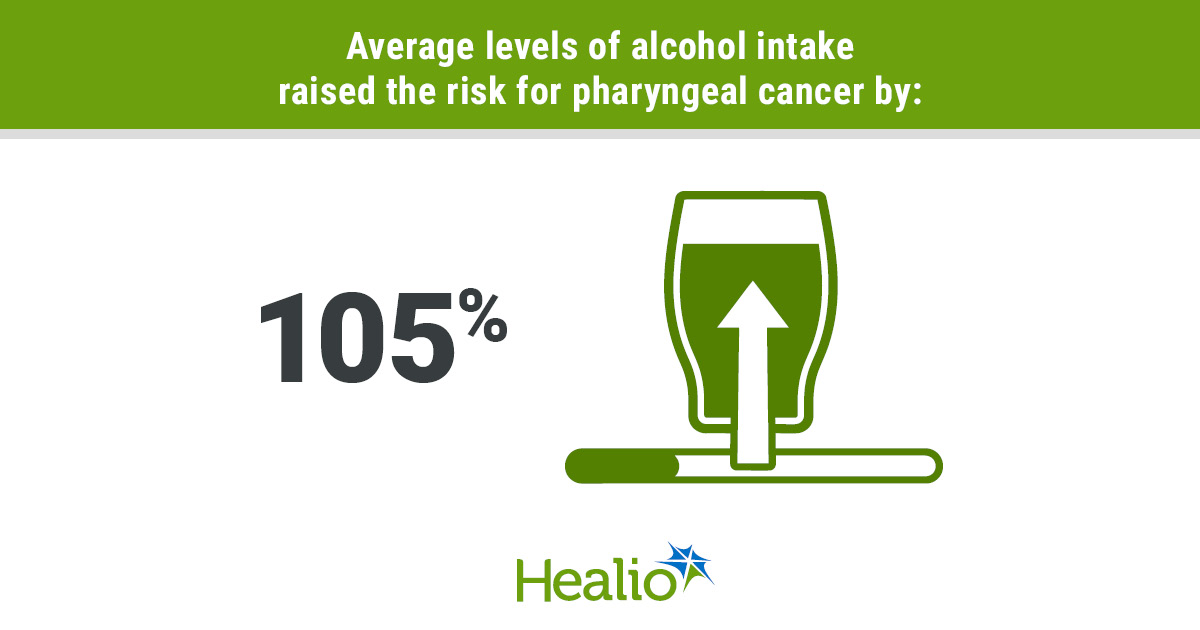
Add topic to email alerts Receive an email when new articles are posted on Please provide your email address to receive an email when new articles are posted on . “ data-action=”subscribe”> Subscribe We were unable to process your request. Please try again later. If you continue to have this issue please contact customerservice@slackinc.com. Back to Healio Key takeaways: A study showed alcohol intake raises risks for diseases like cancer and chronic liver disease. A separate analysis tied even moderate drinking to a higher death risk. Two new reports showed that even small amounts of alcohol daily raise the risk for death and a dozen other adverse health outcomes. And while one analysis suggested that lower alcohol intake potentially reduced the risks for diseases like diabetes, the strength of these associations — which were reversed at higher levels of consumption — were small. Data derived from Dai X, et al. Nature Health. 2026;doi:10.1038/s44360-026-00139-5. The findings expand evidence on the health effects of alcohol consumption, which remains divisive as recent reports from the National Academies of Sciences, Engineering and Medicine and an HHS committee clashed on whether low amounts of drinking affect mortality risk. Alcohol raises risks for 10 cancers One of the new studies indicates that the impact of alcohol intake varies for 20 different health outcomes, with consumption raising the risk for many cancers and liver diseases. “The science on alcohol and health is genuinely complex,” Emmanuela Gakidou, MSc, PhD, senior study author and professor in the department of health metrics sciences at the Institute for Health Metrics and Evaluation (IHME), said in a press release. “For cancer, the evidence is consistent and unambiguous: risk rises with any level of alcohol intake. For some cardiometabolic and dementia outcomes, studies suggest small reduced risks at low-to-moderate consumption, but those associations became weaker and reversed at higher levels of drinking. Rather than interpreting these results as an endorsement of drinking, they lay out a complex map of where the evidence is strong, weak or mixed.” In the Nature Health analysis, Gakidou and colleagues conducted 16 systematic reviews using IHME’s Burden of Proof meta-analytic framework, assessing 843 case-control and cohort studies published through 2023. This framework “carefully accounts for differences across studies and focuses on the most conservative estimate supported by the data. Each alcohol-outcome relationship is then assigned a 0- to 5-star rating to show how strong and consistent the evidence is,” the release said. The researchers reported that alcohol intake was adversely tied to all 10 cancers examined, including cancers of the breast, colorectum, esophagus, larynx, lip and oral cavities, pharynx, liver, stomach, pancreas and prostate, with the risks rising as intake grew. Even one standard drink daily, “or less than 10 grams of pure alcohol,” increased the risks for pharynx, esophagus, breast, colorectum, liver, pancreas and prostate cancers, according to IHME. Average levels of alcohol intake were tied to a 105% increased risk for pharyngeal cancer — the only health outcome examined which had an increased risk over 85% — while greater risks for larynx, colorectum, and lip and oral cavity ranged between 22% to 49%. Alcohol intake also raised the risk for cirrhosis and other chronic liver diseases by at least 40%, pancreatitis by at least 22%, lower respiratory infections by at least 2% and atrial fibrillation and flutter by at least 6%. Stomach cancer was the single health outcome “needing additional evidence to better understand the strength of the relationship,” according to IHME. Gakidou and colleagues also found J- or U-shaped relationships between alcohol intake and type 2 diabetes, ischemic heart disease, ischemic stroke, hemorrhagic stroke and Alzheimer’s disease and other dementias. Specifically, low to moderate alcohol intake lowered the risk for type 2 diabetes and Alzheimer’s and other dementias by 4.5% and 6.4%, respectively, the release said. The researchers wrote that the lower risk for dementia “may partly reflect shared risk factors with cardiovascular diseases and type 2 diabetes. However, no trial has yet investigated the long-term health impacts of alcohol consumption, and our findings from available observational studies may be biased due to residual confounding.” Lower risks at lower levels of consumption for ischemic heart disease, ischemic stroke, hemorrhagic stroke were inconsistent, though, with the risks for these outcomes increasing at higher levels. “Our framework takes a cautious approach by accounting for differences across studies and reporting the smallest plausible effect supported by the data,” Xiaochen Dai, MSc, PhD, lead study author and research collaborator at IHME, said in the release. “For some cardiometabolic and dementia outcomes, the relationship is more complex, and the evidence is weaker, which is exactly what our star ratings are designed to make clear.” Even moderate drinking raises death risk The second study found that even moderate amounts of alcohol intake increased the risk for premature death and disability, Katherine M. Keyes, PhD, a professor of epidemiology at Columbia University Mailman School of Public Health, said in a press release. “No protective effect of drinking was observed even at low levels.” In the analysis, published in Journal of Studies on Alcohol and Drugs, Keyes and colleagues assessed national survey and population data from the U.S. Census Bureau, morbidity data from IHME, mortality data from the CDC and 56 systematic reviews to determine the impact of various levels of alcohol consumption on health. The researchers reported that men and women consuming over 6.5 and seven drinks weekly, respectively, had a life-time alcohol-attributable mortality risk of over 1 in 1,000. This risk increased to over 1 in 100 at more than 8.5 drinks consumed weekly for both men and women. Men and women who consumed 14 drinks weekly had mortality risks of 39.34 and 40.53 per 1,000, respectively. Even one drink consumed daily raised the risk for death from liver cirrhosis, esophageal and oral cancers, and injuries, with the risks for these outcomes greater among women vs. men at higher intake levels. “For example, at 14 drinks per week, the
GLP-1 use confers benefits in obesity, autoimmune disease
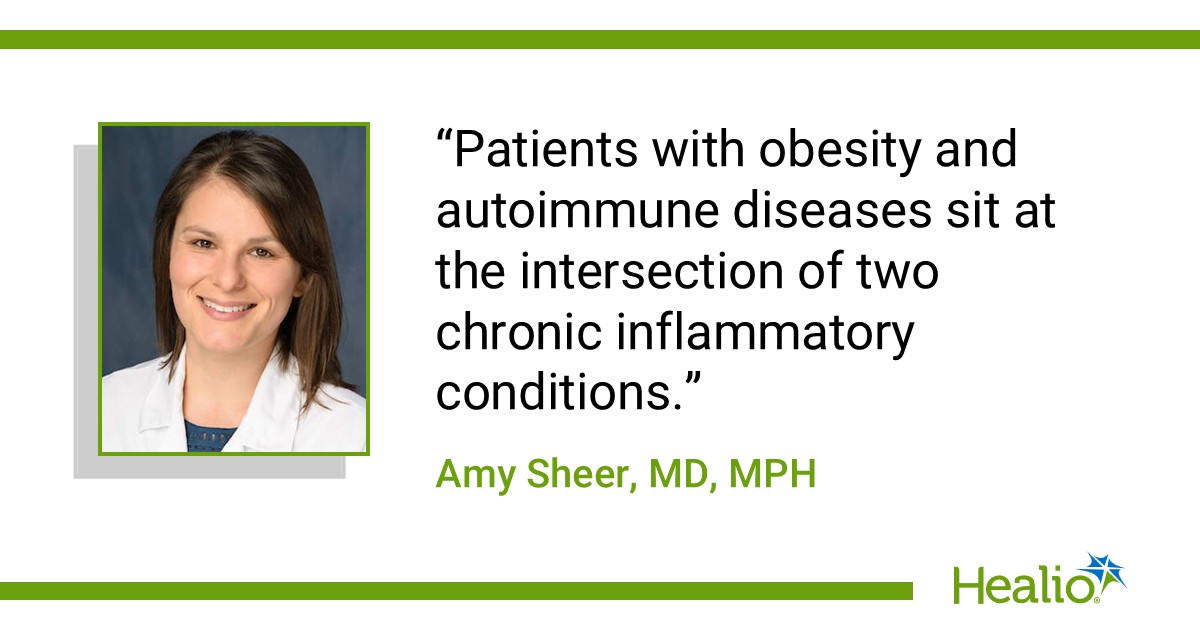
Add topic to email alerts Receive an email when new articles are posted on Please provide your email address to receive an email when new articles are posted on . “ data-action=”subscribe”> Subscribe We were unable to process your request. Please try again later. If you continue to have this issue please contact customerservice@slackinc.com. Back to Healio Key takeaways: New data suggest benefits beyond weight loss for adults with obesity and autoimmune diseases who use a GLP-1. GLP-1 use was also linked to 44% lower risk for all-cause mortality. NEW ORLEANS — Individuals with obesity and autoimmune diseases who use a GLP-1 receptor agonist may have lower risk for mortality, fewer cardiovascular and thrombotic events and lower health care utilization, researchers reported. Among adults with obesity and at least one autoimmune disease, those who used a GLP-1 had a 44% lower risk for all-cause mortality, 31% lower risk for pulmonary embolism, 21% lower risk for ED visits and 17% lower risk for venous thromboembolism compared with those who did not use a GLP-1, according to data presented at the American Diabetes Association Scientific Sessions and simultaneously published in the Journal of the American Heart Association. “Patients with obesity and autoimmune diseases sit at the intersection of two chronic inflammatory conditions, placing them at particularly high risk for cardiovascular and thromboembolic complications. Yet these are exactly the types of patients who are often underrepresented or excluded from major clinical trials,” Amy Sheer, MD, MPH, associate professor of medicine and program director of the Obesity Medicine Fellowship at University of Florida in Gainesville, told Healio. “As GLP-1 receptor agonists continue to demonstrate benefits beyond weight loss, including cardiovascular and metabolic benefits, we wanted to know whether those advantages might extend to this higher-risk population.” Sheer and colleagues conducted a study to look at real-world outcomes in a large, diverse group of patients with obesity and autoimmune diseases who used a GLP-1 compared with those who did not. The researchers used the OneFlorida+ network to identify adults with obesity and autoimmune diseases who were eligible for a GLP-1 from 2014 to 2024. Their search yielded 13,204 GLP-1 users and a matched group of 13,204 nonusers. The mean age of participants was 54.7 years, 73.4% were women and mean BMI was 37 kg/m2. Participants had at least one diagnosed autoimmune condition. For this study, researchers grouped autoimmune conditions by the primary organ involved. This included skin disease (vitiligo), gastrointestinal disease (inflammatory bowel disease, celiac disease), endocrine disease (type 1 diabetes, hyperthyroidism, hypothyroidism), musculoskeletal disease (rheumatoid arthritis, psoriatic arthritis), systemic disease (lupus, sarcoidosis), nervous system disease (multiple sclerosis, encephalitis), blood disease (immune thrombocytopenia) and cardiovascular disease (endocarditis, myocarditis or vasculitis), according to a press release issued by the American Heart Association. The primary outcomes were myocardial infarction, stroke or transient ischemic attack, pulmonary embolism, VTE and coronary revascularization. Secondary outcomes were ED visits, any hospitalization and mortality. GLP-1 use was associated with substantially better clinical outcomes among adults with obesity and autoimmune disease, according to Sheer. Those who used a GLP-1 had a lower hazard for pulmonary embolism (P = .001), VTE (P = .007) and stroke or transient ischemic attack (P = .039), but the researchers reported a modest difference for MI (HR = 0.86; 95% CI, 0.72-1.02; P = .081) and no difference in coronary revascularization (HR = 1.03; 95% CI, 0.78-1.37; P = .82) between the two groups, according to the results. For the secondary outcomes, those who used a GLP-1 had a lower hazard for ED visits (P < .001) and all-cause mortality (P < .001) and a comparable hazard for hospitalization (HR = 0.96; 95% CI, 0.92-1; P = .067) between the two groups, according to the results. “The magnitude of the mortality benefit was striking. A 44% lower risk of all-cause mortality is clinically meaningful and larger than many would expect from an observational study,” Sheer told Healio. “We were also intrigued by the strong signal for reductions in venous thromboembolic events, or blood clots. GLP-1 receptor agonists are increasingly recognized for their cardiovascular benefits and their ability to reduce inflammatory markers such as C-reactive protein, but less attention has been paid to their potential effects on thromboembolic risk. Given the inflammatory and prothrombotic environment associated with both obesity and autoimmune disease, these findings raise important questions about whether the benefits of GLP-1 therapy extend beyond what has traditionally been measured in clinical trials,” Sheer said. The researchers concluded that these findings warrant further investigation, including prospective studies, randomized clinical trials and mechanistic investigations in this population. “The key message is that GLP-1 receptor agonists may offer benefits that extend beyond their current indications and beyond weight loss alone,” Sheer said. “For clinicians caring for patients with obesity and autoimmune disease, these results suggest that effective obesity treatment may be an important strategy for reducing long-term morbidity and potentially improving survival.” Published by: Sources/Disclosures Source: Dai H, et al. Poster 2199-P. Presented at: American Diabetes Association Scientific Sessions; June 5-8, 2026; New Orleans. References: Disclosures: Sheer reports no relevant financial disclosures. Ask a clinical question and tap into Healio AI’s knowledge base. PubMed, enrolling/recruiting trials, guidelines Clinical Guidance, Healio CME, FDA news Healio’s exclusive daily news coverage of clinical data Learn more Add topic to email alerts Receive an email when new articles are posted on Please provide your email address to receive an email when new articles are posted on . “ data-action=”subscribe”> Subscribe We were unable to process your request. Please try again later. If you continue to have this issue please contact customerservice@slackinc.com. Back to Healio Source link
Report reveals ‘chronic, systemic’ drug shortages across US
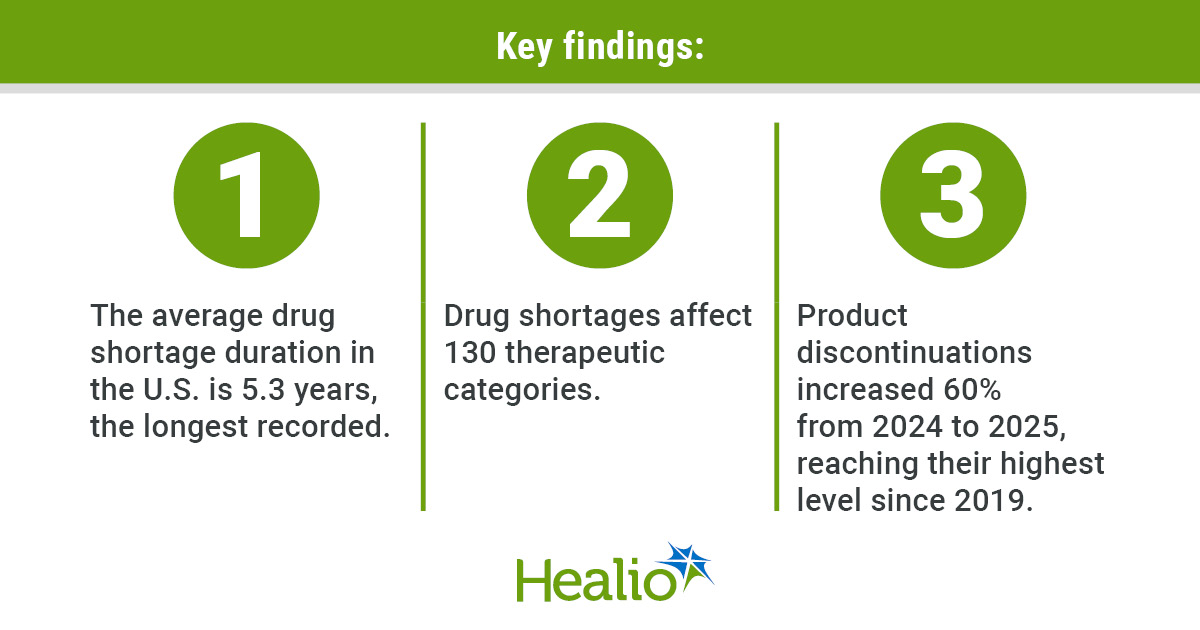
Add topic to email alerts Receive an email when new articles are posted on Please provide your email address to receive an email when new articles are posted on . “ data-action=”subscribe”> Subscribe We were unable to process your request. Please try again later. If you continue to have this issue please contact customerservice@slackinc.com. Back to Healio Key takeaways: Drug shortages are lasting longer than ever, with the average duration now reaching 5.3 years. The number of product discontinuations last year was higher than any year since 2019. Persistent and prolonged drug shortages across the country are affecting delivery of care across well over 100 therapeutic areas, according to a new report. Shortages are lasting longer than ever, with the average duration now exceeding 5 years, the analysis from United States Pharmacopeia (USP) showed. Data derived from 2025 USP Annual Drug Shortages Report. “That is pretty startling, and it shows that these aren’t one-off, acute shortage events. These are chronic, systemic shortages, indicating there are significant problems with the supply chain,” Matt Christian, director of supply chain insights at USP, told Healio. The number of drugs in shortage at the end of 2025 declined by 23% from the previous year, the report showed. However, that statistic may be misleading, Christian said. Product discontinuations are more common today than at any point since 2019, according to the report. This suggests “a lack of resilience” in the supply chain, and many of the drugs once classified as being in shortage may simply have been reclassified in the discontinued category, Christian said. The report also highlights how geographic concentration could make the supply chain vulnerable to even small disruptions. Concerning trends Drug shortages across medical specialties have been common for years. In oncology, a shortage of the generic chemotherapy drugs cisplatin and carboplatin that began in 2023 led to an absolute reduction in use of more than 15%. Manufacturing complexity, low prices — which result in slim margins for manufacturers — and history of quality concerns are among the key drivers of shortages. USP — a scientific nonprofit organization that aims to establish quality standards for development of medicines, supplements and food ingredients — released its most recent annual drug shortages report in early June. The report is based on information from FDA’s drug shortage database as of Dec. 31, 2025, with a focus on drugs regulated by the agency’s Center for Drug Evaluation and Research (CDER). Among the key findings: CDER reported 75 drugs in shortage at the end of 2025, down from 98 a year earlier. This marked the second consecutive year-over-year decline in shortages, down from a high of 125 at the end of 2023. Sterile injectable drugs, which are complex to manufacture, accounted for 71% of shortages. Oral solid drugs accounted for 16%. Only four of the active shortages began in 2025; the other 71 had carried over from 2024. Nearly two-thirds (64%) of drugs in shortage have been unavailable for more than 3 years. More than one-third (39%) have remained in shortage for longer than 5 years. The average drug shortage duration is now 5.3 years, the longest average duration recorded and more than double the approximately 2-year duration reported in 2019. Drug shortages affect 130 therapeutic categories. The most affected categories are pediatrics (n = 16), gastroenterology (n = 11), anesthesia (n = 10), endocrinology/metabolism (n = 10) and oncology (n = 6). Product discontinuations increased by 60% from 2024 to 2025 — rising in absolute numbers from 106 to 170 — and are now at their highest level since 2019. Oral solid products (55%) and injectables (29%) accounted for a majority of discontinuations. Multiple factors may contribute to drug discontinuations or shortages. Low profit margins — which reduce incentive to enter or stay in a market — top the list. “The biggest driver is low prices, which make production not economically sustainable for manufacturers,” Christian said. Two-thirds (65%) of discontinued oral solid products had been priced at less than $1 per unit. The median price for those products declined by 78% — from $1.80 to 40 cents — from 2024 to 2025, according to the report. The percentage of discontinued injectables priced less than $15 per unit increased by 19% from 2024 to 2025. Meanwhile, the average price for generic therapies not in shortage is considerably higher than the average price for those in shortage, according to the report — $8 vs. $3 for oral solid drugs, and $169 vs. $20 for injectable products. Geographic concentration Geographic concentration within the supply chain is another important consideration, Christian said. A natural disaster, one regulatory action or geopolitical turmoil can disrupt the supply chain and cause considerable downstream implications. This year’s USP report is the first to include data on key starting materials, the core molecular component from which an active pharmaceutical ingredient can be synthesized. At least one key starting material for 33 drugs currently in shortage — 44% of the total — is manufactured in a single country, most often India or China. Key starting materials for six drugs — four injectable products and two oral solid products — are manufactured only in one country. In addition, the European Union is the primary active pharmaceutical ingredient supplier for 15 drugs in shortage, or 20% of the total. India is the primary active pharmaceutical ingredient supplier for seven drugs in shortage. The USP report cited cefotaxime injection as one example. The cephalosporin antibiotic, used to treat serious infections, has been in shortage for more than a decade. The active pharmaceutical ingredient for the U.S. supply is manufactured solely in India, and the key starting material is produced mostly in China. ‘Reward resilience’ The consequences of drug shortages — which include delaying essential treatments, or prompting clinicians to choose alternative therapies or change dosing protocols — can persist even after the supply is restored. “When clinicians go through the pain of having to deal with