
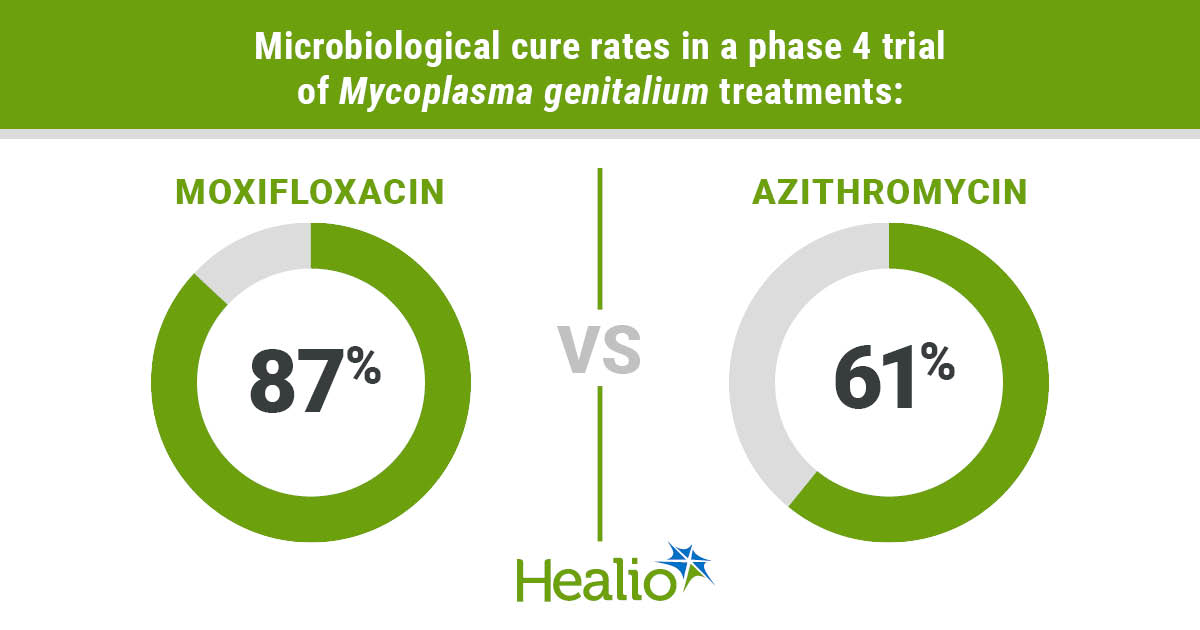
Add topic to email alerts Receive an email when new articles are posted on Please provide your email address to receive an email when new articles are posted on . “ data-action=”subscribe”> Subscribe We were unable to process your request. Please try again later. If you continue to have this issue please contact customerservice@slackinc.com. Back to Healio Key takeaways: A phase 4 trial demonstrated an 87% cure rate for moxifloxacin in treating Mycoplasma genitalium. A researcher said it is “not surprising” moxifloxacin performed better than azithromycin. A study that compared the efficacy of moxifloxacin vs. azithromycin in treating Mycoplasma genitalium — an STI with a rising resistance to antibiotics — showed that moxifloxacin was the clear winner. In the phase 4 randomized trial, a 10-day regimen of moxifloxacin yielded a significantly higher microbiologic cure rate compared with a 6-day regimen of azithromycin (87% vs. 61.2%; absolute risk difference, 25.8%; 95% CI, 16.5%-35.2%), supporting moxifloxacin as an empiric first-line treatment. Data derived from Rossotti R, et al. Clin Infect Dis. 2026;doi:10.1093/cid/ciag317. The study pointed out, however, that azithromycin “showed comparable efficacy” among heterosexual participants. “It is not surprising that moxifloxacin performs better than azithromycin in a population largely composed of” gay, bisexual and other men who have sex with men (MSM), the study’s lead author, Roberto Rossotti, MD, associate professor of infectious diseases at University of Verona in Italy, told Healio. “But it is surprising that this performance is comparable to that observed with the resistance-guided approach, saving 4 days of treatment and one class of antibiotics.” M. genitalium is a common STI that causes a burning while urinating and discharge from the vagina or penis, according to the CDC.eatment has become tricky due to a macrolide resistance to azithromycin, once a first-line treatment, with resistance rising from 10% before 2010 to 51% in 2016-2017, researchers reported. Rossotti and colleagues conducted the trial in a tertiary care hospital located in Milan from January 2018 to June 2024. They randomly assigned 358 patients (median age, 36 years; 96.6% men; 94.1% gay, bisexual and other MSM; 5.9% heterosexual) to moxifloxacin (53.9%; n = 193) or azithromycin (46.1%; n = 165). Moxifloxacin was administered as a once-daily 400 mg dose for 10 days, whereas azithromycin was given as a 500 mg daily dose for 6 days. In addition to the main finding, the study showed a success rate of moxifloxacin in retreatment. Specifically, 96.8% of participants (30 out of 31) who failed an initial round of azithromycin were cured with moxifloxacin, whereas a second round of azithromycin only cured 60% of individuals (nine out of 15; P = .003). The study also found that co-administering doxycycline did not enhance treatment outcomes in either group. “A 10-day course of moxifloxacin may achieve 90% microbiologic success even if a resistance test is not available,” Rossotti said. M. genitalium is a leading cause of non-gonococcal urethritis in men and linked to cervicitis in women, the CDC reported. Meanwhile, Rossotti said the study gives clinicians hope in treating the stubborn infection. “We may be reassured about the everyday clinical management of (M. genitalium) based on a relatively short course of quinolone therapy alone,” he said. For more information: Roberto Rossotti, MD, can be reached at infectiousdisease@healio.com. Perspective Back to Top Management of M. genitalium remains challenging for many reasons, including limited access to macrolide resistance testing despite a high prevalence of resistant infections. The results of this study comparing monotherapy for M. genitalium with azithromycin vs. moxifloxacin illustrate the consequences of this prevalence; rates of azithromycin treatment failure roughly correspond to reported rates of macrolide resistance in Europe. U.S. and U.K. guidelines only recommend azithromycin use when M. genitalium susceptibility is confirmed, and after a preceding week of doxycycline. This strategy enables successful use of azithromycin in M. genitalium treatment while avoiding de novo resistance, and stewards moxifloxacin, currently the only other widely available therapy for this infection in the U.S. Where resistance testing is not available, sequential therapy with doxycycline and moxifloxacin remains the standard for patients who are not pregnant. The utility of doxycycline (and other agents) as a part of moxifloxacin-based M. genitalium regimens merits further study, especially as rates of quinolone resistance rise. The relatively small number of patients receiving doxycycline in this study limits conclusions as to its role (or lack thereof) alongside moxifloxacin. Future efforts to improve M. genitalium therapy need to address access to macrolide (and potentially fluoroquinolone) resistance testing and rigorously compare treatment strategies that minimize antibiotic exposure and steward available agents without sacrificing efficacy. Jacob McLean, DO Adult Infectious Disease Physician and Assistant Professor of Medicine at New York Presbyterian Columbia University Irving Medical Center. Disclosures: McLean reports no relevant financial disclosures. Published by: Ask a clinical question and tap into Healio AI’s knowledge base. PubMed, enrolling/recruiting trials, guidelines Clinical Guidance, Healio CME, FDA news Healio’s exclusive daily news coverage of clinical data Learn more Add topic to email alerts Receive an email when new articles are posted on Please provide your email address to receive an email when new articles are posted on . “ data-action=”subscribe”> Subscribe We were unable to process your request. Please try again later. If you continue to have this issue please contact customerservice@slackinc.com. Back to Healio Source link

What is hot yoga? – HealthyWomen
Like most working moms, Gillian Russell doesn’t get a lot of time to herself. She has every good excuse to not show up to a 6:30 a.m. workout. And yet numerous days a week she shows up early to a hot yoga class. “I love room-temperature yoga too, but hot yoga makes my body feel so open and relaxed,” Russell said. “Like melted butter. It’s hard work and you have to push through some discomfort, but the reward is delightful.” Feeling like melted butter sounds pretty wonderful to me, but I’m going to need a lot more information on what exactly hot yoga is before I sign up for a class because honestly, pushing through physical discomfort in a hot room sounds not terribly inviting. I spoke with certified hot yoga instructors to get a thorough understanding of how the practice works, how it can be beneficial and what you should know before booking a class. Hot yoga has a dark past, but is now grounded in wellness Hot yoga came to be a thing in the western world when Bikram Choudhury, a controversial yoga practitioner, imported a version of the practice from India and stamped the name “Bikram” on it in the early 1970s. Long story short: Choudhury, who has been the subject of civil suits alleging sexual assault and discrimination against racial and sexual minorities, was basically just trying to build a cult and a monopoly – but Bikram Yoga is still the most popular form of hot yoga in the U.S., and it’s no longer associated with the controversial man. Bikram Yoga is a hatha-based practice, meaning it’s done slowly, with a focus on balance and alignment. Every class follows the same sequence of 26 postures and two breathing exercises in a room heated to 105° with around 40% humidity. In its original incarnation, Bikram Yoga was intended to be a pretty miserable experience, with Choudhury famously calling his heated spaces “torture chambers.” Drinking water as needed or taking a break on your terms was forbidden. “It was not handled as it should have been,” said Kelly Isaac, certified hot yoga instructor and co-founder of ID Hot Yoga, New York City. “But in 2026 these types of hot yoga classes are few and far between. The priority is now on wellness and on taking care of yourself.” The health benefits of hot yoga are there — but not necessarily unique to the practice There’s growing research suggesting that hot yoga has a number of health benefits. One study published by Sports Medicine in 2025 found that consistent hot yoga practice may improve aspects of heart and metabolic health, along with supporting bone density — all areas where women need as much help as they can get as they age. Then there’s the mounting research that speaks to the role hot yoga can play in fostering psychological wellness and stress reduction. The only issue is that there’s not much evidence to say that hot yoga does any of this better than non-heated yoga. So you could say, “Well I don’t need to bother with a hot room to get the full benefits of yoga” and nobody could rightly say you’re wrong. But they may say you’re missing the point. A big draw of hot yoga for the people who love it is the heat itself. “I tend to run cold, and there’s something very cathartic about just being in the heat,” said Laura Lusson, an E-RYT 500 and RPYT-certified yoga instructor and co-owner of The Space Between in Chicago. “I feel I can move more freely. My range of motion is greater, and I stay aware to avoid overreaching. Sweating feels good.” Hot yoga is already intense, but some studios are making it even more so Nowadays you’ll find studios and gyms offering all types of hot yoga, including vinyasa, which is more fast-paced and flow-based than hatha. You’ll even see hot pilates classes and hot HIIT classes at some gyms and studios. But aspiring hot yogi beware: There’s valid controversy around making an already challenging workout more intense with added heat. “Vinyasa is fast and hard without the heat, and the breath you use builds an internal fire,” Isaac said. “So vinyasa should not be carried out in a hot room, but it is in many studios across the world.” But some hot yogi devotees wouldn’t have their yoga workouts any other way. Russell is among them. That early morning class she never misses? It’s a hot vinyasa flow. Now, since Russell enjoys the class and is in great physical shape, there’s no reason she should quit, but until you’re acclimated to hot yoga, stick with a more traditional hatha-based class. What to know before booking a hot yoga class Curious about trying hot yoga? The next step on your journey is getting medical clearance from your healthcare provider (HCP). It may be a pain to get, but this is really the only safe way to get started with hot yoga. Note that hot yoga is not considered safe for pregnant women at any stage in their pregnancy, and your HCP may recommend a different type of exercise if you have a heart condition or are prone to high blood pressure, because hot yoga (even the slow kind) increases your heart rate. Dehydration is the most common risk associated with hot yoga, so take all measures to prevent it. “Based on my personal experience, the key is to go in hydrated but not overly full of water (which can make you feel sick) and to hydrate afterward,” Lusson said. “I like coconut water for electrolytes.” Bear in mind that hot yoga is supposed to be challenging, but not agonizing. It’s good to feel a stretch deeply but not to the point of being in pain. “My motto in teaching: If something doesn’t feel good, or if you feel ill, stop what you’re doing,” Lusson said. “The teacher will talk with you and will help.” Finally, know
Quince Superfood Greens Review: Why I Ditched My Pricey Greens for This Mix
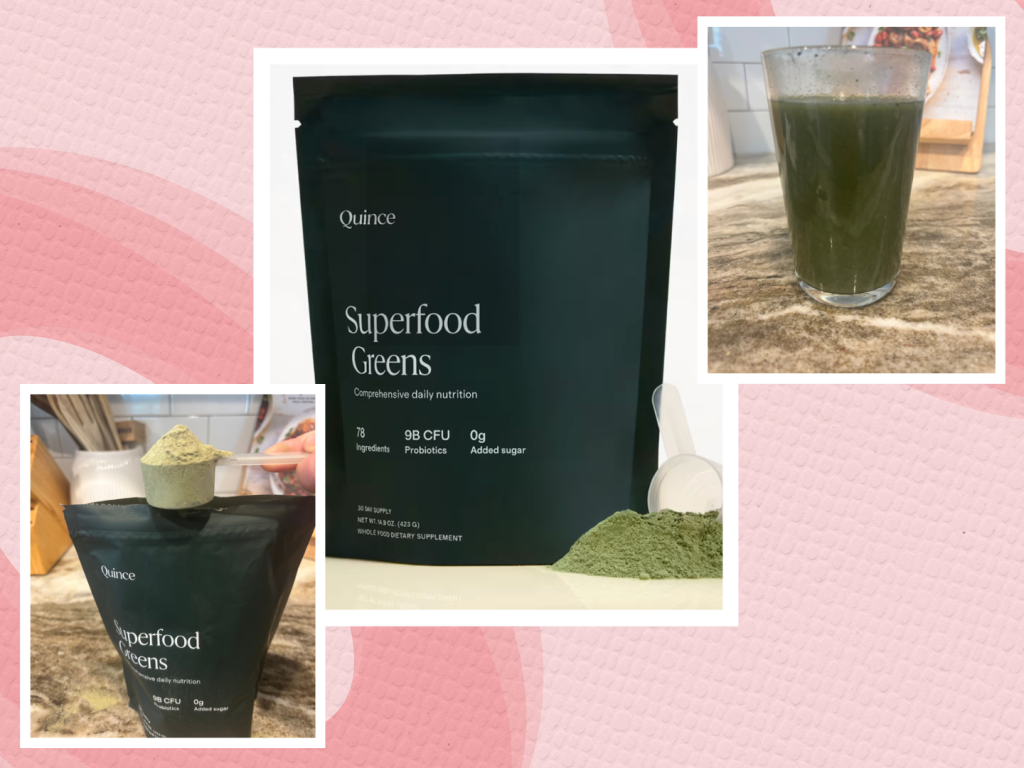
If you purchase an independently reviewed product or service through a link on our website, SheKnows may receive an affiliate commission. As a busy mom of two, I often miss my nutrition goals, especially when it comes to greens. That’s why I’ve been taking a daily greens powder for the past two years. Before having my second daughter in December, I relied on a popular (and pricey) greens powder as part of my supplement routine. After transitioning into the postpartum period, I decided to explore new formulas to find those that best fit my current needs. For the past few weeks, I’ve been putting Quince’s Superfood Greens to the test. It’s packed with over 78 nutrients and vitamins that help improve digestive and immune health. Ahead, learn more about the green powder and my honest thoughts on its formula. Related story Here’s the Special Code You Can Use Today for Early Access to Tory Burch’s Extra 25% Off Semi-Annual Sale What Are the Benefits of Quince’s Superfood Greens? Greens powders “act as an insurance policy for your diet,” according to UCLA Health. Quince’s Superfood Greens is designed to help fill nutritional gaps, minimize bloating, support a healthy immune response, and sustain energy and focus. The powder is science-backed and expertly sourced for optimal absorption, potency, and nutrient density per Quince. Additionally, this greens mix also helps to promote healthy aging and supports bones and joints. What Ingredients Are the Superfood Greens Made With? Quince’s Superfood Greens powder is packed with 78 nutrient-rich vitamins, minerals, antioxidants, adaptogens, probiotics, and superfoods. Its main ingredients include: Adaptogens and antioxidants: This blend features a pea protein isolate, tart cherry, vitamin K2, artichoke leaf, dandelion leaf, ginseng, hawthorne berry, milk thistle, organic ashwagandha root, organic rosemary, policosanol, and rhodiola rosea. Superfoods: There is also organic wheatgrass, organic apple, organic barleygrass, spirulina, organic chlorella, parsley, coconut oil, acacia fiber, organic beetroot, organic broccoli, organic spinach, lycium berry, organic kale, acerola cherry, bilberry fruit, and more. Vitamins and minerals: The powder also includes a handful of vitamins such as vitamin C, potassium, calcium, vitamin E, magnesium, niacin, zinc, pantothenic acid, thiamin, vitamin B6, riboflavin, vitamin A, folate, manganese, biotin, copper, vitamin D3, chromium, vitamin B12, and selenium. Digestive complex: This proprietary complex includes Astragalus root, bromelain, burdock root, reishi mushroom, and shiitake mushroom. 9B CFU probiotics: This probiotic supplement is important for gut health and contains 9 billion colony-forming Units per serving, supporting digestive health. Quince notes on its website that Superfood Greens is also crafted with natural flavors, monk fruit, and Reb M, and is made in a facility that processes soy, fish, shellfish, milk, peanuts, tree nuts, wheat, eggs, and sesame, for those with allergies to be aware. Plus, it’s free from preservatives, GMOs, fillers, and 12 major allergens. Photo: Taylor Lane My Honest Thoughts on the Superfood Greens After trying five green powders in two years, this one surprised me. Not only do I appreciate its nutrient-dense formula, but also its refreshing, lightly sweet taste with a hint of pineapple, which washes away the earthy aftertaste left by other powders. Although this blend has a subtle flavor, it’s made without any added sugar, artificial flavors, stevia, or sugar alcohols to preserve its integrity. Beyond its enjoyable flavor, it mixes like a dream — I initially used a hand mixer the first week, but quickly realized a spoon works just as well, leaving no noticeable chunks and making it easy to enjoy daily. Photo: Taylor Lane In week two of testing Superfood Greens, I’ve already noticed results. I’m six months post partum, and I’ve been dealing with uncomfortable bloat that won’t budge. I attribute it to hormonal shifts and my body getting back on track, but after a week of the greens, I haven’t had any extra bloating or uncomfortable cramps. My 3 pm crash has disappeared since I started the greens mix. Every day at that hour, I typically need a cup of coffee or a quick power walk to get some energy back, but since drinking the greens, I’ve had an energy boost. I haven’t made any other changes that could explain the change, and my baby isn’t sleeping any more hours at night, so this is a huge win! The Bottom Line Quince’s Superfood Greens will remain in my daily routine. The benefits after two weeks, paired with its affordable cost, make it worth stocking up on. Each bag offers a 30-day supply for $40, while others are priced around $100. You can easily add it to your routine. Just scoop once daily, combine with 8 to 12 ounces of water, and stir until dissolved. Its formula is gentle on the stomach, so you won’t need to take it with food. I’m looking forward to seeing what benefits Quince’s Superfood Greens provides after a full month of taking the daily greens, and I will be sure to update this article. In the meantime, you head to Quince to try the greens now and see for yourself. About the Author Taylor Lane is a contributing commerce writer at SheKnows, covering beauty, style, and lifestyle. With over eight years of media experience, she previously served as a beauty writer at The Zoe Report and a fashion assistant at Glamour. Her work has appeared in StyleCaster, The FlowSpace, WWD, Forbes Vetted, Teen Vogue, InStyle, and more, where she’s tested hundreds of products — from top-performing mascaras to the most functional strollers. She’s also a mom of two girls, a ten-year-old and a 4-month-old. And when she’s not online, she’s usually at Pilates. Before you go, check out our slideshow below: Source link

Olezarsen reduces triglycerides, acute pancreatitis events
Add topic to email alerts Receive an email when new articles are posted on Please provide your email address to receive an email when new articles are posted on . “ data-action=”subscribe”> Subscribe We were unable to process your request. Please try again later. If you continue to have this issue please contact customerservice@slackinc.com. Back to Healio Key takeaways: In patients with severe hypertriglyceridemia, olezarsen reduced triglycerides compared with placebo at 12 months. Olezarsen also lowered risk for acute pancreatitis events compared with placebo. In patients with severe hypertriglyceridemia, olezarsen lowered triglycerides and reduced acute pancreatitis events compared with placebo, researchers reported at the European Atherosclerosis Society Congress. André Zimerman, MD, PhD, professor of cardiology and head of clinical trials at Hospital Moinhos de Vento, Moinhos de Vento Medical School, Porto Alegre, Rio Grande do Sul, Brazil, presented on behalf of the TIMI Study Group a pooled analysis of 455 patients (mean age, 52 years; 20% women) with severe hypertriglyceridemia, defined as triglyceride level more than 880 mg/dL, or 10 mmol/L, from the CORE-TIMI 72a and CORE2-TIMI 72b trials. Patients were randomly assigned to olezarsen (Tryngolza, Ionis) 50 mg, olezarsen 80 mg or placebo. André Zimerman “Patients with severe hypertriglyceridemia are at high risk for acute pancreatitis, but randomized evidence showing that pharmacologic triglyceride lowering reduces pancreatitis events has been limited,” Zimerman told Healio. “Currently available therapies, such as fibrates and omega-3 fatty acids, have a modest triglyceride-lowering effect and have not been shown to prevent acute pancreatitis.” As Healio previously reported, olezarsen was approved by the FDA in 2024 for treatment of patients with familial chylomicronemia syndrome, but has not yet been approved for treatment of severe hypertriglyceridemia in the U.S. At 6 months, compared with placebo, olezarsen 50 mg lowered triglycerides by 58.8% and olezarsen 80 mg lowered triglycerides by 65.5% (P < .001 for both), Zimerman said during a presentation. At 6 months, 85% of the olezarsen 50 mg group and 86% of the olezarsen 80 mg group reached a triglyceride level less than 880 mg/dL compared with 43% of the placebo group, and both olezarsen groups reached triglyceride levels less than 500 mg/dL and less than 150 mg/dL at greater rates than the placebo group (P < .001 for all comparisons), according to the researchers. Both olezarsen groups also had lower levels of apolipoprotein C-III, remnant cholesterol and non-HDL at 6 months compared with the placebo group (P < .001 for all comparisons), Zimerman and colleagues found. Acute pancreatitis events over 12 months were lower in the pooled olezarsen group than in the placebo group (RR = 0.15; 95% CI, 0.06-0.43; P < .001; number needed to treat to prevent one event at 12 months = 9), Zimerman said. “Targeting ApoC-III with olezarsen meaningfully lowers triglycerides and markedly reduces pancreatitis risk in patients with severe hypertriglyceridemia, a population with substantial residual risk despite available therapies,” Zimerman told Healio. For more information: André Zimerman, MD, PhD, can be reached at andre.zimerman@hmv.org.br. Published by: Sources/Disclosures Source: Zimerman A, et al. Late breaker clinical abstracts. Presented at: European Atherosclerosis Society Congress; May 24-27, 2026; Athens, Greece. Disclosures: Zimerman reports receiving honoraria/expenses from Daiichi Sankyo, Eli Lilly and Novartis and serving on a consultant/advisory board for Novartis. Zimerman also reports that at the time of the trials, he was a member of the TIMI Study Group, which received institutional grant support through Brigham and Women’s Hospital from numerous drug and device companies including Ionis Pharmaceuticals. The CORE-TIMI 72a and CORE2-TIMI 72b trials were sponsored by Ionis Pharmaceuticals. Ask a clinical question and tap into Healio AI’s knowledge base. PubMed, enrolling/recruiting trials, guidelines Clinical Guidance, Healio CME, FDA news Healio’s exclusive daily news coverage of clinical data Learn more Add topic to email alerts Receive an email when new articles are posted on Please provide your email address to receive an email when new articles are posted on . “ data-action=”subscribe”> Subscribe We were unable to process your request. Please try again later. If you continue to have this issue please contact customerservice@slackinc.com. Back to Healio Source link
New Tech for Fertility Testing and Conception Support
Brittany Barreto, Ph.D., is a podcaster, an entrepreneur, and a molecular and human geneticist. (In other words, she’s really smart.) Read her column here each month to learn about what’s happening in the world of technology and innovation in women’s health. Trying to get pregnant can quickly become overwhelming. For many people, the process starts with a simple question, “Am I ovulating?” But fertility is far more complex than a single day on a calendar. Hormones fluctuate. Ovulation timing shifts. Sperm health matters. Cervical mucus changes. Stress, sleep and age can all play a role. Historically, understanding any of this required expensive clinic visits, bloodwork and a lot of waiting. Now, a new generation of fertility technology companies is bringing fertility tracking, hormone monitoring and conception support into the home. These tools are helping people gather more data about their bodies earlier in the fertility journey, sometimes before they ever set foot in a fertility clinic. Some are designed to identify fertile windows more accurately. Others confirm ovulation, monitor sperm health or support at-home insemination. Together, they reflect a broader shift in women’s health. Consumers increasingly want proactive, personalized health information they can access privately and conveniently. Here’s a look at the ways that technology is changing how people approach fertility today. 1. Fertility tracking is moving beyond calendar apps (Photo/courtesy Kegg) For years, fertility apps relied heavily on cycle averages and calendar predictions. But many people don’t ovulate exactly on day 14, and even people with “regular” cycles can experience significant variation month to month. That’s why many newer fertility tools focus on measuring biological signals directly rather than relying solely on predicted averages. One of those signals is cervical mucus. Kegg tracks cervical mucus changes linked to fertility Kegg offers an at-home fertility tracking device that measures changes in cervical mucus using vaginal sensor technology. Cervical mucus plays an important role in fertility. Most of the month, mucus acts as a protective barrier in the reproductive tract. But around ovulation, it changes consistency to help sperm survive and travel more effectively toward the egg. Research has shown that cervical mucus observations may predict fertility better than intercourse timing alone. The Kegg fertility tracker measures electrical changes in cervical mucus and provides users with daily fertility scores through an app. Research suggests that cervical mucus could be more accurate than classic basal body temperature for predicting ovulation. The tracker costs $477 but you can find sales that reduce it significantly. For example, it’s on sale for $279 right now. The Kegg tracker is FSA-/HSA-eligible and, at this time, guarantees pregnancy within 1 year of use or your money back. The device also reflects another major trend in fertility technology: the rise of longitudinal data collection. Instead of relying on a single hormone test or temperature reading, these systems gather daily data over time to personalize predictions for an individual user’s body. Wearable fertility trackers are turning body temperature into reproductive insights Another biological signal commonly used in fertility tracking is basal body temperature (BBT), which slightly rises after ovulation because of progesterone production. Historically, tracking BBT meant taking your temperature manually every morning before getting out of bed, something that can be difficult to do consistently. Now, wearable devices are automating that process. Femometer uses a smart ring to track fertility signals continuously Femometer continuously tracks body temperature, sleep, heart rate variability and other physiological metrics. The device is designed to help users identify and confirm ovulation while also monitoring broader health patterns, such as stress and sleep quality. Unlike many consumer wearables that were originally designed for fitness tracking, Femometer is a fertility-focused smart ring specifically marketed around reproductive health. The company says the ring’s predictive algorithm is based on data from over 10 million users over the last 10 years in business. Insurance doesn’t cover the ring, but it is HSA-/FSA-eligible and has a one-time fee ranging from $20 to $200, with no subscription required. Wearable fertility tracking is part of a broader movement toward passive health monitoring, technologies that continuously collect physiological data without requiring users to actively test every day. 2. Hormone testing at home is becoming more sophisticated (Photo/Courtesy Proov) Ovulation predictor kits have traditionally focused on luteinizing hormone (LH), which surges before ovulation. But fertility specialists have long known that multiple hormones influence fertility and implantation. New at-home hormone monitoring systems are expanding beyond LH alone. Proov measures four fertility-related hormones at home Proov offers an at-home testing system that measures four hormones associated with fertility: follicle-stimulating hormone (FSH), estrogen metabolites (E1G), LH and progesterone metabolites (PdG). Progesterone is especially important because it helps support implantation and early pregnancy after ovulation occurs. Many traditional ovulation tests can predict ovulation but cannot confirm whether progesterone levels rise appropriately afterward. Proov’s system combines urine test strips with smartphone-based analysis and personalized hormone reports. Unlike many traditional ovulation tests that only track LH surges, Proov measures multiple hormones throughout the cycle, including progesterone metabolites, to help confirm whether ovulation actually occurred. In a 2022 study, Proov Complete detected up to six fertile days by tracking across the menstrual cycle. Proov holds the distinction of being the first and only FDA-cleared at-home diagnostic test for confirming successful ovulation. The tests are available at major retailers, including CVS, Walgreens and Walmart, and most are FSA-/HSA-eligible. Costs are widely variable, depending on what you’re buying. They have individual tests starting at $14.99 and bundles that are as much as $500. The growing popularity of these tools reflects increasing consumer demand for deeper fertility insights without immediately escalating to expensive fertility workups. 3. At-home insemination is expanding reproductive options (Photo/Courtesy Mosie Baby) Fertility technology is also evolving beyond tracking and into direct support for conception. Mosie Baby brings FDA-cleared insemination into the home Mosie Baby created the first FDA-cleared at-home insemination kit available over the counter in the United States. The system includes specially designed collection cups and insemination syringes intended to improve comfort and sperm transfer compared to

Oxytocin and Hair Growth | Hair Loss Cure 2020
This post covers all the studies that Dr. Junji Fukuda and his team at Fukuda Lab have published in relation to oxytocin and hair growth. It is in reverse chronological order. Update: June 11, 2026 And now a fifth study from Fukuda Lab researchers in relation to “love hormone” oxytocin and hair growth. They found that oxytocin affects both hair growth promotion and stem cell proliferation within hair follicles. They also demonstrated that outer root sheath cells produce oxytocin, which in turn increases the “hair growth-promoting potential of dermal papilla cells”. And they verified the the autocrine and paracrine effects of oxytocin. Update: June 6, 2026 Hypericin and Berberine for Oxytocin Signaling Activation A fourth study from the Fukuda team in relation to oxytocin and hair growth. They identified two compounds that promote hair elongation via oxytocin signaling activation. The first, hypericin, enhances oxytocin receptor expression. The second, berberine, is an oxytocin receptor agonist. Quote: “The additive effects of hypericin and berberine on hair growth promotion were further demonstrated using hair follicle organoid-based assays.” Update: October 14, 2024 Oxytocin Receptor Agonists A third study in relation to oxytocin and hair growth has been published by the same Japanese team of Fukuda, Kageyama, Seo and Lan. This one is titled: “Effects of oxytocin receptor agonists on hair growth promotion.” The researchers findings from October 2023 (see next section) showed the hair growth promoting effects of oxytocin (in hair follicle organoids). However, the clinical use of oxytocin is difficult due to its rapid degradation in vivo and poor permeability due to a large molecular weight. Looking for alternatives, in February 2024 (see bottom of this post), the Japanese team reported that cinnamic acid promoted hair growth via the activation of oxytocin receptor (OXTR) expression. And now in October 2024, the researchers have found that oxytocin receptor agonists WAY267464 and LIT001 increased the expression of hair growth-related genes in dermal papilla cells. And they significantly promoted hair “follicle sprouting”. According to “Ben”, both WAY267464 and LIT001 are endogenous, already synthesized and purchasable. April 16, 2024 Oxytocin and Hair Growth In October 2023, Japanese researchers (led by Junji Fukuda and Tatsuto Kageyama) published an interesting paper that concluded that oxytocin has a positive effect on hair growth via upregulation of dermal papilla cell signature markers. These findings were later covered by a NHK News video report from Japan. Oxytocin (OXT) is better known as the “love hormone”. It is produced and released by women during childbirth and lactation. It is also produced during skin stimulation, such as when hugging or getting a massage. OXT is also called the anti-stress hormone. In this study, OXT treatment resulted in the upregulation of genes that were associated with hair growth promoting factors. These included VEGFA (a protein encoded by the VEGF gene), PDGFB, FGF7 and BMP2. This ultimately results in peg-like hair sprouting via the improved hair growth ability of dermal papilla cells. Oxytocin and Hair Growth. Source: Nature, 20 October, 2023. Fukuda et al. Cinnamic Acid, Oxytocin Receptor Activation and Hair Growth In February 2024, the same researchers from Japan published yet another study that found cinnamic acid to promote hair growth via the activation of oxytocin receptor (OXTR) expression. Cinnamon is officially known as Cinnamomum cassia, and cinnamic acid is a component of Cinnamomum cassia. “Treatment with cinnamic acid led to upregulation of OXTR and trichogenic gene expression in human dermal papilla (DP) cells.” Three people e-mailed me the story about these findings that was published on phy.org several weeks ago. And a few others also posted blog comments about this news. No-one seemed to connect both these Japanese studies if I recall correctly. Cinnamic Acid, Oxytocin Receptor Activation and Hair Growth. Source: Nature, 27 February, 2024. Fukuda et al. Note that cinnamic acid can also be derived naturally from a number of plants. The most famous being cinnamon, shown in the image above. Yet one more ingredient to add in the list of natural treatments for hair loss. A 2012 study from Japan found that cinnamon extract promotes Type I collagen biosynthesis via the activation of IGF-I signaling in human dermal fibroblasts. Also from 2012, a study from Taiwan concluded that cinnamic aldehyde (a constituent of Cinnamomum cassia) has excellent anti-inflammatory properties. A 2018 study from Taiwan found that Cinnamomum osmophloeum Kanehira (COK) leaves caused dermal papilla cell proliferation and increased hair growth in mice. Source link
Q&A: What clinical trials overlook when studying ultraprocessed foods
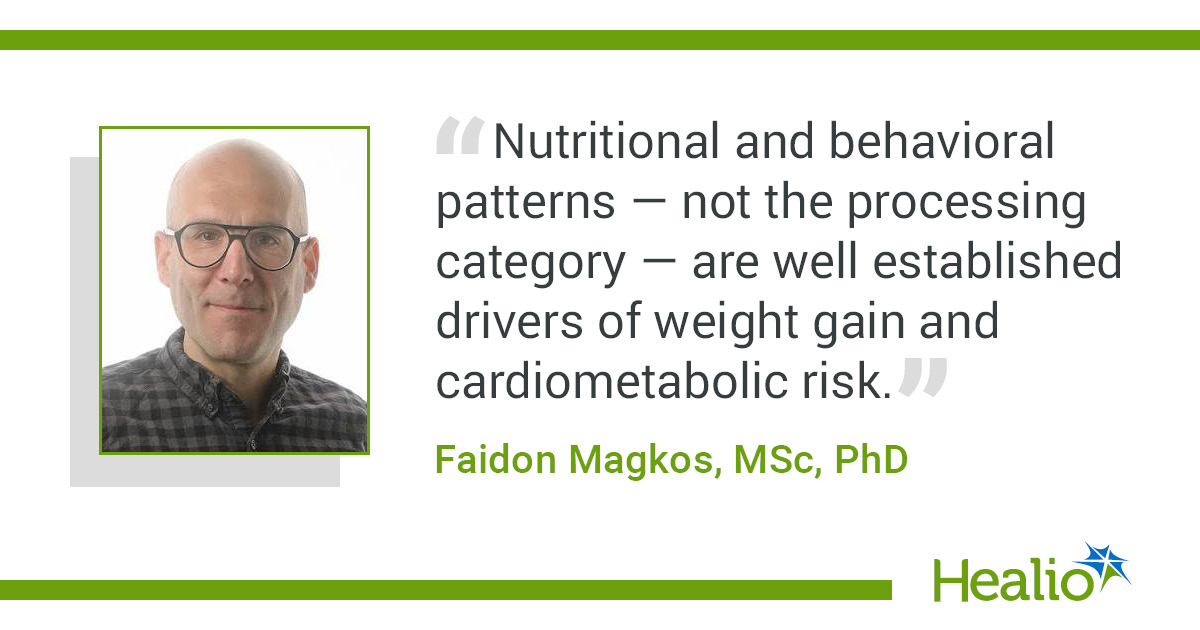
Add topic to email alerts Receive an email when new articles are posted on Please provide your email address to receive an email when new articles are posted on . “ data-action=”subscribe”> Subscribe We were unable to process your request. Please try again later. If you continue to have this issue please contact customerservice@slackinc.com. Back to Healio Key takeaways: Trials on ultraprocessed foods are often limited by their crossover design and control diets. Adjusting for nutritional factors like texture and high-calorie density may explain the effects of these foods. Randomized controlled trials may not properly capture ultraprocessed foods’ health effects due to their designs and limitations, experts suggest. In a commentary published in Science, Faidon Magkos, MSc, PhD, a professor of obesity and metabolism at University of Copenhagen in Denmark, and colleagues used five clinical trials in the United States, United Kingdom, Denmark and Japan to demonstrate their case. The findings of these trials on ultraprocessed foods (UPFs) “have been highly publicized and widely communicated, often in ways that suggest that ultraprocessing is inherently harmful to health.” “The design of these clinical trials, however, makes it very difficult to attribute the unfavorable effects of UPF-rich diets to ultraprocessing per se,” they wrote. “Instead, these effects are highly likely to be due to differences in traditional nutritional properties that frequently — but not uniformly — co-occur in UPFs.” Magkos and colleagues pointed out that all the trials used a crossover design, where the study participants were randomly given UPFs and non-UPF diets in an inpatient setting, outpatient setting or “through a combination of supervised and unsupervised eating.” “This ‘feeding’ trial design prevents confounding from varying diet adherence that occurs in ‘diet advice’ studies,” the authors wrote. Further, Magkos and colleagues said the minimally processed diets used in the studies “might not constitute appropriate controls, as they represent interventions of equal or greater intensity than UPF-rich diets.” They noted that the effects of UPFs in these studies are likely attributed to factors like texture and high saturated fat and salt amounts, which impact health “regardless of the degree of food processing.” As a result of the trials’ limitations, Magkos and colleagues said there is currently “weak support for an ultraprocessing-specific effect of UPFs on body weight regulation and cardiometabolic function that is independent of established nutritional determinants.” Healio spoke with Magkos about why nutritional variables are overlooked in these trials, how future dietary guidance could change amid weak evidence on UPFs, and more. Healio: Why are some of these important variables like food texture overlooked in trials? And how will incorporating these variables into future studies affect the outcomes? Magkos: Food texture, eating rate and calorie density are rarely measured because most nutrition trials are designed around nutrient content and nutritional composition of the diet, not the physical properties of foods (which is yet another important dimension of the diet, affected by multiple factors including preparation and cooking methods and level of food processing — but not necessarily “ultraprocessing”). Yet these variables strongly influence ad libitum energy intake and can fully account for the differences attributed to UPFs in these randomized trials. Incorporating them into future studies will allow us to separate the effects of ultraprocessing from the effects of energy density, texture, fiber and sodium contents, and so on — revealing whether ultraprocessing itself has any independent physiological impact. For the time being, this does not appear to be the case. Healio: If ultraprocessing is not the primary driver of negative health outcomes, what could explain the consistently observed associations between high UPF consumption and poor outcomes? Magkos: High UPF intake often co-occurs with diets that are calorie dense, low in fiber and protein, high in sodium and saturated fat, and dominated by soft, rapidly consumed foods. These nutritional and behavioral patterns — not the processing category — are well established drivers of weight gain and cardiometabolic risk. Observational studies capture these co-occurring features, so UPF intake becomes a proxy for overall dietary quality and eating behaviors rather than a causal driver in its own right. Healio: If future research shows that ultraprocessing itself has little effect on health, how would that change current dietary recommendations? Magkos: Most current dietary guidelines do not use UPF classifications, and rightfully so. However, they do suggest prioritizing whole and minimally processed foods whenever possible, and this recommendation should not change. Recommendations already emphasize nutritional quality — fiber, whole grains, unsaturated fats, lower sodium and limiting energy dense, nutrient poor foods. If future research confirms that ultraprocessing per se has little independent effect on health, it would reinforce the value of sticking with these established principles rather than adopting processing-based frameworks like NOVA. It would also help prevent well-intentioned but misleading messages that lump nutritionally sound foods together with clearly unhealthy ones. Recommendations should become more precise — encouraging people to choose foods that promote satiety, slow eating and lower energy density, regardless of whether they come with an “ultraprocessing” label. Healio: What advice should PCPs give to patients who are confused by conflicting messages about processed foods? Magkos: Tell patients that the goal is not to avoid all UPFs but to prioritize foods that are higher in fiber and protein, lower in energy density and harder in texture so they are slower to eat. Emphasize that texture, calorie density, and nutritional quality matter far more for weight and metabolic health than whether a food is classified as “ultraprocessed.” This reframes the conversation in practical, achievable terms and avoids the confusion created by broad processing labels. For more information: Faidon Magkos, MSc, PhD, can be reached at primarycare@healio.com. Sources/Disclosures Source: Healio Interviews References: Disclosures: Magkos reports receiving support from Arla Food for Health, Independent Research Fund Denmark, Novo Nordisk Foundation, and Sino-Danish Center for Education and Research. Please see the study for all other authors’ relevant financial disclosures. Ask a clinical question and tap into Healio AI’s knowledge base.

Mis ronchas crónicas seguían reapareciendo
English Tal como se relató a Erica Rimlinger Las ronchas se manifestaron por primera vez un poco después de cumplir 20 años tras usar una lavandería de autoservicio. Cuando estaba poniéndome prendas que acababa de lavar, se formaron ronchas que señalaban perfectamente la forma de mi sostén y ropa interior. Conmocionada y con mucha comezón, llamé a mi mamá, quien supuso que había usado mucho detergente cuando lavé la ropa o que tenía una reacción alérgica. Recomendó un antihistamínico, que no surtió ningún efecto en esa comezón que no paraba. Sin poder sentarme o tolerar que ropa toque mis ronchas rojas e inflamadas, llamé a la línea de asistencia de enfermería de mi seguro médico. Después de una hora de espera para que alguien me atienda, me dieron la autorización para que vaya a sus instalaciones de atención de urgencias. En ese lugar, un doctor me inyectó un corticosteroide y me recetó píldoras de corticosteroides para que los tome los días siguientes. Me dijo que siga tomando un antihistamínico y recomendó que no use esa marca de detergente otra vez. Se calmó el ardor de las intensas ronchas y su color cambió a rosado, y luego, después de aproximadamente una semana, desaparecieron. Pensé que este episodio fue una experiencia de la cual aprendería algo y que había terminado. Pero no fue así: Las ronchas se manifestaron otra vez. Cada vez, mis proveedores de atención médica y yo asumimos que algún alérgeno desconocido causaba estos episodios. Me daban un tratamiento de corticoesteroides, tomaba antihistamínicos y las ronchas desaparecían como por arte de magia la semana siguiente. No me importaba ningún efecto colateral de tomar los corticosteroides: Simplemente necesitaba que funcionen cuando los usaba. Mantenía registros detallados de lo que comía y lo que usaba en mi piel o cerca de ella. Tuve consultas con un alergólogo, quien no pudo encontrar la causa de los brotes. Cuando tenía entre 20 y 40 años, los brotes eran relativamente cortos, pero tenía que poner mi vida en pausa por una semana mientras lidiaba con ellos. La comezón era demasiado intensa para poder enfocarme en algo por mucho tiempo y ninguna crema, píldora ni tratamiento proporcionaba suficiente alivio. Después de cumplir 40 años, los episodios de ronchas fueron más largos y no desaparecían rápidamente con corticosteroides ni con varios antihistamínicos. Para entonces, los brotes duraban mucho más de una semana y se sentían inmanejables, por lo que estaba desesperada por encontrar algún alivio. Si imaginas que esas ronchas eran varios bultos pequeños, rojos y con comezón como picaduras de mosquitos, no comprendes la magnitud completa de lo que sentía. Mis ronchas brotaban en forma de dolorosas inflamaciones que no podían tocarse sin irritar mi cuerpo y sin empeorar la comezón aún más. Era como si alguien afeitase mi piel con una navaja y me cubriera con lana. Durante mis brotes, un raspón leve de una uña en mi piel se transformaba en una roncha. Podía escribir mi nombre con ronchas en mi piel, un fenómeno denominado dermografismo. En 2019 tuve un brote de ronchas que duró meses, es decir mis ronchas eran “crónicas“. Tal como me ocurría con brotes más cortos, era casi imposible trabajar, sentarme, o realizar actividades normales o simples tales como bañarme. Tenía ronchas todos los días y no sabía cuándo serían más graves o en qué lugar la inflamación y la comezón se manifestarían. La dolorosa comezón era abrumadora y nada podía calmarla. Durante los brotes, seguí documentando todos los detalles de mi vida, tratando de identificar cualquier causa que explicase la manifestación, desaparición, empeoramiento o alivio de los brotes. No pude identificar ningún patrón, alérgeno ni ninguna clave de por qué ocurría esto. Durante mi último brote, tampoco pude encontrar ninguna forma de alivio que funcione todavía. Hay muchos mitos relacionados con las ronchas crónicas y uno es que simplemente reducir el estrés elimina los brotes. Al igual que para muchas mujeres que experimentan enfermedades crónicas, me pasaba frecuentemente que el personal médico me decía que sí tenía más calma, no me enfermaría. Pero, las notas que tomaba en forma regular acerca de las circunstancias relacionadas con mis brotes indicaban que no los causaban mis emociones. Sentía que personas minimizaban lo que me pasaba cuando insinuaban que podía controlar la reacción física extrema de mi cuerpo simplemente reduciendo el estrés, como si eso fuese siquiera posible. CSU on Kristen’s legs Durante el brote de la primera semana de 2019 sentí la peor agonía que había experimentado en mi vida y entonces el brote se volvió completamente impredecible. No podía sentarme y quedarme quieta debido a la gravedad de la comezón. No me dejaba dormir, trabajar, socializar con amigos y familiares ni realizar actividades básicas. Después de unos días, las cosas mejoraron, pero las ronchas seguían presentes todos los días: primero durante semanas y luego meses. Hace un tiempo, me diagnosticaron un trastorno autoinmunitario llamado la enfermedad de Graves-Basedow. Me preguntaba si podía tener alguna relación con mis ronchas. Después de unas investigaciones y de unas consultas con mi inmunólogo, aprendí sobre la urticaria crónica (UC) o ronchas crónicas. En la mayoría de personas con este trastorno, su causa nunca se identifica, por lo que se denomina urticaria crónica espontánea (UCE), pero los brotes se asocian frecuentemente a problemas autoinmunitarios. Tomaba corticosteroides y dosis cuádruples de antihistamínicos que no proporcionaban alivio a largo plazo. Finalmente encontré una alergóloga e inmunóloga que sabe que la UCE casi nunca es una reacción alérgica, a pesar de las falsas creencias populares. Sabía lo que debía hacerse y me dio muchas esperanzas. Seguí tomando antihistamínicos y empecé a recibir un tratamiento que requiere una inyección en la parte posterior de cada brazo cada mes. Para el tercer mes, no había notado ninguna mejora. Llamé a un amigo que es un farmacólogo y le pregunté, “¿tendré que soportar esto siempre? ¿Por qué no puedo librarme de esto?” Mi amigo contactó a un colega en quien confía, experto en ese campo, que me dijo que siga

Flesh-Eating Bacteria Is Increasing. Here’s How to Keep Kids Safe
As the weather gets warmer and coastal waters heat up, it feels like the perfect time to bring your family to the beach. Unfortunately, with those rising water temperatures come a proliferation of bacteria that can cause illness and, in some cases, life-threatening symptoms. We’re talking about Vibrio vulnificus, often called a flesh-eating bacteria, which experts say is showing up earlier than usual this year. There have already been eight confirmed cases in Florida so far, up from five this time last year, according to radio station WUSF. Related story 13 Symptoms of Meningitis You Need to Know If You’re Parenting Teens Depending on how you contract Vibrio vulnificus (more on that later), it can lead to necrotizing fasciitis, where the skin around an infected wound starts to die — hence why it’s often called a “flesh-eating bacteria.” However, you can also swallow it with undercooked shellfish, which can lead to serious gastrointestinal symptoms as well. It sounds like enough to keep you away from the beach (and oyster bars) for good, but it’s not always that simple. With the summer heat officially here and the bacteria lurking in the water where we go to find relief, how can keep yourself—and your little ones—safe? What is flesh-eating bacteria (Vibrio vulnificus)? Vibrio vulnificus is a bacterium found naturally in coastal waters, says Sukrut Dwivedi, DO, the infectious disease section chief at Hackensack Meridian Ocean University Medical Center. We see cases spike during warmer weather—specifically in May through October—because the bacteria multiplies rapidly in warmer water, Dr. Dwivedi explains, which increases the odds of exposure. “The highest number of infections typically occur from late spring through early fall,” he explains, “particularly along Gulf Coast and Atlantic coastal regions.” What to do if you suspect an infection There are two primary ways you can get infected with Vibrio vulnificus: Eating raw or undercooked shellfish, especially oysters from warm waters Exposing open wounds or skin breaks to contaminated coastal or brackish seawater, or raw shellfish juice or drippings (Note that this bacteria is not transmitted from person-to-person.) Symptoms of this bacterial infection can vary. Gastrointestinal symptoms include: Watery diarrhea Stomach cramps Nausea Vomiting Fever Chills Symptoms associated with wound infections include: Redness Swelling Pain Warmth Discoloration Blisters Ulcers at the site Rapid progression to necrotizing fasciitis Infection can also impact the bloodstream, which can present as: Fever Chills Low blood pressure or shock Blistering skin lesions in extremities Confusion Healthy people that contract Vibrio vulnificus may only deal with a mild illness, Dr. Dwivedi says, but the infection can still progress to severe levels — and those with an underlying condition like chronic liver disease or diabetes are at much higher risk. About 1 in 5 people with severe Vibrio vulnificus infections die, he adds, sometimes within just one or two days. Others may need extensive surgery or amputation. That’s why it’s important to know the signs and to seek medical attention immediately if you or a loved one start showing symptoms after possible exposure. Make sure to tell the provider immediately that you have been in contact with seawater or have eaten raw seafood. People with Vibrio vulnificus will typically be treated with antibiotics, surgical removal of infected tissue, or amputation when necessary. Early treatment, Dr. Dwivedi says, can significantly improve survival outcomes. “You should not wait for a Vibrio vulnificus infection to go away on its own,” he emphasizes. “It can be fatal quickly.” Why is Vibrio vulnificus on the rise? Vibrio vulnificus can lead to serious illness, so it’s no wonder health experts are sounding the alarm that it’s on the rise. Cases in the eastern U.S. have increased eightfold between 1988 and 2018, according to the American Society of Microbiology, a trend we can likely attribute to global warming. As waters along the coasts get warmer, “both the geographic range and seasonal window during which these bacteria can thrive” is expanding, says Dr. Dwivedi, who noted that Vibrio vulnificus is now being detected farther north than we would historically see, including in the Northeast. “Warmer-than-average coastal water temperatures likely play a role.” He points out the cases in Florida as an example. They’re spread across both the Gulf and Atlantic coasts rather than in one spot, so health officials believe the spike is due to “broad, climate-driven environmental changes,” Dr. Dwivedi says, “rather than a localized contamination event.” How can I keep my kids safe? Keeping your family safe from Vibrio vulnificus should be top-of-mind if you live or are vacationing near warm coastal waters — or if you’re planning on eating shellfish any time soon. Here is Dr. Dwivedi’s advice: Avoid contact with seawater and brackish water if wounds are present. This includes open or scabbed wounds, skin breaks, or recent piercings, tattoos, or surgery. “If contact cannot be avoided,” he says, “protect any wounds with a waterproof covering.” Wash wounds and cuts thoroughly after possible contamination. This includes any contact with saltwater, brackish water, raw seafood, or shellfish. Make sure to use soap and water! Avoid feeding children raw or undercooked shellfish, especially oysters. If you or a loved one has underlying conditions like liver disease or diabetes, avoid raw oysters entirely. Check local beach advisories and water quality postings. Do this before you get in the water and especially after heavy rain or storms, which can make bacteria levels spike. Keep up with current guidance. Check the CDC’s information page on Vibrio vulnificus and your state health department website for the most up-to-date information. Source link
Iron Deficiency and Hair Loss: What Your Labs Might Be Missing
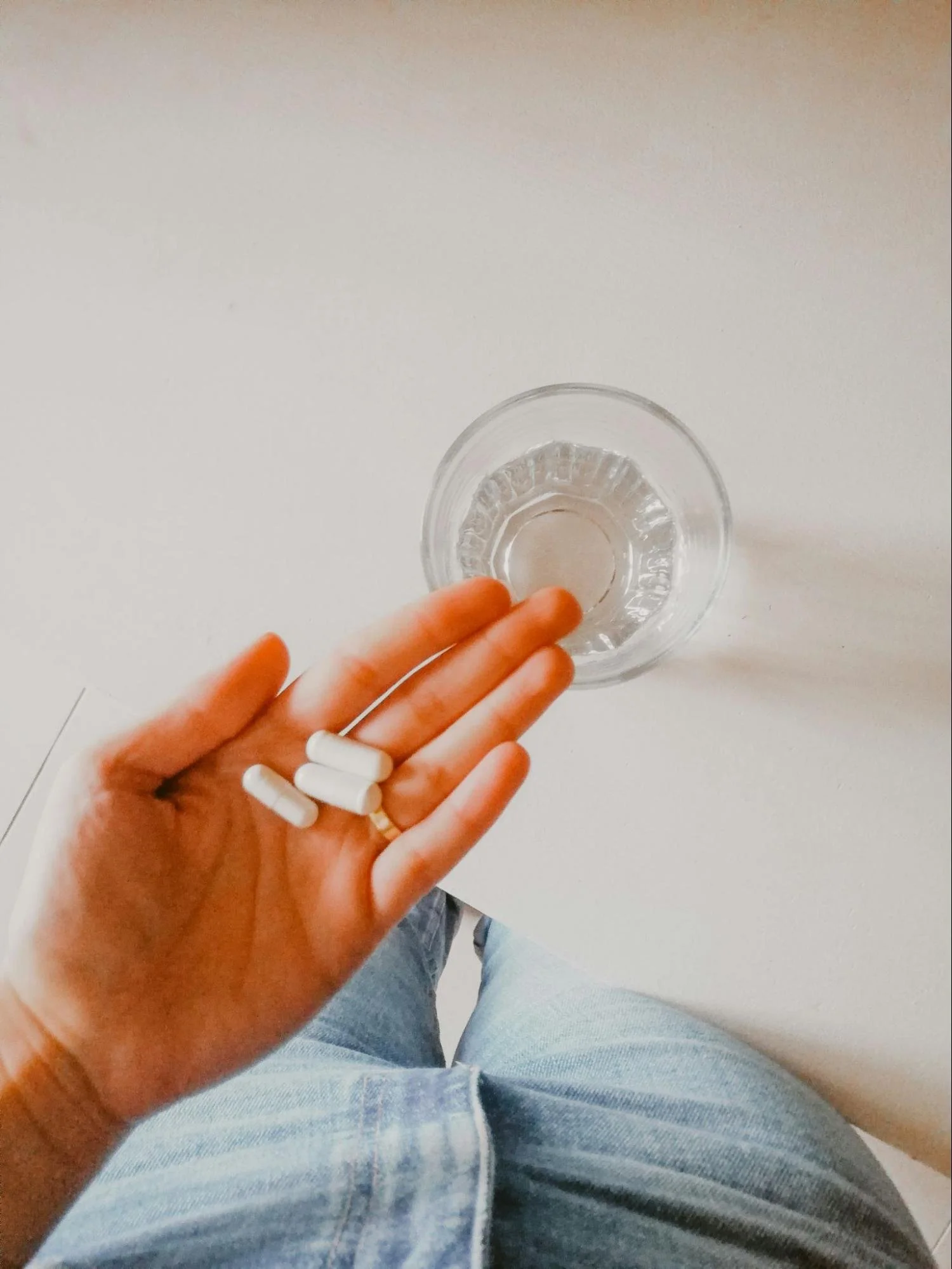
What to Ask For at Your Next Appointment If you want to know whether iron is a factor in your hair loss, here is what to specifically request from your provider. Ferritin is the most important one and the most commonly skipped. Ask for it by name because it is not automatically included in most standard panels. Serum iron and TIBC (total iron binding capacity) give useful context alongside ferritin. A complete blood count checks for full anemia. And C-reactive protein (CRP) is worth adding because it helps interpret the ferritin result accurately since inflammation can make ferritin appear higher than it actually is. The short version: ask your doctor specifically for ferritin. That one number can change the entire conversation. What Happens If Your Ferritin Is Low The encouraging thing about iron-related hair loss is that it is one of the most straightforward causes to treat once it is identified. Most patients start with iron supplementation. A few things that make a real difference in how well it works: taking it with vitamin C significantly improves absorption, while taking it with calcium or coffee significantly reduces it. Getting those details right speeds up the process. Hair takes time to respond. Most patients see shedding slow down and new growth begin to appear over three to six months as ferritin levels rebuild.Research suggests that starting treatment sooner rather than later leads to better outcomes, so if you suspect this is a factor for you, it is worth getting checked sooner. Iron Is Often One Piece of a Bigger Picture It is worth saying that iron deficiency is one of the most common things we find in our patients, but it is rarely the only thing. Thyroid issues, hormonal changes, vitamin D deficiency, and stress can all affect hair growth at the same time. Treating iron alone when multiple factors are in play tends to produce partial results at best. This is why we look at the full picture rather than checking a single number and calling it done. When we understand everything that is going on, we can build a plan that actually works. If you have been told your labs are normal but your hair is still shedding, it may be worth getting a second look from someone who specializes in this. That answer might not be as complete as you were told. Source link