
[GRAPHIC] Heather, una mujer de casi 60 años, sostiene su teléfono y su aplicación de citas muestra que alguien que le gusta quiere conocerla. Tiene una enorme sonrisa en su rostro mientras aparece un globo de diálogo que muestra su conversación. Hombre: “¿Cenamos el viernes en la noche?” Heather: “¡Es una cita!” [GRAPHIC] Heather está en su cita, ella y él están sentados juntos y él tiene su brazo sobre los hombros de Heather. Hombre: “¿Vamos a otro lugar?” Heather: “¿Tu casa o la mía?” [SUPER] Días después… [GRAPHIC] Heather y su amiga están sentadas en el sofá en la casa de Heather. Mientras conversan, ambas sostienen vasos de vino, comen bocadillos, acarician un gato, etcétera. Amiga: “¡Cuéntame cómo te fue en tu cita!” Heather: “Estuvo bien. Ya sabes, no busco nada serio. Solo deseo divertirme mientras conozco gente nueva después del divorcio. Tener citas a los 56 años ha sido una aventura”. Amiga: “¿Y qué pasó con Brad? ¿Todavía se ven?” Heather: “Nos vemos casualmente”. Amiga: “Epa, estoy viviendo todo esto a través de ti. Por cierto, ¿qué haces para protegerte? ¿Todavía tomas píldoras anticonceptivas?” Heather: “No, dejé de tomarlas hace varias semanas. Lo bueno de la menopausia es que no tienes que preocuparte de embarazarte. ¡Qué alivio!” Amiga: “¿Y cómo te proteges de ITS (infecciones de transmisión sexual)?” Heather: “Eso no me preocupa mucho”. Amiga: “No deseo desanimarte, pero puesto que soy enfermera, siento que debo decirte que las tasas de ITS están aumentando. Se duplicaron para personas de entre los 50 y 60 años en la última década”. Heather: “¿Por qué?” Amiga: “Algo de eso se debe a personas como tú, que están volviendo a salir con parejas nuevas después de un divorcio, pensando que ya no necesitan protección. Y la menopausia en sí puede hacerte más propensa a enfermarte de ITS”. Heather: “Epa, qué sorpresa. La menopausia realmente es un regalo que nunca acaba”. [GRAPHIC] Cambios vaginales, tales como la pérdida de elasticidad y sequedad, te hacen más propensa a laceraciones, lo cual hace que sea más fácil enfermarse de ITS. Amiga: “Tal vez deberías hacerte una prueba del VIH. Solo por seguridad”. Heather: “Eso me da miedo”. Amiga: “Es una simple prueba de sangre. Y no saber tu situación da más miedo, ¿no lo crees así? Heather: “Supongo que sí. Tienes razón”. [ SUPER] Puedes hacerte una prueba del VIH en: El consultorio de tu proveedor médico Un departamento de salud pública local Clínicas con pruebas del VIH Amiga: “Si tienes el VIH y recibes tratamiento, todavía podrás disfrutar de una vida larga y saludable. Pero si ignoras algo así, podría ser mortal”. Heather: “Gracias. Siempre me das buenos consejos. ¡Lo haré! Encontraré un lugar mañana. Ahora enfoquémonos en el evento principal de la noche. Veamos ‘¡El amor es ciego!’” Source link

Empower Your Flower Book Launch Announcement
Are you ready to Empower Your Flower? I can hardly believe that the time has arrived to launch the book and video course! I am sure you are sitting thinking to yourself… “it feels like I have been waiting forever!” LOL!! Hopefully you will find that it was worth the long wait. The launch will be Live on YouTube on 26th October, and of course we will have a giveaway at the live event. If you have already registered your interest in the book, you will have received an email from me with your unique code for the raffle. If you have not yet registered, just sign up and I will send out your unique code before the event. Entry for the giveaway closes midnight on 25th so make sure to register before then. The Book Is Written in Three Parts: Part One covers the knowledge needed to identify patterns in the body, mind and life that contribute to pelvic floor dysfunction. This is the foundational knowledge needed to be able to change those patterns. Part Two begins with instructions on how to do a complete self assessment which is used to help with setting goals and to choose where to start with training. The training is an eight-phase program with each phase having modules for pelvic floor (strengthening and relaxation), breathing, movement, relaxation and mind/meditation. The video course is based on this part of the book. Part Three covers symptom management and life strategies to help you to manage your pelvic floor dysfunction while you work on your empowerment. It also details the non-surgical and surgical treatments available for conditions that fall under the PFD umbrella (including incontinence, overactive bladder, POP, Pelvic Pain, Dyspareunia and vaginismus). The book will be available on Amazon with versions in color, black & white and digital. There are lots of free materials that you can access on empoweryourflower.com if you buy the book. These include full color figures (useful if you buy the black and white copy), self assessment forms, sequence sheets for the exercises, phase checkpoint forms and audio meditations. I hope you can join me for the live event! Source link
The Truth About Turmeric for Headaches and Migraine
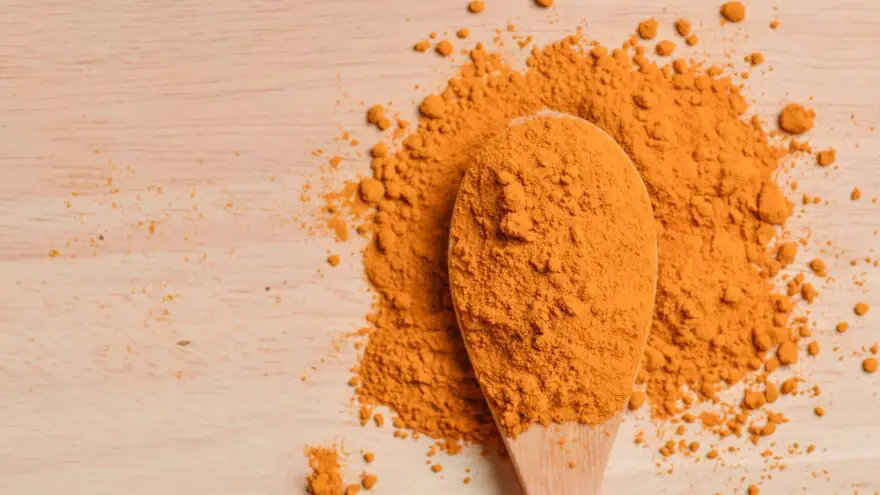
This post may contain affiliate links. Migraine Strong, as an Amazon Affiliate, makes a small percentage from qualified sales made through affiliate links at no cost to you. Turmeric is often celebrated for its powerful anti-inflammatory, anti-fungal, and pain-relieving properties—some even tout its potential cancer-fighting abilities. But can it play a role in easing headaches and especially for those living with migraine? While migraine is primarily a genetic neurological condition and not traditionally linked to inflammation, emerging research suggests there may be a neurogenic inflammatory component involved during attacks. This growing area of interest has led researchers to explore whether reducing that inflammation could help manage migraine symptoms. That’s where turmeric may come in. In this article, we’ll explore what science currently says about turmeric’s potential to support migraine and tension headache relief—and whether it could be a helpful part of your treatment strategy. While Migraine Strong writes about the latest in migraine treatments, this is not medical advice. We are patient educators and all information you read should be discussed with your doctor. Turmeric and Migraines: What You Should Know Turmeric is a flowering plant from the ginger family—and yes, it shares a lot of the same benefits as its spicy cousin. Like ginger, turmeric is often used to help manage pain and inflammation, which is why it’s becoming a popular natural remedy for migraine relief. Native to Asia, India, and Central America, turmeric is widely grown and commonly used as a spice in cooking. It has a warm, slightly bitter, and earthy flavor, and it’s best known for giving curry its vibrant golden-yellow color (and often shows up as a natural food coloring, too). But here’s the twist: while turmeric steals the spotlight, it’s actually curcumin—the active compound inside turmeric—that does the heavy lifting. Curcumin is packed with powerful anti-inflammatory and antioxidant properties, which can play a big role in easing migraine symptoms. The catch? Turmeric root only contains about 3% curcumin by weight, which means it’s tough to get enough just by sprinkling it on your dinner. That’s where curcumin supplements come in. Adding a high-quality curcumin supplement* to your routine, alongside a turmeric-rich diet, can help you tap into the full benefits—more on how to do that effectively a little later. *See our note of caution at the end of this article, but ALL supplements should be reviewed with your physician before you start. #AD How Turmeric May Help Relieve Migraine Symptoms Turmeric (and its active compound, curcumin) may support migraine relief in several key ways: Fights Inflammation NaturallyTurmeric is a powerful natural anti-inflammatory, which can help reduce chronic pain without the side effects or risks of addictive medications. Perhaps it helps with the neuroinflammation associated with migraine. (2) Reduces Oxidative StressCurcumin helps combat oxidative stress by boosting your body’s antioxidant defenses—important for anyone dealing with inflammation or chronic illness like migraine. (3) Supports Brain HealthSome studies suggest curcumin may improve cognitive function and reduce the risk of neurodegenerative diseases, offering long-term brain health benefits.(4) In another study, working memory was improved with curcumin supplementation. (9) What person living with migraine wouldn’t welcome that nice benefit? Improves Circulation and Histamine ResponseBetter blood flow means more oxygen to the brain, which may help reduce symptoms like brain fog, tinnitus, and even histamine-related reactions. (5) Is turmeric for headaches and migraine well-researched? Honestly, the study links above are not directly related to turmeric for migraine and not all of the studies are on humans. Like most supplements, research on using turmeric for migraines is pretty limited. The jury is still out on just how much turmeric can improve our symptoms. But, even if it’s simply a reduction of the number of attacks you experience each month or a reduction in the severity of symptoms you experience during an attack it’s an interesting spice to explore. There are many studies available that support turmeric’s pain fighting abilities like this one managing arthritis pain with daily turmeric use. (6.) I also came across a small Iranian study that found a reduction in frequency of migraine attacks when turmeric and omega-3 fatty acids were taken together as a daily migraine preventive. (7.) Yet another small study that showed turmeric can increase the effectiveness of naproxen. Since naproxen is my abortive of choice, I can’t wait to try this one out myself during my next painful attack. (8.) Should you consider a supplement that has only a few studies for migraine use? Many experts believe neurogenic inflammation plays a role in migraine disease. Over the counter anti-inflammatory NSAIDS like naproxen and ibuprofen are used very successfully to treat migraine attacks. So with its anti-inflammatory benefit, it’s not that big of a jump to consider turmeric for the management of migraine pain even with little research supporting it. Especially for those who are looking for natural migraine relief. This makes me think of Dr. Geppetti’s talk on multi-modal treatment approach at the 2019 Migraine World Summit. In his talk he stated that because most of us have migraine for many years, we should try everything reasonable to gain control over our symptoms. Not necessarily everything proven or well-studied but, everything rational. Personally, I consider it reasonable to try a supplement with so many health benefits standing behind it. In a recently published must-read book by Dr. Alexander Mauskop, prominent headache specialist, founder and director of NY Headache Center, specifically discusses curcumin as one of the “150 Ways to Stop Your Pain.” He uses it himself for the potential cognitive benefits. I have personally supplemented with turmeric for many years and believe it helps gently calm down my inflammatory response, soothing my pain and reducing dizziness and ear symptoms related to vestibular migraine. One thing I’ve learned when it comes to managing migraine symptoms is to stick with what works even if no one else is talking about it or doing it. Continue what’s effective and rewarding for you personally. If it works, I keep going! Logically it just makes sense to
Let’s talk about sex (and IBD)
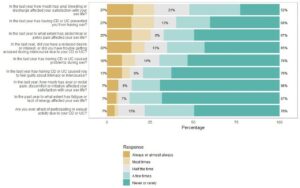
Sexual dysfunction is common amongst inflammatory bowel disease (IBD) patients, particularly in the presence of active disease. The prevalence is very high, 45%–60% of women and 15%–25% of men1. Reflecting on my own practice, I do not routinely ask patients about how IBD may affect their sex life and vice versa. However, this aspect is clearly an important part of maintaining a good quality of life in the same way as compliance with medications or even psychological effects of IBD. How can we better help our patients with this? Elford et al conducted an online cross-sectional survey to patients from Royal Melbourne Hospital and included all patients from 18-85 with a confirmed diagnosis of IBD. A summary of the responses can be seen below which are taken directly from the paper (figure 1). The results that struck me the most is that a significant proportion of patients had experienced some form of effect to their sex life. This was more commonly seen with those with a diagnosis of Crohn’s disease and those suffering with active disease. Alongside this, the authors found that the majority of patients would like to be linked to their sexual health services if this was available. Figure 1: Likert scale answers on participant’s experience on sexual dysfunction and its relationship to IBD These results should support us as clinicians to ask these questions in our consultations much more freely. We also should be looking at how sexual health services can be better integrated to provide holistic care for these patients as part of their IBD care. This is also supported by the fact that the authors found that only a minority of patients would seek this help themselves. This is intrinsically linked to psychological health and we have a responsibility to not only help keep their disease under control but to keep them well holistically. I have certainly reflected on this and need to ensure we ask these questions and help patients realise that sexual dysfunction is not normal just because they have inflammatory bowel disease. In the words of the authors: “sexual dysfunction is underserved”. References Mikocka‐Walus A, Massuger W, Knowles SR, et al. Psychological distress is highly prevalent in inflammatory bowel disease: A survey of psychological needs and attitudes. JGH Open 2020;4:166–71. doi:10.1002/jgh3.12236 (Visited 236 times, 1 visits today) Source link

Pain Treatment Centers of America
Preventing Winter Falls: Balance and Strength Training Tailored for Cold Weather Challenges By Bob Berendsen • January 15, 2026 Winter, widely considered the season of comfort, is the time for indoor relaxation and quiet contemplation. However, winter also brings with it some very real dangers, including cold, dark, and slippery surfaces. For older adults or those dealing with chronic pain, a small slip on these surfaces can lead to serious injuries that take months to heal. The good news? You can train your body to handle these challenges. Let’s explore some simple, safe exercises you or your loved ones can do from the comfort of your home to build your winter-proof stability. Why Winter Increases the Risk of Falls Cold weather brings more than just chilly air. It changes the way we move, how our muscles respond, and even how we think about walking. When it’s icy, people tend to tense up, take shorter steps, and look down more often. Muscles also get tighter in the cold, which reduces flexibility. Plus, all those bulky layers of clothes mess with your center of gravity and limit how quickly you can react if you start to lose your balance. Your boots might be waterproof and warm, but they’re probably not giving you the ankle support or ground feel you’d get from your regular shoes. Then there’s the simple fact that many of us move less in winter. Maybe you skip your daily walks when it’s freezing, or you stop going to that exercise class because driving feels too risky. But here’s the catch: the less you move, the weaker you get, and the weaker you get, the more likely you are to fall. Building a Foundation To prevent this, you simply need to work on two main things: balance and strength. Physical therapy and balance-focused exercises train your muscles, joints, and nervous system to respond faster and more effectively when something throws you off. Balance Training Balance isn’t just about standing still without wobbling. It’s about how your body reacts when something throws it off center. When you step on ice, for example, your brain and muscles have to communicate in an instant to keep you upright. If that connection is slow or weak, you’re more likely to fall. Some simple ways to train your balance include: ● Single Leg Stands : Stand near a sturdy surface like a countertop or wall for support. Lift one foot slightly off the ground and hold that position for 10–15 seconds. Then switch sides. At first, you might wobble, but that’s perfectly normal. Over time, your legs, ankles, and core muscles will get stronger, and your balance will improve. Try doing 3 rounds on each leg daily. ● Heel-to-Toe Walk: Imagine you’re walking on a tightrope. Place one foot directly in front of the other, heel touching toe, as you move slowly across the room. This simple drill strengthens your stabilizing muscles and sharpens coordination. Keep your eyes forward, not down, and use a wall for light support if needed. ● Side Leg Raises: Hold onto a sturdy chair or counter. Lift one leg out to the side while keeping your back straight and your toes facing forward. Lower it slowly and repeat. This exercise builds hip strength, which plays a big role in staying upright on slippery ground. ● Weight Shifts: Stand with your feet hip-width apart and shift your weight from one leg to the other slowly. Feel your balance change from left to right. This gentle exercise teaches your body to adjust quickly. Strength Training Balance and strength go hand in hand. When your muscles are strong, they act like shock absorbers, keeping you stable even when your footing isn’t perfect. Focus on the muscles that support your posture and help you move safely. Here are a few simple exercises to include in your daily routine: ● Chair Squats: Sit down and stand up from a sturdy chair without using your hands for support. Keep your feet flat on the floor and your knees aligned with your toes. This move strengthens your thighs, hips, and glutes—key muscles for stability and control. ● Heel Raises: Stand behind a chair or counter and slowly lift your heels so you’re standing on your toes. Lower back down after holding for a few seconds. This helps strengthen your calves and ankles, improving the small muscle reactions that keep you upright when you slip. ● March in Place: Lift your knees high as if you’re marching. Do this for one to two minutes, rest, and repeat. Marching builds leg endurance and helps train your coordination. ● Core Squeezes: While sitting or standing, tighten your stomach muscles as if you’re zipping up a snug jacket. Hold for 10 seconds, then release. A strong core helps your upper and lower body work together to keep you balanced. These movements may look simple, but they’re powerful. Doing them for just 10–15 minutes a day can make winter walks safer and less stressful. Warming Up Before You Head Outdoors Cold weather tightens muscles and slows blood flow, making your body less responsive. That’s why warming up before heading outside is so important. Think of it as insurance against sudden slips. Try a short warm-up routine before stepping out: ● Arm circles to loosen shoulders. ● Gentle knee bends to wake up leg muscles. ● Shoulder rolls and neck stretches to improve mobility. ● A quick indoor walk or stair climb to raise your heart rate slightly. It’s also wise to check your footwear. Look for rubber soles with deep treads for better traction. Avoid smooth or worn-out shoes, and consider ice grips that attach to your boots if you live in a particularly snowy area. Winter doesn’t have to be a season of fear. By investing just 10-15 minutes a day in these simple, safe exercises, you can build the strength and confidence you need to navigate the season safely. You are giving your body the tools it needs to
Heather Gets an HIV Test
[SUPER] Later that week… [GRAPHIC] Heather and her friend are sitting on the couch at Heather’s house. Throughout the conversation, they are both holding glasses of wine, eating snacks, petting a cat, etc. Friend: “So tell me about the date!” Heather: “It was alright. You know me, I’m not looking for anything serious. Just having fun getting back out there since the divorce. Dating at 56 has been an adventure so far.” Friend: “And what about Brad? Are you still seeing him?” Heather: “Casually.” Friend: “Wow, I’m totally living vicariously through you. By the way, what are you doing for protection? Are you still on the pill?” Heather: “No, I got off that a few weeks ago. One good thing about menopause is that you don’t have to worry about getting pregnant. Whew!” Friend: “But what about STIs?” Heather: “I’m not too worried.” Friend: “Not to put a chill on Netflix and chill, but since I’m a nurse, I feel like I need to tell you that STIs are actually on the rise. They’ve doubled in people in their mid-50s and older in the last decade.” Heather: “Really? Why?” Friend: “Some of it is from people like you, who are getting back out there with new partners after a divorce, thinking they no longer need protection. And menopause itself can make you more likely to get STIs.” Heather: “Oh, wow. Menopause really is the gift that keeps on giving.” [GRAPHIC] Changes in the vagina, like loss of elasticity and dryness, make you more prone to tearing, which makes it easier to get STIs. Friend: “Maybe you should get an HIV test. Just to be safe.” Heather: “That sounds scary.” Friend: “It’s really just a simple blood test. And not knowing is a lot scarier though, right? Heather: “I guess. Yeah.” [ SUPER] You can get an HIV test at: Your healthcare provider’s office Local health departments HIV testing clinics Friend: “If you have HIV and you get treated, you can still live a long, healthy life. But if you ignore something like that, it can be life-threatening.” Heather: “Thanks. You always give me good advice. I’ll do it! I’ll find a place tomorrow. Now let’s get to the main event of the evening. Turn on “Love Is Blind!” Source link

69 Sex Positions You Need to Try
If you purchase an independently reviewed product or service through a link on our website, SheKnows may receive an affiliate commission. No shade at your tried-and-true sex positions—after all, hopefully, they’ve become faves for good reasons, like consistent climax and connection. The thing is, with so many pleasurable sexual configurations to try, there’s really no good reason not to branch out while you bone. Not to mention, trying new sex positions can help stoke the so-called sexual flames, keeping things hot-hot-hot even as the months and years go on. Of course, things like new sex toys (our personal favorite is LELO’s award-winning Enigma Double Sonic) can help heat things up too. There are plenty of ways to make sure that no two nights in are exactly the same, whether you’re playing solo or with a partner or two. Sometimes all it takes is a brand-spanking-new position to get the party started and to reignite some important conversations about what feels best in the act. (And remember, it’s okay if those things change or if you just want to test something out!) We also know you’re busy and probs don’t want to waste precious time researching impossible pretzel-like contortions. That’s why we asked queer sex educator and sex journalist Gabrielle Kassel to share the best sex positions for reigniting the spark, whether you’re playing solo or with a partner or two. Read on for a compilation of 69 (nice) sexpert-based sex positions we think you should try ASAP. A version of this story was originally published in July 2016. Pin it! Image Credit: Adobe Stock/New Africa Pin now, try them out later! Classic Sex Positions Modified Coital-Alignment Technique Image Credit: Ashley Britton/SheKnows Essentially an upgraded version of missionary, the Coital Alignment Technique position (aka CAT) is a face-to-face position that involves the penetrating partner moving up and down rather than in and out. For this elevated variation, the receiving partner lays on their back. Then, the penetrating partner enters from above. The key word here? Above. The penetrating partner needs to shift their weight forward so that their penis or dildo presses all along the external vulva rather than going right for the glory holes. Why It’s Great: Once in position, the penetrator should avoid thrusting and instead focus on moving their hips in circles. This simultaneously massages the internal erogenous zones in the vagina (like the G-spot) as well the clitoral glans. Meanwhile, the receiving partner should experiment with tilting their hips at various angles, as well as wrapping their legs around their lover’s back. Doggy Style Image Credit: Ashley Britton/SheKnows As far as rear-entry sex positions go, doggy style is top dog. For this classic, the receiving partner gets on all fours while the penetrating partner stands or kneels behind them and goes to town. From here, the receiving partner can ‘cat-cow’ their pelvis to facilitate pressure against their most sensitive hot-spots, while the penetrating partner can use their hands to grip, grab, or grope to their heart’s content. Why It’s Great: On the physical front, the doggy style allows for easy to the G-spot (shallow penetration) or A-spot (deeper penetration), depending on the exact angle. Plus, the receiving partner is perfectly positioned to stimulate their clit with their hand or vibe. Meanwhile, emotionally and mentally, the bestial position can be arousing because it often feels more intense and less restrained. Not to mention, there are a lot of modifications to give the giver and receiver something they’ll enjoy, such as anal doggy, flat doggy, and wheelbarrow. Pushing Tush Image Credit: Ashley Britton/SheKnows Butt-lovers rejoice! The Pushing Tush, sometimes known as rear-entry missionary, is a sex position that makes the back door the star of the show. You’ll assume the missionary position, but rather than the vagina being the point of entry, the anus will be. To facilitate the angle of entry, the bottom partner should put a sex pillow under their hips. Alternatively, the bottom can plant their feet into the mattress and then actively tilt their hips up and press their spine into the ground, which will open the anal canal. In case it needs to be said, lube is an absolute must here. The anal canal is never self-lubricating in the way the vagina often is. So, to reduce uncomfortable friction and facilitate that feel-good slide-and-glide, you’ll want to lather the insertive body part or toy with lubricant and use a lube shooter to coat the inner canal. Why It’s Great: This is a solid choice if either partner has expressed interest in playing around with anal penetration in an intimate way. A suitable position for both anal with a penis and dildo (aka pegging), this face-to-face position allows the penetrating partner to read their partner’s facial cues for additional insight on comfort. If both partners want to enjoy anal penetration at the same time, consider having the top partner plop in a vibrating butt plug or prostate massager ahead of entry. Rocking Horse Image Credit: Ashley Britton/SheKnows The Rocking Horse will become your new fave for G-spot stimulation and intimate eye-contact. In this position, the receiving partner sits between the penetrating partner’s legs, with the receiving partner’s legs just short of wrapped around them (but you can modify for that if you want to go full Koala!). Why It’s Great: With Rocking Horse, both partners rock into each other, which gives you a lot of room to control the depth of penetration while also holding each other super close. It can be as gentle or as sexy (or a combo of both!) as you like. Seated Scissors Image Credit: Ashley Britton/SheKnows Think of seated scissors as a play on reverse cowgirl — and we mean play, because this position is a fun one. The penetrating partner lies on their back with one leg bent while the receiving partner gets on top, straddling their bent leg and arranging their legs however feels comfortable. There’s plenty of support up top and lots of room for both partners to
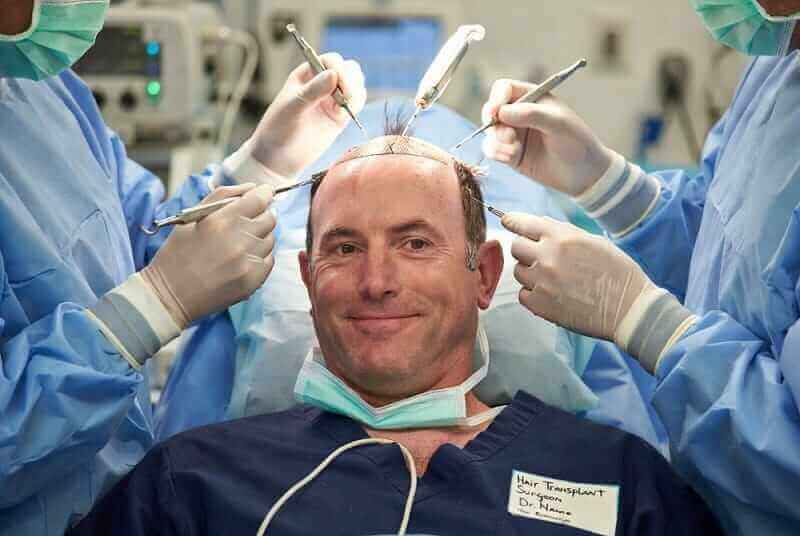
Hair Transplant Surgeons who also had Hair Transplants
A hair transplant surgeon getting a hair transplant. Far more common than you would expect. Around 25 years ago, I started bookmarking hair transplant surgeon websites if it was mentioned that the surgeon had also undergone a hair transplant himself. Later on, I wrote this post in 2014 and am now republishing it in case anyone has any updates. I only include names of relatively well known hair transplant focused surgeons who mention their own surgery on their website. I find it reassuring that there are so many hair transplant surgeons who have also had hair transplants themselves. Especially when they get the procedure at their own clinic, often at the hands of a partner. It shows that they have confidence in the process, the final results and in their own staff’s skills. Some of them also mention their own traumatic hair loss at a very young age being the reason for their passion in this field. A select few of these surgeons have before and after photos on their sites as evidence. Some only briefly point out the fact in their webpage text. Some used to mention their own hair transplant experiences, but later on removed the information during site updates. As is the case with hair restoration surgery patients, many surgeons likely prefer not posting personal before and after photos online. Or they might add but later remove such photos if they have had continuing major hair loss in the years after surgery. I would not be surprised if at least one-half of balding hair transplant surgeons in the world had not tested at least a small-scale procedure on their own scalp. Hair Transplant Surgeons who had Hair Transplants Themselves Dr. Edward Ball — On his site, it says that Dr. Ball underwent an FUE hair restoration procedure using the ARTAS® Robotic System. Dr. David Perez-Meza — Confirmed to me on Twitter. He had four strip (FUT) hair transplant surgeries between 1998 and 2007. Dr. Ken Williams — Per his website, he is the recipient of five FUE surgeries since 2009. He had over 10,000 grafts transplanted into his Norwood 5-6 hair loss pattern. Dr. Michael Beehner — There used to be some great before and after pictures on his site, but he might have retired now. Dr. Christopher Pawlinga — On his old site, it mentioned that his partner at the time (Dr. Beehner) did his hair transplant in 1994. Dr. Bradley Wolf — Was operated upon by the well known and highly respected surgeon Dr. Ron Shapiro. Dr. Wolf told me this when I met him once. Unfortunately, his website no longer has the before and after photos that it used to have. Dr. John Satino — He mentioned this to me over the phone and you can read more about this interesting personality in my post on PRP and hair darkening. He had a number of scalp reductions and hair transplants decades ago from the famous Dr. Constantine Chambers. Prior to his demise at the age of 80 in 2025, Dr. Satino still had great hair. Dr. Robert Jones — One of the case studies on his old homepage entailed his own hair transplant. He also wrote some interesting blog posts related to his own hair restoration procedures. This well known Toronto-based surgeon now seems to be retired. Dr. Gary Hitzig — His old site used to have that information. It seems like he no longer has a website and might have retired. Dr. Matt Leavitt — Founder of MHR (now merged with Bosley). His old site used to have his before and after photos. Dr. John Gillespie — This Calgary-based surgeon used to mention it on his old site, but he is now retired. Dr. Richard Rogers — Used to mention it. Dr. Alan Feller — His old site used to have that information. Dr. Robert Haber — I met him once and he told me that he had a hair transplant in the past. Dr. Robert Dorin — His partner Dr. Robert True performed his hair transplant. Dr. William Rassman — On his now defunct blog, he wrote a post describing his own crown hair transplant. Dr. Jerry Cooley — I think his old site used to have that info based on my bookmark. Dr. Brian Goertz — I met him in person once to get a Proscar prescription and he showed me his before and after photos. Now retired. Dr. Dan McGrath — Mentions it on his site. Dr. William Yates — His own hair transplant made a big difference in his confidence and life per his old site. A rare testimonial from an African American who hated his hair loss. He also got some beard hair to head transplants from Dr. John Cole. Dr. William Reed — Mentions that he got two hair transplantation procedures in 1994. Dr. Marc Dauer — I think his old site used to have that info based on my bookmark. Dr. Raghu Reddy — Has an excellent write-up with photos of his own experience with hair loss: a bad first hair transplant (including shock loss); and later on a good second FUE hair transplant by his own technician. Dr. Ken Washenik — Mentioned in the linked wired.com article. He is among the five most cited hair loss spokespersons in the world. Dr. Bessam Farjo — Scroll down the page for his thoughts on his unsuccessful hair transplants with old technology. Dr. Alan Bauman’s Father — Dr. Bauman might never need a hair transplant himself, but he did operate on his father with great results. Link no longer works so I remove it. Dr. Paul Spano — Mentioned it on an older site. Dr. Bernard Arocha — Mentioned on his site. Dr. Robert Leonard — In August 2014, after I wrote this post, Dr. Leonard posted photos on Twitter of his hair transplant. His partner Dr. Matthew Lopresti performed an FUE hair transplant on him using the ARTAS robot. Dr. Michael Vories — Mentions that he was a hair transplant patient prior to becoming a surgeon. Dr. Paul

The Migraine Trust joins leading organisations to shape government’s Keep Britain Working initiative
The Migraine Trust, alongside over 150 other employers, is working with the government to tackle ill-health that pushes many people with long-term health conditions and disabilities, like migraine, out of work. This group of organisations, called Vanguards, includes some of the biggest employers in the country, healthcare providers, mayoral authorities, and charities like The Migraine Trust. It has been assembled by the government as part of its Keep Britain Working programme following the publication of the Keep Britain Working Review in November 2025. The Vanguards will work with the government to help reshape how health issues and disabilities are managed in the workplace. They will contribute to the development of practical, scalable solutions across several aspects of the ‘healthy working lifecycle’, including improving disability inclusion, acting early to prevent deteriorating health at work and supporting employees to remain and return to work. The Migraine Trust is looking forward to working with the government and fellow employer Vanguards to ensure that the workplace needs of people living with migraine are represented. 33% had to leave their job altogether due to the impact of migraine We know from our research that many of the one in seven people living with migraine have experienced a significant impact on their employment because of the condition. Research we conducted in 2023 highlighted that a staggering 29% of people with migraine said they had needed to move from full-time to part-time work because of migraine, while 33% had to leave their job altogether. Employers have an important role to play in ensuring people with migraine are supported to stay in, and thrive at, work. According to our 2025 survey of people with migraine, only 2% of respondents strongly agreed that their workplace had migraine-friendly policies. Often, simple and straightforward changes in the workplace can make a big difference for people with migraine. Whether you are an employer, a colleague of someone with migraine, or you live with migraine yourself, our workplace hub has lots of resources and support, including details on how to book a migraine training session for your workplace. Source link
AI uses routine data to create biomarker for pancreatic cancer
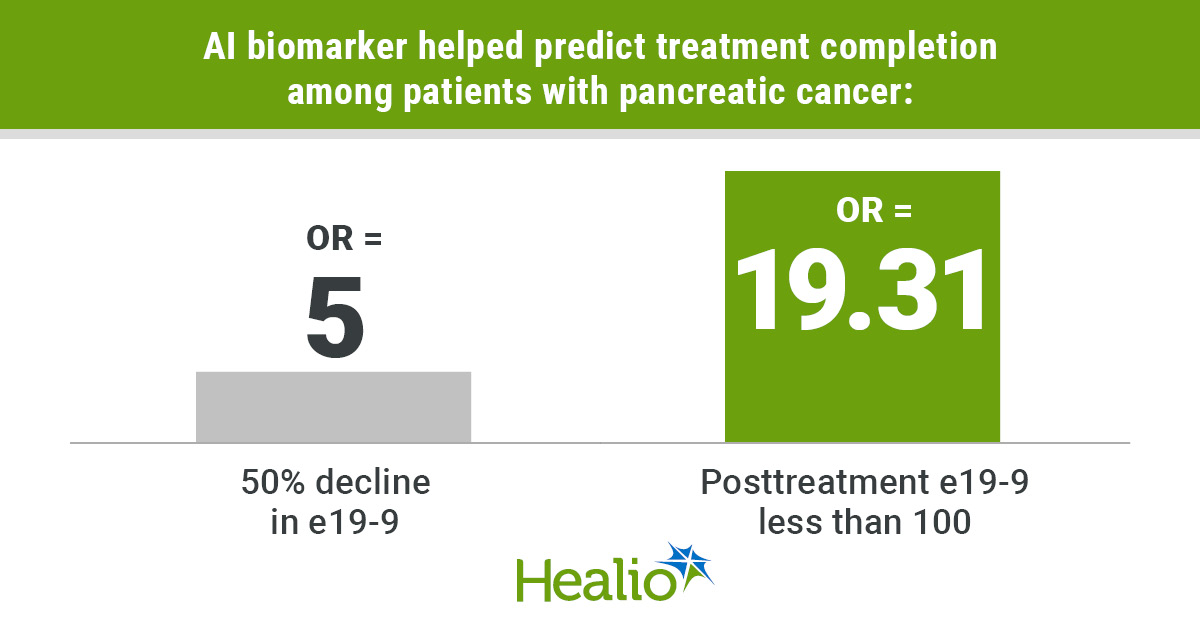
Add topic to email alerts Receive an email when new articles are posted on Please provide your email address to receive an email when new articles are posted on . “ data-action=”subscribe”> Subscribe We were unable to process your request. Please try again later. If you continue to have this issue please contact customerservice@slackinc.com. Back to Healio Key takeaways: About a third of patients do not have a biomarker used to track treatment progress in pancreatic cancer. An AI biomarker derived from routinely collected data predicted treatment completion and survival. Approximately a third of patients with pancreatic ductal adenocarcinoma do not have elevated or detectable levels of a biomarker commonly used to measure response to therapy. An AI tumor marker derived from routinely collected data could provide prognostic information on treatment completion and survival similar to that seen in patients who have measurable cancer antigen 19-9 (CA19-9). Data derived from Thalji SZ, et al. JAMA Surg. 2026;doi:10.1001/jamasurg.2026.0291. Anai N. Kothari “This behaves just like CA19-9 does clinically,” Anai N. Kothari, MD, MS, assistant professor of surgical oncology at Medical College of Wisconsin, told Healio. “It tracks response, predicts outcomes and can help guide treatment decisions. This really is a step forward using AI, not just to predict outcomes, but to fill in some critical gaps in clinical care using data we already have.” ‘A big gap’ Pancreatic ductal adenocarcinoma (PDAC) tumors can exhibit significant changes on imaging, so clinicians use biomarker CA19-9, a serum blood value, to measure response to therapy and make prognostic assessments, according to study background. However, about 30% of patients with PDAC do not produce elevated levels of CA19-9, including 10% who do not have any detectable CA19-9. “There’s no high-quality biomarker in that patient population to follow,” Kothari said. “Instead, [clinicians use] a lot of intermittent screening tests, imaging that ends up being costly and challenging for the patients to do. They may miss an opportunity to change treatment in someone who’s not responding. This is a big gap that needed to be filled.” Kothari and colleagues investigated whether AI could use other common laboratory data routinely collected along with CA19-9 to find a surrogate biomarker, which they called electronic CA19-9 (e19-9). They trained the model on 3,239 patients with PDAC and elevated C19-9. The cohort had a combined 21,555 unique CA19-9 values. Researchers then conducted external validation on 4,384 similar patients with 16,487 unique CA19-9 values. Finally, they tested the model on 121 patients with localized PDAC (median age, 65 years; interquartile range, 14; 51% men; 89% white) who did not have elevated CA19-9 (less than 35 U/mL). Completion of all neoadjuvant treatment and surgery, metastatic progression and OS served as primary endpoints. ‘Highly usable tool’ Overall, 77% of patients in the test cohort completed neoadjuvant therapy, including surgery. Individuals who finished treatment had similar e19-9 values before therapy as those who did not complete treatment (median, 121 vs. 134.1). Kothari and colleagues found patients who had at least a 50% decline in e19-9 during treatment had a significantly higher likelihood of finishing (OR = 5; 95% CI, 1.6-15.66). Additionally, patients who had posttreatment e19-9 levels less than 100 had nearly 20 times the likelihood of completing therapy, including surgery (OR = 19.31; 95% CI, 5.8-64.26). Metastatic progression occurred significantly less in patients who had any decline in e19-9 (47% vs. 80%; P = .01), those who had a 50% decrease (24% vs. 56%; P = .01), and those with levels less than 100 (29% vs. 80%; P < .001). OS significantly increased among patients who had any decline in e19-9 (median, 49 months vs. 22 months; P = .03), those with a 50% reduction (median, 53 months vs. 32 months; P = .007), and those with posttreatment levels less than 100 (median, 60 months vs. 16 months; P < .001). E19-9 less than 100 had a significant association with improved OS (HR = 0.49; 95% CI, 0.25-0.97). “This is a highly usable tool, and it sets the stage for a lot more innovation and impact by using AI the right and responsible way,” Kothari said. “Before, for this 30% of patients who have pancreas cancer, we didn’t have a reliable way of making these estimates over time. Now, the data show we have a biomarker for that 30%. We have something that can guide treatment decision-making, to look at things over the course of their therapy, and to be able to give them some idea of the probability that they would make it to surgery, or what their survival could look like.” Researchers acknowledged study limitations, including e19-9 being based on a predictive model. Kothari noted the importance of further prospective analysis at different institutions. He also highlighted the impact this could have on other malignancies. “Why stop at pancreas cancer?” he asked. “We know that tumor biomarkers are important parts of other cancers, and similar to the problem in pancreas cancer, there’s a subset of patients who don’t have a meaningful ability to use that biomarker. There are other populations we can help with this same methodology. The key is that we’re not drawing any new information, new labs. We’re just using the data we already have to be able to provide this information.” This is the benefit AI can provide. “I’ve been studying artificial intelligence for over a decade,” Kothari said. “There’s always this promise that AI was going to identify information that the human eye could not see. For an individual patient with cancer, we now gather up to a million data points as part of their treatment. We can use AI to see patterns, then augment that with our human expertise to improve not just cancer outcomes, but health outcomes overall. Instead of treating everyone exactly the same, we really are homing in on what’s personal and unique about that individual.” For more information: Anai N. Kothari, MD, MS, can be reached at akothari@mcw.edu. Published by: