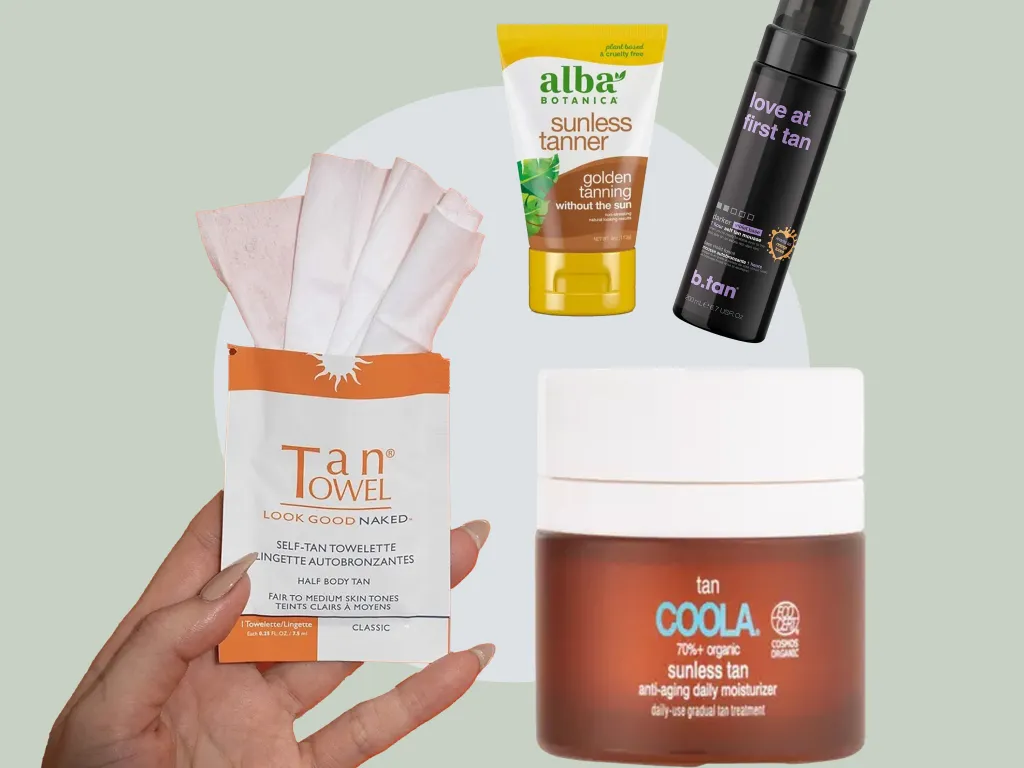
If you purchase an independently reviewed product or service through a link on our website, SheKnows may receive an affiliate commission. For many of us, summer presents an opportunity to soak in as much sunshine as possible. But if you’re pregnant, doctors say you should try to stay out of the direct sun as much as possible, particularly in the first trimester, as too much sun can decrease the amount of the crucial pregnancy nutrient folic acid, according to Northwestern Medicine. But the good news is you don’t have to give up your sunkissed glow just because you’re expecting. In addition to applying a great pregnancy-safe SPF from head to toe every day, make a pregnancy-safe self-tanner or tinted moisturizer your go-to product for getting bronzy, no sun required. Spoiler alert: not all self-tanners are safe to use during pregnancy, though. We asked a dermatologist and an OB/GYN to give us some pointers. Related story Cool Moms Are Finding Their Go-To Beach Bags at This Unexpected Place This Summer—& They’re All Under $40 Best (and Safest) Self Tanners for Pregnancy, at a Glance Best Overall: Tanologist Daily Glow Hydrating Lotion, $15Best Runner Up: Isle of Paradise Self-Tanning Drops, $22 (originally $30)Most Popular: Lux Unfiltered N°32 Hydrating Gradual Self Tanning Lotion, $38Best Foam: b.tan Love at First Tan, $12Best Mousse: Jergens Natural Glow Instant Sun Sunless Tanning Moisturizer + Bronzer, $12 (originally $13)Best Body Lotion: Alba Botanica Sunless Tanner, $17Best for a Dark Tan: Beauty By Earth Self Tanner Tanning Lotion, $36Best Serum: Whind Marrakech Sun Instant Glow Tanning Water, $35Best Face Moisturizer: Coola Organic Sunless Tan Anti-Aging Daily Moisturizer, $48Best Towelette: Tan Towel Self Tan Towelette, $30 (originally $35) Is Self-Tanner Safe During Pregnancy? Many self-tanners are safe to use during pregnancy, but not all. Two factors will determine whether a self-tanner passes the pregnancy test: its packaging and the ingredients on the label. “I do not recommend using any aerosol versions of self-tanners,” says board-certified dermatologist Dr. Rachel Nazarian to SheKnows. “Stick to the lotions, creams and drops. Aerosolized versions can leave droplets of these ingredients in the air that are irritating and potentially toxic to lung tissue.” It’s important to read the ingredients on the label. The active ingredient in most sunless tanning products that enhances the pigment by dying the surface layer of the skin is dihydroxyacetone, or DHA, which, thankfully, is minimally toxic. “The concentration of this active ingredient ranges depending on the product,” says Nazarian. “Typically, this ingredient can range from between 1 to 15 percent in self tanners, and thankfully studies have been done that have shown that systemic absorption of this ingredient is minimal. It stains the top layers of skin cells, and doesn’t have significant penetration into deeper layers of skin or [the bloodstream].” “While there are no studies to prove the safety of DHA in pregnancy, DHA has been used in cosmetics since the 1960s with no reported problems,” confirms Dr. Kelly Culwell, MD, Board Certified OB/GYN, also known as ‘Dr. Lady Doctor.’ “When used topically (on the skin), minimal DHA is absorbed and likely even less (if any) could make it through the placenta.” Of course, it’s totally up to you how safe you want to play it: If you’re still uncomfy with the idea of using products with DHA, skip it. What Ingredients to Avoid in Self-Tanner When Pregnant, According to Experts So what should you avoid in a pregnancy-safe self-tanner? It’s okay if the product contains DHA, but it is smart to look for plant-based or organic products, because those should have fewer chemical additives — you should always try to avoid chemicals including parabens, phthalates, and formaldehyde during pregnancy to cut back on your risk of birth defects or preterm birth. Just make sure the label says “paraben-free” or “pregnancy-safe” before you buy a self-tanner. And the shorter the list of ingredients, the better! “Other ingredients to avoid in pregnancy include formaldehyde and oxybenzone, which either don’t have enough information to prove that they’re safe, or have some evidence to suggest they are harmful during pregnancy (hormone disrupters),” says Dr. Nazarian. Taking all of that into consideration, you’re left with plenty of options for sunless tanners that are pregnancy-safe: Some lather on like a lotion, while others can be applied in a thicker foam or drops on the skin. Remember to exfoliate and moisturize before using any self-tanner to ensure even coverage. Check out our top picks below. Happy bronzing! Our mission at SheKnows is to empower and inspire women, and we only feature products we think you’ll love as much as we do. CVS is a SheKnows sponsor, however, all products in this article were independently selected by our editors. Please note that if you purchase something by clicking on a link within this story, we may receive a small commission of the sale. Best oVERALL Tanologist Daily Glow Hydrating Lotion If you’re pregnant and looking for a sun-kissed glow without spending hours in the sun, the Tanologist Daily Glow Hydrating Lotion is a popular option worth considering. The gradual self-tanning moisturizer is designed to build a natural-looking tan over time while simultaneously hydrating the skin, making it an easy addition to an everyday body-care routine. Unlike some self-tanners that can feel drying or leave behind streaks, this formula is infused with moisturizing ingredients to help keep skin feeling soft and smooth. It contains hydrating ingredients such as glycerin and skin-conditioning squalane, while remaining free from mineral oil, parabens, and other ingredients experts recommend avoiding during pregnancy. Product type: LotionKey ingredients:Hyaluronic acidSqualaneBeta glucanFragrance: Soft summer scent Pros:Includes hydrating ingredientsBeginner-friendlyDoubles as a body lotionCons:Results aren’t instantMay not show up as quickly on deeper skin tones Best Runner Up Isle of Paradise Self-Tanning Drops If the thought of applying a traditional self-tanner feels intimidating, the Isle of Paradise Self-Tanning Drops offer a more customizable approach. Designed to be mixed directly into your favorite moisturizer, serum, or body lotion, the drops let you control the depth of your glow by simply adjusting

Poor Sleep in Childhood May Lead to Depression as a Teen, Study Finds
We know sleep is intimately connected with mental health. It turns out, they start intertwining earlier than we might’ve imagined. A new study from the University of Birmingham analyzed data from over 15,500 children and found that children who experienced “persistent shorter sleep” from 6 months to 7 years old were about twice as likely to develop symptoms of depression between ages 13 and 22. While the study was large, researchers emphasized that the subset of children experiencing these sleep issues represented just 2 percent of the overall study. “A doubling of odds might sound like a lot,” lead study author Dr. Isabel Morales-Muñoz said in a press release, “but we saw that persistent sleep issues only affected a small number of children who took part in the study and that there was still only a small percentage of children who went onto experience persistent depressive symptoms.” Related story These Are All the Countries With or Considering Social Media Bans for Teens. One Is Glaringly Absent. Still, the connection was noteworthy, especially because sleep is considered a modifiable risk factor for depression—meaning that you can address it early, often without medical intervention, and improve your kids’ odds. The study found that the average sleep time for children ages 6 months to 7 years was about 11 hours, with more variation among younger kids. They defined “persistently shorter sleep” during this period as 9 to 9.5 hours. It’s also worth noting that inflammation may play a role in the link between childhood sleep and depression, the researchers say. “The findings suggest that chronic poor sleep may contribute to long-term mental health difficulties through biological pathways including inflammation,” study co-author Dr. Rebekah Amos said in the press release. The good news? Improving sleep can disrupt this effect and improve a child’s chance of better mental health. So how can you help your child get better sleep? It starts with earlier and consistent bedtimes, researchers say — and better sleep hygiene habits, too. That includes reducing screen time before bed and promoting a sleep environment that’s calm, quiet, and peaceful. It also helps if your child gets plenty of physical activity during the day to tire them out. Researchers noted, though, that access to good sleep conditions aren’t always equal or possible. Housing, income, and neighborhood environments are big factors in children’s sleep quality that aren’t so easy to control. Still, knowing the factors that go into a good night’s rest — and about how much sleep kids should be getting — is a good start. “Sleep is also an element of childhood that is possible to improve without needing medical interventions,” Dr. Morales-Muñoz said, “and efforts to address persistent poor sleep during childhood will have a host of benefits including addressing any potential mental health risks.” Source link
Vivir con urticaria crónica espontánea
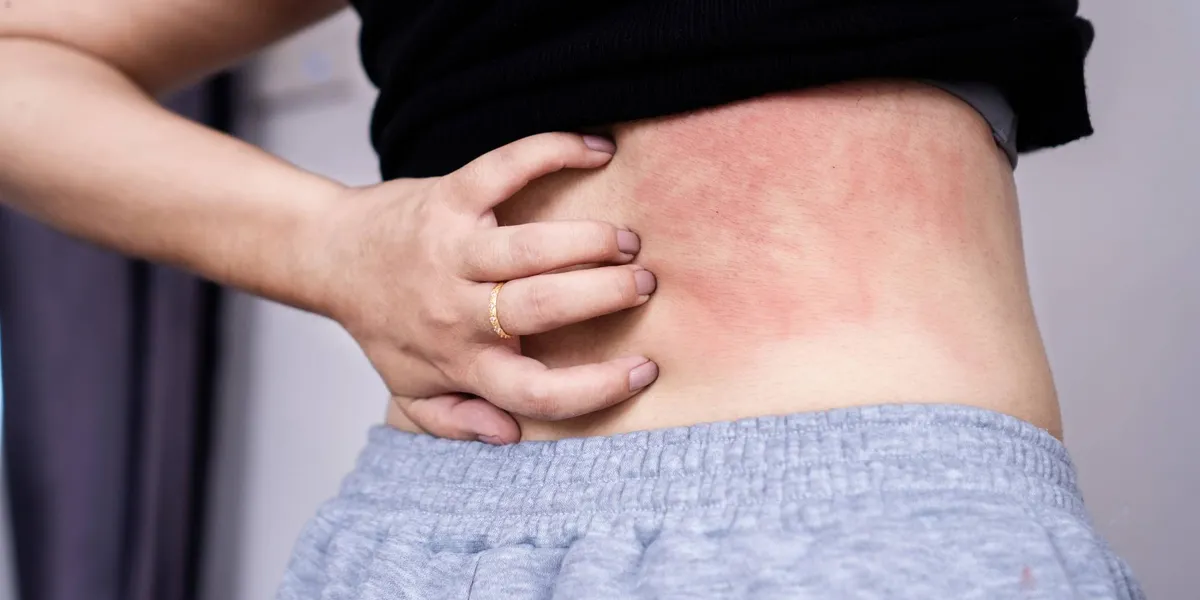
English La urticaria crónica espontánea (UCE) es cómo tu tía menos querida. Aparece sin previo aviso para quedarse más de lo que hubieses deseado. Estas ronchas rojas con comezón no tienen una causa obvia y duran 6 semanas o más. Y los efectos de esta comezón continua causada por la UCE afectan más que solo la piel. Vivir con UCE puede afectar tu salud mental, así como tu vida laboral y personal. Síntomas de la urticaria espontánea crónica La UCE no puede predecirse. A diferencia de ronchas que aparecen si tienes exposición a algo a lo que eres sensible o alérgica, las ronchas de la UCE aparecen y desaparecen, en una forma que parece aleatoria. Y pueden manifestarse por un período de tiempo largo. Esto significa que podrías estar teniendo una semana “buena”, con nada o pocas ronchas y haces planes para salir. Repentinamente se manifiestan ronchas que te hacen pasar muy mal. O podrían manifestarse justo antes de una presentación importante en el trabajo o de vacaciones muy esperadas (y necesarias). Esta imprevisibilidad podría causar incertidumbre en lo que se refiere a hacer planes y podría ser frustrante si tienes que cancelarlos. También puede afectar tus relaciones si las personas a tu alrededor no entienden cuán difícil puede ser tener ronchas recurrentes como estas. Aquí encontrarás cuatro formas en que la UCE podría afectar tu vida. Mayor ansiedad y depresión Investigadores han determinado que las personas que viven con UCE tienen mayores tasas de ansiedad y depresión, hasta seis veces más altas, que personas que no tienen ese trastorno. Si no se trata, la depresión puede causar problemas físicos, incluyendo enfermedades cardíacas y accidentes cardiovasculares. La ansiedad y la depresión también pueden afectar tu capacidad para obtener asistencia médica, para seguir planes terapéuticos, para ir al trabajo o a la escuela y para cuidarte a ti y a tu familia. Una forma de psicoterapia, terapia cognitivo-conductual (TCC), es útil para muchas personas con ansiedad y depresión. La meta con este tipo de terapias es identificar estrategias de adaptación y ayudarte a controlar tus pensamientos y sentimientos. Habla con tu proveedor de atención médica (HCP, por sus siglas en inglés) sobre asistencia si tienes ansiedad o depresión. También hay grupos que pueden ofrecer apoyo, tales como WeCU y Allergy & Asthma Network. Privación de sueño Sabemos que si tenemos dolor, eso puede ser perjudicial para nuestro sueño, pero muchas personas no comprenden lo que es una comezón perturbadora, así que podrían no entender cuán cansada y fatigada estás. Más de la mitad de personas que tienen UCE no pueden dormir apropiadamente. Esto, a su vez, puede empeorar la depresión y la ansiedad, así como otros problemas de la salud mental. La privación del sueño también puede incrementar tu riesgo de tener accidentes, lesiones y problemas médicos a largo plazo, tales como enfermedades cardíacas y algunos tipos de cáncer. Si la UCE afecta tu sueño, es importante que hables con tu proveedor de atención médica al respecto. Si tomas antihistamínicos de segunda generación que no causan somnolencia, es posible que tu proveedor de atención médica sugiera agregar otro en la noche que cause sueño. También pueden haber otras opciones farmacéuticas útiles. Trabajar en métodos para la relajación de la mente y el cuerpo podría ser útil. Hay muchas opciones de autoayuda que son útiles para que personas duerman, pero trabajar con un terapeuta podría ser la mejor forma de empezar, especialmente con alguien que trabaje con personas que viven con UCE o con problemas médicos similares. Menor placer de la vida social y laboral Hay varias razones por las cuales la UCE podría tener un impacto importante en tu vida social, laboral o académica. Adultos con UCE pierden más días de trabajo que personas con otros trastornos alérgicos y no se desempeñan tan bien en el trabajo. Según un estudio, personas con UCE leve tuvieron una reducción de aproximadamente el 12% de su productividad laboral y las personas con UCE grave una del 44%. Lo mismo ocurre con niños que tienen UCE. Tienen un peor desempeño académico que sus compañeros que no tienen ronchas a largo plazo. Las tareas cotidianas y la intimidad pueden verse afectadas también. No es inusual para algunas personas con UCE tener problemas con su autocuidado, con su vida familiar y con los quehaceres del hogar. La actividad sexual y las relaciones íntimas también pueden volverse difíciles. Mantener una relación puede ser complicado si tienes inseguridad por la apariencia de tu piel, si tienes comezón todo el tiempo, si sientes fatiga y si tu salud mental ha sido afectada. Pasatiempos y solo salir para divertirte usualmente es una buena forma de relajarse y recargar energías. Pero si vives con UCE, es posible que ni siquiera pienses en eso. Encontrar ropa que se sienta cómoda puede ser difícil. La ropa apretada causa fricción con tu piel y algunas prendas están hechas de materiales irritantes, tales como lana, o tienen costuras o tejidos que pueden ser incómodos si entran en contacto con tu piel. Si tienes un estilo particular que te gusta usar, podría ser desalentador si debes escoger prendas que te quedan más flojas de materiales distintos que no concuerdan con lo que te gustaría ponerte. Si debes usar un uniforme en tu trabajo o institución educativa, esto también podría ser un problema aún mayor y es posible que debas pedir permisos especiales en lo que se refiere al estilo o al material. Mayor riesgo de infecciones Si bien esto no es común, si rascas tus ronchas lo suficiente y lastimas tu piel, podrías desarrollar una infección que podría volverse grave si no se trata. Si lastimas tu piel, asegúrate de limpiar esa área, de aplicar ungüentos antibióticos y de cubrir la lesión para protegerla. Ve al consultorio de tu proveedor de atención médica si desarrollas enrojecimiento o inflamación o si ves cualquier secreción o pus que salga de esa área. Controlar la UCE La UCE es más que “solo ronchas”. Tiene un impacto significativo en tu
GLP-1s may cut liver complication risk in MASLD, type 2 diabetes
Add topic to email alerts Receive an email when new articles are posted on Please provide your email address to receive an email when new articles are posted on . “ data-action=”subscribe”> Subscribe We were unable to process your request. Please try again later. If you continue to have this issue please contact customerservice@slackinc.com. Back to Healio Key takeaways: GLP-1 use was associated with reduced hepatic complications in MASLD and type 2 diabetes. Reductions in hepatic complications were observed across FIB-4 and BMI groups among patients with MASLD. Use of GLP-1s was associated with significantly reduced risk for hepatic complications among patients with metabolic dysfunction-associated steatotic liver disease and type 2 diabetes, according to data. The observational study, published in The American Journal of Gastroenterology, showed that the reduction was prompted by fewer cases of incident cirrhosis. Researchers also found that GLP-1s may have a greater disease-modifying potential earlier in the fibrosis trajectory, before advanced fibrosis is established. “It was intriguing to see both the magnitude and consistency of the benefit of GLP-1 treatment,” lead author Erik Almazan, MD, resident physician at Brigham and Women’s Hospital, told Healio. “We observed a 38% lower risk of hepatic complications in intention-to-treat analysis and a 42% lower risk in per-protocol analysis. “These findings suggest an exposure-response pattern consistent with a real biological effect with greater benefit observed during active treatment,” he added. All of Us: GLP-1s, liver outcomes in MASLD Almazan and colleagues used NIH’s All of Us dataset — a nationwide, sociodemographically diverse cohort — to examine long-term, real-world outcomes among individuals with MASLD and type 2 diabetes using GLP-1s compared with a propensity score-matched control group. The retrospective cohort study included 2,110 individuals (mean age, 55.8 years) on semaglutide (Wegovy, Novo Nordisk), liraglutide (Victoza/Saxenda, Novo Nordisk), dulaglutide (Trulicity, Eli Lilly & Co.), exenatide, albiglutide, lixisenatide (Adlyxin, Sanofi) or tirzepatide (Mounjaro; Zepbound, Eli Lilly & Co.). They were matched with 2,110 nonusers (mean age, 56.9 years). All individuals were 18 years and older, and the majority were women and white. Data were collected from electronic health records, participant provided information and survey results from 2018 to 2023. Two analyses were conducted: an intention-to-treat analysis and per-protocol analysis. Subgroup analyses also looked at BMI and fibrosis-4 (FIB-4) scores (mean, 1.06 and 1.1). Median follow-up was 2.7 years. Individuals who had experienced hepatic complications, including prior cirrhosis, or other chronic liver diseases, were excluded. Other reasons for exclusion included prior exposure to GLP-1s, GLP-1 use less than 30 days, starting GLP-1s before MASLD diagnosis, no follow-up or having high risk FIB-4 scores (> 2.67). The primary outcome was a composite of hepatic complications, including incident cirrhosis, hepatocellular carcinoma, decompensation events and liver transplantation. Consistent liver benefit with GLP-1s Overall, 187 patients experienced hepatic complications in the intention-to-treat analysis. Of those, 74 events happened in GLP-1 users (95% CI, 10.59-16.94) and 113 happened in nonusers (95% CI, 18.02-26.29), corresponding to a 38% lower relative risk for hepatic complications among users (HR = 0.62; 95% CI, 0.46-0.83). Results were similar in the per-protocol analysis. GLP-1 users experienced 56 events (95% CI, 9.78-16.81) and the nonuser group had 113 (95% CI, 18.02-26.29), representing a 42% lower relative risk for complications among those using a GLP-1 medication (HR = 0.58; 95% CI, 0.42-0.8). “This complements data from randomized controlled trials that demonstrated histological benefits with GLP-1 receptor agonists but did not follow patients long enough to evaluate for clinical endpoints,” Almazan said. “Our findings extend those results to a more generalizable population.” Compared with non-users, GLP-1 users reported sustained reductions in BMI and body weight over 5 years. The researchers noted that, on average, BMI declined by about 1 to 2 kg/m² while body weight decreased by approximately 3 to 8 kg. Additionally, GLP-1 use was associated with lower hazard estimates in the low FIB-4 group in both analyses, which has implications for “how aggressively” clinicians can identify and treat metabolic dysfunction in MASLD and type 2 diabetes, Almazan said. “The consistency of our findings where there was a directional benefit across FIB-4 strata and BMI categories also suggests that the hepatoprotective benefit of GLP-1 receptor agonists is not confined to a subset of patients and is likely applicable across the MASLD population, with the caveat that our study did not account specifically for participants with lean MASLD,” Almazan said. Limitations noted in the study included limited follow-up, whether benefits continue with time or affect rates of outcomes such as HCC or liver transplant, and if the use of ICD codes instead of imaging or histology to assess fibrosis strata impacted results. In addition, because the All of Us Research Program includes volunteer participants, it has its “own selection and surveillance bias considerations,” Almazan said. He added that the program itself was worth highlighting: “All of Us deliberately aims to include racial and ethnic minorities as well as lower-income participants, demographic profiles that closely mirror the patients at highest risk for MASLD-related complications, and that are also often underrepresented in medical research including RCTs,” he said. “We believe that demonstrating a benefit that holds after propensity score matching on socioeconomic variables is a meaningful addition to the existing literature.” For more information: Erik Almazan, MD, can be reached at ealmazan@mgh.harvard.edu. Published by: Ask a clinical question and tap into Healio AI’s knowledge base. PubMed, enrolling/recruiting trials, guidelines Clinical Guidance, Healio CME, FDA news Healio’s exclusive daily news coverage of clinical data Learn more Add topic to email alerts Receive an email when new articles are posted on Please provide your email address to receive an email when new articles are posted on . “ data-action=”subscribe”> Subscribe We were unable to process your request. Please try again later. If you continue to have this issue please contact customerservice@slackinc.com. Back to Healio Source link
Dry Eye and Menopause – HealthyWomen
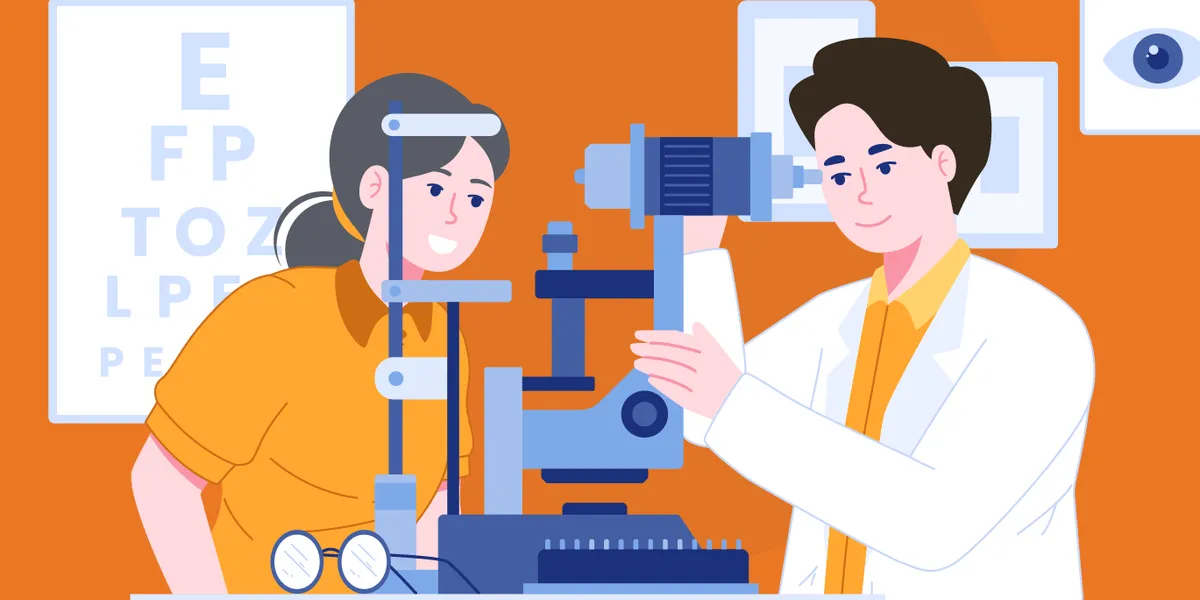
What causes dry eye symptoms during menopause? The tears that keep your eyes moist are made of three layers: water, oil and mucus. When levels of the hormones estrogen and androgen drop during the menopause transition, so does the amount of oil in your tears. Without enough oil, tears evaporate too quickly — leaving you with dry eyes. Some symptoms of dry eye during menopause are: Dryness, grittiness Feeling like you have something in your eye Redness Burning and stinging Leaking tears Blurry vision Sensitivity to light DYK? 6 out of 10 perimenopausal and menopausal women deal with dry eye symptoms. How is dry eye during menopause treated? Over-the-counter eye products Artificial tears Eyelid cleaners Warm compresses to increase oil in your tears Prescription medicines Eye drops Pills A nasal spray that helps boost tear production Procedures Light therapy Eyelid massage Lifestyle changes that can help dry eye symptoms Take a break from screens Use a humidifier Drink plenty of water Eat foods that contain eye-supporting fatty acids Fatty fish like salmon and mackerel Flax seeds Chia seeds Walnuts Don’t wear contacts if they bother your eyes Wear sunglasses to protect your eyes from light and wind Dry eye during menopause is common, but you don’t have to suffer through it. See a healthcare provider if your dry eye symptoms: Are affecting your daily life Don’t go away with over-the-counter treatments Don’t improve with lifestyle changes Are causing you pain Are causing you to have trouble seeing This educational resource was created with support from Viatris, a HealthyWomen Corporate Advisory Council member. Source link
Direct-to-consumer pharmacies offer savings
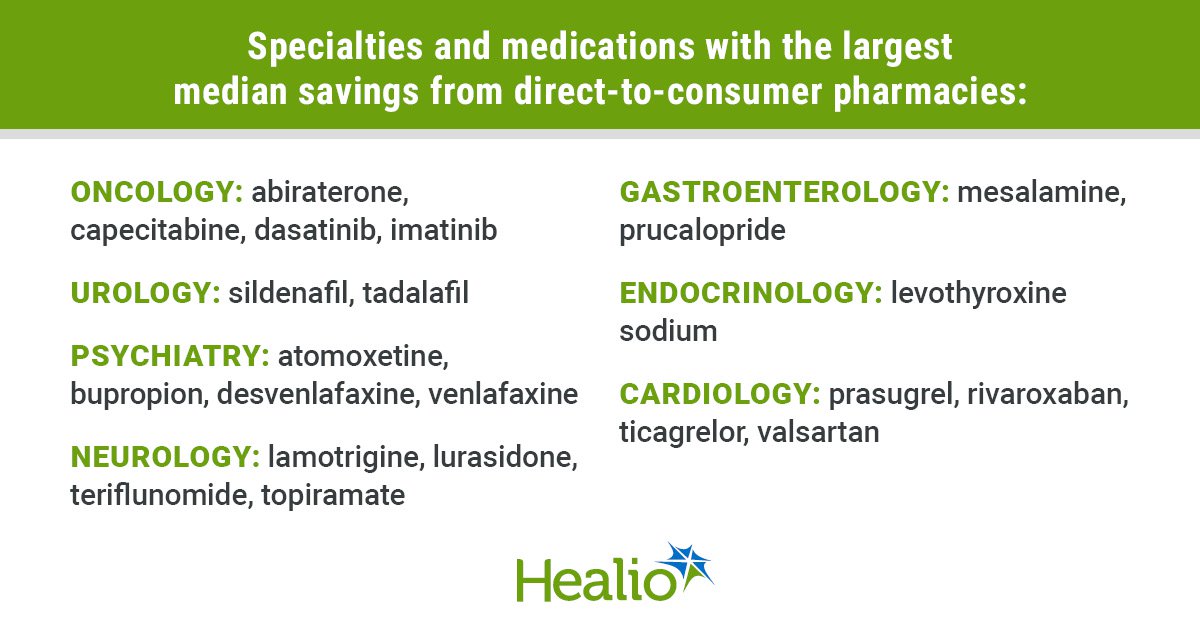
Add topic to email alerts Receive an email when new articles are posted on Please provide your email address to receive an email when new articles are posted on . ” data-action=subscribe> Subscribe We were unable to process your request. Please try again later. If you continue to have this issue please contact customerservice@slackinc.com. Back to Healio Key takeaways: If purchased through direct-to-consumer pharmacies, 80% of generic drugs with cost sharing of at least $15 would have lower out-of-pocket costs. Experts discussed the model’s pros and cons. Direct-to-consumer pharmacies could offer substantial savings for patients taking generic medications, according to experts. John Lin, MD, MSHP, assistant professor of Health Services Research at The University of Texas MD Anderson Cancer Center, and colleagues recently published a research letter in Annals of Internal Medicine evaluating savings from direct-to-consumer (DTC) pharmacy models. Data derived from Lin JK, et al. Ann Intern Med. 2026;doi:10.7326/ANNALS-25-05049. “As an oncologist, DTC pharmacies have helped many of my patients better afford their cancer drugs. It can be incredibly stressful to have a serious illness, like multiple sclerosis or cancer, and then not be able to afford your medicines,” Lin said. “We wanted to make it easier for patients and prescribers to know when they should turn to DTC pharmacies for help.” What are DTC pharmacies? DTC models offer transparent pricing and permit patients to purchase their medications without using their health insurance, in a bid to help patients afford generic prescriptions, Lin and colleagues wrote. However, some have questioned DTC’s usefulness for those who are commercially insured, especially during cost-sharing, when patients must pay only part of the drug’s cost after meeting a deductible. “Commercial insurance relies on third parties to negotiate benefits packages and prices. You have to pay them to do that. They get involved with both generics and name-brand drugs, and I think over the years, they have shown themselves to be inefficient and expensive, which led to the creation of this DTC … that is run directly by the company, no middleman,” Arthur L. Caplan, PhD, a professor and founding head of the division of medical ethics at NYU Grossman School of Medicine, told Healio. Caplan said these pharmacies will list the medications they have — almost always generic options — with a base price. Usually, they will add a handling charge as well, “but that’s it.” “So, roughly speaking, DTC is cheaper and easier to use if you’re taking generics than commercial pharmacy benefit management (PBM) programs,” Caplan said. “If you’re still taking name-brand drugs, I think the PBMs both have more of those available, and they compete fairly well, because the DTC model usually doesn’t try to cover name brands.” Lin added that “DTC models cut out the middlemen that lower costs for the insurance company but don’t always trickle down to the patient.” “PBMs made close to $10 billion as middlemen charging for their negotiation between drug manufacturers and pharmacies. I think that is wasteful. It has not brought down health care costs. It hasn’t really given greater access. It hasn’t even really cut back on copays,” Caplan said. “Having a for-profit middleman commercial PBM insurer has just not worked. So, the DTC model just has a lot more going for it.” However, if patients have not yet met their deductible, paying cash through a DTC pharmacy will not count, Lin said. So, he only recommends using these after a patient has met their prescription deductibles. “It’s important that doctors get informed about this too, so they can recommend to their patients what is best when they prescribe,” Caplan said. “They may not have time to do that during a doctor-patient encounter, but putting information in the waiting room, putting up some videos that help explain the difference, I think would be very worthwhile.” Direct comparisons In the study, Lin and colleagues matched coinsurance or copayment accounts for generic prescription claims from Merative MarketScan encounters and commercial claims in 2024 with 2025 direct purchase prices through the DTC Mark Cuban Cost Plus Drug Company (MCCPDC) based on drug name, quantity, strength and formulation. They analyzed 60,200,969 claims. The researchers found that purchasing through the DTC pharmacy would have saved patients a median of $6 in about 15% of prescriptions, but savings increased for medications with higher cost sharing. For generic drugs that had cost sharing of at least $15, patients would have seen lower out-of-pocket costs for 80% of the prescriptions if they had been purchased through the DTC pharmacy. Additionally, when the researchers analyzed generics with cost sharing of at least $100, they found a stark disparity. Through insurance, median out-of-pocket costs were $140. But through the DTC pharmacy, median out-of-pocket costs were $25 — equating to 85% in median relative savings, or $119 in median absolute savings. “We anticipated there would be savings with direct-to-consumer pharmacies, but what was surprising was the consistency and depth of the savings,” Lin said. “For the highest cost generic drugs, patients who were paying $145 for their copay would only pay $25 through Mark Cuban Cost Plus Drugs.” Lin also noted some of the disease areas where patients commonly see large savings for medications purchased through a DTC pharmacy, including the median savings and interquartile range (IQR) for each: cardiology ($110; IQR = $87 to $160): prasugrel, rivaroxaban, ticagrelor and valsartan; endocrinology ($120; IQR = $114 to $122): levothyroxine sodium; gastroenterology ($129; IQR = $84 to $219): mesalamine and prucalopride; neurology ($133; IQR = $99 to $279): lamotrigine, lurasidone, teriflunomide and topiramate; oncology ($468; IQR = $123 to $1,905): abiraterone, capecitabine, dasatinib and imatinib; psychiatry ($136; IQR = $102 to $224): atomoxetine, bupropion, desvenlafaxine and venlafaxine; transplant ($100; IQR = $71 to $208): tacrolimus; and urology ($139; IQR = $114 to $213): sildenafil and tadalafil. “Primary care physicians are overburdened and are often unable to speak with all of their patients about prescription costs. We hope that the simplicity of our message can help physicians and patients better understand options available to

The Migraine Trust awarded The Helplines NI Brendan Bonner Award for Innovation
The post The Migraine Trust awarded The Helplines NI Brendan Bonner Award for Innovation appeared first on The Migraine Trust. Source link
Spiritual care ‘essential’ in cancer care, but often not provided
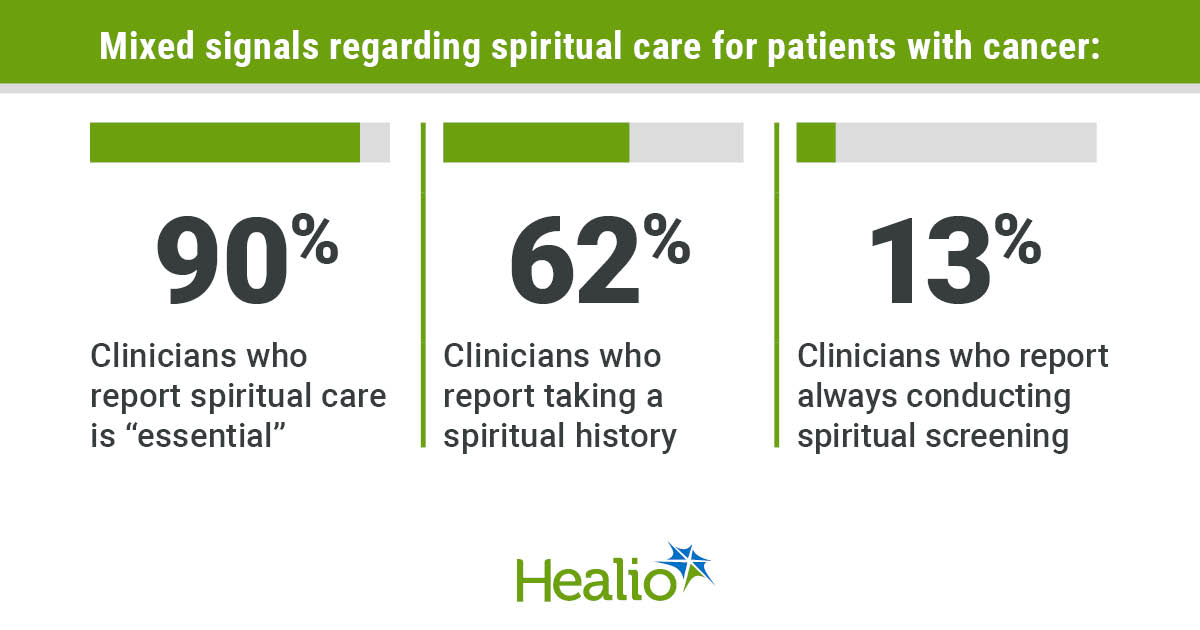
Add topic to email alerts Receive an email when new articles are posted on Please provide your email address to receive an email when new articles are posted on . “ data-action=”subscribe”> Subscribe We were unable to process your request. Please try again later. If you continue to have this issue please contact customerservice@slackinc.com. Back to Healio Key takeaways: More than 90% of clinicians agree spiritual care is critical within cancer care. However, twice as many clinicians never screen for spiritual distress as those who always screen for it. Most clinicians agree that spiritual care is “essential” to taking care of patients with cancer, but only a fraction routinely screen for distress. In a survey of nearly 700 oncologists, hematologists and palliative care clinicians, more than 90% agreed spiritual suffering can negatively affect outcomes, yet many of those respondents reported screening should not be part of their professional role, and less than 15% said they always screened for spiritual distress. Data derived from Ripamonti CI, et al. JCO Oncol Pract. 2026;doi:10.1200/OP-25-01129. “If the goal of treatment is healing or prolonging survival with a good quality of life, for patients who request it, spiritual care must be part of the strategy for total management of the patient’s well-being,” Carla I. Ripamonti, MD, of the department of medical and surgical specialties, radiological sciences and public health at University of Brescia in Italy, told Healio. ‘Unaddressed’ needs Between 20% and 30% of patients with cancer experience spiritual distress, Ripamonti said. “Although spiritual needs are studied mainly in the context of patients with advanced cancer and at the end of life, patients often develop spiritual needs upon the cancer diagnosis, with the increase in the first 6 months following diagnosis regardless of the severity of the cancer, during the course of disease and its treatments, as well during remission,” she explained. Healio previously detailed how spiritual care can benefit patients with cancer, including helping them understand their disease and discussing topics such as death. It also can help with pain, anxiety, depression, coping, and overall well-being. Multiple guidelines, including WHO palliative care framework, acknowledge spiritual health is a critical piece of care, according to study background. “In a recent systematic review and expert consensus, it emerges that for patients with serious illness, spirituality is important for most of them, spiritual needs are common and spiritual care is very frequently desired by those patients,” Ripamonti said. “Moreover, in that setting, spirituality can influence medical decision-making. The provision of spiritual care in the medical care was associated with better end-of-life outcomes, while unaddressed spiritual needs can be associated with poorer patient quality of life. “Despite these results based on highest-quality evidence, spiritual needs of patients with serious illness are still frequently unaddressed within medical care.” Ripamonti and colleagues conducted a cross-sectional online survey from Dec. 23, 2024, to Feb. 7, 2025, to assess spiritual care from the viewpoint of clinicians from 55 countries. The survey had 670 respondents (mean age, 47.8 years; standard deviation, 12.3; 64% women; 57% from Europe; 34% from North America). Most respondents were oncologists/hematologists (36%) or palliative care physicians (33%), and worked at general hospitals (39%), comprehensive cancer centers (28%) or academic facilities (28%). Perceptions, practices and barriers to providing spiritual care served as primary outcomes. ‘A public health problem’ The vast majority of respondents agreed spiritual care is an “essential” part of cancer care (90%) and that spiritual distress can negatively impact a patient’s quality of life (92%). Most also agreed that taking a spiritual history shows “respect” to patients, even if clinicians do not have the same beliefs (93%), and that all clinicians who care for patients should take a spiritual history as part of a whole-person assessment and plan (75%). These data “positively surprised us,” Ripamonti said. However, when discussing their own professional roles, only 72% of respondents agreed they should discuss spirituality, 65% reported they should be ones conducting spiritual screening, and 62% said taking a spiritual history constituted part of their job. “It did not surprise us that in routine clinical practice, there is still little attention to the evaluation of spiritual needs, even through simple screening by asking the patient simple questions such as, ‘Is spirituality or faith important to you in thinking about your health and illness?’ Or, ‘Do you have, or would you like to have, someone you can talk to about spiritual or faith matters?’” Ripamonti said. Compared with palliative care physicians, oncologists had a significantly lower likelihood of reporting spiritual care as part of their professional role (adjusted OR = 0.27; 95% CI, 0.12-0.59), that they screened for spiritual distress (aOR = 0.44; 95% CI, 0.21-0.95), and that discussions about spiritual history should be part of their role (aOR = 0.37; 95% CI, 0.16-0.87). Overall, 13% of respondents reported they “always” screened patients for spiritual needs, whereas 25% said they never did it. Palliative care nurses had the highest rates of “always” screening (38%), then psychosocial practitioners (28%) and palliative care physicians (22%). Conversely, less than 10% of hematologists/oncologists reported “always” screening patients. Similarly, a substantially higher rate of respondents reported “never” taking a spiritual history than “always” taking one (28% vs. 9%). Among hematologists/oncologists, 47% reported “never” conducting a spiritual history assessment. The most common barriers to spiritual care included lack of time (49%) and not being part of the respondents’ responsibilities (46%). Overall, 57% of hematologists/oncologists agreed spiritual care was not part of their job. “In clinical practice, there is a gap between the spiritual needs of patients with cancer at every stage of their illness and the clinician consideration and response,” Ripamonti said. Researchers acknowledged study limitations, including the survey being distributed through professional societies and social media, which could have limited the number of clinicians who received it. Ripamonti emphasized the importance of training and education to increase awareness and implementation. Most respondents reported not being trained in spiritual care, but they agreed it was
Can you Reverse Grey Hair? New Updates.
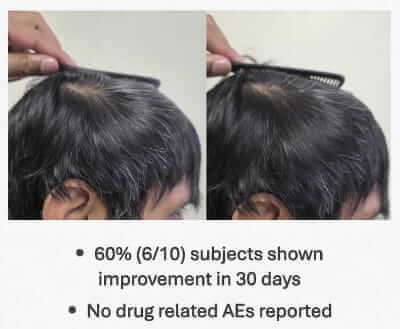
My original post on a grey hair cure that was first written in 2016 became way too lengthy due to the constant new updates. I am therefore moving all new updates from 2023 onward into this post. Update: June 2026 Rapamycin to Reduce Grey Hair In my May 22, 2023 update in this post, I discussed a US study that found that topically applied rapamycin (sirolimus) could reverse grey hair via mTORC1 inhibition. I also covered rapamycin in my post on autophagy. In recent years, the compound has been heavily researched for its anti-aging properties. Now we have yet another study with similar findings. At the 14th World Congress for Hair Research at the end of last month, Dr. Andy Goren made a presentation titled “Repigmentation of Grey Hair.” In it, he discussed a small 10-person proof of concept study for oral rapamycin as a potential treatment for early hair graying. The dosage was 0.5 mg every other day, and the male and female volunteers all had less than 30% grey hair. Of the 10 participants, 6 saw an improvement in grey hair within 30 days. Check out the 4 slides here for more details. Dr. Goren’s Instagram also has a related slide titled: “Fifty Shades of Grey. The Sirolimus Effect: Targeting mTOR Pathway in Premature Hair Greying.” Rapamycin and early-stage grey hair reduction. Source: Professor Andy Goren. Update: November 2025 An interesting new 10-person observational study found that exosome therapy may be a promising approach in inducing hair re-pigmentation. Update: April 2025 Targeting the prolactin receptor could restore hair pigmentation per a note on Absci’s website regarding its ABS-201 product. Upon further research, I found a 2006 study that mentions prolactin inducing cessation of pigmentation. In a podcast with Joe Rogan, the CEO of Colossal Biosciences Ben Lamm mentioned a new company spun out of Harvard that is developing a treatment to reverse grey hair. They deliver melanocyte stem cells and medications via microneedle patches. It is not clear which company he is talking about. Update: March 2025 Vasoactive intestinal peptide operates as a negative regulator of human hair follicle pigmentation. Update: February 25, 2024 Hormones and Hair Greying In a new German study titled “Endocrine Controls of Skin Aging“, one of the subjects covered is hair graying. According to lead author Markus Böhm, hormones may have therapeutic potential to prevent both skin wrinkling and hair greying. The researchers studied pivotal hormones that control skin aging, including insulin-like growth factor 1, growth hormone, estrogens, retinoids and melatonin. They also analyzed additional endocrine players, including α-melanocyte-stimulating hormone, members of the hypothalamic-pituitary-thyroid axis, oxytocin, endocannabinoids (found in CBD products) and peroxisome proliferator-activated receptor modulators. Update: February 6, 2025 A new Japanese study in mice found that luteolin (an antioxidant found in vegetables) may contribute to the prevention of hair graying. Actual study is here. Update: February 5, 2025 Phase 3 Clinical Trial for a Grey Hair Repigmentation Product In a bolt from the blue, a reader sent me a link to a Phase 3 clinical trial from Applied Biology in relation to a grey hair (canities) treatment called CS-001. The 240-person Phase 3 trial will begin on June 15, 2025 and end on June 15, 2027. Half the volunteers will be in the placebo group. CS-001 is described as a small molecule that: “Affects lysosomal storage and transfer of melanin from hair follicle melanocytes.” In vitro and a small pilot study already demonstrated re-pigmentation of grey hair following CS-001 application. I am not sure if they ever conducted Phase 1 or Phase 2 trials. It is also strange that while Applied Biology was sold in 2022, the company’s name and that of its CEO Dr. Andy Goren are still listed in the above clinical trial page link. Applied Biology developed a widely discussed minoxidil sulfotransferase enzyme booster hair growth product that I covered in detail. Grey Hair Reversal: Latest Updates Update: December 12, 2024 In a new Japanese study led by the renowned Junji Fukuda, researchers found that the knockdown of genes associated with melanosome production (Bcl2 and Mitf) and transport (MyoX, PAR2, and Rab11b) significantly increased the number of gray hairs in hair follicle organoids. This new organoid model allows for a better understanding of hair pigmentation, and potential screening of new grey hair reversal drugs. Update: August 2024 The University of Bradford (UK) and Coegin Pharma (Sweden) partnership will release various peptide based products to target skin and hair pigmentation. The first product to increase skin pigmentation (i.e., self-tanning) will likely come out in 2026. A new study finds that the bitter taste receptor TAS2R50 is a novel regulator of human scalp hair follicle pigmentation. One of the co-authors is Ralf Paus, and his company Cutaneon holds a patent (see number 7) for TAS2R50 and regulation of pigmentation. Update: July 30, 2024 Liposomal Nicotinamide Riboside and Pterostilbene Supplement for Grey Hair Reversal. Reader “Andy” just posted an interesting link regarding a patent for a new grey hair treatment that combines Pterostilbene and Nicotinamide. A popular supplement on Amazon that contains both Pterostilbene and Nicotinamide has one reviewer who said that it helped her friend with grey hair. Moreover, upon further research, I found the following encouraging 2-year old comment from a Subreddit on supplements: Grey Hair Reversal Supplement with Pterostilbene and Nicotinamide. Update: October 1, 2023 Can hair greying be prevented? Update: September 6, 2023 A new South Korean company named YJ Lab is raising funds to start a large-scale clinical trial for its unique melanin restoration technology. The company recently developed a regenerative material that restores the pigment of grey hair. It re-activates damaged melanocytes and removes active oxygen in order to restore hair color. It has already conducted successful internal trials. New grey hair reversal technology. Source: YJ Lab. Interestingly, YJ Lab is developing a specially made comb equipped with its refillable solution. Consumers can then conveniently apply this melanocyte regeneration material into the scalp. Update: August 28, 2023 Yet another detailed new study from China
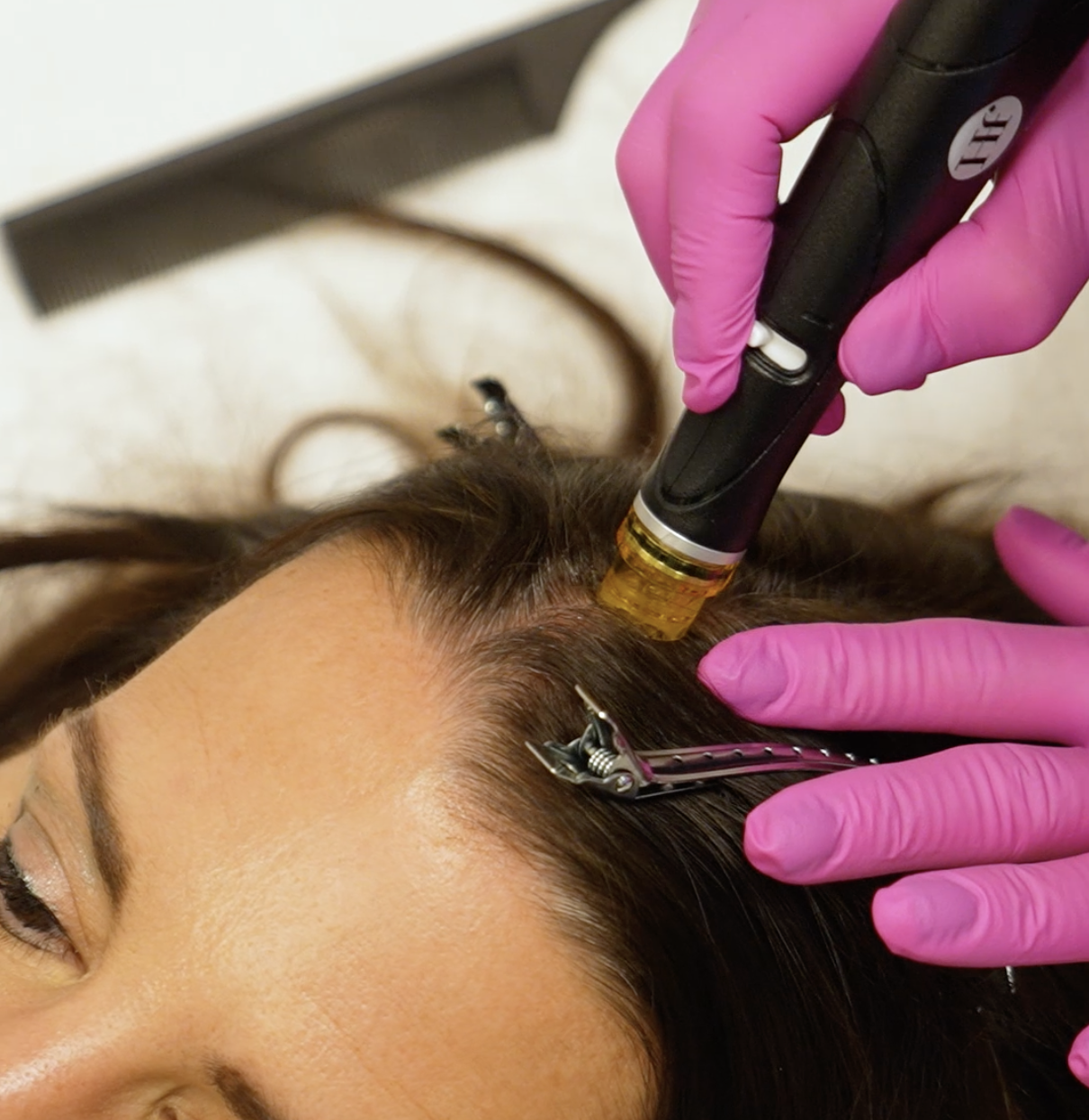
Scalp HydraFacial in Scottsdale: What To Know
What Happens During the Treatment The Keravive Scalp HydraFacial follows a three-step process. First, the scalp is deeply cleansed and exfoliated using a gentle peel that removes the outermost layer of buildup and dead skin, uncovering a fresher, more receptive surface underneath. Then the device uses its signature painless suction to extract impurities from the pores. This is the “scalp vacuum” step that most people are curious about. It is gentle and not uncomfortable, and the results in terms of what comes out of the scalp are often striking. Finally, the scalp is saturated with the Keravive peptide complex, a nourishing blend of growth factors, proteins, and hydrating ingredients that support follicle health from the outside in. The Vortex-Fusion technology drives these ingredients deeper into the scalp than topical application alone could achieve. The full session is 60 minutes, and there is no downtime. What Results to Expect Most patients notice an immediate difference in how their scalp feels, cleaner, less tight, more comfortable. Visually, hair often looks fuller and healthier after a session as the scalp environment improves. Over a series of treatments, the cumulative benefits include increased scalp circulation, a reduction in buildup and inflammation, and a more favorable environment for follicle activity. Patients in our hair restoration programs consistently report that adding regular scalp HydraFacials to their protocol improves the results they see from their clinical treatments. Results from a single treatment include a cleaner, exfoliated and hydrated scalp, improved scalp circulation, and a visibly healthier appearance to the hair. For ongoing support, we recommend the 3-pack membership for the most consistent benefit. Who Is It For? The Keravive Scalp HydraFacial is appropriate for anyone looking to improve scalp health or support their hair growth results. It is particularly beneficial for people who are in active hair restoration treatment and want to optimize the scalp environment between clinical sessions, anyone dealing with product buildup, excess oil, or scalp dryness, people noticing early signs of thinning who want a proactive approach to scalp health, and those who want to boost results after exosome therapy, PRP, or scalp microneedling. It is suitable for all hair types and scalp conditions. If you are unsure whether it is appropriate for your specific situation, our team can advise during a consultation. How It Fits Into a Hair Restoration Plan At NHLMA, we think of the scalp HydraFacial as the nourish layer of your treatment plan. Clinical treatments like exosomes, stem cell secretomes, and scalp microneedling work at the biological level to stimulate regrowth. The scalp HydraFacial ensures the environment those treatments are working in is as clean, healthy, and receptive as possible. For patients using topical treatments like minoxidil or our topical melatonin serum, a clear and well-hydrated scalp also improves absorption and effectiveness. Source link